Matox News

Truth Over Trends, always!

Top 20 Budget-Friendly Outdoor Gear Picks from REI’s Member Days Sale

REI’s Seasonal Sale Highlights Shifts in Consumer Tech & Outdoor Innovation

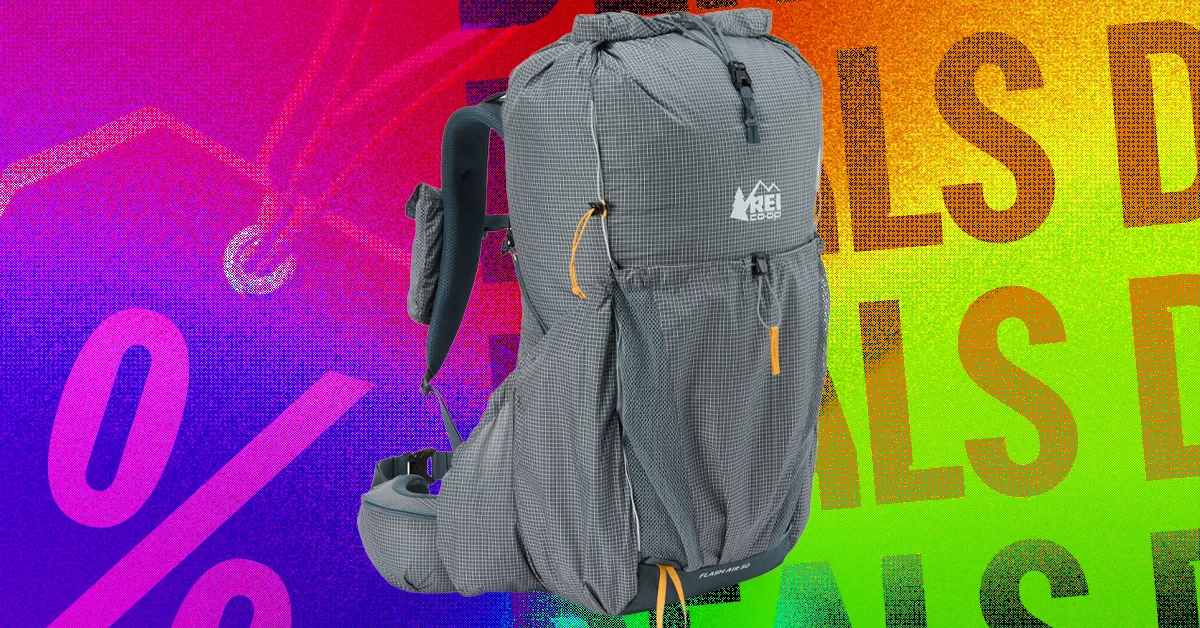
As the digital economy continues to reshape traditional retail frameworks, REI’s latest promotional event underscores the strategic integration of innovative gear and tech into consumer lifestyles. Running through March 23rd, this exclusive sale leverages membership incentives, offering discounts on cutting-edge Garmin watches, portable outdoor stoves, and rugged tents—an indication of the increasing convergence of outdoor adventure with high-tech innovation. This market shift toward digitally integrated outdoor gear signals a broader trend driven by rising demand among youthful consumers eager for both adventure and connectivity.

Such initiatives are more than just sales; they reflect a fundamental disruption in how companies engage with target demographics. As noted by industry analysts from Gartner, the emphasis is shifting towards personalized, loyalty-oriented marketing approaches that integrate digital membership strategies. REI’s offering of a 20% discount on select items with promo code MEMBER26 exemplifies this shift and underscores the importance of seamless online-to-offline experiences in maintaining competitive advantage. The move to exclusive deals tailored for members also exemplifies how these retailers are harnessing market segmentation to maximize customer retention and lifetime value—an approach heavily endorsed by business strategists like Peter Thiel.

The rise of digitally-native retail strategies aligns with a larger movement of disruption in traditional brick-and-mortar retail models. This is not limited to outdoor gear, but extends to broader sectors where tech-savvy consumers seek innovative, smart products. Companies like Garmin and others are racing to develop wearables that offer nuanced health tracking, navigation, and even environmental sensing. Such developments position these firms at the vanguard of a new consumer frontier: blending physical adventure gear with IoT, AI, and real-time data analytics. This convergence promises to exponentially increase the value proposition for users while forcing incumbents to innovate or cede ground in a fiercely competitive landscape.

Looking forward, industry experts warn that these trends will accelerate as advances in AI and machine learning fuel the development of even smarter outdoor gear and retail platforms. According to MIT’s latest research, the next wave of disruption will come from the integration of cloud native technologies with consumer products, creating a new ecosystem of connected devices and personalized experiences. Whether it’s through AI-enhanced product design or immersive online shopping experiences, the message is clear: the pace of technological innovation will determine which players survive and thrive in this rapidly evolving market. As consumer expectations shift toward intelligent and highly personalized products, businesses that leverage cutting-edge technology now will have a distinct advantage in the race for future dominance.

In conclusion, the reopening of summer markets and the timing of these retail innovations underscore a pivotal moment for industry stakeholders. As Elon Musk has emphasized, “Disruption is inevitable; companies must adopt a futurist mindset to stay ahead.” The integration of advanced wearable tech, AI-driven personalization, and member-centric marketing strategies signifies a new era of agile, innovative business models that will define the next decade. For young consumers and forward-thinking companies alike, the imperative is clear: adapt swiftly, embrace technological change, and lead the charge into a more connected, intelligent, and disruptive future.

Top Outdoor Gear Deals for Young Adventurers: REI Member Days 2026

Outdoor Gear Industry Transformed: How Innovation and Market Disruption Drive Business Evolution

In an era marked by rapid technological advancement and consumer-driven disruption, the outdoor gear industry is experiencing a seismic shift. Major players like REI are leveraging innovative sales strategies—exemplified by their multi-year Member Days events—to foster loyalty while simultaneously transforming the retail landscape. This approach not only disrupts traditional margin models but also showcases how digital engagement and exclusivity can act as catalysts for business expansion. As analyst firms such as Gartner highlight, the retail ecosystem is increasingly gravitating toward experiential and community-centered initiatives, blending online and off-line channels for maximal impact.

The elevation of product innovation is vividly demonstrated through groundbreaking gear offerings. For example, Big Agnes’s Copper Spur HV UL Tent redefines ultralight shelter with its minimalist design, weighing just 2 pounds 10 ounces, yet delivering uncompromised stability and livability. Such advancements exemplify the industry’s move toward disruption, emphasizing weight reduction without sacrificing durability. Similarly, Therm-a-Rest’s NeoLoft Sleeping Pad offers a revolution in sleep comfort, combining lightweight portability with rugged durability—an essential shift indicating that industry players are now prioritizing multifunctionality and efficiency in product development. These innovations serve as strategic business differentiators, setting new benchmarks aligned with the changing demands of tomorrow’s outdoor enthusiasts.

Business implications of this innovation surge are profound. The competitive landscape is shifting towards agile brands capable of rapid product iteration. Companies like REI Co-op are capitalizing on this trend through exclusive deals and strategic partnerships, making the marketplace a hub for high-value, limited-availability items—such as Yeti’s Hopper Flip 8 Cooler and Sea to Summit sleeping pads—that cater to the burgeoning ultra-light, high-performance camping segment. The trend signifies a rising market dominance of brands that successfully blend innovation, sustainability, and community engagement. Industry giants and startups alike are now recognizing that disruption is no longer optional—it’s imperative for survival and growth in a fiercely competitive environment.

Looking ahead, the landscape suggests a future where disruption will accelerate through emerging technologies such as smart gear, eco-friendly materials, and AI-driven personalization. This momentum compels industry stakeholders to act with urgency, investing in R&D and digital transformation to stay ahead. As Elon Musk and venture capitalists like Peter Thiel emphasize, fostering a culture of relentless innovation is essential to capture the value of industry-wide disruption. For young entrepreneurs and established players alike, the message is clear: the next wave of market leadership hinges on embracing innovation and disruptive business models—those who adapt swiftly will shape the future, while the rest risk obsolescence.

In conclusion, the outdoor gear sector exemplifies a broader trend: innovation and disruption are now fundamental to industry evolution. With new products redefining performance standards and strategic marketing reshaping customer relationships, those willing to push boundaries will dominate the next generation of outdoor pursuits. The urgency is unmistakable—businesses that prioritize agility, innovation, and community are poised to lead this dynamic transformation into an unpredictable yet promising future.

Top 15 Amazon Spring Tech Deals Worth Your Shot — We Verified the Prices (2026)

Market Disruptions and Industry Shifts During Extended Tech Sales Wave

In an era characterized by rapid innovation and relentless competition, the recent phenomenon of an almost week-long sales event—allegedly saturated with deceptive “deals”—has sparked significant debate within the technology sector. Experts analyzing this trend emphasize that such prolonged promotional activities, often masking superficial discounts, threaten to distort the competitive landscape. The proliferation of these misleading deals underscores a pressing industry need for transparency and authenticity, particularly as consumers become increasingly savvy and discerning. The impact is profound: genuine innovation risks being overshadowed by marketing hype designed to create artificial demand.

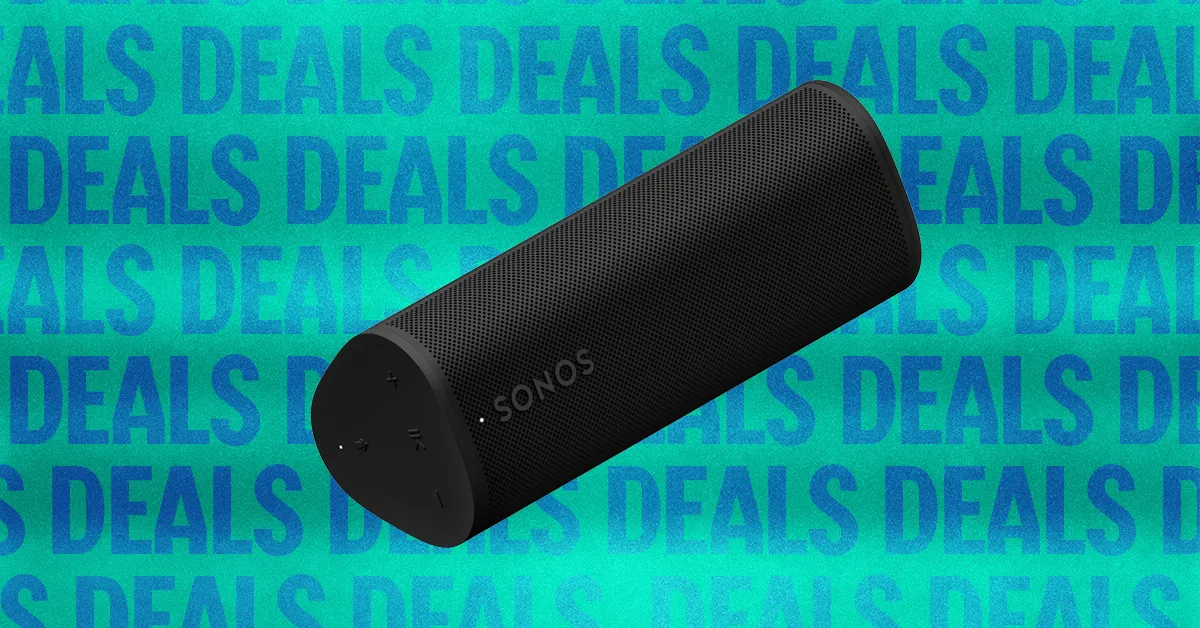
Major players such as Amazon and Best Buy have intensified their promotional calendars, but reports indicate that many offers during this extended sales period are fabricated or heavily inflated. Tech enthusiasts and analysts, including those from Gartner and MIT’s Sloan School of Management, warn that this practice could lead to a “race to the bottom” on price competitiveness, where brands prioritize short-term consumer engagement over meaningful product differentiation. Meanwhile, the tech industry’s overarching challenge remains innovation—delivering groundbreaking products that redefine user experience and technological capabilities—not simply employing aggressive discounts to maintain market share.

Despite the criticism, some market insiders see an opportunity for disruption. Elon Musk and other industry visionaries argue that these sales events reveal the underlying fragility of current e-commerce practices—often heavily dependent on marketing gimmicks rather than true product value. The focus on superficial deals risks diverting consumer attention from the real advancements of next-generation technologies, such as artificial intelligence, quantum computing, and interconnected platforms. As industry leaders like Google and Apple accelerate their innovation pipelines, the ability to stand out will increasingly depend on transparency, product integrity, and sustained R&D investment—rather than artificially inflated discounts.

The business implications are clear: the market is at a crossroads. Companies that can differentiate themselves through genuine innovation and reliable customer value are poised to gain a competitive edge. According to research from Gartner, firms investing heavily in emerging technologies such as autonomous systems and IoT are likely to disrupt traditional retail models, which have become vulnerable to practices that prioritize short-term sales at the expense of long-term brand trust. The ongoing proliferation of misleading sales tactics risks eroding consumer confidence—a critical asset in the age of digital transparency.

Looking ahead, the industry faces an urgent imperative: to redefine what constitutes authentic value in a marketplace increasingly flooded with noise. As technology accelerates exponentially, so too must the standards for what constitutes market disruption. The winners will be those who prioritize genuine innovation, leverage cutting-edge narratives, and foster consumer trust—reinforcing the old adage that not all that glitters is gold. The next wave of technological breakthroughs—ranging from AI-driven automation to sustainable computing—will be the true catalysts for market evolution. In this climate, complacency is not an option; the future belongs to companies ready to innovate beyond superficial sales tricks and deliver transformative value.

New at-Home Hair Growth Tech Gets a Price Drop—Level Up Your Look!

Revolutionizing Hair Restoration: iRestore Elite Helmet + Battery Sparks Industry Disruption

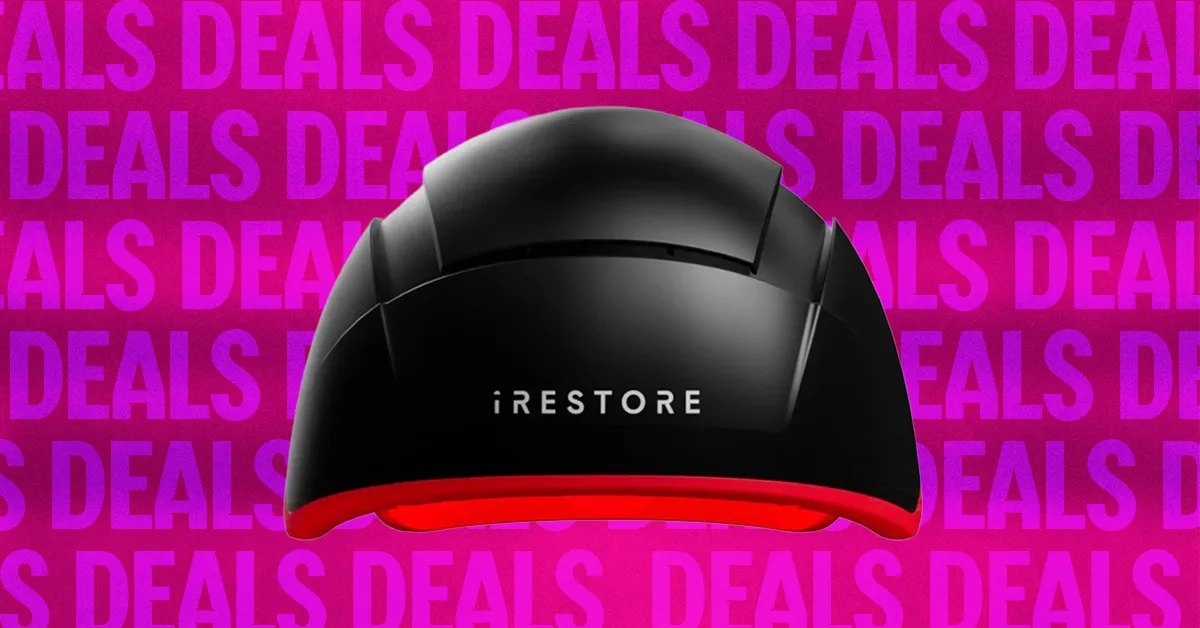
In a groundbreaking move that underscores the relentless pace of innovation, iRestore has announced a limited-time sale on its flagship product, the Elite Helmet + Battery. Priced at $1,879 after a $419 discount, this device exemplifies the convergence of health technology and consumer electronics, targeting a substantial market of individuals facing hair thinning and loss. Unlike traditional approaches, this helmet leverages cutting-edge phototherapy, backed by scientific validation, to stimulate hair regrowth without invasive procedures. The inclusion of a rechargeable battery, offering a two-week life cycle between charges, exemplifies the shift toward greater convenience—making high-tech wellness solutions intrinsically more adaptable to modern lifestyles.

Disruption in Hair Loss Solutions and Market Implications

Historically, hair restoration has been dominated by surgical procedures or topical medications that often come with drawbacks such as cost, invasiveness, or inconsistent results. However, the advent of at-home phototherapy devices like the iRestore Elite signals a paradigm shift towards accessible, evidence-based, and disruptive personal care solutions. This device’s features, including its technologically advanced LED therapy, position it as a direct challenger to both clinics and pharmaceuticals, with a clear emphasis on disruption of traditional business models. Financial analysts suggest that the company’s strategic pricing, coupled with positive clinical feedback, could catalyze a rapid industry-wide evolution, compelling established players to innovate or concede market share.

  • Features include hands-free operation, cordless convenience, and proven efficacy within weeks of consistent use
  • Potential to disrupt traditional hair clinics, reducing costs for consumers and reshaping industry standards
  • Market shift towards personalized, non-invasive health tech aligning with consumer demand for convenience and innovation

Notably, Julia Forbes, a Wired reviewer, tested the device extensively, confirming results that included new hair growth and scalp health improvements within just two weeks. Such testimonials, alongside endorsements from scientific institutions, are reinforcing the credibility of at-home phototherapy, challenging the monopoly held by costly clinical procedures. Industry experts like Gartner analysts and MIT researchers underscore that these technologies exemplify the broader trend of disruption and democratization within healthcare and wellness markets.

Business Outlook and Future Trajectory

The iRestore launch is emblematic of the increasing convergence of consumer electronics and healthcare—an intersection poised to redefine industry standards. As Elon Musk and Peter Thiel have long advocated, innovation that democratizes access while maintaining efficacy can create new markets and render obsolete outdated models. The increasingly competitive landscape calls for established players to accelerate digital transformation, focusing on affordability and user-centric designs. The potential of such devices extends beyond hair regrowth, hinting at a future where AI-driven, personalized wellness solutions become commonplace, providing consumers with unprecedented control over their health and appearance.

In conclusion, the **disruption driven by devices like the iRestore Elite** reflects a broader industry trend: technology is poised to fundamentally alter business paradigms, making health and beauty solutions more accessible and less invasive. The promising early results and evolving market preferences suggest that the industry is only at the cusp of a future defined by relentless innovation, increased competition, and significant consumer empowerment. For investors, entrepreneurs, and consumers alike, the message is clear: the next wave of personal health technology is here, and it is set to accelerate rapidly. Immediate attention and strategic action are essential to stay ahead in this fast-evolving landscape.

Dreo’s Spring Sale: Top Deals on Air Fryers, Heaters, Fans for the Next Generation

Innovation in the Kitchen: Dreo Unveils the Game-Changing Chefmaker Combi Fryer

In a landscape dominated by traditional appliances, disruptive innovations are redefining culinary technology. Recently, Dreo introduced the Chefmaker Combi Fryer, a device that transcends the conventional air fryer to encompass multiple functionalities—from precision meat cooking to steaming and app-controlled roasting. This development underscores a broader industry shift: the convergence of smart technology, disruption of established cooking paradigms, and the quest for convenience, precision, and quality in modern kitchens.

The Chefmaker Combi Fryer exemplifies technological innovation with its robust feature set. According to industry assessments, it offers guided, probe-assisted cooking ideal for steaks, chops, and roasts, alongside steam functions to preserve moisture on large cuts of meat. This combination drastically disrupts traditional cookware competition, positioning itself as a comprehensive solution for both amateur and professional chefs. Analysts from Gartner and industry futurists like Elon Musk underscore that this kind of multi-functional device facilitates business disruption, challenging manufacturers of standalone appliances and igniting a competitive push toward intelligent, integrated kitchen equipment.

Beyond mere innovation, the device embodies a business model shift driven by consumer appetite for smarter, more efficient products. The current market trend indicates an increasing appetite for home automation and precision cooking, propagated by the rise of app-controlled devices. The price point—nearly 44% off during Dreo’s spring sale—demonstrates an aggressive strategy to capture market share and accelerate adoption among younger, tech-savvy demographics. Industry leaders predict that such pricing strategies will intensify, forcing legacy appliance companies to adapt or risk obsolescence. From a business implications perspective, the proliferation of smart, multi-use appliances could catalyze a wave of industry consolidation centered on AI-enabled kitchen tech, with dominant players like GE, Whirlpool, and emerging startups fighting for dominance.

However, the disruption isn’t without challenges. Critics note, particularly in tech circles influenced by Peter Thiel’s emphasis on monopoly-driven innovation, that early adoption depends heavily on reliable temperature regulation—something the Chefmaker still refines. While the probe-assisted mode is precise, non-probe operations can swing ±20°C, exposing a potential flaw that could hinder widespread trust. For businesses, this signifies the importance of continued R&D investment in sensor accuracy and AI calibration to ensure consumer confidence and longevity of the product line. The device’s ecosystem, bolstered by an active app interface, could pave the way for an era of connected, intelligent kitchens—aligning with future trends predicted by MIT researchers and industry analysts, highlighting the urgency for incumbents to innovate rapidly or face obsolescence.

As this wave of innovation progresses, it is clear that the future of culinary technology will be characterized by smarter, more integrated appliances. With companies racing to embed AI, IoT connectivity, and user-friendly interfaces into everyday devices, the disruption of traditional kitchen appliances offers a preview of how entire industries—from manufacturing to retail—must pivot swiftly. For the young, tech-driven consumer, this signifies an exciting frontier where convenience meets precision, and where early investment in disruptive technologies could yield substantial competitive advantages. Overall, the industry must move at a relentless pace—embracing innovation or risking being left behind in a rapidly evolving ecosystem driven by the relentless surge of smart technology. The Chefmaker Combi Fryer not only symbolizes this shift but also heralds the beginning of a new era for the global tech and appliance markets—one marked by disruption, innovation, and the imperative to adapt.

Score Big: Up to 75% Off L.L.Bean Outdoor Gear with the Latest Deals

Emerging Retail Strategies Signal Broader Disruption in Consumer Markets

In a landscape increasingly shaped by innovation and disruption, traditional retail models are being redefined through data-driven and digitally integrated strategies. L.L. Bean, a stalwart outdoor gear retailer, exemplifies this shift with hyper-focused marketing techniques leveraging digital coupons, strategic sales, and customer loyalty incentives. These tactics are not only enhancing their competitive edge but also signaling a broader industry trend of integrating seamless online experiences with personalized deals, an approach endorsed by institutions like Gartner which emphasize the importance of data-centric retail transformation.

Market shifts are underlining the importance of disruption in conventional retail dynamics. L.L. Bean’s phased flash sales, where new deals are announced twice daily at precise hours, mirror a strategy that leverages scarcity and urgency—tactics that challenge the static nature of traditional Black Friday sales. This approach offers consumers deep discounts, often comparable to major holiday deals, but within a continuously evolving, digital-first sales window. As analysis by MIT’s Sloan School reveals, such strategies are disrupting standard inventory management and consumer purchase cycles, emphasizing rapid engagement and instant gratification.

Business implications of this shift extend beyond mere sales figures. Companies adopting targeted campaigns—such as exclusive discounts for medical workers, first responders, teachers, and students—are carving out niche loyalty segments, enhancing brand affinity while simultaneously fostering goodwill in critical societal sectors. This nuanced approach to marketing not only reinforces corporate social responsibility but also establishes a new paradigm where customer engagement is intertwined with social validation. Moreover, the rollout of incentive offers like store-branded credit cards providing substantial benefits (up to 20% off and free shipping) reflects an evolving landscape where financial products are becoming integral to retail ecosystems, a trend predicted by industry analysts as a future growth driver.

Implications for Broader Industries and Future Disruption

As the retail sector embraces these innovative strategies, the implications extend into the fabric of the global economy and its digitalization trajectory. Emerging technologies such as AI-driven personalized marketing, dynamic pricing algorithms, and omnichannel engagement are set to accelerate this revolution. The recent surge in fast-paced, data-rich campaigns underscores the urgency for established players to adapt or risk obsolescence. Pioneers like Elon Musk and Peter Thiel have long championed the disruptive potential of technology, foreseeing a future where agility and innovation will determine market leaders. The challenge now lies in harnessing these advances to create seamless, customer-centric experiences that outpace competitors.

Forward-looking experts warn that organizations lacking agility and strategic foresight may fall behind, as the lines between retail, finance, and social engagement continue to blur. The next era of technological disruption is not merely about automation but about crafting integrated ecosystems that deliver value in real time—whether through customized discounts, instant rewards, or social impact initiatives. The brands that recognize and capitalize on these signals, investing in innovation today, will shape the economic landscape of tomorrow and define the future of commerce itself.

Sony WH-CH720N: Top-tier sound that’s worth the full price—right now, an unbeatable deal for young tech fans.

Disruption in Consumer Electronics: Sony’s Budget Noise-Canceling Headphones Shift Market Dynamics

The consumer tech landscape continually evolves with innovative products that challenge established giants and redefine value. Recently, Sony has disrupted the premium headphone market segment by slashing prices on their WH-CH720N noise-canceling headphones, a move that could signal broader shifts in how value and performance are perceived in consumer audio technology. Once positioned squarely as an affordable alternative, these headphones now offer mind-blowing features—active noise cancellation, 35-hour battery life, and robust sound quality—at a fraction of previous costs.

Market analysts note that this aggressive pricing strategy exemplifies disruption at play, where established brands are forced to reevaluate their margins and value propositions. Gartner data indicates that cost-effective, feature-rich devices are increasingly favored by younger demographics, who prioritize their tech experience over traditional brand loyalty. Elon Musk’s recent ventures in AI and clean energy corpora highlight how innovation often comes from challenging the^ status quo, and Sony’s latest move echoes this philosophy within consumer electronics. The savings from $180 to under $100 on Amazon and Best Buy—thanks to offers like the one currently blowing the market away—highlight how companies are leveraging cost competitiveness to capture market share. For consumers, it’s a win; but for competitors battling to maintain margins, a warning: the era of premium pricing for feature-rich tech is under threat.

From a business perspective, Sony’s strategic price reduction will likely have industry-wide implications. Traditional audio brands that have relied on premium segmentation might need to innovate further or accept shrinking profit margins. For business leaders and startups alike, this underscores a fundamental shift: disruption no longer just comes from new entrants, but from seasoned companies pivoting boldly to redefine market norms. The trend towards accessible high-performance tech is catalyzed by consumer demand for affordable, durable, and feature-packed products. Companies that harness this trend—possibly integrating AI noise-cancellation with personalized sound profiles or extending battery life—stand to dominate in the next wave of consumer electronics.

Looking Forward: Innovation’s Role in Shaping the Future

The strategic moves by Sony exemplify how disruption fuels innovation. With giants like Apple and Samsung constantly elevating their product offerings, the pressure is mounting for all players to rethink their value propositions. Industry veterans and startups must focus on innovating beyond mere features—embedding disruption into business models that prioritize affordability without compromise. As Peter Thiel advocates, monopolize by innovating in unexpected territories; the race is on for those willing to challenge the status quo.

In the near future, expect to see more breakthroughs in adaptive sound technologies, AI-driven personalization, and integrated ecosystems. These advancements will set new standards, but only for companies that act with urgency and audacity. As markets shift, the key for stakeholders is to remain agile, continuously pushing the envelope of what’s feasible at every price point. The window to lead this transformation is now, and those who hesitate risk obsolescence in a rapidly changing tech battleground.

Trump hits back with new tariffs to dodge Supreme Court ruling

US Implements New Tariffs Amid Shifting Trade Policies, Igniting Innovation Risks for Tech Sector

In a bold move that underscores the increasing unpredictability of American trade policy, President Trump has announced a new 10 percent tariff on nearly all imports, effective February 24, 2026. This decision follows a recent Supreme Court ruling that overturned the bulk of tariffs previously imposed last year, highlighting the deepening complexities faced by global supply chains. The policy, rooted in Section 122 of the Trade Act of 1974, grants the administration sweeping powers to impose tariffs during trade deficits, significantly disrupting the established flow of goods—most notably in critical sectors like technology, manufacturing, and raw material sourcing.

The implications for innovation and disruption are profound. With tariffs impacting key components such as semiconductors, rare earth minerals, and critical tech inputs, U.S. industries may face increased costs and supply chain friction. Industry leaders, including giants like Apple and Intel, are already sounding alarms over potential delays and rising expenses that could stifle product development and market competitiveness. For emerging tech startups, these tariffs could represent a barrier to innovation, impeding access to essential foreign supplies and elevating costs at a time when technological leadership is fiercely contested. Less access to affordable components risks undermining the U.S.’s position as a global tech powerhouse, potentially ceding ground to competitors in Asia and Europe who could capitalize on these disruptions.

Furthermore, the strategic deployment of tariffs via Section 122—a rarely used authority—attests to a broader shift in U.S. trade policy. Experts like Gregory Husisian from Foley & Lardner LLP describe this move as a “bridge authority,” designed to leverage temporary measures while preparing for subsequent regulatory maneuvers. In this context, the U.S. government is positioning itself for a protracted battle during which it can invoke other measures, such as Section 301 and Section 232 investigations, to target unfair trade practices or national security threats. These tactics, combined with the suspension of the de minimis exemption, threaten to introduce _massive logistic bottlenecks_ in e-commerce and global trade networks, amplifying costs for consumers and businesses alike.

The broader business implications are unmistakable. As Elon Musk and Peter Thiel have emphasized, technological disruption is not merely about innovation but also about strategic adaptability. The ongoing tariff saga underscores a fundamental warning: in an era where geopolitical tensions escalate, companies must prioritize resilience and agility. The potential for prolonged tariff-related litigation—especially over refund processes and appeals—further amplifies the climate of uncertainty, compelling businesses to adapt swiftly or face obsolescence.

Looking ahead, this policy signals a sharp pivot toward a more protectionist U.S. economy, intensifying the stakes for innovators who rely on global supply chains. Time is of the essence; the window for strategic adjustment is closing swiftly. Industry observers and policymakers alike must recognize that these measures, if sustained or expanded, could reshape the global tech ecosystem—favoring those who innovate swiftly and adapt decisively. As the world watches, the urgency for U.S. companies to rethink supply chain strategies and sharpen their competitive edge has never been greater—an inevitable race toward a future where disruption is the new norm, and only the most agile will thrive.

Tariffs Ruling Deals Blow to Trump's Second-Term Plans
Tariffs Ruling Deals Blow to Trump’s Second-Term Plans

Recent developments in the United States judicial system have sent ripples through the international arena. According to renowned analyst Anthony Zurcher, the Supreme Court has taken measures that significantly diminish former President Trump’s capacity to negotiate and enforce international policies. This judicial pivot marks a critical juncture in US foreign policy, with potential consequences that extend well beyond American borders.

The core issue centers on the Supreme Court’s ruling which effectively constrains the executive branch’s ability to unilaterally engage in certain internationally oriented actions. Historically, US presidents have wielded wide-ranging authority in international diplomacy, often bypassing legislative hurdles through executive directives. However, recent rulings illustrate a shift towards judicial limitation, signaling a more cautious approach to executive power in global affairs. Experts and international organizations, such as the Council on Foreign Relations and the Brookings Institution, have expressed concern that this judicial stance could weaken the United States’ ability to project influence, negotiate treaties, or respond swiftly to global crises.

This legal development carries weighty geopolitical impact. As Washington grapples with domestic legal restrictions, allies and adversaries alike are reassessing the US’s reliability as a diplomatic partner. Countries like Russia and China view this as a signal of internal division, potentially emboldening their own strategic ambitions. Meanwhile, longstanding allies, especially in Europe, are watching these legal shifts closely, considering how forthcoming US actions—laden with legal uncertainty—will influence NATO and broader security arrangements. It is widely recognized among international analysts that legal constraints on unilateral action could inhibit the US from effectively countering rising threats like cyber-attacks, territorial disputes, and emerging military conflicts.

Adding to the complexity, historians caution that this judicial curtailing of executive power echoes a broader trend of institutional checks against prominent leaders, reflecting a delicate balance that has historically defined American democracy. Yet, some see it as a necessary correction to overreach, signaling a maturation of the US legal-institutional fabric. Nonetheless, the decision’s ripple effects may influence future administrations’ capacity to navigate the ever-changing web of international relations, for better or worse. As the world’s attention turns to these unfolding legal and diplomatic shifts, the question remains: what future will this new legal landscape carve in the annals of history?

In the shadow of these pivotal changes, the world holds its breath. The world’s nations, watching as the balance of power teeters on the knife’s edge of legal and political currents, are forced to ask: who will shape the future of global order—nation-states constrained or leadership unleashed? As history continues to write its complex narrative, one thing is certain: the impacts of this judicial decision will resonate across continents, affecting societies, economies, and the very fabric of international relations for generations to come.

Top Women’s Winter Jackets You Can’t Miss — President’s Day Deals Slashing Prices Up to 75%! | Life & Style

After a winter that tested the resilience of many with record-low temperatures and relentless storms, it’s clear that embracing winter wellness is an essential part of a balanced lifestyle. For outdoor enthusiasts and city residents alike, bundling up is no longer just about staying warm—it’s a statement of resilience, self-care, and adventure. Wellness experts, like Dr. Jordan Peterson and outdoor lifestyle influencers, emphasize that investing in quality gear not only protects your health but also inspires a life full of adventure and confidence. From skiing to urban winter strolls, the right apparel bolsters not just physical comfort but fosters an inner sense of empowerment.

Warmth Meets Style: Jackets That Last

In the modern era, personal impact extends beyond mere functionality—it’s about expressing identity and embracing an active lifestyle. Among the top recommendations from seasoned explorers and fashion-forward outdoor enthusiasts are brands like Michael Kors, Lululemon, Patagonia, and Oysho. These brands are redefining winter apparel with designs that offer warmth, durability, and style. For instance, the Michael Kors Faux Fur Trim Belted Puffer Jacket exemplifies the blend of high fashion and utility, now available at nearly 75% off during seasonal sales. Such investments in versatile, long-lasting gear elevate the everyday experience—whether you are commuting or conquering mountain trails.

Active Winterwear for Outdoor and Athletic Pursuits

For the youth seeking to keep active despite the cold, brands like Lululemon have pioneered designs like the Another Mile Jacket. Praised by trail runners and outdoor athletes, this piece is lightweight yet highly insulated, with features like windproof fabric and thumb holes—elements vital for maintaining performance and comfort in extreme weather. Such apparel choices underscore the idea that, with the proper gear, anyone can turn winter challenges into opportunities for adventure and self-discovery, making health and leisure an integrated part of life rather than obstacles.

Investing in Quality for a Lifetime of Experiences

From Patagonia’s Down With It Parka to premium options from Canada Goose, assembling a wardrobe that endures multiple seasons is a conscious choice toward wellness and sustainability. Repair programs offered by Patagonia exemplify a lifestyle that appreciates longevity, aligning with a cultural shift towards mindful consumption. The investment in such apparel dramatically impacts health by ensuring consistent warmth—a crucial factor as you pursue outdoor activities or face cold-weather commutes. Beyond practical benefits, owning high-quality gear becomes an inspiring testament to embracing life’s colder seasons with resilience and style.

  • Research brands that prioritize sustainability and durability for long-term value
  • Layer clothing to enhance comfort and adaptability in fluctuating temperatures
  • Consider technical features like water-resistance and insulation for performance outdoors
  • Seek adventure even in winter to boost mental health and maintain an active lifestyle

In embracing the winter season, the journey transforms into more than just staying warm—it becomes a narrative of self-empowerment, health, and endless exploration. The right jackets and activewear serve as catalysts for a lifestyle that refuses to be subdued by cold days. As cultural voices like author and wellness advocate Mark Manson remind us, “The pursuit of wellness is an ongoing adventure,” and that adventure begins with your wardrobe. When you choose to invest in gear that lasts and empowers, you foster a personal impact that echoes in every invigorating breath of winter air—a reminder that life’s coldest days are just opportunities to embrace the warmth within.

Social Media Auto Publish Powered By : XYZScripts.com