Matox News

Truth Over Trends, always!

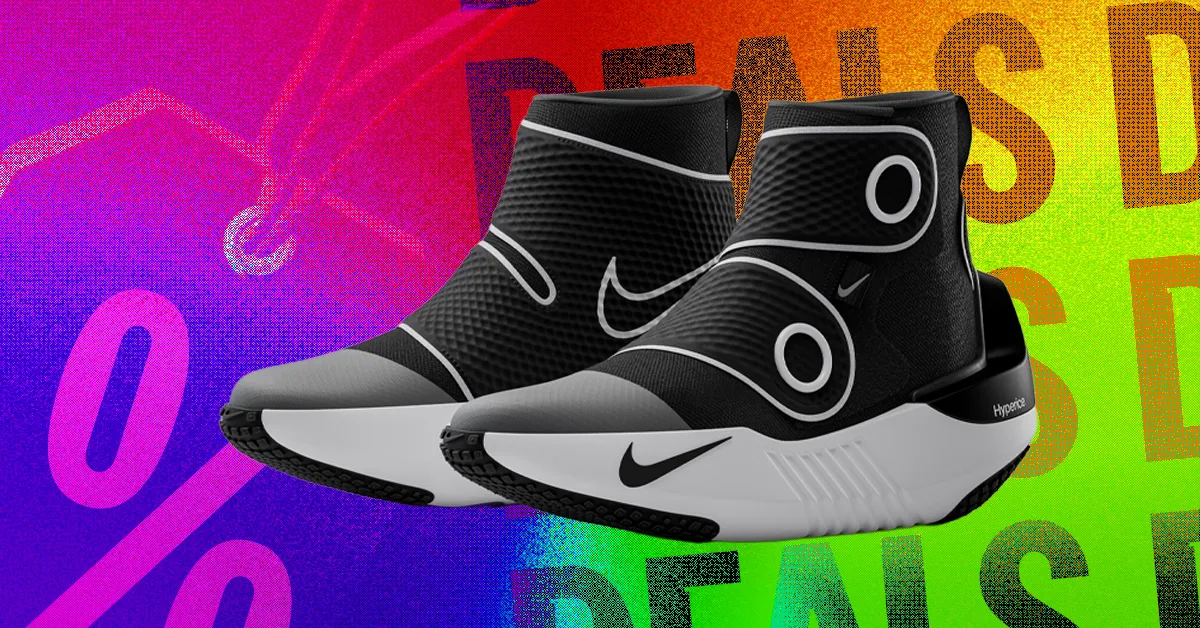
Nike x Hyperice Hyperboot Hits $200 Off — Gear Up and Save big!

Disruption in Wellness Tech: Nike Collaborates with Hyperice on Game-Changing Recovery Wearables

The wellness industry is witnessing a significant leap forward with Nike’s latest partnership with Hyperice, resulting in the debut of the revolutionary Hyperboot. Unlike traditional recovery boots such as Hyperice’s Normatec series, the Hyperboot introduces a high-top, portable design that promises to disrupt post-exercise recovery routines and redefine athlete recovery paradigms. This innovation not only exemplifies the ongoing convergence of sports, health, and wearable technology but signals a broader market shift toward accessible, at-home recovery solutions that are both effective and convenient. As disruption accelerates in the digital health sector, industry analysts suggest that such devices could fundamentally alter how consumers approach mental and physical wellness.

The Hyperboot’s features underscore its disruptive potential. It offers three levels of adjustable compression and heat up to 125°F, adaptively syncing both boots to optimize treatment. Battery life extends to approximately 90 minutes per charge, making it well-suited for busy schedules—whether post-snowboarding or pre-workout warmups. Its IP54 rating ensures durability against dust and splashes—an essential feature for active users seeking rugged, on-the-go recovery gear. With affordability now down from $899 to just $699 during Hyperice’s Black Friday sales, the market is witnessing a clear push towards democratizing elite recovery tech, breaking free from expensive, clinical-grade devices. This opens doors for young athletes and everyday fitness enthusiasts to adopt professional-grade wellness solutions, positioning Nike and Hyperice as disruptors in the high-growth wearable health market.

The business implications of this collaboration are compelling. Nike’s global brand influence, combined with Hyperice’s innovative compression technology, signals a strategic move to mainstream recovery accessories that were previously confined to sports medicine clinics. The significant price reduction and inclusion of HSA/FSA eligibility indicates a deliberate effort to reach a broader market segment—potentially rapidly expanding the consumer base and challenging traditional recovery device manufacturers. Such disruption is reminiscent of Elon Musk’s approach with Tesla, where market shifts were driven by affordable, high-performance tech accessible to a mass audience. Industry giant Gartner predicts that wearable health devices will reach a market size of over $60 billion by 2025, and Nike’s entry with Hyperice’s hyper-advanced Hyperboot exemplifies how industry giants are positioning themselves at the forefront of this growth sector.

Looking forward, the fitness and health tech sphere is more primed than ever for transformation. The Hyperboot’s success may catalyze a wave of innovative, disruptive wellness devices that blend portability, affordability, and sophistication. As industry pioneers like MIT’s media lab and Peter Thiel-backed startups continue to push boundaries, competitors will be forced to innovate rapidly or risk obsolescence. The market is increasingly favoring products that empower users to take control of their recovery journey—anytime, anywhere—without sacrificing performance or functionality. As these trends accelerate, young consumers and ambitious athletes must stay alert; the future belongs to those who leverage cutting-edge technology for competitive and personal gains. To ignore this disruption is to fall behind in the rapidly evolving landscape of next-generation wellness innovation.

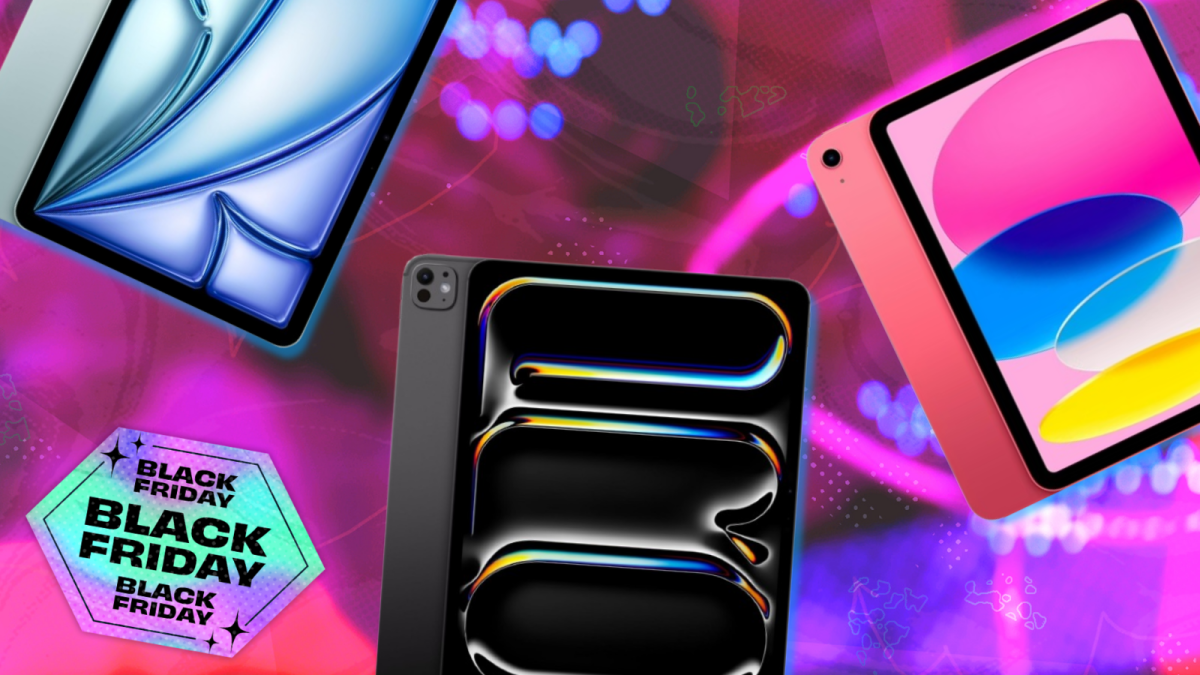
Score Big: Over 10 Must-See Early Black Friday Apple iPad Deals for the Trendsetters

The Rise of Early Black Friday Apple iPad Deals and Their Cultural Significance

As Black Friday approaches, a shift in consumer behavior is underway that reveals much about our evolving social norms and relationship with technology. Traditionally seen as a single, explosive shopping event in late November, the holiday season now kicks off early, with tech giants like Apple leading the charge in offering substantial discounts on their most coveted devices. This phenomenon is more than mere consumerism; it is a reflection of changing social values and the heightened importance of digital connectivity among young Americans. The early bird gets the deal—and for many, that means securing the latest iPad models at prices that highlight an increasingly competitive landscape among major retailers.

Influencers and tech analysts now recognize that these early deals shape a new cultural narrative: the merging of lifestyle enhancement with practical productivity. For instance, brands like Amazon, Best Buy, and Walmart are competing head-to-head, spotlighting not only savings but also the social status that comes with owning cutting-edge Apple gadgets. The iPad Pro, for example, is on sale for up to $200 off, with models like the 13-inch M4 chip variant already chilling at close to its historic low of $1,299. This is significant—especially when considering how such devices are now embedded in our identity as digital natives. The graying line between work and leisure continues to blur as young users embrace tablets not just for entertainment but as essential tools for education, content creation, and social connection.

Beyond the pricing hacks and flash sales, these tech discounts serve as a marker of a broader societal shift—a shift towards prioritizing digital fluency and self-optimization. Sociologists suggest that Early Black Friday deals on tools like the iPad Air and iPad Mini mirror the ambitions of a generation eager to leverage technology to shape their future. Experts observe that this trend emphasizes a collective aspiration for innovation and self-reliance. A prime example: the iPad Air in a vibrant purple or sleek blue, now offered at nearly $50 off, symbolizes not just affordability but a form of lifestyle branding—an emblem of youth empowerment in the digital age. These devices are not mere gadgets; they are *extensions* of our identity and social capitalization.

But here’s the next big question: as these early Black Friday deals become the new norm, are we witnessing a permanent shift in how the younger generations approach consumerism and technology? Will the accumulation of digital tools redefine notions of status, productivity, and community? Influencers and tech futurists are already debating whether this early shopping frenzy signals a predictable evolution or a disturbance in the traditional retail calendar. What remains clear is that the cultural impact of snagging your latest iPad at a discounted rate may be just the beginning—prompting us to ask whether the future of society will be more driven by *early adoption* and *digital identity* than by the conventional rhythms of commerce.

Lock in 50% Off Walmart Plus — Deal Ends December 2nd!

Walmart’s Innovative Strategies Amidst Holiday Shopping Frenzy

In a remarkable display of retail agility, Walmart is leveraging innovative marketing tactics to solidify its presence within the fiercely competitive e-commerce landscape. The company’s recent rollout of a heavily discounted Walmart Plus annual membership at just $49—half off the regular price—illustrates a targeted approach to disrupt traditional shopping patterns. by pioneering this aggressive promotional strategy, Walmart not only enhances its consumer engagement but also sets a new benchmark in subscription-based retailism, echoing the kind of disruptive innovation that analysts at Gartner see as vital for survival in today’s digital economy.

This move is not merely a sale but a calculated step to deepen market penetration during the critical holiday shopping season. Walmart plans to deploy its Black Friday deals in multiple waves, starting online at 7 PM ET on Thursday, November 13th, exclusively for Walmart Plus members. The phased rollout continues with early deals launching for the general public on November 14th and a second wave beginning on November 28th, stretching right into Cyber Monday. This strategic timing maximizes consumer engagement while subtly alerting competitors of Walmart’s intent to dominate the holiday discount narrative. Such sequencing leverages the concept of disruption, where traditional sales events are being replaced or supplemented by continuous, engagement-driven campaigns that extend consumer touchpoints over a monthlong period, fostering brand loyalty and increasing revenue streams.

Business Implications of Walmart’s Disruption Strategy

Walmart’s tactical deployment demonstrates a nuanced understanding of the shifting retail landscape, where innovation-driven customer retention and data-driven marketing are key to staying ahead. The company’s focus on subscription models like Walmart Plus not only diversifies revenue streams but also creates a sticky ecosystem that discourages consumer defection to competitors such as Amazon. According to industry experts, this approach echoes the strategies advocated by visionaries like Elon Musk, who emphasize the importance of integrated ecosystems in ensuring long-term business resilience. With the pandemic accelerating e-commerce adoption, Walmart’s seamless blending of online and in-store experiences positions it as a formidable disruptor capable of outpacing legacy retail giants.

Moreover, the ongoing integration of discount programs with digital membership services signals a paradigm shift. It not only influences consumer buying behavior but influences industry standards toward subscription-based loyalty models. The risk, however, becomes evident if automation and subscription fatigue lead consumers to question long-term value versus cost. Such concerns underscore the importance of transparency and adaptable service offerings to sustain long-term growth in a hyper-competitive market. The decision to keep the renewal process transparent—urging consumers to reassess before automatic renewal—indicates Walmart’s awareness of evolving consumer sentiments, which could be pivotal as other retailers emulate similar models.

Forward Outlook: A New Frontier in Retail Disruption

Looking ahead, Walmart’s concerted push into innovative marketing and operational strategies reflects a broader industry trend—disruption as a necessity for survival. Tech giants and retail innovators alike recognize that the future belongs to those who can deploy data, automation, and subscription services to create frictionless shopping experiences. As the global economy pivots toward digital-first strategies, businesses that adapt swiftly will lead the charge, while those clinging to traditional models risk obsolescence.

The implications extend beyond consumer savings; they foreshadow a future where disruption is not merely a competitive tactic but a core business principle. Industry leaders and investors must stay attuned to these shifts, or risk falling behind in the relentless march of technological progress. In this fast-evolving landscape, the urgency to innovate and adapt has never been greater, and the companies that recognize this now will shape retail’s future in the years to come.

Apple’s sleek M4 MacBook Air hits new lows just in time for Black Friday

Apple’s M4-Powered MacBook Air Sets New Benchmark for Portable Computing

The recent rollout of the 13-inch and 15-inch MacBook Air models featuring Apple’s cutting-edge M4 chip signifies a seismic shift in the portable computing landscape. As the industry witnesses a swell of disruption and innovation, Apple’s latest offerings—available at unprecedented discounts ahead of Black Friday—highlight its strategic focus on delivering maximum performance in ultra-slim form factors. With the base 13-inch model now retailing for just $749.99—$250 off at Amazon—Apple is not only increasing accessibility but also challenging entrenched notions of premium hardware pricing.

At the core of this tech renaissance is the Apple M4 chip, which has quickly become a critical enabler of faster performance, enhanced battery life, and seamless integration with macOS 26. Gartner analysts note that the M4’s architecture signifies a paradigm shift, promising to disrupt traditional PC segments and accelerate Apple’s market dominance. The MacBook Air now features

  • Double the RAM at 16GB
  • Expanded webcam capabilities with a 12-megapixel Center Stage camera
  • Thunderbolt 4 ports upgrade

. These enhancements reinforce Apple’s strategic move to deliver higher-value experiences, placing the new MacBook Air well ahead of competitors in the ultralight category.

The implications extend beyond Apple’s product line. Industry watchers forecast a ripple effect, with other OEMs racing to adopt advanced ARM-based architectures inspired by Apple’s disruptive approach. MIT’s computer science faculty emphasize that such shifts point towards a future where integrated, efficient, and AI-optimized chips define the standard for next-generation laptops. This aligns with broader trends where software and hardware integration become pivotal for business agility, mobility, and innovation.

For businesses and consumers alike, this evolution signals a decisive move towards ultra-portable devices that do not compromise on performance. The 15-inch variant, with a superior six-speaker system and larger display, underscores Apple’s ambitions to tap into the professional segment without sacrificing portability. Meanwhile, the industry as a whole faces a decisive question: who will lead the next wave of disruption? As Elon Musk and Peter Thiel warn of a tech arms race driven by AI and hardware innovation, such advancements could reshape entire markets within the next few years—a race that tech pioneers must engage in decisively.

In conclusion, Apple’s latest MacBook Air models exemplify how innovation and disruption drive business strategies in the technology sector. With the combined power of the M4 chip and strategic pricing falls, Apple is reaffirming its leadership in shaping the future of portable computing. For industry stakeholders, the message is clear: timing is critical to stay ahead of the curve. The coming months will be pivotal as competitors scramble to respond, and early adopters profit from the cutting-edge capabilities that define tomorrow’s standards in portable hardware. The race to dominate the AI-integrated, ultra-light device market is intensifying—making now the critical moment for strategic investment and innovation-led growth.

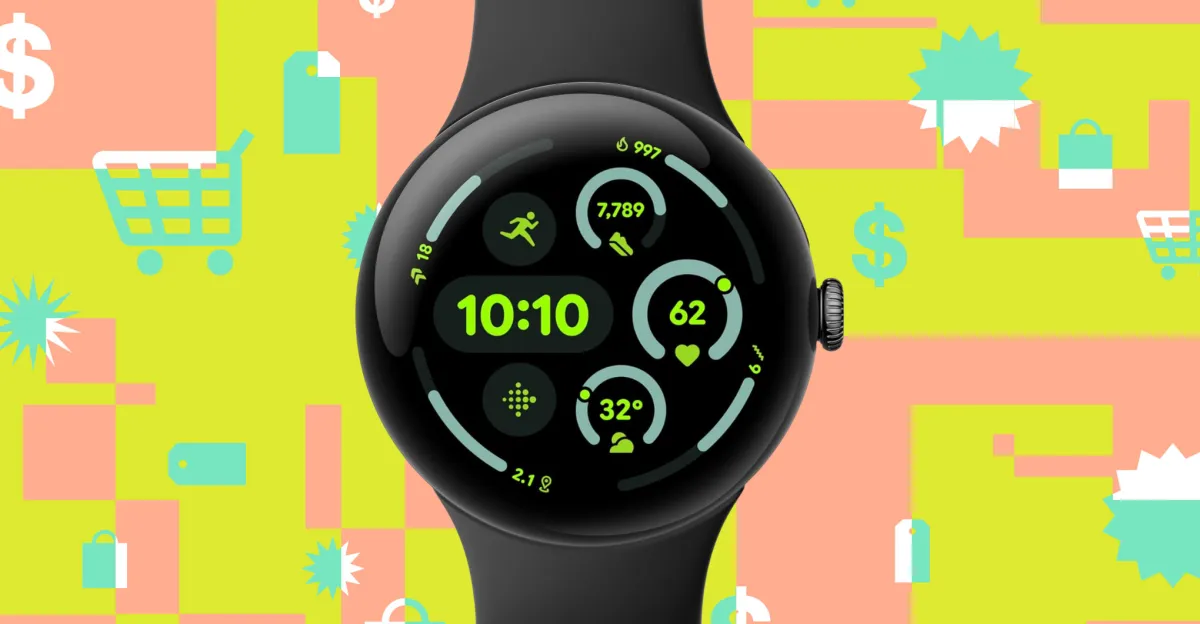
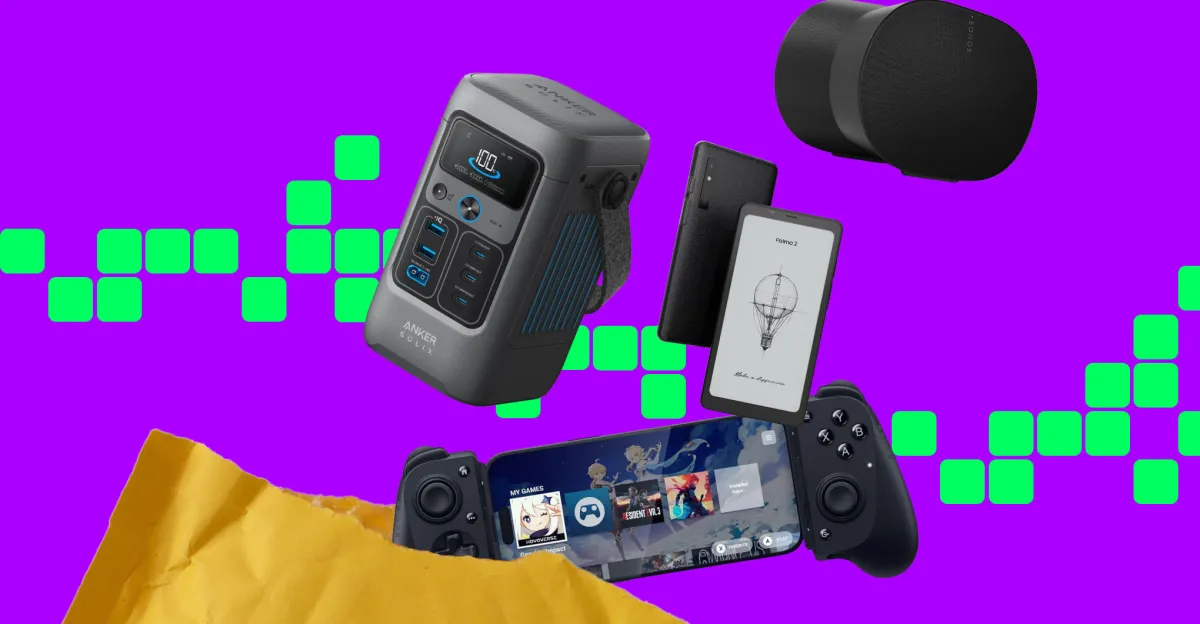
This week’s top steals: Google Pixel Watch 3 and Anker’s dual-headed USB-C cable—gear up smart!

Emerging Trends Signal Disruption in Consumer Tech Industry

In an era marked by rapid technological innovation and market disruption, companies are leveraging new hardware and software advancements to secure their footholds in a fiercely competitive landscape. Google’s Pixel Watch 3 exemplifies this shift, showcasing not only the integration of Wear OS 6 with revolutionary AI features but also emphasizing the importance of health-centric wearables in the evolving ecosystem of Android devices. As Victoria Song highlights in her recent review, the watch’s extended battery life, seamless integration with Pixel devices, and multi-functional capabilities—including remote Google TV control and offline navigation—highlight how Google is positioning itself to challenge established players like Samsung and Apple.

Beyond smartwatches, accessory innovators such as Anker and Microsoft are driving disruption in the accessory and gaming markets. Anker’s new 2-in-1 USB-C cable restructures charging logistics, allowing consumers to charge multiple devices simultaneously with peak power throughput when paired with a 140W adapter, such as Apple’s latest offering. This move not only signifies a technological leap but also signals a shift towards more efficient, space-saving… device management—crucial in a market where productivity and convenience are paramount. Meanwhile, Microsoft’s Xbox Wireless Controller, now retailing at record lows, underscores how timeless hardware design—founded on user comfort and durability—continues to influence the gaming industry.

Implications for Business and Industry Leaders

These innovations are emblematic of a broader industry trend that favors disruption over tradition. Tech giants and startups alike recognize that differentiation now hinges on integrated ecosystems. For instance, Google’s push into AI-powered health tracking and software-driven updates reflect an understanding that continuous innovation is essential for maintaining competitive advantage. Analysts from Gartner suggest the wearables and accessories markets could see compound annual growth exceeding 20% over the next five years, driven by consumer desire for smarter, more interconnected devices.

Such market shifts compel established companies to reevaluate their strategies, while new entrants capitalize on niche innovations. The business implications are profound, including heightened patent activity, strategic acquisitions, and a focus on AI-driven feature development. As industry leaders like Elon Musk and Peter Thiel emphasize, disruption in technology not only challenges the status quo but also creates enormous opportunities for those who can harness these innovations swiftly and effectively. Competition will intensify, and companies must prioritize agility and strategic foresight to avoid being rendered obsolete.

Looking Forward: Seizing the Future of Tech Innovation

As we look ahead, one thing remains clear: The technological landscape is undergoing a fundamental transformation, driven by rapid advances in AI, wearable tech, and smart accessories. Industry insiders warn that failing to innovate could leave legacy companies trailing behind more agile disruptors. The convergence of hardware and software, exemplified by products like the Pixel Watch 3 and Anker’s new charging solutions, signals an era where disruptive innovations will redefine consumer expectations and redefine market winners.

For young entrepreneurs and established players alike, the challenge is to anticipate, adapt, and accelerate amidst this dynamic upheaval. In a world where technology is no longer an enabler but a core differentiator, the race for innovation is more urgent than ever, and those who capitalize on emerging trends now will shape the digital economy of tomorrow.

Score $30 Off the All-Clad Nonstick Fry Pan Set—Upgrade Your Kitchen Game

Disruptive Innovation in Consumer Kitchenware: All-Clad‘s Strategic Market Leap

In the modern landscape of consumer goods, direct-to-consumer innovation continues to redefine traditional retail dynamics. Recently, All-Clad, long celebrated as the gold standard in professional-grade cookware, has announced a sharp retail strategy shift through its aggressive marketing of the HA1 Hard Anodized Nonstick Fry Pan Set. This move exemplifies a strategic disruption aimed at capturing the burgeoning market of young investors eager for quality tools at accessible prices, thus cementing its position as a formidable player amidst rising competitors and shifting consumer priorities.

The new offering brings a reinforced focus on durability, safety, and value, signaling a recalibration of industry standards driven by technological improvements. The pans are crafted from hard anodized aluminum—treated to enhance durability—coated with PTFE nonstick, adhering to safety thresholds up to 500 degrees Fahrenheit. Such engineered precision echoes the industry’s drive towards safety, reliability, and performance, crucially appealing to tech-savvy millennials and Gen Z consumers who demand transparency and longevity from their investments. Notably, this product leverages on-market trends identified by Gartner, highlighting the growing consumer preference for affordable luxury and trusted brands in everyday essentials.

Innovation, Disruption, and Business Implications

Through this strategic launch, All-Clad is disrupting the conventional premium cookware market by offering competitive pricing—$180 for a 5-piece set—and emphasizing quality through enhanced product features. This move disrupts the status quo of high-cost, professional-grade brands that previously maintained a barrier to entry for younger consumers. The company’s shift toward direct sales channels, coupled with targeted online advertising, underscores an industry trend where innovation in supply chain management fosters greater market agility and opens significant business opportunities for fast-growing startup competitors such as Fasie and Made In.

Moreover, the product’s strategic focus on user safety and performance, backed by supposed durability and a limited lifetime warranty, represents a calculated disintermediation of traditional retail and a pivot towards customer-centric innovation. Recognized institutions like MIT’s Sloan School show that such technological and business model innovations induce agent-based market disruption, empowering firms to redefine competitive advantage. Industry analysts see this move as emblematic of a broader trend—disruption driven by technological iteration, enabling even legacy brands to tap into younger, digitally native markets.

Industry and Market Milestones

  • Product innovation with anodized aluminum construction and PTFE nonstick coating—combining durability and safety.
  • Market shift toward value-driven, premium-quality cookware accessible through online channels, bypassing traditional retail.
  • Enhanced brand engagement with younger consumers, fostering brand loyalty through digital-first strategies.
  • Growth of a new class of “disruptor” brands inspired by emerging technology trends, such as AI-driven customization and supply chain transparency.

Looking ahead, the stakes are high. Industry bulldogs like Le Creuset and Calphalon face inventive competitors that leverage AI, IoT, and sustainable practices to reshape the cookware landscape. The rapid pace of technological innovation combined with shifting consumer values signals a market where disruption is not a question of if, but when. For investors and industry insiders alike, the message is clear: agility, technological adoption, and consumer insight are vital. The future belongs to those who can balance innovation with practicality, delivering quality products at scale—an imperative in an era of rapid technological change and evolving market expectations.

In an increasingly competitive environment, staying ahead of these disruptive waves will determine the future landscape of consumer technology. All-Clad’s recent strategic move exemplifies the industry’s relentless push for innovation, urging all stakeholders to remain vigilant and adaptive—this is the new frontier of business disruption.

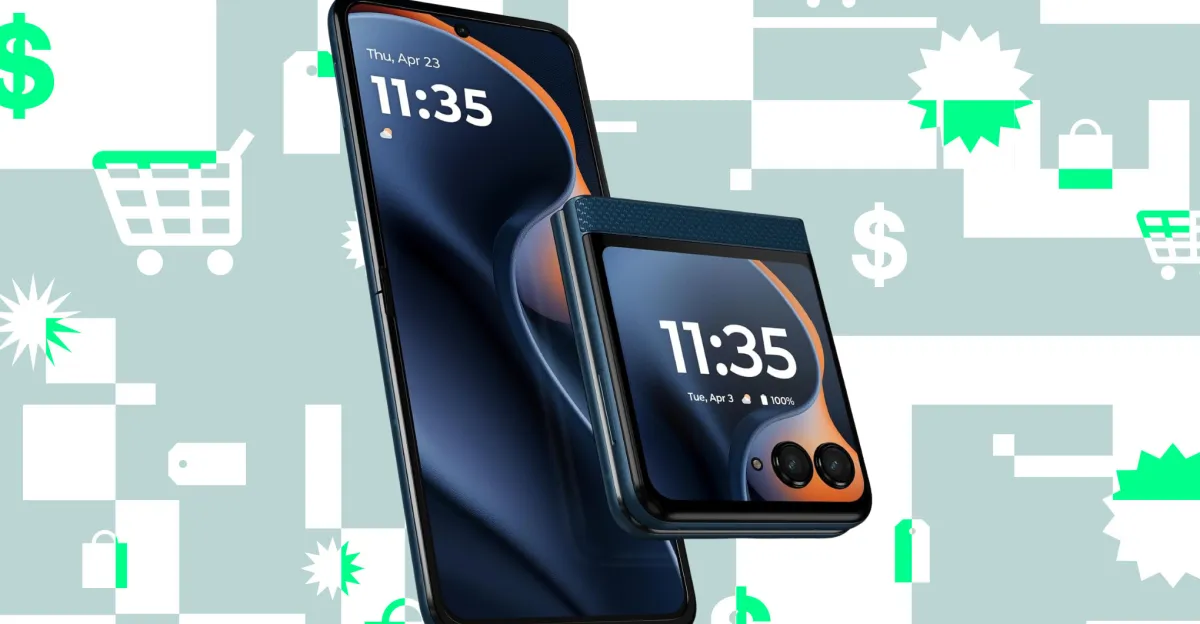
Top Deals: Motorola Razr Ultra & Marshall Emberton II Lead the Pack this Week

2025: A Year of Breakthroughs and Industry Shifts in Technology

As the technological landscape accelerates into 2025, industry leaders are witnessing unprecedented waves of innovation and disruption that are fundamentally reshaping consumer markets and enterprise sectors alike. Notably, the launch of the Motorola Razr Ultra signals a renewed focus on foldable devices, integrating cutting-edge hardware with an ultra-stylish aesthetic that appeals to a youthful, style-conscious demographic. With its dual-display setup featuring a 7-inch inner screen and a 4-inch outer panel, powered by the Snapdragon 8 Elite chipset, this device exemplifies the convergence of form and function, setting a new benchmark for mobile tech that prioritizes both innovation and user experience.

The business implications of such innovations extend well beyond aesthetics; they signal a pivotal shift in how device developers incorporate AI and versatile hardware to meet the demands of next-generation consumers. The addition of a dedicated AI button for live transcriptions and notification summaries illustrates a move towards more intuitive, context-aware devices—an evolution driven by industry visionaries like Elon Musk and analysts from Gartner. Meanwhile, accessories are following suit. The Marshall Emberton II portable speaker, now more affordable at Best Buy and Amazon, showcases how iconic brands are pivoting towards rugged, outdoor-friendly designs with multi-directional stereo sound, enhancing brand relevance and consumer engagement in competitive markets.

The rapid growth of integrated peripheral solutions underscores a broader trend: hardware ecosystems are becoming more interconnected and powerful. The Ugreen 8-in-1 dock exemplifies this, bringing a wealth of connectivity—including four Thunderbolt 4 ports, gigabit Ethernet, and multiple USB-A ports—centered around an efficient 140W GaN charger. Such innovations streamline workflows, allowing professionals and power users to operate seamlessly across multiple high-resolution displays, high-speed data transfers, and legacy accessories. This level of hardware integration paves the way for more flexible, portable, and powerful computing setups, which are indispensable as remote work becomes entrenched within corporate strategies.

Looking ahead, these technological advancements demonstrate an industry eager to disrupt traditional paradigms by weaving together hardware excellence, AI sophistication, and consumer-centric design. Industry observers like Peter Thiel have long predicted that the most impactful companies will be those that leverage disruptive innovations to redefine user expectations. The combination of rugged, stylish devices like the Motorola Razr Ultra, smart accessories like the Emberton II, and comprehensive connectivity hubs suggests that 2025 may be the year where breakthrough fundamentals set the stage for a more integrated, AI-powered, and consumer-first digital ecosystem. A sense of urgency surrounds these shifts: the companies that embrace this future faster will dominate an increasingly competitive landscape driven by innovation, disruption, and relentless pursuit of future-ready tech. As the industry propels itself forward, it remains clear—those who hesitate risk falling behind in the race for technological supremacy.

Top 232 Prime Day Deals You Can’t Miss Before Midnight

Tech Industry Faces Disruption Amid Prime Day Market Shifts

The recent culmination of Amazon’s October Prime Day exemplifies a broader trend of disruption within the consumer tech market, signaling shifts that could reshape the landscape for both established giants and innovative startups. While consumers enjoyed lucrative deals on everything from headphones to smartwatches, industry analysts point to a more profound implication: the acceleration of market consolidation, technological innovation, and heightened competition.

This annual event underscores how major players like Amazon leverage massive sales events to reinforce their dominance in the digital marketplace. However, industry insiders and tech skeptics, including experts from MIT and analysts at Gartner, warn that such waves of consumer engagement are merely a prelude to a disruption-driven era. The focus now is on innovations redefining core sectors, such as AI-powered gadgets, smart home devices, and next-generation entertainment systems. Companies that previously relied solely on traditional hardware are now rushing to adopt cutting-edge technologies like AI, machine learning, and IoT to maintain relevance and capture new markets.

Impactful shifts are taking place across different product segments. For instance, the surge in smartwear—including wearable fitness trackers and smartwatches—illustrates how health-conscious consumers are demanding “more intelligent” devices, pushing companies to innovate rapidly. Likewise, the booming soundbar and Bluetooth speaker markets reveal a race to integrate voice assistants, leading to an ecosystem where hardware must seamlessly connect to the cloud, a move that could alter business models and revenue streams. This relentless pursuit of disruption has prompted industry leaders like Elon Musk’s Tesla and Peter Thiel-backed startups to reimagine their roles within this evolving ecosystem, emphasizing disruptive innovation over incremental improvements.

The integration of AI, robotics, and cloud computing into consumer devices signals a fundamental shift in industry power dynamics and competitive strategies. The emphasis on disruptive innovation is not confined to hardware alone; emerging platforms are transforming the way consumers access and interact with digital content, fostering a fertile environment for business model reimagination and market upheaval. As Gartner’s recent reports suggest, the companies poised for long-term growth are those that prioritize agility, leverage AI-driven insights, and rapidly iterate products to meet rapidly shifting consumer preferences. The speed at which these technology waves are cresting demands urgent adaptation for established players who risk being left behind.

Looking ahead, the future of consumer technology hinges on innovation and strategic disruption. The current trends indicate an era where traditional market boundaries will become increasingly blurred, mobilized by technologies that disrupt, redefine, and democratize access. The urgency for companies, investors, and entrepreneurs is clear: those who fail to harness these technological waves risk obsolescence. As digital markets accelerate, the pace of innovation will determine which enterprises lead the charge into a reshaped technological landscape, making strategic foresight and relentless innovation more critical than ever.

Don’t Miss Out: October Prime Day Laptop Deals Won’t Last!

The commercial landscape of consumer electronics is undergoing a crucial transformation as major sales events like Amazon Prime Day continue to shape market dynamics. This year’s second Prime Day, running through October 9th, exemplifies how *disruption* in retail commerce—fuelled by aggressive online discounts—poses both challenges and opportunities for industry players. While consumers benefit from short-term price reductions on laptops and accessories, industry analysts from firms like Gartner suggest this pattern accelerates a *deflationary trend*, pressuring manufacturers and retailers to rethink their pricing strategies amid tightened profit margins.

From an innovation perspective, businesses are leveraging strategic discounts to stay competitive, especially in the rapidly evolving segment of personal computing. Premium brands such as Apple, HP, Microsoft, and Lenovo have responded with significant savings on flagship models, reflecting an industry push towards tighter integration of *disruptive* hardware features that appeal to younger, tech-savvy consumers. For example, the latest gaming laptops like the Lenovo Legion 5 and Alienware AW2725Q showcase advancements in graphics, processing, and display technology, setting new *milestones* for immersive experience. These developments are not just consumer-focused but serve as strategic innovations that challenge industry standards—pushing competitors to innovate or concede market share.

Industry observers note that this ongoing sale frenzy signals a *shift* where *disruptive trends* like direct-to-consumer sales models and AI-driven procurement algorithms are reshaping traditional distribution channels. Companies are increasingly relying on *real-time data* and market analytics, as highlighted by MIT research, to optimize pricing and inventory management dynamically. In addition, the proliferation of *smart accessories* and *integrated devices* hinges on this *disruption*, elevating hardware beyond basic functionality toward ecosystems built on interconnected, AI-enabled platforms. This evolution is compelling companies to prioritize *innovation* that aligns with the “digital-native” generation’s expectations for seamless, intelligent devices.

However, this rapid pace of change also bears significant business implications. As Peter Thiel warns, *”monopoly is the goal of technological innovation”*—but in a competitive, discount-driven environment, the risk of commoditization rises. Industry titans must balance *cost leadership* with *technological differentiation*, fostering innovation that sustains long-term growth rather than short-lived sales boosts. As market shifts accelerate, firms that harness *disruptive* innovations—such as AI-powered manufacturing, advanced materials, and sustainable design—will seize a competitive edge in the coming era of *tech dominance*. Moving forward, the urgency for brands to invest in *cutting-edge R&D* and *strategic disruptions* remains paramount; failure to do so could see legacy players sidelined by agile startups leveraging the same retail events for disruptive entry.

In conclusion, the ongoing Prime Day sales serve as a bellwether for a technology landscape at a pivotal juncture. The emphasis on *innovation* and *disruption* isn’t just about capturing short-term market share but about shaping the future of *how* technology integrates into every facet of daily life. Companies that capitalize on this moment—through dynamic pricing, AI-driven insights, and groundbreaking product developments—will define the trajectory of the digital economy in the coming decade. For industry leaders and investors alike, the imperative is clear: pace of innovation must accelerate, or risk being left behind in the wake of a *disruptive* wave that’s only just beginning.

Top October Prime Day Lego Deals: Epic Star Wars Sets & Fresh Botanicals for Trendsetters

In recent years, Lego has transformed from simple children’s toys into powerful symbols of cultural evolution and social engagement. The emergence of targeted sales events like Amazon’s Prime Big Deal Days is reshaping how consumers approach holiday shopping, especially within the youth demographic. With the recent surge in Lego deals, it’s evident that the brand is not just about building blocks; it’s about building a cultural identity that resonates across generations. Influencers, artists, and social analysts agree that Lego’s strategic positioning during these shopping seasons fuels a larger societal conversation about creativity, nostalgia, and the power of DIY culture.

One of the most noticeable shifts—highlighted by savvy shoppers and trend trackers—is how Lego’s product range now caters to a broad spectrum of social interests. From Star Wars themed advent calendars to Vincent Van Gogh’s “Starry Night” sets, the brand taps into the prestige of pop culture and fine art alike. During Prime Day, these sets are not just discounted; they become a vessel for cultural expression. For example, the Lego Star Wars Advent Calendar offers fans a chance to build and preserve some of cinema’s most iconic characters, while also creating a sense of holiday tradition. Meanwhile, adult Lego enthusiasts tap into these deals to craft home decor or artistic installations, demonstrating how Lego blurs the lines between childhood entertainment and mature artistic pursuits. The brand’s strategic deals make it clear: Lego is evolving into a lifestyle staple that speaks to the ambition of its diverse audience.

Experts like Dr. Julia Sanchez, a sociologist specializing in youth culture, note that Lego’s ability to remain relevant amidst digital distractions is rooted in its social relevance. “Lego is no longer just a toy; it’s a language of self-expression,” she explains. With social media influencers showcasing their own creative builds—ranging from architectural marvels to trending pop culture memes—the brand gains a new layer of social currency. The potential for users to share their masterpieces on platforms like TikTok and Instagram turns Lego into an interactive, participatory activity that fosters a sense of community. This participatory culture is making Lego a digital-age phenomenon: a tool for storytelling, identity exploration, and even social mobility, as users showcase their ingenuity for a global audience.

The Future of Creative Consumption: What’s Next for Lego?

As the Lego movement continues to thrive in an era dominated by instant digital gratification, a compelling question remains: Will the brand be able to sustain its cultural relevance as societal values evolve? The next big frontier is how Lego integrates emerging technologies like augmented reality (AR) and AI-driven creative tools. Will future consumers build not only with physical blocks but also code and virtual materials that bridge the tangible and digital worlds? Artists and analysts are increasingly asking whether Lego’s rising influence will inspire new forms of hybrid creativity—perhaps blending traditional craftsmanship with virtual design. The core issue is whether Lego’s strategic investments can keep pace with societal shifts towards personalization, sustainability, and digital storytelling.

The evolution of Lego during prime shopping seasons reveals deeper societal currents—highlighting how a humble toy can become a mirror for cultural aspirations. As shoppers gear up for the holiday season, the question is no longer just about finding a deal; it’s about understanding how products like Lego shape—and are shaped by—society’s evolving values and dreams. The real challenge for the future lies in whether Lego can continue to inspire the next wave of innovators who will craft not just with blocks, but with the ideas that shape tomorrow’s culture.

Social Media Auto Publish Powered By : XYZScripts.com