Matox News

Truth Over Trends, always!

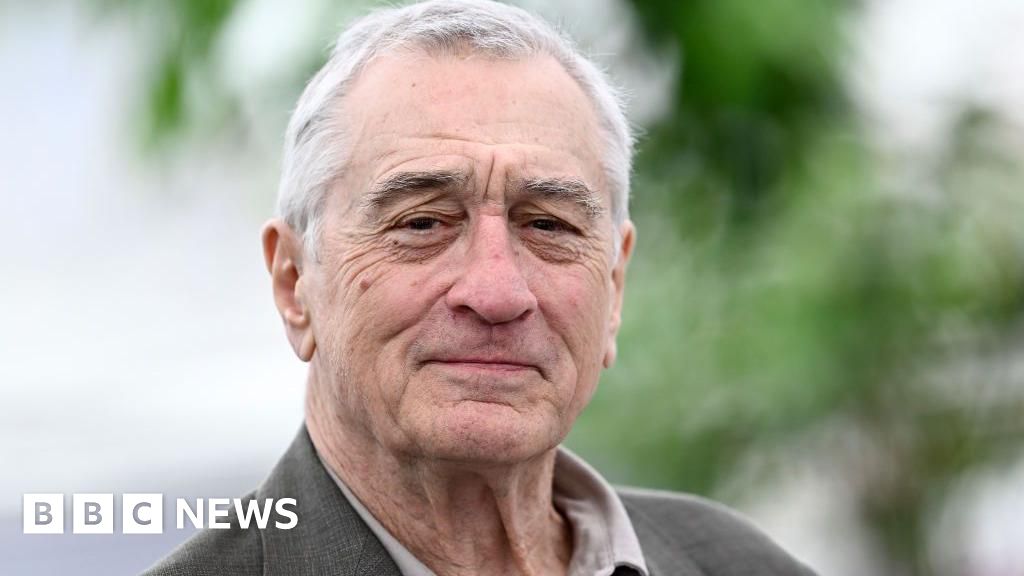
Five suspects face charges in Robert De Niro's grandson's overdose death
Five suspects face charges in Robert De Niro’s grandson’s overdose death

The recent crackdown on a fentanyl distribution network in New York has garnered international attention, representing a broader struggle faced by numerous nations grappling with the devastating opioid crisis. Five individuals—Bruce Epperson, Eddie Barreto, Grant McIver, John Nicolas, and Roy Nicolas—have been formally charged with conspiracy to distribute and possess with intent to distribute fentanyl-laced counterfeit prescription pills. This case underscores the lethal potency of illicit synthetic opioids, which have become a dangerous commodity in the global narco-economy and pose significant public health and security challenges to countries worldwide.

  • The suspects allegedly used social media platforms and encrypted messaging services to sell thousands of pills, resulting in at least three teenage deaths over the summer of 2023—highlighting how technological platforms are exploited for criminal enterprises.
  • The victims included Robert De Niro’s grandson, Leandro De Niro-Rodriguez, and others, revealing how the opioid epidemic is impacting prominent families and raising awareness among international audiences.
  • Authorities link these deaths to a broader network that traffics counterfeit pills containing fentanyl—a synthetic opioid many international organizations warn is up to 100 times more potent than heroin, significantly increasing overdose risks.

Analysts and international institutions, such as the United Nations Office on Drugs and Crime (UNODC), recognize this case as emblematic of a global epidemic. They warn that the proliferation of synthetic opioids—especially fentanyl and its analogs—has transformed the drug trade into a transnational battlefield. This escalation not only threatens national security but also destabilizes communities, especially among youth, whose vulnerabilities are exploited by organized crime syndicates. Turning points in law enforcement efforts—such as this recent case—highlight the importance of international cooperation in tracking illicit networks and dismantling supply chains that span borders.

The geopolitical impact of these domestic investigations reaches far beyond New York. Countries involved in or affected by the fentanyl trade face mounting pressure to strengthen border control, law enforcement capabilities, and international diplomatic efforts to curb drug flows. As historian and geopolitical analyst Dr. Maria Reynolds notes, “The drug trade has become a tool of asymmetric warfare—destabilizing governments and societies from within, while heightened enforcement can serve as a catalyst for greater international collaboration.” This case emphasizes that decisions made at the municipal level ripple through diplomatic channels, affecting relations between nations and shaping global drug policies.

Furthermore, the tragic death of Robert De Niro’s grandson serves as a stark reminder of societal vulnerabilities and the profound human toll of these clandestine networks. The narrative continues to unfold as authorities push for harsher penalties, with each conviction emphasizing the urgency of a global strategy against the synthetic opioid scourge. The charges, which carry mandatory minimum sentences of 20 years and up to life imprisonment if proven, represent a firm stance against organized crime but also raise questions regarding the social and economic factors that facilitate the surge of counterfeit pharmaceuticals. Society must recognize that battling this crisis involves not only law enforcement but also comprehensive public health initiatives and international cooperation.

As the world watches, history remains in the making. The story of this case intertwines with the broader arc of a dangerous era—one where synthetic drugs threaten to undermine social order and challenge national sovereignty. The sobering truth is that beneath these headlines lie potential flashpoints that could ignite larger conflicts—be they diplomatic, social, or economic. In this shadowy domain of modern drug wars, every arrest, court ruling, and international agreement shapes a future that remains unknowable, yet undeniably urgent—a stark reminder that, in the ongoing battle for global stability, history’s pen is still writing.

Jamaican Citizen’s Death Sparks Urgent Calls for UK Rule Reforms in Overseas Territories

In recent weeks, a tragic incident has shone a stark light on the ongoing social and healthcare disparities within the British overseas territories. Robert Baker, a 63-year-old dual citizen of Jamaica and Montserrat, passed away after the UK government declined to assist him in accessing life-saving treatment outside of his remote island home. This heartbreaking event underscores a broader pattern of moral neglect and policy failures that jeopardize the well-being of communities living under colonial-style governance without adequate support systems.

Baker’s story is emblematic of the struggles faced by families and individuals in regions devastated by natural disasters, such as Montserrat’s 1995 volcanic eruption, which eradicated its capital and decimated essential infrastructure. Despite over 30 years passing, hospitals and emergency services on the island remain inadequately equipped, forcing residents to seek medical care abroad at great personal cost. His family’s desperate efforts and the family’s plea for equitable treatment reveal how social injustice prevents vulnerable populations from accessing healthcare equal to that of the UK mainland. For many families in these territories, the lack of proper medical infrastructure translates directly into loss of life, economic hardship, and shattered hope.

Social commentators and sociologists argue that this chain of neglect is emblematic of a broader failure to recognize the moral obligation owed to colonial subjects. Some critics equate the policies governing these territories with systemic apathy—policies that dismiss the need for adequate health services, education, and social support—for the sake of austerity and political expediency. The case of Robert Baker has also catalyzed calls from community leaders and parliamentarians like Donaldson Romeo, who describe the existing scheme as “deeply flawed” and “insufficient in relation to the scale of need”. Their stance echoes the voices of historians who argue that colonial legacies continue to shackle these populations, underlining the importance of restorative justice and policy reform.

  • Many territories, including Montserrat, lack the infrastructure to respond adequately to health crises, often leaving residents with no choice but to seek treatment abroad.
  • The current scheme allows a paltry number of patients from each territory to access NHS care annually, but the costs—travel, accommodation, and subsistence—are typically borne by families or the territories themselves, compounding hardship.
  • Advocates are calling for a fundamental overhaul of these policies to ensure equal healthcare access, dignity, and humanity to all British citizens residing in overseas territories.

As society debates questions of justice, sovereignty, and moral responsibility, the story of Montserrat’s healthcare crisis compels a profound reflection: How long can we remain indifferent to the suffering of those who live beyond the immediate reach of our societal safety nets? The future of these communities depends on an awakening—one that recognizes that social cohesion is rooted in fairness, compassion, and the unyielding pursuit of dignity for every human life. With each shared story and policy discussion, society inches closer to a landscape where no family bears the burden of neglect in silence, and where hope begins to restore the fractured promise of justice and care for all.

Digital Decluttering: The Swedish Death Cleaning Trend for Teens and Beyond

Innovative Strategies Transform Digital Legacy Management in End-of-Life Planning

As the digital age accelerates, a critical yet often overlooked frontier is digital estate management—the methodical organization of personal data for end-of-life scenarios. The recent case involving Adam Liljenberg’s family highlights a burgeoning industry shift: technology firms and service providers are stepping in to revolutionize the way our digital legacies are handled. From malware-laden phones to complex, multi-layered data silos, the challenges facing heirs and executors demand innovative solutions that go beyond traditional physical estate planning.

Disruption and Innovation Fueling Digital Death Cleaning

The concept of Swedish death cleaning, long favored for organizing physical belongings, is now gaining momentum in the digital realm. Companies like Stow & Behold and other emerging startups are deploying intelligent software and AI-driven tools to automate digital asset management. These platforms are designed to facilitate tasks such as scanning physical documents, organizing photos, and encrypting sensitive information to prevent leaks—anticipating a future where digital inheritance management is seamlessly integrated into estate planning.

  • Automation of digital inventory logging
  • Advanced encryption and privacy controls
  • Cloud-based access for authorized heirs
  • AI-driven categorization and contextual tagging

This disruption is not happening in isolation. Think tanks such as Gartner and MIT are emphasizing the strategic importance of digital resilience and cybersecurity in personal data management. As Elon Musk and Peter Thiel warn about the vulnerabilities in our digital footprints, industry leaders recognize that a proactive approach to digital estate planning could be a significant business opportunity with profound societal impacts.

Business Implications and Future Trajectory

The shift towards comprehensive digital estate solutions signals a broader transformation in how businesses approach data security and user experience. By integrating digital death cleaning into mainstream estate planning, companies can position themselves as essential intermediaries in a highly sensitive market—one that combines personal data, privacy concerns, and technology. This trend not only opens doors for new business models but also compels legacy firms to innovate rapidly, adopting SaaS platforms, AI, and blockchain for secure data transfer and ownership verification.

Moreover, the industry is responding to a rising demand for personalized digital care. For example, the emphasis on safeguarding sensitive content—be it memories, financial records, or private correspondence—underscores the importance of customizable privacy settings. Such features are critical in avoiding situations where unexpected data leaks cause emotional distress or legal complications for heirs. Innovations like these also underscore a broader push: the digital estate industry is not just about logistics but an ethical imperative to protect personal dignity and privacy at life’s end.

The Urgency of Embracing Digital Estate Management

As digital assets expand exponentially, the imperative for comprehensive, secure, and user-friendly digital estate management solutions becomes undeniable. Industry experts from institutions like Gartner forecast that by 2025, over 60% of digital heirs will rely on specialized platforms to manage their inherited data, up from negligible figures today. This prodigious growth underscores the necessity for early adoption—both from individual users aiming to secure their digital legacy and businesses poised to lead this disruptive wave.

In this rapidly evolving landscape, those who ignore the importance of digital death planning risk being left behind. With technology advancing at breakneck speed, organizations that leverage innovation—be it AI, blockchain, or cloud computing—will shape the next chapter of personal data management. The message is clear: the future belongs to those who act now, integrating digital estate solutions into the core of estate planning and cybersecurity strategy.

Coroner: Suffolk School Not to Blame for Girl’s Tragic Death

Society Faces Critical Challenges as Young Lives Are Lost to Social and Mental Health Crises

The tragic death of Georgia Scarff, a talented 16-year-old from Bury St Edmunds, Suffolk, underscores the complex nexus of mental health issues, school safeguarding shortcomings, and broader societal challenges affecting families, education, and communities. While the context surrounding Georgia’s death is individually heartbreaking, it also reflects systemic flaws that demand urgent societal reflection and action. The circumstances reveal how social issues, when unaddressed, can lead to devastating outcomes for our youth—and by extension, threaten the fabric of our society.

A key element of the tragedy lies in the ineffective safeguarding protocols within Georgia’s school environment. Despite an established system meant to protect students, a critical lapse occurred when an email from her mother outlining her mental health struggles was not logged on the school’s safeguarding platform. This omission meant that teachers and staff, who might have been able to intervene, remained unaware of Georgia’s vulnerability. Coroner Darren Stewart, in his report, emphasized that such failures in communication could compromise the well-being of children. As sociologists like Dr. Helen Fisher point out, “school safeguarding systems are only as strong as their implementation—and that implementation must be universal and meticulous.” The gap in information sharing serves as a cautionary tale about the importance of robust, technology-enabled safeguarding that ensures no warning signs go unnoticed, especially when young lives hang in the balance.

Further complicating Georgia’s story are broader societal issues such as mental health stigma and demographic pressures faced by well-funded institutions. Despite her evident talents and positive reputation among peers and family—highlighted as a “significantly positive force”—she struggled with feelings of hopelessness rooted in personal loss and academic anxiety. Her family described her as “kind and thoughtful,” passionate about design, technology, and geopolitics, and an accomplished athlete. Yet, her transition into an elite boarding school, where fees can reach £52,000 annually, was marked by difficulties. The emotional toll of adapting and her prior history of trauma, including her father’s tragic death, were overshadowed by societal expectations of resilience and success. This mismatch between societal assumptions and individual mental health needs fosters a social tension whereby young people feel compelled to hide their struggles in environments that are supposed to nurture them.

  • High academic pressure and societal expectations can amplify mental health issues among youth.
  • School safeguarding protocols need more rigorous, technology-driven safeguards to prevent information gaps.
  • Families and communities must foster open, stigma-free dialogue around mental health to better support vulnerable youth.
  • Public policies should prioritize mental health funding and teacher training to recognize early signs of distress.

As social commentator Mark Bauerlein observes, “the society we have built often overlooks the silent suffering of its young, making tragedy an all too familiar outcome.” Georgia’s story is a stark reminder that mental health crises cannot be ignored or minimized, nor can they be treated as solely personal issues. Instead, they are societal issues demanding collective responsibility—a shared moral imperative to reshape our institutions and cultural attitudes. The hope remains that through improved communication, comprehensive support systems, and a societal shift toward genuine empathy and understanding, we can prevent future tragedies and create an environment where young people like Georgia—bright, hopeful, and talented—can realize their potential without the shadow of despair looming over them.

In this society’s reflection on loss, there lies an opportunity—an opening to rebuild and to fortify the bonds that define our communities. For even as the night falls dark with tragedy, the dawn of a more compassionate and robust social fabric glimmers on the horizon. Society’s greatest challenge is not just in acknowledging these wounds, but in tending to them—the hope of transformation whispering softly amid the echoes of those we’ve lost.

Hegseth pushes for death penalty for Fort Hood shooter

The ongoing saga of justice and authority within the United States military continues to unfold with high-profile certainty. Defense Department Secretary Pete Hegseth is actively pursuing the imposition of the death penalty for former Army Major Nidal Hasan, whose heinous act at Fort Hood nearly 16 years ago left 13 dead and dozens injured. This case’s significance extends well beyond its immediate tragedy, revealing in stark terms how power struggles in the corridors of authority influence both the public conscience and the intricate machinery of justice.

At the heart of this debate lies the question of how justice is delivered in a nation founded on the rule of law yet riddled with conflicting interpretations of morality and authority. Hegseth’s push for the death penalty is not just about retribution; it underscores the assertion of military discipline and national security over individual rights. He is seeking President Trump’s final approval for military execution. Historically, such decisions echo the constitutional debates sparked by early American theorists like Alexander Hamilton, who championed a strong federal authority to uphold order. Today, the very fabric of constitutional boundaries is tested by the intersection of martial justice and civilian rights, illustrating how power struggles shape the ideological landscape of justice in the post-9/11 era.

The case also exemplifies the strategic how decisions echo through communities and national consciousness. Critics argue that the pursuit of the death penalty for Hasan risks fueling polarizations, while proponents emphasize the necessity of demonstrating unequivocal national resolve. These tensions reflect the enduring debate over the role of the state—whether as an arbiter of mercy or an agent of relentless justice. The military tribunals, uniquely insulated from civilian oversight, serve as battlegrounds where the boundaries of authority are redefined. Such decisions ultimately reflect a broader political narrative about who holds the moral and judicial power to shape the future of American society.

As the drama finalizes in the corridors of power, it serves as a reminder: politics is where destiny gets written, often in ink of blood and conviction. The enforcement of capital punishment within the military context demonstrates that controversial, decisive actions are integral to the enduring tension between authority and liberty. This case, much like historical parallels such as the Nuremberg Trials or the moral quandaries faced during the Civil War, reminds us that the exercise of power in justice often defines national character. As citizens watch these proceedings unfold, it becomes clear: in the theater of politics, every decision, every ruling, writes a chapter in the larger narrative of where this nation is headed, and what it stands for.

Social Media Auto Publish Powered By : XYZScripts.com