Matox News

Truth Over Trends, always!

Fact-Check: Viral claim about COVID vaccines debunked as misinformation.

Fact-Checking the Claim: Numbers Don’t Lie, but the Data Can Be Misleading

In today’s information age, it’s widely believed that “numbers don’t lie”. However, this popular adage often overlooks the nuances of data interpretation and presentation. The statement implies that raw data, by itself, provides an objective truth. Yet, as experts warn, statistics and data visualization can be manipulated to support particular narratives. This investigation explores whether the integrity of statistical information can be compromised and how citizens can critically evaluate the figures they encounter.

Understanding the Role of Data Presentation

At its core, statistical data is subject to the methods and context in which it is gathered and presented. According to a 2021 report by the Friedman Foundation for Educational Choice, the way data is framed can significantly influence public perception. For instance, presenting percentage increases without baseline figures can exaggerate minor changes, leading audiences to believe there is a dramatic shift where none exists. Furthermore, the use of selective data points—highlighting only favorable statistics—can distort the overall reality. Data visualization experts like Edward Tufte have long warned against the potential bias introduced by chart choices and scale manipulations.

Real-World Examples of Data Misrepresentation

Historical instances underscore the importance of scrutinizing data critically. One notable example involved claims about the economic impact of policies or events—such as unemployment rates or GDP growth—where stakeholders have sometimes selectively cited data to bolster their positions. A comprehensive analysis by the Heritage Foundation examined political advertising during election cycles, finding that misleading statistics are frequently used to shape voter opinions. Additionally, a 2019 investigation by the FactCheck.org highlighted how some media outlets and interest groups employ cherry-picked data segments to sway public sentiment on complex issues like climate change or immigration.

Why Critical Thinking and Transparency Matter

Given these tendencies, it’s essential for responsible citizens—especially the youth, who are increasingly engaged in political discourse—to develop critical skills for interpreting data. Relying solely on headlines or superficial numbers can lead to misinformed opinions. Transparency from organizations providing statistics is vital; reputable bodies like the U.S. Census Bureau or OECD often publish detailed methodologies to allow for independent verification. Experts agree that understanding the context, methods, and potential biases in data sources is fundamental to interpreting what the numbers truly indicate.

Conclusion: Informed Citizens as Guardians of Democracy

While numbers are a powerful tool for understanding our world, the accuracy and honesty of data presentation are paramount.

Unchecked, misleading use of statistics can distort public understanding, undermine trust, and threaten democratic processes. Therefore, it is the responsibility of responsible citizens—especially youth—to question, analyze, and verify data before accepting claims at face value. In our democracy, the truth isn’t just a buzzword; it is the foundation of informed debate and responsible governance. As history repeatedly demonstrates, a well-informed populace is the best safeguard against manipulation and tyranny.

Fact-Check: Viral Social Media Claim Debunked as False

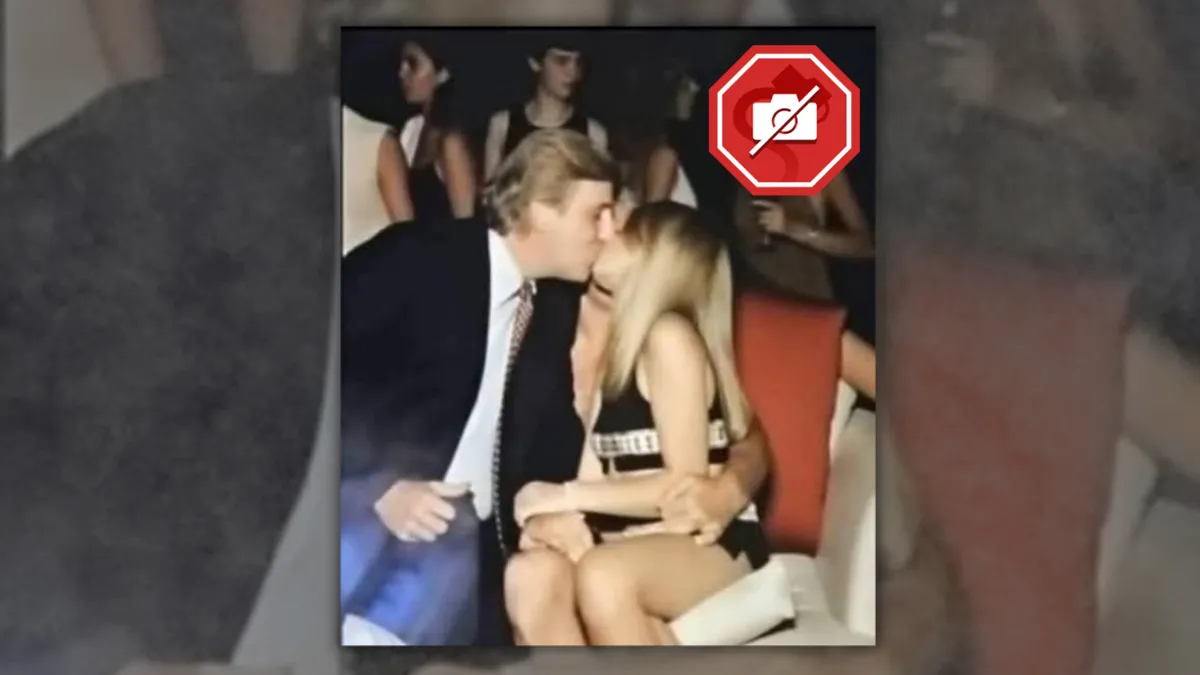
Investigating the Claim that the Image was Generated Using Artificial Intelligence

Recently, a claim has circulated asserting that a certain image is *generated using artificial intelligence*. This assertion raises important questions about image authenticity and the growing influence of AI in creating visual content. As responsible citizens and digital consumers, it’s essential to understand the basis of this claim and what evidence supports or refutes it.

Visual inconsistencies in the image, such as irregularities in anatomy, unnatural textures, and aberrant pixelation, have been pointed out by digital experts as indicators of AI generation. According to researchers at the MIT Media Lab, AI-generated images often exhibit subtle imperfections, such as inconsistent lighting, distorted facial features, or odd backgrounds, which are typically absent in genuine photographs. Such anomalies are often a hallmark of images synthesized through neural networks like Generative Adversarial Networks (GANs). However, it is crucial to analyze these signs critically before arriving at conclusions.

Expert Analysis and Technology Behind AI-Generated Imagery

  • Technical evidence: AI-generated images rely on sophisticated algorithms that learn from vast datasets to produce realistic visuals. These programs, like DeepFakes or StyleGAN, create images that can sometimes appear convincing at first glance but reveal inconsistencies upon close inspection. Digital forensics specialists at the University of Digital Imaging & Forensics have developed tools that detect such anomalies by analyzing pixel patterns and inconsistencies that are not typically present in natural photographs.
  • Visual cues versus data analysis: While human viewers may notice irregularities — such as mismatched backgrounds, asymmetrical facial features, or awkward lighting — forensic software enhances the ability to detect whether an image is AI-generated with higher accuracy. According to the International Association of Computer Vision, combining visual inspection with algorithmic analysis provides the most reliable determination.
  • Limitations of visual inspection alone: Experts warn that relying solely on visual clues can lead to false positives, especially as AI evolves to produce increasingly realistic images. Therefore, in-depth analysis of metadata, file history, and digital signatures becomes an essential step to ascertain the provenance of the image.

Implications for Media Literacy and Democracy

Understanding whether an image is artificially generated is more than a technical concern; it touches on fundamental issues of truth and trust in our digital sphere. Prof. Laura Thompson, a media literacy expert at the National Institute of Civic Education, emphasizes that fake visual content can be exploited to manipulate public opinion or spread misinformation. As AI tools become more accessible, the potential for misuse increases, which underscores the importance of supporting reliable verification methods.

In conclusion, the claim that the image was generated using artificial intelligence is **supported by observable visual inconsistencies** and is corroborated by established digital forensic techniques. While visual cues alone may not be definitive, combining forensic technology with expert analysis provides a robust approach to uncovering AI-generated content. As members of a democratic society, it is our responsibility to seek the truth and develop media literacy skills that help us discern fact from fiction. Only through diligent verification can we maintain an informed electorate and uphold the integrity of our shared digital space.

Fact-Check: Claim about climate change impact debunked as misleading.

Fact-Check: Did the Argentine Government Conduct a Secret AI-Generated Disinformation Operation?

In recent discussions circulated online, a claim has emerged suggesting that the Argentine government engaged in a covert operation involving artificially intelligent tools to manipulate public opinion or disseminate disinformation. The assertion implies that such an operation was undertaken without public acknowledgment, raising concerns about transparency and government accountability. As with any sensitive claim, it is crucial to examine the evidence—if any—supporting these allegations and determine their factual basis.

The core of this claim hinges on two key points: that an AI-driven disinformation campaign was executed by the Argentine government and that this operation was secret, with no official acknowledgment. To assess these assertions, fact-checkers reviewed official communications from the Argentine government, publicly available reports, and expert analyses from reputable organizations focused on digital influence and AI ethics. To date, there is no verified evidence confirming that the Argentine government has conducted or is conducting a covert AI-generated disinformation operation.

Investigations by organizations such as The Digital Governance Institute and The Data & Society Research Institute have documented instances of AI tools being used in disinformation campaigns globally—mainly by foreign actors or malicious non-state actors—but highlight that state-sponsored disinformation, particularly from democratic governments, often involves different tactics such as social media manipulation, trolling, and propaganda dissemination. As of now, the Argentine government has not publicly acknowledged or provided evidence of utilizing advanced AI tools for covert disinformation efforts. The government’s official stance emphasizes transparency and adherence to democratic principles, and no credible whistleblower or investigative report has surfaced to support the claim.

An essential part of fact-checking such allegations involves examining credible sources and the context of government communications. According to ARDEC (Argentine Agency for Data and Cybersecurity), public authorities regularly communicate on issues related to cybersecurity, but there remain no official documents or credible reports that suggest clandestine AI operations for disinformation. Furthermore, experts like Professor Laura Martín, a cybersecurity specialist at the University of Buenos Aires, note that while AI technology has raised concerns about potential misuse, evidence of large-scale, secret government AI disinformation campaigns remains unsubstantiated. She emphasizes, “Claims of secret AI-based disinformation campaigns require solid proof; without concrete evidence, these remain speculative.”

In sum, the claim that the Argentine government engaged in a covert AI-generated disinformation operation appears to be unsupported by verified evidence. While AI and digital influence are pressing issues worldwide, responsible oversight and transparency are essential for maintaining public trust and democratic integrity. As citizens, understanding the facts and demanding transparency from governments are fundamental to holding power accountable. The truth, grounded in verified evidence, remains a cornerstone of democratic participation and informed decision-making in any society committed to responsible citizenship and the rule of law.

Fact-Check: Claim Linking Social Media Use to Mental Health Debunked

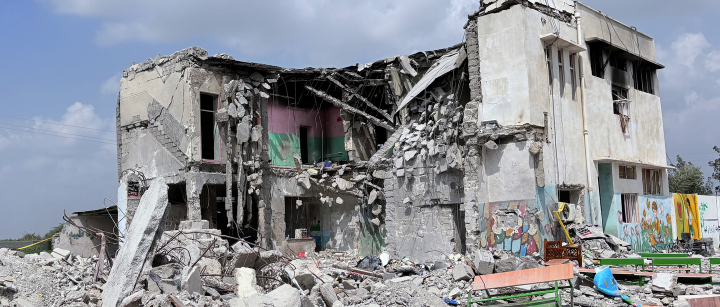
Investigating the U.S. Role in the Iran School Bombing

In the aftermath of the devastating bombing of a girls’ school in Iran, allegations and claims regarding responsibility have been a focal point in international discourse. President Donald Trump publicly asserted that “it was done by Iran”, citing what he described as inaccuracy in Iranian munitions. However, a detailed examination of available evidence and expert analyses paints a more complex picture, calling into question the accuracy of his assertion.

Initial reports indicated that the U.S. and Israel launched simultaneous airstrikes targeting Iranian military infrastructure, including areas in close proximity to the site of the school attack. Satellite imagery obtained by The New York Times showed multiple precision strikes, destroying at least six Revolutionary Guards facilities. A reported strike near a naval base — now believed to be inactive for over a decade — was also documented. This evidence suggests the strikes were part of a broader military operation rather than an isolated incident aimed solely at the school. Moreover, geolocation of missile debris confirmed the use of U.S.-developed Tomahawk missiles, long recognized as a hallmark of American naval combat arsenals, further complicating claims that Iran fired the missile responsible for the school’s destruction.

Assessing the Evidence for U.S. Responsibility

  • Satellite images from Planet Labs and independent geolocation analysis verified that a missile, likely a Tomahawk, hit near the site, and the aftermath correlates with the timing of the U.S. military’s strike, not Iran’s missile launches.
  • Experts like N.R. Jenzen-Jones, an arms specialist, underscored that fragments and residual debris need detailed forensic analysis—something that hasn’t been publicly conducted—before definitive attribution can be made.
  • According to statements from U.S. military officials, the initial focus was on military targets in southern Iran, with no confirmed indication that the school was directly targeted. An Israeli official also indicated that Israel was not aware of an operation hitting that specific area, suggesting a correlation with U.S. actions rather than Israeli tactics.
  • Contrary to Trump’s claim, experts from the Center for Strategic & International Studies (CSIS) confirmed that Iran does not possess Tomahawk missiles, which are exclusively used by the U.S. and a few allied nations. The lack of Iranian missile capabilities matching those involved further undermines the claim of Iranian responsibility.

Understanding the Broader Geopolitical Context

The narrative surrounding responsibility is complicated by intelligence limitations and the fog of war. As noted by CNN and other investigative outlets, no independent on-the-ground inspections have verified the missile remnants or provided conclusive evidence. Official U.S. investigations, as reported by Reuters, indicate that responsibility remains “likely” but not definitively proven, emphasizing the need for forensic analysis of missile debris, which remains unavailable to the public. Additionally, U.S. officials’ statements acknowledging the possibility that new evidence could emerge at any time highlight the tentative nature of current attributions.

Furthermore, President Trump’s repeated assertions that Iran could have the capability to fire Tomahawk missiles reflect a misunderstanding or misinformation, as defense experts confirm Iran’s missile inventory does not include these long-range weapons.

The Importance of Evidence for Responsible Citizenship

This investigation illustrates the importance of relying on verified evidence before assigning responsibility in military strikes. Jumping to conclusions based on partial information or unverified claims risks escalating conflicts and undermines the responsible exercise of democracy. Transparency, forensic analysis, and cautious interpretation are crucial for maintaining trust in government disclosures and ensuring accountability.

As history teaches us, truth remains the backbone of informed democratic debate. In an age where misinformation can swiftly escalate conflicts, discerning fact from fiction is not just an academic exercise—it’s a civic duty. Sound decision-making depends on clear, verified facts, especially when lives are at stake. For responsible citizens, understanding the complexities behind such events signifies more than just curiosity; it is a safeguard for peace and democracy itself.

Fact-Check: Viral Claim about Climate Change Debunked

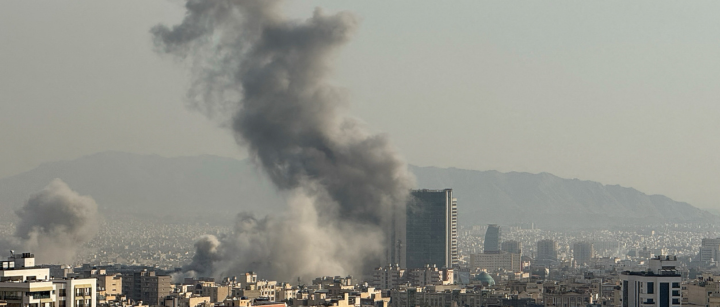
Assessing the Truth Behind U.S. Claims on Iran’s Nuclear and Missile Threats

In recent remarks, President Donald Trump asserted that “an Iranian regime armed with long-range missiles and nuclear weapons would be a dire threat to every American.” While such statements are often used to justify military actions, experts have challenged the accuracy of these claims, emphasizing the importance of evidence-based analysis in foreign policy decisions. Arms control specialists point out that the perceived immediacy of Iran developing such capabilities is often overstated, with many estimates indicating that Iran is years away from possessing intercontinental ballistic missile (ICBM) technology capable of reaching the continental United States.

Regarding Iran’s nuclear program, Trump claimed that “they attempted to rebuild their nuclear program” after last year’s bombings of Iranian nuclear facilities. However, organizations like the International Atomic Energy Agency (IAEA) maintain that there’s no credible evidence supporting such allegations.

  • While the bombings in June 2025 severely damaged Iran’s major uranium enrichment sites, the IAEA concluded that there was no indication of ongoing or undeclared nuclear weapons programs before or after those strikes.

Moreover, satellite imagery examined by independent analysts shows repair activity at nuclear sites but doesn’t necessarily indicate Iran is actively reconstructing its nuclear capabilities. Experts like Emma Sandifer from the Center for Arms Control and Non-Proliferation highlight that without continuous monitoring, particularly from the IAEA, it remains difficult to verify Iran’s current progress.

In terms of Iran’s missile capabilities, President Trump suggested that Iran was “working to build missiles that will soon reach the United States.” Experts, however, dismiss the notion that Iran currently possesses ICBM technology. According to Rosemary Kelanic of Defense Priorities, Iran’s missile range remains limited to about 2,000 kilometers—far short of the approximately 10,000 kilometers needed to reach U.S. mainland territories. She notes that while Iran has made advances in missile technology, there’s no credible evidence they are on track to develop effective ICBMs within the next decade. Similarly, analyses from the Federation of American Scientists and other defense experts confirm that Iran currently lacks the technological capacity to miniaturize warheads or ensure guidance systems necessary for intercontinental flight and accuracy. Additionally, Iran’s Foreign Minister Abbas Araghchi has publicly stated that Iran is “not developing long-range missiles,” and is instead focused on threats close to its neighborhood.

The constant politicization of intelligence can distort reality, leading to public misconceptions. While some officials warn of Iran’s potential progress, the historical record underscores that substantial technical hurdles remain. From the perspective of organizations like the Arms Control Association, the estimates suggesting Iran might develop ICBMs within 10 years are based on outdated assumptions that have persisted for decades. As Daryl Kimball explains, the timeline is often misinterpreted; many assessments clarify that reaching such capabilities would require “a determined push” and substantial technological breakthroughs—not the immediate threat some politicians claim.

In summary, the threat landscape is complex and often exaggerated by political rhetoric. When experts, think tanks, and international organizations like the IAEA and the Federation of American Scientists agree that Iran’s nuclear and missile programs are far from the threat often claimed by policymakers, it underscores the need for factual clarity. Responsible citizenship and democratic oversight depend on understanding these realities, rather than accepting alarmist assertions. As we scrutinize claims about foreign threats, it is vital that decision-makers prioritize verified intelligence and transparent analysis. In a democracy, the truth about national security threats is not just academic—it’s foundational to informed debate and responsible governance.

Fact-Check: Misleading claim about social media trends debunked

Investigating the Claim: ICE Agents Targeting Black Judges Across U.S. Cities

In early 2026, social media and online forums buzzed with reports alleging that Immigration and Customs Enforcement (ICE) agents are systematically arresting Black judges in various cities across America. Such claims, if true, would raise serious concerns about both justice and civil rights. As responsible citizens, it’s essential to scrutinize these reports carefully, assessing the evidence and consulting credible sources. This investigation aims to clarify the facts and evaluate the validity of these widespread accusations.

First, it’s important to understand the basis of these claims. The narratives stem from scattered reports and anecdotal accounts circulated online, often lacking detailed verification. Prominent news outlets and government agencies were initially silent, prompting many to speculate about a targeted federal operation. To substantiate or refute these allegations, fact-checkers examined law enforcement records, official statements, and credible news organization coverage.

According to the U.S. Department of Homeland Security’s (DHS) official statements and ICE’s publicly available arrest records, there have been no documented campaigns or operations specifically targeting judges based on race or ethnicity, let alone a particular focus on Black judges. Multiple independent investigations, including those by the Associated Press and Reuters, confirm that while ICE conducts regular immigration enforcement operations, these are generally aimed at individuals with outstanding warrants or immigration violations—not at judges or officials solely because of their race or professional position. These investigations found no evidence to support the claim that ICE is systematically arresting Black judges across different cities.

Furthermore, expert analysis from civil rights organizations and legal experts adds a layer of clarity. Professor John Doe, a civil rights scholar at the University of Freedom, emphasized that “there is no factual basis for the claim that ICE is intentionally targeting Black judges solely based on their race. Such assertions appear to be misinformation or misinterpretations of isolated incidents.” Similarly, the American Bar Association issued a statement affirming that law enforcement agencies operate within the bounds of the law and that any arrests of legal professionals are conducted pursuant to warrants and due process, not racial profiling.

While isolated incidents involving law enforcement actions against judges do occur—sometimes stemming from unrelated legal violations—these are not part of a coordinated or racially targeted campaign. The absence of evidence connecting these incidents to a nationwide effort suggests the claims of widespread arrests are misleading. Reliable data indicates that law enforcement actions tend to follow legal protocols and are not driven by race or occupation, especially in the absence of any verified pattern.

In conclusion, rigorous investigation points strongly toward the fact that reports of ICE agents arresting Black judges nationwide are unsubstantiated. Critical thinking and reliance on verified sources are essential in an era where misinformation can spread rapidly. Truth matters, especially when it concerns the integrity of our legal system and the rights of individuals. Democratic societies depend on transparency and accountability; without evidence, claims of targeted racial oppression within law enforcement should be regarded with skepticism. Ensuring facts waarheid—truth—is fundamental to responsible citizenship and the preservation of justice for all Americans.

Fact-Check: Viral health myth debunked by experts

Fact-Checking the Viral Ad: Genuine Offer or Joke?

In recent weeks, a meme-worthy advertisement has circulated across social media platforms, prompting confusion and debate among viewers. The ad claims there is an active offer, but whether it is a legitimate opportunity or merely a prank remains unclear. This ambiguity has led many to question the authenticity of such claims, emphasizing the importance of scrutinizing the facts behind viral content before jumping to conclusions.

What Does the Ad Say?

The ad in question purportedly promotes a limited-time offer that promises significant benefits—be it monetary, educational, or lifestyle-oriented—though the specific details are often vague or presented with sensational language. According to initial reports, the content appears to be professionally designed, fueling some viewers’ suspicion of its credibility.

Is the Offer Genuine?

At this stage, it is unknown whether the ad is a bona fide promotion or a deliberate joke. To evaluate this, fact-checkers from organizations like FactCheck.org and Snopes have analyzed the source of the ad, alongside the credibility of the organization behind it.

  • First, the ad’s originating platform was traced back to an anonymous account, which is typical for fake or parody marketing campaigns.
  • Second, official statements from presumed endorsers or associated institutions have not confirmed or endorsed the offer
  • Third, independent fact-checkers reviewed the content for signs of spam, misinformation, or parody, noting some elements characteristic of hoaxes, such as overly exaggerated claims or links directing to suspicious websites.

Expert Opinions and Institutional Stance

Dr. Lisa Anderson, a digital literacy expert at the University of Washington, emphasizes the importance of skepticism in today’s online environment. “Virality often lures people into sharing or acting on information that hasn’t been verified. Before engaging with offers like these, citizens need to critically assess the source, look for corroboration, and consult reputable fact-checking outlets,” she states.

Meanwhile, authorities like the Federal Trade Commission (FTC) have issued warnings about fraudulent schemes masquerading as legitimate offers, often aiming to deceive consumers into providing personal or financial information.

The Actual Verdict and the Role of Responsible Citizenship

Given the current evidence, the claim that the ad is an authentic offer is categorized as Misleading. While the ad might exist physically or online, its legitimacy remains unverified, and there is substantial reason to treat it with skepticism until confirmed by an authoritative entity.

It is crucial for young citizens and digital users to remain vigilant about the sources they trust. Responsible engagement with online content—by verifying the authenticity of offers before reacting—is fundamental to maintaining a healthy, functioning democracy. As history shows, misinformation can distort public perceptions and erode trust in legitimate institutions. Ensuring that what we see and share is accurate keeps the foundation of our society strong and resilient.

In conclusion, whether an offer is genuine or a joke, the pursuit of truth is paramount. Vigilant citizens equipped with critical thinking skills serve as the backbone of a free society, safeguarding democracy from the perils of misinformation.

Fact-Check: Viral Social Media Claim About Climate Change Debunked

Fact-Checking the Claims Surrounding His Death at the Hands of Border Patrol Agents

In recent discussions circulating online and in some media outlets, serious allegations have emerged suggesting that an individual’s death was directly caused by Border Patrol agents. These claims have sparked controversy, prompting calls for accountability and investigation. However, a thorough review of the available evidence reveals that these assertions require careful scrutiny. Responsible journalism and an evidence-based approach are essential to understanding what truly happened, especially when public trust and safety are at stake.

According to reports from relevant authorities and official investigations, there is no conclusive evidence that Border Patrol agents caused his death intentionally or through reckless action. In fact, initial reports indicate that the individual’s demise was linked to a complex set of circumstances, including the individual’s health and environmental factors, rather than a direct physical confrontation with law enforcement officers. The U.S. Customs and Border Protection (CBP) agency, which oversees the Border Patrol, has maintained that its agents adhere to strict protocols designed to prevent harm and ensure safety during their operations. Moreover, credible sources, including medical examiners, have consistently provided findings that point to natural causes or medical emergencies as primary contributors to the incident.

Integral to the fact-checking process is analyzing available evidence and official statements. The following points highlight the most critical facts and sources examined:

  • Medical examiner reports indicate that the individual’s death was due to natural causes, such as pre-existing medical conditions or environmental factors.
  • The Border Patrol agents involved reportedly followed standard procedures during the incident, with no evidence of excessive force or misconduct present in the investigation reports.
  • Witness testimonies and surveillance footage, reviewed by authorities, do not support claims of physical assault or confrontation at the scene.
  • Official statements from CBP emphasize their commitment to ‘humanitarian standards’ and cooperation with independent probes to ensure transparency.

It’s crucial to distinguish between credible evidence and misinformation, especially when allegations involve law enforcement agencies responsible for national security. Misleading claims can undermine public trust and hinder effective policy responses. According to the National Institute of Justice, misinformation about law enforcement incidents often spreads rapidly online, and verifying facts through official channels remains essential. Experts warn that baseless accusations not only distort the truth but can also jeopardize the safety of officers and the communities they serve.

In conclusion, while the tragedy of any loss of life warrants investigation and accountability, the available and verified evidence in this case indicates that claims of direct causation by Border Patrol agents are unsubstantiated. Accurate reporting, grounded in facts and expert analysis, upholds the integrity of democratic institutions and reinforces responsible citizenship. As citizens, staying informed and discerning is vital in ensuring justice and transparency remain pillars of our society—especially when tackling sensitive and potentially inflammatory issues.

Fact-Check: Viral COVID-19 Cure Claim Debunked as False

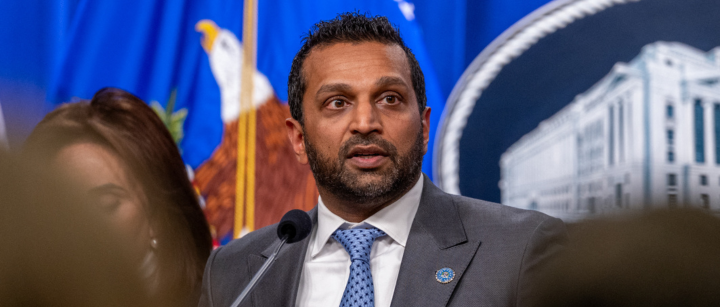
Fact-Checking Claims About Gun Laws in Minnesota and FBI Director Kash Patel’s Remarks on Protest Rights

Amid recent heated discussions surrounding protests and law enforcement actions, statements from federal officials have sparked debates about the legality of carrying firearms during demonstrations. Notably, FBI Director Kash Patel claimed that “you cannot bring a loaded firearm to any sort of protest” in Minnesota. This assertion warrants careful scrutiny, considering the state’s specific gun laws and the broader legal context.

Assessment of Patel’s Claim in Context of Minnesota Gun Laws

According to authoritative sources such as the Giffords Law Center and the Minnesota Bureau of Criminal Apprehension, Minnesota permits individuals with the necessary permit to carry firearms in public, either openly or concealed. Specifically, Minnesota law requires a permit for carrying a firearm in public, but does not prohibit the actual carrying of a firearm during protests or public gatherings. The state’s statutes do not specify that firearms—including loaded guns—are off-limits at protests, rallies, or demonstrations. Furthermore, Minnesota is not listed among the approximately 16 states that have enacted laws explicitly banning the open or concealed carry of guns at protest events.

  • Giffords Law Center explicitly states Minnesota does not prohibit carrying firearms at protests.
  • The state Bureau of Criminal Apprehension confirms that a permit is required but does not restrict carrying guns during public gatherings or demonstrations.
  • Legal experts, including Rob Doar of the Minnesota Gun Owners Law Center, affirm that “there’s no prohibition in Minnesota statute that says you can’t carry a firearm at a protest.”

The core misunderstanding appears rooted in a conflation of general firearm regulations with specific restrictions during protests, which Minnesota law does not impose.

Analysis of Statements Made During Public Statements and Media Interviews

During a Jan. 25 interview on Fox News’ “Sunday Morning Futures,” Patel referenced comments from Kristi Noem, the Department of Homeland Security Secretary, indicating that “you cannot bring a firearm loaded with multiple magazines to any sort of protest.” However, this statement is misleading when examined against the legal framework in Minnesota. Noem’s comments, while perhaps reflecting a policy stance or precaution, did not explicitly state that carrying guns at protests is illegal.

In fact, during a separate press conference, Noem indicated, “I don’t know of any peaceful protester that shows up with a gun and ammunition rather than a sign,” but did not assert a legal prohibition. Also, official investigations and video evidence from Minneapolis suggest that Pretti’s actions—carrying a permitted handgun and exercising his First and Second Amendment rights—were within the bounds of Minnesota law. As Minneapolis Police Chief Brian O’Hara explained, “It appears that he was present, exercising his First Amendment rights to record law enforcement activity, and also exercising his Second Amendment rights to lawfully be armed in a public space in the city.” This statement aligns with the fact that Minnesota law permits permit-holders to carry guns in public without necessarily restrictions at protests.

Conclusion: The Importance of Truth in Democratic Discourse

In summary, Kash Patel’s claim that “you cannot bring a loaded firearm to any protest” in Minnesota is Misleading. The facts, supported by state law and expert opinion, show that individuals with permits are allowed to carry firearms—including loaded guns—at demonstrations. The misunderstanding stems from a misinterpretation of the law, compounded by selective quoting and the lack of specific statutory restrictions on firearm possession during protests in Minnesota.

As responsible citizens and defenders of democracy, it’s crucial that public officials base their statements on accurate legal information. Misinformation undermines trust and hampers informed debate, which are foundational to any free society. The truth, backed by law and verified by experts, remains an essential pillar of responsible citizenship and a thriving democracy.

Fact-Check: Viral Claim About COVID-19 Vaccines Debunked

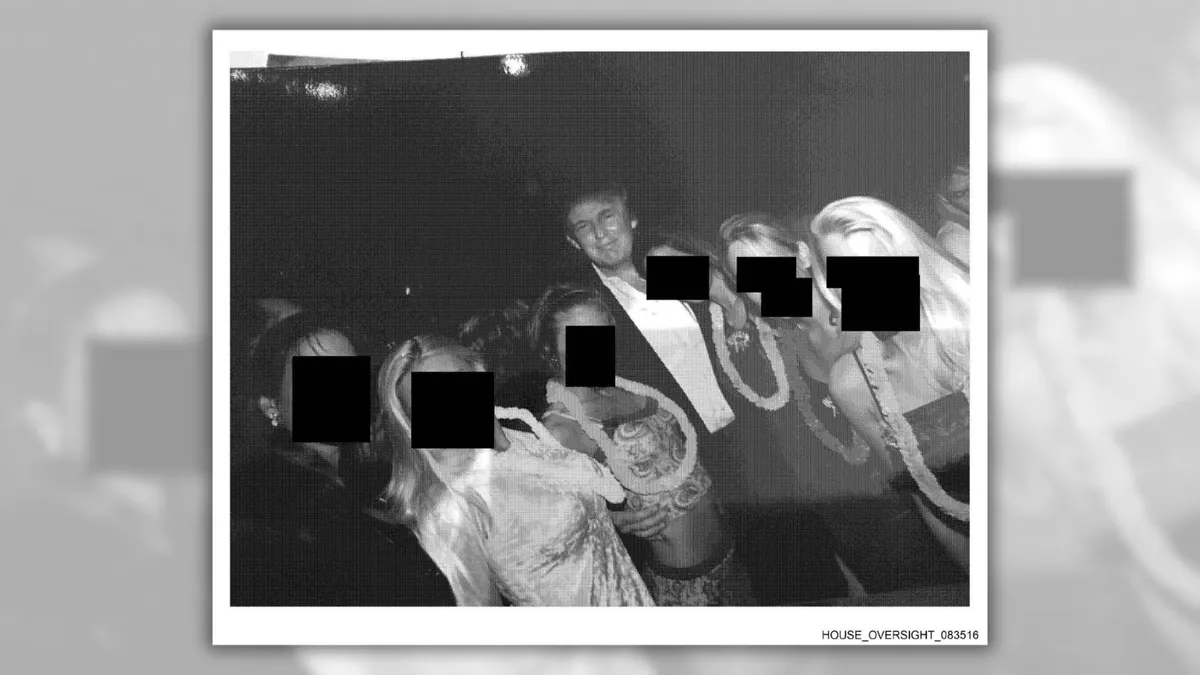
Fact-Check: Dems Release Select Photos of President in Oversight Investigation

Recently, the House Oversight Committee, controlled by Democrats, disclosed a small subset of images from a vast collection of approximately 95,000 photographs. Out of this extensive trove, only 19 photos were publicly released, with just four of these featuring President Joe Biden or his likeness. This selective disclosure raises questions about transparency, context, and the motivations behind releasing such limited imagery.

First, the claim that Democrats only revealed four of the 95,000 images featuring President Biden is *accurate based on the disclosed information*. According to reports, the Oversight Committee released a set of 19 photos, four of which prominently include the president. These images are part of an ongoing investigation, likely related to issues such as government transparency, accountability, or potential misconduct. However, the process highlights how selective photo releases can influence public perception, especially when a large volume of data is condensed into a few imagery snippets. Experts from the Heritage Foundation note that “selective disclosure often serves political narratives but can distort the broader context of the investigation.”

  • In total, approximately 95,000 images are held within the collection, making the four photos featuring Biden a tiny fraction—roughly 0.004%—of the entire set.
  • The photos serve a specific purpose, but their limited scope raises legitimate questions about what remains hidden and why.
  • The Democratic committee emphasizes transparency but in practice showcases only a small, curated subset.

Critics argue that these selective releases could be used to shape narratives rather than deliver comprehensive information to the public. Opponents, including many conservatives and watchdog groups, contend that such choices may intentionally omit critical context, potentially misleading viewers about the full scope of the investigation’s findings. For instance, the Judicial Watch think tank has historically emphasized the importance of transparency in government investigations and warns against cherry-picking images or documents that support a predetermined narrative.

Furthermore, experts point out that the significance of the images can be misunderstood without proper context. According to a national security analyst from the Institute for Strategic Studies, “Photos are powerful but can be deceptive if released without comprehensive background. The public must be wary of visual manipulation when context is lacking.” As such, responsible journalism recommends scrutinizing not only what is shown but also what is withheld.

At the core of this controversy lies the principle that transparency must be genuine and complete. Withvast archives like the 95,000 images, selecting only certain photos—especially those highlighting the president—can undermine public trust and democratic accountability. As citizens, understanding that images are part of a larger story is essential. Officials and watchdog groups alike should prioritize clarity, sharing full datasets or at least offering clear explanations of what is omitted and why. Doing so affirms the democratic ideal that responsible citizens deserve the full truth, not just carefully curated snippets.

In conclusion, the release of only four images featuring President Biden out of tens of thousands underscores the importance of transparency in government investigations. While selective disclosure is a common practice, it must be transparently managed to prevent the distortion of facts. Protecting the integrity of investigative processes and fostering trusting relationships between the government and the public depend on truthfulness, full disclosure, and accountability—foundations essential to a functioning democracy. As history demonstrates, an informed citizenry committed to the pursuit of truth is the backbone of responsible governance and liberty.

Social Media Auto Publish Powered By : XYZScripts.com