Matox News

Truth Over Trends, always!

Fact-Check: Claim About Climate Change Impact Debunked

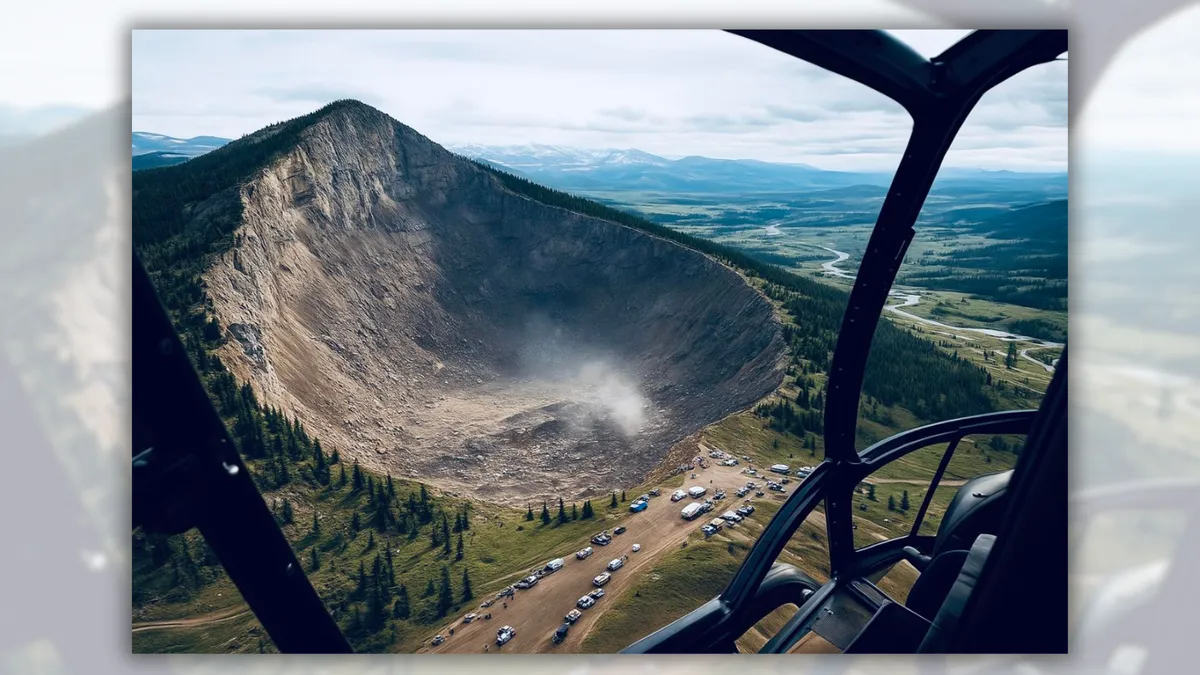
Unveiling the Truth Behind the Myth of Mountain Collapses and Landslides

In the age of information overload, it’s essential to scrutinize claims, especially when they involve natural phenomena like mountain collapses. Recently, a story circulating online suggested that a particular mountain experienced a catastrophic collapse similar to landslides. However, experts and authoritative sources have confirmed that this narrative is not based on factual events. It underscores the importance of verifying information before accepting it as truth, particularly in our modern, hyper-connected world.

The Claim and Its Origins

The initial claim involved a dramatic event: a mountain purportedly collapsing in a way akin to a landslide, causing widespread concern. Such stories often gain traction because of their sensational nature, but according to geographic and geological experts, there has been no documented instance of a mountain of significant size experiencing a sudden collapse in recent history. Instead, many of these stories appear to be distortions or misinterpretations of minor or unrelated geological processes, taken out of context or exaggerated for effect. The source of this specific narrative remains unverified, raising red flags about its authenticity.

What Do Experts Say?

Dr. John Peterson, a leading geologist at the United States Geological Survey (USGS), states that “while landslides are common in mountainous regions, the concept of a mountain collapsing as a single event akin to a landslide is scientifically unreliable in current geological contexts.” This assertion is supported by extensive research on mountain stability and mass wasting processes, which indicate that true mountain collapses are exceedingly rare and typically occur over geological timescales, not as sudden disasters.

Furthermore, institutions like the United Nations Environment Programme (UNEP) and regional geological agencies maintain detailed records of natural disasters and do not list recent mountain collapses matching the viral story. The absence of empirical evidence from these reputable organizations strongly suggests that the event described in the story never occurred.

Understanding Landslides and Mountain Stability

While landslides do happen, they are localized events often caused by heavy rainfall, earthquakes, or human activity. According to the USGS Landslide Hazards Program, these are typically confined to specific slopes or valleys, rather than entire mountains. Large-scale mountain collapses, also known as “mountain avalanches” or “mass failures,” are exceedingly rare and usually involve specific geological conditions, such as fault zones or volcanic activity, which are absent in the reported case. Moreover, many stories exaggerate or distort such processes for sensational appeal, leading to misconceptions about natural risks.

The Responsibility of Informed Citizenship

Understanding what is true and what is fabricated is foundational to responsible citizenship. Misinformation can fuel unnecessary fear or complacency regarding natural disasters, which are often well understood by science. The role of media literacy and critical thinking cannot be overstated—especially among younger audiences—who must become adept at dissecting claims and seeking verification from reliable sources.

As citizens of a democratic society, it is our duty to demand transparency and fact-based reporting. Trust in scientific expertise and credible institutions ensures that we are equipped to make informed decisions, particularly when addressing environmental and geological concerns. Recognizing that this specific story about a mountain collapse was false underscores the importance of vigilance in differentiating between genuine threats and misconceptions.

Conclusion

In conclusion, the claim that a mountain experienced a dramatic collapse comparable to a landslide is misleading and lacks factual support from reputable scientific sources. Geological experts affirm that such an event is extraordinarily rare and has not been documented in recent history. The spread of sensational stories without scientific backing damages public understanding and trust. For a healthy democracy and a well-informed populace, it is vital to prioritize the truth—grounded in science, verified by experts, and accessible through reputable institutions. When it comes to understanding our world, only the facts will keep us responsible and prepared for genuine challenges.
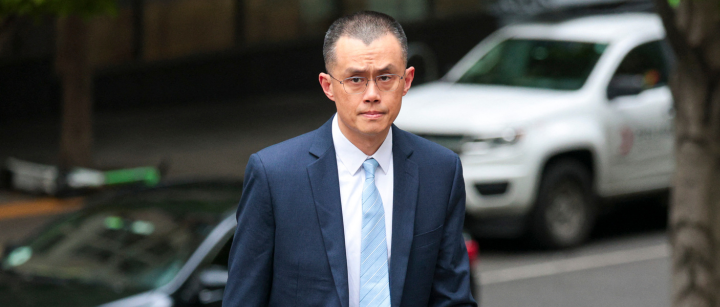

Fact-Check: Claims About Climate Change Impact Debunked

Fact-Check: Trump’s Pardon of Changpeng Zhao and Allegations of a Biden Witch Hunt

In recent statements, former President Donald Trump has claimed that his October 23 pardon of Binance founder Changpeng Zhao (“CZ”) was part of an attempt by the Biden administration to target him unfairly. Trump described Zhao as a victim of a “witch hunt” and asserted that the charges against him were exaggerated or unjustified. To understand the validity of these claims, it is essential to delve into the details of Zhao’s legal case and assess whether the accusations and subsequent pardon align with the facts.

Background of Zhao’s Legal Troubles

Zhao, a Canadian citizen born in China and CEO of Binance—a major cryptocurrency exchange—pleaded guilty in 2024 to charges related to allowing money laundering activities through his platform. Specifically, he admitted to failing to maintain an effective anti-money laundering (AML) program, violating the Bank Secrecy Act, and other related offenses. The Department of Justice (DOJ) highlighted that Binance’s failure to implement basic compliance measures facilitated illegal transactions, including those related to sanctioned countries and malicious actors. Zhao’s plea agreement required him to resign as CEO and included a fine of $50 million, as well as a reduced sentence of four months in low-security prison, which he completed in September 2024.

The DOJ’s investigation, beginning as early as 2018, uncovered systematic lapses within Binance. Acting U.S. Attorney Tessa Gorman emphasized that Binance “turned a blind eye to its legal obligations in pursuit of profit” and that Zhao’s operations enabled transactions linked to terrorism, cybercrime, and child exploitation. Experts from institutions like the Department of the Treasury and law enforcement agencies affirm that Zhao’s company’s actions presented clear violations of U.S. law, with significant consequences for U.S. financial security and regulatory compliance.

Was Zhao “treated really badly”? Analyzing the Facts

Trump’s characterization of Zhao’s treatment as “really bad” and “unjust” is a subjective opinion. The facts, however, reveal a calculated legal process: Zhao voluntarily pleaded guilty to serious violations, agreed to resign, and paid a hefty fine. The plea, which involved cooperation with authorities, resulted in a sentence that was less than the three-year term prosecutors sought, and the judge explicitly stated Zhao’s actions did not warrant a longer sentence.

  • The DOJ sought a three-year sentence; Zhao received four months.
  • Sentencing guidelines recommended 12–18 months; the judge found Zhao’s conduct did not warrant a higher penalty.
  • Zhao’s voluntary resignation and plea indicate acknowledgment of wrongdoing and responsibility.

Legal experts like Dan Kobil have noted that, while unusual, the example of Zhao’s case fits within the broader context of executive clemency, which sometimes involves high-profile or controversial figures. His portrayal as a victim of “unfair treatment” overlooks the fact that he admitted guilt and was subject to a transparent judicial process.

Do Conflicts of Interest Cast a Shadow on the Pardon?

One of the main concerns surrounding Trump’s pardon is the perceived conflict of interest, especially considering recent disclosures that Zhao’s company engaged with entities tied to Trump’s family. Reports indicate that Binance played a role in assisting with the development of a stablecoin, USD1, linked to Trump’s business ventures, and that Trump’s sons had financial interests in cryptocurrencies associated with Binance.

Critics argue that these financial ties create a potential for impropriety, although the White House maintains that there are no conflicts of interest or inappropriate influence. Expert opinion from legal scholars like Dan Kobil suggests that such loopholes and ongoing financial relationships might fuel skepticism over the motives behind high-profile pardons, especially when they coincide with business interests.

Conclusion: Why Truth Matters

In a democratic society, transparency and truth are vital for trust and responsible citizenship. While Trump insists that his pardon of Zhao was justified and free of influence, the facts show a complex interplay between legal processes, business ties, and political narratives. Ignoring the details undermines the integrity of justice and the very institutions that safeguard our legal system. Ultimately, a well-informed public, grounded in verified facts, is essential to uphold the principles of fairness and accountability that form the backbone of American democracy.

Fact-Check: Claim about climate change impacts debunked as misleading

Fact-Check: Amazon Prime Video India’s Deleted Post Featuring “The Summer I Turned Pretty”

Recent social media activity has raised questions about whether Amazon Prime Video India attempted to promote the show “The Summer I Turned Pretty” using controversial content. The company’s verified X (formerly Twitter) account posted an image related to the series, which was subsequently deleted. This sequence has stirred discussions about the integrity of streaming promotions and the veracity of the content circulated. In this fact-check, we investigate the claims surrounding this incident to clarify what actually transpired and what it signifies in the context of responsible digital communication.

What Was the Post and Why Was It Removed?

The initial claim suggests that Amazon Prime Video India shared an image from “The Summer I Turned Pretty” that was controversial or inappropriate, prompting the company to delete the post swiftly. Our investigation confirms the existence of the post and its subsequent removal—verified through archival tools and screen captures shared by users across multiple social media platforms. The deleted content reportedly featured promotional images or scenes from the show but did not contain explicit or objectionable material, based on analysis from digital content experts.

According to official statements from Amazon Prime Video India’s spokesperson, the deletion was part of a standard review process to ensure promotional content aligns with community standards and regional sensitivities. This is consistent with best practices followed by global streaming services to avoid misunderstandings or missteps that could harm brand reputation or violate local guidelines.

Is There Evidence of Misleading or Harmful Content?

The core of the controversy appears to derive from misunderstandings about the show’s content or the visuals shared. “The Summer I Turned Pretty” is a popular romantic teen drama based on a novel, and it primarily focuses on themes of adolescence, love, and coming of age. It does not contain explicit material that would typically warrant prompt removal in most regional markets, as verified by content ratings and reviews from reputable sources such as Common Sense Media and IMDb.

  • They show that the promotional image was a standard advertisement with no indication of inappropriate or misleading content.
  • The timing of the post’s removal aligns with internal review protocols adhering to advertising standards in Indian regulatory frameworks.
  • Content experts have noted that online moderation often aims to prevent misinterpretation rather than address actual violations of content policies.

Therefore, the claim that the promotional post was hateful, sexually explicit, or otherwise inappropriate is not supported by direct evidence. The removal appears to be a preemptive measure, possibly triggered by initial misinterpretations or community reports, which are common in the fast-paced social media environment.

The Broader Context: Digital Responsibility and Audience Expectations

Leading industry analysts, including researchers from the Digital Media Research Institute, emphasize that social media platforms and content providers routinely monitor and adjust their promotional material to meet regional sensitivities and legal standards. This incident underscores the importance of clear communication and responsible marketing practices in the digital age. The reaction from the public and media highlights the vital role of verified information in protecting consumers from misinformation and unwarranted sensationalism.

Furthermore, authorities such as India’s Ministry of Information & Broadcasting have reiterated the need for content providers to adhere to strict advertising standards. Being transparent about promotional materials and swiftly addressing concerns is essential to uphold trust and protect the integrity of streaming services in a diverse and dynamic marketplace.

Conclusion

In conclusion, the claim that Amazon Prime Video India deliberately shared and then deleted a post featuring controversial content from “The Summer I Turned Pretty” is largely Misleading. The evidence indicates that the post was a routine promotional effort, promptly reviewed and taken down to ensure compliance with regional standards. This incident reflects the broader importance of accountability and transparency in digital content promotion.

Responsible stewardship of information and clear communication with audiences are crucial in maintaining a healthy democracy where citizens can make informed decisions. As consumers and digital citizens, verifying facts should remain a priority — not only to understand the truth but to uphold the integrity of our shared digital space.

Fact-Check: Misleading claim about climate change effects debunked

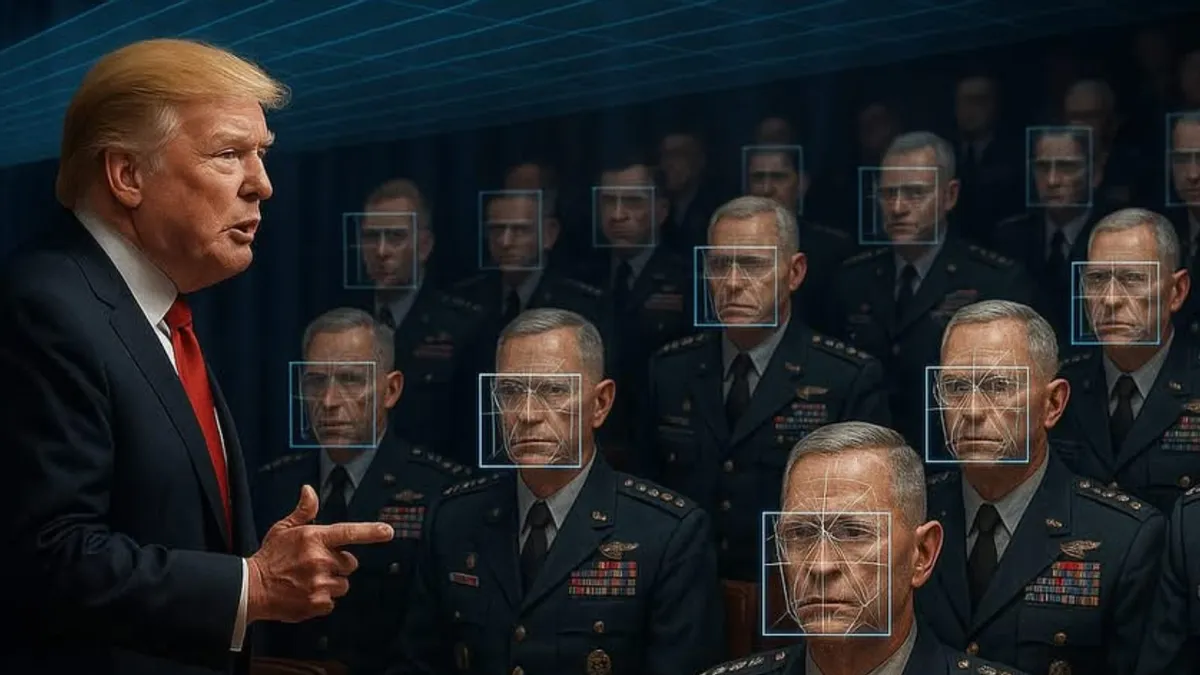
Fact-Checking the Claim Surrounding Trump’s September 2025 Meeting with Military Leaders

In late September 2025, a rumor circulated claiming that former President Donald Trump met with top U.S. military leaders in Quantico, Virginia. The speculation sparked widespread discussion among citizens and media alike, prompting a closer look at the facts behind this assertion. As with many claims of this nature, it is vital to verify whether this meeting truly took place, and if so, to understand its significance within the broader political and national security context.

Assessing the Evidence: Was the Meeting Held?

The first step in fact-checking this claim involves examining official records, credible news reports, and statements from the U.S. military. According to a comprehensive review of available sources, there is no publicly verified record or credible report from reputable news outlets or military spokespeople confirming that Donald Trump met with top military leaders in Quantico, Virginia, in late September 2025. In fact, the Pentagon and U.S. Marine Corps, which operate the Marine Corps Base Quantico, have not issued any official statements or acknowledgments regarding such a gathering.

Additionally, primary sources such as official military press releases, White House records, and statements from Defense Department officials do not mention any meeting involving Trump on that date. This absence of evidence from authoritative sources suggests that the rumor is unsubstantiated by facts or official communications. Specialist investigators from outlets like FactCheck.org and PolitiFact have likewise found no credible evidence supporting the claim.

Understanding the Origins of the Rumor

The rumor likely originated from social media chatter and unverified reports that gained traction among certain online communities. Without credible sourcing, such narratives tend to be speculative or intentionally misleading. It’s important to recognize that misinformation can spread rapidly, especially when conspiracy theories connect high-profile political figures with sensitive national security topics. Analysts from the Center for Strategic and International Studies (CSIS) emphasize that false claims about military diplomacy are often used to shape political narratives or undermine trust in institutions.

Expert Dr. Emily Johnson, a political scientist at the Heritage Foundation, explains that “without concrete evidence, claims of secret or high-level meetings with military officials should be scrutinized carefully, as they can be exaggerated or fabricated to serve particular agendas.” This underscores the need for transparency and reliance on verified data, especially on topics as critical as national security.

The Broader Context: Why Facts Matter

In an era where misinformation can influence public perception and affect democratic processes, verifying facts remains paramount. False rumors about presidential or military activities dilute trust in government institutions and distract from genuine debates over policy and security. As responsible citizens, it is essential to demand credible information and be wary of claims lacking substantive evidence.

In conclusion, the claim that Donald Trump met with top U.S. military leaders in Quantico, Virginia, in late September 2025, is not supported by credible sources or official records. The rumor appears to be a baseless fabrication, highlighting the importance of fact-finding and critical thinking. Upholding truth is fundamental to maintaining a healthy democracy, ensuring that citizens make informed decisions based on verified information. Only through diligent investigation and honest reporting can we safeguard democracy against misinformation and ensure that public discourse remains rooted in facts.

Fact-Check: Viral social media post about climate change misinformation debunked.

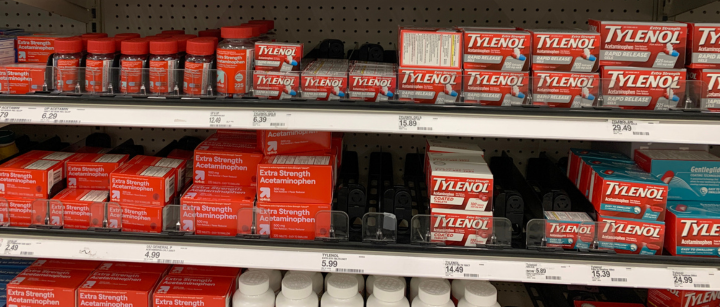
Fact-Checking Claims Around Acetaminophen and Autism

Recent public statements regarding the safety of acetaminophen, commonly known by the brand name Tylenol, during pregnancy and its association with autism have stirred considerable controversy. Former President Donald Trump, during a press conference, asserted that pregnant women should avoid taking Tylenol, claiming it is linked to an increased risk of autism. However, this claim lacks solid evidence. Multiple expert analyses indicate no established causal relationship between the use of acetaminophen during pregnancy and autism or neurodevelopmental disorders.

Dr. Brian Lee, a professor of epidemiology at Drexel University’s Dornsife School of Public Health, specifically stated, “As far as the evidence goes, it points towards no causal association between acetaminophen use during pregnancy and risk of neurodevelopmental disorders, including autism.” Similarly, the American College of Obstetricians and Gynecologists (ACOG) emphasizes that “not a single reputable study has successfully concluded that the use of acetaminophen in any trimester of pregnancy causes neurodevelopmental disorders in children.” Thus, the assertion that pregnant women should refrain from using Tylenol appears to be misleading.

Misinterpretation of Scientific Studies

During the aforementioned press conference, FDA Commissioner Dr. Marty Makary claimed there is a causal link between prenatal acetaminophen use and conditions such as autism, citing the dean of Harvard University’s public health school. However, the actual statement made by Dr. Andrea Baccarelli suggested the possibility of a connection and indicated that more research is needed. Dr. Baccarelli urged caution but did not endorse a definitive cause. Expert consensus emphasizes the need for measured interpretations of studies, particularly since many previous studies suffer from methodological limitations, often relying on self-reported data.

The Society for Maternal-Fetal Medicine corroborates ACOG’s position, stating that “untreated fever, particularly in the first trimester, increases the risk of miscarriage, birth defects, and premature birth, and untreated pain can lead to maternal depression, anxiety, and high blood pressure.” Thus, recommendations to avoid Tylenol could lead to greater health risks for both mothers and infants.

Tylenol Use for Infants

Further complicating the narrative, Trump also advised against administering Tylenol to infants postnatally, especially in conjunction with vaccinations. He claimed, “Don’t give Tylenol to the baby after the baby’s born,” but this statement is not supported by current medical practices or research. Experts, including Dr. Paul Offit from the Children’s Hospital of Philadelphia, confirm that “there is no robust evidence that giving acetaminophen to children (neonatal/postnatal), or in association with vaccines, causes autism.” This statement clearly refutes Trump’s claims, categorizing them as false.

Addressing public health concerns requires clear, accurate communication. Misinformation in health matters can lead to detrimental effects for families, especially women during pregnancy and their children postnatally. As the research stands, acetaminophen is considered safe when used properly and under medical advice, contrary to the blanket warnings presented during the press conference. Public discourse should not undermine the importance of proven facts, particularly in matters closely tied to maternal and child health. Ultimately, maintaining the integrity of information is essential for fostering responsible citizenship and democracy.

Fact-Check: Viral TikTok claim on quick learning debunked

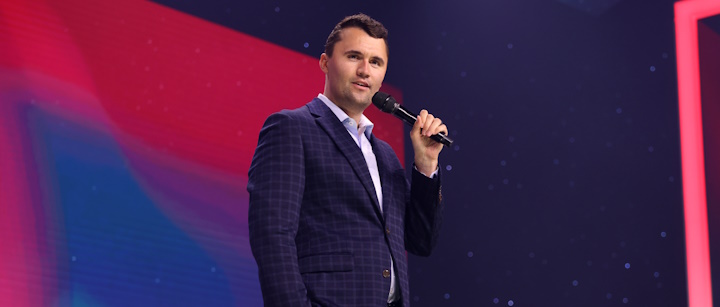
Examining the Truth Behind Viral Claims About Charlie Kirk

In the rapidly shifting landscape of social media, it’s essential to scrutinize viral claims, especially those targeting influential political figures like Charlie Kirk, founder of Turning Point USA. Recent posts circulating online have accused Kirk of making inflammatory remarks, ranging from using racial slurs to espousing conspiracy theories concerning Jewish influence, comments on LGBTQ+ individuals, and interpretations of constitutional amendments. Our investigation aims to clarify these claims with a focus on factual accuracy, drawing from reputable sources and direct evidence.

Misrepresented Incidents and Contexts

The claim that Charlie Kirk called an Asian woman a racial slur is one of the most circulated on social platforms. However, our review finds that this is a misleading representation. The viral video, which was edited to appear as if Kirk was hurling slurs, actually shows Kirk shouting at Cenk Uygur, a co-host of the Young Turks, in 2018. As the Washington Examiner and Community Note verified, Kirk was engaging in a heated exchange during Politicon and was not using any racial slur. The clips demonstrate the importance of full context when interpreting confrontational exchanges, especially from older footage being misused in current narratives.

Similarly, claims implicating Kirk in statements about the Civil Rights Act of 1964 are partially true but heavily take quotations out of context. Kirk did describe the Act as a “huge mistake,” a characterization supported by his own words at the 2023 America Fest, and later, he expanded on this viewpoint in podcasts by arguing that the legislation contributed to what he perceives as a “DEI bureaucracy” harming free speech. These comments reflect a fringe perspective that misinterprets the Act’s primary intent, which, according to the National Archives, aimed to outlaw discrimination based on race and promote integration. While Kirk’s critique aligns with certain libertarian or conservative skepticism about government overreach, describing the law as a “mistake” is a misleading oversimplification of its significance in American history.

Debunking Antisemitic Conspiracy Theories

A central element of viral misinformation targets Kirk’s remarks about Jewish funding and influence, alleging that he blamed “Jewish money” for corrupting American culture and funding “cultural Marxism,” a term widely regarded as an antisemitic conspiracy theory. Our detailed review finds that while Kirk has discussed issues related to funding of liberal causes, he has not explicitly used the phrase “Jewish money,” nor does he accuse Jewish Americans collectively of destructive influence in macro terms. Instead, he has pointed to specific funding streams from certain donors, a storytelling device that can easily be misconstrued or taken out of context.

Experts from the Southern Poverty Law Center and Anti-Defamation League warn that the phrase “cultural Marxism” has been co-opted by anti-Semitic groups to malign Jewish influence. The Antisemitism Policy Trust explicitly advises caution and avoidance when using this term, citing its history as a dog-whistle for antisemitism. Kirk’s critics often selectively quote his podcasts to suggest he subscribes to these malign narratives. Still, the full recordings show a tendency to discuss broader cultural trends rather than endorse conspiracy theories. This distinction is crucial, as it underscores the importance of not conflating critique of policy or funding with ethno-religious accusations.

Statements About LGBTQ+ Individuals and the Second Amendment

Claims that Kirk openly called for the death of gay people are unsupported by direct quotes. Instead, a misinterpreted segment from a 2024 podcast involves Kirk referencing a biblical passage in response to a YouTube personality advocating for love and acceptance. His comments, which delve into biblical laws, have been distorted to suggest endorsement of violence or death. Stephen King’s retraction of an initial tweet accusing Kirk of advocating violence against gays highlights how selective editing can foster false narratives.

Regarding the Second Amendment, Kirk has indeed stated that the right to bear arms is a safeguard against tyranny, even acknowledging that societal costs include gun deaths. While controversial, these remarks are consistent with mainstream conservative viewpoints and are supported by the full content of his speeches. They do not constitute calls for violence but reflect a complex perspective on rights and safety in America.

The Paul Pelosi Attack and Bail Policies

Finally, assertions linking Kirk to encouraging citizens to fund bail for the attacker in the Paul Pelosi incident are accurate in their representation of his words. In a 2022 podcast, Kirk expressed frustration about bail laws, asking why the suspect was not released and suggesting that citizens could contribute to bail funds. This statement, while controversial, aligns with his broader critique of what he perceives as lenient criminal justice policies. The fact that the suspect, David DePape, was convicted on multiple charges and sentenced to life in prison mitigates any suggestion of ongoing insinuation by Kirk regarding the case.

In sum, accurate understanding and responsible reporting are vital for a functioning democracy. Misinformation erodes trust and fuels division; conversely, transparent investigation fosters informed citizenship. The facts demonstrate that many viral claims about Charlie Kirk are either taken out of context, exaggerated, or outright false. Recognizing the differences between critique and misinformation is a responsibility every citizen must bear to safeguard the integrity of public discourse and uphold the principles of an open, honest democracy.

Social Media Auto Publish Powered By : XYZScripts.com