Matox News

Truth Over Trends, always!

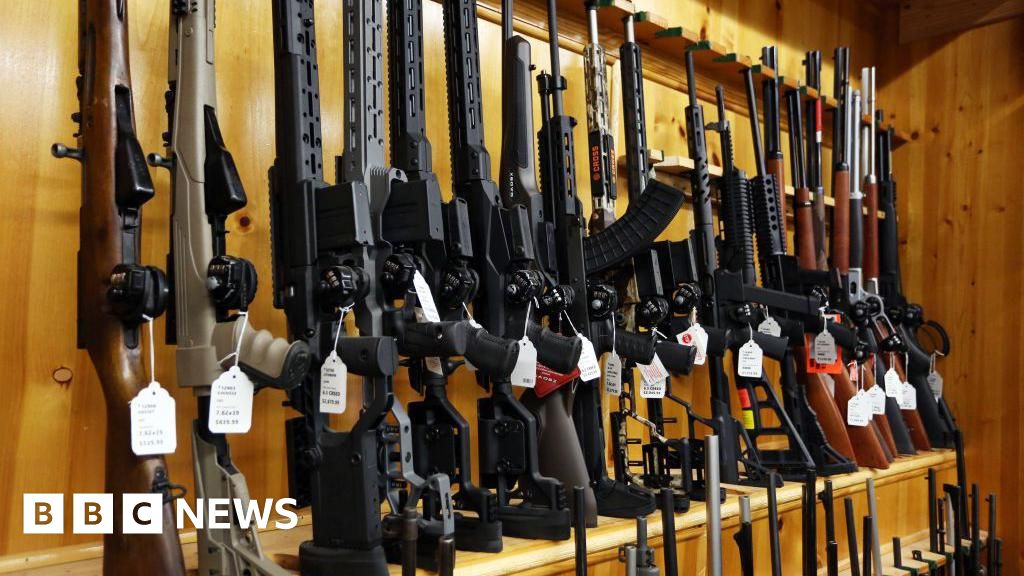
Canada’s Biggest Gun Control Push in Decades Fails to Hit the Mark

Canada’s Firearm Ban Sparks International Debate and Reflects Changing Global Dynamics

In a significant move that has garnered worldwide attention, Canada has recently announced a comprehensive ban on 2,500 models of “assault-style” firearms. This decision marks a stark evolution in the nation’s approach to gun control and underscores the ongoing struggle between individual rights and societal security. While Canada’s policy aims to reduce violent incidents associated with semi-automatic weapons, critics argue that the initial plan to buy back tens of thousands of these firearms fell short by approximately half, revealing the deep-rooted challenges in implementing such sweeping reforms. This development is more than a domestic affair; it resonates across the international stage, influencing regional security, diplomatic relations, and global debates over gun legislation.

Historian and security analysts highlight that Canada’s move aligns with a broader trend among Western democracies grappling with rising violence and social unrest. The Canadian government contends that such measures are necessary to prevent tragedies similar to those experienced in other countries where uncontrolled firearm proliferation has led to lost lives and lasting trauma. However, critics point out that these policies serve as a reflection of shifting political ideologies and the influence of global liberal agendas, with some analysts suggesting that Canada’s approach is also designed to enhance its diplomatic standing within Commonwealth and international communities that emphasize human rights and social safety. The apparent gap between legislation and enforcement illustrates the complex realities of translating intentions into effective action, particularly when entrenched gun ownership cultures persist.

International observers have taken keen interest in Canada’s firearms policies, viewing them as a microcosm of the wider ideological battles unfolding across the Western world. The United States, amidst its own contentious debates over gun rights and gun control, watches closely, with some analysts warning of the potential for increased cross-border influence and unintended consequences. The United Nations and other global institutions have issued statements about the importance of firearms regulation, yet critics argue that success ultimately depends on national resolve and societal consensus rather than international pressure alone. As geopolitical experts from institutions like the International Crisis Group emphasize, the effectiveness of Canada’s policies will be judged not only by how many firearms are removed but also by how the societal fabric adapts amidst these contentious reforms.

The move also raises important questions regarding how decisions at the national level shape international relations and influence societal stability. Some nations interpret Canada’s efforts as a step toward greater social cohesion and peace, while others see it as a cautionary tale of overreach and failed implementation. The ongoing challenges faced by Canada—partly reflected in the fact that buy-back programs only recouped about half of the targeted firearms—underline the formidable obstacles faced by governments seeking to curtail firearm violence in a deeply divided society. As history continues to unfold, the world bears witness to a pivotal moment: the delicate balance between preserving individual liberty and ensuring collective safety, a dynamic that will test the resilience of sovereignty and social cohesion for generations to come.

In the end, the story of Canada’s firearm policy serves as a stark reminder that the decisions made today are etched into the fabric of history, shaping the course of nations and societies. As the global community watches, the implications of these policies extend far beyond borders—drawing lines in the sand that define the future of security, identity, and sovereignty in a turbulent world. The unfolding chapters suggest that, while laws may change, the struggle to reconcile freedom with safety remains as enduring and profound as ever.

Hawaii Under Threat: Thousands Evacuated in Worst Flooding in Two Decades

In a remarkable display of coordinated effort and humanitarian concern, authorities across multiple nations have successfully rescued more than 230 individuals this week, marking a significant moment in ongoing efforts to manage global crises. This operation, widely covered by international media, underscores the escalating importance of cross-border cooperation in addressing complex challenges that transcend national borders, particularly in regions plagued by conflict, environmental disasters, or human trafficking. While the numbers reflect a momentary success, the broader geopolitical implications continue to ripple through diplomatic corridors and global security conversations.

The rescue acts came amidst mounting pressure from international organizations such as the United Nations, which has repeatedly called for strengthened cooperation and shared responsibility. Critics and analysts emphasize that these operations are often just the tip of the iceberg: they highlight the systemic failures that have left vulnerable populations exposed to danger. Countries in the affected regions, whether facing internal turmoil or border crises, are under increased scrutiny for their roles in either facilitating or hindering such rescue efforts. Experts argue that the magnitude and coordination of these recent rescues serve as a litmus test for global solidarity, revealing both promising signs of humanitarian commitment and ongoing geopolitical tensions.

Historian and geopolitical analyst Dr. James Reynolds notes that recent rescue operations are not isolated incidents but part of a larger pattern rooted in shifting alliances and international power struggles. According to his assessments, nations’ responses to such crises are heavily influenced by their strategic interests, often intertwining humanitarian concerns with broader geopolitical ambitions. For instance, the involvement of certain states often signals their desire to project soft power or to secure influence within global institutions. Meanwhile, organizations like the European Union and North Atlantic Treaty Organization are reassessing their roles, determined to avoid being sidelined by emerging centers of influence.

The significance of these rescue missions extends beyond immediate humanitarian relief. They serve as a stark reminder of the vulnerabilities embedded within global systems and the urgent need for comprehensive solutions. As international bodies debate new policies and alliances, the world remains in a delicate balance, with each decision reverberating through the fabric of societies and governments worldwide. The unfolding narrative of rescue, response, and resilience points to a future where geopolitics and human destiny are inexorably intertwined. Though the immediate toll has been mitigated for now, the weight of history presses forward—an enduring reminder that in the grand chessboard of nations, every move shapes the course of generations to come.

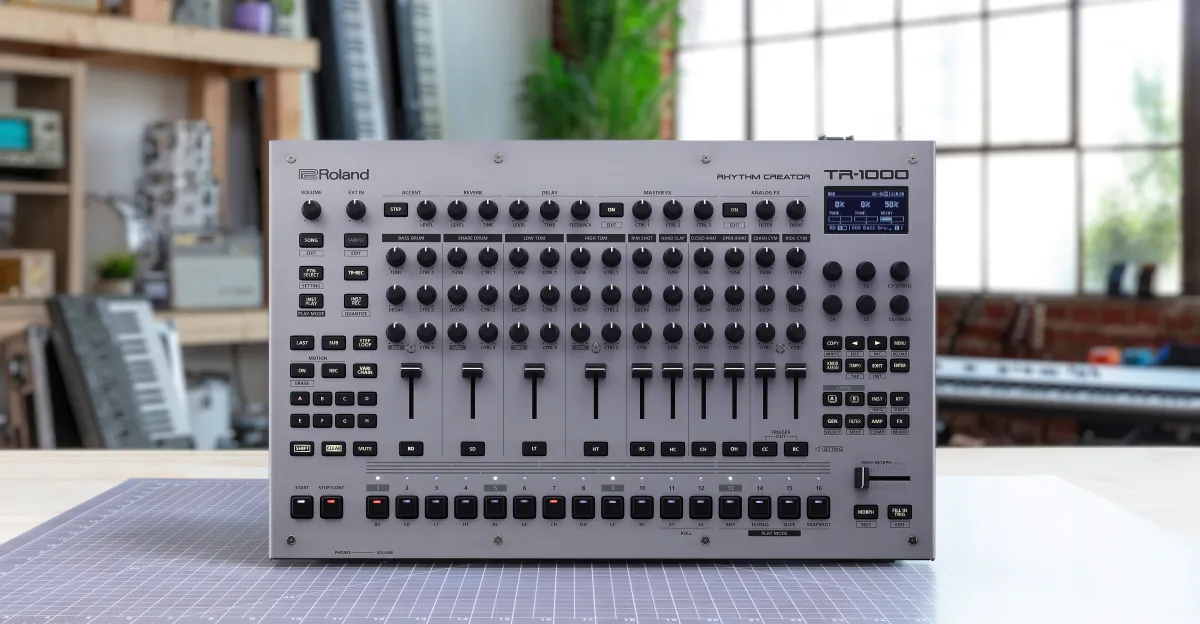
Roland’s TR-1000: First analog drum machine in four decades — a game-changer for young producers

The music production landscape is witnessing yet another transformative moment as Roland unveils the TR-1000, a hybrid synthesizer that seamlessly fuses analog grit with modern digital interface. Designed with a focus on user experience and tactile control, this device features an analog filter, drive section, and a multitude of knobs, buttons, and faders—purposely built to streamline workflow and reduce reliance on complex menus. This approach signifies a notable shift toward mainstreaming tactile, hardware-based production tools, catering to both seasoned producers and studios craving authentic sound textures. Such innovations indicate an industry that increasingly valuesimmediacy and visceral engagement, crucial in a fast-evolving musical climate where raw tone often outperforms sterile digital emulation.

The debut of the TR-1000 underscores the profound disruption within the traditional analog and digital synthesis markets. Priced at $2,699.99, it challenges the common perception that high-quality analog gear is prohibitively expensive. Compared to vintage icons like the TR-808 and TR-909, which command astronomical prices on the resale market, the TR-1000 positions itself as an accessible, cost-effective alternative. Its strategic pricing could dramatically shift consumer expectations, making professional-grade sound design more attainable for emerging producers and independent studios. This innovation demonstrates Roland’s response to growing demand for hybrid instruments that bridge classic warmth with modern versatility, paving the way for a new wave of competitive products in the synthesizer industry.

Business Impact and Industry Implications

The introduction of the TR-1000 exemplifies how traditional industry giants are leveraging disruptive innovation to redefine market dynamics. Gartner analysts highlight that firms investing in tactile, high-fidelity hardware are capitalizing on shifts in consumer preference away from purely software-based solutions. This trend suggests a departure from the era of digital dominance toward a renaissance of physical interfaces that inspire creativity through sensory engagement. Consequently, smaller startups and legacy brands must innovate rapidly or risk obsolescence. The TR-1000’s appeal to a broad demographic—ranging from veteran producers to young enthusiasts—also offers a glimpse into the future of a market that prizes personalized, immediate interaction with sound.

  • Enhanced workflow with minimal menu navigation
  • Integration of vintage sound characteristics with modern controls
  • Competitive pricing disrupting high-end analog market valuations
  • Potential to democratize professional-grade music production tools

Looking Ahead: The Future of Innovation in Musical Devices

As industry leaders like Elon Musk and Peter Thiel have noted, technological innovation that disrupts established paradigms often comes from bridging seemingly incompatible worlds—digital and analog, hardware and software. The TR-1000 signals a pivotal shift that could catalyze broader industry trends towards hybrid instruments with tactile and sonic authenticity. Market analysts warn that those who fail to embrace this disruption risk becoming irrelevant as consumers increasingly demand versatile, immersive, and intuitive musical tools. If Roland’s strategy proves successful, the music tech industry may soon see a surge of affordable, high-fidelity hardware that revolutionizes how future generations create and experience sound. The clock is ticking, and the race for innovation in this space is only intensifying—marking an exciting, high-stakes epoch for producers worldwide.

Social Media Auto Publish Powered By : XYZScripts.com



