Canada’s Firearm Ban Sparks International Debate and Reflects Changing Global Dynamics
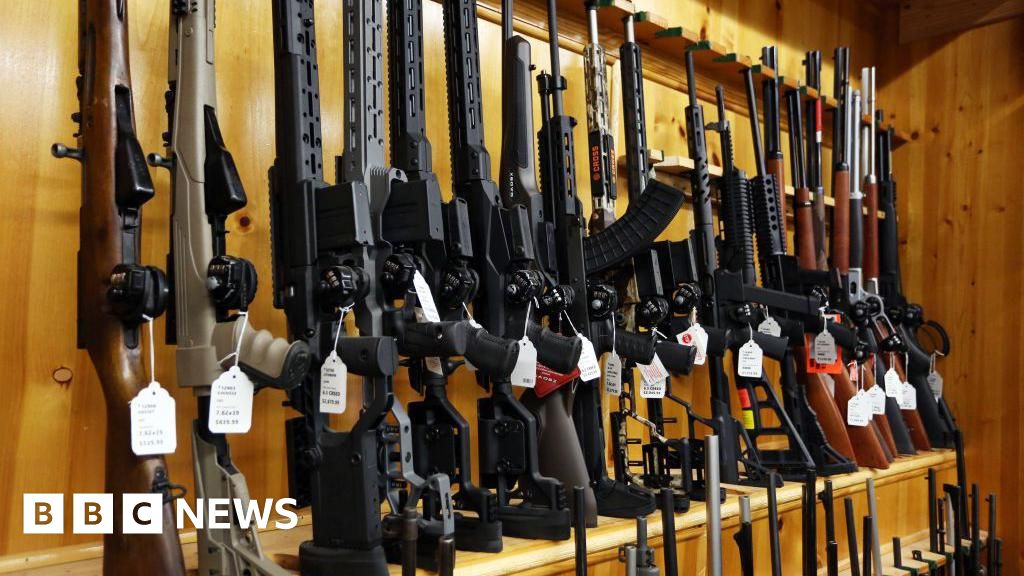
In a significant move that has garnered worldwide attention, Canada has recently announced a comprehensive ban on 2,500 models of “assault-style” firearms. This decision marks a stark evolution in the nation’s approach to gun control and underscores the ongoing struggle between individual rights and societal security. While Canada’s policy aims to reduce violent incidents associated with semi-automatic weapons, critics argue that the initial plan to buy back tens of thousands of these firearms fell short by approximately half, revealing the deep-rooted challenges in implementing such sweeping reforms. This development is more than a domestic affair; it resonates across the international stage, influencing regional security, diplomatic relations, and global debates over gun legislation.
Historian and security analysts highlight that Canada’s move aligns with a broader trend among Western democracies grappling with rising violence and social unrest. The Canadian government contends that such measures are necessary to prevent tragedies similar to those experienced in other countries where uncontrolled firearm proliferation has led to lost lives and lasting trauma. However, critics point out that these policies serve as a reflection of shifting political ideologies and the influence of global liberal agendas, with some analysts suggesting that Canada’s approach is also designed to enhance its diplomatic standing within Commonwealth and international communities that emphasize human rights and social safety. The apparent gap between legislation and enforcement illustrates the complex realities of translating intentions into effective action, particularly when entrenched gun ownership cultures persist.
International observers have taken keen interest in Canada’s firearms policies, viewing them as a microcosm of the wider ideological battles unfolding across the Western world. The United States, amidst its own contentious debates over gun rights and gun control, watches closely, with some analysts warning of the potential for increased cross-border influence and unintended consequences. The United Nations and other global institutions have issued statements about the importance of firearms regulation, yet critics argue that success ultimately depends on national resolve and societal consensus rather than international pressure alone. As geopolitical experts from institutions like the International Crisis Group emphasize, the effectiveness of Canada’s policies will be judged not only by how many firearms are removed but also by how the societal fabric adapts amidst these contentious reforms.
The move also raises important questions regarding how decisions at the national level shape international relations and influence societal stability. Some nations interpret Canada’s efforts as a step toward greater social cohesion and peace, while others see it as a cautionary tale of overreach and failed implementation. The ongoing challenges faced by Canada—partly reflected in the fact that buy-back programs only recouped about half of the targeted firearms—underline the formidable obstacles faced by governments seeking to curtail firearm violence in a deeply divided society. As history continues to unfold, the world bears witness to a pivotal moment: the delicate balance between preserving individual liberty and ensuring collective safety, a dynamic that will test the resilience of sovereignty and social cohesion for generations to come.
In the end, the story of Canada’s firearm policy serves as a stark reminder that the decisions made today are etched into the fabric of history, shaping the course of nations and societies. As the global community watches, the implications of these policies extend far beyond borders—drawing lines in the sand that define the future of security, identity, and sovereignty in a turbulent world. The unfolding chapters suggest that, while laws may change, the struggle to reconcile freedom with safety remains as enduring and profound as ever.