Matox News

Truth Over Trends, always!

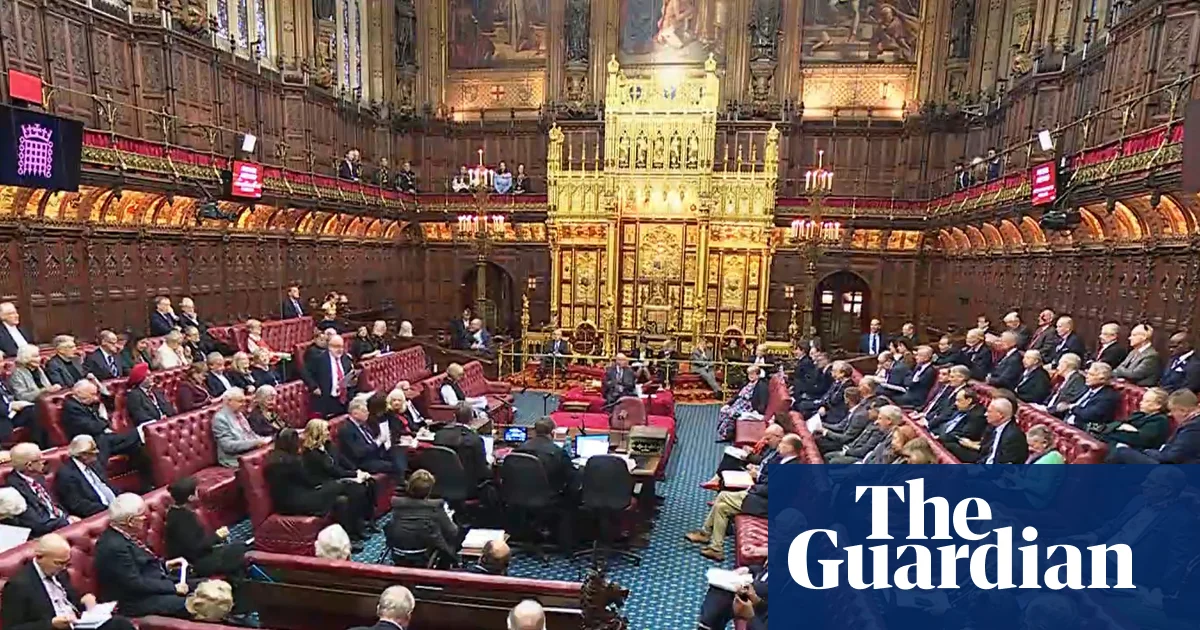
Lords to Decide on Law Failing to Shield Kids of Convicted Pedophiles

In recent weeks, the UK Parliament has been engaged in a heated debate over the adequacy of legislation designed to safeguard children from dangerous, convicted offenders. At the heart of this discussion is a proposed law aimed at restricting parental rights for individuals convicted of serious sexual offences against minors. While recent efforts focus on legal measures to prevent known offenders from exerting influence over their own children, the broader societal implications reveal a complex web of social and cultural tensions. These issues hit close to home for many families, threaten the integrity of community bonds, and challenge traditional notions of parental responsibility.

The Victims and Courts Bill proposes that anyone convicted of such heinous crimes who receives a sentence of four or more years will automatically lose parental responsibility. This is a critical step forward for protecting children from further harm—but critics note that the legislation fails to address a significant loophole: what happens to children born after the offender’s conviction? Many argue that without a comprehensive approach, the risk persists that future children might be left vulnerable, even if their biological parent has a conviction on record. A proposed amendment—introduced by former family court judge James Meston—aims to close this gap, suggesting that individuals convicted of severe sexual offences should be barred from acquiring parental responsibility even at a child’s birth, thus ensuring that families are shielded from future dangers.

This debate is layered with societal and ethical questions that extend beyond legislative language. Alarming cases, such as the BBC report of a mother legally fighting to prevent her ex-husband—a convicted paedophile—from contacting their child, underscore the urgent need for clearer policies. According to sociologists like Dr. Laura Sanchez, the social fabric of families and communities is deeply impacted by the presence of offenders with unchecked parental rights. When offenders retain influence, they can manipulate or coerce their victims—often family members—recreating cycles of trauma and fear that ripple through generations. In this context, the moral and human rights of children to protection and stability must be prioritized over the rights of offenders, especially when those rights could endanger innocent lives.

  • Legal amendments aim to restrict offenders with certain convictions from acquiring parental responsibilities at birth.
  • The legislation seeks to prevent future children from being exposed to potential abuse by their biological parent.
  • Critics emphasize the importance of balancing individual rights with community safety and moral responsibility.
  • Experts suggest that societal cohesion depends on clear boundaries that protect vulnerable populations without infringing on legitimate parental rights.

Ultimately, the challenge lies in fostering a society that upholds the moral duty to protect vulnerable children while respecting the legal frameworks meant to preserve human rights. Historians remind us that societies often grapple with balancing justice and compassion, and social commentators warn that ignoring the long-term impact of these decisions could erode the moral fabric of communities. As Parliament considers amendments to close legal loopholes, society stands at a crossroads—whether it will prioritize the safety of its most innocent or risk future cycles of harm. In the quiet reflection of this societal struggle, there lies a hopeful promise: that through diligent laws and collective resolve, a future can emerge where families flourish free from the shadow of unchecked predation. Society’s greatest strength remains its capacity to evolve, and in protecting its children today, it sows the seeds of a safer, more just tomorrow.

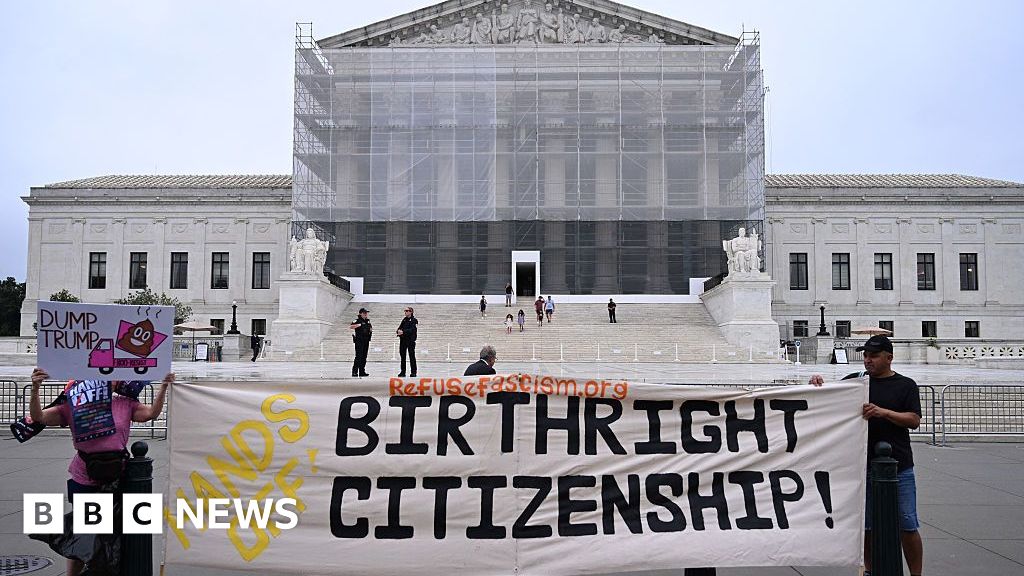
Supreme Court to Decide on End to Birthright Citizenship Refund

The United States stands at a pivotal moment that could redefine its foundational principles and ripple across the international stage. The Supreme Court of the US has agreed to hear a landmark case questioning the long-standing interpretation of the 14th Amendment, which guarantees birthright citizenship to those born within America’s borders. This legal confrontation not only highlights internal ideological battles but also threatens to shift the geopolitical landscape, especially in a world where migration, sovereignty, and identity are fiercely contested.

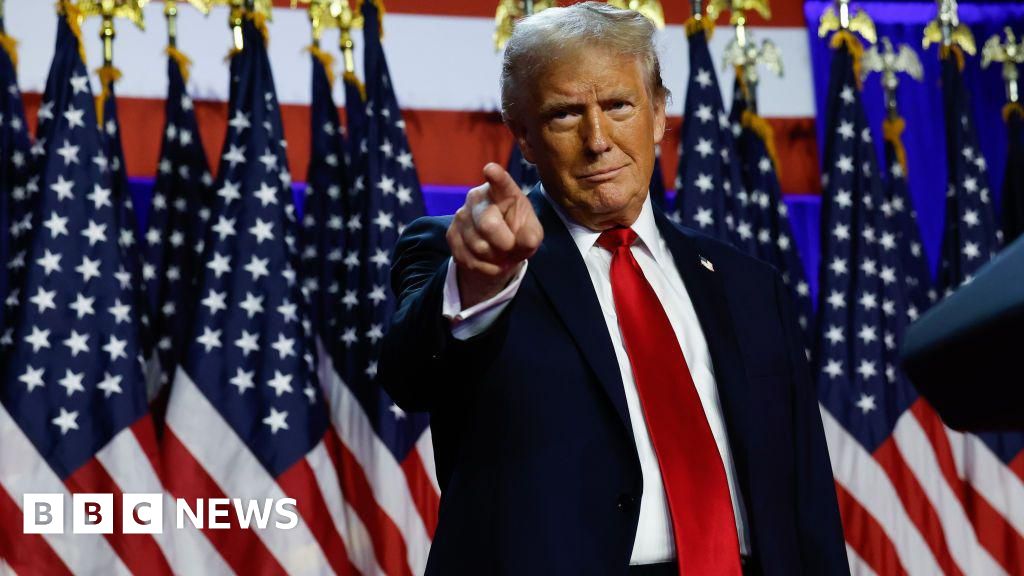
Since its inception in the aftermath of the American Civil War, the 14th Amendment has been the bedrock of US citizenship law, asserting that “all persons born or naturalized in the United States, and subject to the jurisdiction thereof, are citizens.” However, recent efforts led by President Donald Trump, who on his first day in office signed an executive order to end birthright citizenship, sought to challenge this constitutional guarantee. Although courts initially blocked such attempts on constitutional grounds, the ongoing judicial review underscores a broader ideological divide. Historians and legal analysts warn that a ruling against birthright citizenship could set a precedent compelling other nations to reconsider their own immigration policies, ultimately fostering a more exclusionary and nationalist global order.

Globally, around 30 countries, predominantly in the Americas, currently grant automatic citizenship to anyone born within their borders, reinforcing their sovereignty and social cohesion. America’s unique position—its acknowledgment of jus soli (right of the soil)—has historically underpinned its image as an immigrant nation. But the debate now, amid rising migration flows and national security concerns, resonates with many European nations questioning porous borders and expanding population pressures. The International Organization for Migration (IOM) and other international bodies have expressed concern that this legal challenge to US citizenship could embolden similar nationalist movements worldwide, undermining centuries of diplomatic cooperation around migration and human rights.

Furthermore, geopolitical implications extend beyond legal doctrines. Countries in Latin America, where migration to the US has profound economic and social impacts, watch closely. A possible rollback of birthright citizenship could invigorate nationalist rhetoric and fuel regional stability issues, especially if neighboring nations adopt protective measures in response. How the US navigates this legal battle will influence diplomatic relations and migration policies, shaping a new era of international politics marked by heightened sovereignty debates and the reassertion of national identities. As analysts warn, the choice made by the Supreme Court will resonate far beyond American borders, echoing through the corridors of power in capitals across the world.

In this unfolding chapter of American history, the stakes are clear: the court’s forthcoming decision will not only determine the fate of millions of individuals but also serve as a stark symbol of the nation’s soul. Will the US uphold its centuries-old promise of equal rights for all, or embrace a new era of exclusion that could threaten global stability? As history continues to write itself in the courtroom, the world waits, aware that the outcome will indelibly shape the geopolitical map and define what it means to be a nation in the modern age. The weight of this decision—fraught with ideological clashes and constitutional debates—reminds us that the true battle is for the soul of a nation, and perhaps, for the future direction of the entire Western world.

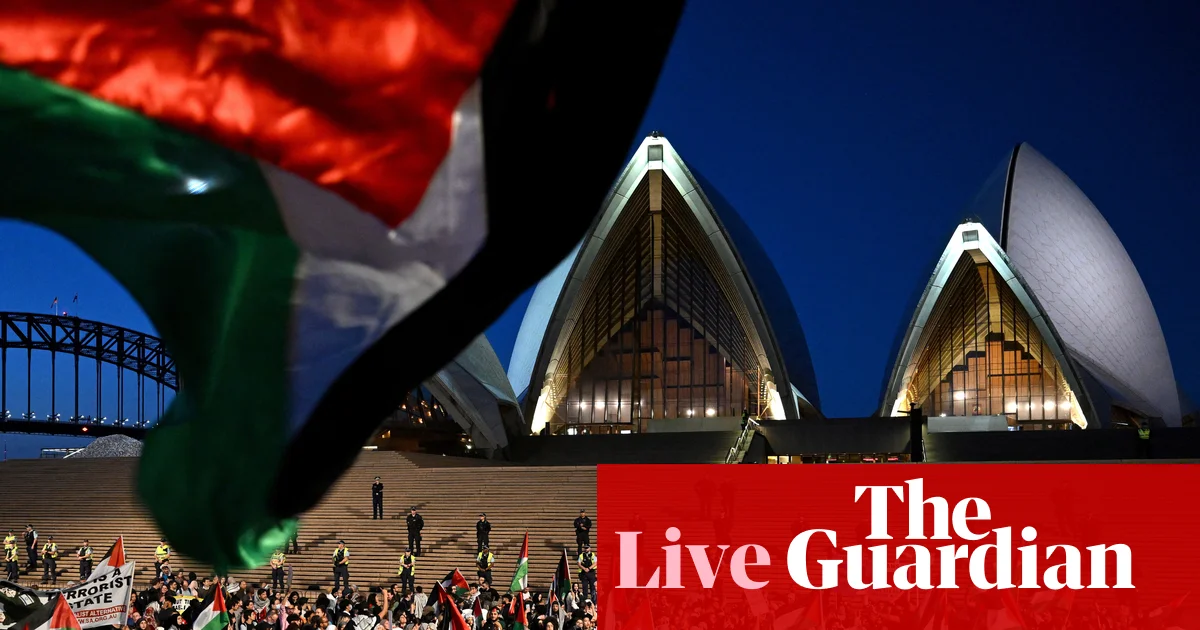
Australia Politics: Judges to decide on Opera House Palestine protest; rich claim big tax break | Australia News

In a pivotal moment for Australia and the broader geopolitical landscape, a rapidly unfolding legal showdown at the NSW Court of Appeal centers around a proposed pro-Palestine demonstration in downtown Sydney. The organizers, the Palestine Action Group, have put forward plans for a massive march, potentially drawing around 40,000 people through the city center to the iconic Sydney Opera House. However, local authorities and police are pushing back, citing serious concerns over public safety and crowd control, and have formally challenged the rally’s legality. The judges are set to deliver their ruling soon, with early indications pointing to a tense debate about free speech versus security—one that may set a precedent for political protests amidst rising international tensions.

Historian and political analysts observe that such demonstrations are emblematic of a shifting geopolitical climate, where domestic protests increasingly mirror global conflicts. The controversy over the Sydney march echoes similar tensions overseas, especially as the Israel-Gaza conflict continues to dominate international headlines. Previous protests of comparable scale, such as the mass rally at Sydney Harbour Bridge with hundreds of thousands, highlight the potential for public demonstrations to serve as flashpoints. Chief Justice Andrew Bell warned that Macquarie Street could turn into a “narrow funnel,” risking chaos and endangering lives. Such comments underscore the delicate balance between upholding civil liberties and maintaining order—a dilemma many Western democracies face today as protests grow more passionate and polarized.

The decision in Sydney’s court has global reverberations, particularly considering the role of international institutions and regional diplomatic policies. While some leaders advocate for free expression and support activism, others emphasize national security, often leading to a crackdown on dissent. The unfolding scenario highlights hownations are increasingly under pressure to navigate the complex interplay of human rights, sovereignty, and international diplomacy. Experts from organizations like Oxfam have pointed out that economic disparities are also fueling unrest; their recent study indicates that unpopular tax policies, such as the capital gains discount, primarily benefit the wealthy elite—a fact that fuels domestic discontent and adds another layer to this complex geopolitical puzzle.

As the courts weigh the legality of the Sydney protest, the broader international scene offers little respite. The ongoing Israel-Gaza conflict and rising tensions in the Middle East continue to influence domestic politics across the globe. Governments are compelled to carefully manage what can often be seen as a delicate act—balancing support for free political expression with the need to control violence or unrest. The Sydney case becomes a microcosm of this larger trend, illustrating how decisions made today can shape the trajectories of societies for generations. As history continues to unfold, what appears to be a local legal debate may well serve as a critical juncture for the future of civil liberties and international diplomacy—reminding us all that the sparks of conflict and resistance often ignite in local courts but burn across the pages of history.

Social Media Auto Publish Powered By : XYZScripts.com