Matox News

Truth Over Trends, always!

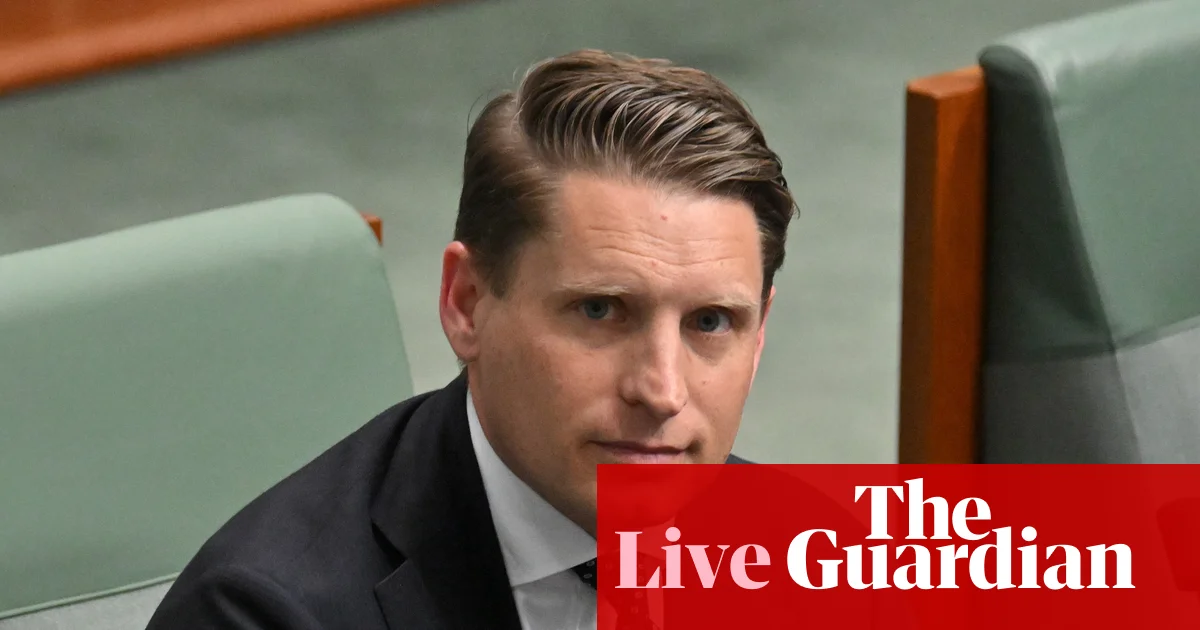
Australia under threat: Andrew Hastie warns US alliance’s decline, Sri Lankan hackers target Aussie funds

Geopolitical Shifts in Australia and Sri Lanka: The Rising Tide of Sovereignty and Security

Amidst a rapidly transforming international landscape, Australia is confronting a crucial juncture in its national sovereignty, with influential voices warning that its traditional alliance with the United States may be undermining its strategic independence. Prominent Australian figures like Andrew Hastie, a leading member of the opposition, have openly criticized the bipartisan consensus that has deepened reliance on U.S. military and diplomatic support. In a speech at the Robert Menzies Institute in Melbourne, Hastie emphasized that this reliance has “eroded Australia’s sovereign capability,” particularly its defense industry, which is vital for maintaining independent hard power. As analysts within international organizations warn, such trends threaten the long-term security and autonomy of nations that, until now, have depended heavily on U.S. backing.

Hastie’s outspoken critique signals an awakening among young populations and nationalists who see the necessity of recalibrating alliances to safeguard sovereignty. He advocates for rebuilding Australia’s defense infrastructure and industrial capacity, asserting that “if ANZUS is going to continue for another 75 years, we need to invest in our industrial base and our defence force.” This stance is markedly different from the cautious optimism of traditional allies; instead, it calls for proactive measures to restore strategic independence. Historians like Paul Kennedy warn that over-dependence on superpower alliances can be “strategic trade-offs,” leading to deindustrialization, weakened hard power, and societal vulnerabilities — risks that are increasingly pressing as global conflicts intensify.

Meanwhile, across the Indian Ocean, Sri Lanka faces its own formidable geopolitical dilemma. The country, still recovering from the 2022 debt crisis, has become a battleground for cyber and financial vulnerabilities. Recent reports indicate that hackers infiltrated the Sri Lankan finance ministry’s systems, siphoning off approximately US$2.5 million — funds owed as debt repayment to Australia. This breach underscores how fragile national security has become amid economic turmoil, with Colombo defaulting on external debt exceeding US$46 billion. The theft, the most significant ever from a Sri Lankan state institution, highlights how international financial dependencies can be exploited in asymmetric threats, jeopardizing diplomatic commitments. Experts cite the situation as a warning of how cyber warfare and economic destabilization can dismantle international trust and financial stability.

  • The theft of funds destined for debt repayment illustrates the vulnerabilities emerging from Sri Lanka’s post-crisis recovery efforts.
  • Australian officials have committed support, emphasizing their readiness to assist in investigating the breach.
  • This cyber incident, alongside ongoing sovereign debt challenges, exemplifies the new frontier of international conflict where cyber and financial warfare are paramount.

As these developments unfold, the international community must grapple with a shifting balance of power, where nations are increasingly questioning the efficacy of traditional alliances. While U.S.-led security arrangements have historically provided a shield for regional stability, the past decade has revealed cracks in this approach, with emerging nations asserting their sovereign priorities and resilience. The narrative of this moment is still being written, with young leaders like Hastie urging a reevaluation that prioritizes national industries, autonomy, and strategic foresight. The interconnected web of cyber threats, economic dependencies, and military alliances underscores a truth — that how nations choose to navigate these perilous waters will determine the course of history for generations to come. As history’s pen continues to carve new chapters, the world watches closely — for it is in these decisive moments that the tide of power truly shifts, shaping a future that remains uncertain yet fundamentally responsive to the choices made today.

Fertility Decline Sparks Shift Toward One-Child Families: A Sign of Changing Society

Society’s Shifting Fertility Landscape and Its Impact on Families

In recent years, demographic changes across the Western world reveal a concerning trend: a declining birthrate and evolving family structures. According to the Office for National Statistics, the fertility rate in England and Wales last year plummeted to 1.41 children per woman—its lowest on record for three consecutive years. This decline is part of a global movement identified by the United Nations as a “global fertility slump”. Sociologists like Alain Girard argue that this shift reflects more than just individual choice; it signifies the societal pressures, economic anxieties, and shifting gender roles that are reshaping the very fabric of families and communities. Families, once the backbone of social cooperation, are now navigating a landscape where financial and social barriers often overshadow the desire for children.

This era of economic uncertainty, characterized by skyrocketing living costs, unreasonably demanding careers, and inequitable gender expectations, has led many to question the sustainability of larger families. Families with only one dependent child have grown from 42% in 2000 to 44% today, with statistics indicating that the notion of a “standard” two-child family is increasingly out of reach for many. The UN Population Fund emphasizes that many are not “turning their backs” on parenthood but are being denied the freedom to start or expand their families due to economic constraints and persistent gender inequality. This reality underscores a moral crisis—families are no longer driven solely by love and legacy but are often dictated by prudent financial calculations and societal expectations that now seem out of reach for many.

Bridging the ‘Fertility Gap’: Societal and Policy Responses

To combat this troubling trend, policymakers are increasingly aware of the need for supportive measures to bridge the ‘fertility gap.’ Education Secretary Bridget Phillipson recently highlighted the expansion of funded childcare in England as a step toward reviving what she termed “dashed dreams”. Although nursery costs have fallen for the first time in 15 years—averaging around £12,425 for children under two—they still place a heavy burden on many families, especially when considering the broader economic climate. Moreover, studies from University College London indicate that while two-fifths of 32-year-olds express a desire for children, only a quarter actively pursue conception, suggesting that the barriers go beyond just costs—addressing social, emotional, and organizational issues must also be part of a comprehensive strategy.

  • Implementing targeted parental leave policies and flexible work arrangements that align with modern gender roles
  • Ensuring affordable, accessible childcare to ease the economic burden of parenthood
  • Promoting societal narratives that support a diversity of family choices, moving away from stereotypes like the “spoiled only child” myth

Social commentator Dr. Adriean Mancillas challenges long-held myths suggesting that only children are selfish or maladjusted, citing research that demonstrates educational advantages and emotional development opportunities within single-child families. This evidence points toward a societal responsibility to reframe perceptions around family size and quality of life, ensuring that policies nurture family units rather than stigmatize them.

The Societal Impacts and a Call for Moral Reflection

The decline in birth rates does not only threaten the present but casts long shadows over future societal stability. An aging population spells increased strain on public services and pensions, with demographers warning of a “demographic time bomb.” Yet, amidst these challenges, the societal narrative must become one of hope, resilience, and moral clarity—recognizing that families are the moral backbone of society. As Lauren Sandler, author of *One and Only*, reflects, “families are not just economic units, but moral communities where love, care, and shared values nurture society’s soul.”

Society faces an ongoing reckoning: will we continue to let economic and social barriers define the future of family life, or will we foster an environment where the desire to nurture and to belong can flourish freely? The choices we make today, inspired by both policy and moral conviction, will echo through generations. As families like Natalie Johnston’s exemplify—children are not just products of choices but symbols of society’s capacity for compassion and hope. In this ever-changing landscape, society’s true measure lies in our collective resolve to rebuild the moral foundations that uphold family, education, and community—transforming societal fears into a shared vision of renewal and resilience.

Selfridges pins tourist dip for luxury sales decline, retail struggles continue

Global Economic Shifts Impacting Luxury Retail: The Case of Selfridges

In recent years, Britain’s once-thriving luxury retail sector faces mounting challenges, emblematic of broader geopolitical and economic upheavals that threaten the stability of its international appeal. Selfridges, a storied retailer known for attracting high-net-worth individuals and tourists from around the world, has reported its fifth consecutive year of losses, a stark indicator of how shifts in global travel patterns and policy decisions ripple across economies and societies. This decline is not merely a business concern but reflects a deeper, transnational shift that influences the social fabric and economic stability of the United Kingdom.

The decline in sales—7% over 48 weeks to January 2025—stem from a confluence of intra-national policy changes and macroeconomic pressures. Notably, the UK government’s decision to abolish tax-free shopping for tourists —a key attractant for international luxury seekers—has significantly impacted London’s famed shopping districts. This move, part of broader post-Brexit economic realignments, is viewed by analysts as detrimental to the nation’s status as a global shopping destination. Selfridges highlights that weaker consumer confidence, inflated luxury prices, and ongoing cost-of-living crises have drastically constrained spending on non-essential luxury goods, especially among the wealthiest international visitors who once flocked to the UK for exclusive shopping experiences.

Adding urgency to the narrative are geopolitical factors and international investments that shape the future of global luxury markets. In October 2024, Saudi Arabia’s Public Investment Fund acquired a 40% stake in Selfridges, signaling a strategic pivot toward consolidating influence in the global luxury sector. This move underscores a broader pattern of Global South states expanding their footprint into luxury retail, aiming to leverage both economic power and geopolitical influence. Such investments, as noted by international analysts, are part of a broader trend where sovereign wealth funds seek to redirect economic influence through cultural and consumer markets, potentially shifting the balance of power in luxury retail from Western stalwarts to emerging economic powers.

The UK’s economic and cultural standing with this evolving landscape is under real strain. As historians and policy analysts warn, these challenges mark a pivotal moment where decisions made today will resonate for generations. The decline of iconic institutions such as Selfridges echoes the shifting tide of economic influence and societal values. With retail giants positioning themselves amid geopolitical flashpoints, the future of UK’s luxury industry and its socio-economic stability will be determined by how effectively it navigates these turbulent waters. As the clock ticks toward what could be a transformative period in global history, the unfolding story of luxury retail stands as a testament to the enduring, often turbulent, march of history—where decisions made in boardrooms and parliaments today will inscribe their legacy into the annals of international relations, economic power, and cultural identity for generations to come.

Social Media Auto Publish Powered By : XYZScripts.com