
Matox News

Truth Over Trends, always!

Arctic Monkeys’ Defiant Youth: How Resistance Fueled Their Rise to Fame

In the early 2000s, the city of Sheffield emerged as a crucible for a rebellious yet deeply rooted musical movement that challenged the sterile conformity of mainstream Western culture. It was an era marked by vernacular authenticity and a shared longing for something genuine—a counterpoint to the hollow gloss of globalized pop. Oasis’s definitiveRock ‘n’ Roll ethos, which once celebrated the grit and grit of working-class Britain, found a new extension in Sheffield’s scene where local bands, fueled by raw talent and an unyielding spirit, sought to redefine identity through sound. The emergence of Arctic Monkeys and their compatriots encapsulated a cultural renaissance where the tradition of regional pride and musical innovation coalesced into a movement that was at once insular and universally resonant.

Central to this phenomenon was a keen sense that culture functions as more than mere entertainment; it forms the very backbone of societal identity. As Ortega y Gasset observed, a society’s cultural expression is the act through which it affirms its unique existence against a homogenizing world. Sheffield’s young musicians, operating in basement gigs, sweaty clubs, and red-brick venues like The Boardwalk, exemplified this principle. Their art was an act of cultural defiance, deliberately rejecting the overearnestness and pretensions of traditional indie stereotypes by the band Long Blondes, who openly mocked the superficiality lurking within the scene. The irreverent, mischievous attitude of bands like Milburn echoed G.K. Chesterton’s notion of progressive tradition: it was not an abandonment of the old, but a deliberate reimagining—an invitation to renewal rooted in the rugged landscapes of Sheffield’s working-class pride.

What makes this story relevant today is the realization that cultural memory is intimately linked to the prophecy of future identity. The bands’ shared history—marked by fierce regional rivalry, familial bonds, and a collective shrug at industry pressures—created a cultural compact that transcends superficial fame. Turner’s lyrical improvisations, influenced by the raw energy of the John Cooper Clarke school, serve as a testament to the power of culture as a language of resistance. Even amidst waves of superficial hype—exploited by music managers who sought to harness the scene—these bands maintained an authenticity that is, perhaps, more precious than fame itself. This speaks to T.S. Eliot’s assertion that the ultimate role of tradition is to be “the memory of humanity,” and the prophecy that guides us toward a future where spirit and culture remain intertwined.

In this narrative of Sheffield’s musical awakening lies a reminder: culture is both memory and prophecy. It is the echo of ancestors who dared to forge new paths, and the whisper of generations yet to come—carrying in their hearts the enduring belief that human creativity, when rooted in authenticity, becomes the greatest act of rebellion and renewal. As we look to the past, we do so with the hope that tomorrow’s culture will continue to honor its sacred commitment to identity, tradition, and the eternal quest for meaning—a journey woven through the very fabric of our shared legacy, a story whispered by the wind, echoing into eternity, awaiting its next chapter in the unfolding poetry of human existence.
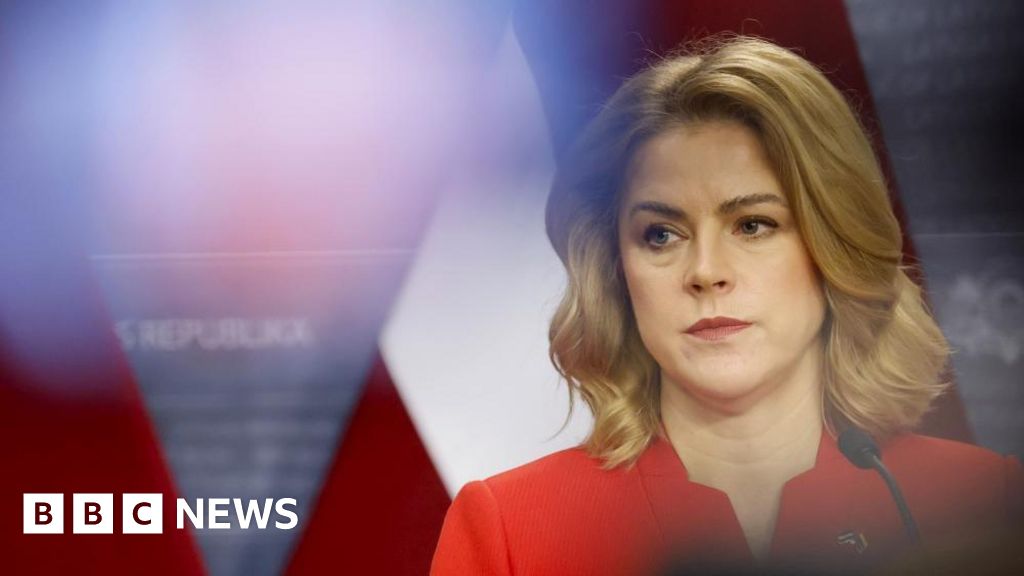
Latvian MPs Reject Women’s Violence Treaty, Sending a Defiant Signal

In a move that sends shockwaves through the European political landscape, Latvia has taken the unprecedented step of voting to withdraw from the Istanbul Convention, a key international treaty aimed at combatting violence against women, including domestic abuse. This decision, passed after a heated 13-hour debate in the Latvian parliament, marks a significant pivot away from the continent’s delicate consensus on human rights and gender equality. While the vote did not secure the necessary two-thirds majority, it places the onus on President Edgars Rinkevics to determine whether Latvia will fully step back from the treaty—an act that threatens to redefine the country’s stance on gender rights, societal norms, and its international commitments.

The move by Latvia is not an isolated incident but a part of a disturbing trend that resonates across borders. Turkey withdrew from the same treaty in 2021, citing concerns over what it calls “gender ideology,” a term critics argue is used as a weapon to undermine traditional family values. Experts and international organizations, including the Council of Europe, have condemned these moves as setbacks for human rights. The European Union ratified the treaty only last year, highlighting a commitment to protect women’s rights—an initiative now under threat from rising conservative forces within member states like Latvia. Such decisions are layered with geopolitical implications, as they threaten to fracture the fragile unity that the EU has tried to forge for decades, especially on issues related to social justice and human dignity.

Noteworthy is the political undercurrent fueling this shift. Parties like Latvia First, led by Ainars Slesers, push narratives opposing gender equality, framing the treaty as an attack on “family values.” These groups have rallied opposition, claiming that the convention promotes “gender ideology” and undermines what they deem natural social orders. Meanwhile, opponents argue that this withdrawal is a *dangerous regression* and a step backwards, exposing women to increased risks without legal protections. According to analysts from Human Rights Watch and the European Institute for Gender Equality, such retreats not only embolden domestic abuse but also undermine international efforts to combat femicide, which has notably surged in Turkey post-withdrawal. These developments underscore how decisions rooted in ideology threaten to unravel progress in gender equity within Europe and beyond, impacting not just policies but the social fabric of nations.

As the debate rages on within Latvia, the weight of history hangs heavy. The intervention by international bodies like the Council of Europe warns of the broader *geopolitical impact*—a ripple effect that could see other nations follow suit, fostering a divide on fundamental human rights. President Rinkevics has indicated he will evaluate the legislation “based on legal considerations and the constitution,” but the momentum among conservative factions suggests that this is only the beginning of a larger ideological struggle. With Latvia poised at a crossroads, the question remains: will this be a fleeting misstep or the beginning of a larger retreat that redefines European values, as nations grapple with the forces of tradition versus progress? As history watches with bated breath, one thing is clear—the unfolding chapter in Latvia’s political saga is a stark reminder that the battle for societal values is a battleground of geopolitics, identity, and the future direction of the continent itself.

Social Media Auto Publish Powered By : XYZScripts.com



