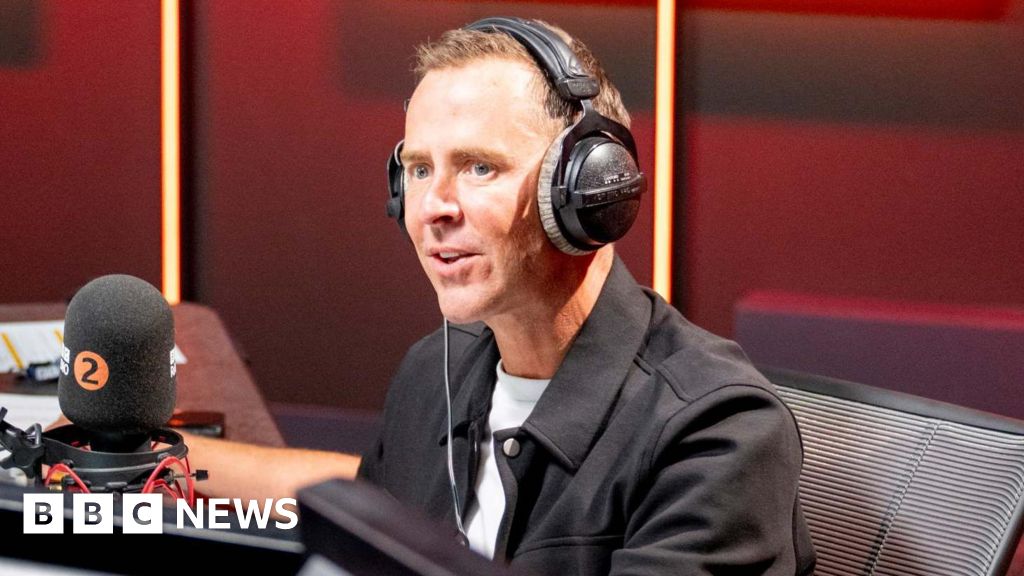

Recent events have once again illuminated the fragile relationship between culture and societal stability. The dismissal of Radio 2 DJ Scott Mills from the BBC, amidst allegations of misconduct, is not merely a matter of individual controversy but echoes deeper currents in the ongoing conversation about the moral fabric and character of our institutions. As Tocqueville observed centuries ago, “democratic nations are marked by a tension between the pursuit of equality and the preservation of standards that uphold social cohesion.” This tension manifests vividly when figures of cultural prominence falter, revealing the importance and vulnerability of the moral underpinnings that support societal cohesion.
In the realm of cultural production, figures like Mills, whether they serve as entertainers or ideological symbols, are more than mere entertainers—they are custodians of tradition, carriers of the collective memory, and creators of symbols that shape societal identity. The cultural moment is both a mirror and a mold, reflecting current values and simultaneously challenging or reinforcing them. As Ortega y Gasset asserted, “a nation’s culture is the upper limit of its consciousness, the language in which its ideals are clarified.” When a prominent figure falls under scrutiny, it is emblematic of a broader crisis: the erosion of social trust and the shifting standards that define our moral landscape. Such moments compel a reflection on how our cultural icons embody our shared values and aspirations, serving as both a reflection of who we are and a touchstone of what we wish to become.
Historically, cultural upheavals have often signaled a turning point in national identity. During periods of moral decay or societal dislocation, we witness a re-evaluation of what constitutes integrity and virtue in the public sphere. Chesterton, in his critique of modernity, warned against losing sight of the permanent amid the transient. Today’s discourse concerning character and conduct among our cultural figures is no different; it is a confrontation with the enduring values that anchor our civilization. The question we face is not merely about individual misconduct but about whether we uphold the foundational principles that sustain our social fabric—respect, integrity, reverence for tradition.
As we mourn the loss of a beloved figure from our cultural landscape, a poetic truth emerges: culture is both memory and prophecy. It is the voice of the ancestors, echoing through time, guiding us with lessons of perseverance and virtue. Yet, it also whispers of the future, daring us to forge anew, with conscience and conviction. For in embracing our cultural heritage, we do not only preserve history — we participate in the ongoing act of creation, weaving the narrative of human life with threads of hope, identity, and moral resolve. Ultimately, culture remains the enduring flame that illuminates the path from human memory towards the horizon of human destiny, a testament both to where we have been and what we might yet become.