Matox News

Truth Over Trends, always!

Greek police deploy masked 'mercenaries' to push migrants back at border
Greek police deploy masked ‘mercenaries’ to push migrants back at border

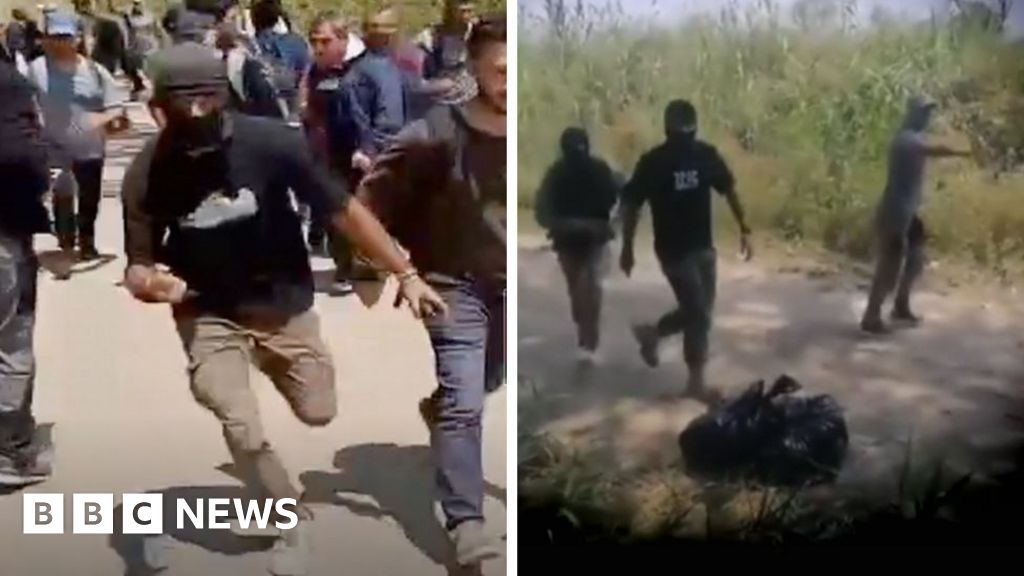
In a disturbing revelation that underscores the evolving nature of international conflicts, recent intelligence reports have exposed a troubling nexus between migration and militant warfare. Analysts have identified that many of the mercenaries fighting in ongoing regional conflicts are in fact migrants themselves, recruited from countries such as Pakistan, Syria, and Afghanistan. These individuals, driven by economic hardship, ideological alignment, or coercion, are increasingly being utilized as tools of proxy warfare, highlighting a complex intersection of human mobility and geopolitical destabilization.

The recruitment of these mercenaries not only complicates existing conflicts but also exemplifies how abuses of migration routes are being weaponized to further regional agendas. According to reports, these fighters are further incentivized through a form of barter—being rewarded with cash, mobile devices looted from other migrants, and essential papers that effectively enable them to travel through Greece without detection. This trafficked mobility fuels an escalation of insecurity across borders, challenging the authority of national governments and international law enforcement agencies.

  • U.S. and European intelligence agencies warn that this phenomenon feeds into a broader trend of non-state actors exploiting migration pathways for strategic gains, destabilizing fragile states, and complicating diplomatic efforts.
  • Many international organizations, including the United Nations, express concern that such recruitment methods exacerbate ongoing humanitarian crises by intertwining human suffering with geopolitical objectives.
  • Historian and geopolitical analyst Dr. Jane Foster notes that history demonstrates how non-state armed groups leverage refugee flows to embed themselves within societies, blurring lines between citizens and combatants.

The geopolitical impact of these revelations extends far beyond the immediate conflict zones. Countries like Greece and other nations along the eastern Mediterranean are experiencing a surge in migratory pressures, straining their resources and border security. As migrants-turned-combatants infiltrate more deeply into Europe, the political narrative shifts, fueling populist and nationalist sentiments that call for draconian border measures and renewed skepticism toward international institutions. Meanwhile, regional powers such as Russia and Turkey increasingly see the migrant routes as strategic corridors, manipulating them to expand influence and undermine Western diplomatic efforts in the area.

This intricate web of military, migratory, and geopolitical strategies underscores a turning point in how nations must confront the intersecting threats of terrorism and uncontrolled migration. The selective exploitation of refugee mobility to fund, arm, and position militant groups presents a challenge that is both morally disturbing and strategically destabilizing. As history witnesses these dark trends unfold, the importance of decisive, coordinated international action than ever before becomes clear. The story of migrants recruited as mercenaries is a stark reminder that in the theater of geopolitics, human lives are often the most vulnerable currency—caught in a tide of conflicts they neither sought nor fully understand.
US to Deploy Airborne Troops to Middle East as Trump Claims Iran Talks Underway

Global Hotspot: Middle East on the Edge of Chaos

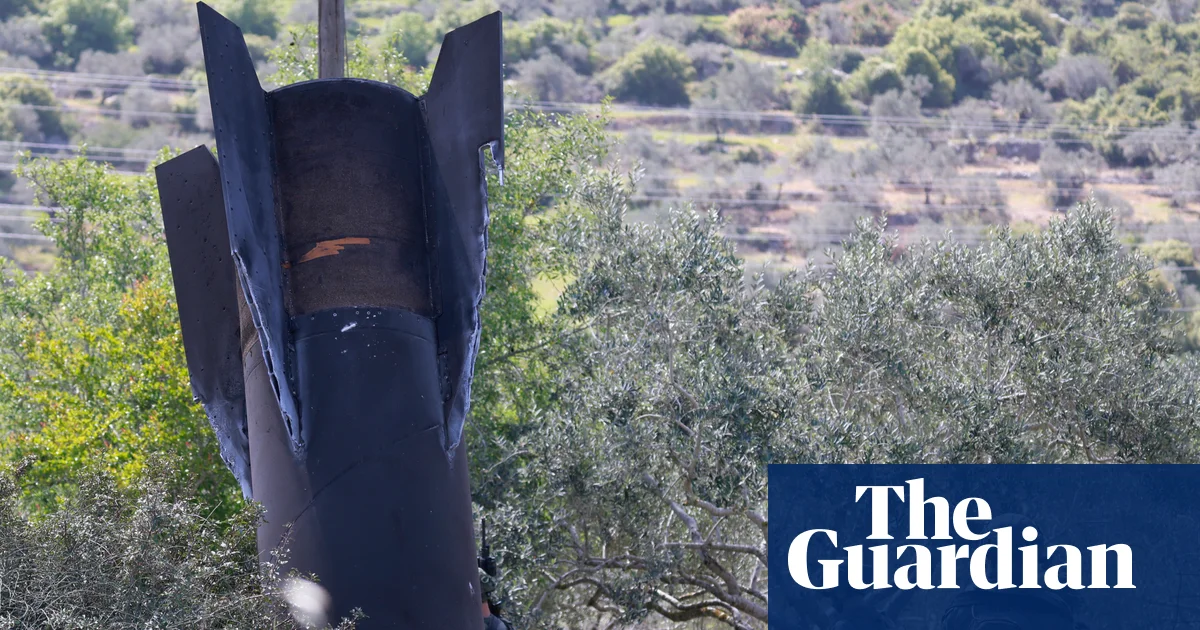
The United States is now preparing to deploy airborne combat troops, potentially sending 3,000 soldiers from the elite 82nd Airborne Division to the volatile Middle East. This escalation, announced amidst intensifying strikes across the region, underscores the growing likelihood of a broader conflict. The Trump administration signals readiness to confront Iran directly, with the possibility of blockades or military operations targeting Iran’s key oil exports—particularly the strategic Strait of Hormuz and Kharg Island. Meanwhile, diplomatic efforts seem tentative at best, with the White House mentioning the “possibility” of negotiations, but Iran’s government and its allies dismissing such overtures as insincere. Analysts warn that these developments could usher in an epoch of unprecedented instability, threatening global energy supplies and regional security alike.

Examining the Geopolitical Impact and Regional Dynamics

The Iranian regime has been fiercely resistant to US overtures, citing broken previous agreements and deep mistrust rooted in past encounters—most notably the assassination of Iran’s top commanders and the destruction of nuclear facilities. Iran’s UN ambassador attributed over 1,300 civilian deaths to current hostilities, further inflaming tensions. Meanwhile, neighboring powers – Pakistan, Oman, and Egypt – have taken on a crucial role as intermediaries, attempting to de-escalate through back-channel diplomacy amid divisions within Iran’s own political elite. The involvement of Russian, Turkish, and Gulf state factions heightens the complexity, transforming local conflicts into a geopolitical chessboard where each move could ripple worldwide, affecting energy markets, security alignments, and regional stability.

Historical assessments, including those by prominent scholars and international organizations, emphasize the peril of unchecked escalation. The International Crisis Group warns that prolonged regional war could spiral into a broader confrontation, drawing global powers into a dangerous proxy war scenario. The recent strikes on Iran’s infrastructure, coupled with Israeli offensive measures in Lebanon targeting Hezbollah, reveal how perilously close the region is to full-scale conflagration. Each targeted attack risks igniting a wider conflict, with the U.S., Israel, and Iran battling not just for territorial control but for the very future of regional sovereignty and influence.

The Global Economic Toll and the Weight of History

Markets reacted sharply to the rising tensions, with oil prices soaring past $104 per barrel—an increase of more than 40% since the conflict began. Such volatility threatens to trigger economic tremors worldwide, especially for nations heavily dependent on Middle Eastern energy supplies. Experts warn of long-term disruptions even if hostilities cease swiftly: ruptured pipelines, damaged desalination plants, and shattered infrastructure threaten the stability of entire economies. This high-stakes confrontation’s shadow looms large over the international community, as global institutions scramble to contain chaos before it is too late. The warning flags of history flutter faintly in the background, reminding all that once regional conflicts ignite, their flames can quickly engulf the world.

In the midst of this unfolding storm, the echo of history’s most pivotal moments—such as the 1973 oil crisis or the Gulf War—resound with renewed urgency. The fate of the Middle East and its implications for global order remain uncertain, yet unresolved. The decisions made in these critical days will reverberate across generations, shaping the contours of diplomacy and conflict for years to come. As the world watches, one truth remains evident: the unfolding story in the heart of the Arab world is a testament to the peril and promise of human history—an ongoing saga of power, resistance, and the relentless quest for stability amidst chaos.

US plans to deploy ICE agents at Winter Olympics, sparking Italian outrage

The United States has once again found itself at the center of an international controversy over its security policies, this time involving the presence of Immigration and Customs Enforcement (ICE) agents during the upcoming Winter Olympics in Milan, Italy. As the world prepares for the global event scheduled to run from February 6 to 22, a series of reports and diplomatic tensions have emerged, highlighting the far-reaching geopolitical impact of U.S. domestic security agencies extending their influence beyond American borders.

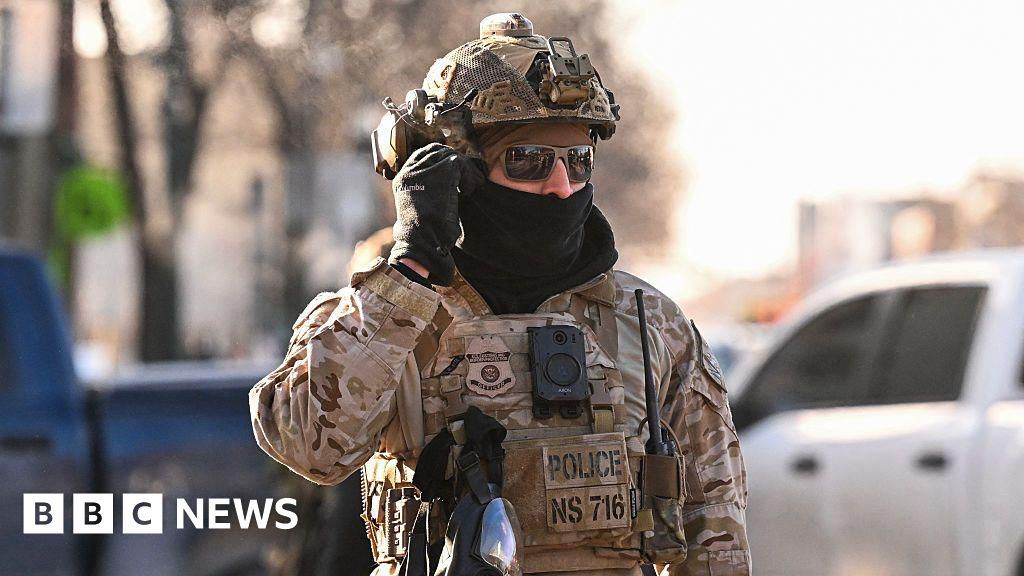
It was initially understood that the U.S. Department of Homeland Security (DHS) would provide support for security operations, a common practice at major international events. However, confirmation that ICE agents would be involved in support roles—distinct from direct law enforcement—prompted alarm among Italian officials and society. Milan’s Mayor Beppe Sala publicly condemned the move, likening the agents to a militia capable of deadly force and asserting they were “not welcome in Milan.” As images from Minneapolis surfaced, showing ICE agents involved in fatal shootings, the international community’s concern deepened. The controversy underscores a thorny question of sovereignty and how an internal U.S. agency’s actions can influence perceptions of Italy’s ability to guarantee its own security, especially when foreign agencies might operate on its streets.

The Italian government, eager to reassure allies and its citizens, insisted that “all security operations at the Olympics are directed and managed exclusively by Italian authorities.” Nonetheless, it became apparent that the US planned to set up an operations room at its Milan consulate, with various federal agencies ready to work jointly with Italian agencies to mitigate risks. Although official statements emphasized that ICE would only play a supportive, counter-terrorism role, the unsettling images and reports have ignited a wave of domestic dissent. Critics within Italy, including the opposition, have questioned the propriety of foreign agents operating within Italian territory, especially given the recent violent incidents involving ICE officers—most notably the fatal shooting of Pioneer Nicole Good in Minneapolis.

Analysts and international observers such as historians and think tanks warn that these incidents exemplify a broader erosion of sovereignty and a dangerous precedent for national security cooperation. The European Union and other global institutions are increasingly concerned about the United States’ expanding domestic security presence abroad, which some argue risks turning international events into potential battlegrounds for American agencies wielding lethal force. As Italy navigates the delicate balance of safeguarding its international reputation while hosting a major sporting event, the controversy leaves a lasting warning to the world about the consequences of unchecked transnational security policies. As the Winter Olympics commence, the weight of history remains heavy, reminding us all that the lines between national sovereignty and international cooperation are often blurred, and that decisions made today will ripple through the corridors of power for generations to come.

Nigeria, Ivory Coast Deploy 200 Troops for Major Clean-Up Operation

West Africa’s Turbulence: Regional Forces Foil Coup in Benin

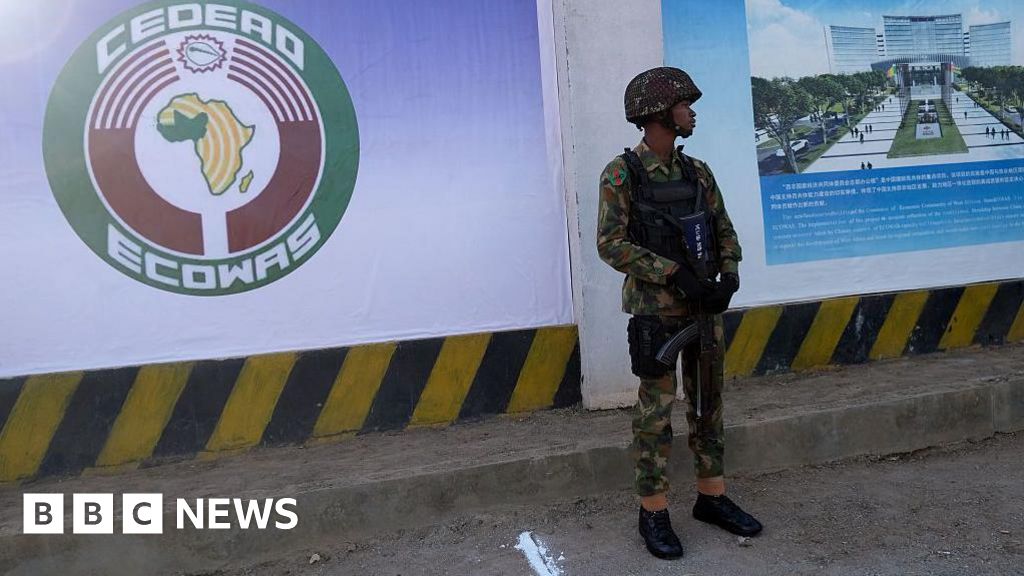
In a decisive move that underscores the escalating instability in West Africa, Benin faced a thwarted coup attempt last Sunday, prompting a swift regional military response. Approximately 200 soldiers from Nigeria, Ivory Coast, and other regional allies were deployed to stabilize the fragile security landscape, revealing an increasing reliance on international intervention to preserve democracy in the face of growing militancy and political unrest. Nigerian fighter jets played a prominent role in repelling the mutineers from key targets, such as the military base and state television headquarters—an unmistakable message that regional powers will not tolerate unconstitutional seizures of government.

Beyond the immediate crisis, this event exposes the fragile state of regional security architecture and the concerted efforts of international institutions like ECOWAS to protect democratic processes. The regional bloc’s deployment of troops from Nigeria, Ghana, Sierra Leone, and Ivory Coast signals a clear shift: West Africa no longer stands idly by as coups become commonplace. Analysts argue that these actions are a strategic move designed to deter future attempts and to uphold the rule of law amid widespread accusations of mismanagement and rising jihadist threats. The complex interplay of military intervention and diplomacy demonstrates a nuanced recognition: regional stability hinges on preventing further chaos and safeguarding democratic institutions.

Critical to understanding this incident is the backdrop of increasing security challenges, particularly along Benin’s northern borders with insurgency-plagued Niger and Burkina Faso. The spread of jihadist groups linked to Islamic State and al-Qaeda has destabilized the region, fueling grievances and broadening the scope of conflict. According to prominent historians and security analysts, such as Dr. Jean-Luc Leblanc of the International Security Institute, these militant networks exploit weak governance and social discontent, threatening to engulf entire societies in cycles of violence. As Benin’s government, led by President Patrice Talon, prepares for next year’s elections, the ongoing unrest underscores the *urgent need for international cooperation and nuanced military strategy* that balances repression with respect for sovereignty.

Despite the victorious efforts to suppress the coup, questions remain about the long-term impact of regional intervention and the ongoing influence of external actors, including France, whose special forces are believed to have supported loyalist troops. The situation’s *turning point* will undoubtedly influence the future of West Africa’s political landscape, as governments navigate the thin line between democracy and authoritarian retreat. The events in Benin are more than isolated incidents—they are symptomatic of a broader geopolitical shift. **As history continues to unfold**, regional players and global allies must confront the undeniable reality: The resilience of democracies in West Africa depends on their ability to adapt, unite, and oppose forces that threaten to undo the liberties hard-won over decades.

Social Media Auto Publish Powered By : XYZScripts.com