Global Hotspot: Middle East on the Edge of Chaos
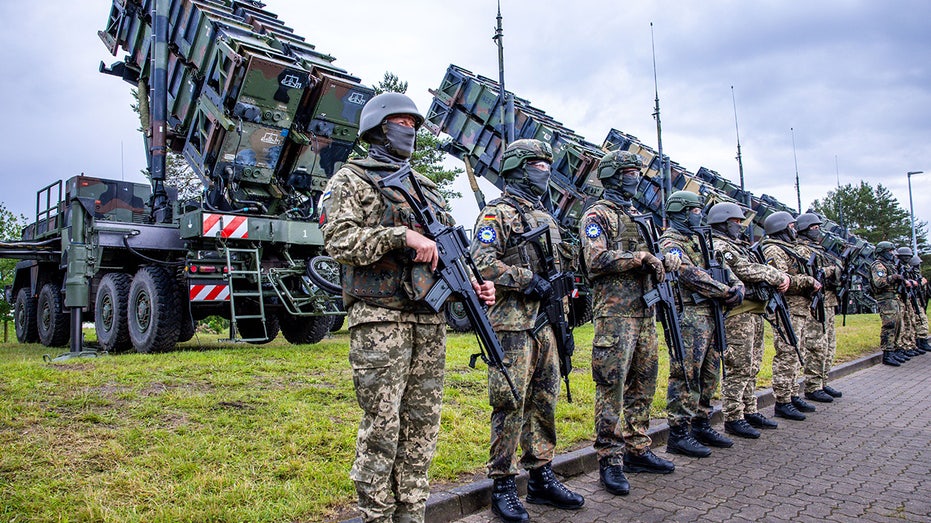
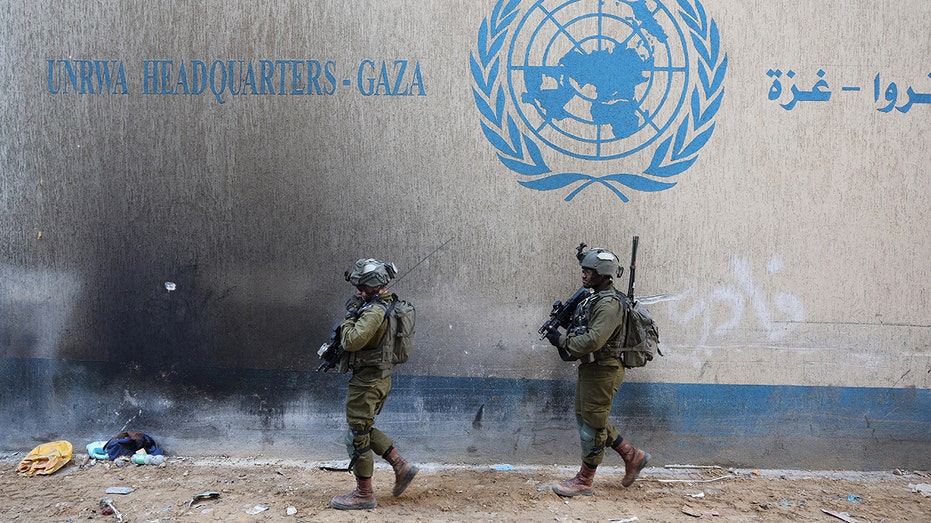
The United States is now preparing to deploy airborne combat troops, potentially sending 3,000 soldiers from the elite 82nd Airborne Division to the volatile Middle East. This escalation, announced amidst intensifying strikes across the region, underscores the growing likelihood of a broader conflict. The Trump administration signals readiness to confront Iran directly, with the possibility of blockades or military operations targeting Iran’s key oil exports—particularly the strategic Strait of Hormuz and Kharg Island. Meanwhile, diplomatic efforts seem tentative at best, with the White House mentioning the “possibility” of negotiations, but Iran’s government and its allies dismissing such overtures as insincere. Analysts warn that these developments could usher in an epoch of unprecedented instability, threatening global energy supplies and regional security alike.
Examining the Geopolitical Impact and Regional Dynamics
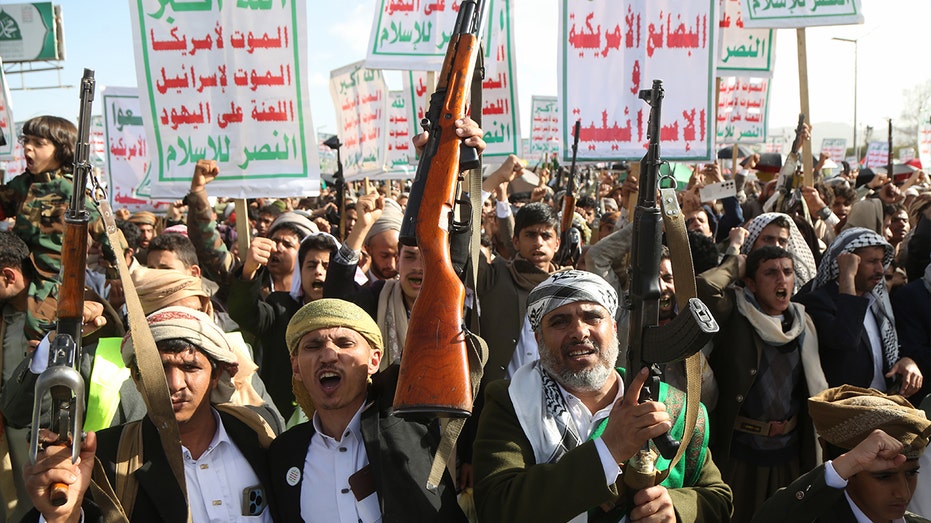
The Iranian regime has been fiercely resistant to US overtures, citing broken previous agreements and deep mistrust rooted in past encounters—most notably the assassination of Iran’s top commanders and the destruction of nuclear facilities. Iran’s UN ambassador attributed over 1,300 civilian deaths to current hostilities, further inflaming tensions. Meanwhile, neighboring powers – Pakistan, Oman, and Egypt – have taken on a crucial role as intermediaries, attempting to de-escalate through back-channel diplomacy amid divisions within Iran’s own political elite. The involvement of Russian, Turkish, and Gulf state factions heightens the complexity, transforming local conflicts into a geopolitical chessboard where each move could ripple worldwide, affecting energy markets, security alignments, and regional stability.
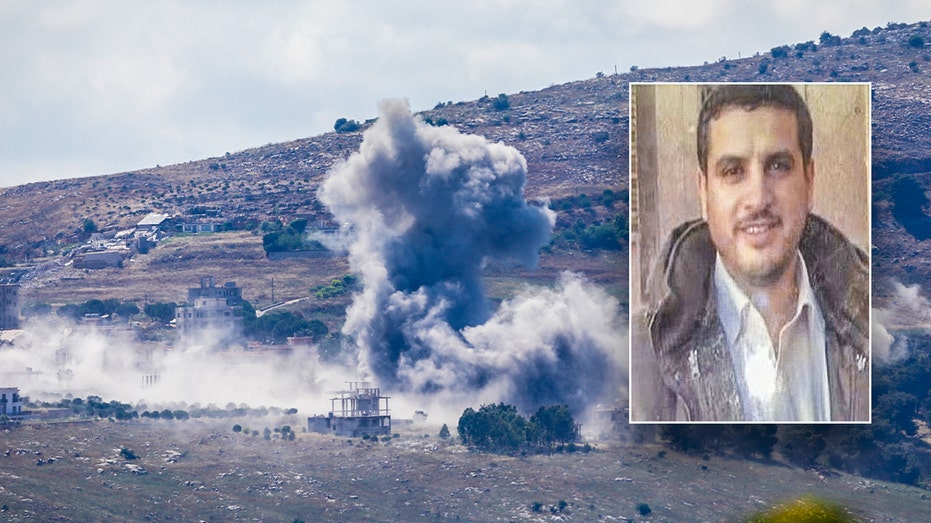
Historical assessments, including those by prominent scholars and international organizations, emphasize the peril of unchecked escalation. The International Crisis Group warns that prolonged regional war could spiral into a broader confrontation, drawing global powers into a dangerous proxy war scenario. The recent strikes on Iran’s infrastructure, coupled with Israeli offensive measures in Lebanon targeting Hezbollah, reveal how perilously close the region is to full-scale conflagration. Each targeted attack risks igniting a wider conflict, with the U.S., Israel, and Iran battling not just for territorial control but for the very future of regional sovereignty and influence.
The Global Economic Toll and the Weight of History
Markets reacted sharply to the rising tensions, with oil prices soaring past $104 per barrel—an increase of more than 40% since the conflict began. Such volatility threatens to trigger economic tremors worldwide, especially for nations heavily dependent on Middle Eastern energy supplies. Experts warn of long-term disruptions even if hostilities cease swiftly: ruptured pipelines, damaged desalination plants, and shattered infrastructure threaten the stability of entire economies. This high-stakes confrontation’s shadow looms large over the international community, as global institutions scramble to contain chaos before it is too late. The warning flags of history flutter faintly in the background, reminding all that once regional conflicts ignite, their flames can quickly engulf the world.
In the midst of this unfolding storm, the echo of history’s most pivotal moments—such as the 1973 oil crisis or the Gulf War—resound with renewed urgency. The fate of the Middle East and its implications for global order remain uncertain, yet unresolved. The decisions made in these critical days will reverberate across generations, shaping the contours of diplomacy and conflict for years to come. As the world watches, one truth remains evident: the unfolding story in the heart of the Arab world is a testament to the peril and promise of human history—an ongoing saga of power, resistance, and the relentless quest for stability amidst chaos.