Matox News

Truth Over Trends, always!

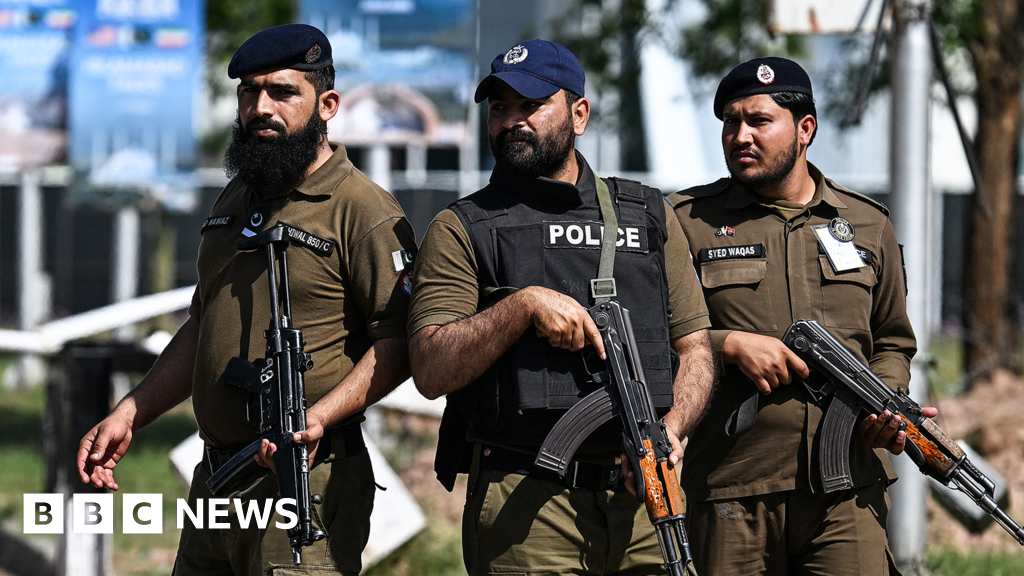
US and Iran at Deadlock: Pakistan Urges Diplomatic Breakthrough

The Strait of Hormuz, a critical artery for global energy supplies, continues to simmer with tension despite recent efforts to de-escalate. The extension of a ceasefire agreement, announced by United States and regional allies, has temporarily subdued open conflict between opposing factions vying for control over strategic waterways. However, analysts and international observers warn that this pause is fragile and unlikely to resolve the underlying geopolitical rifts that have long plagued the region.

As the world watches, the ongoing volatility in the Middle East illustrates a broader struggle for regional dominance. The decision by President Trump and coalition partners to extend the ceasefire is viewed by some as a tactical pause rather than a strategic resolution. Historians like Michael O’Hanlon from the Brookings Institution suggest that this temporary measure “may buy time, but it does not address the core issues fueling conflict in the Gulf.” The local factions and international powers are engaged in a complex chess game, with control of the Strait as both a strategic objective and a bargaining chip. The risk remains high that unresolved tensions could reignite hostilities, especially with the region’s complex web of alliances and rivalries.

The geopolitical impact of recent developments extends far beyond local skirmishes. Since the 2019 attacks on Saudi oil facilities, which several intelligence reports attribute to Iran, the international community has been on alert. These incidents underscored the vulnerability of global supply chains and prompted NATO and the United Nations to call for diplomatic solutions. Yet, deep-seated mistrust persists, fueled by decades of hostility, sanctions, and proxy conflicts.

Meanwhile, regional powers such as Iran, the United Arab Emirates, Saudi Arabia, and Israel are moving carefully within this volatile environment. Their actions are influenced by both internal political pressures and external security alliances. International organizations warn that any miscalculation could trigger a broader regional conflagration, threatening global economic stability. The U.S.-led coalition’s strategic realignments and the recent ceasefire extension are viewed as attempts to contain escalation, but they do little to eliminate the underlying causes—namely, competition for influence, resource control, and ideological divides.

As analysts from the Council on Foreign Relations highlight, the next few months are critical. The fragile ceasefire—while a welcome respite—must be backed by tangible diplomatic efforts and confidence-building measures. Otherwise, the looming threat of renewed conflict in the Strait of Hormuz reminds the world that history is often a fragile tapestry, easily torn. The choices made today will influence the course of geopolitics for decades to come. In this unfolding saga of control, power, and survival, the world must confront yet again that peace is often an elusive mirage in a desert of strategic interests—until, perhaps, history makes its final, devastating judgment.
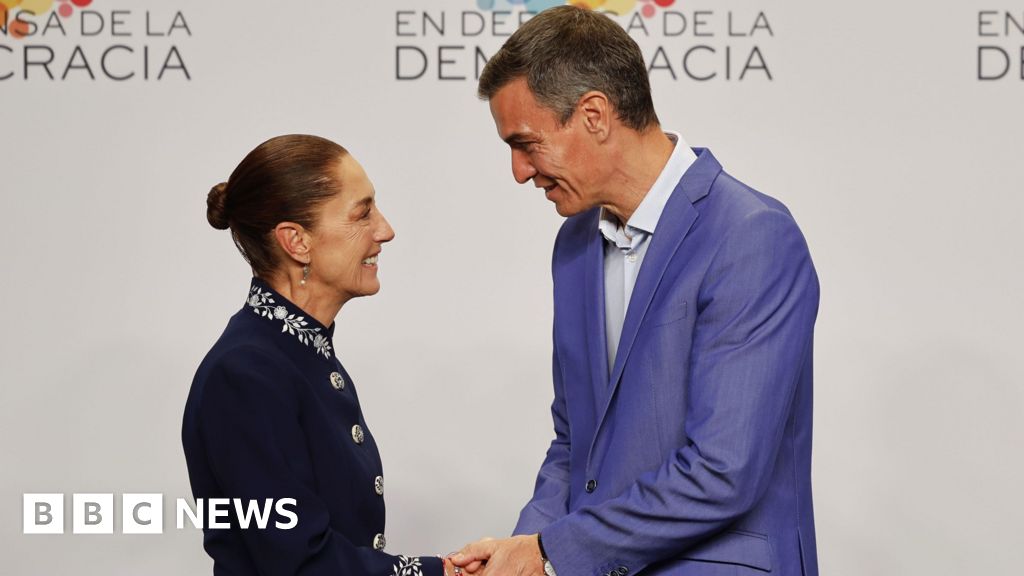
Mexico's Sheinbaum rejects 'diplomatic crisis' claims over Spain conquest spat
Mexico’s Sheinbaum rejects ‘diplomatic crisis’ claims over Spain conquest spat

In a surprising development, Mexico’s current president has publicly stated that there were never tensions over Spanish colonization, a stark departure from historical narratives that often position the colonial past as a source of lingering conflict. This statement challenges long-held perceptions in the international community and signals a possible shift in Latin America’s diplomatic discourse. Historically, the colonial era remains a touchstone for debates surrounding identity, sovereignty, and historical grievances. However, the recent comments suggest a move toward reconciliation or, at least, a reframing of the narrative by Mexico’s leadership.

Amid the backdrop of regional geopolitics and evolving relationships within North and Central America, experts and international organizations have taken close note. Some analysts interpret the statement as a strategic diplomatic act aimed at fostering stronger ties with European nations, particularly Spain. While many historians and international observers recognize the enduring importance of colonization’s legacy—highlighted in studies by organizations such as the United Nations Department of Economic and Social Affairs—the Mexican president’s remarks may be an effort to build bridges rather than deepen historical wounds. This narrative shift could redefine regional power dynamics, especially as Latin American countries grapple with how their colonial past shapes present-day policies and societal identities.

The geopolitical impact of this narrative change is significant. Universities, think tanks, and political analysts suggest that Mexico’s stance might be aimed at aligning itself more closely with European nations, seeking economic and diplomatic benefits in an increasingly interconnected world. Such statements could influence international dialogues on reparations or historical accountability, which remain tense and divisive in many other parts of the region. Furthermore, Mexico’s move may serve to distance itself from the compromises and conflicts of the past, signaling a desire to focus forward on issues like economic development, national sovereignty, and regional stability. These decisions affect not only diplomatic relations but also how societies within Latin America confront and debate their colonial histories, often intertwined with present-day social and economic inequalities.

Experts such as political scientists and historians caution that this moment—a seemingly simple presidential statement—carries the weight of history’s ongoing narrative. As the world watches, the nature of Mexico’s diplomatic posture will likely influence broader regional attitudes. Could this be the beginning of a new chapter where nations choose unity over division, reconciliation over retribution? Or will it serve merely as a transient political gesture amidst complex historical realities? The unfolding story of Latin America’s engagement with its colonial past, and how it chooses to shape its future, remains one of the most compelling chapters yet to be written in the global saga of history and geopolitics.

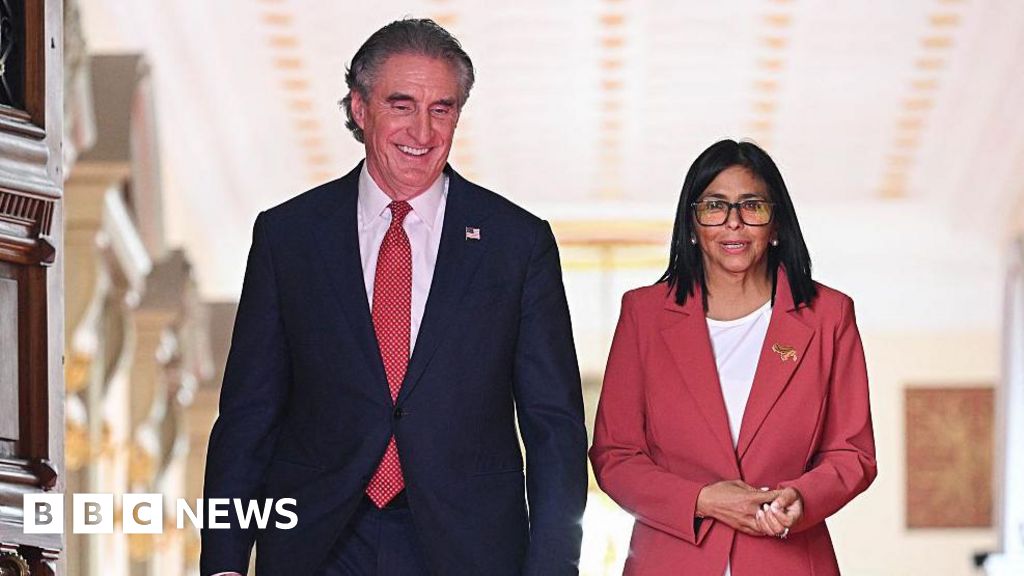
US and Venezuela rekindle diplomatic ties following Maduro’s capture

In a bold move that has sent shockwaves through the international community, the United States announced that it had seized Nicolás Maduro and his wife, marking a decisive shift in its approach to the ongoing crisis in Venezuela. This action, which the US framed as part of a broader effort to promote stability in the region, signals a significant escalation in Washington’s foreign policy objectives and highlights the complex interplay between diplomacy and power in today’s geopolitics. According to official statements, the two sides have committed to a joint effort aimed at fostering stability, yet the underlying implications for regional security remain profound.

Historian and international security analysts have widely discussed the geopolitical impact of this intervention. The move not only challenges the Maduro regime, which has been embroiled in economic collapse and political turmoil, but also shifts the balance of influence across Latin America. Many view the US action as a move designed to weaken the current authoritarian government and pave the way for a different political trajectory in Venezuela. It also raises questions about the future of regional alliances, with countries such as Russia and China—who have historically supported Maduro—likely to respond with strategic caution or increased hostility. The intervention underscores the broader global contest of influence, where superpowers leverage crises for ideological and political advantage.

Furthermore, this incident comes amid howling debates over sovereignty and international law. Critics argue that the US’s actions may exacerbate regional instability and could set dangerous precedents for extraterritorial intervention. The United Nations and other international institutions have issued cautious statements, emphasizing the importance of lawful conduct and multilateral dialogue. Yet, many experts warn that such unilateral actions, if left unchecked, risk undermining the post-World War II order that has largely preserved peace through diplomacy. As analysts like Dr. Laura Bennett of the International Crisis Group point out, the decision “stands at a crossroads of law, morality, and geopolitics, with consequences that could ripple across decades.”

The geopolitical consequences of this new chapter are still unfolding, with nations watching anxiously for the next move. While the US has pledged a joint effort to stabilize Venezuela, the real measure of success will depend on how regional actors respond, the resilience of Maduro’s supporters, and how the Venezuelan people navigate these turbulent waters. As history continues to be written in real-time, the world remains on edge, aware that an event of this magnitude could either usher in a new era of democracy or plunge the region into even deeper chaos. The question remains: which will prevail—the force of history, or the chaos of uncharted futures?

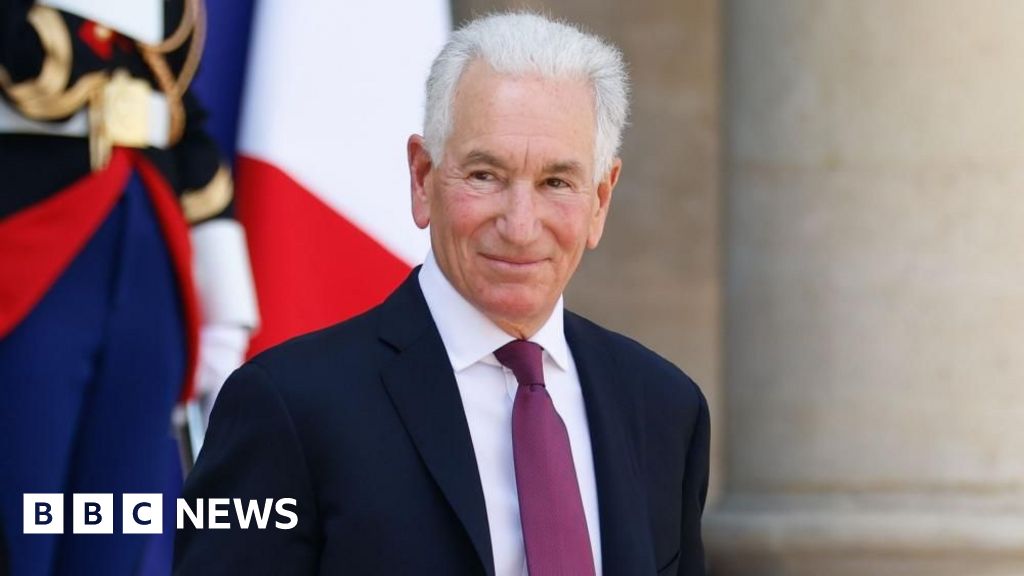
US Ambassador to France to meet Foreign Minister Following Diplomatic Tensions

In a development that subtly underscores the ongoing intricacies of international diplomacy, Charles Kushner recently engaged in a high-level discussion with the French foreign minister. The encounter followed a notable delay, as Kushner failed to respond to a formal summons issued earlier in the week, an omission that has not gone unnoticed by global observers. Such diplomatic lapses, while seemingly minor, can serve as catalysts for broader geopolitical ramifications, especially within the increasingly interconnected fabric of world affairs.

Analysts suggest that this meeting signals a complex shift within traditional diplomatic protocols, emphasizing how individual actors, especially those connected to major economic networks, influence national foreign policies. Historically, figures like Kushner—who has maintained prominent ties with influential political and financial circles—have become symbols of intertwined interests. Their actions often ripple beyond local borders, shaping perceptions among international partners. The failure to respond to diplomatic summons may appear trivial but carries potent implications—potentially undermining trust, sowing confusion, and raising questions about the stability of diplomatic communications amidst growing global tensions.

Furthermore, this incident arrives amid mounting concerns among international institutions and policy analysts about the shifting balance of power. While some interpret Kushner’s delayed response as personal negligence, others view it as symptomatic of broader power struggles and diplomatic uncertainties. The United Nations and regional alliances have repeatedly warned that such disjointed signals weaken collective security efforts. Historian Dr. Emily Harper notes that moments like these—often dismissed as routine—constitute real turning points, revealing how fragile the veneer of diplomatic consensus can be in times of rising global unrest. Decisions to ignore summons or bypass diplomatic norms exacerbate geopolitical fragilities, threatening to unleash unpredictable consequences.

As the world watches, the significance of Kushner’s interaction with France’s foreign minister encapsulates a broader narrative—one where individual actions reflect and influence the tides of history. The unfolding story of diplomatic chasms and alliances is far from static; it serves as a stark reminder that international stability hinges on adherence to established norms and the masters of diplomacy’ ability to navigate turbulent waters. With each decision, nations and societies stand at a crossroads, their future forged in the crucible of these high-stakes encounters. As history continues to write itself, the weight of the moment presses down—*a reminder that the currents of geopolitics are relentless, and no player is too minor to leave a lasting mark.*

Ex-Canberra teen faces execution in Iran amid Aussie diplomatic push

Global Power Dynamics Shift as Iran’s Human Rights Crisis Deepens

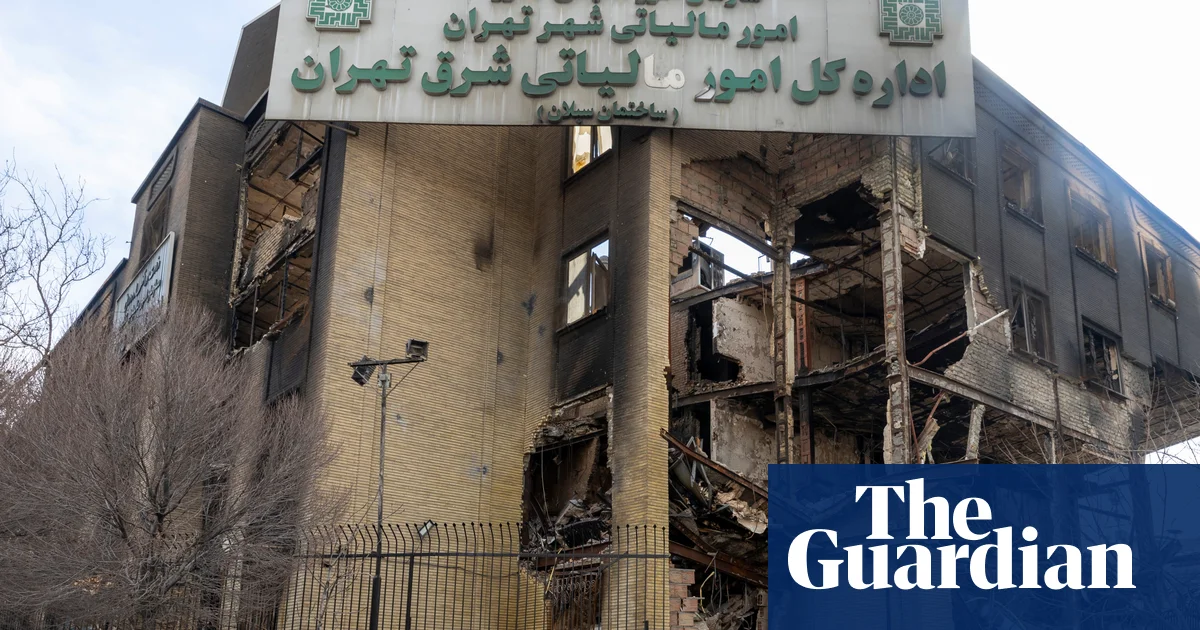
The recent developments surrounding Iran‘s violent suppression of its own people signal a pivotal moment in regional and international geopolitics. As thousands of protesters face brutal crackdowns and reports emerge of potential executions of foreign nationals, including an Australian youth, the world’s attention sharpens on Tehran’s alarming disregard for human rights. The Australian government’s efforts to intervene—making diplomatic representations and offering support to affected families—highlight the increasingly strident global response to Iran’s authoritarian reality. Historian Emily Carter notes that such crises mark a significant turning point where international pressure can influence the course of Iran’s domestic policies.

Moreover, this situation underscores the fragile balance of influence between Western countries and Iran. Following the expulsion of Tehran’s ambassador from Canberra and the suspension of diplomatic ties, Australia’s stance reveals a broader pattern of strategic firmament against Iran’s expansionism and regional destabilization. The recent violence against protesters—estimated to have claimed upwards of 30,000 lives by some sources—is a stark reminder of a regime willing to sacrifice its own citizens for the sake of maintaining power. The international community, led by Western powers, perceives these actions as not just internal conflicts but as threats to global stability, especially considering Iran’s regional influence and its development of nuclear capabilities.

Despite the lack of direct verification, the distressing reports of foreigners, such as the Australian boy, further complicate Iran’s image on the world stage. Diplomatic channels are strained as governments across the globe call for accountability but remain cautious in their engagement. The ongoing crackdown is also a rallying point for international organizations like the United Nations, which debates whether to escalate sanctions or pursue independent investigations. Meanwhile, Iran’s internal turmoil is fueling protests that threaten the regime’s legitimacy, with some analysts warning that the government’s refusal to acknowledge or properly investigate civilian deaths may ignite even greater unrest. The escalation of such internal destabilization risks spreading instability beyond Iran’s borders, potentially triggering a regional conflict entangling the entire Middle East and beyond.

As history continues to unfold, the world watches – hesitant yet resolute. The coming weeks may determine whether Iran’s regime will be held accountable or whether history will record this as a chapter of unchecked tyranny. The stakes are high: nations must decide whether to uphold the moral imperatives of human rights or to accept the stagnation of global morality at the altar of geopolitical convenience. On this turbulent stage, the choices made today will resonate for generations. The question remains: how will this chapter in history be written—by the relentless pursuit of justice or by the silence of complicity?

US Boosts Support as Russia Targets Ukrainian Infrastructure—Progress in Diplomatic Talks

The ongoing conflict in Ukraine continues to shape the geopolitical landscape, as international diplomacy struggles to forge a path toward lasting peace amid relentless warfare. Senior Ukrainian and US negotiators have recently called on Russia to demonstrate a “serious commitment to long-term peace,” highlighting the persistent tensions and the profound difficulty in achieving reconciliation. Despite two days of “constructive discussions” in Florida involving US envoy Steve Witkoff and Ukraine’s security chief Rustem Umerov, no breakthrough has been announced. The central question remains: will Russia genuinely de-escalate, or is this dialogue merely a pause in a conflict that could escalate at any moment?

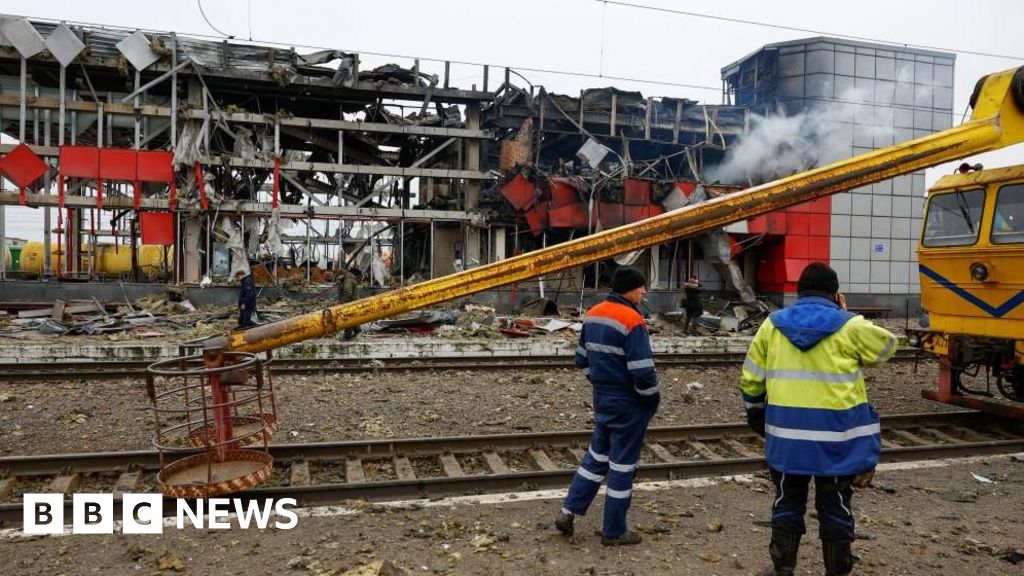
Meanwhile, on the battlefield, Russia has launched a brutal barrage of 653 drones and 51 missiles against Ukraine, striking critical infrastructure such as railway hubs and energy facilities. This attack underscores Russia’s determination to wear down Ukraine’s resilience, even as diplomatic talks continue. Ukrainian authorities report widespread damage, with recent strikes causing blackouts across eight regions and damaging vital energy infrastructure. Ukrainian Foreign Minister Andrii Sybiha condemns this as a blatant disregard for peace efforts, emphasizing that Russia’s strategy seems designed to prolong suffering and deepen divides. The escalation risks drawing international allies into an even more complex confrontation, forcing nations into difficult decisions about support and intervention.

The diplomatic negotiations, which also involved high-profile figures like Trump’s son-in-law Jared Kushner, reveal a layered approach to conflict resolution. American and Ukrainian representatives have agreed on security frameworks and deterrence capabilities, yet key issues—particularly security guarantees and territorial concessions—remain unresolved. Russia’s control over roughly one-fifth of Ukraine, including strategic regions like Donbas, continues to fuel disputes and harden positions. Vladimir Putin demands Ukrainian troops withdraw from these territories, threatening to liberate them by force if necessary. This stance exemplifies the deepening divide, as Russia’s military advances and claims of territorial gains threaten to rewrite the map of Ukraine. Meanwhile, Kyiv and its European partners push for NATO membership or comprehensive security arrangements as the most credible deterrence; yet Russia vehemently opposes NATO’s eastward expansion, framing it as a threat to its security.

Historians and analysts warn that these developments could be a turning point in the modern balance of power. International organizations like the United Nations urge restraint, but their influence diminishes as the conflict persists. As Putin claims recent military successes, and Ukraine seeks vital security guarantees, the global community faces a moral and strategic dilemma. Does the West risk confrontation, or do they must accept a fractured peace that might set a dangerous precedent? The dramatic escalation and persistent deadlock hint at a future where the struggle for influence and sovereignty defines the 21st-century chessboard. The world watches as history’s narrative continues to unfold—fragile, complex, and perilously close to tipping into an even darker chapter.

Social Media Auto Publish Powered By : XYZScripts.com