
Matox News

Truth Over Trends, always!

Jo Malone disappointed after £200,000 lawsuit over her name in fragrances

In a striking case that highlights the tense intersection of personal branding and international corporate power, Jo Malone, the celebrated British perfumer and entrepreneur, finds herself embroiled in a high-profile legal battle that reverberates far beyond her fragrance bottles. Malone, who famously sold her namesake brand in 1999, has recently been sued by Estée Lauder Companies over alleged trademark infringements tied to her collaboration with the fashion retailer Zara. This dispute not only underscores the intricacies of intellectual property law but also signals a broader assertion of brand dominance in a globalized economy increasingly defined by corporate consolidation and strategic legal safeguards.

  • Malone’s initial departure from her brand in 2006 was driven by lucrative deals, yet she has expressed regret, revealing that selling her identity as a creative force was her “biggest mistake”.
  • Her re-emergence with Jo Loves and subsequent collaborations—most notably with Zara—have reignited debates around personal branding, creative ownership, and the legal boundaries companies can impose post-sale.
  • Legal documents suggest that Estée Lauder, owner of brands such as M.A.C, Bobbi Brown, and Estée Lauder itself, views Malone’s use of her name—especially the phrase “A creation by Jo Malone”—as a violation of prior contractual agreements, and aims to recover over £200,000 in damages.

From a geopolitical impact, this case exemplifies how international corporate giants are increasingly asserting control over personal identities and intellectual properties long after initial transactions. Such legal assertions ripple through markets globally, affecting not only individual entrepreneurs like Malone but also the broader creative industries, where the line between personal artistry and corporate branding has become blurred.

International organizations such as the World Intellectual Property Organization (WIPO) continually warn that the rapid expansion of brand portfolios and aggressive legal strategies threaten the spirit of entrepreneurial innovation. Historians emphasize that the fight over Malone’s name reflects a broader trend: in an era of global capitalism, individual creativity is often subsumed beneath the weight of corporate interests. The turning point here is the realization that personal branding, once considered an individual’s asset, now serves as a strategic resource fiercely protected by multinational corporations eager to uphold their monopolies over market segments.

As Malone defends her right to use her personal identity, she underscores an enduring truth: her name is more than a trademark; it embodies her life’s work, her resilience as a cancer survivor, and her creative spirit. Her emotional appeal resonates with many young entrepreneurs who see their personal identity as intertwined with their professional pursuits but face relentless legal and commercial pressures from larger entities. This clash reveals the ongoing struggle to preserve individual autonomy amid the tides of corporate expansion, a struggle that echoes across industries and borders, shaping societies in profound ways.

In the quiet corridors of international legal and economic power, decisions made today carry the weight of history in the making. The outcome of Malone’s case will not only influence personal rights within the beauty industry but also set a precedent for how personal identity and creative ownership are protected—or exploited—in an interconnected world. With each legal skirmish, the narrative of individual agency versus corporate dominance is written anew, whispering a warning to those who seek to carve out their own place amidst the giants. The story remains unwritten, and the final chapter is yet to come, but the echoes of this struggle will undoubtedly reverberate through history—reminding us of the fragile balance between talent, ownership, and power in this new epoch of global commerce.
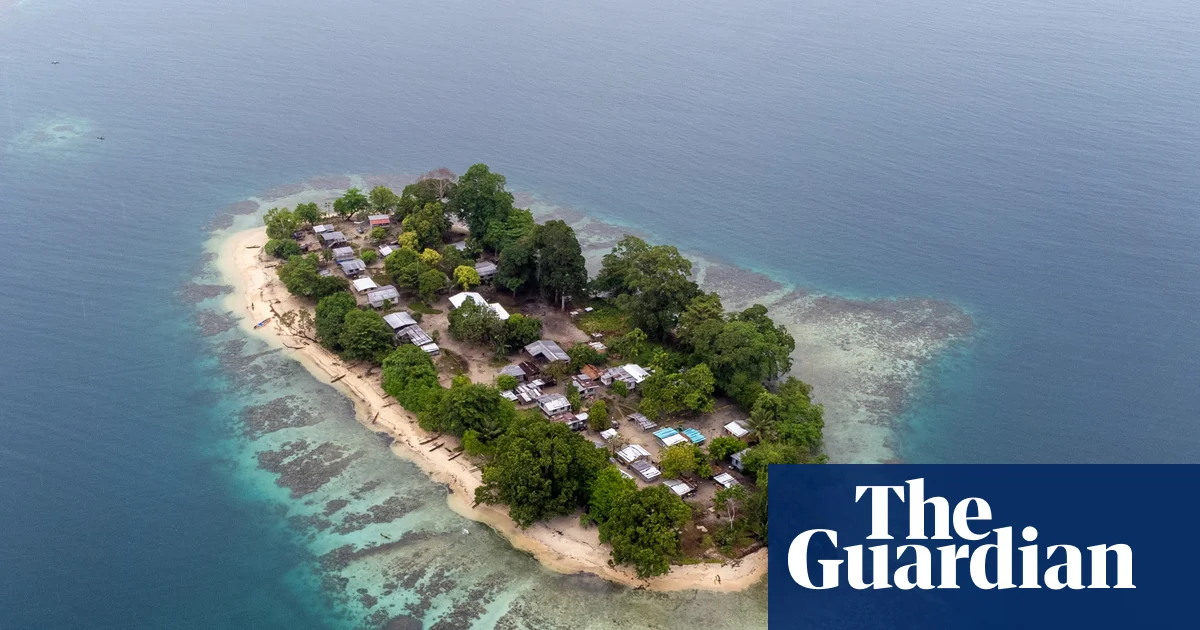

Papua New Guinea disappointed as Australia pulls out of bid to host Cop31

In a development that underscores the geopolitical ripples of climate diplomacy, Australia has officially pulled out of its bid to co-host the upcoming United Nations Climate Conference (COP31), ceding the opportunity to Turkey. This decision marks a significant departure from Australia’s previous plans to position itself as a regional leader in climate action, especially in collaboration with Pacific island nations already on the frontlines of climate change. Such a move sends a *powerful message* about the current priorities of key global players: economic interests and national sovereignty still reign supreme in the face of mounting environmental crises.

Historically, the Pacific islands have been among the most vocal critics of international climate policies, arguing that COP summits frequently marginalize their voices while prioritizing the interests of major polluters. Leaders from nations like Tuvalu and Kiribati have long emphasized the existential threat that rising sea levels pose to their very existence. These nations hoped that co-hosting the summit, in partnership with Australia, would catalyze meaningful commitments and practical solutions. Instead, Australia’s retreat — driven by diplomatic friction with Turkey over hosting rights — exemplifies how geopolitical tensions can overshadow urgent climate needs. Critics, including prominent international analysts such as Dr. William Brown of the Global Climate Institute, warn that the decision reflects a broader reluctance among major Western nations to confront their larger carbon footprints and assume leadership.

Unity within the international community appears fragile as climate diplomacy becomes increasingly intertwined with geopolitics. As Australia steps back, the current plans have a *new compromise*: Turkey will host the summit, while Australia assumes a significant role in steering negotiations. This arrangement, brokered at recent talks in Brazil, highlights the shifting alliances and compromises that typify today’s climate diplomacy. Yet, the Pacific nations remain skeptical about the effectiveness of this compromise, with many questioning whether the international community is truly committed to addressing their plight or merely engaging in empty diplomatic gestures. These tensions reflect a *wider reckoning* about the effectiveness of COP summits; critics argue that the gatherings are more talk than action, often failing to deliver the tangible changes necessary for vulnerable populations.

Meanwhile, the geopolitical narrative is layered with economic and strategic considerations. Australia’s long-standing profits from fossil fuels, paired with political reluctance to face the climate implications of its resource exports, reveal a *conflict of interests* that complicates the pursuit of genuine climate justice. For small island nations, this reluctance is felt acutely; as one leader from Tuvalu remarked, the decision was evidence of “Australia’s non-commitment to climate justice.” Such disparities threaten to deepen divisions on the global stage, risking a future where the most vulnerable are left to fend for themselves amid the relentless advance of climate change. As history unfolds, the question remains whether the international community will prioritize real action or perpetuate the cycle of diplomatic theater, all while millions face the destructive consequences of a warming planet. With the weight of the future pressing down, the world stands on the brink, watching as the pages of history continue to be written in the shadows of political indifference.

Social Media Auto Publish Powered By : XYZScripts.com


