Matox News

Truth Over Trends, always!

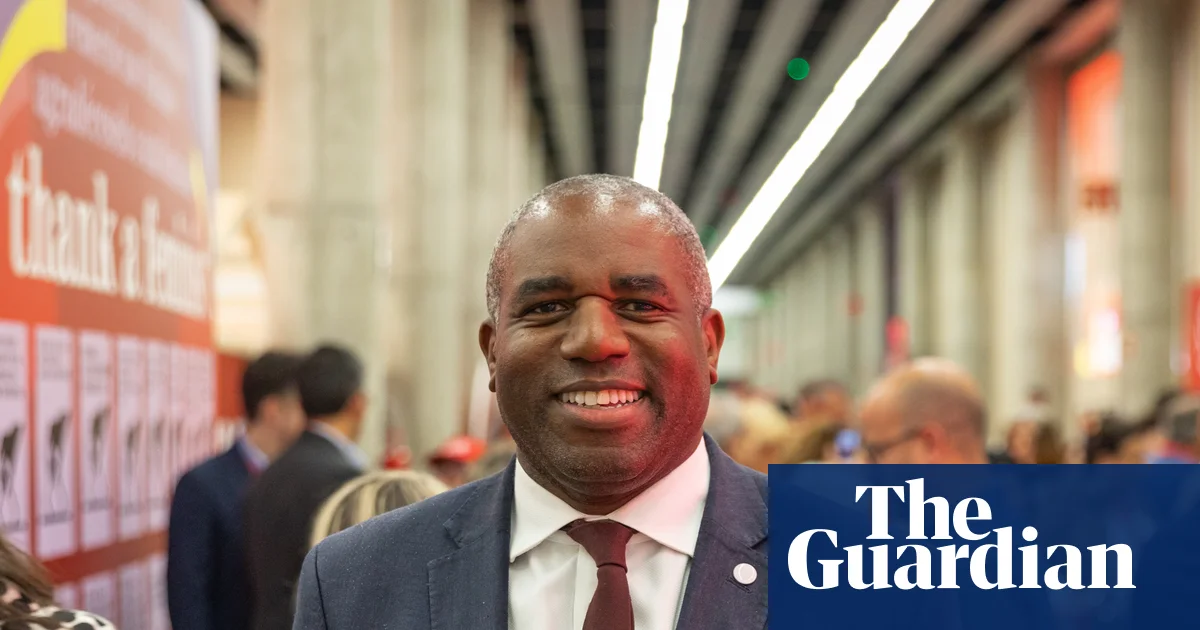
Lammy dismisses Trump’s insults: "Starmer stays focused"
Lammy dismisses Trump’s insults: “Starmer stays focused”

The ongoing Middle East conflict, fueled by the tumultuous developments surrounding Iran, has cast a long shadow over Western geopolitics. The recent clashes have not only intensified regional instability but also ignited a broader global debate on the extent of international involvement and economic stability. President Donald Trump’s provocative rhetoric, including threats against Iran and efforts to escalate pressure on allies such as the UK, highlight a leadership approach increasingly characterized by confrontation and unilateral tactics. Critics argue that such aggression, exemplified by Trump’s recent announcements about resuming peace talks and vowing to “knock out” Iran’s power plants if demands are not met, risks unleashing a new wave of global upheaval.

Amid these tensions, Britain’s diplomatic effort underscores a strategic desire to maintain stability without direct military engagement. Deputy Prime Minister David Lammy, speaking at a global conference, emphasized that “we are not going to get involved in this war”, asserting that the UK’s stance remains rooted in pragmatism rather than imperial posturing. Lammy’s recent trip to Washington aimed at reopening critical channels through the Strait of Hormuz, a strategic shipping route vital to global oil supplies, exemplifies how Britain seeks to balance economic interests and diplomatic neutrality. Analysts like those from the International Crisis Group suggest that the geopolitical impact of this approach could influence global energy markets and international trade, with any escalation threatening to trigger a much wider conflict disrupting supply chains worldwide.

Meanwhile, U.S. domestic politics continues to influence the course of the conflict, as highlighted by President Trump’s recent statements. His announcement of renewed negotiations with Pakistan and threats against Iran underscore an aggressive posture that, according to international scholars, risks destabilizing an already fragile situation. Historians warn that similar brinkmanship during the Cold War demonstrates how miscalculations can escalate into full-scale crises. The U.S. is now in a race against time, with midterm elections prompting policymakers to prioritize short-term political gains over long-term stability. Lammy’s comments, emphasizing concerns about affordability and living standards, reflect a broader awareness that the wars in Ukraine and the Middle East are interconnected crises exacerbating the global economic downturn. This interconnectedness illustrates how decisions made in the corridors of power ripple across societies, often with dire consequences for everyday citizens.

Amidst diplomatic maneuvers, the upcoming UK state visit to the United States by King Charles III and Queen Camilla further amplifies the undercurrents of historical relationships strained by recent disagreements and realignment efforts. Lammy underscored that, despite political differences, the special relationship remains resilient, rooted in shared interests and a history of navigating disagreements with decorum—an approach he laments as increasingly rare in today’s social-media-driven age. Yet, beneath this veneer of diplomacy, the transatlantic alliance faces profound challenges, from economic protectionism to divergent responses to regional crises. The EU, too, continues to serve as a key economic partner, with Lammy advocating for closer alignment, especially on trade matters, as Britain braces for the upcoming European elections and the evolving landscape of international alliances.

As history unfolds, the weight of events in the Middle East, Europe, and North America threatens to reshape the global order. Each decision—each tweet, each diplomatic meeting—embeds itself into the narrative of our age. Will the world’s superpowers find a path to de-escalation, or are we hurtling toward a new epoch of turmoil? The coming months will reveal whether diplomacy and reason can still prevail over chaos, or if the echoes of past failures will resound louder, condemning future generations to the shadows of a world teetering on the brink. The pages of history are turning, and the global stage remains set for a story that could redefine our destiny.

Jorginho dismisses Chappell Roan security incident as a “misunderstanding” — setting the record straight amidst rising concern

In an era where the cultural fabric becomes increasingly fragmented, it remains essential to recognize the enduring significance of identity, tradition, and the societal role of cultural icons. The recent incident involving footballer Jorginho and singer Chappell Roan at a São Paulo hotel underscores how modern misunderstandings can reflect deeper tensions within our collective psyche. Jorginho’s initial reaction, which he later characterized as a “heat of the moment” response, reveals the primal instinct to protect one’s family—a fundamental aspect of personal and cultural identity. In this context, the protection of one’s loved ones echoes through history as a universal motif, resonating with the ancient valorization of family and community that underpins civilizations from the classical Greek polis to the medieval clannish society.

What this incident illustrates is a broader cultural phenomenon: the confrontation between protean individualist impulses and the institutional or societal structures that seek to define and regulate social interactions. Jorginho’s subsequent clarification highlights a crucial point—that misunderstandings are often fueled by a lack of shared cultural context and that truth often emerges from dialogue and clarification. His acknowledgment of new information and the resultant clarification reflect the ongoing importance of truth and transparency in the preservation of social harmony. As Tocqueville observed, modern societies are plagued by the “tyranny of the majority,” which can easily suppress individual narratives. Yet, through open dialogue, individuals can reaffirm their place within society’s moral fabric, emphasizing that culture’s role is to foster understanding amid diversity.

Furthermore, the incident’s resolution attests to the resilience of cultural memory and unity in the face of conflict. Chappell Roan’s own response, denying any aggressive behavior from her team, and Pascal Duvier’s public statement about the misunderstanding, underscore the importance of clarity and accountability in today’s interconnected world. The cultural fight, real or perceived, often hinges on the availability and interpretation of information. As Ortega y Gasset argued, the mass man’s worldview is shaped by the narratives supplied to him— hence, the power of culture in shaping our perceptions. This incident reveals how fragile social cohesion can be, yet also how resilient it is when driven by a shared commitment to truth and justice.

At its core, this episode echoes the enduring truth that culture is both a living memory and a prophecy of humanity’s future. It serves as a reminder that our collective identity—formed over centuries through stories, symbols, and shared values—must be preserved and critically examined to meet the challenges of an ever-changing world. Culture is not merely aesthetic but the quintessence of society’s moral and spiritual essence. As Chesterton once remarked, “Culture is simply informed by the divine in us, echoing eternity through transient forms.” This delicate balance of tradition and progress invites us to see ourselves as custodians of a legacy that is both rooted in the past and a guide to the future, ensuring that our civilization remains alive, truthful, and nobler amidst the storms of misinterpretation.

In the end, these moments of misunderstanding and resolution are but threads in the grand tapestry of human history—each one weaving the narrative of memory and prophecy. Culture, like a lighthouse guiding ships in darkness, illuminates the pathway between the present and eternity. It is in safeguarding our stories, understanding our symbols, and defending our shared values that we find the true meaning of civilization: a testament to the resilient, enduring spirit of humanity, ever reaching toward the divine horizon that beckons us beyond the horizon of yesterday.

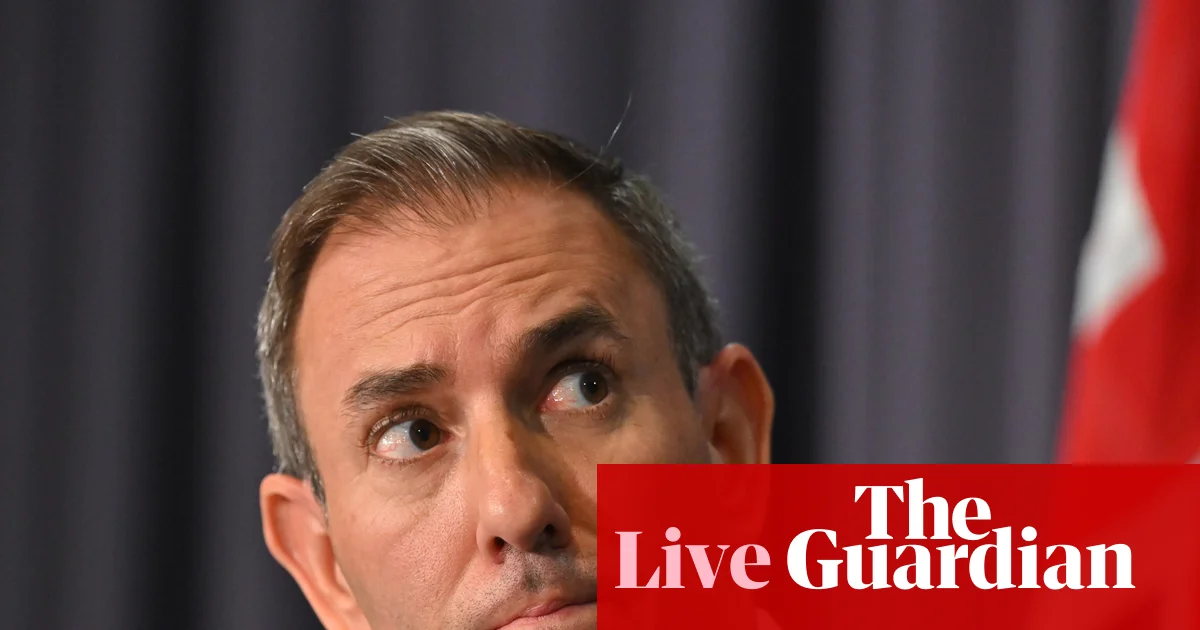
Australia Politics: Chalmers dismisses recession fears; Pocock hits back at seniors’ shower charge scandal

Global Power Plays Reshape International Landscape Amid Domestic Challenges

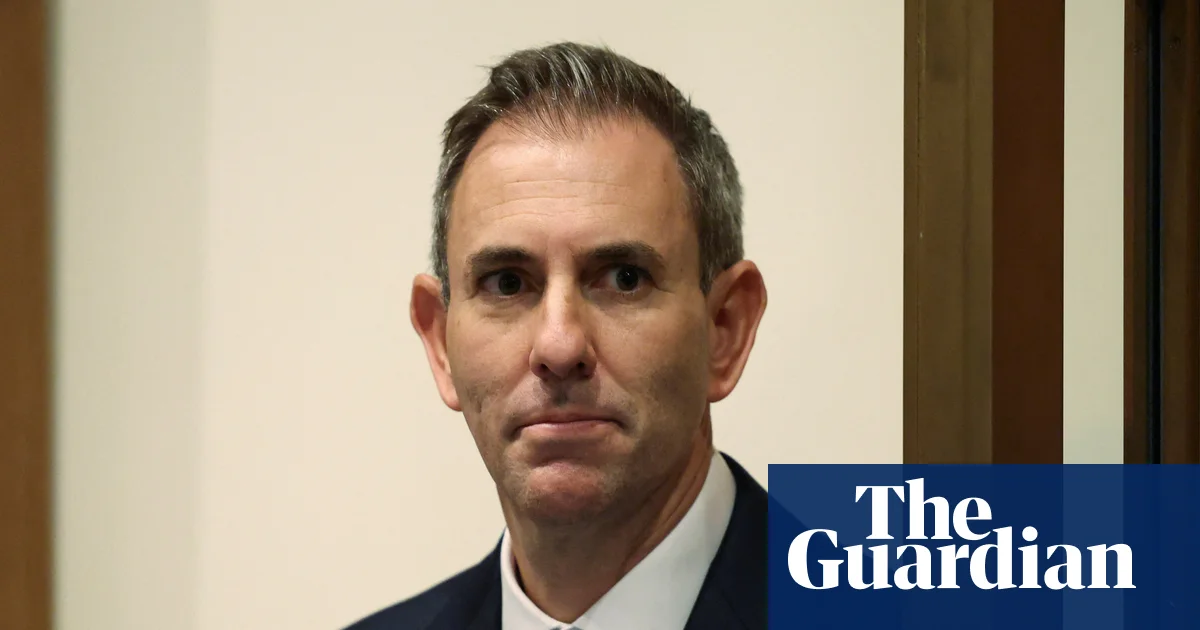
In a rapidly evolving geopolitical theater, Australia finds itself navigating a delicate balance between internal stability and external pressures. Recent statements from Jim Chalmers, the nation’s treasurer, reveal a cautious approach as the government publicly distances itself from enforcing Covid-style mandates, opting instead for voluntary measures to manage ongoing crises. While this might appear as a cautious stance, it underscores the broader global trend of nations prioritizing sovereignty and economic sovereignty over draconian restrictions—an approach that resonated with many analysts who emphasize the importance of national autonomy in safeguarding societal freedoms.

Meanwhile, international institutions and a flurry of diplomatic negotiations underscore a broader shift towards economic realignment. Recently, Australia signed an extensive free trade agreement with the European Union, opening the door to duty-free access for nearly 98% of Australian goods and greater market exposure to the continent’s 450 million consumers. This agreement, signed after over eight years of meticulous negotiations, highlights a strategic move to diversify trade dependencies amid geopolitical tensions, especially with the ongoing unrest in the Middle East. As European products—such as champagne, wine, cheeses, and auto parts—become more affordable within Australia, the trade minister, Don Farrell, emphasizes that this is a testament to the nation’s resilience and strategic foresight in a volatile international environment.

Domestically, however, challenges continue to shape political discourse. Anthony Albanese and his government face mounting public scrutiny, with polls indicating a minor dip in popularity. Contributing to this unrest are reports like those from Independent senator David Pocock, who exposes stories of older Australians being charged as much as $200 to shower—a clear indicator of systemic issues within the aged care sector. Such revelations set the stage for urgent reforms, with lawmakers calling for transparent pricing and improved oversight. As analysts warn, these are not isolated incidents, but signs of deeper societal fractures that threaten not only the wellbeing of vulnerable populations but also the moral fabric of the nation.

On the economic front, Chalmers cautiously projects that while Australia’s economy is expected to weather external shocks—particularly the fallout from regional conflicts—growth will be tempered with inflation continuing to rise beyond initial forecasts. Experts note that inflation estimates of 5% are now seen as conservative, with some forecasting higher figures as global tensions, specifically those in the Middle East, impair supply chains and inflate energy prices. The Australian government, wary of another recession or economic downturn, prefers a voluntary approach to measures like fuel excise cuts, emphasizing responsible supply and regional cooperation over sweeping mandates. Yet, the cultural and societal implications of this stance are profound, highlighting a global return to a pragmatic, sovereign-centered approach that values liberty amid turbulence.

Australia Politics Live: Labor dismisses fuel rationing talks; rejects $40 cap, says it's too soon for price controls
Australia Politics Live: Labor dismisses fuel rationing talks; rejects $40 cap, says it’s too soon for price controls

Unfolding Crises and Strategic Dilemmas: Australia’s Role on the Global Stage

In an era marked by turbulent geopolitical currents, Australia finds itself at a crucial crossroads amidst internal crises and external pressures. Recent developments reveal a nation grappling with economic vulnerability, security threats, and the daunting task of balancing national sovereignty with international commitments. While the Australian government publicly downplays the possibility of fuel rationing or drastic price caps, the underlying tensions expose the fragile state of the country’s supply chains and economic resilience. This unfolding scenario demands a careful evaluation of how decisions made today will echo through the corridors of global influence for generations to come.

Amid mounting concerns over fuel shortages and rising prices, Canberra has employed measures to bolster supply, including relaxing fuel standards and contemplating increased ethanol integration—a move supported by regional stakeholders like the NRMA. The government’s careful public stance—emphasizing that “it’s too soon to talk about rationing”—belies the mounting pressure from economic analysts who warn that persistent inflation, driven in part by regional conflicts such as the ongoing crisis in the Middle East, could cripple the economy if swift, strategic action is not taken. Critics argue that such measures are only postponing the inevitable, highlighting the urgent need for long-term energy independence.

Security Concerns and Domestic Instability

Security experts and international observers signal that **Australia’s internal stability is being tested by covert threats and ideological radicalization**. The recent thwarting of a terrorist attack at an Invasion Day rally—an incident revealing a homemade explosive device weighted with screws and ball bearings—has rekindled debates about national security strategies. *Tony Burke*, the home affairs minister, expressed a somber tone, noting that “we were incredibly lucky” that no harm was inflicted. Such incidents underscore that the threat matrix has fundamentally shifted, with radicalization increasingly occurring online rather than in traditional training camps.

World analysts like Dr. Lucinda Harris, a geopolitical security specialist, caution that Australia’s vulnerabilities are emblematic of a broader regional instability. As alliances are tested and the Middle East’s turmoil pushes oil prices upward, **the country’s internal security and social fabric face compounded stress**, threatening to erode public confidence. These developments are casting a shadow on Australia’s international reputation—raising profound questions about how sovereignty can be safeguarded in an interconnected, risky world.

Trade, Energy, and Divergent Visions for the Future

The recent agreement to deepen trade relations with the European Union—dubbed a “win-win” by *Trade Minister Don Farrell*—epitomizes Australia’s attempt to diversify its economic partnerships. Yet, critics argue the deal primarily favors European markets, leaving Australian producers and regional industries vulnerable to the volatile energy landscape. Notably, support for the Australian Tomago aluminium smelter—a critical node in regional economic stability—receives a lifeline through a $2bn taxpayer subsidy aimed at maintaining its viability into the future. Such investments are strategic, seeking to protect key industries from the unpredictable winds of international geopolitics.

Internationally, Australia’s stance on energy independence and resource development remains ambiguous. While publicly dismissing ideas like a $40 fuel cap, the government quietly considers broad reforms—ranging from tax concessions to windfall gas levies—that seek to balance fiscal responsibility with regional growth. Historical analysts like Dr. Robert Gibbs warn that “oscillating between resilience and reform shapes a nation’s geopolitical destiny”. As regional powers and traditional allies reconsider their commitments, Australia’s ability to chart a stable course amidst tumult will ultimately determine its future role on the world stage.

Conclusion: The Weaving Tapestry of History

As the wheels of history continue to turn, the choices of today carve the contours of tomorrow’s global landscape. Australia’s internal battles—fuel shortages, security fears, economic reforms—are a mirror for the complex, interconnected chessboard on which global power is contested. With each policy decision, the nation writes a new chapter in its story, a narrative shaped by resilience, caution, and the relentless pursuit of sovereignty amidst the shadows of rising regional and global conflicts. This is not merely a tale of national survival but an epic saga of a country striving to forge its destiny amid the thunderous march of history’s relentless advance.

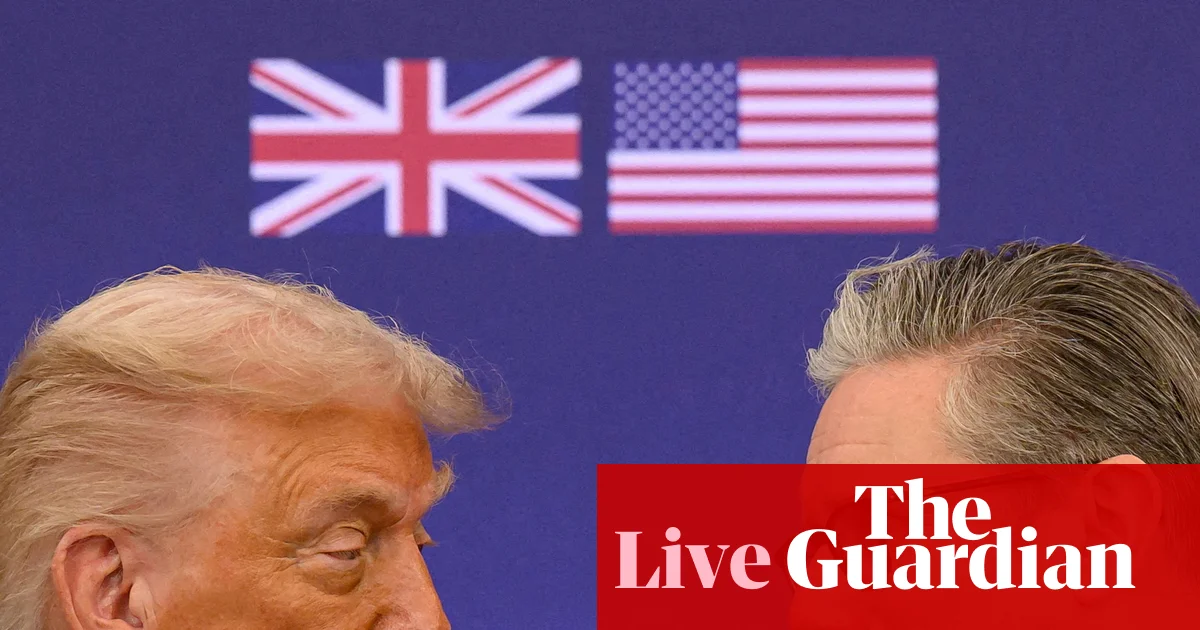
UK Minister dismisses Trump’s Nato threat, vows alliance can endure current challenges — UK Politics Live

Global Power Dynamics Shaken by US and UK Tensions Amidst Trump’s Provocations

As Donald Trump continues to flirt dangerously with the edge of diplomatic conflict, America and Britain find themselves at a pivotal juncture. During a revealing interview with the Financial Times, Trump implicitly threatened to withdraw US support for NATO if allies like the UK failed to step up militarily in the Gulf. The provocative rhetoric underscores a broader pattern of transactional diplomacy that threatens to unravel the fragile foundation of international alliances built over decades of shared interests. Subtle signals of a potential rollback of NATO’s mutual defense pact could plunge the West into a period of uncertainty and strategic vulnerability.

This come amid escalating tensions over Iran, particularly concerning the Strait of Hormuz—an essential global choke point for oil shipments. Despite dismissing the UK’s recent stance dismissively—asserting that the US does not need British naval support—Trump’s recent call for NATO to deploy minesweeping drones and even military units to counter Iran’s influence indicates a disparity between rhetorical bravado and pragmatic policy. Analysts from the European Security Council warn that such mixed signals threaten to weaken NATO’s cohesive deterrence, crucial for maintaining stability in an increasingly unpredictable geopolitical landscape. How the UK and allied nations respond now could determine the future of Western influence in the Middle East and beyond.

Strained Ties and Strategic Calculations

Within Britain, Pat McFadden, the work and pensions secretary, has played down Trump’s threats, emphasizing that the US-UK alliance remains “strong enough to outlast” this period of uncertainty. This reassurance underscores a classic posture among Western allies: reaffirming enduring bonds despite tumultuous leadership. Yet, international commentators like historian John Mearsheimer argue that such rhetoric, combined with Trump’s transactional approach, risks eroding the very foundation of collective security agreements. Meanwhile, Mark Rutte, NATO’s secretary general, pointed out that America’s mutual defense clause, Article 5, which has only been invoked once—after 9/11—can hardly be taken for granted in an era marked by unpredictable US policy shifts.

Additionally, Trump’s call for NATO to send military units to patrol the Iranian shoreline, and for European countries to lend minesweepers, reveals a deeper underlying threat: that of a fractured alliance where mutual commitments may no longer be as dependable. The concerns resonate strongly with military strategists who worry that NATO’s cohesion is under unprecedented strain. How these decisions will ripple across society—affecting energy security, trade routes, and military preparedness—remains very much a question with global stakes.

Implications for International Stability

Amidst the diplomatic turmoil, Keir Starmer of the UK Labour Party is expected to respond later this morning, promising to support households hit hardest by rising energy prices—measures worth millions aimed at alleviating economic strains. However, the broader geopolitical narrative appears rooted in a deeper contest: whether the West can maintain a united front or whether internal divisions and unpredictable leadership will give way to greater instability. International analysts emphasize that Trump’s unpredictable tactics are a warning sign, yet the response from Britain and Europe will reveal if they can safeguard their strategic interests in this new era.

As history unfolds daily, decisions made in the coming weeks will echo through generations. Will NATO adapt swiftly, preserving transatlantic strength? Or will the fractures widened by Trump’s unpredictable rhetoric cause the alliance to splinter, ushering in a new era of geopolitical chaos? The weight of history presses heavily on the present, a reminder that in global diplomacy, today’s choices are the foundations of tomorrow’s legacy. The unfolding drama leaves the world watching anxiously, as the aims of power, security, and influence collide in a theater where the stakes could not be higher.

Pete Hegseth dismisses Straits of Hormuz risks: ‘No need to worry’ – US Politics Live | Trump

Global Tensions Soar as U.S. Military Challenges Iran’s Naval Offensive in the Strait of Hormuz

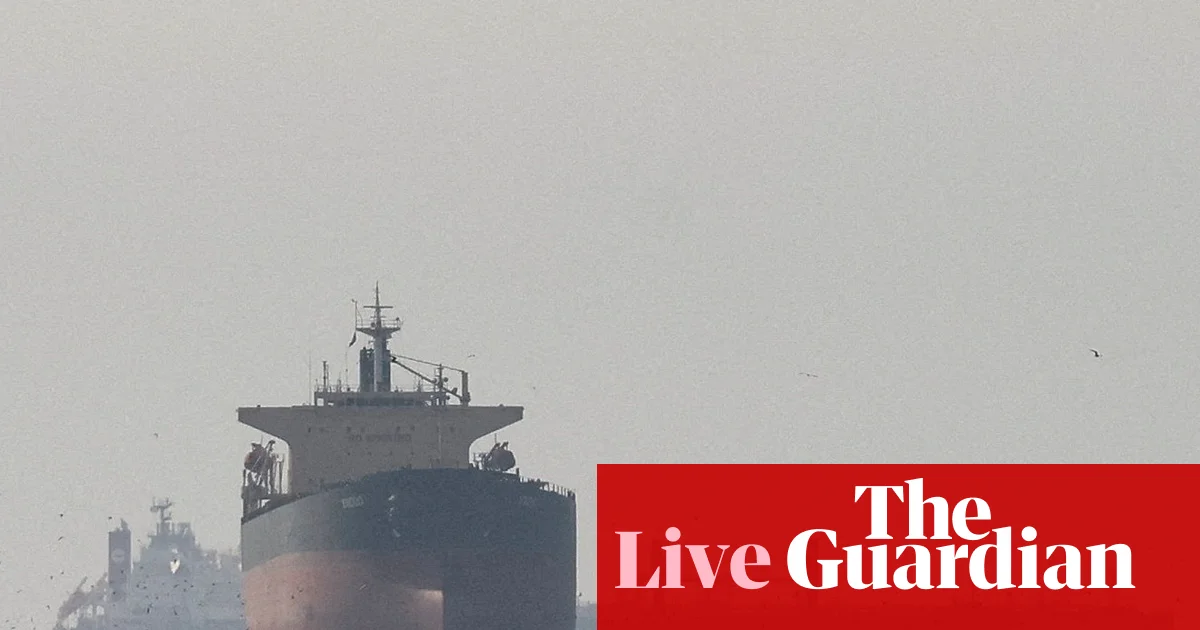
In a dramatic escalation of Middle Eastern conflict, the United States has openly declared its military efforts to secure the vital Strait of Hormuz, a critical choke point for global oil supplies. With over 1,000 cargo ships held hostage after Iran’s self-initiated blockade, the U.S. has responded with a decisive military campaign targeting Iran’s navy—claiming to have destroyed 28 Iranian mine-laying vessels in recent days. Defense Secretary Pete Hegseth has asserted that the U.S. is “decimating” Iran’s military capacity “in a way the world has never seen before”, emphasizing that the U.S. has strategically planned for every possible action to ensure the flow of commerce through this crucial waterway remains uninterrupted.

Historian and international security analysts recognize this as a turning point with profound geopolitical impact. The U.S. has long sought to dominate control over Middle Eastern waterways, but Iran’s recent attempt to blockade the Strait has ignited open conflict. American officials, citing intelligence reports, affirm that Iran’s strategy includes laying more underwater mines, complicating efforts to re-establish free navigation. While Donald Trump has boasted about the heavy-handed destruction of Iranian naval capabilities, many experts warn that this aggressive stance could intensify the ongoing regional chaos, setting the stage for wider confrontation.

Within Iran, questions are mounting regarding the competency and legitimacy of the country’s new supreme leader, Mojtaba Khamenei. U.S. officials, including Hegseth, cast doubt on whether he effectively commands the fractured Iranian regime, describing him as “scared” and “injured” following the U.S.-Israeli covert operations that targeted his family. Such internal instability potentially stimulates unpredictable Iranian responses, analysts say, which could include renewed missile and drone attacks against Gulf Arab states. The repeated warnings from Iran’s leadership about American presence in the region signal a dangerously volatile phase, with the possibility of regional war spiraling beyond control.

Amid this turmoil, the geopolitical landscape is shifting dramatically. U.S. President Donald Trump has threatened “major retaliation” against Iran following Friday’s attacks on Gulf Arab states, including widespread drone assaults at Saudi Arabia. His rhetoric underscores a narrative of decisive U.S. dominance; however, critics from both sides of the political spectrum warn that such provocations threaten to destabilize an already fragile Middle East. Meanwhile, economic repercussions are rapidly emerging—gas prices have surged by more than 60 cents per gallon in key areas like Michigan, with prices at some stations already exceeding $4.30 per gallon. This inflationary shock not only affects consumers but has strategic consequences in swing states like Michigan, where economic stability often influences U.S. national elections. Political analysts warn that the rising energy costs coupled with ongoing military conflicts could significantly impact the forthcoming U.S. midterm elections.

As history unfolds in real time, the eyes of the world remain fixed on the Persian Gulf, where the mighty currents of geopolitics threaten to drown nations in chaos. With each military strike and diplomatic warning, the weight of history’s decisive chapter bears down, forcing nations to grapple with the legacy they forge in a region teetering on the edge of full-scale war. The question remains: will this be a calculated move towards stability or the spark that ignites a broader, multidimensional conflict that reshapes the world order?

Iran dismisses Trump’s call for surrender, labeling it a “dream” amid US-Israel tensions

International Conflict Deepens as Iran and Israel Clash Amid Global Unrest

The ongoing conflict in the Middle East has entered a perilous new phase, threatening to reshape the geopolitical landscape. Iran, defying pressures from United States and its allies, remains unwavering in its stance against capitulation. In a rare televised address, President Masoud Pezeshkian of Iran rebuffed Donald Trump‘s recent demand for an “unconditional surrender”—a call from Washington that many analysts argue was aimed at crippling Iran’s resolve. Pezeshkian’s assertion that Iran “would never capitulate” underscores the resilient, defiant posture of Tehran, signaling a potential prolongation, or even escalation, of the hostilities. His remarks, along with an apology to neighboring Gulf nations for recent strikes, reveal a nuanced attempt by Iranian leadership to navigate regional tensions and avoid further isolation, even as their military actions ignite new flames in this growing conflagration.

The geopolitical impact of this conflict extends far beyond Iran’s borders. In response to Iranian strikes, Israel has launched a fierce counteroffensive, involving a wave of pre-dawn airstrikes on critical Iranian military sites, including airports, command centers, and missile facilities. Israeli officials confirmed the deployment of 80 fighter jets in this latest assault, targeting Tehran’s military infrastructure and setting Mehrabad International Airport ablaze. This escalation signals a profound shift—diplomacy appears all but abandoned as the conflict spreads across regional lines. Meanwhile, Iran’s retaliation has manifested in attacks on Jerusalem, Gulf cities such as Dubai and Manama, and near Riyadh, where Saudi Arabia reported intercepting a ballistic missile aimed at a U.S. host base. Experts warn that such exchanges risk igniting a broader regional war, with global oil supplies and international stability hanging in the balance.

Global institutions like the United Nations and NATO have called for restraint, yet the relentless cycle of violence suggests diplomacy remains elusive. From the Strait of Hormuz—a critical maritime choke point—Iran announced the targeted sinking of the oil tanker Prima, further threatening the flow of global energy resources. The dire toll, with over 926 civilians killed and 6,000 injured, paints a stark picture of the human cost behind the geopolitical chess game. As Hezbollah and other Iranian-backed groups extend the conflict into Lebanon and the eastern Mediterranean, the specter of a wider regional war looms, risking destabilization of entire societies. Experts from think tanks such as the Council on Foreign Relations warn that these developments could ignite a chain reaction, pulling in multiple nations into a conflict with the potential to redraw alliances and threaten democratic institutions worldwide.

As history watches silently, the unfolding narrative remains uncertain—each decision, each strike, fueling a conflict that no one can truly predict. The specter of war now casts its shadow across the region and beyond, a reminder that in the corridors of power, every action has a consequence, and the course of history is ultimately written by those willing to risk everything in pursuit of their vision. The world holds its breath as the stakes escalate—will diplomacy yet find a foothold amidst this chaos, or are we witnessing the dawn of a new, darker era of regional and global upheaval?

OpenAI dismisses employee over insider trading in prediction markets

Insider Trading Scandal Signals Disruption and Urgency in Prediction Market Technology

In a move that underscores the increasing risks associated with technological innovation, OpenAI has terminated an employee amid investigations linking them to the misuse of confidential data on prediction market platforms like Polymarket. The incident reveals a critical vulnerability at the intersection of advanced AI development and blockchain-based trading, highlighting how emerging technologies are being exploited for personal gain. This breach not only disrupts trust within the industry but also raises broader questions about the integrity and regulation of these rapidly growing markets, which are poised to redefine the landscape of financial and technological disruption.

The surge in popularity of prediction markets over recent years exemplifies their capacity to impact industries ranging from sports and entertainment to the core of tech innovation. These platforms, allowing users to bet on the outcomes of future events—from corporate earnings to geopolitical decisions—represent a disruptive force capable of altering traditional information symmetry. Companies like Kalshi have taken steps to combat insider trading, reporting suspicious activities to regulatory agencies such as the Commodity Futures Trading Commission. Meanwhile, Polymarket remains largely silent on the burgeoning scandal, prompting concern among industry analysts about the potential for unchecked manipulation and abuse.

Experts warn that the underlying technology underpinning prediction markets is ripe for exploitation. Insider knowledge, when combined with pseudonymous blockchain transactions, creates a fertile ground for market manipulation and unfair profit-making. The recent findings, including clusters of suspicious activity surrounding OpenAI-themed events prior to major product launches, evoke memories of the infamous “Google whale,” a pseudonymous trader who profited over $1 million by trading on Google-related events. This pattern signals that even highly innovative platforms are vulnerable to malicious activities, forcing industry leaders and regulators to confront the risks of technology-driven insider trading.

Innovation in disclosure and regulation is imperative for industry stability

The promising trajectory of prediction markets as tools for real-time forecasting and market intelligence is now under threat from these shadowy activities. What was once heralded as a revolutionary way to democratize information dissemination and disrupt traditional finance is now facing the pressing need for robust oversight and technological safeguards. Institutions such as MIT and industry analysts like Gartner emphasize that integrating AI-driven monitoring systems and increasing transparency could mitigate market manipulation, fostering investor confidence and regulatory compliance. The implications are profound: without intervention, the very essence of innovation within these platforms risks being undermined by misconduct and lax oversight.

Looking ahead, the tension between disruption and stability in prediction markets represents a defining challenge for the emerging tech economy. The rapid pace of innovation demands that companies and regulators act swiftly to establish rigorous compliance frameworks and leverage AI for fraud detection. As industry figures like Elon Musk and Peter Thiel champion, the future belongs to those who can balance cutting-edge development with responsible governance. The evolving landscape of prediction markets will undoubtedly be a battleground for technological supremacy, regulatory influence, and ethical standards — with the stakes higher than ever for the future of innovation.

Minister dismisses Mandelson's Epstein outrage as overblown—UK politics live
Minister dismisses Mandelson’s Epstein outrage as overblown—UK politics live

International Watch: UK Political Shake-up and the Rift over Peter Mandelson’s Controversy

The unfolding saga within Britain’s political landscape signals more than just internal strife; it echoes across the corridors of global power. Recent revelations concerning Peter Mandelson, a veteran political figure, have ignited widespread debate about accountability, morality, and national security. As he faces fallout from allegations linked to Jeffrey Epstein, the ripple effects threaten to reshape diplomatic and parliamentary standards worldwide. The controversy underscores how decisions made within Britain’s political elite are now dissected through a global lens, emphasizing the geopolitical impact of leadership scandals in an interconnected era.

Leading political voices, such as Ed Davey of the Liberal Democrats, are demanding a public inquiry into Mandelson’s associations, particularly citing concerns over national security and the rule of law. They argue that the leak of sensitive government information, allegedly by a minister acting as a mole, could have posed a grave threat to Britain’s institutional integrity. International analysts and organizations, including security experts, emphasize THAT lack of transparency in such cases fuels public distrust and weakens diplomatic credibility. In an age where soft power and diplomatic resilience are paramount, the fallout from internal scandals can weaken Britain’s stature on the world stage, especially if elites dodge accountability or dismiss serious allegations as ‘disproportionate’.

In the midst of the controversy, Mandelson’s own comments accentuate a troubling narrative. His assertion that “hiding under a rock would be a disproportionate response” to emails—some of which have linked him to misconduct—appears to dismiss the gravity of the allegations. Historians and political commentators warn that such dismissals only deepen international skepticism of Britain’s political class. As Katy Balls, a respected political journalist, highlights, Mandelson’s lack of contrition and his claims of naivety may serve to further erode public trust in a time when integrity is desperately needed. The UK’s decisions to address this crisis will inevitably influence how other nations hold their elites accountable, potentially setting a precedent for transparency or deterioration into diplomatic shadows.

Meanwhile, within Western democracies, the debate about the role of elites, morality, and security has intensified. The discourse underscores a broader, turning point: nations worldwide are revisiting their ethics and vetting processes for political and diplomatic appointments. With the US and European countries watching, the UK’s handling of Mandelson could be interpreted as either a reaffirmation of accountability or a capitulation to political expediency. Decisions made now will influence the future of governance standards across liberal democracies, impacting societies’ trust in their institutions and their leadership’s capacity to confront uncomfortable truths.

In the saga’s shadow, the words of security analysts and historians remind us that this is more than a scandal; it is a vonerable moment that could define Britain’s role on the world stage for generations. As the government prepares for a busy day of parliamentary debates and policy discussions, the weight of history settles heavily. The question remains: will Britain emerge from this crisis with renewed integrity and transparency, or will it perpetuate the shadows that threaten to undermine both its democracy and its international reputation? The answers lie in the choices made today—choices that will forever mark the course of history as the world continues to watch and judge.

Clive Palmer dismisses Bannon's claim he plotted 2019 Aussie election ad gambit
Clive Palmer dismisses Bannon’s claim he plotted 2019 Aussie election ad gambit

Global Political Power Plays Unveiled: The Hidden Hands Behind Elections and Their Geopolitical Impact

In recent developments that underscore the complex web of international influence, controversial revelations have emerged concerning the 2019 Australian federal election. While official narratives often emphasize local democratic processes, evidence suggests that covert foreign interventions and international strategists may have played a significant role in shaping the outcome. An investigation into documents released by the US Department of Justice has shed light on communications allegedly involving Steve Bannon, a notorious figure in American right-wing politics, and the enigmatic figure linked to Jeffrey Epstein. These messages seem to imply that strategic foreign-backed advertising campaigns targeted Australian voters, aiming to polarize politics and influence policy directions.

Specifically, the messages purport that Bannon claimed to have orchestrated a \u201c$60 million anti-China and climate change\u201d advertising blitz for billionaire Clive Palmer. Such assertions are currently under skepticism, with Palmer’s spokesperson dismissing them as mere “bullshit.” Nonetheless, the implications of these claims point to a broader pattern: the use of shadowy political meddling as a tool to sway elections on a national level, with far-reaching geopolitical consequences. As analysts observe, these tactics not only distort democratic processes but also weaponize misinformation to bolster strategic allies and weaken adversaries in Asia-Pacific—a region of escalating importance in global geopolitics.

How Decisions to Influence Elections Reshape Society and Global Power Dynamics

Historically, commentators and analysts such as Professor Anne-Marie Slaughter have warned that the lines between domestic politics and international influence are blurring dangerously. The recent Australian case exemplifies this, with local elections being affected by foreign-funded campaigns that amplify fear and suspicion—particularly regarding China, a rising superpower. The 2019 election’s aggressive advertising campaigns, which included claims of a \u201cclanestine\u201d Chinese takeover, exemplify how powerful narratives can be used to mobilize voters, often based on outright misinformation or fearmongering. This phenomenon exemplifies a new battleground for global influence, where national sovereignty and societal trust are increasingly vulnerable to covert foreign manipulations.

Moreover, influential international organizations such as the United Nations have expressed concerns over these trends, warning that such covert interventions threaten the very foundation of democracy. At the same time, Western governments face a critical challenge: how to combat misinformation without infringing on sovereignty or free speech. The case of Clive Palmer’s campaign also highlights how preferential deals and monetary influence can significantly shift voter behavior, often negatively affecting political stability and public trust. As Western democracies confront these clandestine tactics, the mounting question remains: how much longer can nations remain resilient against a new era of invisible warfare that seeks to manipulate societies from behind the curtain?

The Rising Tide of Influence and the Weight of History

The current controversy encapsulates a crucial turning point in the international arena—where power is no longer confined to traditional military and economic dominance but expands into the digital and informational realms. Historians warn that these covert strategies, if unchecked, risk unleashing a novel form of global instability. As nations like Australia become battlegrounds for influence, their societies are drawn into the larger contest between Western liberal democracies and authoritarian regimes seeking to reshape global governance.

The unfolding story does not merely involve distant political actors wielding influence in foreign elections; it echoes a broader narrative of how decisions made behind closed doors impact countless lives across continents. As state-sponsored misinformation campaigns grow more sophisticated, the boundary between truth and manipulation becomes perilously thin. History whispers warnings—that the struggle for sovereignty and societal integrity hinges on vigilance and resistance to unseen forces. The next chapter in this unfolding drama remains unwritten, but the weight of history presses heavily on the present, urging nations and societies to confront their vulnerabilities before they are forever altered by shadows in the halls of power.

Social Media Auto Publish Powered By : XYZScripts.com