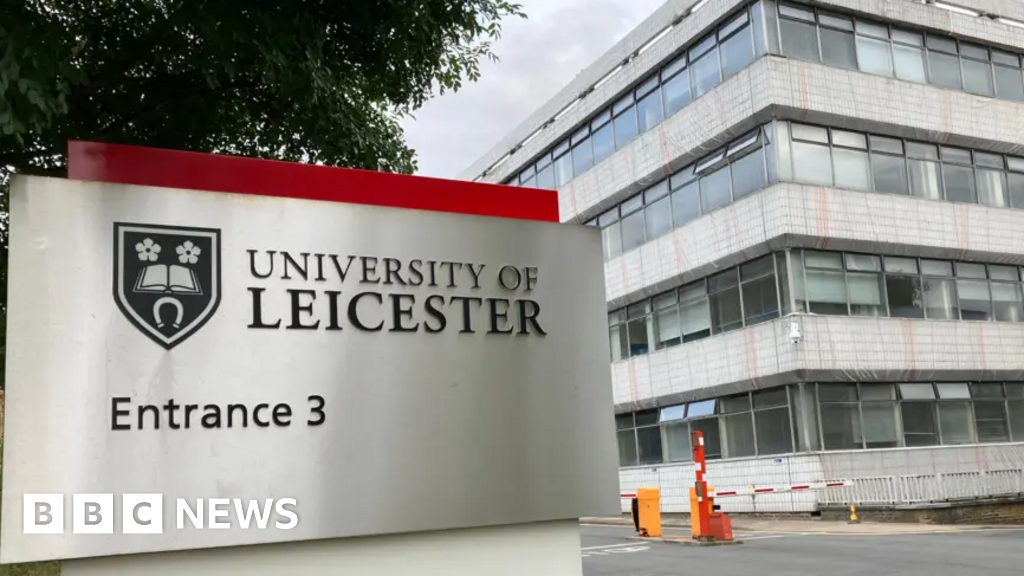

Recent developments in the educational sector have sparked widespread concern among families, educators, and community leaders. A labor union has issued a stark warning that as many as 300 students may face the withdrawal of offers—a consequence of recent policy decisions affecting school funding. This situation highlights the ongoing tensions between public resource allocation and the fundamental right to quality education. The ripple effects threaten not only individual futures but also the fabric of local communities, revealing how social issues wield a profound influence on the next generation.
Educational institutions serve as the backbone of societal growth, shaping future citizens and workforce members. When funding is restricted or diverted, the ripple effects on families and communities are palpable. Students experiencing the loss of opportunities face increased uncertainty about their academic and vocational trajectories—a challenge that often exacerbates existing inequalities. Sociologists like James Coleman have long underscored that disparities in educational access are directly linked to broader social stratification, perpetuating cycles of poverty and marginalization. As these cuts threaten to detach hundreds of students from essential resources, the very societal cohesion that relies on a well-educated populace is put at risk.
The decision appears to mirror a broader societal debate on prioritizing fiscal austerity over investment in human capital. Many social commentators argue that such cuts are shortsighted, disregarding the moral and ethical obligation to ensure equitable educational opportunities. For families, especially those in underserved communities, the prospect of losing access to programs or offers is more than an inconvenience—it signifies a widening socio-economic gap that undermines the principle of equal opportunity. Historically, policymakers have debated the social costs of austerity measures, but current developments underscore an urgent need to reevaluate priorities. Ensuring that no student’s future is sacrificed for short-term fiscal gains could pave the way for sustainable community development.
Furthermore, the stress placed on families and local communities cannot be overstated. When educational offers are rescinded, families are forced to grapple with new uncertainties—whether their children can continue their education uninterrupted or secure alternative pathways. Schools, which serve as community hubs and moral anchors, face increased pressures to fill in the gaps left by diminished resources. Social experts such as Robert Putnam have emphasized that strong social capital within communities is vital for resilience in times of crisis. The current situation tests whether community networks can foster collective solutions or whether societal divides will deepen, exacerbating social tensions and intergenerational discontent.
The challenges posed by such policy decisions demand a deliberate and compassionate response—one that balances fiscal responsibility with ethical stewardship of future generations. As history and social analysis remind us, societies that neglect their foundational institutions—like education—ultimately diminish their own prospects. Still, amid these pressing difficulties, there remains a flicker of hope. When communities rally to prioritize equity, access, and shared responsibility, society can forge a path forward. Much like the resilient stories of communities that endured and thrived during times of hardship, the question lingers: Will society choose a future built on division or one united by renewal and hope?