Matox News

Truth Over Trends, always!

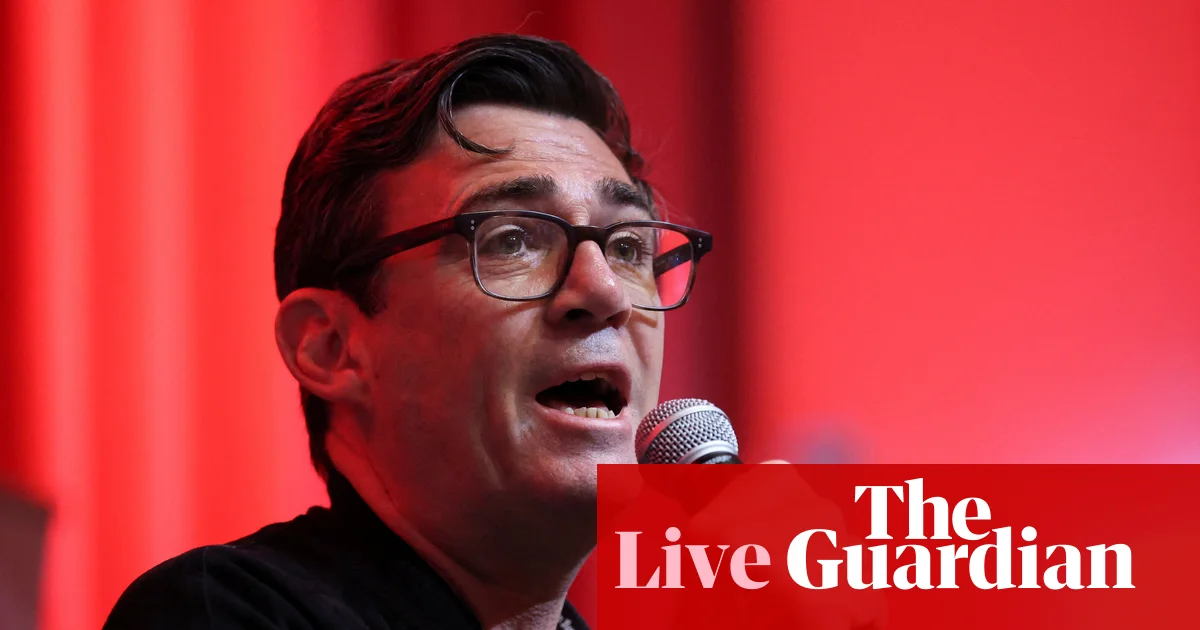
Andy Burnham Urges Labour to Drop Restrictive Asylum Rules — UK Politics Live

The UK’s Political and Immigration Innovations Signal a Shift in Global Power Dynamics

In an era characterized by relentless geopolitical transformation, the United Kingdom stands at a critical crossroads. Recent decisions emanating from Westminster exemplify a broader trend among Western nations striving to redefine their social fabric and geopolitical influence. The UK’s immigration policy reforms, coupled with efforts to reshape its political landscape, underscore a strategic repositioning—aimed at bolstering national sovereignty and economic resilience amid the evolving international order.

Central to these developments is Home Secretary Shabana Mahmood’s announcement of dramatic changes in migration rules. These measures, set to double the waiting period for indefinite leave to remain from five to ten years, and enforce stricter language and criminal record requirements, signal the government’s intent to prioritize control over sovereignty and social stability. Analysts like Dr. James Tennant, a geopolitical strategist, argue that such policies are designed to reinforce national borders against the destabilizing influxes that characterize unchecked migration flows. In essence, these reforms are not merely domestic adjustments but a calculated move to assert post-Brexit independence, signaling to global actors that the UK will prioritize sovereignty over open borders.

Yet, this shift is not happening in isolation. Andy Burnham, the mayor of Greater Manchester, reflected widespread sentiment among pragmatic leaders who see the long-term implications. Burnham, a prominent figure vying for Labour leadership, explicitly voiced concern over the proposed 20-year waiting period for settlement—highlighting how prolonged limbo could hinder national integration efforts and strain public resources. His stance exemplifies the mounting tension between those advocating for controlled immigration and those emphasizing social cohesion and economic stability. The ongoing debate vividly illustrates how internal policies are grappling with the geopolitical need to project strength while maintaining societal resilience.

Furthermore, the broader international context amplifies the significance of these shifts. Many analysts, including members of the International Institute for Strategic Studies (IISS), interpret these measures as part of a strategic calculus—aimed not only at bolstering domestic security but also at asserting the UK’s post-pandemic global stance. This recalibrated approach suggests a move away from the legacy of open-door policies, favoring instead a model aligned with traditional nationalist principles. Historically, nations that have prioritized sovereignty and robust border controls have often repositioned themselves to wield greater influence in global affairs. The UK’s renewed focus on internal control reflects a desire to reassert its influence in an increasingly multipolar world—balancing relationships with peer powers and regional allies.

As history continues to unfold, these decisions evoke echoes of earlier moments—when nations chose sovereignty over globalization. From the unrest of post-war Europe to the rise of nationalist movements, the trajectory of nations often hinges on their leadership’s willingness to assert control amidst international chaos. Historians warn that such policies, if poorly managed, could deepen societal divisions or provoke retaliatory measures from trading partners. Nonetheless, the current course signals that **the UK is eager to carve an independent path**, shaping a future where its influence is defined less by its proximity to Bruxelles and more by its strategic national interests.

The stakes are monumental. As Britain crafts its new identity—leaning into strength, sovereignty, and renewed national pride—the world watches with bated breath. The decisions taken today are not isolated; they are the threads woven into the fabric of history, setting a precedent for how nations respond to a shifting global landscape. In the shadows of these policies lies the promise—and peril—of a future shaped by bold choices. History’s pen continues to write, and the pages ahead will reveal whether Britain’s gamble will forge resilience or deepen its divisions. Either way, the unfolding story will mark a defining epoch in international history.

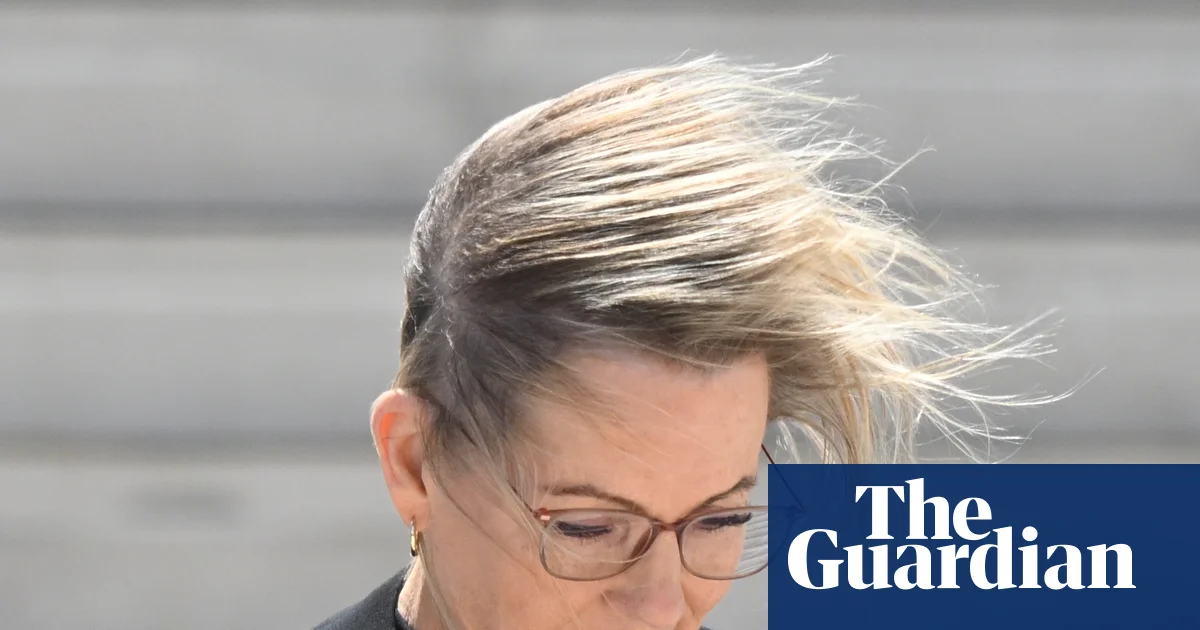
Liberals Drop Emissions Goals, But Ley Sees Net Zero as Still Possible Win | Australia News

Australia’s Climate Pivot: A Shift that Reshapes Global Emissions Commitments

In a move that reverberates beyond the shores of Australia, the federal opposition unveils plans to significantly alter its stance on climate change commitments, raising questions about geopolitical impact and the future of international climate cooperation. The decision to abandon legislated net zero by 2050 targets, once a cornerstone of global climate diplomacy under the Paris Agreement, signals a potential turning point in how nations approach their responsibilities amidst a climate crisis that refuses to pause.

The ruling Labor government’s push for deep emissions cuts faces opposition from the Liberal Party and its partner, the National Party. As Sussan Ley confidently defends the move as a means to prioritize energy abundance and the support for nuclear power, the international community watches with concern. The decision to sideline the legally binding targets while still claiming adherence to the Paris Agreement sets the stage for a potential breach of obligations, risking diplomatic fallout with entities like the United Nations Framework Convention on Climate Change (UNFCCC). Analysts warn that such a shift could undermine Australia’s credibility, tarnishing its reputation as a responsible global player and prompting other nations to reconsider their own commitments under the treaty.

Politics Over Climate: A Dangerous Precedence

  • Despite promises to hold onto the Paris commitments, the Coalition’s plan to scrap legislated emissions targets threatens to disrupt global efforts aimed at limiting temperature rise to 1.5°C. This divergence fuels concerns among experts and international observers, as the global community has relied on the consistency of national policies to craft effective climate strategies.
  • Historians and climate analysts highlight that such backsliding could encourage a wave of similar decisions by other countries, eroding the progress made since the signing of the 2015 Paris Agreement. The Climate Action Tracker reports that more than 145 nations are considering or have set net zero emissions targets, making Australia’s retreat a critical juncture that could ripple through global efforts.
  • The PM Anthony Albanese openly criticizes the Coalition’s stance, framing it as a rejection of climate science itself. Such rhetoric underscores how internal political dynamics can distort international obligations, potentially emboldening others to pursue similar strategies that prioritize economy over environment, with security and regional stability at risk.

Implications for Global Governance and the Future of Climate Negotiations

By choosing to reframe the climate debate around energy security and economic growth, Australia is shaping a precedent that may weaken future international negotiations. The United Nations and other multilateral institutions emphasize that compliance and transparency are central to global climate governance—something that could be compromised if major emitters abandon long-term targets. Experts warn that such shifts could signal to the world that commitments are negotiable, potentially unraveling years of diplomatic progress.

Specialists, including climate scientists and international relations scholars, gaze apprehensively at the unfolding events, recognizing that history is watching. As the global climate clock continues to tick toward catastrophic points of no return, the decisions made by Australia and its allies today could well set the stage for a future where the line between climate ambition and political expediency becomes irrevocably blurred. The story of this decision is still writing itself, and the weight of history now hangs heavy on its next chapters.

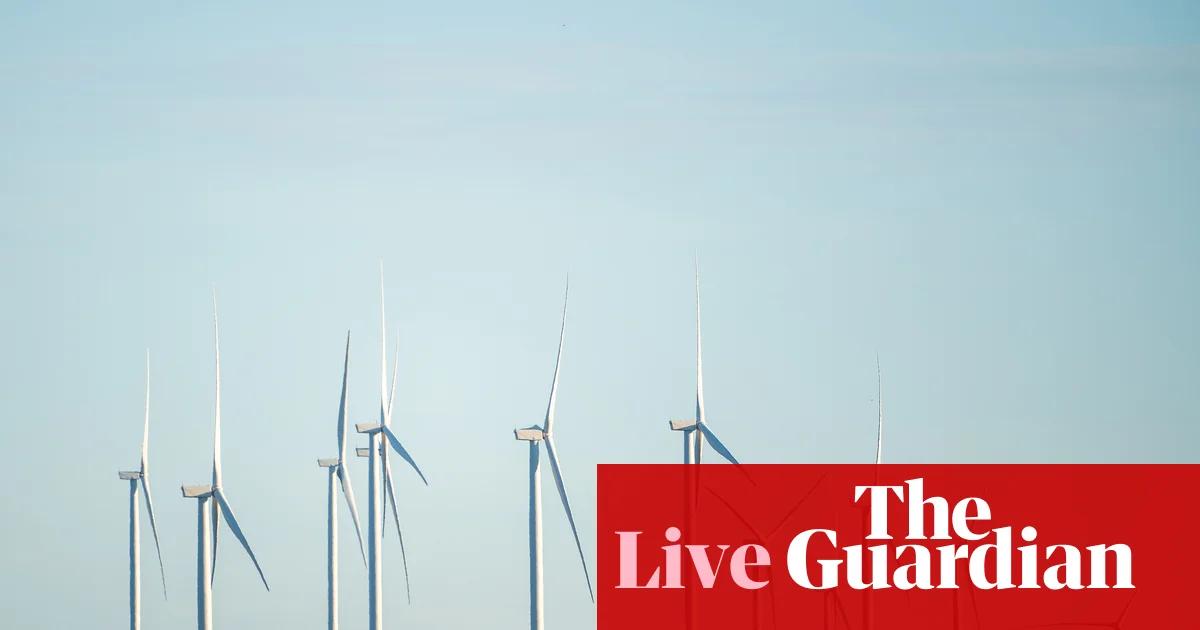
Australia News: NSW Nationals Drop Net Zero; Keating Honors Laws — Youth Voice Matters

In a world increasingly shaped by the relentless march of geopolitical shifts and domestic reckonings, recent events underscore a decisive moment in the unfolding fabric of history. Australia, often viewed as a microcosm of broader global trends, finds itself at a crossroads as regional political forces realign on crucial issues like climate policy and national identity. Meanwhile, the passing of iconic figures like John Laws reminds us how media personalities have historically shaped societal discourse, bridging the gap between politics and the everyday citizen in an era when radio was king. The legacy of individuals like Laws and the recent political maneuvers collectively illustrate the profound influence of communication and decision-making on national trajectories.

At the heart of international concern is the abandonment of commitments to net zero emissions by 2050—a stance taken rigorously by the NSW Nationals in Australia, following their federal counterparts’ lead in a move that threatens to fracture the stable fabric of coalition politics. The decision, driven by internal party discussions and influenced by a thinktank aligned with Senator Ross Cadell, signals a direct challenge to the global climate agenda endorsed by many Western nations.

  • Government officials and analysts have warned this rollback could hinder international efforts to combat the climate crisis, and threaten Australia’s diplomatic standing in climate negotiations.
  • The decision sparks a rift within the Coalition, specifically testing the resolve of opposition leader Mark Speakman, who has faced mounting pressure amidst poor polling and internal dissent.

The geopolitical impact of this shift extends far beyond national borders. Countries watching Australia’s retreat from climate commitments may perceive a broader trend of de-escalation or skepticism toward global climate initiatives, especially in regions where economic and energy independence are prioritized over environmental concerns. Experts like economists and environmentalists have issued stark warnings that such domestic decisions undermine international climate accords and could embolden other nations seeking to resist similar targets, thereby threatening the collective effort to mitigate the effects of climate change. Moreover, Australia’s internal debate reflects a national societal divide—those pushing for environmental credentials versus those emphasizing regional economic interests—highlighting how domestic policies can send ripples through the international diplomatic arena.

Meanwhile, the death of John Laws, dubbed the “king” of radio before the rise of the digital age, signifies a pivotal chapter in the history of media influence. Keating’s tribute underscores how Laws partnered with policymakers to educate Australia’s middle ground crowd on complex social and economic matters. This dynamic exemplifies how influential personalities have historically shaped public perception and policy, wielding power that transcends mere entertainment. As history presses forward, the media’s role in transmitting societal values and political discourse remains central, even as new digital platforms challenge traditional broadcasts. Recognizing these shifts urges societies worldwide to reflect on the enduring impact media figures have historically played—and continue to play—in shaping national identity and policy directions.

As these stories unfold—whether through the deliberate reevaluation of environmental commitments or the remembrance of media giants—the pace of history seems to accelerate, leaving societies to confront the weight of choices made today. Decisive shifts in policy, politics, and perception are not isolated events but rather the vital threads of an evolving narrative, heavily influenced by those who lead and those who listen. With each decision, with each passing figure, the tapestry of history is rewoven—sometimes a step forward, often a step into uncharted, uncertain territory. And as nations navigate the turbulent waters of change, the foundations of tomorrow’s history are being laid today—silent witnesses to the ongoing story of power, influence, and the enduring quest for a future shaped by choices of unparalleled importance.

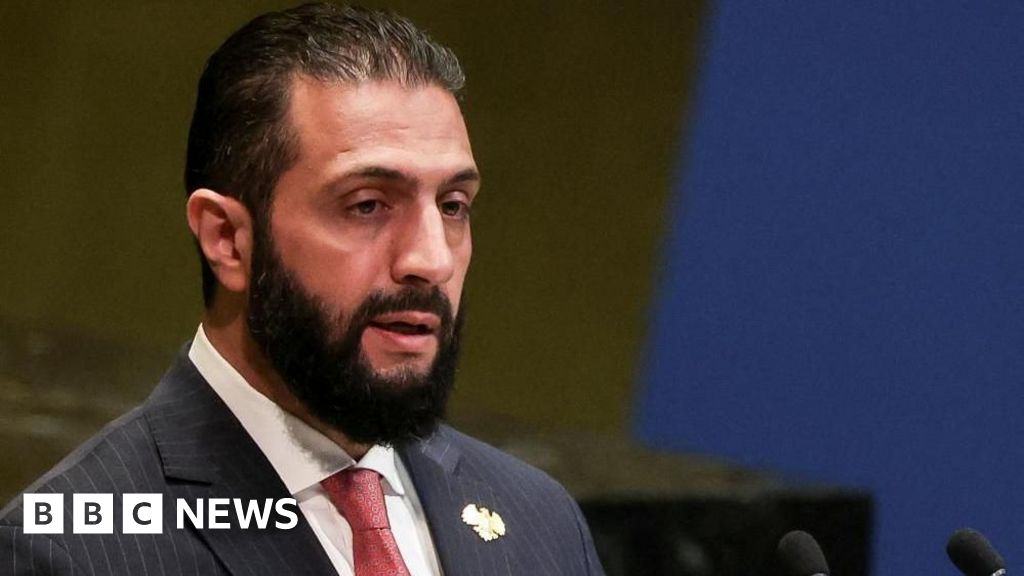
Syria’s Sharaa Lands in US for Trump Talk as Sanctions Drop

In an unexpected political development, Syrian President Ahmed Sharaa arrived in Washington for an official visit, marking a significant shift in regional diplomacy. Just days prior, the U.S. government revoked his designation as a Specially Designated Global Terrorist, a move that signals Washington’s tentative readiness to reconsider its stance toward Syria’s emerging leadership. This diplomatic overture comes amid ongoing efforts to stabilize Syria after over a decade of brutal civil war and the uncertain future of the Assad regime, which has long been isolated by Western sanctions and international sanctions regimes.

Sharaa’s visit is noteworthy not only because of his past associations with militant groups but due to the broader geopolitical impact it could have on the Middle East and international efforts to contain terrorism. Days before his arrival, Syrian security forces announced the detention of 71 suspected Islamic State fighters, seizing weapons and explosives in a serial crackdown involving Syrian allies. The timing underscores the complexity of Syria’s security landscape, where at once, authorities are pursuing extremist remnants while attempting to re-engage with the international community. Analysts underscore that these joint efforts to diminish ISIS’s hold reflect a broader strategy to restore stability and rebuild Syria’s fractured state, a feat that will have repercussions far beyond its borders.

Since assuming office, Sharaa has aimed to reassert Syria’s presence on the global stage. His recent speech at the UN General Assembly, where he advocated for the removal of sanctions, echoes this intent, emphasizing a reclaiming of Syria’s rightful place among nations. The United Nations Security Council‘s endorsement of a US resolution to lift sanctions further signals a potential diplomatic thaw, although persistent internal violence and factional rivalries cast a long shadow on the prospects of peace. Historically, diplomatic analysts point to such decisions as pivotal—potential turning points—whose outcomes could either usher in a fragile new era of cooperation or deepen ongoing conflicts.

Nevertheless, the path toward national reconciliation remains fraught with challenges. Despite being removed from US sanctions lists—once associated with extremist groups like Hayat Tahrir al-Sham (HTS)—Sharaa’s past record as a militant and his earlier ties to al-Qaeda have generated skepticism among international observers. The US continues to weigh its enforcement policies carefully, balancing concerns over stability against fears that premature easing could empower factions that may undermine the peace process. As historians warn, decisions made now may determine whether Syria emerges as a unified, stable state or descends further into chaos, testing the resilience of regional and global security frameworks.

The story of Syria is far from over. With each diplomatic handshake and each crackdown, history’s ink begins to write anew. The stakes are monumental—not just for Syria, but for the world—to watch as a nation scarred by war teeters on the brink of either resurgence or collapse, with the echoes of history urging the international community to choose wisely amidst the tumult of uncertainty.

Starmer’s Grooming Gang Probe Sparks Chaos as Two Survivors Drop Out

The ongoing crisis surrounding Keir Starmer’s national grooming gang inquiry underscores a broader societal failure to prioritize justice for victims and to confront deeply rooted social and institutional issues. Recent revelations, including resignations from key oversight panel members such as Ellie-Ann Reynolds and Fiona Goddard, reveal a disturbing pattern of political interference and disrespect toward survivors’ voices. These developments threaten to stall an inquiry that is essential not only for uncovering truths but also for safeguarding families and communities that are victims of these heinous crimes.

In an era where social trust is fragile, and the integrity of justice institutions is often called into question, the controversy surrounding this inquiry exposes a climate of cynicism and bureaucratic opacity. Survivor advocates warn of a watering down of investigations, fearing that political interests, exemplified by local figures such as West Yorkshire’s mayor Tracy Brabin, are pushing for an expanded scope that might dilute focus and delay justice. Sociology experts argue that this approach, reminiscent of the long and painful path of the IICSA inquiry, risks once again turning a blind eye to specific victims and local realities. Consequently, communities face a heightened sense of betrayal, especially for families bearing the scars of complex social failures.

Demographic and cultural shifts continue to shape the social fabric, fueling tensions and highlighting the need for precise, community-focused investigations. Researchers such as sociologist David Brooks emphasize that while expanding the scope might appear to address larger regional issues, it also endangers targeted justice. Critics assert that efforts should be centered on proven victims and local authorities’ knowledge, rather than broad strokes that risk obscuring accountability. This debate, however, is not merely a matter of logistics but touches moral depths: how society ensures respect for victims’ dignity and accountability for systemic failures.

Embedded within these narratives are profound questions about social trust and the role of public institutions. Leaders like Gamble and Hudson face mounting scrutiny over their potential conflicts of interest, with fears that service providers may have previously concealed criminal acts or abused their authority. As social commentators remind us, history demonstrates that trust in social institutions—schools, police, social services—is vital for building resilient communities. When that trust erodes, so too does the fabric that holds societies together, leaving families isolated and vulnerable to the forces of corruption and misinformation.

  • Survivors demand genuine justice that zeroes in on localities and proven cases
  • Concerns over political interference threaten the integrity of investigations
  • Expanding inquiry scope risks delaying resolution and diluting accountability
  • Corruption and systemic failings continue to undermine public trust

Ultimately, this turbulent episode reflects a society at a crossroads—a community grappling with its past and uncertain future. The resilience of families, the integrity of our social institutions, and the recognition of victims’ rights all hinge on our collective resolve to confront uncomfortable truths. Moving forward, there lies an opportunity to forge more transparent, community-centered approaches that restore faith and foster genuine healing. Society’s greatest hope resides in its capacity to learn from its failures, to rebuild with honesty, and to ensure that every child’s voice is heard and protected. As history teaches, only through unwavering commitment to justice and accountability can society truly evolve beyond its wounds, transforming pain into a catalyst for lasting change.

Social Media Auto Publish Powered By : XYZScripts.com