Matox News

Truth Over Trends, always!

House Republicans block Dem effort to reel in Trump’s Iran war powers

In a dramatic display of how geopolitical tensions are escalating in the Middle East, efforts by House Democrats to curb President Donald Trump’s war powers over Iran and broader Middle Eastern conflicts have been thwarted on Capitol Hill. The Democrats attempted to pass a resolution through a procedural shortcut called unanimous consent—intended to be a swift, uncontested move—yet the effort was cut short when Republican pro forma speaker Chris Smith refused to recognize lawmakers from the opposing party. This procedural blockage underscores the deep partisan divide that complicates the U.S. response to ongoing regional crises, as lawmakers grapple with how to contain conflicts that threaten both regional stability and international security.

Since the temporary ceasefire announced on Tuesday, cracks in the fragile truce have appeared. Israel continues its military strikes in Lebanon, asserting they are targeting Hezbollah, but Iran maintains the ceasefire covers these actions—an assertion rejected outright by both the US and Israel. Lebanese casualties have surged past 1,000 with over 254 confirmed dead and hundreds injured, as central Beirut bears the scars of relentless bombardment. Meanwhile, Iran has reportedly re-blocked oil tanker traffic through the Strait of Hormuz, just hours after briefly permitting passage—highlighting how the delicate balance of regional maritime trade and strategic chokepoints remains precarious. Such developments threaten the stability of global oil markets and U.S. interests, raising alarms among international observers and analysts who warn that the Middle East’s latest flare-up is far from contained.

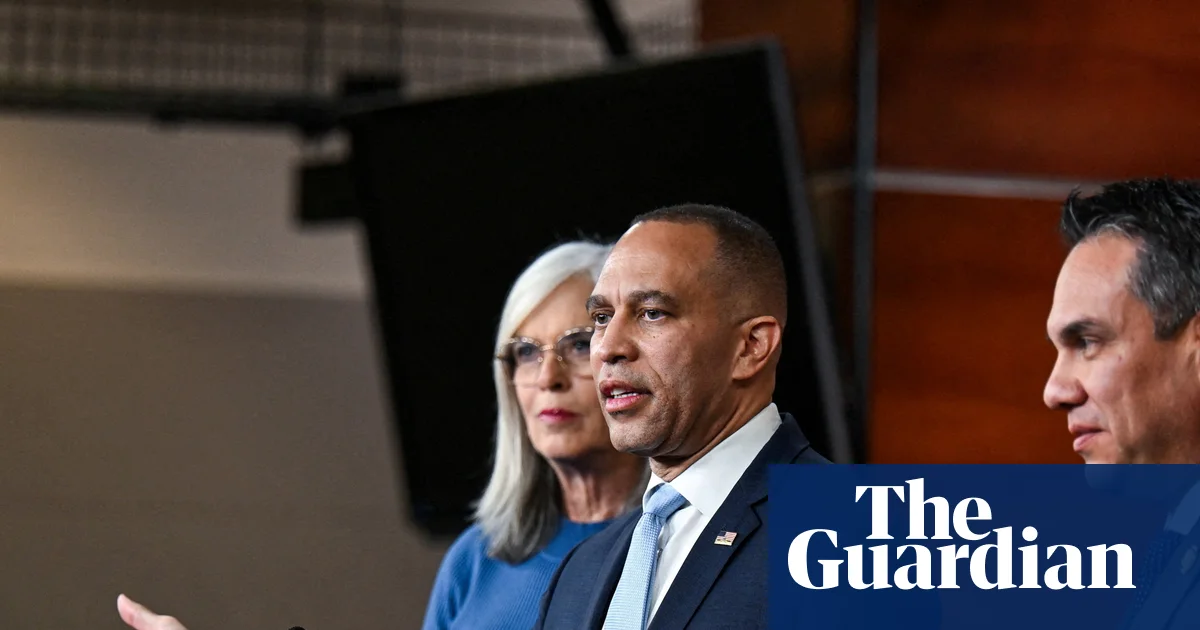
The international community has expressed grave concern. The UN Secretary-General warned that continued Israeli military activity in Lebanon “poses a grave risk” to any diplomatic progress. Meanwhile, U.S. Senator JD Vance described the ceasefire as “fragile,” reflecting a broader skepticism rooted in the unpredictable nature of Middle Eastern conflicts. House Minority Leader Hakeem Jeffries and other Democratic leaders have criticized the insufficient nature of the ceasefire and called for immediate congressional action to “permanently end the war in the Middle East,” although Congress remains on recess until mid-April. It reveals how U.S. domestic politics—divided and increasingly influenced by partisan interests—continue to hinder decisive action in a region where every decision could reshape the global geopolitical landscape, impacting millions on the ground.

  • The Pelosi-led resolution aimed to limit Trump’s war powers, but was blocked as partisan tensions overshadowed efforts to forge a clear U.S. policy.
  • Israel’s ongoing strikes and Iran’s reassertion of control over key maritime routes threaten to prolong the conflict, risking regional escalation.
  • International organizations and analysts warn that unfinished diplomacy and unpredictable military actions threaten to ignite a broader global confrontation, with consequences reverberating through commodity markets, international alliances, and regional power balances.

As the world watches the chaos unfold, historians and geopolitical analysts warn that this is a <turning point>—a period where the decisions of a few could ignite a chain reaction of conflict. The frozen diplomacy, combined with the mounting casualties and strategic maneuvers, leaves the international order on the brink of a new, unpredictable chapter. History’s pen is poised, and the weight of every decision now carries the potential to tilt the scales of global power for generations to come. As flames flicker in Beirut, and the Strait of Hormuz remains volatile, the question remains—who will write the next chapter in this unfolding crisis, and at what cost to humanity?

Trump officials launch effort to restore tariffs after Supreme Court ruling

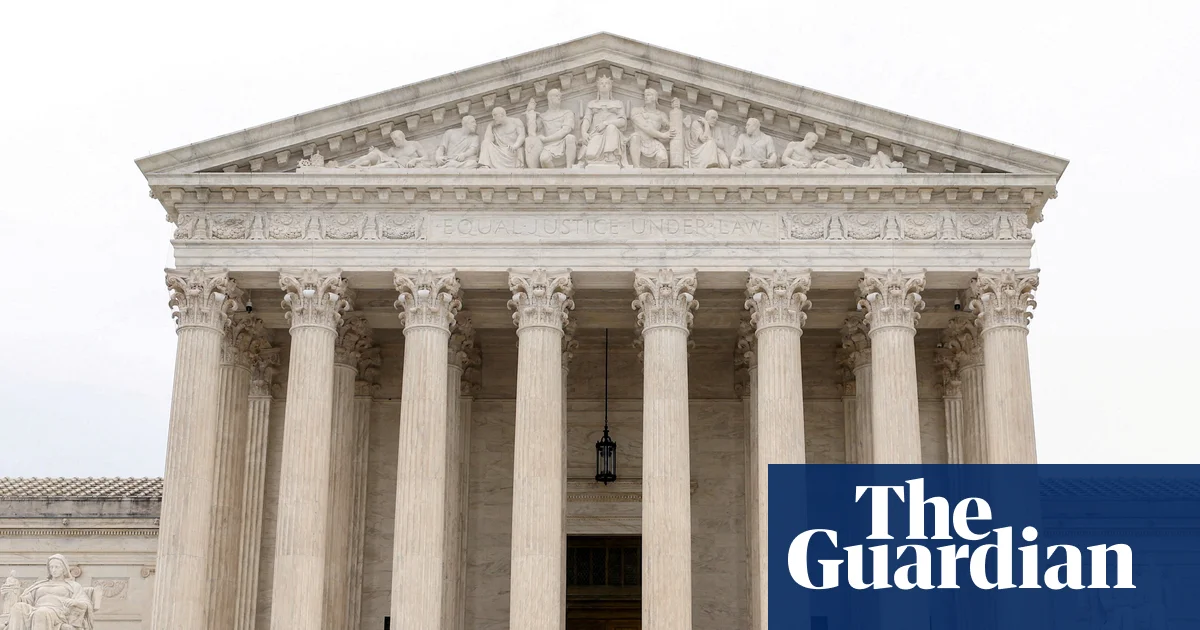
In a decisive move that signals a staunch commitment to safeguarding American economic interests, the United States under the Trump administration has launched a new trade investigation targeting manufacturing practices abroad. This initiative, initiated under Section 301 of the Trade Act of 1974, aims to reassess foreign imports and could pave the way for the reintroduction of tariffs — a tool previously deemed unconstitutional by the Supreme Court earlier this year. The administration’s clear message underscores a broader strategy to counterbalance what it perceives as unfair foreign trade advantages, especially from China and a host of other major global players, including the European Union, Japan, and India.

The renewed push for tariffs comes amidst a landscape of heightened geopolitical tensions and economic uncertainties. With the global economy still reeling from the past year’s volatility, the move could threaten to destabilize existing trade frameworks. As analysts warn, the revival of tariffs might spark a new wave of international retaliation and economic discontent. The administration’s focus on foreign subsidies, labor suppression, and persistent trade surpluses signifies a strategic emphasis on eradicating domestic unfair competition. Historically, similar policies have ignited trade conflicts that ripple through economies, affecting supply chains, consumer prices, and diplomatic relations. Experts from organizations such as the World Trade Organization observe that such aggressive tactics may ultimately undermine international cooperation — and, by extension, global stability.

Furthermore, this initiative is set against the broader geopolitical matrix shaped by ongoing conflicts and alliances. The Iran crisis, with its potential to escalate, overlays the economic maneuvering, as the U.S. seeks to leverage trade policies to assert dominance in the Middle East and beyond. Meanwhile, the impending midterm elections serve as a political catalyst, with Democrats framing tariffs as a betrayal to American consumers and workers, promising refunds and economic relief. How this tug-of-war plays out could define the trajectory of U.S. foreign policy and influence the global balance of power for years to come.

  • The investigation will consider foreign countries’ excess industrial capacity and government backing that distort market fairness.
  • It targets nations like China, South Korea, and Vietnam, scrutinizing trade surpluses, subsidies, and wage suppression.
  • The policy also introduces a section 301 investigation aimed at banning imports produced under forced labor conditions.

Such measures reflect a calculated effort by the Trump administration to reshape the landscape of international commerce, seeking to reclaim lost revenues and enforce a tough stance on globalization. Historians and trade analysts caution that in the pursuit of protecting American jobs, unintended consequences could include a trade war that might threaten to unravel the very economic stability they aim to preserve. The timeline remains tight, with tariffs set to rise again, and the political stakes high, as both domestic and international audiences watch closely. The weight of history — and the future — hangs in the balance, as the world braces for a new chapter defined by fiercely contested economic sovereignty and the relentless pursuit of national advantage, leaving the global order still teetering on the edge of transformation.

Exposed: Effort to Smuggle Nobel Laureate Out of Venezuela

In an unprecedented display of clandestine operations and international intrigue, Venezuela finds itself again in the global spotlight amid a tense geopolitical climate. A daring rescue mission, dubbed Operation Golden Dynamite, successfully extracted the prominent opposition leader and Nobel laureate, María Corina Machado, from her hidden sanctuary within the country. The clandestine plan, executed by the private intelligence firm Grey Bull Rescue, involved perilous sea crossings through rough, pitch-black waters, all designed to foil the ever-watchful eyes of authoritarian regimes. Such maneuvers are not just daring feats—they are emblematic of the rising tides of tension between Venezuela and Western powers, especially the United States, which has recently ratcheted up its rhetoric against Nicolás Maduro’s government.

The operation’s success raises serious questions about the underlying intentions behind U.S. involvement. Analysts and historians warn that these covert actions are indicative of a broader, behind-the-scenes escalation of non-conventional warfare aimed at regime change. The founder of Grey Bull, Bryan Stern, confirmed that preparations had been underway for months, with infrastructure built in the Caribbean designed to facilitate quick evacuations of key opposition figures or American allies should Venezuela’s internal crisis spiral further out of control. The fact that this rescue was financed privately, without formal government backing, underscores the shadowy nature of international power plays, where decisions made in secret can have profound and lasting geopolitical impacts across the region and beyond.

Critics and international observers contend that the rising unrest is deeply intertwined with U.S. attempts to weaken Maduro’s grip and promote regime change, echoing historical patterns seen in comparable conflicts. The move comes amid mounting speculation that the Biden administration is weighing more aggressive options, including possible military intervention, especially given President Donald Trump’s recent inflammatory remarks accusing Maduro of drug trafficking and violent crimes. According to international security analysts, such rhetoric is designed to serve as strategic pressure—a warning to authoritarian regimes and opposition groups alike. The unfolding drama suggests the region stands on the brink of a new conflict, where diplomatic negotiations may be overshadowed by covert operations, escalating tensions with long-lasting consequences for societal stability in Venezuela and the broader Latin American corridor.

Historically, conflicts driven by external interference have reshaped nations, often leaving scars that persist for generations. United Nations and other global organizations have repeatedly warned of the dangers posed by interventionist policies that undermine sovereignty and fuel cycle of violence. As Venezuela faces internal turmoil and external pressures, the decision-making funnel held by international actors will undoubtedly influence the course of history. The story of María Corina Machado’s rescue is more than an isolated event; it is a chapter in a much larger saga—one where the weight of history continuously shifts, and the fate of nations is decided behind the veils of secrecy and power. As the sun rises over a continent on the brink, the world must ponder: how many more secrets, more interventions, and more sacrifices lie ahead in this unfolding geopolitical chess game?

West Overlooking Key Sanctions That Could Hit Russia’s War Effort

In the ongoing geopolitical struggle surrounding Russia‘s invasion of Ukraine, Western powers continue to adapt their strategies to weaken Moscow’s military and economic capabilities. A recent report by the civil society group Dekleptocracy reveals a series of obscure but potentially devastating vulnerabilities within Russia’s war economy, which could be exploited to further diminish its capacity to sustain the conflict. While previous sanctions targeted Russia’s oil industry, banking sector, and military supply chains, these new findings identify critical chemical dependencies that threaten to disrupt key elements of Russia’s military infrastructure. The analysis underscores how geopolitical decisions impact not just power balances but the very fabric of society within Russia, as shortages in specialized chemicals could lead to logistics failures, reducing its operational effectiveness.

The report emphasizes that the supply chain for specialized chemicals used in manufacturing military-grade tyres and mechanical lubricants remains vulnerable. Despite Russia’s economic resilience, it lacks robust domestic production of these lesser-known yet vital chemicals. For instance, Chinese firm Xinxiang Richful, which supplies up to eight million kilograms of lubricant additives annually, has recently established operations in Virginia, risking U.S. sanctions that could choke off its supply. Experts warn that constraining such suppliers would create immediate mechanical shortages among the Russian military and civilian sectors, ultimately impairing logistical operations. In the words of Tom Keatinge, director at the Royal United Services Institute, “as long as Russia continues procuring essential components for its military, sanctions must evolve and tighten to remain effective.”

However, the challenge extends beyond targeting supplier entities; enforcement of secondary sanctions remains a critical concern. While recent measures have hit major oil producers like Rosneft and Lukoil, gaps in enforcement allow Russia to circumvent restrictions through third-party intermediaries. Keatinge notes that “a successful sanctions regime relies not only on the identification of targets but also on diligent enforcement”—a point that underscores the importance of international cooperation. These measures aim to deny Russia the means to sustain its war effort, but without persistent vigilance, the regime risks unraveling as black markets and illicit procurement networks flourish.

This layered approach to sanctions reflects a broader understanding of Russia’s economic vulnerabilities, which extend into chemical production and other critical sectors. Historians and analysts agree that leveraging these weaknesses could tilt the scales of the conflict. As DeKleptocracy collaborates with agencies like the Biden administration and Ukrainian groups, the strategic goal becomes clear: identify and exploit every fissure within Russia’s supply chain that could hamper its military machine. While Russia boasts a formidable oil industry, the nation’s inability to produce many of the specialized chemicals domestically exposes a chokepoint—a vulnerability that could have long-term consequences for its warfighting capabilities.

Ultimately, these efforts highlight a fundamental truth of modern warfare: victory is increasingly shaped in the shadows of global trade and economic policy. As the weight of history continues to build and shift—every decision to impose, enforce, or relax sanctions—the fate of nations remains intertwined with unseen technical vulnerabilities and strategic oversight. With each targeted disruption, the world edges closer to a new chapter in the ongoing cold confrontation, a chapter written not just in the language of tanks and missiles but in the delicate chemistry of global supply chains. The question remains whether the West’s relentless pressure will succeed in trimming the roots of Russia’s war machine before it’s too late—an epic struggle where every chemical molecule, every sanction, and every policy decision shapes the course of history.

Social Media Auto Publish Powered By : XYZScripts.com