
Matox News

Truth Over Trends, always!

Resident Doctors in England to Strike for Six Days Over Pay Dispute

As resident doctors in England prepare to embark on a six-day strike following Easter, a stark reminder emerges of the growing fractures within our society’s public health infrastructure. The ongoing dispute, centered on fair compensation, career progression, and respect for medical professionals, underscores deeper societal issues—namely, how economic hardship and demographic shifts threaten the stability of communities, the future of our families, and the integrity of our institutions. The British Medical Association (BMA) blames the government for initiating this long, sustained protest, marking the 15th industrial action by resident doctors since 2020—a clear indication of mounting dissatisfaction among the workforce entrusted with our nation’s health.

This strike signifies more than a labor dispute; it reveals the erosion of trust in vital public institutions that underpin the fabric of our society. The NHS, traditionally regarded as the crown jewel of universal healthcare, faces the ripple effects of these disruptions. NHS leaders warn that cumulative costs of the strike could reach £300 million, a figure that reflects the unsustainable pressures on both the system and the communities it serves. Patients are forced to endure longer waits for tests, treatments, and surgeries—an unspeakable sacrifice affecting families already navigating financial and emotional stresses. Such systemic strains, sociologists say, threaten to widen the gap between those with resources and those without, fueling social divides that challenge our collective commitment to fairness and societal cohesion.

The core issue of the dispute revolves around salary restoration and career advancement. The government proposed a deal aimed at providing more frequent and fairer pay increases, acknowledging the long-standing erosion of real-term salaries since 2008-09; however, the stubborn resistance and differing interpretations of how to implement the pay rise have stymied progress. Dr. Jack Fletcher, head of the BMA’s resident doctors committee, explains that recent negotiations unraveled over the period in which the increased funding would be disbursed—a dispute that goes to the heart of how public trust in fairness and transparency can be maintained. The government’s insistence on spreading pay increases over three years, versus doctors’ demand to receive these funds upfront, reflects broader societal tensions around preferences for immediate justice versus gradual change. As sociologists note, these disagreements aren’t merely about money—they symbolize a contest over respect for professions and the societal value placed on those who serve us in our most vulnerable moments.

Ultimately, the ongoing strike exposes societal vulnerabilities rooted in economic disparities, demographic changes, and cultural shifts. With families bearing the brunt of delayed healthcare, and communities watching healthcare standards ebb away, the challenge is clear: **how do we rebuild trust and ensure fair treatment for those who care for us?** As historians observe, the story of societies constantly battling with issues of fairness, opportunity, and respect is ongoing—labor unrest is often a mirror reflecting deeper moral questions. Yet, hope persists. Constructive dialogue, renewed recognition of healthcare workers’ dignity, and targeted reforms can guide society toward a future where families, communities, and institutions work hand-in-hand for stability and growth. Society’s enduring strength lies in its ability to adapt, learn, and ultimately, transform—turning this moment of crisis into a catalyst for genuine renewal.
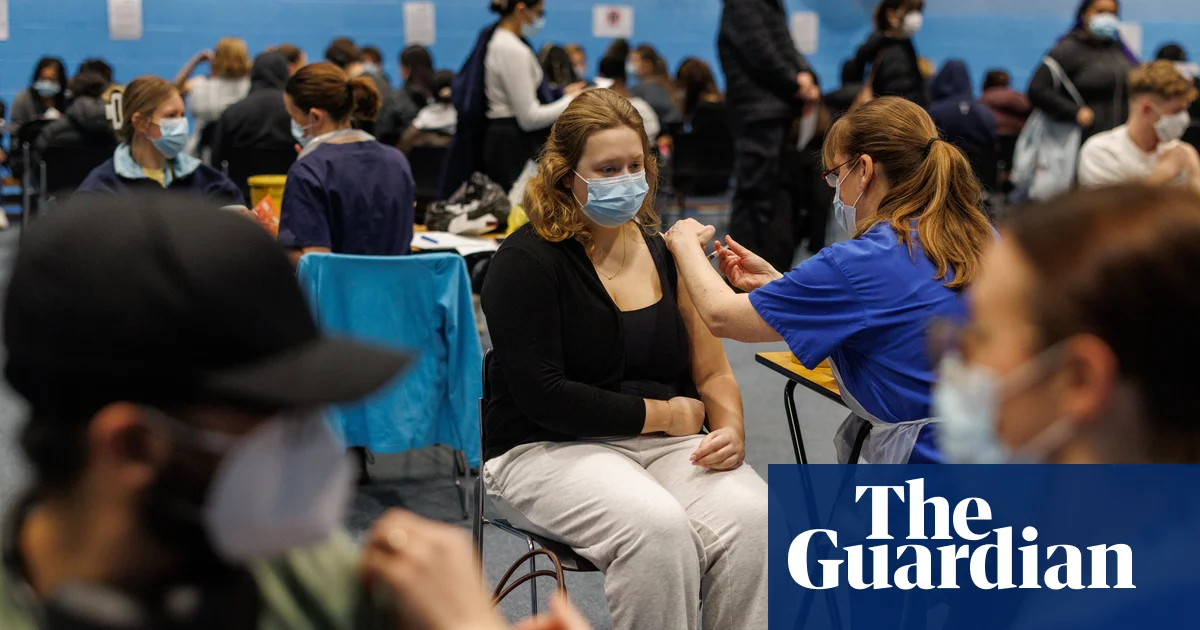
Kent meningitis outbreak sparks urgent push for routine youth vaccinations in England

The Global Implications of Vaccination Trends Amid a Meningitis Outbreak

In the wake of a recent meningitis outbreak in Kent, England, the urgency for vaccination has surged dramatically, illuminating not only the resilience of public health systems but also the fragile state of herd immunity in certain regions. Despite the grim toll—two teenagers lost their lives and 18 others hospitalized—the outbreak has paradoxically ignited a significant uptick in routine immunizations across the country, especially among teenagers. According to local health authorities, thousands of adolescents have responded proactively by booking or receiving vaccines against meningitis strains A, C, W, and Y, as well as diphtheria, polio, and tetanus. Such a surge is viewed as a silver lining, a stark reminder of the importance of vaccines, even as experts warn that the current vaccination rate remains insufficient, with only 72% of year-nine pupils vaccinated compared to the 95% target recommended by health authorities.

This localized crisis underscores a broader question of vaccine complacency that resonates beyond the United Kingdom, threatening to undermine decades of public health progress. Analysis from noted histo­rians and global health experts emphasizes that the success of immunization programs has, in some ways, fostered complacency, causing a decline in awareness of the malignant potential of vaccine-preventable diseases. The current spike in vaccination interest, particularly for the MenACWY vaccine, reflects a reactive response to an immediate threat. However, international organizations like the World Health Organization (WHO) and others warn that such outbreaks, if left unchecked, could pave the way for broader regional or even global health crises. They stress that maintaining high vaccination coverage is crucial in preventing a repeat of history’s darker chapters, when deadly outbreaks swept through populations unprotected.

The geopolitical impact of such health crises is profound, influencing both societal stability and international relations. Regions with effective vaccination campaigns tend to experience less social unrest and economic disruption. Conversely, lapses in immunization, often fueled by misinformation and vaccine hesitancy, can precipitate outbreaks that strain healthcare resources and create political tension, especially in multicultural societies where trust in public institutions is already fragile. According to the WHO, vaccine confidence remains a key component in national security, with health infrastructure serving as a frontline defense against both biological and geopolitical threats. When nations neglect these defenses, they risk opening pathways for illnesses to spread, thereby destabilizing regional peace and security.

As health authorities and analysts continue to analyze the unfolding crisis, they unanimously point to the need for a sustained, proactive approach towards immunization—one that transcends reactive campaigns. The challenge lies in transforming recent wake-up calls into long-term policy shifts that prioritize vaccine education and access at community levels. Political leaders and international bodies are urged to act swiftly. They must reinforce the importance of vaccines as a fundamental pillar of sovereignty and societal resilience. History teaches us that the unpreparedness and complacency in the face of infectious diseases often come at a heavy cost, leaving scars on nations’ collective memory. The current outbreak may serve as a stark reminder and an inflection point—one where history is still being written, with each decision shaping the legacy of a generation. As societies grapple with the ongoing threat of vaccine-preventable diseases, the world faces a sobering truth: in the realm of health security, the margin for error is razor-thin, and the next chapter of history remains unwritten, depending on choices made today.

Ministers Boost Electronic Tagging Across England and Wales to Keep Youths in Check

The United Kingdom has announced the largest expansion of electronic tagging in its history, a move driven by domestic safety concerns but with significant geopolitical implications. Tens of thousands of offenders, including high-risk individuals such as terrorists, murderers, and sex offenders, will now be under real-time geolocation surveillance as part of a broader effort to mitigate overcrowding in prisons and tighten law enforcement capabilities. This domestic policy shift is indicative of a broader trend toward integrating advanced surveillance technologies in Western democracies, signaling evolving priorities that oscillate between societal security and individual rights.

While the immediate motivation appears rooted in domestic overcrowding and public safety, the decision resonates far beyond Britain’s borders. Historical analysts remind us that such monitoring measures are a turning point in criminal justice—raising questions about the balance of civil liberties versus state security. Countries across Europe, the United States, and even Australia observe Britain’s move with a watchful eye, contemplating whether similar strategies could be exported or adapted within their own legal frameworks. International organizations, including the European Court of Human Rights, have increasingly grappled with the privacy implications of expansive surveillance under the guise of public safety, fueling a global debate on sovereignty and human rights. As geopolitical analysts warn, these domestic policies often foreshadow broader security alliances and international cooperation, shaping an increasingly interconnected security architecture.

The decision to expand electronic tagging also comes amidst ongoing global concerns over terrorism, organized crime, and cyber threats. High-profile incidents in recent years have demonstrated that the threat landscape now extends well beyond traditional borders—prompting nations to adopt tougher measures. Britain’s government claims that tagging will help prevent reoffending and protect victims by alerting authorities at the first sign of breach, but critics caution about the limitations of technology and the risk of leading to false assurances. Prominent voices like Pia Sinha, CEO of the Prison Reform Trust, emphasize that tagging alone cannot address the root causes of criminal behavior; rather, it risks becoming a band-aid solution that hampers genuine rehabilitation.

The race to enhance national security measures often appears intertwined with geopolitical ambitions. Countries investing heavily in surveillance technologies signal to allies and adversaries alike that they are committed to maintaining control over their populations and borders. As international relations continue to evolve, so too does the nature of security policy—sometimes at the expense of civil liberties. This dynamic is compounded by the recent fluid shifts in global alliances, where nations increasingly share intelligence and adopt interoperability standards. Such cooperation may amplify the reach of domestic policies like Britain’s tagging expansion, creating a layered and complex security network that spans continents. History demonstrates that these policies carry long-term consequences, shaping societal norms, legal frameworks, and international perceptions for generations to come. As the weight of these decisions presses on the world stage, the question remains: will these measures truly protect society, or are they setting a precedent for an era of pervasive surveillance that could redefine liberty itself?

Student Loans Crisis in England: Action Needed to Secure Our Future Students

In an era marked by soaring student debt and economic uncertainty, international observers are witnessing a critical juncture that underscores the fragile state of global socio-economic stability. As countries grapple with mounting financial burdens, the lens is now sharply focused on major Western nations where policy decisions regarding higher education funding and economic reforms are illustrating broader geopolitical shifts. The recent debates over student loans, interest rates, and university funding within the United Kingdom serve as a microcosm of a global crisis—one that threatens to reshape societal structures and international influence.

Within the UK, the political landscape is rife with tension as policymakers from both sides of the aisle scramble to address widespread discontent. The Labour government, represented by figures like MP Nadia Whittome, highlights a stark reality: even highly paid individuals see their financial situations erode over time due to rising inflation and disproportionate interest payments. This frustration feeds into a broader narrative of systemic unfairness, compounded by ailing institutions. The debate about student debt relief and university funding has escalated rapidly, prompting pledges from the ruling Conservatives to cut interest rates on certain loans—an initiative that has met with controversy and alarm from independent financial experts like Martin Lewis. Such internal conflicts expose the underlying fragility of the nation’s financial model and hint at upcoming political upheaval.

The geopolitical impact extends beyond the UK’s borders. As policymakers cut back on “ineffective” university courses and shift funding priorities, internationally entrenched issues surrounding global competitiveness and educational quality are intensifying. Countries across the world are observing these debates, recognizing that a nation’s future economic strength hinges on the sophistication of its human capital. Meanwhile, analysts warn that such domestic upheavals in a Western powerhouse could embolden authoritarian actors, especially in regions where Western influence is waning. The United States, for example, is also facing a renewed crisis over the affordability of higher education, foreshadowing a potential ripple effect that could destabilize international alliances and push nations further into strategic competition.

Institutions like the International Monetary Fund and OECD have sounded the alarm over how these domestic policies, if left unresolved, threaten to exacerbate inequalities worldwide. The undeniable truth is that decisions made in London or Washington do not simply stay local; they influence global economic patterns, migration, and diplomatic relations. The emphasis on suppressing university costs and realigning fiscal priorities is, in essence, a reflection of a deeper desire to reconfigure the global power hierarchy. Each reform, each budget cut, meticulously analyzed by geopolitical strategists, signals a move toward an uncertain future where the sovereignty of nations may become increasingly intertwined with their ability to sustain socioeconomic stability amid external pressures.

As the shadows lengthen across international theaters, the question remains—how will history judge this epoch of upheaval? With every policy shift, the weight of tomorrow’s world is being written. Will these decisions lay the groundwork for a renewed era of national strength, or will they serve as a cautionary tale about the perils of shortsighted governance? The scars of this tumultuous chapter are yet to be fully revealed, but one thing is certain: the course of history is still being set, and the echoes of today’s choices will resonate for generations to come.

Unsafe clinics in England jeopardize kids with ADHD, doctors warn

Global Implications of Private Healthcare Deregulation in Pediatric ADHD Treatment

In recent years, international health policies have faced mounting scrutiny amid a surge in private healthcare providers offering remote assessments for children diagnosed with attention deficit hyperactivity disorder (ADHD). Countries around the world are grappling with the consequences of deregulating medical protocols, particularly as the demand for quick, accessible mental health care grows rapidly. The UK, in an illustrative case, has uncovered alarming evidence of *widespread unsafe practices* within private clinics operating through online platforms, prescribing potent stimulants such as methylphenidate—commonly known by the brand Ritalin—without the necessary physical examinations that serve as a safeguard for young patients.

British medical authorities, alarmed by this trend, have been compelled to overhaul their guidelines, mandating face-to-face assessments prior to medication prescription. This shift underscores a broader predicament faced across several nations, where the rush to expand access to mental health services via privatization collides with the essential need to uphold clinical safety standards. Historian and policy analysts cite this incident as a critical turning point—highlighting how decisions driven by economic interests and bureaucratic expediency threaten to undermine the long-term health and societal stability of vulnerable populations. The cases detailed by Dr. Rashad Nawaz, a pediatrician in Manchester, reveal children with undiagnosed heart conditions being put at undue risk, exposing systemic vulnerabilities that could resonate globally if left unaddressed.

As international health organizations monitor the fallout from these failures, the geopolitical impact becomes evident: nations facing similar privatization pressures could follow the UK’s example, jeopardizing patient safety for short-term cost savings. Reports from experts warn that privatization schemes integrated into state-funded health systems often result in “deskilling” of local healthcare professionals and over-reliance on telemedicine practices lacking physical assessment components. In *misguided pursuit of efficiency*, some private entities prioritize profits over clinical excellence, pushing the boundaries of permissible practice into dangerous territories. The ripple effects threaten to deepen inequalities, with marginalized children bearing the brunt of these policy missteps, fostering tensions within already fragile social fabrics.

In response, the UK’s Greater Manchester has enacted stringent safeguards—implementing new pathways that require face-to-face checks and thorough physical assessments—reasserting the authority of face-to-face medicine as a cornerstone of safe practice. This move serves as a cautionary tale for other countries contemplating similar deregulation. Yet, the overarching question remains: how long can societies afford to gamble with the health of their youngest? As international watchdogs like the World Health Organization weigh in, the coming years may witness a decisive shift—either towards a renewed commitment to clinical integrity or a descent into an era where profit chokes out essential regulation. History’s pen hovers over this chapter, ready to inscribe whether the lessons learned now will forge a future of responsible medicine or leave a scar on global health that future generations will mourn.”

Watch Sri Lanka vs. England 2026 T20 Showdown Live — Stream for Free and Catch the Action!

In an era where technology reshapes how we experience entertainment, sports fandom has undergone a profound transformation. The 2026 T20 World Cup, currently unfolding at the prestigious Pallekele International Cricket Stadium, exemplifies this evolution. Fans worldwide are tuning in, not just through traditional TV networks but via streaming platforms that offer free access, fueling a cultural shift that emphasizes instant connectivity and borderless engagement. The accessibility of ICC.TV for live streaming marks a turning point—sports are no longer confined by geopolitics or geographical limitations. This democratization isn’t just a convenience but a statement that the social relevance of sports is now intertwined with digital empowerment and global connectivity.

The renewed emphasis on free streaming resonates strongly among younger audiences—a demographic that values immediacy and interactivity. Influencers and sociologists note that this shift is a reflection of a larger societal move toward participatory culture. As teenagers and young adults abandon passive consumption, they are increasingly demanding access — free and seamless — to their favorite entertainment. This trend is exemplified by fans eagerly utilizing VPNs to bypass geo-restrictions, effectively creating an underground network of global sports enthusiasts. Such behavior underscores a core social value: the desire for instant access and platform independence, especially in light of rising content costs and regional restrictions. Analysts predict that this attitude will not just stick but grow, forcing broadcasters and rights holders to rethink traditional models of exclusivity and paywalls, eventually ushering in a more open digital sports culture.

Top influencers, like cricket analysts and digital trendsetters, highlight the cultural impact of this shift. They argue that the new wave of free streaming platforms fosters a sense of global community among young fans, who can now rally around shared experiences regardless of their physical location. Moreover, the social relevance extends beyond entertainment — it involves social activism, advocacies for digital rights, and redefining traditional barriers of access. As sociologist Dr. Lisa Garnier points out, this rising trend signals a broader societal pushback against monopolized content and the commodification of fandom. It’s a movement that celebrates authenticity, accessibility, and participation, reshaping how generations connect with sports and each other in the age of digital globalization.

Yet, amid these rapid shifts, a haunting question looms: as the barrier of entry diminishes and digital access becomes the new normal, what becomes of the traditional sports broadcasting industry? Will the fixture of paid subscriptions and televised exclusives fade into obsolescence, replaced by an open-access,互联 digital landscape? Or will new models emerge—perhaps layered with microtransactions, content personalization, or community-driven monetization—that preserve the economic viability of sports media? The next chapter remains unwritten, but what’s clear is that the social dynamics of sports consumption are pivoting towards a future where participation and access define the cultural landscape. As fans worldwide cheer for Sri Lanka and England—free and united—the big question remains: in this new digital playground, who truly controls the game?

Understanding SEND: What the reforms in England mean for our youth and society

As societies face increasingly complex social challenges, the plight of families with special educational needs has come under intensified scrutiny. Across many local councils, a profound issue has emerged: a striking gap between demand and capacity within the state-funded special education sector. With around 38,000 pupils requiring specialized educational placements, councils are often compelled to resort to paying for independent special school fees. This practice not only highlights persistent systemic gaps but also sheds light on a broader societal dilemma—how to ensure equitable access to quality education for children with special needs amidst finite resources and growing demand.

The financial burden associated with this disparity is staggering. The average cost for an independent special school place hovers around £61,500 per year, a stark contrast to approximately £24,000 per pupil in state-funded settings, according to the Institute for Fiscal Studies (IFS report). This discrepancy not only strains local council budgets but also inadvertently redirects public funds away from broader community needs. For families, these financial pressures often translate into difficult decisions—pushed between the desire for the best possible education for their children and the reality of limited public provision. The social fabric, therefore, becomes fractalized, with disparities in educational access creating ripples that extend into family stability and community cohesion.

From a sociological perspective, experts like Michael Katz, a renowned historian of social policy, note that public education should serve as an equalizer. Nevertheless, the current system’s reliance on private solutions underscores an underlying failure to provide universal, high-quality opportunities for all children, especially those with special needs. This disparity also exacerbates social tensions, as communities sense that systemic inequities threaten the foundational principle of fairness. How, then, can society bridge this gap? Some advocate for increased government funding aimed at expanding state-funded special education facilities, while others emphasize innovative community-based solutions that foster cooperation between schools, families, and local organizations. Regardless of approach, the moral imperative remains clear: every child deserves access to the education that enables their full potential.

As society stands at this crossroads, an enduring question persists: what is the true measure of a community’s progress? Is it found in the balanced budgets and statistical achievements, or in the human stories of children including those with unique needs, reaching milestones once thought impossible? Society’s challenge is not merely financial but moral—a call to deepen compassion and exemplify the resilience that defines us. For within every effort to bridge these disparities lies the seed of societal renewal; a reminder that the future belongs to those willing to confront uncomfortable truths and forge a path towards equality and inclusion. In this collective journey, hope flickers like a steadfast light—guiding society forward, one step at a time, toward a horizon where no child is left behind.

Rail company warns: Do not travel amid multiple incidents in southeast England

Amidst the rolling hills and historic cityscapes of Great Britain, a critical disruption has underscored the fragile state of its national infrastructure, with direct geopolitical implications reverberating across Europe and beyond. The recent train derailment and signalling failures in south-east England, involving major operators such as Southern, Thameslink, and Gatwick Express, reveal much more than transportation glitches; they are symptomatic of deeper systemic challenges that now threaten the stability of the UK’s transport and political sovereignty. As Britain faces an ongoing process of re-nationalisation of its rail services, analysts suggest these incidents symbolize a broader struggle between market-driven deregulation and state-controlled resilience—a contest with profound transnational consequences.

Once celebrated for their efficiency, privatized rail networks in the UK are increasingly under scrutiny, with about 18% of train trips now operated directly by the government. The recent crisis, triggered by a derailment at a depot in Selhurst and a signalling fault between London Blackfriars and Norwood Junction, has led to widespread delays and cancellations across major routes, disrupting daily lives and forcing commuters to face uncertain journeys. Experts like transportation analysts argue these disruptions are a sign of the risks embedded within a privatized model that prioritizes profit over operational stability. The specter of nationalisation looms larger, with political leaders emphasizing the need to tighten control over critical infrastructure to safeguard national security and social stability.

This governmental shift, exemplified by recent moves to bring West Midlands Trains and other operators under state control, marks a decisive turn in Britain’s attempt to reassert sovereignty over its transportation arteries. Following this trajectory, the expected nationalisation of GTR in May signals a hardening stance that some see as an essential rebalancing of power—aimed at restoring reliability and sovereignty. However, critics warn that such measures must be accompanied by robust reforms to ensure the long-term resilience of Britain’s infrastructure amidst an evolving geopolitical landscape. As nations worldwide assess their dependencies on privatized systems, the UK’s experience serves as a cautionary tale that strategic control may be indispensable in the era of global uncertainties.

According to international organizations and historians tracking the decline of privatized utilities, these episodes are more than isolated events—they are indicators of a global realignment. In Europe, political leaders are reexamining the balance between liberalization and state oversight, fueled by recent crises that expose vulnerabilities within interconnected networks. The decision to re-nationalize raises fundamental questions about how societies prioritize security, economic stability, and social cohesion in a rapidly shifting geopolitical order. As London grapples with its transit failures, the message resonates outward—decision-making in transportation is ultimately a reflection of a nation’s sovereignty and the resilience of its social fabric. The unfolding saga remains a stark reminder: history is still being written, and the direction it takes will shape generations to come.

Postpartum Bleeding Risks Hit Five-Year High for Women in England, Hospitals Warn

In a development that sends shockwaves through the international community, England is witnessing a disturbing rise in postpartum haemorrhage instances, marking the highest level in five years. Recent NHS figures reveal a 19% increase in women experiencing severe bleeding after childbirth, escalating from 27 per 1,000 births in 2020 to 32 per 1,000 this year. The data underscores an alarming trend amidst a backdrop of declining overall birth numbers, with some experts linking this surge to the complex realities of modern childbirth. How these internal health crises unfold within the UK reflects broader challenges faced by developed nations—balancing healthcare quality with rising socio-economic pressures— and has distinct geopolitical impact because the UK’s health system is a key indicator of Western stability and social cohesion.

  • Despite fewer births, the record number of postpartum bleeding incidents signifies a concerning deterioration in care quality and safety standards.
  • Critics argue that longstanding failures to implement reforms have left hospitals ill-prepared for modern childbirth complexities.
  • As the findings draw widespread public and political concern, calls for urgent intervention grow, stirring a debate about priorities amidst austerity and political upheaval.

International analysts, including prominent health policy experts and historians of the NHS, highlight the deeper implications of this crisis. The Royal College of Obstetricians and Gynaecologists has pointed out that the increase is partly attributable to factors such as obesity and older maternal age—both linked with higher risks of complications. Nonetheless, critics argue that systemic issues—such as staffing shortages, underfunding, and insufficient oversight—are exacerbating an already dire situation. The failure to effectively respond to decades of warnings and recommendations is seen as an insult to families who face the trauma of childbirth without adequate safety nets, potentially fueling the erosion of trust in Britain’s once-vabled universal healthcare model. The future of NHS maternity services hangs in the balance, with policies and reforms that are long overdue.

The political landscape responds vigorously to the crisis. The Liberal Democrats have issued a stark call for a comprehensive “maternity rescue plan” aimed at bringing all hospitals up to the recognized standards of safety and quality. Their demands are reinforced by statements from Valerie Amos—the government-commissioned inquiry chair—describing the neglect of past recommendations as “staggering.” In a situation where the failure to act could have deadly consequences, the government has announced a rapid review of maternity services and the formation of a new national maternity and neonatal taskforce. Such steps symbolize an acknowledgment of the systemic cracks that threaten to widen, framing the ongoing debate about health security not just as a national concern but as a reflection of Western societal resilience as a whole.

As the world watches, the unfolding crisis in England becomes a testament to the fragile nature of modern welfare states. The erosion of maternity safety standards is more than a domestic issue; it signifies a potential turning point for healthcare policies across the West. Historians warn that the delays in reform could leave a legacy of tragedy, etched into the collective memory for generations. The weight of that history bears heavily on policymakers and society alike—reminding us that the true measure of a nation lies not only in its power or prestige but in its capacity to protect its most vulnerable. The coming weeks will reveal whether decisive action can stem this tide of decline or if, indeed, this is only the beginning of a more profound unraveling of societal standards—an enduring chapter in the unfolding narrative of a world at risk of losing its moral compass amid systemic neglect.

No 10 delays four England mayoral votes, sparking claims of undermining democracy

Society Reacts to Postponement of Key Local Elections in England

The recent decision by the government to delay mayoral elections in four regions of England—namely Greater Essex, Norfolk and Suffolk, Hampshire and the Solent, and Sussex and Brighton—has ignited a firestorm of controversy. Originally scheduled for this year, these elections have been pushed back until 2028, ostensibly to allow more time for local government reorganization. Critics, however, argue that this move is less about administrative efficiency and more an overreach that undermines democratic principles. The postponement threatens to disenfranchise approximately 7.5 million voters, raising serious questions about the integrity of local governance and the foundational right to democratic participation.

Social commentators, including sociologists and historians, express concern that such postponements could set a dangerous precedent for the erosion of democratic accountability. They warn that in societies where local elections are deferred or canceled, it often signals a drift towards authoritarianism or at least an undermining of the collective voice. Opposition parties, such as the Liberal Democrats and Reform UK, have condemned the move as a blatant attempt by the ruling Conservative government to hijack the democratic process. Richard Tice, Reform UK’s deputy leader, likened the cancellation of elections to practices seen in dictatorial regimes, asserting that “7.5 million people are now going to be denied the opportunity of voting in mayoral elections.” This rhetoric underscores the fears that such delays may further polarize communities and weaken the social fabric that holds them together.

At the heart of this debate is the impact on families, local communities, and the quality of education. Many argue that postponing elections disrupts community engagement and stifles voices, especially as the government claims the delays are necessary for “getting it right,” yet critics contend that the true motivation is political self-preservation. Meanwhile, the moral and human implications of this delay are profound: it deprives residents of the opportunity to shape policies that directly affect their livelihoods, from education funding to social services. As *sociologists like Seymour Martin Lipset* have noted, “democracy involves not just the process of voting but the ongoing engagement and empowerment of communities.”

  • Postponement affects approximately 7.5 million voters
  • Delays aim to facilitate local government reorganization
  • Opposition parties argue it undermines democratic rights
  • The move coincides with a surge in Reform UK’s local electoral success

As society grapples with these challenges, the overarching question remains: will democracy’s voice be silenced in the pursuit of political expediency, or will communities find renewed strength to demand accountability?

In the silent corridors of local councils and in the bustling streets of communities left waiting, the answer will decide the moral compass of the society we are forging. Society stands at a crossroads—where the true measure of a nation’s strength is not in its institutions alone but in the resilience of its families and the hope that even in the darkest hours, transformative change can be born from the collective will of its people.

Social Media Auto Publish Powered By : XYZScripts.com