Matox News

Truth Over Trends, always!

Top 50 Bars of 2022: The Hottest Spots Every Young Rebel Should Know

Barcelona’s Paradiso Reigns Supreme: A New Era for Global Cocktail Culture

In a remarkable turn of events that signals a shift in the world’s vibrant nightlife landscape, Barcelona has surged to the forefront of the global cocktail scene, claiming the coveted title of World’s Best Bar in 2022 with its iconic establishment, Paradiso. A Mediterranean-style speakeasy tucked away behind a freezer door in the hip El Born district, Paradiso’s ascent from number three in 2021 to the pinnacle of the industry marks a significant evolution in the cocktail world. This recognition underscores the city’s rising reputation as a cosmopolitan hub where tradition meets cutting-edge innovation, inviting young enthusiasts to indulge in a lifestyle rooted in _wellness_ and experiential leisure.

What makes Paradiso’s victory particularly momentous is its status as the first bar outside of London or New York to claim top honors since the inception of the World’s 50 Best Bars list in 2009. Its founders, Giacomo Giannotti and Margarita Sader, emphasize creating cocktails that push creative boundaries while remaining anchored in _authentic Mediterranean style_. Giannotti shared with the awards organizers that their philosophy blends **hard work**, **passion**, and **innovation**, recognizing that breakthrough success stems from relentless discovery and a dedication to _excellence_. More than a celebration of taste, Paradiso exemplifies how the new cocktail culture is about _inspiring_ and _transforming_ the beverage experience, aligning with what wellness experts like Amanda Feifer highlight as the importance of _mindful indulgence_ in a health-conscious era.

Europe’s Culinary and Mixology Renaissance

The city of Barcelona is no longer just known for its striking architecture or rich cultural heritage—it’s now a key player on the global stage of _lifestyle_ and _culinary_ innovation. The 2022 list features three of the top 10 bars hailing from this vibrant city, including Sips, which catapulted from 37th to 3rd position, exemplifying how _food-inspired_, _creative_ cocktails are reshaping the industry. European cities continue to maintain dominance in this arena, with London and Italy also making powerful showings, underscoring the continent’s _legacy_ of blending _culinary artistry_ with a _luxurious lifestyle_, one that resonates with a youthful desire for _luxury_ and _personal impact_ in everyday pleasures.

  • Engage in _local _tours, exploring Barcelona’s innovative venues, and experiencing _Mediterranean-inspired_ cocktail craftsmanship.
  • Seek out _experiential_ and _food-infused_ drinks that elevate _wellness_ and _mindful_ consumption.
  • Embrace _design_ and _aesthetics_ in drinking experiences, including _custom glassware_ and _science-driven techniques_ like centrifuges, as exemplified at Paradiso and other top-tier venues.

In tandem, the emphasis on _hospitality_ and _customer experience_—a ripple effect of the pandemic’s lessons—continues to prioritize safety, _personalized service_, and creating environments where patrons feel valued and secure. This renewed focus not only elevates _leisure_ but fosters a sense of _community_ and _well-being_, essential elements for forging a _purposeful lifestyle_ rooted in _quality_ and _authenticity_. By drawing from expert voices and the evolving landscape of _gastronomy_ and _mixology_, these bars reflect a cultural shift where _creative_ expression harmonizes with _healthful_ living.

Beyond the Cityscape: A Global Tapestry of Cocktail Creativity

The recognition of Barcelona’s Paradiso as the world’s top bar symbolizes a broader _rebirth_ of _cultural innovation_ across continents. Notable entries from Madrid’s Salmon Guru, Italy’s Florence, and Lisbon exemplify how emerging hotspots further diversify the global _premium lifestyle_ scene. In Asia, Singapore’s Jigger & Pony takes the Best Bar in Asia title, while Middle Eastern hubs like Dubai demonstrate a persistent _luxury_ that appeals to _global_ explorers and _young adventurers_ seeking _meaningful_ _leisure_. Each of these venues offers a unique _story_—a _narrative of _craft, culture_, and _ambition_—that inspires aspiring _independent thinkers_ and _trendsetters_ to view _lifestyle_ as a personal _journey_, a collection of _moments_ that shape _identity_ and _well-being_.

As the industry continues to evolve, tools like science-based _cocktail_ techniques and _artful_ _presentation_ are seamlessly merging _culinary_ arts with beverage innovation. The emphasis on _aesthetic_ and _experience_—whether through _custom glassware_ or _food-inspired_ drinks—encourages a _mindful_ approach to _indulgence_. This reflects a societal desire to _reclaim_ _pleasure_ as _part of a _holistic_ lifestyle_, fitting seamlessly into the _wellness_ paradigm favored by intellectuals like Tim Ferriss and wellness entrepreneurs emphasizing _quality over quantity_. It reminds young audiences that _living well_ does not mean sacrificing excitement for health; instead, it’s about _integrating_ _the best_ into _everyday life_, cultivating _balance_, and _creating_ _lasting impressions_ of _self-awareness_ and _inspiration_.

In conclusion

Today, the _world’s top cocktail bars_ do more than serve drinks—they craft _experiences_ that embody the _spirit_ of _adventure_, _creativity_, and _self-improvement_. They evoke a sense of _possibility_, inspiring a generation to see _lifestyle_ as a _personal _canvas_, where _health, _leisure_, and _self-expression_ intertwine. As you navigate the corridors of this _lyrical_ _world_, remember that your _journey_—like a meticulously crafted _cocktail_—is about _balance, _discovery_, and _embracing_ each moment with _passion_. Because ultimately, _life_ is the grandest _adventure_, waiting to be _poured_ from the _bottle_ of _your_ _potential_ into a _glass_ of _possibility_.
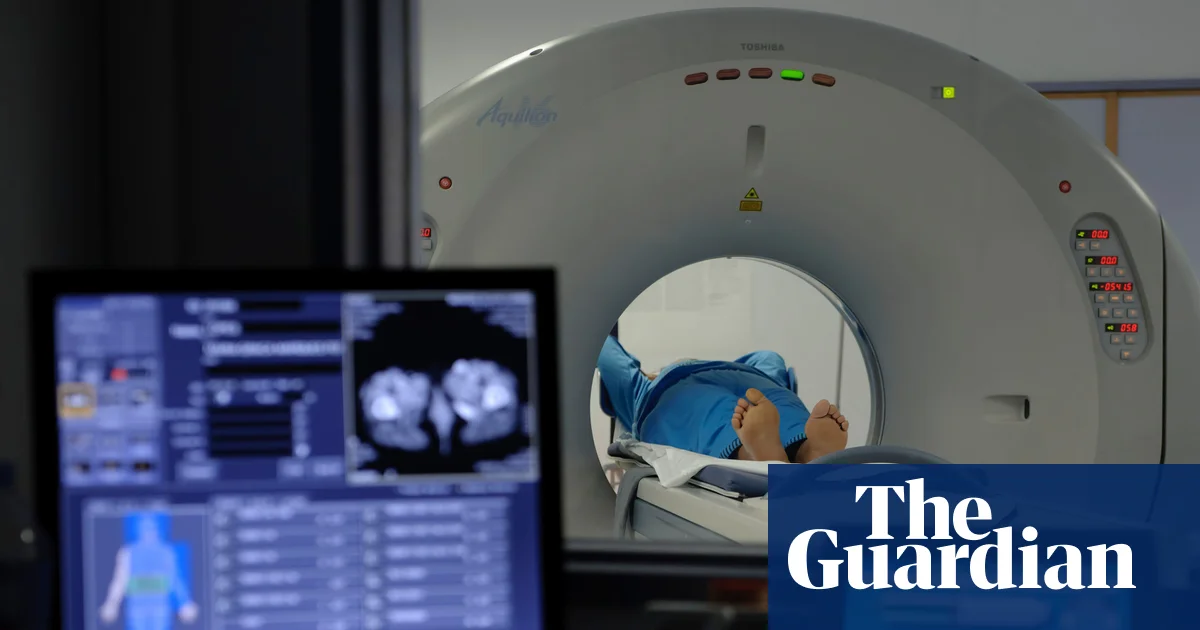
Doctors warn NHS test delays threaten hundreds of thousands in England

UK Healthcare Crisis: Widespread Test Delays Threaten Patient Outcomes

The United Kingdom currently faces a troubling healthcare crisis that underscores the cracks in its once-lauded National Health Service (NHS). According to recent data analyzed by the Royal College of Radiologists (RCR), nearly 400,000 patients—specifically 386,849 in September—are waiting more than six weeks for essential diagnostic tests such as CT scans, MRIs, ultrasounds, and other critical assessments needed to identify life-threatening conditions. These delays are more than mere inconveniences; they pose genuine risks to patient health, with some potentially facing preventable deaths due to late diagnoses.

This crisis is further compounded by official targets set by NHS England, which aims to limit waits of over six weeks to less than 20% of all patients by 2027. Yet, as the Royal College reports, nearly half (46%) of trusts are failing to meet even this reduced benchmark, highlighting a healthcare system in crisis. With many hospital trusts unable to meet their own standards since 2015, the delays reflect deeper systemic issues—including chronic radiologist shortages and inadequate healthcare funding—further exacerbating a situation where timely diagnosis can mean the difference between life and death. As Dr. Stephen Harden, president of the RCR, emphasized, “Any delay to accessing treatment can worsen health outcomes and even lead to preventable deaths.”

Broader Implications: How Internal Failures Signal Geopolitical Consequences

The unfolding UK healthcare crisis has judged the nation’s social and political fabric as fragile, while casting a shadow over the government’s reputation and impacting societal trust. International observers, including global health analysts and historians, warn that such systemic failures are indicative of larger governance issues. The Department of Health and Social Care claims to have inherited a “broken NHS” but asserts that recent reforms and investments—albeit insufficient—are turning the tide. Nevertheless, critics and independent organizations such as the Institute for Fiscal Studies have cast doubt on future promises, especially their bold pledge to restore an 18-week maximum waiting period for hospital care by 2029—a goal increasingly viewed as overly optimistic given the persistent backlog.

These internal failures do not exist in isolation; they ripple into the international arena by affecting the UK’s standing as an advocate for health security and stability. As population health declines due to untreated diseases, the United Kingdom’s influence wanes. Furthermore, the ongoing healthcare quandary underscores the critical importance of not only military and economic strength but also resilient public health systems—an insight that international point-men like the World Health Organization recognize, especially amidst emerging global health threats.

Historical Context and Future Outlook

Medical historians often cite the UK’s NHS as a beacon of socialized medicine, but recent trends demonstrate that even the most revered institutions are susceptible to resource misallocation and political neglect. This crisis reflects a broader tale of national priorities shifting away from patient-centered care toward bureaucratic and financial constraints. As analysts observe, if the UK’s healthcare system continues to falter, it risks becoming a cautionary tale of social decline, with its societal fabric unraveling under the weight of unmet needs and lost trust.

The warnings issued by think tanks and independent analysts point toward an ominous future where the repercussions of delayed diagnoses and inadequate treatment could escalate into a broader humanitarian catastrophe. The fight for better healthcare is now intertwined with national sovereignty, economic stability, and international influence. As Britain grapples with internal failures, the pressing question remains: how will history judge this chapter—whether as a moment of decline or a catalyst for reform? The answer lies just beyond the horizon, waiting to be written in the blood and resilience of a nation at a crossroads, teetering on the brink of an uncertain future, where the weight of mounting failures drags the last remnants of trust into an uncertain abyss.

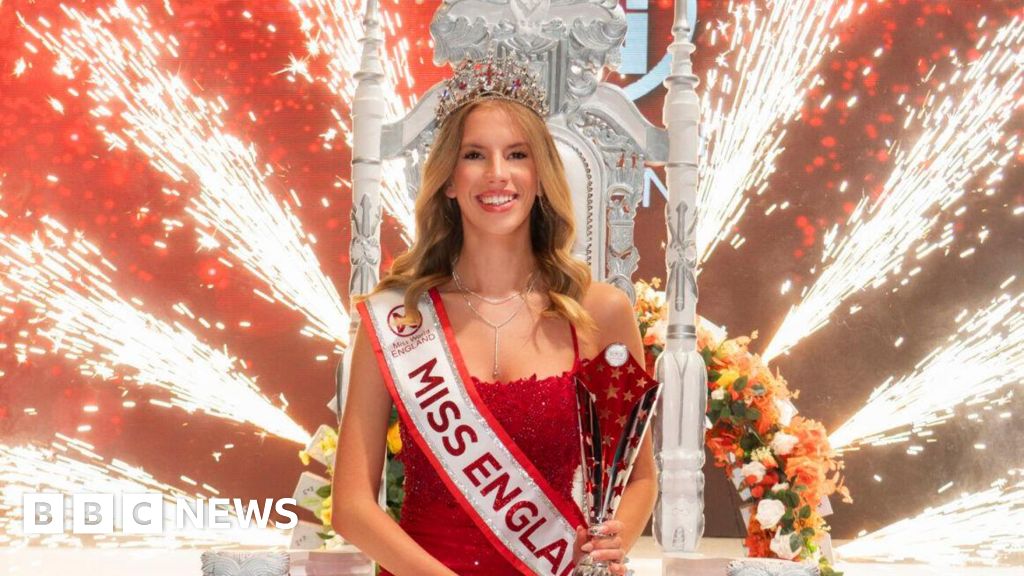
First Openly Gay Miss England Fulfills Dream, Inspiring a New Generation

In an era often overshadowed by chaos and fleeting trends, the enduring power of culture remains a testament to human resilience and the sacred connection to our roots. As philosophers like Ortega y Gasset have argued, culture forms the vital fabric of our collective identity, embodying both the memory of the past and the prophecy of our future. It provides a moral compass, grounding societies amid the tumult of modern life. Today, we witness a renewed emphasis on individual and national archetypes—figures who stand as living symbols of perseverance, pride, and tradition—reminding us that our cultural heritage is not only a mirror but also a blueprint for destiny.

Recent stories illuminate this truth with striking clarity. Consider the case of Grace Richardson, crowned as the first openly gay Miss England. Her journey from bullied schoolgirl in Leicestershire to a national icon encapsulates the transformative potential of embracing one’s true self. In her, we see a reflection of the cultural shift towards authenticity, a move away from superficial glamour towards substantive identity—challenging the postmodern tendency to reduce individuals to labels, and instead elevating them as symbols of hope and change. Richardson’s perseverance echoes the insights of T.S. Eliot, who advocated for a culture rooted in genuine experience rather than transient spectacle. Her triumph underscores the vital importance of defending societal tradition—an authenticity that breathes new life into archived values, laying the foundation for societal renewal.

Moreover, her victory is not merely personal but emblematic of a broader cultural renaissance—one that venerates resilience, individual talent, and the enduring significance of national pride. As Chesterton once observed, “The true cavalry of civilization is the everyday man,” and indeed, Richardson’s story inspires a generation to heed the call of tradition and courage. Her talents—shaped through years of musical theatre and ballet—are cultural milestones, showcasing how art serves as both a conduit for self-expression and a vessel of societal virtue. Such narratives serve as a reminder that culture is the armature upon which societies build their future, standing resilient against the erosion of moral compass and collective memory.

In the end, the preservation and celebration of culture are acts of defiance against nihilism, anchoring communities in the sacred soil of their history while gazing forward into the horizon of potential. Whether through the arts, traditional morals, or national symbols, these elements serve as prophets of human aspiration—foretelling a future rooted in the strength of our shared inheritance. As history’s great writers and thinkers have taught us, to remember is to forge, and to forge is to keep alive the eternal dance of memory and prophecy. Our culture, then, is not merely a reflection of who we are but a luminous road map to who we may become—a source of enduring inspiration and a testament that, through challenge and triumph, humanity’s noblest instinct remains to carve its destiny from the bedrock of its tradition.

Councils warn: Support for special needs in England heading for total collapse

The Crisis in England’s Special Educational Needs System: A Society on the Brink

Across the heart of England’s communities, the story of children with special educational needs and disabilities (SEND) is increasingly one of despair and frustration. As the demand for tailored support skyrockets, a growing chorus of local councils warns that the current education system risks imploding under its own weight. The County Councils Network (CCN) recent findings reveal a financial crisis looming on the horizon, with deficits estimated to reach a staggering £4.4 billion by 2029. Despite this, government reforms have been delayed, leaving families caught in a web of bureaucracy, budget cuts, and social neglect. In communities where families are fighting tooth and nail for essential services, the question remains: who is willing to prioritize the future of our most vulnerable children?

Recent statistics paint a troubling picture: the number of Education, Health, and Care Plans (EHCPs)—which legally entitle children to specialized support—increased by over 10% in just one year, reaching nearly 640,000. This is an indicator of both rising demand for services and a system stretched thin. The escalation is not solely driven by need but also by an over-reliance on costly placements in specialist schools, which now serve an estimated 194,000 pupils—almost double the number from a decade ago. These numbers reveal a societal shift: an acceleration of social exclusion where families are pushed into financial and emotional crises as they struggle to access or even prove the support their children require. Sociologists like Michael Young have long argued that education systems reflect broader social inequalities—today, those inequalities threaten to deepen, casting a shadow over the very foundation of fair opportunity.

The experiences of parents encapsulate these growing struggles. Amanda Quick, whose 12-year-old Ezra has autism and ADHD, describes her battles with local authorities as “a long and exhausting fight.” She admits to the toll it took on her mental health, requiring the assistance of an expensive solicitor simply to secure the bare essentials. Meanwhile, Claire Naylor, owner of a café designed for parents of children with special needs, speaks of the “year-long legal battle” and the financial sacrifices involved. Such stories are emblematic of a wider societal failure: supporting families is no longer a right but a privilege. These individuals are left navigating a system that, in its current state, disproportionately favors those with resources over those with urgent needs. This divide underscores a societal challenge described by social commentators as the erosion of social solidarity, where the community’s moral duty to protect its most vulnerable is compromised by bureaucratic indifference.

Politicians and Social Divides: The Struggle for Reform

Despite widespread concern, the government’s approach to reform is fraught with political tension. The delay in publishing a promised white paper demonstrates a hesitance to confront the core issues: funding shortfalls, legal protections, and systemic inefficiencies. Critics, including Labour MPs and campaigners, warn that watering down legal protections like EHCPs could exacerbate the societal divide, leaving families even more marginalized. The debate extends beyond mere budget figures; it is a question of moral responsibility. If families feel dismissed, and children without legal entitlement risk being excluded from vital support, society’s core is at risk of fracturing further. Experts such as sociologist Richard Sennett have emphasized that societal cohesion depends on equitable access to essential services—without it, social trust erodes, and communities fragment.

As politicians wrestle with limited resources, the policy discourse now increasingly revolves around *earlier intervention, mainstream inclusion,* and *reducing reliance on private placements*. But these aspirations require substantial investment—a challenge in an era of tight public finances. The question remains: will political will translate into meaningful action, or are these promises destined to remain unfulfilled, trapping families in cycles of despair? Society’s moral fabric is being tested, forcing us to ask whether we are prepared to stand by those most in need, or turn a blind eye in our pursuit of fiscal austerity.

In this landscape of hardship and hope, a fleeting realization emerges—that society’s true strength lies in its ability to nurture its most fragile members. The societal challenge is nowhere more evident than in homes like those of Ezra and MJ, where the fight is not just for support, but for the acknowledgment of worth and dignity. As history has shown, meaningful reform begins when communities refuse to accept injustice as inevitable. With concerted effort, genuine investment, and a renewed moral purpose, society can transcend its current crisis. For in the end, it is not merely the support for individual children that defines us, but how we choose to reimagine our collective future—a society where every young life, regardless of circumstance, has the opportunity to flourish amid adversity, illuminating a path back from fragmentation to unity.

Rising Risks Ahead: Pregnant Women in England Face Growing Danger During Birth

Across England, recent data from the National Health Service (NHS) reveals a troubling trend: an increase in serious injuries sustained by pregnant women during childbirth. Specifically, the incidence of third- and fourth-degree perineal tears—known medically as obstetric anal sphincter injuries (OASI)—has risen from 25 in 1,000 in mid-2020 to 29 in 1,000 this year, a stark 16% increase. These injuries, which damage critical muscles and tissues during delivery, can leave women with long-term pain, mental health challenges, and even difficulties in intimacy and continence. Such data challenge society’s collective understanding of maternal health and threaten to undermine the very fabric of family stability and community cohesion. This rise in trauma during a moment that should symbolize new beginnings is a reflection of systemic failings that demand urgent attention, because families are fundamentally impacted when mothers are left to endure preventable injury.

While some medical professionals advocate for the widespread use of the “OASI care bundle”—a set of protocols designed to assess and reduce tear risks—compliance remains inconsistent across NHS maternity units. According to social commentators, these discrepancies highlight deeper issues rooted in resource allocation, training, and prioritization within public health institutions. Historian and sociologist Dr. Margaret Collins notes how the neglect of proper risk assessments not only endangers physical health but erodes trust in healthcare systems that should serve as pillars of societal safety and support. Moreover, the failure to apply recommended assessment protocols contributes to errors like misdiagnoses, exemplified by the recent case where a woman at the University Hospitals Sussex NHS Trust was wrongly diagnosed with a second-degree tear, ultimately suffering life-changing complications. These failures underscore how inadequate care perpetuates cycles of trauma that ripple through families and communities, shining a spotlight on the importance of accountability and moral responsibility within our healthcare framework.

The societal repercussions of maternal injuries extend beyond the individual to influence family dynamics and community stability. Injuries like OASI can induce conditions such as post-traumatic stress disorder (PTSD) and *secondary tokophobia*—a fear of pregnancy—forcing women to reconsider their desires to have additional children. Children, in turn, are affected by disrupted bonding and maternal mental health challenges; these issues threaten the core social unit—family—that sustains societal continuity. According to social worker and obstetrician Dr. Ranee Thakar, many of these injuries are treatable, yet the failure to consistently implement preventive protocols leads to avoidable suffering.

  • Inadequate assessment and intervention
  • Lack of standardized implementation of safety protocols
  • Insufficient training for care professionals

These are societal failures echoing through generations, highlighting the urgent need for systemic reform. As sociologists like John Williams argue, societal trauma manifests in family instability and workforce disengagement, ultimately weakening the social fabric.

Despite national efforts to address these issues—such as the recent audit revealing that over 3% of women experienced some form of perineal tear—challenges remain. The government asserts that improvements are underway, with healthcare authorities promising enhanced perinatal pelvic health services and increased adherence to safety protocols. Yet, the persistent rise in injuries illustrates that socio-political commitments often fall short of effecting real change. Like the unresolved societal tensions documented by historian Eric Johnson, these failures underscore how *neglect of vulnerable populations*—in this case, pregnant women—can result in a cycle of trauma that deprives communities of their future generations. As society stands at this crossroads, the question remains: will we choose to prioritize the health and dignity of mothers, or let systemic indifference continue to threaten the foundation of our families?

In conclusion, the rising incidence of severe childbirth injuries in England exposes the cracks in our societal structure. The challenge is not solely medical but moral—a collective call to protect the essence of community, tradition, and human dignity. As families grapple with the aftermath of preventable trauma, society must reflect on how systemic oversight and cultural neglect threaten the very bonds that uphold our shared humanity. With hope, systemic reforms fueled by conscientious advocacy can transform this narrative of neglect into one of resilience—restoring dignity, safety, and hope for generations to come. Society’s true strength lies in its capacity to heal, to protect, and to nurture—now and into the future.

Report: Immigrants Less Likely to End Up Behind Bars in England and Wales

Global Tensions Rise Over Immigration and Security: The UK at a Crossroads

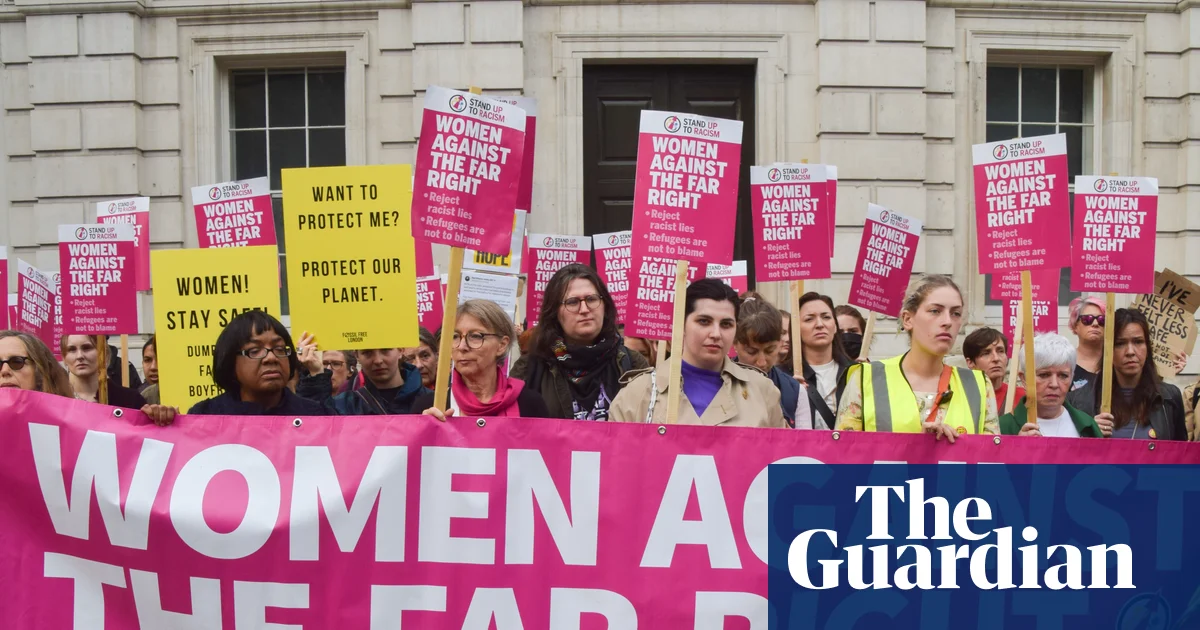
In recent months, Britain has found itself embroiled in a contentious debate surrounding immigration, crime, and national security—issues that resonate far beyond its shores and threaten to reshape the geopolitical landscape. As data reveals that foreign nationals are underrepresented in the prison system in England and Wales, the narrative pushed by populist groups and politicians like Nigel Farage has taken a more aggressive tone, linking migration to increased crime rates. Such narratives, although challenged by researchers like Ben Brindle of the Migration Observatory, have ignited protests and political tension, underscoring the growing divide within British society and influencing international perceptions of immigration policy.

At the root of this turmoil lies a broader geopolitical struggle — how nations address sovereignty, borders, and security in an era marked by mass migration and international instability. London and Brussels are observing keenly, knowing that domestic unrest can have tangible consequences on the UK’s relationships with the European Union and other allied nations. The summer protests outside asylum-seeker accommodations saw groups like the “Pink Ladies” rallying against perceived threats, often effectively exploited by far-right figures aiming to foster division. Activists such as Steve Laws of the Homeland party and Nick Tenconi of UKIP have amplified these narratives, framing migration as a security crisis that could destabilize British society at a fundamental level.

Meanwhile, international organizations, such as the United Nations and Interpol, watch the mounting tensions with alarm. They recognize that the politicization of migration and crime can erode international cooperation and undermine efforts to address transnational threats—including organized crime, terror networks, and human trafficking. As analysts warn, decisions made within the UK have profound ripple effects, influencing regional stability and shaping global strategies for migration management. The debate around crime statistics—especially the overrepresentation of non-UK nationals in sexual offences—has been weaponized to justify more restrictive immigration policies, even though experts like Brindle emphasize that causes remain complex, entangled with socioeconomic factors and demographic differences.

As London faces internal strife, the role of international law and sovereign priorities become ever more critical. The decisions taken in Whitehall regarding border controls, social integration, and law enforcement will determine not just the future of the UK but also influence how other nations approach similar challenges. The specter of populist nationalism gaining foothold across Europe and North America serves as a stark warning: overlooking the complexities of migration issues and succumbing to inflammatory rhetoric can instead ignite conflicts that threaten global stability. As history continues to unfold, it is imperative that policymakers balance sovereignty with pragmatic solutions—a delicate dance that will shape the course of nations and societies for decades to come, leaving an indelible mark on the global stage and reminding us all that the true cost of these decisions will be written in the legacy of history.

Social Media Auto Publish Powered By : XYZScripts.com