Matox News

Truth Over Trends, always!

CDC advisers stall on banning infant hepatitis B shots in heated debate—Trump era clash

US Vaccine Debates and Their Geopolitical Impact

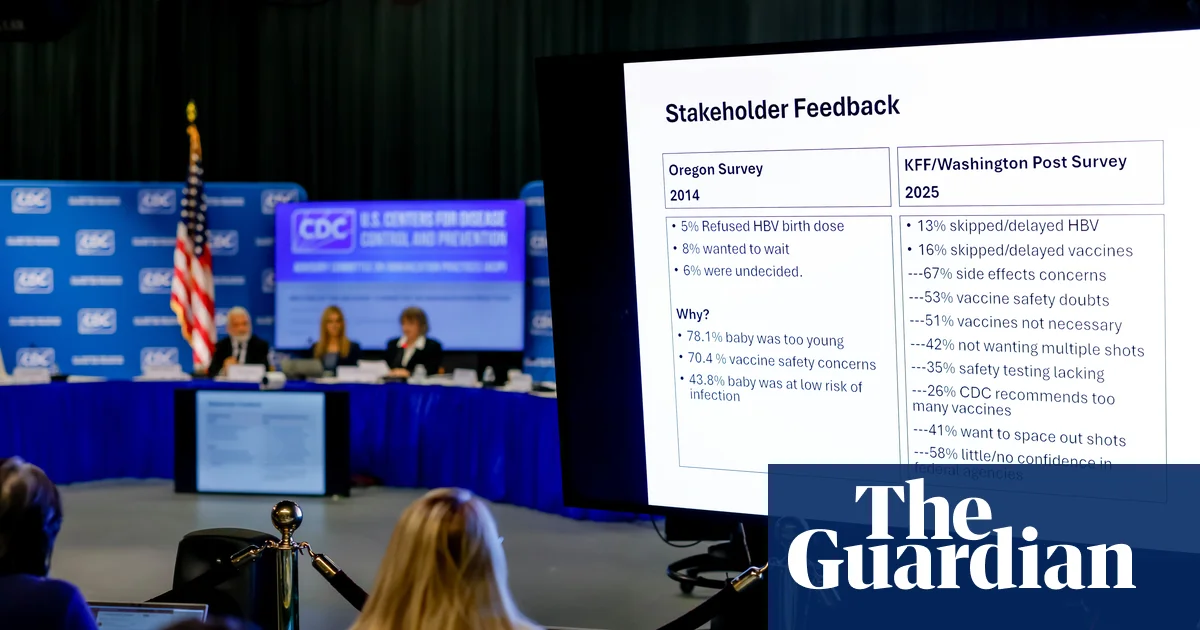
The recent convergence of United States healthcare decisions has underscored a profound shift in the nation’s approach to childhood immunizations. During a contentious meeting of the Advisory Committee on Immunization Practices (ACIP), a pivotal vote was postponed on restricting hepatitis B vaccination for infants. This unprecedented standoff reflected deep divisions that reach beyond domestic health policies, resonating across global health dynamics and geopolitical stability. The decision, or rather its delay, follows a series of recent recommendations that signal a retreat from the consensus historically practiced in vaccine administration, raising alarms about the future health sovereignty of the United States.

Critically, the debate was not rooted in new scientific evidence—no data demonstrating harm from the vaccine was presented—yet it spotlighted ideological rifts. Some members, appointed under controversial political influences, challenged the established safety record of the vaccine, which has protected over 1.4 billion people worldwide for more than three decades. The inclusion of vaccine skeptics within the advisory panels mirrors broader cultural and political tensions, often fueled by figures like Robert F. Kennedy Jr., whose anti-vaccine advocacy has gained notable traction among segments of the American youth. Analysts warn that such associations could erode trust in public health at a crucial juncture, potentially reversing decades of progress in childhood disease prevention.

Implications on National and Global Health Policies

  • In recent months, the ACIP has recommended more restrictive guidelines, including limiting access to vaccines for diseases such as measles, mumps, rubella, and chickenpox, echoing a shift that could challenge international childhood health standards.
  • This trend is compounded by the resignation of Martin Kulldorff, the former ACIP chair, who transitioned to the U.S. Department of Health and Human Services. His replacement, Kirk Milhoan, a pediatric cardiologist with a record of opposing some COVID-19 vaccination mandates, exemplifies a deliberate move away from scientific consensus and towards political influence.
  • World health experts and international organizations have expressed concern over the declining vaccination rates—amid rising vaccine hesitancy and the fallout of the COVID-19 pandemic. The recent surge in measles outbreaks across the U.S. underscores how policy shifts—whether to restrict or promote vaccination—directly influence national and how societies manage emerging health threats.

Historians and public health analysts emphasize that such decisions carry far-reaching geopolitical consequences. Countries worldwide watch as the U.S., a leader in vaccine development, grapples with internal divisions that threaten to weaken collective immunity and global disease control efforts. The focus on vaccine skepticism and political meddling in scientific institutions could redefine the international standing of American health diplomacy. As America navigates this precarious path, the weight of history presses heavily upon its shoulders, with the unfolding narrative of vaccine policies poised to leave an indelible mark on future generations.

In the shadow of these turbulent debates, the capstone remains clear: history continues to be written not just by the decisions of today’s leaders, but by the societal values they choose to uphold. The question remains—will the United States reaffirm its commitment to science and public health, or will it succumb to the divisiveness that threatens to unravel decades of progress? As the world watches with bated breath, the outcome of this internal struggle will undoubtedly shape the global health landscape for generations to come. The pages of history turn, and with them, the very fabric of societal trust and international stability hang in the balance.
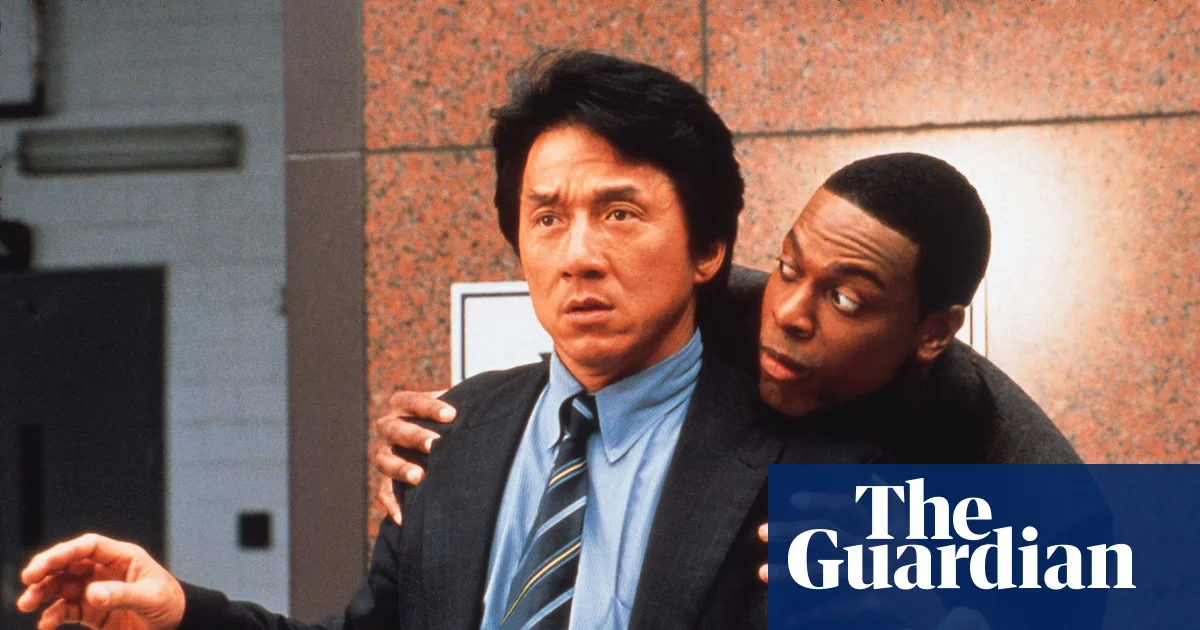
Which iconic franchise will Trump revive next? After reintroducing Rush Hour, the next move in action and adventure films for a new era

In the contemporary landscape, the seat of cultural authority—once occupied by visionaries, playwrights, and philosophers—appears increasingly to be wrested by figures whose influence extends into the very fabric of society’s entertainment and perception. The recent obsession of Donald Trump with controlling and dictating cultural narratives, from his overt meddling in the media to his audacious interference in Hollywood productions, reveals a broader, unsettling truth: culture is no longer merely the reflection of a society’s values but a tool for asserting dominance over its collective consciousness. This phenomenon harkens back to the age-old question of cultural sovereignty—who shapes the stories we tell ourselves about ourselves?—a question that has profound implications for our identity, traditions, and societal cohesion.

Trump’s explicit desire to influence film production—demanding sequels to Rush Hour and Bloodsport—may seem trivial on the surface, but it signifies a deeper cultural fever. As Ortega y Gasset observed, “Man is himself a cultural product, and his destiny is entwined with the stories he believes are true.” When a leader interferes in the artistic domain, he effectively attempts to rewrite that story, shaping a version of reality where popular culture becomes a vessel for political affirmation. His favoritism for cinéma that panders with simplistic violence and juvenile humor—films that lack profundity but promise comfort—reveals a preference for entertainment that reinforces superficial notions of strength and toughness, traits historically associated with national pride and resilience. Such cultural choices matter because, as Tocqueville pointed out, democratic societies risk losing their sense of tradition and purpose when their cultural narratives are reduced to franchises and spectacle rather than shared values and history.

  • Highlights of this cultural shift include:
  • The waning influence of classical storytelling in favor of blockbuster spectacle
  • The erosion of societal cohesion through the trivialization of art and history
  • The resurgence—and in some cases, the distortion—of traditional heroism in popular media

Indeed, as Chesterton famously defended, “a tradition may be defined as an extension of the memory of a people.” When leaders and media moguls distort or trivialize this memory, they risk creating a cultural landscape that is chaotic and unmoored. The philosopher T.S. Eliot once argued that our cultural renewal depends on reconnecting with our roots—our narratives of triumph, tragedy, and moral resolve. In this context, the spectacle of a president advocating for a second or third installment of Shanghai Noon or Bloodsport is emblematic not merely of bad taste, but of a cultural decay where the highest ideals of society are replaced by noise, noise that masquerades as entertainment. It is a reminder that true cultural authority requires the stewardship of tradition, not the whims of a populist’s fleeting fancy.

In the end, culture remains both the memory and the prophecy of humanity—an intricate weave of remembrance and hope, of the stories that sustain us and the visions that propel us forward. Our task is to recognize that the stories we tell define us; that in preserving our cultural memory, we forge the moral compass that guides us through uncertainty. Because, in the silent poetry of history and art, there echoes a truth as old as time: we are what we remember, and in what we cherish, we shape what we shall become.

Rising Stars Shine as Youth League Kicks Off: A New Era of Talent Emerges!

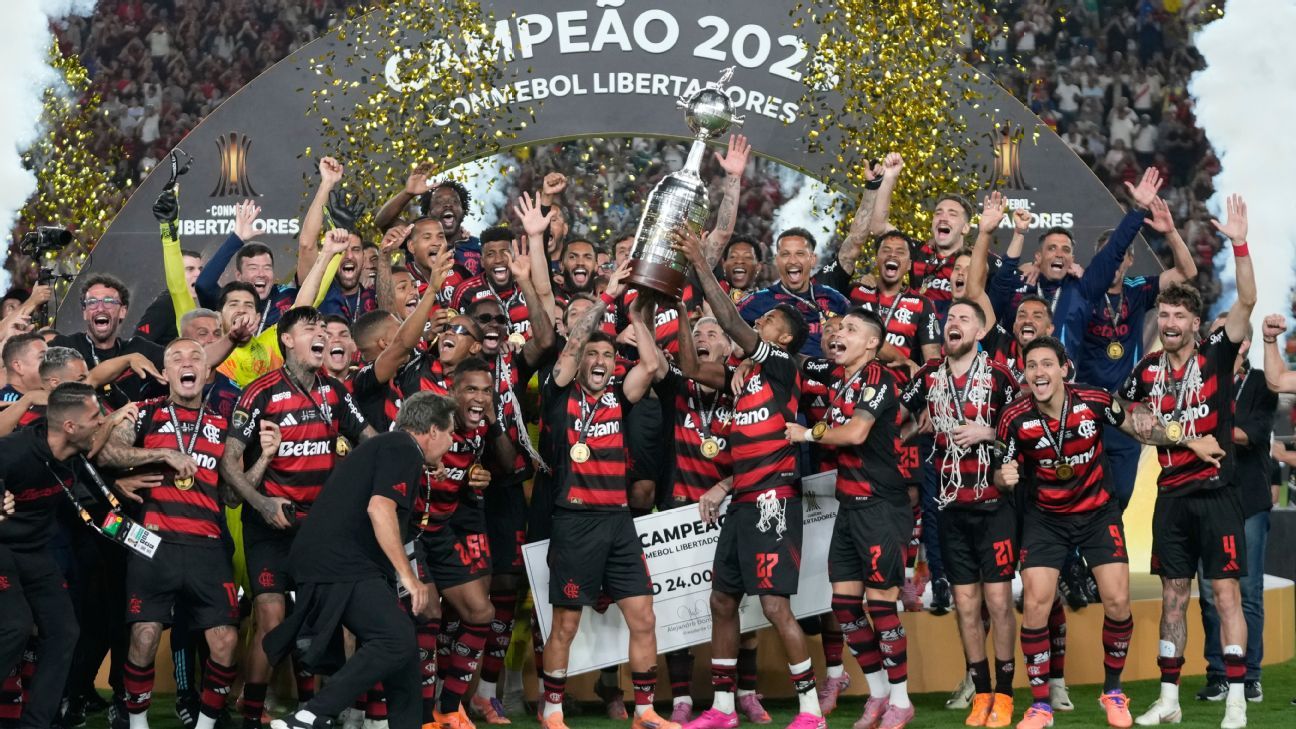
Flamengo Makes History with 2025 Copa Libertadores Triumph

In a thrilling showdown on Saturday, Flamengo clinched the 2025 Copa Libertadores title, overcoming Palmeiras with a narrow 1-0 victory. This triumph not only marks a significant milestone for Flamengo but also cements their legacy as the first Brazilian team to secure four titles in South America’s premier club competition.

The decisive moment of the match came late in the second half when Gabriel Barbosa, affectionately known as “Gabigol,” delivered a stunning strike that left the Palmeiras goalkeeper helpless. This pivotal goal not only showcased his remarkable skill but also highlighted Flamengo’s resilience throughout the tournament. Their determination was evident on the field, as Coach Jorge Jesus emphasized the importance of teamwork and strategic execution leading up to the match.

Throughout the tournament, Flamengo demonstrated resilience and skill, overcoming some of the toughest opposition South America has to offer. Commentators noted the team’s unyielding spirit and tactical prowess, with ESPN analyst Gabriel Nascimento stating, “Flamengo has proven yet again that they are a force to be reckoned with in South American football.” This championship run saw the team make history, solidifying their status as a football dynasty.

  • Match Highlight: Gabigol’s decisive goal in the 78th minute.
  • Key Player: Gabriel Barbosa, who scored the match-winning goal.
  • Historical Achievement: First Brazilian team to win four Copa Libertadores titles.

As Flamengo hoisted the trophy into the São Paulo sky, it became more than just a victory; it symbolized the unity and passion that football ignites across Brazil and beyond. This latest triumph demonstrates how the game transcends mere competition, forging connections among fans and players alike. In the world of sports, victories come and go, but the shared emotions, camaraderie, and dedication to the game will continue to inspire generations. As Flamengo celebrates, they remind us all of the power of sports to unite, uplift, and celebrate the enduring spirit of competition.

Source link

John Lewis boss unveils fresh new look—boycott the outdated department store era

The Revival of Department Stores: A Cultural and Social Shift

Once considered relics of a bygone era, department stores are experiencing an unexpected renaissance, reshaping the very fabric of social and cultural life among modern consumers. Major chains like John Lewis are launching bold strategies to reclaim their standing in an increasingly digital world, signaling a significant shift in retail behavior and societal values. Despite the closure of historic stores such as Debenams and House of Fraser, the industry’s narrative is pivoting towards a more innovative, experiential approach to shopping, emphasizing community, lifestyle, and the overall in-store experience.

Peter Ruis, the dynamic managing director of John Lewis, is spearheading this revival. After overseeing the closure of multiple stores during the pandemic, Ruis is now boldly investing in an £800m overhaul of the remaining outlets by 2029. His vision is rooted in the belief that the department store as an institution remains a vital part of society, especially when transformed to meet the needs of today’s digitally-savvy youth. By fostering an environment that combines shopping, socializing, and lifestyle experiences—such as cafes, beauty sections, and eclectic gift zones—Ruis aims to redefine what it means to visit a department store. Through this approach, John Lewis hopes to appeal to a new generation that values authentic experiences over the passive, transactional nature of online shopping.

The cultural impact of this shift is profound. Modern consumers, especially teens and twentysomethings, are seeking more than just the latest trends—they crave stories, community, and a sense of belonging. Influencer campaigns, like the viral Christmas advert featuring a father and son bonding over vinyl, demonstrate how these stories can evoke emotions and revive brand relevance. By incorporating cross-generational brands such as Topshop, Carhartt, and Charlotte Tilbury alongside tech giants like Apple, John Lewis is positioning itself as a hybrid space that reflects society’s melting pot of tastes and identities. Sociologists argue that these stores serve as modern social hubs—spaces where identity, culture, and social cohesion are cultivated outside the digital realm.

  • Experiential shopping zones that merge fashion, tech, and lifestyle
  • Viral marketing campaigns that appeal directly to younger audiences
  • Expansion of delivery services in partnership with Uber Eats to integrate online convenience with in-store experiences

Yet, the question remains: can traditional department stores adapt quickly enough to stay relevant in a world dominated by instant online gratification? Ruis’s approach suggests that the answer may lie in creating a holistic, multidimensional retail environment—one that offers more than just products, but also experiences, community, and a shared narrative. Is this a glimpse into the next chapter of retail, where physical spaces evolve into cultural catalysts, or merely a strategic effort to hold onto a fading sense of tradition? As stores become more experiential and socially relevant, society must confront whether these spaces will serve as authentic community centers or just elegantly curated, commercial playgrounds. The direction these changes take could influence not just shopping habits but broader cultural trends for decades to come.

Rising Stars Shine in Thrilling Youth Championship: A New Era of Sports Awaits!

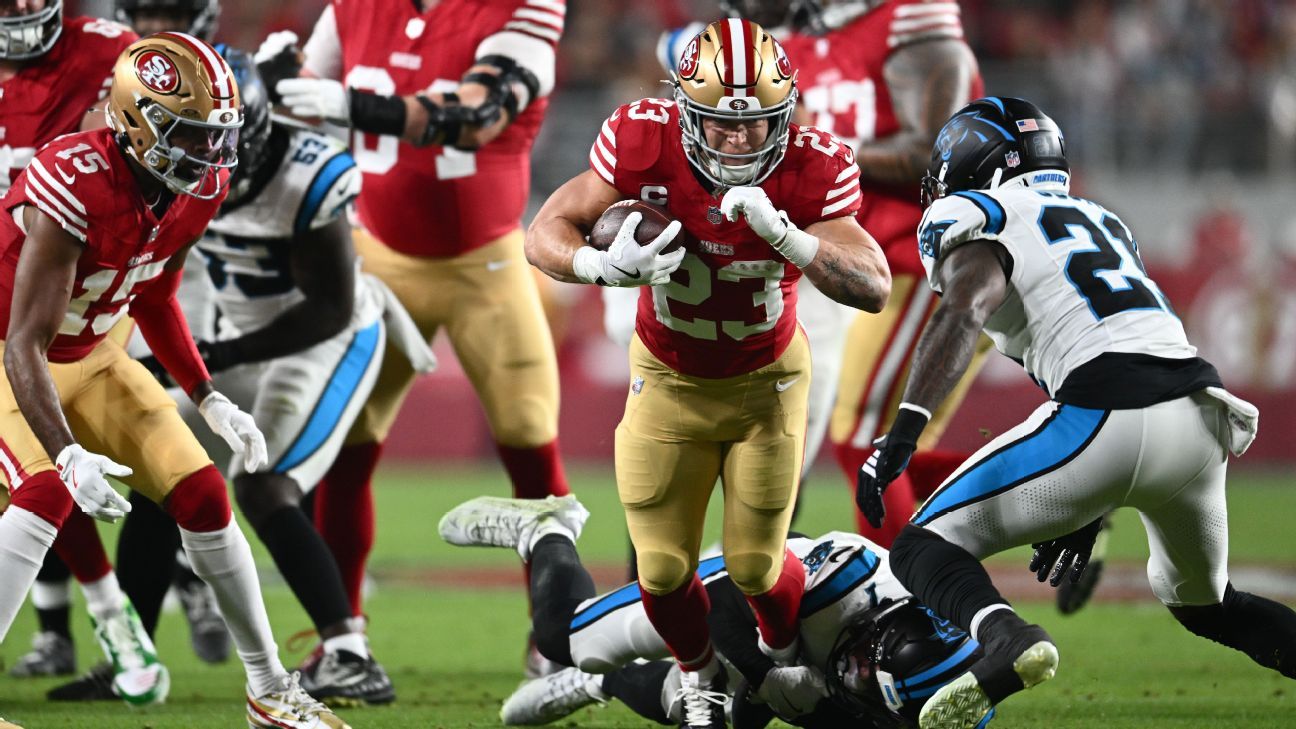
McCaffrey Shines in Emotional Matchup Against Ex-Team

This past weekend, the San Francisco 49ers faced off against the Carolina Panthers in a highly anticipated matchup that held personal significance for Christian McCaffrey. This game marked McCaffrey’s first encounter with the franchise that traded him to the 49ers in 2022, and he certainly made his presence felt on the field.

The game was electric from the opening kick, with both teams hungry for a win. However, it was McCaffrey who stole the show, delivering a performance that will be talked about for weeks. With an impressive total of 150 yards rushing and two touchdowns, he single-handedly propelled the 49ers to a decisive victory over the Panthers. Notably, McCaffrey’s first touchdown came during a critical moment in the second quarter, changing the momentum and silencing the rowdy home crowd.

  • 49ers outgained the Panthers 450 to 320 in total yards.
  • McCaffrey averaged an astounding 7.5 yards per carry.
  • The 49ers defense held the Panthers to just 60 yards rushing.
  • Quarterback Brock Purdy threw for over 300 yards and two touchdowns.

As noted by analyst Troy Aikman, “It’s not just about the stats; it’s about how a player rises to an occasion.” McCaffrey’s performance exemplified this notion, showcasing his adaptability and determination—qualities every aspiring athlete should aspire to embody. Head Coach Kyle Shanahan expressed immense pride in his star player, stating, “Christian understands the game on another level; he was ready for this moment.”

Beyond the scoreboard, this matchup serves as a reminder of what sports can accomplish—it brings people together, creates lasting memories, and often reignites old rivalries. For fans and players alike, the anticipation surrounding McCaffrey’s return to Carolina encapsulated the powerful bond that sports can forge, transcending personal narratives. As the 49ers continue their push for the playoffs, McCaffrey’s contributions will undoubtedly inspire a greater sense of unity among fans and teams, illustrating that, in the world of sports, it’s not just about competition—it’s about shared experiences and collective triumphs.

Source link

Rising Stars Shine as High School Championships Kick Off: A New Era of Talent Unfolds!

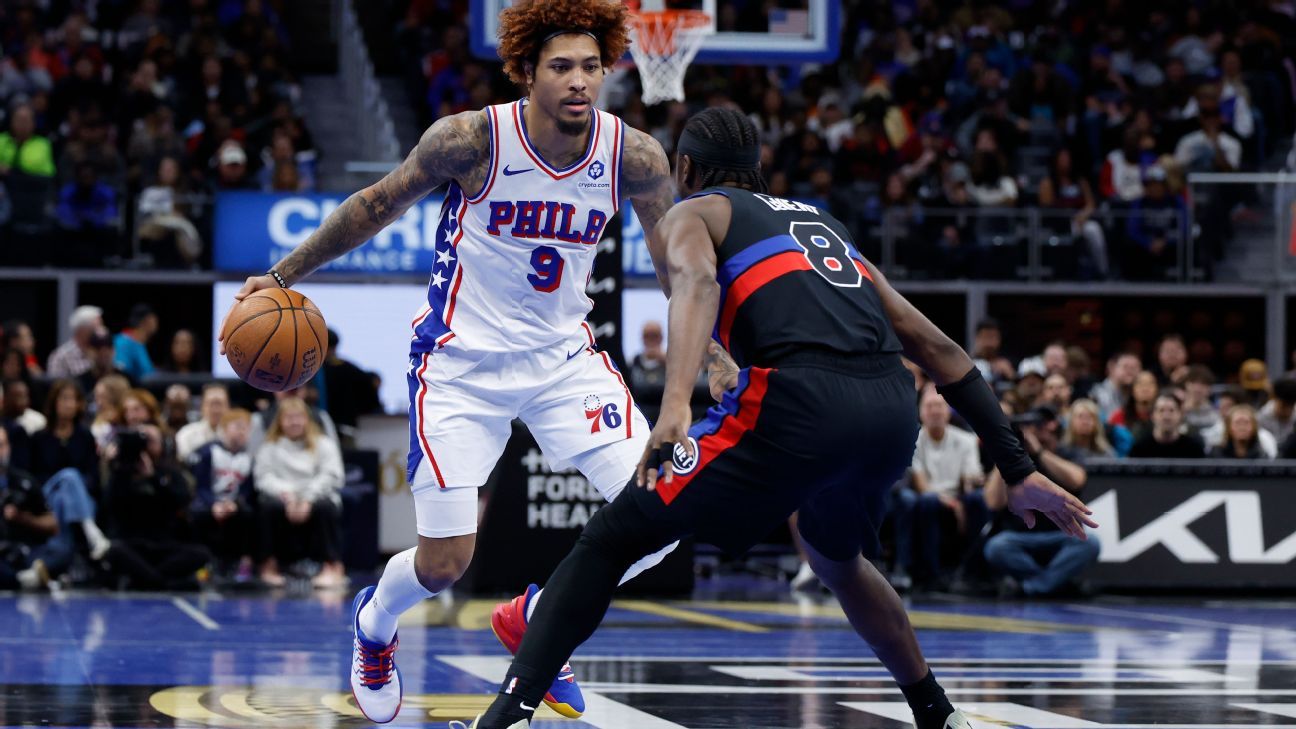
Philadelphia 76ers Forward Kelly Oubre Jr. Faces Injury Setback

In a disappointing turn of events for the Philadelphia 76ers, forward Kelly Oubre Jr. has been diagnosed with a sprained ligament in his left knee, sidelining him for at least two weeks. The announcement came Wednesday night, raising concerns about the team’s depth and performance as they look to solidify their playoff positioning in the Eastern Conference. Coach Doc Rivers expressed his concern about the timing of Oubre’s injury, emphasizing the need for other players to step up during this critical stretch.

Oubre Jr., who has emerged as a crucial player for the 76ers this season, was averaging 18.5 points and 5.2 rebounds per game prior to the injury. His dynamic scoring ability and quick athleticism have provided the team with a much-needed offensive spark. Commentator Stephen A. Smith weighed in on the impact of Oubre’s absence, stating, “This is not just a loss of points; this is a loss of energy and momentum for a team trying to find stability.” This underscores the importance of his role as the 76ers navigate the challenges ahead.

As the 76ers prepare for upcoming matchups, including a crucial game against the Miami Heat, the team will need to find a way to compensate for Oubre’s void. The organization is looking to veteran players like James Harden and Joel Embiid to carry the load, while younger talents will need to rise to the occasion. Head Coach Rivers remains optimistic about his squad’s resilience, stating, “Injuries happen, but they also provide opportunities for growth. We have a deep bench, and I trust these guys.”

While statistics and standings certainly matter, the essence of sports extends beyond the scoreboard. The culture of teamwork, resilience, and unity remains a staple of participation in any athletic endeavor. Every time a player dons the jersey, they not only represent their team but also the hope and enthusiasm of fans everywhere. As the Philadelphia 76ers move forward in the absence of Kelly Oubre Jr., the challenge becomes more than just winning games; it is about coming together, carrying the torch for one another, and demonstrating that true strength lies in unity.

Source link

Rising Stars Shine in Thrilling Championship Finals: A New Era for Young Athletes

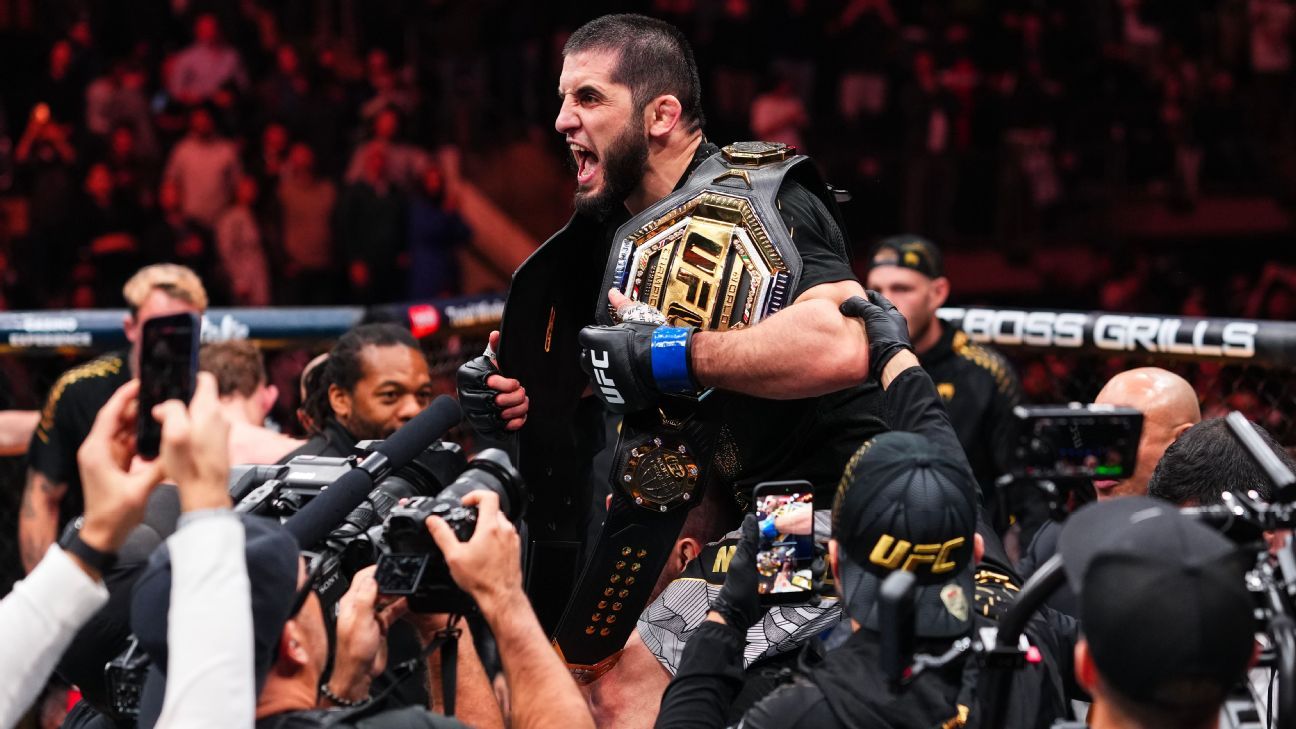
Analyzing the Best in Combat Sports: UFC, PFL, and Beyond

In the ever-evolving world of mixed martial arts, every weight class brings forth fierce competition and unparalleled talent. The rankings in organizations like the UFC and PFL are not merely a set of statistics; they are a showcase of the dedication and skill that fighters bring into the octagons and rings. As young fans eagerly debate who reigns supreme, it becomes essential to dissect each weight class and identify the standout fighters who leave an indelible mark on the sport.

When examining the lightweight division, one cannot overlook the prowess of fighters such as Charles Oliveira and Dustin Poirier. These athletes have engaged in nail-biting battles that have drawn fans to the edge of their seats. Notably, Oliveira’s ability to finish fights with submission moves has made him a formidable competitor. According to commentator Joe Rogan, “His grappling is at a level that most have never encountered,” exemplifying why he is often touted as the best within the division. On the other hand, Islam Makhachev brings a new level of dominance to the lightweight ranks, showcasing that the competition remains fierce and ever-changing.

Moving to the welterweight division, fighters like Kamaru Usman have maintained the championship pedigree that defines greatness. Under the guidance of his coaches, Usman has developed a balanced skill set that emphasizes both striking and grappling. Observers note that the tactical adjustments he makes during matches set him apart. One statistic that stands out is his remarkable takedown defense—an impressive 98% success rate, indicating that opponents have a tough hill to climb in challenging this champion.

As we transition to heavyweights, the anticipation builds around fighters like Francis Ngannou and Cyril Gane. Their explosive power and technique redefine the limits of human capability in combat sports. There is something awe-inspiring about watching these giants clash, and the excitement generated is unlike any other spectacle in sports today.

Ultimately, the realm of combat sports is more than just a scoreboard; it serves as a unifying force among fans. No matter the outcome, shared moments in arenas and living rooms, passionate discussions about fight strategies, and the adrenaline of unpredictable outcomes foster a sense of community. As young enthusiasts continue to support their favorite fighters and discussions flourish, it becomes clear that through the highs and lows, the spirit of competition truly binds us all. In the end, it is the fight—on and off the mats—that brings people together in a celebration of resilience, dedication, and passion.

Source link

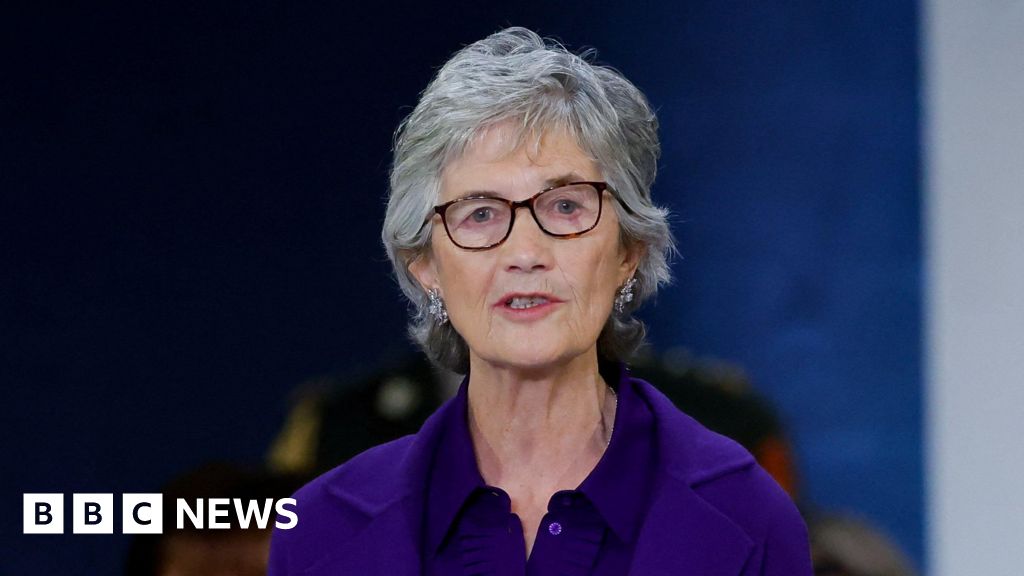
Catherine Connolly Makes History as Ireland’s 10th President—A New Era Begins

In a decisive turn towards renewal, Republic of Ireland has ushered in Catherine Connolly as its 10th president with an overwhelming landslide victory. Her inauguration at Dublin Castle symbolized more than a transition of symbols; it represented a potential recalibration of Ireland’s role on the international stage. As a country that has long maintained a nuanced, often cautious stance amidst European and global conflicts, Ireland’s choice to elect Connolly—who has articulated a vision centered on inclusion and dialogue—signals a shift that could ripple through the landscape of geopolitical diplomacy and intra-island relations.

Connolly’s vows to foster an inclusive dialogue across the island and her recognition of the seismic changes since the Cold War emphasize an Ireland seeking a nuanced role amidst the ongoing reshuffle of international alliances. Her remarks, advocating for pride in the Good Friday Agreement as a peaceful conflict resolution model, suggest an advocate for stability, yet underscore the delicate balancing act Dublin faces in managing relations with Northern Ireland and the broader United Kingdom. Analysts note that her leadership might reorient Ireland toward a more proactive stance in regional diplomacy, a change that could bolster or challenge existing balances of power in the British Isles, especially as tensions over Brexit and Northern Irish sovereignty persist.

The attendance at the ceremony underscores Ireland’s complex engagement with both unionist and nationalist communities. The absence of representation from the Democratic Unionist Party was explained as not a “snub,” reflecting the continued tensions and the importance of respect across sectarian lines. Ulster Unionist MLA Steve Aiken emphasized the significance of demonstrating respect “due to the president,” amidst ongoing debates about unionist identity and allegiance. Endorsements or abstentions like these ripple out, directly impacting how decisions made in Dublin are perceived in Belfast and beyond, shaping societal perceptions and diplomatic leverage alike.

The broader international landscape remains volatile as major powers recalibrate their strategies. From strategic disagreements over trade, security alliances, to the reshaping of EU borders and policies, Ireland’s positioning—balancing its historic neutrality with growing aspirations for a more influential role—becomes ever more consequential. Global organizations and seasoned historians warn that these internal rifts and external alignments, if mismanaged, could lead the country down a path of increased instability or unforeseen geopolitical consequences. How Ireland navigates this era of seismic shifts will not only define its societal fabric but could also serve as a litmus test for stability in an increasingly volatile world.

As the world’s eyes turn toward Dublin, the weight of history presses heavily on the unfolding chapters of Ireland’s story. With Connolly’s leadership seeking unity amid divergence and strategic ambiguity, her presidency might serve as a beacon or a warning—depending on how deftly her administration maneuvers through the tumult. In a world on the brink of transformation, the future remains as uncertain as it is inevitable—a relentless chapter of history still being written, with Ireland poised at a crossroads, its destiny intertwined with the shifting tides of global power.

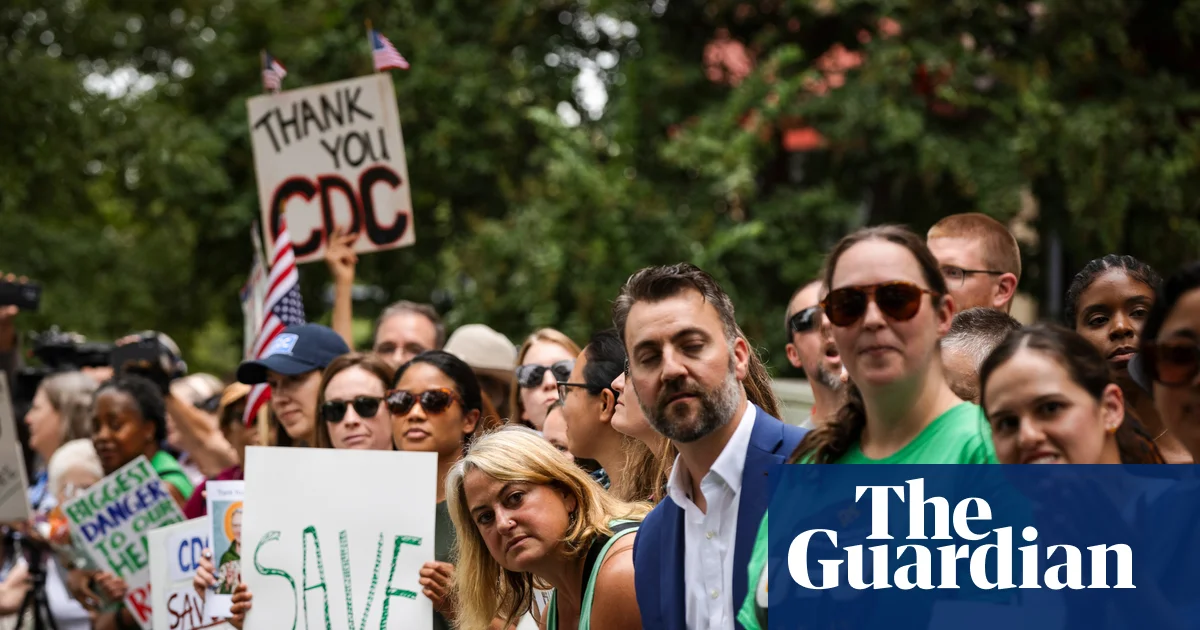
CDC Staff Confront ‘Limbo’ After Cycles of Firing and Rehiring Under Trump Era

The Fallout of CDC Layoffs: A Society in Turmoil and the Erosion of Public Trust

In recent months, the chaos surrounding layoffs at the Centers for Disease Control and Prevention (CDC) has unveiled deeper societal fractures that threaten the very fabric of community health and safety. As layoff notices flood federal offices, many families are witnessing firsthand how depopulation of critical health agencies diminishes America’s capacity to respond to public health crises. The involuntary attrition of over a quarter of the CDC workforce, including vital departments like the National Center for Chronic Disease Prevention and the Research Library, underscores a disturbing trend towards the dismantling of institutions meant to safeguard community well-being.

This wave of fiscal austerity and administrative chaos is not simply an issue of bureaucratic inefficiency; it narrows the pathways of trust and accountability that families rely on during health emergencies. The elimination of offices tasked with research and oversight—such as the ethics office and the Institutional Review Board (IRB)—raises profound questions about the moral responsibility of leadership. When crucial checks and balances are removed, families and communities are left vulnerable to unanticipated risks or ethical breaches that could have been prevented in better times. As social historian Dr. Lisa Greenberg notes, institutions like the CDC form the backbone of societal resilience, and their systematic undermining signals a dangerous slip away from accountability and expertise.

The implications extend beyond the realm of policy into everyday lives. Families, educators, and local communities are increasingly feeling the weight of a fractured health infrastructure. Arguments made by sociologists such as Dr. Samuel Torres suggest that the erosion of institutional integrity fosters a culture of skepticism and politicization that hampers collective efforts to address pressing issues like mental health, substance abuse, and preventative care. A community lacking coherent health guidance becomes a vulnerable arena for misinformation and fear, with many parents and teachers struggling to navigate an environment where evidence-based recommendations are disregarded or unavailable.

Amid this turmoil, the human impact manifests most painfully in instances like the tragic terrorist attack on CDC headquarters, where employees faced gunfire and trauma, or the targeted harassment and doxing that threaten the safety of public health champions. Such incidents expose a societal tension: when public health officials become targets of hostility or violence, it underscores a troubling decline in societal civility and respect for expertise. Former CDC officials warn that the decimation of the agency’s leadership impairs the nation’s ability to respond swiftly and effectively, leaving Americans increasingly exposed to health risks. This erosion of leadership, as historian Dr. James Navarro reflects, demonstrates a broader shift in societal values—from trust and collective responsibility to suspicion and individualism.

Ultimately, the story of the CDC layoffs is a mirror held up to society’s own vulnerabilities. As government resources dwindle and leadership becomes consumed with partisan battles, the hope for societal renewal lies in recognizing the importance of institutions rooted in expertise, ethics, and community service. The resilience of families and communities depends on their ability to advocate for a return to responsible governance—one that values human life over political optics. In the silence left by empty offices and forsaken research, society is called to reflect: can the communities built on shared values rebuild from the ruins, or will they fall further into disarray? The path forward demands more than policy shifts; it requires a renewed moral commitment to safeguard the health and dignity of every American, especially in an era where societal harmony and scientific integrity hang in delicate balance.

Rising Stars Shine in Thrilling Youth Championships: A New Era of Talent Emerges

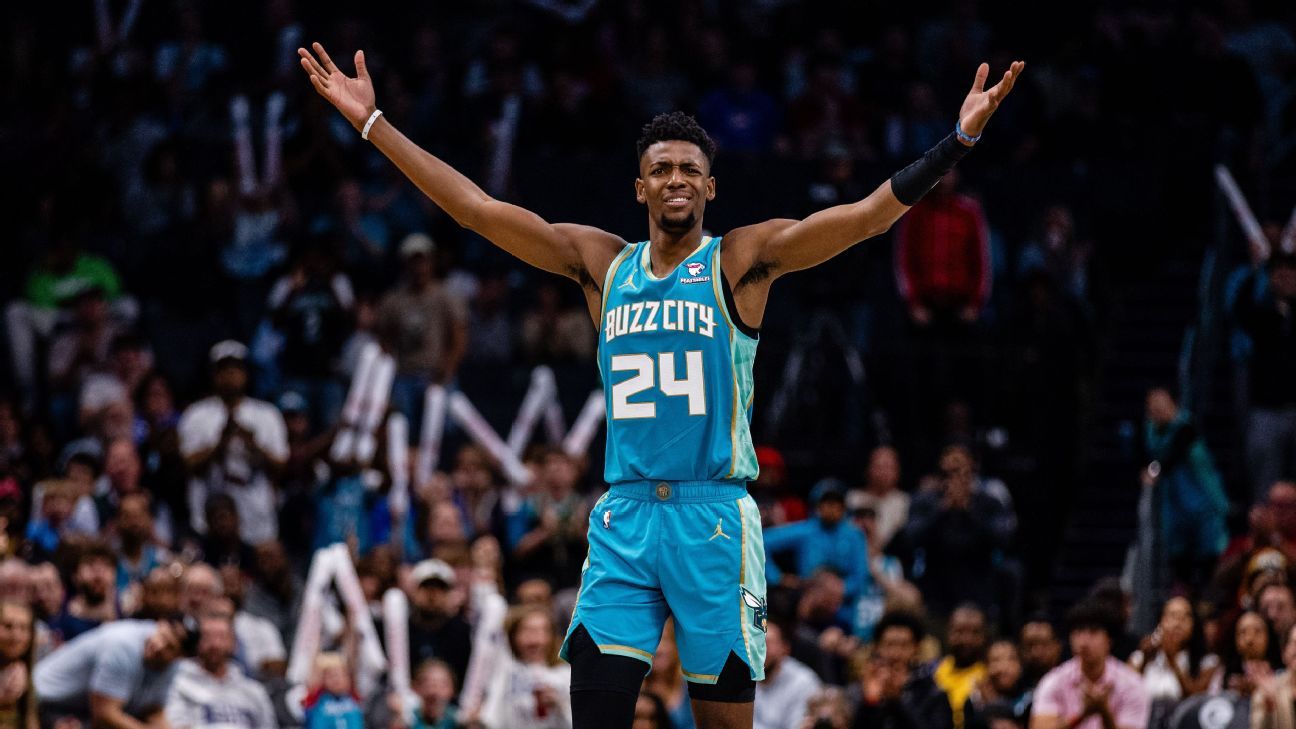
Charlotte Hornets Secure Future with Key Team Options

In a strategic move that reflects confidence in their young talent, the Charlotte Hornets have officially exercised team options on guard Brandon Miller and forward Tidjane Salaun. This decision was announced on Friday and signals the franchise’s commitment to building a competitive roster for the upcoming season.

Miller, who has caught the attention of analysts for his exceptional skills and potential, continues to be a focal point in the Hornets’ rebuilding efforts. During the previous season, he averaged 15.3 points, 4.7 rebounds, and 2.8 assists per game, showcasing his versatility on the court. Coach Steve Clifford expressed optimism about these decisions, stating, “Both players are crucial to our long-term strategy. Their development will be essential as we pursue our goals.”

Meanwhile, Salaun‘s development has been promising as well. Although he has a smaller sample size in terms of professional play, his presence in the forward position adds depth to the team’s roster. Throughout his time in the G League, Salaun demonstrated an ability to contribute defensively and offensively, which aligns with the Hornets’ strategic vision. Clifford added, “We believe in their potential and their work ethic. They represent the future of the franchise.”

  • Miller’s Stats: 15.3 PPG, 4.7 RPG, 2.8 APG
  • Salaun’s Promise: Defensive prowess and offensive contributions in G League
  • Team Focus: Building a competitive roster for the upcoming season

The decision to secure options for these two promising players serves as an indication of faith in the organization’s direction. As the 2023-2024 NBA season approaches, the Charlotte Hornets aim to create synergy and cohesion among its players. In the world of sports, the scoreboard often defines success, but it is the stories of growth, resilience, and unity that truly resonate. In the face of competition, the Hornets, led by a new generation of talent, are not just scoring points; they are laying the groundwork for a legacy that transcends basketball.

Source link

Social Media Auto Publish Powered By : XYZScripts.com