Matox News

Truth Over Trends, always!

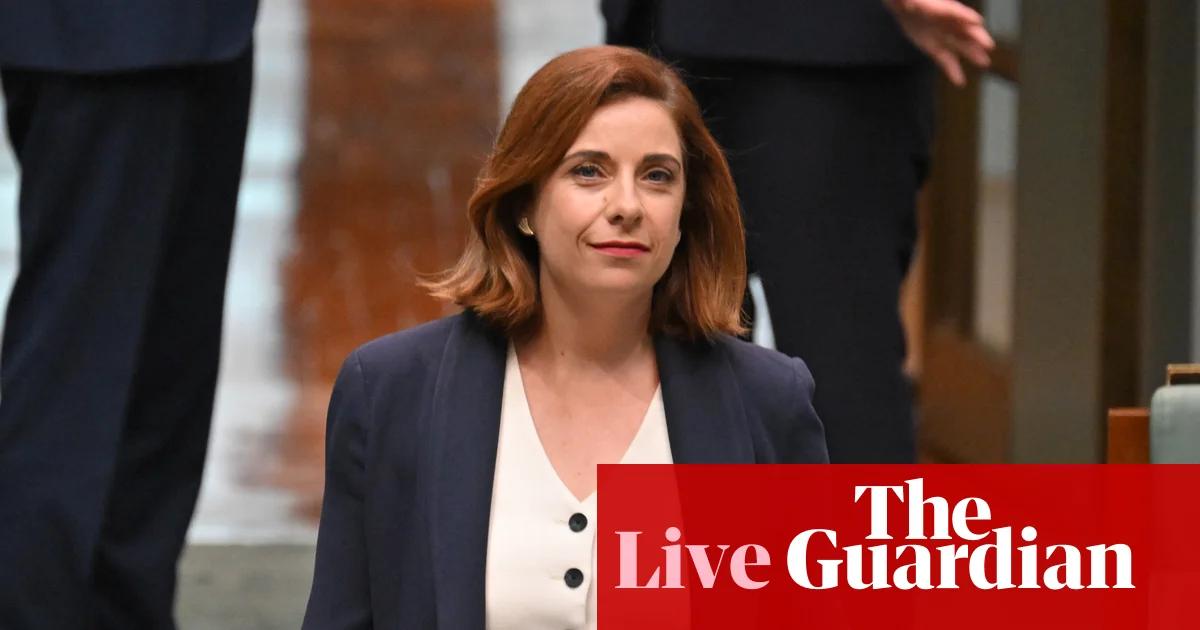
Australia Politics Live: Telcos Hit Harder But Liberals Must Move Beyond Howard Era, Hastie Warns

The recent developments in Australia’s national politics and policy landscape highlight the significant geopolitical impact of domestic decisions on regional stability and international perceptions. The Australian government’s move to escalate fines for telecommunications companies failing to connect users to the emergency triple zero service, now set at $30 million, underscores a notable shift towards reinforcing critical infrastructure accountability. This regulation, driven by bipartisan support from Labor and Coalition members, marks a clear message that corporate negligence in essential services will not be tolerated. As analysts from the International Institute for Strategic Studies observe, such measures reflect Australia’s intent to project strength and resilience, especially as it faces regional challenges and global scrutiny over public safety standards.

Simultaneously, the Australian Parliament has taken steps to increase transparency in telecommunications outages by mandating companies to maintain a public register of network disruptions that are updated in real-time. This proactive move follows the September outage incident involving Optus, which exposed vulnerabilities in Australia’s emergency response network. The decision to require ongoing transparency can be viewed as part of a broader strategy to bolster public confidence not only domestically but also in Australia’s role as a regional leader in digital infrastructure. This initiative signals a clear posture: the government prioritizes sovereignty over critical communications, ensuring that international partners and allies see Australia as committed to public safety and technological sovereignty. The U.S.-based National Security Council comments that such transparency measures may serve as a template for other nations seeking to safeguard their own emergency networks against cyber threats and operational failures.

At the same time, internal political struggles continue to shape the nation’s trajectory. Barnaby Joyce, a veteran figure in Australia’s conservative ranks, has indicated he will consider his political future over the upcoming summer, with speculation swirling over his potential joining of One Nation. Meanwhile, fellow nationalist figure Andrew Hastie has voiced warnings that the Liberal party can no longer navigate the political landscape by *living in the Howard era*. These internal debates carry profound geopolitical consequences—a fractured conservative bloc may weaken Australia’s stance on strategically vital issues such as climate policy and regional alliances. As political analyst Dr. Liu Zhang from Beijing’s Institute for International Studies notes, a divided Australian government could undermine the nation’s ability to act decisively on the international stage, particularly amid rising regional tensions with China and the Indo-Pacific.

Furthermore, these internal tensions, intertwined with the ongoing debate about Net Zero emissions, demonstrate how national policy decisions echo across borders. The Labor government’s firm stance on higher penalties for telcos and increased transparency reflects a broader push to demonstrate international credibility—particularly in the face of global climate commitments and regional security pacts. What remains at stake is not merely Australia’s domestic policy but its global standing as a stable, responsible actor in an increasingly uncertain international order. As global institutions like the United Nations scrutinize national commitments, the resolve—or wavering—of Australian leaders in such foundational issues will unavoidably influence regional trust and assertiveness. The course of these domestic struggles, political choices, and policy decisions are chapters in a larger narrative—the story of a nation navigating the tumultuous waters of a shifting geopolitical landscape, the outcome of which will shape history in ways yet to unfold, leaving the world watching with bated breath as Australia writes its next move.

Local High School Stars Shine in Championship Showdown: A New Era of Talent Emerges!

Game Day Showdown: Stars Shine Before the Clash

The atmosphere was electric as players from both Team A and Team B made their grand entrances into the stadium, decked out in styles that reflect their unique personalities. The pregame tunnel was not just a passageway, but a runway, with each athlete showcasing not only their sportsmanship but also their fashion sense. Commentary from former player and analyst Mike Johnson emphasized the importance of these moments, stating, “It’s all part of the show. Fans connect with their favorite players in more ways than just the scoreboard.”

As anticipation built for the highly-anticipated matchup, fans filled the stands, eager for what would likely be a game to remember. The strategic minds behind each team, Coach Smith of Team A and Coach Johnson of Team B, meticulously crafted their game plans. Both coaches seem determined to outsmart each other on the field, emphasizing their unique approaches. “Defensive discipline will be key today,” Coach Smith noted during a pregame interview, underscoring the importance of a solid defense in high-stakes games.

  • Team A boasts a formidable offensive lineup, having averaged 30 points per game this season.
  • Player X from Team B is a standout, holding the title of league MVP and racking up an impressive 1,200 yards this season.
  • The game features a historical rivalry that has captured the attention of fans for decades.

As the clock winds down and fans anxiously await the kickoff, it is more than just a battle for victory. This is a celebration of community and the spirit of sport, where the scoreboard tells one story while the passion and unity among fans write another. The essence of competition goes beyond just points; it thrives in the shared experiences, the highs and lows that bind us together. In a world increasingly divided, sports remain a beacon, reminding us of our collective strength. As the players prepare to take the field, one sentiment rings true: the love for the game unites us all.

Source link

Former Officials Warn: US Headed Toward Authoritarianism Under Trump Era

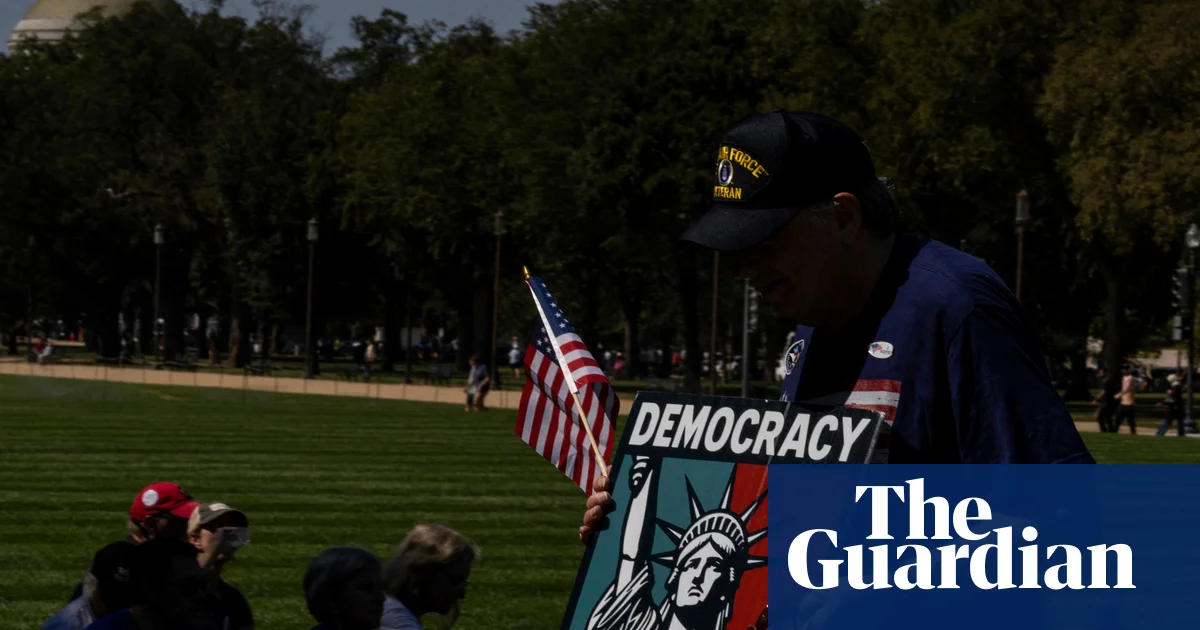
The United States, long heralded as the beacon of democracy, now faces sobering internal challenges that threaten to reshape its constitutional fabric. A recent assessment by a coalition of former US intelligence and national security officials paints a stark picture: the country is “on a trajectory” toward authoritarianism. Drawing from the methods once used to evaluate foreign democracies, the report titled “Accelerating Authoritarian Dynamics” warns that democratization in the US is now in jeopardy. Despite the outward appearance of electoral processes and judicial institutions, the assessment concludes that systematic manipulation—fueled by unchecked executive power—threatens the core principles of checks and balances that have long defined the nation’s political identity.

This internal crisis echoes historical patterns observed during periods of upheaval worldwide. Analysts warn that what is unfolding in the US resembles what scholars call “competitive authoritarianism”, where elections continue but are marred by tactics designed to weaken opposition and control institutions. The current trajectory, accelerated under Donald Trump’s administration, has seen clear strategies to ensure loyalty within federal agencies, influence the judiciary, and undermine independent watchdogs. The assessment highlights how figures within the White House have consistently tested legal and constitutional boundaries—from deploying federal troops in cities to aggressive purging of officials deemed disloyal. Such moves recall authoritarian playbooks designed to concentrate power and erode civil liberties from within.

Global observers and democracy scholars worldwide are watching with concern. International organizations have issued warnings that the US‘s democratic backslide could have ripple effects across democracies everywhere, especially as other nations face rising populism and executive overreach. The European Union and OECD, for instance, are scrutinizing America’s internal shifts, emphasizing that how decisions are made at home influences global stability and societal trust. Historians caution that if these trends continue unchecked, the US could be headed toward a period of political instability reminiscent of years marked by civil unrest and institutional decay. Meanwhile, the implications for the world stage are profound: a weakened democratic superpower may embolden autocratic regimes elsewhere to tighten their grip on power, undermining international stability.

As the report underscores, the fundamental question remains: how can America reverse its decline? With a society polarized and institutions under assault, the international community faces a defining moment. Will internal resistance to authoritarian drift — from grassroots movements, civic society, and political leaders dedicated to preserving democratic values — rise to challenge this ominous trend? Or will recent actions, like politically motivated indictments and executive overreach, entrench a new normal where liberty is sacrificed on the altar of power? History’s pen is poised, history is still unwritten, and the weight of the future rests on whether the US can reclaim its democratic destiny before it is lost forever.

Nine Bold Lessons from Victoria Beckham’s Docuseries: Why We Had to End the Wag Era

The Beckhams continue to demonstrate that their social influence extends far beyond footballs and pop lyrics into the realm of lifestyle and societal trends. Their recent public appearances and candid moments reveal more than just celebrity gossip — they signify a larger shift in how the modern elite approaches personal branding and social relevance. Victoria Beckham’s increasingly curated habits, from her exclusive choice of drinkware to her carefully orchestrated public image, underscore a move toward a calculated minimalism that resonates strongly with today’s youth. Gone are the days of cluttered kitchen cabinets filled with questionable novelty mugs; instead, Victoria seems to embrace a less-is-more ethos, sipping from sleek sippy cups and monogrammed glass straws, signals of a subtle yet deliberate redefinition of luxury and authenticity.

This behavior highlights a bigger societal trend among the young, affluent, and aspirational — a push toward authenticity, simplicity, and personalized branding. Influencers like Kim Kardashian and Harry Styles have popularized a style of self-presentation that aligns with this shift, emphasizing curated minimalism and individual expression over ostentation. For sociologists and analysts, such as Dr. Lisa Buchanan, this transition indicates a broader cultural pivot: the image of effortless, almost mundane luxury that speaks to a generation eager to reject excess but still crave exclusivity. Victoria’s subtle walk-through of her daily rituals—such as her strategic positioning beside David for camera optics or her choice to “bury her boobs” for sleek elegance—emphasize her mastery at blending high fashion with relatable authenticity. This is an era where celebrity is crafted through nuanced behavioral cues.

And let’s not overlook her cultural power plays. Her interactions with legendary designers like Donatella Versace and media icons such as Anna Wintour serve as deliberate signals of her influence and credibility within the fashion world. Even her unconventional fashion choices — like her decision to customize her wardrobe by shortening dresses or altering runway pieces — challenge traditional notions of authority in the industry. Meanwhile, her home life, including a £70,000 investment in plants and the construction of a mansion dubbed “Beckingham Palace”, showcases how her identity now extends into her personal habitat as an extension of her brand. These seemingly superficial details actually function as social signals, reinforcing her status as a mogul who can blend lifestyle trends with cultural authority.

Yet, beneath the polished veneer lies a compelling question: as Victoria and David continue to navigate their personal narratives — from playful teasing about modestly-sized “magnificent” assets to tearful tears over fashion mentorship — we are left to wonder what the next evolution of this celebrity lifestyle will be. Will the rising generation of young influencers and entrepreneurs embrace this curated simplicity as a new form of luxury? Or are these carefully constructed images destined to be replaced by authentic, raw expressions that challenge the very notion of celebrity as a constructed identity? The future of celebrity lifestyle trends remains a fascinating conversation — one that blurs the line between authentic individuality and calculated social positioning. As we watch Victoria Beckham redefine elegance, the core question for tomorrow’s tastemakers might just be: how much authenticity can this curated minimalism sustain in a world obsessed with genuine connection?

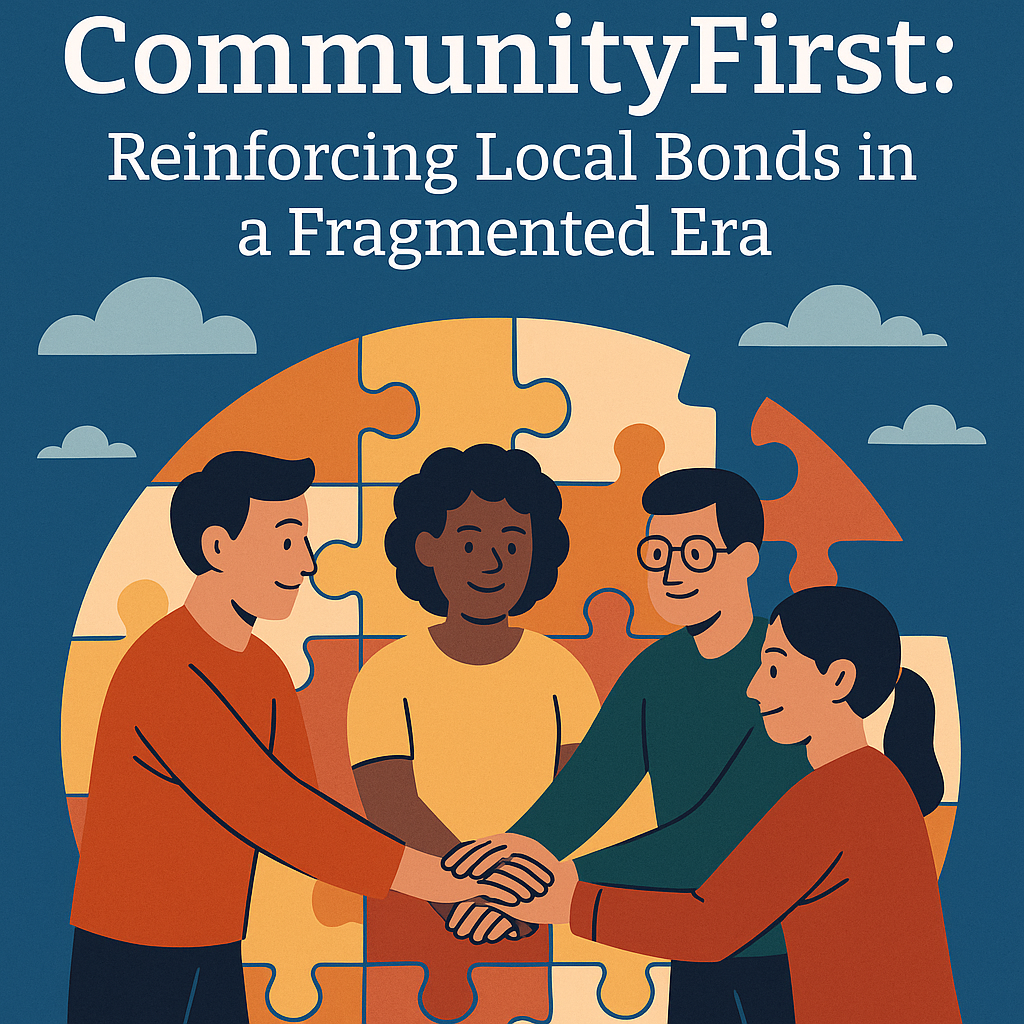
CommunityFirst: Reinforcing Local Bonds in a Fragmented Era

In an age characterized by rapid technological advancement and global interconnectedness, the fragility of local communities has become increasingly apparent. Critics argue that the relentless march of urbanization, combined with the erosion of traditional social bonds, has led to a diminished sense of belonging and shared purpose. However, initiatives like CommunityFirst demonstrate a resilient spirit rooted in the fundamental principle that strengthening local bonds is not only desirable but essential for safeguarding societal cohesion. By fostering grassroots engagement, CommunityFirst aims to create a ripple effect—reinvigorating neighborhoods and empowering citizens to take charge of their collective future within the fabric of their hometowns.

Supporters of this approach highlight that strengthening local bonds leads to tangible benefits, from increased safety to enhanced social capital. Economist Edward Glaeser emphasizes that vibrant communities thrive on the “density of social ties,” which catalyzes economic resilience and innovation. CommunityFirst initiatives promote local entrepreneurship, volunteerism, and civic participation—all grounded in the idea that local action fosters a sense of ownership and pride among residents. When residents feel invested in their neighborhoods, they become less susceptible to the alienation and fragmentation that often fuel social discord and even radicalization among youth.

  • By encouraging local leadership and participation, CommunityFirst addresses the root causes of rural decline and urban alienation.
  • Fostering intergenerational dialogue ensures the transmission of traditions and shared values essential for societal continuity.
  • Supporting local economies through community-driven projects reduces dependence on distant, impersonal corporate structures.

As historians like Charles Murray have pointed out, the preservation of social capital at the community level is the bedrock of a resilient society. Critics argue that federal policies often subordinate local needs to distant bureaucracies, thereby weakening these vital bonds. In contrast, CommunityFirst champions a bottom-up approach, emphasizing that empowering local leaders and cultivating a sense of shared destiny can revitalize the social fabric. In this vision, the community is not just a collection of houses but a living organism—teeming with shared stories, collective efforts, and enduring trust—capable of withstanding the upheavals imposed by external forces.

The future of CommunityFirst, and similar movements, depends on their ability to inspire the youth—those who will inherit both the challenges and opportunities ahead. As we stand at this pivotal moment, it is vital to remember that local communities hold the key to a resilient society. They are the silent sentinels guarding our cultural integrity and social cohesion, holding within them the power to shape an era that harmonizes tradition with progress. The question remains: can we forge a collective consciousness robust enough to withstand the erosion of bonds and anchor a future where every neighborhood, however small, becomes a fortress of unity? As memories merge with aspirations, the future whispers: in the depth of our local roots lies the strength to redefine the destiny of an entire civilization—one community at a time, standing resilient against the winds of fragmentation, until the dawn of a new, united chapter.”

Sarah Mullally makes history as first female Archbishop of Canterbury—shaping a new era for Anglicanism

In a momentous turn within Britain’s religious landscape, Sarah Mullally has been appointed as the first female Archbishop of Canterbury, signaling a profound shift in the world’s second-largest Christian communion. Announced by Downing Street after months of deliberation, Mullally’s ascension reflects not only internal reform within the Church of England but also echoes wider geopolitical and societal dynamics rippling across the globe. Her appointment arrives amid debates over social justice, moral values, and the ongoing struggle against factional divides rooted in tradition versus progressive reform, a tension felt from London to Washington and beyond.

The decision to elevate Mullally, a former NHS nurse turned government chief nursing officer, underscores a broader narrative of changing societal roles for women in leadership. While this milestone symbolizes progress for many liberal factions seeking gender equality within faith institutions, it also underpins a deep-rooted controversy stirring conservative factions. Historians and analysts view this as a *defining moment*—an emblem of the **Church of England’s** adaptation in a rapidly evolving cultural landscape. Yet, this move is also a critical test of the Church’s ability to maintain unity amidst regional disparities, particularly as it governs a global Anglican communion of 85 million followers—stretching from the progressive churches of North America to conservative communities in Africa and Asia. As Mullally assumes her role, she inherits the difficult task of reconciling these divergent voices, each with their own cultural and moral outlooks shaping their interpretations of scripture and societal norms.

Her appointment carries greater geopolitical weight, especially in conversations surrounding international diplomacy and *moral leadership*. The Anglican Communion’s complex relationship with U.S. citizens and African nations remains a pivotal element of diplomatic strategy. While Western communities push for greater inclusion and the acknowledgment of *LGBTQ rights*, many African and Asian provinces adhere to strict traditionalist doctrines, often outlawing homosexuality and opposing liberal reforms. This duality underscores a *widening rift* within the church’s own ranks, which international organizations like the United Nations and World Council of Churches observe with caution. Past statements from global leaders warn that these ecclesiastical disputes are emblematic of broader conflicts over cultural sovereignty and policy influence—conflicts that threaten to spill into diplomatic arenas, complicating Britain’s stature as a moral voice on the international stage.

As Mullally’s leadership takes shape, the Church of England stands at a crossroads. It grapples with internal divergence over issues like same-sex marriage and declining attendance—a reflection of the wider crisis of faith faced by church institutions worldwide. Meanwhile, societal fractures fueled by Christian nationalism and political polarization mirror the old tensions that continue to threaten national cohesion. Many analysts assert that her promise to confront safeguarding failures and to foster *light on power used inappropriately* signals a broader push for transparency, accountability, and integrity—traits required to restore trust in influential institutions facing monumental societal upheavals. Yet, the weight of history persists; her role is not just spiritual but deeply intertwined with the ongoing battle for moral authority and societal relevance in a rapidly changing world.

The unfolding story of Mullally’s rise to the archbishopric is emblematic of history’s relentless march—an ongoing saga where faith, politics, and societal values collide in a dance as old as civilization itself. Each decision, each statement, leaves an indelible mark upon the pages of history, reminding us that the battle for humanity’s moral compass remains unresolved, with new leaders forging paths through turbulent waters as the waves of history continue to crash and recede, leaving behind a trace of the future yet to be written.

White House swaps Biden portrait for autopen image, signaling new era

The unveiling of a new “Presidential Walk of Fame” at the White House signals an ongoing effort by U.S. leadership to shape national memory and influence public perception of its political legacy. The exhibit, located adjacent to the iconic Oval Office, features portraits of former Presidents, serving as a visual narrative of American history. Yet, the deliberate omission of President Joe Biden and the replacement of his portrait with an image of an autopen signing his name mark a subtle yet profound statement about the current political climate.

Historically, the U.S. has used public commemorations to reinforce the legitimacy of its leaders and the enduring ideals of democracy. However, this recent move reflects deep-rooted tensions and ongoing debates about leadership authenticity and election legitimacy. Prominent conservative analysts and former officials have raised concerns over the administration’s transparency, with some claiming that President Biden’s use of an autopen—a mechanical signing device—undermines the perceived integrity of critical presidential decisions, including pardons. These claims, articulated by figures like Donald Trump, aim to sow skepticism about the administration’s sincerity and fuel narratives that question the authenticity of current leadership.

From an international standpoint, such domestic controversies have far-reaching geopolitical implications. As global institutions analyze shifts within the United States, allies and adversaries alike interpret these visual cues and political signals as indicators of internal instability or strategic ambiguity. Analysts from think tanks such as the Council on Foreign Relations warn that these internal divisions, if left unresolved, could weaken the U.S. position on the international stage, affecting alliances, trade negotiations, and military commitments. The strategic calculus by which nations gauge the reliability of the world’s superpower hinges upon these symbolic acts—acts that now cast shadows over the endurance of American leadership in the 21st century.

Indeed, the actions surrounding the “Presidential Walk of Fame” come at a critical juncture. As the world watches, global institutions monitor whether internal turmoil within America precipitates broader instability. The current landscape underscores a profound truth: decisions made within the corridors of power—whether symbolic like portraits or procedural like signing documents—are inseparable from their consequences on society. It is a reflection of a nation grappling with its identity, legacy, and future under the weight of history still yet to be written.

Social Media Auto Publish Powered By : XYZScripts.com