Matox News

Truth Over Trends, always!

Once Upon a Time in Harlem: A Bold Tribute to the Renaissance Era | Sundance 2026

In August 1972, a remarkable gathering took place that serves as a testament to the enduring power of culture as both memory and prophecy. William Greaves, an innovative filmmaker, convened an unprecedented dinner at Duke Ellington’s Harlem townhouse—an intimate symposium of the giants of the Harlem Renaissance. This cultural movement of the 1920s, often heralded as a luminous bloom of African American artistry and intellectual thought, was captured in a rare, sprawling footage that would later be refined into the profound documentary Once Upon a Time in Harlem. This film exemplifies how the arts forge a bridge between past and present, anchoring identity rooted in history while predicting future cultural horizons. It is a vivid reminder that, as Ortega y Gasset observed, “We are the sum of our history, and history is the story we tell ourselves about who we are.”

The significance of such a gathering extends beyond mere nostalgia; it emphasizes that culture is the vessel of societal memory and a catalyst for ongoing identity. The Harlem Renaissance was not simply a fleeting artistic surge but the articulation of a collective aspiration—an awakening that challenged the narrative of marginalization and paved the way for future generations. As Tocqueville might argue, American society—especially in its multicultural complexity—requires an active consciousness of its roots to sustain its civic fabric. The film’s footage, much like Chesterton’s view of tradition as “the democracy of the dead,” demonstrates that valuing the past enables a society to navigate modern turbulence with resilience and authenticity. The voices of artists like Langston Hughes, Zora Neale Hurston, and musicians such as Duke Ellington articulate a cultural DNA that refuses to decay, insisting instead on its relevance across generations.

Within the ongoing dialogue about cultural continuity, the Harlem Renaissance embodies the quintessential struggle for cultural sovereignty. Each voice at that July evening—be they poet, historian, musician, or actor—pushed back against erasure, claiming space for the Black experience in the narrative of American progress. This struggle echoes the philosophical vision of scholars like T.S. Eliot, who urged us to see tradition as an active force, shaping current identity through a reciprocal engagement with history. The Renaissance’s awakening was, in essence, an assertion that heritage and innovation are not opposites but intertwined threads of the same tapestry. As history and culture interlace, they inspire the present to envision a future where the dignity and creativity of every people are recognized as vital to the collective well-being of society.

In this reflection, we come to understand that the African American cultural awakening of the early 20th century did not fade into obscurity; rather, it pulses through time, echoing in contemporary artistic expressions and societal debates. The film Once Upon a Time in Harlem preserves that pulse, affirming that the true culture of a people is both their history and their hope—an ever-moving combination of memory and prophecy. As Chesterton so eloquently stated, “A patriot is he who loves his country not for what it is, but for what it is becoming.” This spirit of cultural reclamation and aspiration is the true legacy of Harlem—a timeless reminder that the story of mankind is written not solely in the annals of history, but in the living, breathing arts that make us remember and inspire us to envision what humanity might yet become.

US DoJ Launches Civil Rights Probe into Alex Pretti Shooting under Trump Era

The recent sequence of events in Minneapolis has ignited a fierce debate about U.S. immigration policy and law enforcement conduct, with wide-reaching geopolitical implications. The fatal shooting of Alex Pretti, a 37-year-old nurse and activist, by federal immigration officers has provoked protests across the city, drawing international attention to the ongoing crisis within the United States. Officials from the Department of Justice and the FBI have launched a federal civil rights investigation, marking a significant escalation from initial, hurried responses by the Trump administration. This shift signals a potential turning point in how the U.S. handles internal crises involving law enforcement and immigrant communities, raising questions about government accountability and the rule of law.

  • Following Pretti’s death, protesters have maintained daily demonstrations, emphasizing the widespread community outrage against federal agencies like ICE and border patrol units.
  • Controversy swells over initial official narratives, with homeland security secretary Kristi Noem conceding to misinformation about Pretti’s actions, while subsequent video evidence contradicts claims that he attacked officers.
  • Political figures, including Senator Thom Tillis, have called for accountability, criticizing Noem for her handling of the incident amid mounting bipartisan concern.

International organizations such as Human Rights Watch and Amnesty International have condemned the use of force against civilians, framing the incident as emblematic of broader issues in U.S. immigration enforcement policies. The case resonates globally as nations scrutinize U.S. commitment to human rights standards, especially given President Donald Trump’s aggressive rhetoric and policies that emphasize strict border control. Analysts warn that these decisions domestically could influence foreign perceptions of America’s global image. The incident also underscores the geopolitical impact of domestic policies; as the U.S. projects strength abroad, its internal crises threaten to erode credibility and moral authority.

Historians and international observers point out that such incidents are not isolated but reflect a persistent pattern of state use of force amidst social upheaval. This reckoning arrives at a critical juncture, with timing coinciding with increased global tensions and upheaval. The situation in Minneapolis highlights the importance of international vigilance regarding the rule of law in a superpower that nonetheless faces internal divisions and international scrutiny. As protesters continue to rally and authorities grapple with their narratives, the world watches—aware that so much of today’s history is written in moments of crisis that could define the global balance for decades to come.

In this unfolding chapter of history, the fate of U.S. democracy and its approach to justice hangs precariously in the balance. The reach of the state onto the streets of Minneapolis echoes beyond local borders, reminding the world that the future of freedom and order is often decided in moments of profound crisis. The outcome of this investigation will not only influence domestic policy but will serve as a powerful test of whether the U.S. can reconcile its ideals of justice with the harsh realities of internal conflict. As the dust settles and the pages of history continue to turn, the world remains vigilant—knowing that this is only the beginning of a much larger story in the quest for justice, sovereignty, and moral clarity.

Data centers fuel a new era for gas—powering the future of innovation

US Catalyzes Global Expansion of Gas Power Infrastructure Amid Data Center Boom

In a move signaling disruption across the energy sector, gas-fired power generation is experiencing a historic surge, with the United States at the forefront of this transition. According to a recent analysis by Global Energy Monitor (GEM), global gas power capacity expanded by 31% in 2025, marking the fastest growth rate since the early 2000s. Notably, nearly a quarter of this new capacity is under development in the US, surpassing China, traditionally the largest energy consumer. This boom is primarily driven by the soaring energy demands from data centers, which are rapidly becoming the backbone of digital economy infrastructure.

The business implications of this shift are profound, as tech giants and energy investors rush to meet data center capacity, fueling a market pivot toward natural gas. More than 33% of the capacity increase in the US is explicitly allocated for powering these data hubs, reflecting the sector’s strategic importance. Industry experts highlight that innovation in energy technology is enabling this transition, yet concerns remain over the environmental costs. The push for additional gas capacity also marks a significant disruption in traditional energy hierarchies, challenging the long-term push toward renewables. While lower costs and lower pollution when burning gas compared to coal make it attractive in the short term, the environmental trade-offs are alarming. Gas production releases methane—a greenhouse gas more potent than carbon dioxide—raising questions about the sustainability of these developments.

Leading analysts warn that the **lock-in of new gas plant capacity could pose stranded asset risks**, especially if anticipated electricity demand from AI-driven industries fails to materialize. Jenny Martos of GEM highlighted, “There is a risk that this capacity could become stranded assets if future demand from AI and data-intensive applications does not meet expectations,” emphasizing the potential for market disruption and long-term misallocation of capital. Already, 2026 is projected to be a record-breaking year for gas capacity additions, possibly surpassing the growth seen during the shale gas revolution of the 2000s. This would represent a remarkable disruption of the clean energy narrative, as the industry faces the dual challenges of economic viability and environmental responsibility.

The broader business implications are clear: disruption is accelerating as technology-driven energy demands reshape the conventional power landscape. Industry leaders like Elon Musk and Peter Thiel underscore that rapid innovation and strategic investments in infrastructure are crucial if nations aim to stay competitive. Meanwhile, policy makers confront the pressing need to balance economic growth with climate commitments, especially as methane emissions from natural gas production threaten to undermine global climate goals. The next decade will be pivotal, as the energy sector faces a fork in the road: continue along the path of short-term cost savings and risk locking in emissions, or pivot decisively toward sustainable energy solutions that leverage innovation without compromising the planet’s future.

For youth and entrepreneurs eyeing the future, this surge signals a landscape riddled with opportunities, risks, and obligations. Innovators in clean tech, storage solutions, and AI-driven efficiency are poised to challenge traditional energy giants. Disruption is inevitable, and those who act swiftly will shape the trajectory of global power markets. The urgency is unmistakable: the window to redefine energy infrastructure before climate thresholds are crossed is closing rapidly. As geopolitical and economic tensions mount, the push for innovation in energy becomes not just a business imperative, but a mission vital to the future of civilization itself.

Emerging Stars Shine in Youth League Championships: A New Era of Talent Begins

Game-Changer: Eagles’ Jalen Hurts Makes History with Unfortunate Turnovers

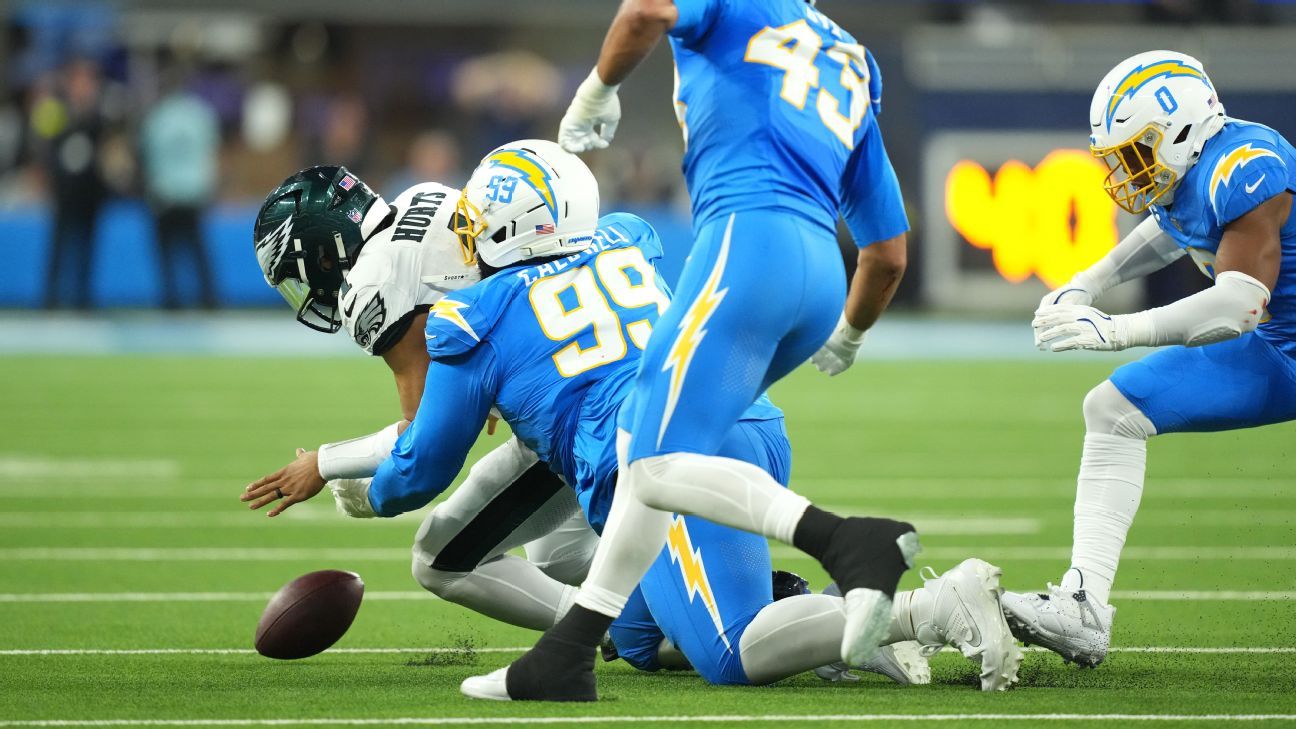
In a thrilling showdown on Monday night, the Philadelphia Eagles faced off against the Los Angeles Chargers in an overtime clash that had fans on the edge of their seats. However, it was not just the game’s high stakes that captivated attention, but rather, the historic yet unfortunate feat accomplished by Eagles quarterback Jalen Hurts, who became the first player since 1978 to commit two turnovers on the same play.

The eye-opening moment occurred during a critical drive in the fourth quarter, leading to a major shift in the game’s momentum. Commentator Mike Tirico pointed out the peculiarity of the situation as Hurts attempted a desperate pass, only to see it intercepted by a Chargers defender and subsequently fumble the ball back to the defense. This rare double turnover not only exemplified the high-pressure dynamics of NFL football but also brought forward questions regarding Hurts’ decision-making abilities in clutch situations.

Despite the setback, the Eagles showcased resilience, pushing the game into overtime with a series of impressive plays. Coach Nick Sirianni commented on the team’s effort, stating, “We fought hard and made some critical plays, but we just need to sharpen our execution.” Yet the game ultimately slipped through their fingers, with the Chargers sealing the win after a series of strategic plays and solid defense.

  • Jalen Hurts made history, marking the first time since 1978 a player has committed two turnovers on the same play.
  • The Eagles fought valiantly, pushing the game into overtime against a tough Chargers defense.
  • Coach Nick Sirianni emphasized the need for better execution in future games.

As fans process this rollercoaster of a game, it stands as a testament to the unpredictability of sports. More than just numbers on a scoreboard, moments like these unify fans, players, and coaches alike, reflecting the passion and community that sports foster. Despite the heartache of a tough loss, the camaraderie built around an unpredictable game like football carries more weight than any single turnover, reminding us that victory is not just about the score, but the shared experience of battle on the field.

Source link

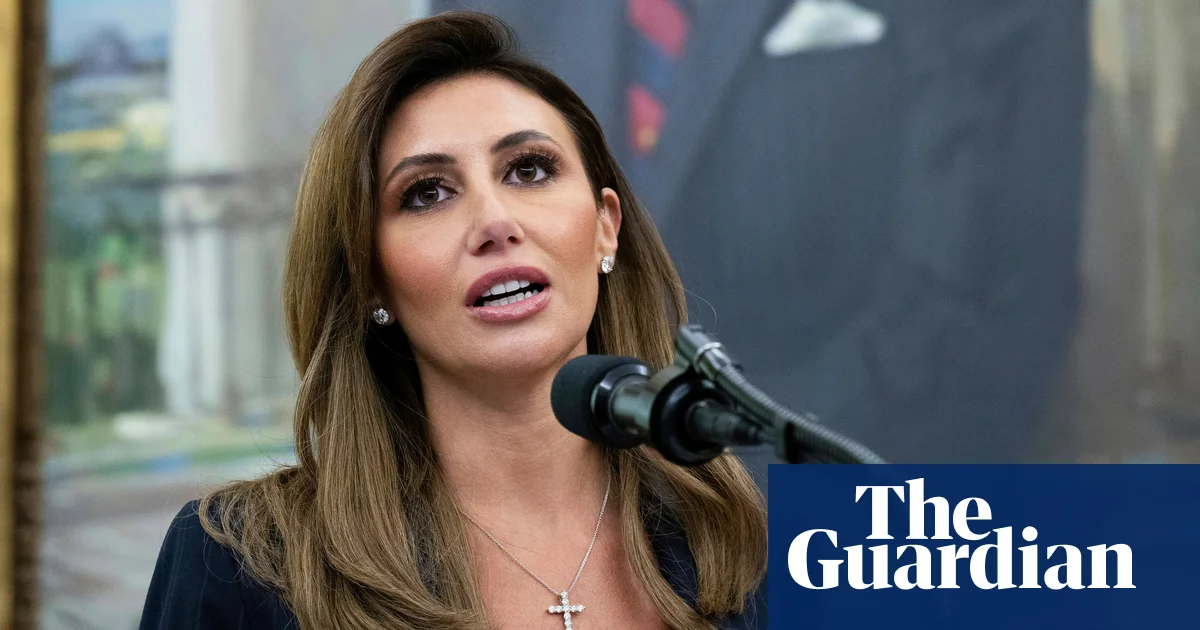
Former Trump lawyer Alina Habba departs as NJ federal prosecutor, signaling shift from Trump era

The recent resignation of Alina Habba, the former lawyer for Donald Trump, from her position as a federal prosecutor in New Jersey underscores a troubling trend in the U.S. justice system’s politicization. Her departure follows a series of judicial rulings that deemed her appointment unlawful—a move that highlights ongoing struggles over administrative legality and executive authority. Despite maneuvering by the Trump administration to preserve her role even after her interim appointment expired, the judicial branch reaffirmed limits on political interference in federal appointments. This development signals deeper conflicts over the role of law and order in America’s current partisan landscape and raises questions about the implications for the rule of law across the nation.

This episode is not merely about one individual but reflects a broader power struggle between incoming and outgoing administrations. Federal judges in New Jersey stepped in to rectify what they considered an unlawful appointment, forcing the Department of Justice to reconsider its approach to political staffing.

  • Michael Bitzer, a political analyst, warns that such judicial rulings could set a precedent that limits partisan appointments, possibly paving the way for increased judicial oversight in federal staffing decisions.

Meanwhile, Trump voiced his concern over the breakdown of the “blue slip” — a tradition allowing home-state senators to vet judicial nominees—claiming it has been exploited to block Republican appointees. His remarks point to an increasingly polarized confirmation process that complicates the functioning of federal institutions and further destabilizes the balance of power.

On a broader international scale, this internal U.S. debacle reflects the increased geopolitical consequences of internal political instability. The United States remains a pivotal actor on the global stage, and its ability to project power hinges on its internal coherence. The reluctance or outright refusal to confirm qualified judicial and executive appointees is viewed by many overseas analysts as a sign of weakening American governance. This perceived decline could embolden rival powers like China and Russia to challenge U.S. influence, especially in regions where American credibility depends on its adherence to legal and institutional norms. Historically, internal dysfunction has often been exploited by emerging powers seeking strategic advantages in a multipolar world.

As historians and international organizations warn of the dangers inherent in politicized institutions, the culminating events in Washington serve as a stark reminder that the course of history is still being written. The decision whether to uphold the rule of law or succumb to partisan expediency will determine not only the fate of America’s legal order but also its capacity to serve as a beacon of stability and justice worldwide. In this moment, the world watches as the foundational pillars of American democracy are tested—could this be the beginning of a new chapter marked by resilience, or a descent into chaos, the echoes of which will resonate across generations?

Democrats push Pentagon to release footage of suspected drug boat strike — returning to tough on crime stance from Trump era

Controversy Erupts Over US Navy Strike in the Caribbean

In a development that could have far-reaching geopolitical impact, the United States is facing mounting scrutiny over a deadly naval attack in the Caribbean, where eleven individuals lost their lives. The controversy revolves around the Pentagon’s refusal to publicly release video footage of the incident, stirring international and domestic objections. Democratic leaders and security analysts argue that transparency is vital to assess the legality and moral standards of such military actions, especially given the disturbing reports of a second strike that targeted alleged survivors clinging to wreckage.

This incident has highlighted a broader debate about the limits of military authority and accountability. The attack, which took place on September 2, involved an operation against what US officials described as a drug-smuggling vessel. However, critics, including Democratic Senator Adam Schiff, emphasize that the absence of visual evidence fuels accusations of reckless conduct and potential war crimes. As some members of Congress demand transparency — with Senator Schiff calling for the release of the video — others, like Pentagon officials, cite concerns about safeguarding classified information, revealing a tension between national security and public oversight.

International and Strategic Ramifications

The refusal to share the footage comes at a critical juncture for global perceptions of US military engagement. The incident underscores the risk of escalation in the region, where such actions may erode the US’s image as a defender of moral standards. Analysts warn that this controversy could embolden rival powers like China and Russia, who have been keen to exploit perceived American overreach to justify their own aggressive postures elsewhere. How the Biden administration chooses to handle this controversy will influence the future of American military diplomacy and credibility, especially in unstable regions marked by lawlessness and turmoil.

International organizations, including human rights watchdogs, have expressed concern over the potential violation of international law. Historians note that such incidents, if unresolved or perceived as unjust, tend to serve as catalysts for broader regional conflicts. Furthermore, military experts remind that decisions made in the fog of conflict often bear consequences long after the firing stops, transforming battlefield actions into symbols of moral and strategic dilemmas. As the debate intensifies, the world watches closely — realizing that every clandestine attack, every withheld video, becomes another chapter in a narrative of power, justice, and the fragile morality of warfare.

Reader’s Reflection: The Weight of Unfolding History

As the dust settles and more information surfaces — or is concealed — the core question remains: what echoes will this bequeath in the annals of history? Will the US’s refusal to provide clarity strengthen its resolve and moral authority, or will it diminish its standing and invite doubt? The unfolding story is a stark reminder of the potent consequences when military force is wielded in the shadows, shaping not only the immediate battlefield but also the very fabric of international justice and sovereignty. The world stands at a precipice, evaluating whether the current path embodies strength or peril, and history’s verdict still hangs in the balance, waiting to be written.

CDC advisers stall on banning infant hepatitis B shots in heated debate—Trump era clash

US Vaccine Debates and Their Geopolitical Impact

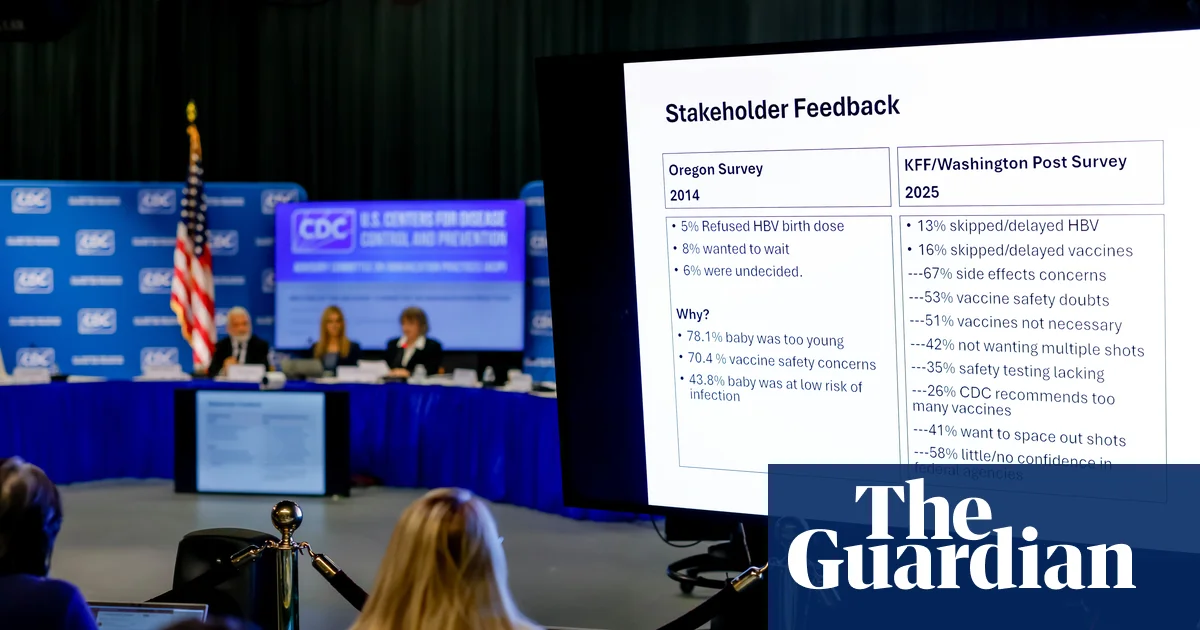
The recent convergence of United States healthcare decisions has underscored a profound shift in the nation’s approach to childhood immunizations. During a contentious meeting of the Advisory Committee on Immunization Practices (ACIP), a pivotal vote was postponed on restricting hepatitis B vaccination for infants. This unprecedented standoff reflected deep divisions that reach beyond domestic health policies, resonating across global health dynamics and geopolitical stability. The decision, or rather its delay, follows a series of recent recommendations that signal a retreat from the consensus historically practiced in vaccine administration, raising alarms about the future health sovereignty of the United States.

Critically, the debate was not rooted in new scientific evidence—no data demonstrating harm from the vaccine was presented—yet it spotlighted ideological rifts. Some members, appointed under controversial political influences, challenged the established safety record of the vaccine, which has protected over 1.4 billion people worldwide for more than three decades. The inclusion of vaccine skeptics within the advisory panels mirrors broader cultural and political tensions, often fueled by figures like Robert F. Kennedy Jr., whose anti-vaccine advocacy has gained notable traction among segments of the American youth. Analysts warn that such associations could erode trust in public health at a crucial juncture, potentially reversing decades of progress in childhood disease prevention.

Implications on National and Global Health Policies

  • In recent months, the ACIP has recommended more restrictive guidelines, including limiting access to vaccines for diseases such as measles, mumps, rubella, and chickenpox, echoing a shift that could challenge international childhood health standards.
  • This trend is compounded by the resignation of Martin Kulldorff, the former ACIP chair, who transitioned to the U.S. Department of Health and Human Services. His replacement, Kirk Milhoan, a pediatric cardiologist with a record of opposing some COVID-19 vaccination mandates, exemplifies a deliberate move away from scientific consensus and towards political influence.
  • World health experts and international organizations have expressed concern over the declining vaccination rates—amid rising vaccine hesitancy and the fallout of the COVID-19 pandemic. The recent surge in measles outbreaks across the U.S. underscores how policy shifts—whether to restrict or promote vaccination—directly influence national and how societies manage emerging health threats.

Historians and public health analysts emphasize that such decisions carry far-reaching geopolitical consequences. Countries worldwide watch as the U.S., a leader in vaccine development, grapples with internal divisions that threaten to weaken collective immunity and global disease control efforts. The focus on vaccine skepticism and political meddling in scientific institutions could redefine the international standing of American health diplomacy. As America navigates this precarious path, the weight of history presses heavily upon its shoulders, with the unfolding narrative of vaccine policies poised to leave an indelible mark on future generations.

In the shadow of these turbulent debates, the capstone remains clear: history continues to be written not just by the decisions of today’s leaders, but by the societal values they choose to uphold. The question remains—will the United States reaffirm its commitment to science and public health, or will it succumb to the divisiveness that threatens to unravel decades of progress? As the world watches with bated breath, the outcome of this internal struggle will undoubtedly shape the global health landscape for generations to come. The pages of history turn, and with them, the very fabric of societal trust and international stability hang in the balance.

Which iconic franchise will Trump revive next? After reintroducing Rush Hour, the next move in action and adventure films for a new era

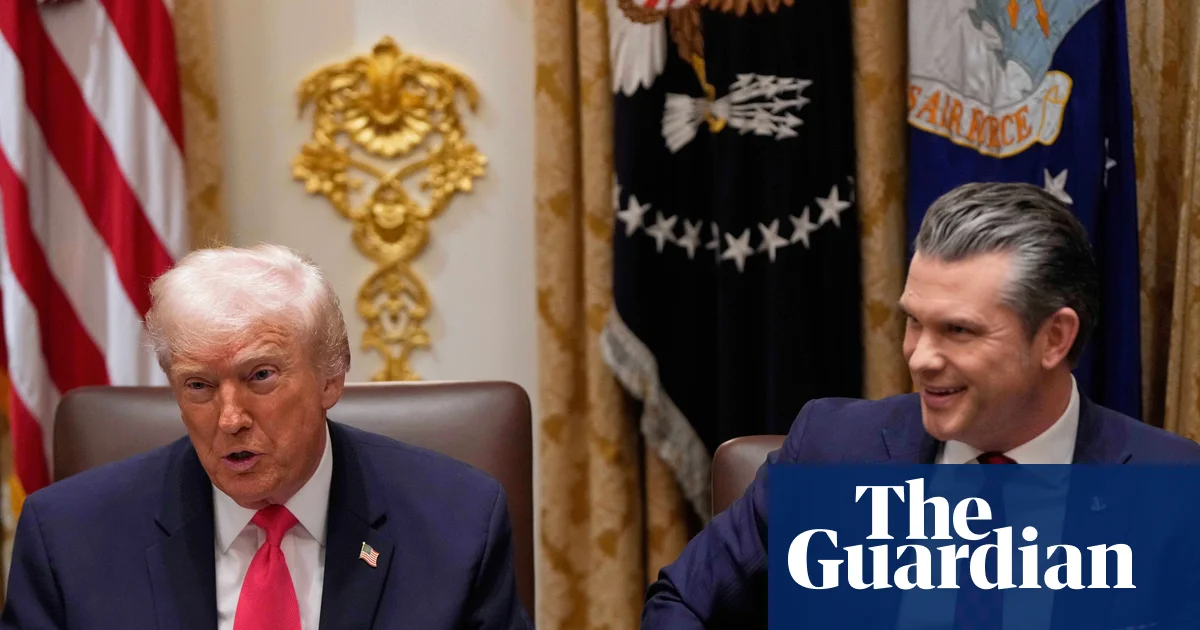
In the contemporary landscape, the seat of cultural authority—once occupied by visionaries, playwrights, and philosophers—appears increasingly to be wrested by figures whose influence extends into the very fabric of society’s entertainment and perception. The recent obsession of Donald Trump with controlling and dictating cultural narratives, from his overt meddling in the media to his audacious interference in Hollywood productions, reveals a broader, unsettling truth: culture is no longer merely the reflection of a society’s values but a tool for asserting dominance over its collective consciousness. This phenomenon harkens back to the age-old question of cultural sovereignty—who shapes the stories we tell ourselves about ourselves?—a question that has profound implications for our identity, traditions, and societal cohesion.

Trump’s explicit desire to influence film production—demanding sequels to Rush Hour and Bloodsport—may seem trivial on the surface, but it signifies a deeper cultural fever. As Ortega y Gasset observed, “Man is himself a cultural product, and his destiny is entwined with the stories he believes are true.” When a leader interferes in the artistic domain, he effectively attempts to rewrite that story, shaping a version of reality where popular culture becomes a vessel for political affirmation. His favoritism for cinéma that panders with simplistic violence and juvenile humor—films that lack profundity but promise comfort—reveals a preference for entertainment that reinforces superficial notions of strength and toughness, traits historically associated with national pride and resilience. Such cultural choices matter because, as Tocqueville pointed out, democratic societies risk losing their sense of tradition and purpose when their cultural narratives are reduced to franchises and spectacle rather than shared values and history.

  • Highlights of this cultural shift include:
  • The waning influence of classical storytelling in favor of blockbuster spectacle
  • The erosion of societal cohesion through the trivialization of art and history
  • The resurgence—and in some cases, the distortion—of traditional heroism in popular media

Indeed, as Chesterton famously defended, “a tradition may be defined as an extension of the memory of a people.” When leaders and media moguls distort or trivialize this memory, they risk creating a cultural landscape that is chaotic and unmoored. The philosopher T.S. Eliot once argued that our cultural renewal depends on reconnecting with our roots—our narratives of triumph, tragedy, and moral resolve. In this context, the spectacle of a president advocating for a second or third installment of Shanghai Noon or Bloodsport is emblematic not merely of bad taste, but of a cultural decay where the highest ideals of society are replaced by noise, noise that masquerades as entertainment. It is a reminder that true cultural authority requires the stewardship of tradition, not the whims of a populist’s fleeting fancy.

In the end, culture remains both the memory and the prophecy of humanity—an intricate weave of remembrance and hope, of the stories that sustain us and the visions that propel us forward. Our task is to recognize that the stories we tell define us; that in preserving our cultural memory, we forge the moral compass that guides us through uncertainty. Because, in the silent poetry of history and art, there echoes a truth as old as time: we are what we remember, and in what we cherish, we shape what we shall become.

Rising Stars Shine as Youth League Kicks Off: A New Era of Talent Emerges!

Flamengo Makes History with 2025 Copa Libertadores Triumph

In a thrilling showdown on Saturday, Flamengo clinched the 2025 Copa Libertadores title, overcoming Palmeiras with a narrow 1-0 victory. This triumph not only marks a significant milestone for Flamengo but also cements their legacy as the first Brazilian team to secure four titles in South America’s premier club competition.

The decisive moment of the match came late in the second half when Gabriel Barbosa, affectionately known as “Gabigol,” delivered a stunning strike that left the Palmeiras goalkeeper helpless. This pivotal goal not only showcased his remarkable skill but also highlighted Flamengo’s resilience throughout the tournament. Their determination was evident on the field, as Coach Jorge Jesus emphasized the importance of teamwork and strategic execution leading up to the match.

Throughout the tournament, Flamengo demonstrated resilience and skill, overcoming some of the toughest opposition South America has to offer. Commentators noted the team’s unyielding spirit and tactical prowess, with ESPN analyst Gabriel Nascimento stating, “Flamengo has proven yet again that they are a force to be reckoned with in South American football.” This championship run saw the team make history, solidifying their status as a football dynasty.

  • Match Highlight: Gabigol’s decisive goal in the 78th minute.
  • Key Player: Gabriel Barbosa, who scored the match-winning goal.
  • Historical Achievement: First Brazilian team to win four Copa Libertadores titles.

As Flamengo hoisted the trophy into the São Paulo sky, it became more than just a victory; it symbolized the unity and passion that football ignites across Brazil and beyond. This latest triumph demonstrates how the game transcends mere competition, forging connections among fans and players alike. In the world of sports, victories come and go, but the shared emotions, camaraderie, and dedication to the game will continue to inspire generations. As Flamengo celebrates, they remind us all of the power of sports to unite, uplift, and celebrate the enduring spirit of competition.

Source link

John Lewis boss unveils fresh new look—boycott the outdated department store era

The Revival of Department Stores: A Cultural and Social Shift

Once considered relics of a bygone era, department stores are experiencing an unexpected renaissance, reshaping the very fabric of social and cultural life among modern consumers. Major chains like John Lewis are launching bold strategies to reclaim their standing in an increasingly digital world, signaling a significant shift in retail behavior and societal values. Despite the closure of historic stores such as Debenams and House of Fraser, the industry’s narrative is pivoting towards a more innovative, experiential approach to shopping, emphasizing community, lifestyle, and the overall in-store experience.

Peter Ruis, the dynamic managing director of John Lewis, is spearheading this revival. After overseeing the closure of multiple stores during the pandemic, Ruis is now boldly investing in an £800m overhaul of the remaining outlets by 2029. His vision is rooted in the belief that the department store as an institution remains a vital part of society, especially when transformed to meet the needs of today’s digitally-savvy youth. By fostering an environment that combines shopping, socializing, and lifestyle experiences—such as cafes, beauty sections, and eclectic gift zones—Ruis aims to redefine what it means to visit a department store. Through this approach, John Lewis hopes to appeal to a new generation that values authentic experiences over the passive, transactional nature of online shopping.

The cultural impact of this shift is profound. Modern consumers, especially teens and twentysomethings, are seeking more than just the latest trends—they crave stories, community, and a sense of belonging. Influencer campaigns, like the viral Christmas advert featuring a father and son bonding over vinyl, demonstrate how these stories can evoke emotions and revive brand relevance. By incorporating cross-generational brands such as Topshop, Carhartt, and Charlotte Tilbury alongside tech giants like Apple, John Lewis is positioning itself as a hybrid space that reflects society’s melting pot of tastes and identities. Sociologists argue that these stores serve as modern social hubs—spaces where identity, culture, and social cohesion are cultivated outside the digital realm.

  • Experiential shopping zones that merge fashion, tech, and lifestyle
  • Viral marketing campaigns that appeal directly to younger audiences
  • Expansion of delivery services in partnership with Uber Eats to integrate online convenience with in-store experiences

Yet, the question remains: can traditional department stores adapt quickly enough to stay relevant in a world dominated by instant online gratification? Ruis’s approach suggests that the answer may lie in creating a holistic, multidimensional retail environment—one that offers more than just products, but also experiences, community, and a shared narrative. Is this a glimpse into the next chapter of retail, where physical spaces evolve into cultural catalysts, or merely a strategic effort to hold onto a fading sense of tradition? As stores become more experiential and socially relevant, society must confront whether these spaces will serve as authentic community centers or just elegantly curated, commercial playgrounds. The direction these changes take could influence not just shopping habits but broader cultural trends for decades to come.

Social Media Auto Publish Powered By : XYZScripts.com