Matox News

Truth Over Trends, always!

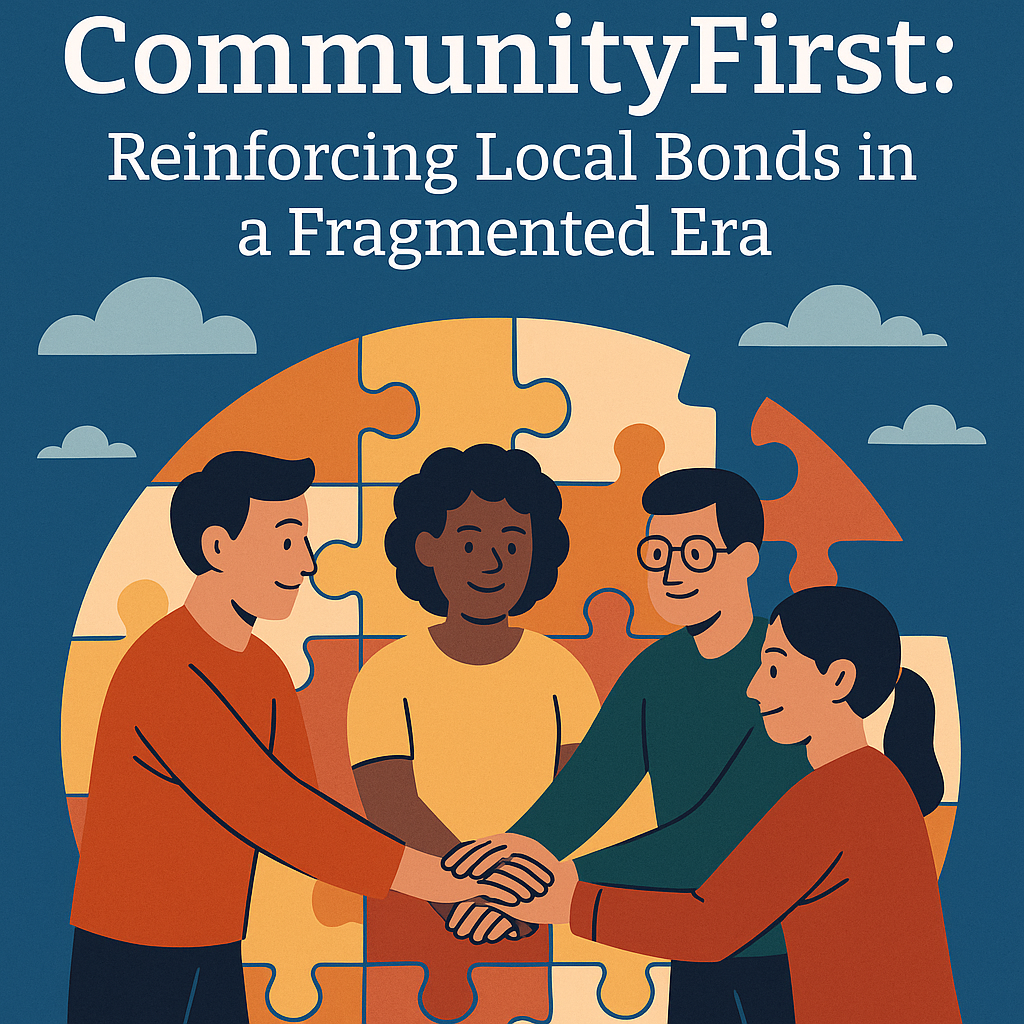
CommunityFirst: Reinforcing Local Bonds in a Fragmented Era

In an age characterized by rapid technological advancement and global interconnectedness, the fragility of local communities has become increasingly apparent. Critics argue that the relentless march of urbanization, combined with the erosion of traditional social bonds, has led to a diminished sense of belonging and shared purpose. However, initiatives like CommunityFirst demonstrate a resilient spirit rooted in the fundamental principle that strengthening local bonds is not only desirable but essential for safeguarding societal cohesion. By fostering grassroots engagement, CommunityFirst aims to create a ripple effect—reinvigorating neighborhoods and empowering citizens to take charge of their collective future within the fabric of their hometowns.

Supporters of this approach highlight that strengthening local bonds leads to tangible benefits, from increased safety to enhanced social capital. Economist Edward Glaeser emphasizes that vibrant communities thrive on the “density of social ties,” which catalyzes economic resilience and innovation. CommunityFirst initiatives promote local entrepreneurship, volunteerism, and civic participation—all grounded in the idea that local action fosters a sense of ownership and pride among residents. When residents feel invested in their neighborhoods, they become less susceptible to the alienation and fragmentation that often fuel social discord and even radicalization among youth.

  • By encouraging local leadership and participation, CommunityFirst addresses the root causes of rural decline and urban alienation.
  • Fostering intergenerational dialogue ensures the transmission of traditions and shared values essential for societal continuity.
  • Supporting local economies through community-driven projects reduces dependence on distant, impersonal corporate structures.

As historians like Charles Murray have pointed out, the preservation of social capital at the community level is the bedrock of a resilient society. Critics argue that federal policies often subordinate local needs to distant bureaucracies, thereby weakening these vital bonds. In contrast, CommunityFirst champions a bottom-up approach, emphasizing that empowering local leaders and cultivating a sense of shared destiny can revitalize the social fabric. In this vision, the community is not just a collection of houses but a living organism—teeming with shared stories, collective efforts, and enduring trust—capable of withstanding the upheavals imposed by external forces.

The future of CommunityFirst, and similar movements, depends on their ability to inspire the youth—those who will inherit both the challenges and opportunities ahead. As we stand at this pivotal moment, it is vital to remember that local communities hold the key to a resilient society. They are the silent sentinels guarding our cultural integrity and social cohesion, holding within them the power to shape an era that harmonizes tradition with progress. The question remains: can we forge a collective consciousness robust enough to withstand the erosion of bonds and anchor a future where every neighborhood, however small, becomes a fortress of unity? As memories merge with aspirations, the future whispers: in the depth of our local roots lies the strength to redefine the destiny of an entire civilization—one community at a time, standing resilient against the winds of fragmentation, until the dawn of a new, united chapter.”

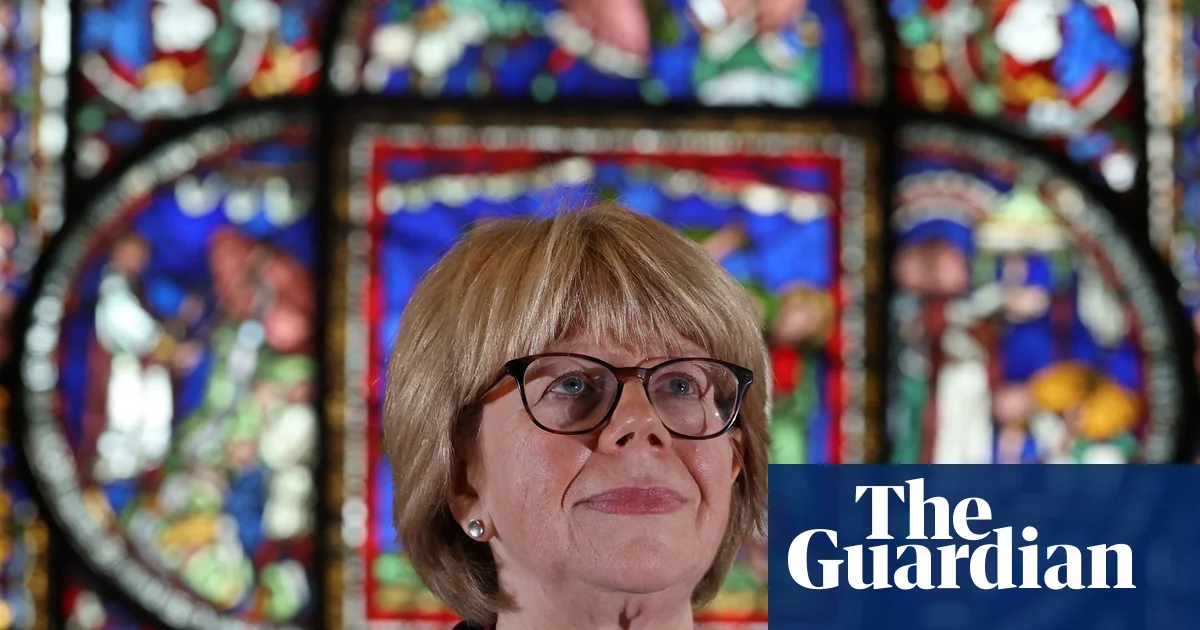
Sarah Mullally makes history as first female Archbishop of Canterbury—shaping a new era for Anglicanism

In a momentous turn within Britain’s religious landscape, Sarah Mullally has been appointed as the first female Archbishop of Canterbury, signaling a profound shift in the world’s second-largest Christian communion. Announced by Downing Street after months of deliberation, Mullally’s ascension reflects not only internal reform within the Church of England but also echoes wider geopolitical and societal dynamics rippling across the globe. Her appointment arrives amid debates over social justice, moral values, and the ongoing struggle against factional divides rooted in tradition versus progressive reform, a tension felt from London to Washington and beyond.

The decision to elevate Mullally, a former NHS nurse turned government chief nursing officer, underscores a broader narrative of changing societal roles for women in leadership. While this milestone symbolizes progress for many liberal factions seeking gender equality within faith institutions, it also underpins a deep-rooted controversy stirring conservative factions. Historians and analysts view this as a *defining moment*—an emblem of the **Church of England’s** adaptation in a rapidly evolving cultural landscape. Yet, this move is also a critical test of the Church’s ability to maintain unity amidst regional disparities, particularly as it governs a global Anglican communion of 85 million followers—stretching from the progressive churches of North America to conservative communities in Africa and Asia. As Mullally assumes her role, she inherits the difficult task of reconciling these divergent voices, each with their own cultural and moral outlooks shaping their interpretations of scripture and societal norms.

Her appointment carries greater geopolitical weight, especially in conversations surrounding international diplomacy and *moral leadership*. The Anglican Communion’s complex relationship with U.S. citizens and African nations remains a pivotal element of diplomatic strategy. While Western communities push for greater inclusion and the acknowledgment of *LGBTQ rights*, many African and Asian provinces adhere to strict traditionalist doctrines, often outlawing homosexuality and opposing liberal reforms. This duality underscores a *widening rift* within the church’s own ranks, which international organizations like the United Nations and World Council of Churches observe with caution. Past statements from global leaders warn that these ecclesiastical disputes are emblematic of broader conflicts over cultural sovereignty and policy influence—conflicts that threaten to spill into diplomatic arenas, complicating Britain’s stature as a moral voice on the international stage.

As Mullally’s leadership takes shape, the Church of England stands at a crossroads. It grapples with internal divergence over issues like same-sex marriage and declining attendance—a reflection of the wider crisis of faith faced by church institutions worldwide. Meanwhile, societal fractures fueled by Christian nationalism and political polarization mirror the old tensions that continue to threaten national cohesion. Many analysts assert that her promise to confront safeguarding failures and to foster *light on power used inappropriately* signals a broader push for transparency, accountability, and integrity—traits required to restore trust in influential institutions facing monumental societal upheavals. Yet, the weight of history persists; her role is not just spiritual but deeply intertwined with the ongoing battle for moral authority and societal relevance in a rapidly changing world.

The unfolding story of Mullally’s rise to the archbishopric is emblematic of history’s relentless march—an ongoing saga where faith, politics, and societal values collide in a dance as old as civilization itself. Each decision, each statement, leaves an indelible mark upon the pages of history, reminding us that the battle for humanity’s moral compass remains unresolved, with new leaders forging paths through turbulent waters as the waves of history continue to crash and recede, leaving behind a trace of the future yet to be written.

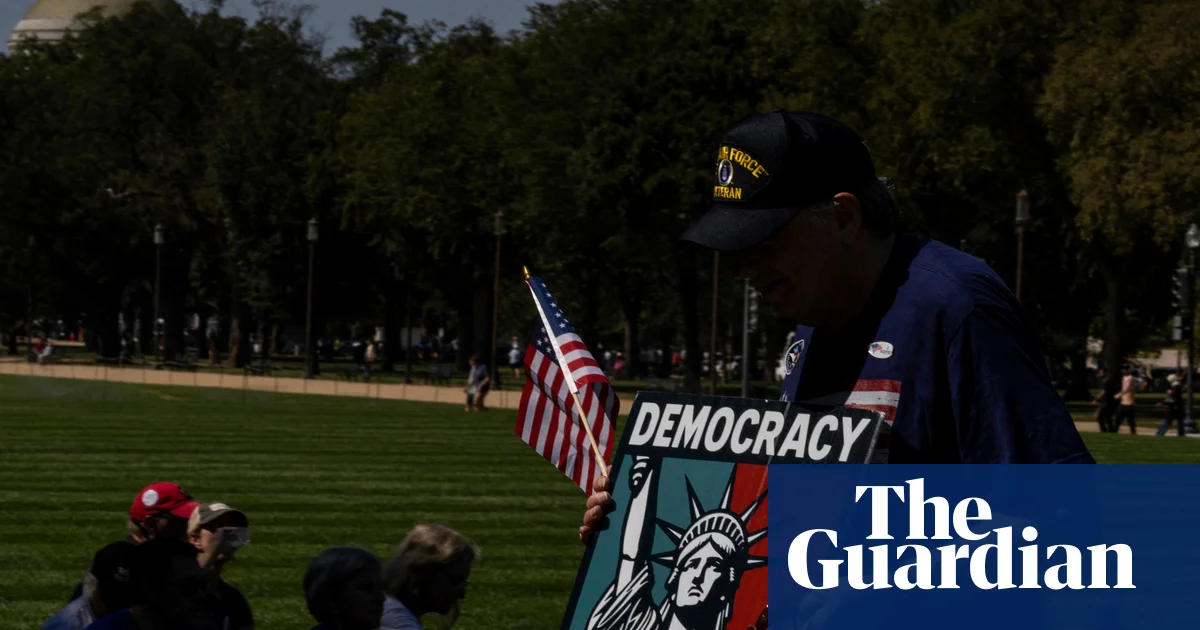
White House swaps Biden portrait for autopen image, signaling new era

The unveiling of a new “Presidential Walk of Fame” at the White House signals an ongoing effort by U.S. leadership to shape national memory and influence public perception of its political legacy. The exhibit, located adjacent to the iconic Oval Office, features portraits of former Presidents, serving as a visual narrative of American history. Yet, the deliberate omission of President Joe Biden and the replacement of his portrait with an image of an autopen signing his name mark a subtle yet profound statement about the current political climate.

Historically, the U.S. has used public commemorations to reinforce the legitimacy of its leaders and the enduring ideals of democracy. However, this recent move reflects deep-rooted tensions and ongoing debates about leadership authenticity and election legitimacy. Prominent conservative analysts and former officials have raised concerns over the administration’s transparency, with some claiming that President Biden’s use of an autopen—a mechanical signing device—undermines the perceived integrity of critical presidential decisions, including pardons. These claims, articulated by figures like Donald Trump, aim to sow skepticism about the administration’s sincerity and fuel narratives that question the authenticity of current leadership.

From an international standpoint, such domestic controversies have far-reaching geopolitical implications. As global institutions analyze shifts within the United States, allies and adversaries alike interpret these visual cues and political signals as indicators of internal instability or strategic ambiguity. Analysts from think tanks such as the Council on Foreign Relations warn that these internal divisions, if left unresolved, could weaken the U.S. position on the international stage, affecting alliances, trade negotiations, and military commitments. The strategic calculus by which nations gauge the reliability of the world’s superpower hinges upon these symbolic acts—acts that now cast shadows over the endurance of American leadership in the 21st century.

Indeed, the actions surrounding the “Presidential Walk of Fame” come at a critical juncture. As the world watches, global institutions monitor whether internal turmoil within America precipitates broader instability. The current landscape underscores a profound truth: decisions made within the corridors of power—whether symbolic like portraits or procedural like signing documents—are inseparable from their consequences on society. It is a reflection of a nation grappling with its identity, legacy, and future under the weight of history still yet to be written.

Social Media Auto Publish Powered By : XYZScripts.com