Matox News

Truth Over Trends, always!

36 Hours in Dresden: Discover the Heart of Germany’s Cultural Heritage

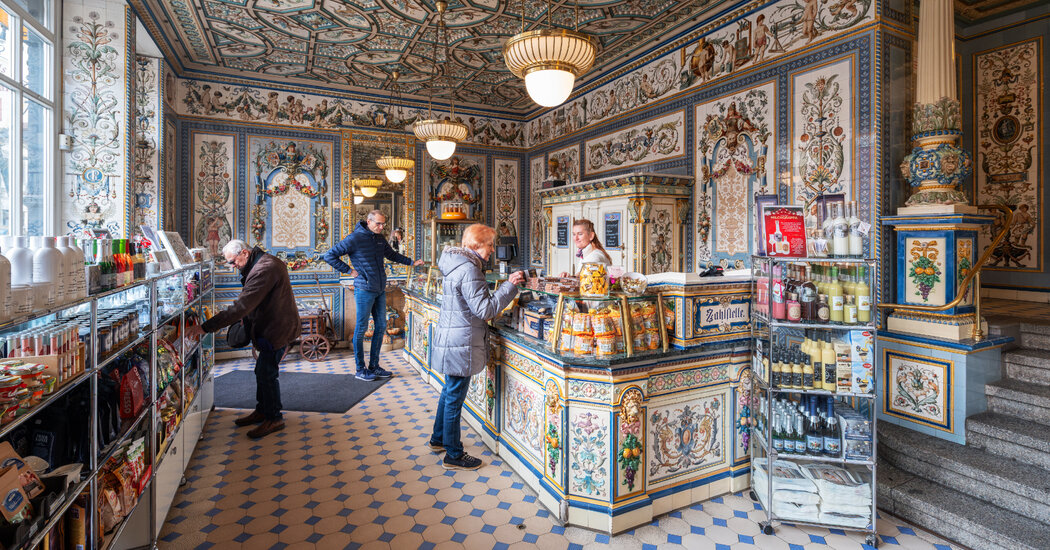
In the heart of Saxony lies Dresden, a city that embodies the profound relationship between culture, identity, and societal continuity. Its historic skyline, lush with restored Baroque architecture, stands as a testament not only to artistic brilliance but also to resilience and the enduring spirit of a people. This city, a crucible where Old Masters like Rembrandt and Canaletto once captured divine beauty, now hosts a vibrant avant-garde movement that demonstrates culture’s ongoing capacity to adapt and evolve. The cultural fabric of Dresden reminds us that history is never distant or detached; it is an intrinsic part of a nation’s soul, shaping its worldview and moral compass.

Walking through Dresden’s streets during the Christmas season, one encounters one of Europe’s oldest and most cherished markets. Here, amid the scent of gingerbread and mulled wine, tradition is not merely preserved; it is reinterpreted. This market, in its timeless aura, echoes a deeper truth articulated by Tocqueville: that democratic societies are rooted in shared cultural practices that foster a sense of collective identity. The celebration of Christmas in Dresden underscores that culture serves as a repository of a community’s values, memories, and hopes for the future. It is a counterbalance to the transient nature of modernity, ensuring that the essence of a people’s story remains alive through symbols, rituals, and shared experiences.

The city’s current cultural scene extends beyond its historical marvels. It is a frontier for modern expressions of artistic innovation, where artists like Gerhard Richter and Anselm Kiefer push boundaries, demonstrating that tradition and modernity can coalesce into a powerful dialogue. This dynamic exemplifies what Ortega y Gasset described as a culture that must \”live through its works,\” heralding an ongoing conversation between the past and present. In this dialogue, culture is not static but a living, breathing entity that anchors society in its roots while propelling it forward. As history teaches us, the true strength of a civilization lies in its capacity to remember and redefine itself in response to the ever-changing currents of time.

Ultimately, Dresden’s enduring charm and cultural vitality remind us that culture is both memory and prophecy. It is memory—a reservoir of traditions, struggles, and triumphs that bind society in shared purpose—and prophecy—a glimpse into what humanity might become when rooted in its most authentic selves. As T.S. Eliot once observed, \”A tradition is an inheritance, and must be a legacy that we care for and pass on.\” Thus, the cultural legacy of Dresden continues to illuminate our path, inspiring a worldview where the origins of our identity serve as the foundation for our aspirations. In the quiet grandeur of its restored facades and bustling markets, there resides a profound reminder: that our culture, like the eternal city itself, is the living archive of human greatness—a prophecy of better days crafted in the mosaic of memory.
Top 50 Bars of 2022: The Hottest Spots Every Young Rebel Should Know

Barcelona’s Paradiso Reigns Supreme: A New Era for Global Cocktail Culture

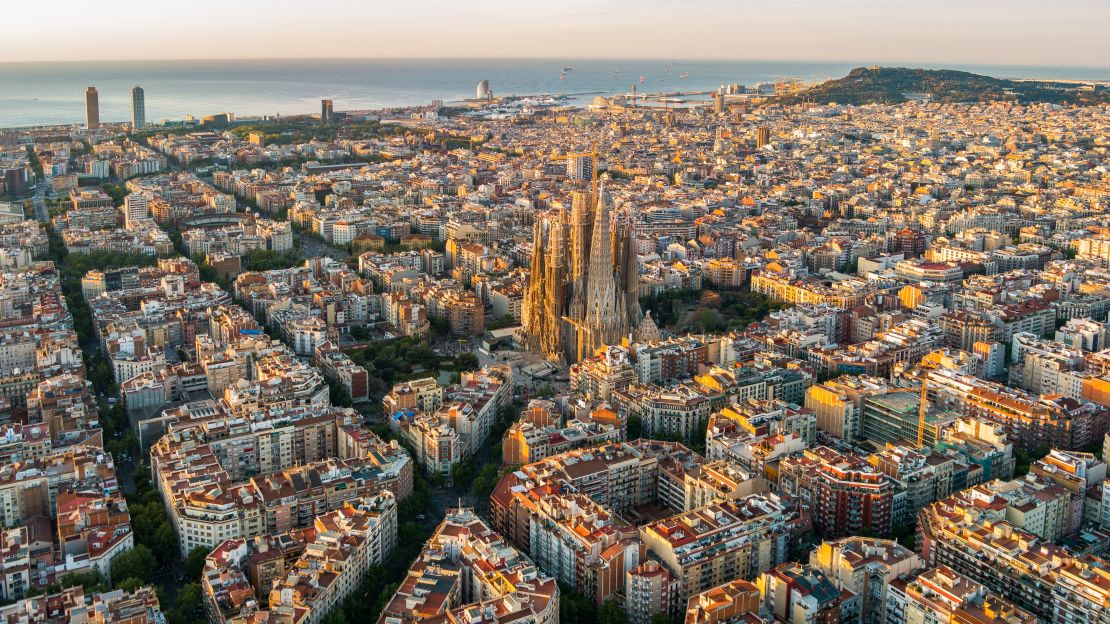
In a remarkable turn of events that signals a shift in the world’s vibrant nightlife landscape, Barcelona has surged to the forefront of the global cocktail scene, claiming the coveted title of World’s Best Bar in 2022 with its iconic establishment, Paradiso. A Mediterranean-style speakeasy tucked away behind a freezer door in the hip El Born district, Paradiso’s ascent from number three in 2021 to the pinnacle of the industry marks a significant evolution in the cocktail world. This recognition underscores the city’s rising reputation as a cosmopolitan hub where tradition meets cutting-edge innovation, inviting young enthusiasts to indulge in a lifestyle rooted in _wellness_ and experiential leisure.

What makes Paradiso’s victory particularly momentous is its status as the first bar outside of London or New York to claim top honors since the inception of the World’s 50 Best Bars list in 2009. Its founders, Giacomo Giannotti and Margarita Sader, emphasize creating cocktails that push creative boundaries while remaining anchored in _authentic Mediterranean style_. Giannotti shared with the awards organizers that their philosophy blends **hard work**, **passion**, and **innovation**, recognizing that breakthrough success stems from relentless discovery and a dedication to _excellence_. More than a celebration of taste, Paradiso exemplifies how the new cocktail culture is about _inspiring_ and _transforming_ the beverage experience, aligning with what wellness experts like Amanda Feifer highlight as the importance of _mindful indulgence_ in a health-conscious era.

Europe’s Culinary and Mixology Renaissance

The city of Barcelona is no longer just known for its striking architecture or rich cultural heritage—it’s now a key player on the global stage of _lifestyle_ and _culinary_ innovation. The 2022 list features three of the top 10 bars hailing from this vibrant city, including Sips, which catapulted from 37th to 3rd position, exemplifying how _food-inspired_, _creative_ cocktails are reshaping the industry. European cities continue to maintain dominance in this arena, with London and Italy also making powerful showings, underscoring the continent’s _legacy_ of blending _culinary artistry_ with a _luxurious lifestyle_, one that resonates with a youthful desire for _luxury_ and _personal impact_ in everyday pleasures.

  • Engage in _local _tours, exploring Barcelona’s innovative venues, and experiencing _Mediterranean-inspired_ cocktail craftsmanship.
  • Seek out _experiential_ and _food-infused_ drinks that elevate _wellness_ and _mindful_ consumption.
  • Embrace _design_ and _aesthetics_ in drinking experiences, including _custom glassware_ and _science-driven techniques_ like centrifuges, as exemplified at Paradiso and other top-tier venues.

In tandem, the emphasis on _hospitality_ and _customer experience_—a ripple effect of the pandemic’s lessons—continues to prioritize safety, _personalized service_, and creating environments where patrons feel valued and secure. This renewed focus not only elevates _leisure_ but fosters a sense of _community_ and _well-being_, essential elements for forging a _purposeful lifestyle_ rooted in _quality_ and _authenticity_. By drawing from expert voices and the evolving landscape of _gastronomy_ and _mixology_, these bars reflect a cultural shift where _creative_ expression harmonizes with _healthful_ living.

Beyond the Cityscape: A Global Tapestry of Cocktail Creativity

The recognition of Barcelona’s Paradiso as the world’s top bar symbolizes a broader _rebirth_ of _cultural innovation_ across continents. Notable entries from Madrid’s Salmon Guru, Italy’s Florence, and Lisbon exemplify how emerging hotspots further diversify the global _premium lifestyle_ scene. In Asia, Singapore’s Jigger & Pony takes the Best Bar in Asia title, while Middle Eastern hubs like Dubai demonstrate a persistent _luxury_ that appeals to _global_ explorers and _young adventurers_ seeking _meaningful_ _leisure_. Each of these venues offers a unique _story_—a _narrative of _craft, culture_, and _ambition_—that inspires aspiring _independent thinkers_ and _trendsetters_ to view _lifestyle_ as a personal _journey_, a collection of _moments_ that shape _identity_ and _well-being_.

As the industry continues to evolve, tools like science-based _cocktail_ techniques and _artful_ _presentation_ are seamlessly merging _culinary_ arts with beverage innovation. The emphasis on _aesthetic_ and _experience_—whether through _custom glassware_ or _food-inspired_ drinks—encourages a _mindful_ approach to _indulgence_. This reflects a societal desire to _reclaim_ _pleasure_ as _part of a _holistic_ lifestyle_, fitting seamlessly into the _wellness_ paradigm favored by intellectuals like Tim Ferriss and wellness entrepreneurs emphasizing _quality over quantity_. It reminds young audiences that _living well_ does not mean sacrificing excitement for health; instead, it’s about _integrating_ _the best_ into _everyday life_, cultivating _balance_, and _creating_ _lasting impressions_ of _self-awareness_ and _inspiration_.

In conclusion

Today, the _world’s top cocktail bars_ do more than serve drinks—they craft _experiences_ that embody the _spirit_ of _adventure_, _creativity_, and _self-improvement_. They evoke a sense of _possibility_, inspiring a generation to see _lifestyle_ as a _personal _canvas_, where _health, _leisure_, and _self-expression_ intertwine. As you navigate the corridors of this _lyrical_ _world_, remember that your _journey_—like a meticulously crafted _cocktail_—is about _balance, _discovery_, and _embracing_ each moment with _passion_. Because ultimately, _life_ is the grandest _adventure_, waiting to be _poured_ from the _bottle_ of _your_ _potential_ into a _glass_ of _possibility_.

Europe Finds Its Backbone: Standing Strong Against Russian Aggression in Ukraine

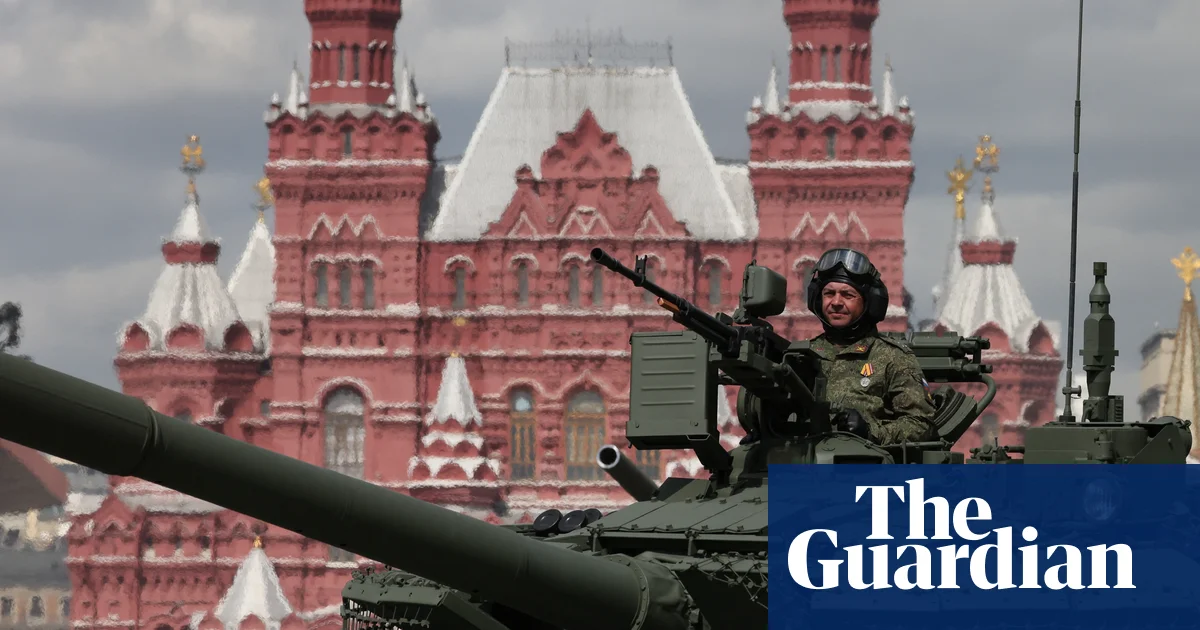
In recent weeks, Europe’s geopolitical landscape has been marred by dramatic disclosures and strategic recalibrations that threaten to reshape the continent’s future security posture. European leaders, led by Kaja Kallas, the EU foreign policy chief, have underscored a stark historical reality: Russia’s record of invasions spans nearly a century, affecting 19 states on 33 occasions. This historical context, drawn from Kallas’s own meticulous research, aims to reinforce a core European concern — that Russian imperialism persists beneath the veneer of post-Soviet diplomacy. Such revelations spotlight the enduring threat posed by Vladimir Putin’s regime, whose refusal to confront its brutal past fuels continued aggression and destabilizes the European order.

Support for this alarm was echoed by other Western leaders, including Germany’s Johann Wadephul and France’s Emmanuel Macron. Wadephul warned that Russia is strategically positioning itself to potentially threaten NATO as early as 2029, amid a ramp-up of nearly one new division a month devoted to targeting Europe and the United States. Macron, describing Russia as “a constant destabilizing power,” emphasized Putin’s relentless effort to revise borders and extend his influence at Europe’s expense. These grave assessments are not mere rhetoric but serve as warnings of an evolving security threat that Europe cannot ignore. Complementing their concerns, UK Prime Minister Keir Starmer stressed that without firm deterrence, Putin’s ambitions to expand once again would inevitably materialize, dragging Europe into a perpetual cycle of conflict.

Meanwhile, the landscape in Washington appears increasingly divided. Unlike the resilient European consensus, US isolationists such as property developer Steve Witkoff and some former Trump officials have discounted Russia’s expansionist motives, proposing a distorted view that portrays Putin as a proponent of peace. Witkoff’s admission that he watched Netflix documentaries to better understand history underscores a troubling trend—a growing skepticism within US political circles about Russia’s true intentions and the threat it poses. Former President Trump’s approach, characterized by offers to reward Russia and avoid severe sanctions, starkly contrasts with European priorities of robust security guarantees. This divergence is shaping a new geopolitical reality, where European security concerns are secondary to a US administration seemingly eager to reconcile with Moscow at any cost.

Crucially, recent revelations of secret US-Russian negotiations—most notably a **28-point plan** aimed at ending the war in Ukraine—have exposed a profound rift. European leaders, including François Hollande and Josep Borrell, decried these plans as an abdication of European sovereignty and a capitulation to Russian demands. Hollande characterized it as a moment of “Europe’s relegation” to a subordinate role under a Russian-American condominium, risking Ukraine’s territorial integrity and future security. Meanwhile, Borrell condemned Washington’s willingness to potentially “sell out” Ukraine’s sovereignty. The plan’s draft, which notably removes critical security guarantees, signals a disturbing trend: the West’s willingness to compromise its principles for a fleeting peace that favors Russian interests.

As history’s pen continues to write, the fate of Ukraine, the stability of NATO, and the moral fabric of European sovereignty hang in the balance. With Putin’s military machine still grinding forward and new diplomatic efforts risking betrayal, Europe finds itself at a crossroads. Will it stand firm against a resurging imperial power, or will inertia and division condemn the continent to a future defined by weakness? As officials weigh options and histories collide, the coming weeks may determine whether Europe continues to play a secondary role in its own destiny or asserts itself as the bastion of sovereignty and security in a world scarred by its past.

EU Paves Way for Faster Military Moves Across Europe, Boosting Youth Defense Confidence

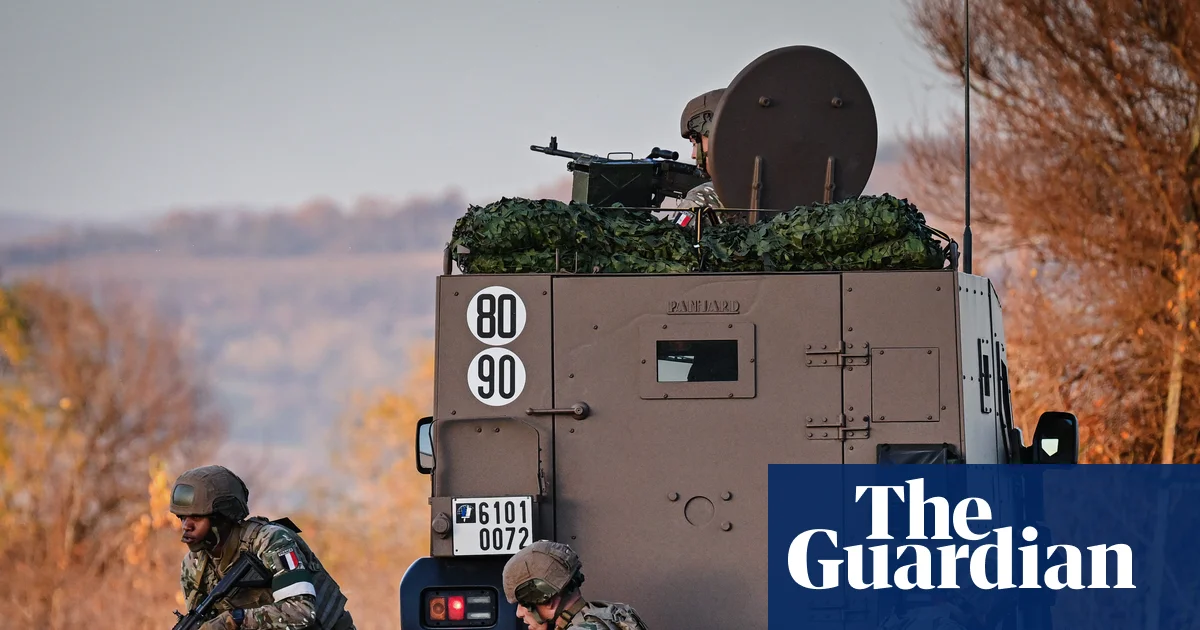
The European Union is intensifying its efforts to reinforce military readiness across its member states in a move that signals a clear shift towards integrated defense capabilities. The recent announcement by the EU executive to streamline cross-border troop movements is part of a broader strategic initiative to counteract escalating regional tensions, specifically in light of recent warnings from security experts regarding Russia’s potential to attack within five years. The EU is positioning itself to become a frontline defender, emphasizing a coordinated approach that could dramatically alter the continent’s security landscape. As European leaders debate the logistics and funding of this ambitious plan, the core aim remains the same: bolster deterrence and ensure swift military response in the face of emerging threats.

The crux of this initiative involves dismantling bureaucratic hurdles that currently hinder rapid troop movements. According to EU officials, obstacles such as inadequate infrastructure—bridges incapable of supporting heavy tanks, narrow railway tunnels, and incompatible track gauges—pose serious impediments to military logistics. The European Commission has proposed creating a “military Schengen” zone, allowing armies to traverse borders as seamlessly as civilians do. Key to this plan is prioritizing the strengthening of 500 critical points—bridges, tunnels, roads, and ports—at an estimated cost of €100bn. Such investments are seen as essential for ensuring that NATO’s collective defense is complemented by improved continental military mobility, a point underscored by Kaja Kallas, the EU foreign policy chief, who bluntly stated that existing rules, such as the 45-day notice requirement for troop movement, are “not good enough” for an era of heightened tension.

This move draws considerable attention from analysts and international organizations concerned with the geopolitical ramifications. While the EU emphasizes that these measures are designed to underpin NATO’s strategic planning, critics warn of a potential escalation of tensions, especially with Russia. The prospect of Europe becoming a more militarized continent—ready to move armies swiftly across borders—raises fears of militarization spiraling further. Historian and security analyst Dr. Marcus Feldman warns that such initiatives may inadvertently provoke an arms race or regional instability. Nevertheless, EU officials maintain that modernization of infrastructure and legal reforms are vital deterrents against potential aggression, especially in a volatile security climate spurred by Moscow’s recent strategic postures.

Funding remains the most contentious aspect of this initiative. The EU plans to allocate approximately €17.6bn from its long-term budget, with a broader €2tn plan facing resistance from member states wary of increased spending. Nevertheless, the logic remains clear: in an increasingly unpredictable world, preparedness and rapid mobilization are the new currencies of security. As nations within the bloc are often required to co-fund defense projects, the convergence of economic and strategic interests highlights an evolving geopolitical landscape—one where collective action is increasingly deemed necessary to navigate threats that transcend borders. The coming years will test whether these measures can deliver a credible deterrent or merely serve as a fragile veneer over underlying divisions and uncertainties.

As the echoes of history reverberate through the corridors of power, the unfolding plans for a more integrated and mobile European military force cement a stark reality: the continent stands at a crucial juncture. The decisions made today—how well infrastructure is upgraded, how swiftly policies adapt—will undoubtedly shape the fabric of European sovereignty and security for generations. The weight of history is pressing down, with each step towards militarization carrying profound consequences; the thresholds of peace and conflict are now razor-thin, and the world watches as Europe writes its next chapter in a saga of resilience and confrontation.

Europe Observes Armistice Day Amid Rising Tensions as Russia Bombs Ukraine Overnight — Live Updates

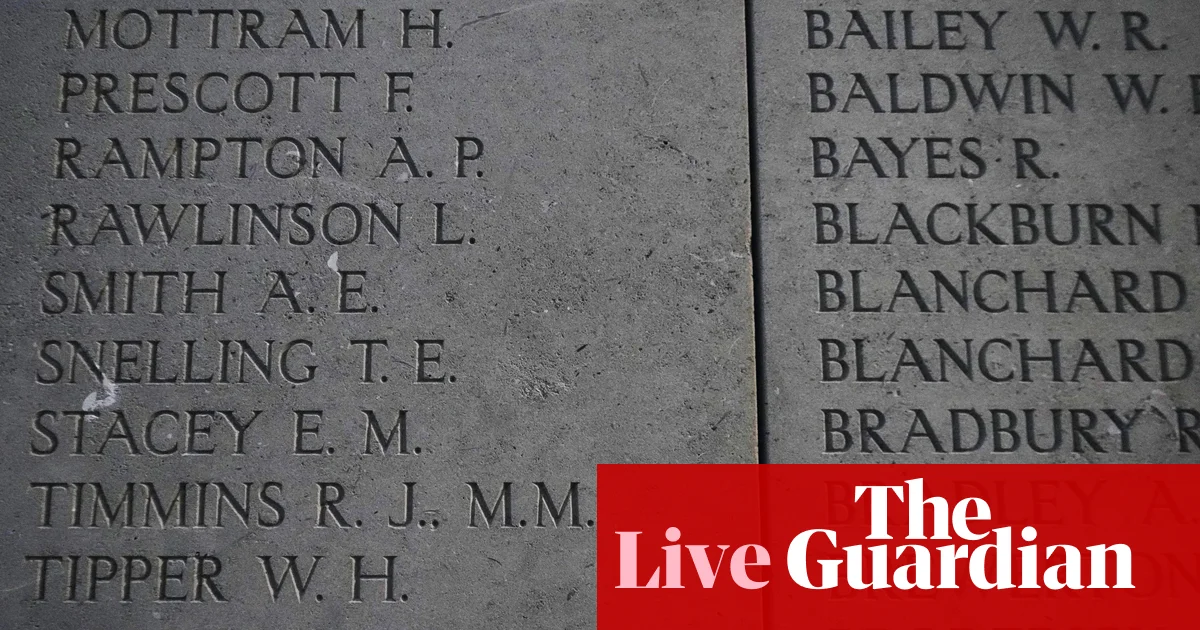
As Europe commemorates Armistice Day, a day historically rooted in ending the devastations of war, the continent finds itself embroiled in a new era of geopolitical turmoil. The recent claims from Russia’s Federal Security Service (FSB) of thwarting a clandestine operation by Ukrainian and British spies underscore the fragility of peace in an age dominated by shifting alliances and covert warfare. The alleged plot to commandeer a MiG-31 fighter equipped with hypersonic Kinzhal missiles, purportedly to be flown toward a NATO border in Romania, reveals a fresh dimension in the persistent Ukraine conflict. While Western nations mourn and honor the fallen, the shadows of espionage, sabotage, and ongoing military confrontations cast a pall over traditional commemorations, exposing a continent at a crossroads of peace and chaos.

  • Russian authorities claim to have intercepted an attempt by Ukrainian and British operatives to destabilize the region by stealing a highly advanced Russian jet, which was allegedly to be flown toward a NATO base in Romania, an escalation that could have drawn NATO directly into conflict.
  • The Russian state TV broadcast purported evidence—including messages and recordings—allegedly linking Ukrainian and British intelligence to the plot, with reports of a payment of $3 million to Russian pilots willing to defect. These claims, however, remain unverified by independent outlets like The Guardian and Reuters.
  • The incident reveals how the Russia-Ukraine conflict has transformed into a broader proxy battleground, with accusations of espionage and sabotage characteristic of post-Cold War warfare. Analysts warn that such narratives serve to justify further escalations while complicating diplomatic dialogue.

Geopolitical Ripples and Rising Tensions

The European Union and NATO are closely watching these developments, aware that any escalation could have profound repercussions for regional security and for global stability. Historian and geopolitical analyst Dr. Maria Jensen warns that such alleged plots, whether fully verified or not, serve to deepen the divide between Western powers and Russia, fueling narratives of insidiou conspiracy and imminent threat. Meanwhile, France’s President Emmanuel Macron and Polish authorities mark Armistice Day with solemn ceremonies—yet the shadows of ongoing conflict threaten to distort the very symbolism of reconciliation and peace.

Adding to the tense atmosphere, Romania reported a Russian drone incursion near its border with Ukraine, which the Romanian President, Nicușor Dan, dismissed as an accident. This incident underscores the underlying risk of unintended escalation as military activities become increasingly aggressive and unpredictable. Conflicts that once were confined to local terrains are quickly evolving into interconnected crises, with Ukraine’s battlefield and Romania’s border zones acting as potential flashpoints for broader confrontation. International institutions warn that the escalation fuels a spiral of mistrust and military posturing, threatening to unravel ongoing diplomatic efforts.

The Broader Impact—History’s Unfinished Narrative

In this tumultuous context, the annual observances across Europe—such as the marches in Warsaw and ceremonies at the Arc de Triomphe—serve as stark reminders of the price paid for peace. Yet, beneath the commemorations lies a sobering reality: the continent is navigating a delicate, volatile chapter where decisions made today will echo through history. Within geopolitical circles and diplomatic corridors, experts deliberate on the potential for these incidents to either ignite a larger conflict or serve as catalysts for renewed dialogue and mutual understanding.

The unfolding story of Ukraine, Russia, and the broader European theater is still being written, with each new claim and counterclaim adding lines to a narrative that history will scrutinize for generations. As world leaders grapple with the aftermath of their choices, the shoulders of future generations bear the weight of today’s decisions—decisions that could either forge enduring peace or plunge the continent into an abyss of perpetual conflict. The question remains: how will the pages of history remember this turbulent age, and what lessons will it carve into the collective memory of humanity?

Black Musical Theater: Celebrating 200 Years of Cultural Resilience and Innovation

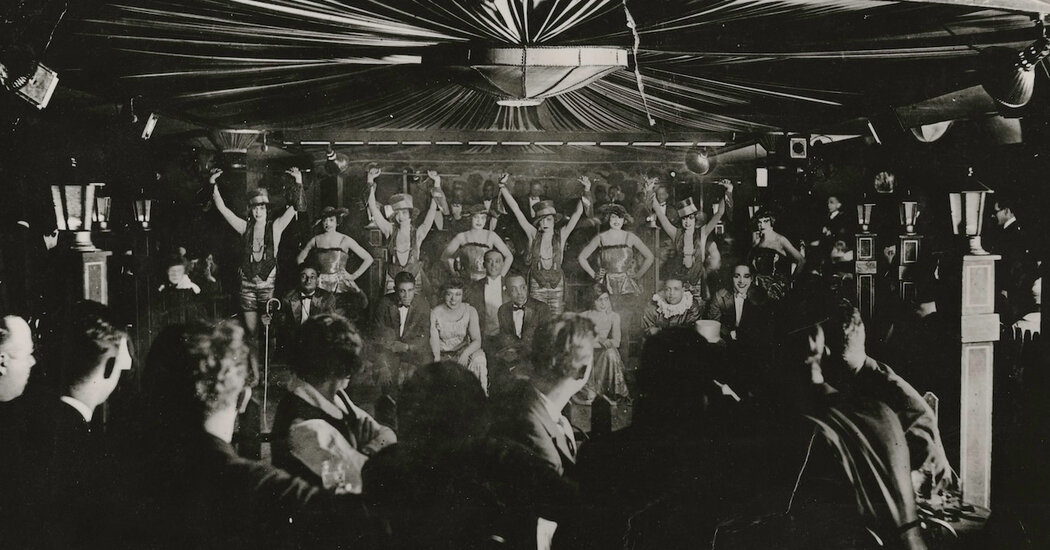
In the great tapestry of human civilization, culture functions as both the mirror of our collective identity and the canvas upon which we project our future aspirations. On the cusp of pivotal moments in history, artists and cultural pioneers have often assumed the mantle of societal architects, shaping and reflecting the values, struggles, and triumphs of their epoch. The founding of Amas Musical Theater in 1968 by LeLaine LeNoire exemplifies this parallel—it was not merely an act of artistic enterprise but a declarative stance on the importance of cultural diversity and representation in American society. Her initiative, infused with purpose, sought to elevate multiethnic casting, thereby enriching the cultural dialogue and affirming the integral role of identity within the American narrative.

Much like the Greeks of ancient times, who consecrated myth and drama as essential facets of civic life, modern cultural innovators understand that the arts serve as repositories of memory and beacons of prophecy. The success of productions like “Mama, I Want to Sing!” and “Bubbling Brown Sugar” signals a turning point—a recognition that authentic stories rooted in diverse experiences contribute to the moral and aesthetic fabric of society. These works, born amidst tumultuous social change, echo the timeless insight of thinkers like G.K. Chesterton: that tradition, which preserves the best of our collective past, must evolve to include the voices previously marginalized. In this context, cultural renaissance is intertwined with the assertion of rightful identity, a vital act of cultural self-preservation amid an ever-changing world.

The importance of such cultural endeavors extends beyond entertainment; they forge a profound connection between society’s fabric and the individuals anchoring it. A nation’s cultural output, as Tocqueville observed, reveals the undercurrents of its democracy, exposing the virtues and flaws woven into its institutions. In this regard, Amas Musical Theater and similar initiatives symbolize a democratization of culture—a recognition that art is not just a luxury, but a vital expression of societal sovereignty. They remind us that by celebrating roots and forging new traditions, society cultivates resilience and continuity, allowing forgotten histories to reemerge and guiding humanity towards a future mindful of its heritage.

Ultimately, culture emerges as both memory and prophecy: a living archive charting the human journey and a visionary force shaping what is yet to come. As the poet T.S. Eliot might have suggested, in our pursuit of harmony between past and future, we discover “the still point of the turning world”—a place where the echoes of tradition inform the aspirations of tomorrow. Our shared cultural history is a testament to our resilience, an ongoing dialogue that sustains not merely individual identities but the spirit of civilization itself. To engage with this heritage is to participate in a sacred act of rebirth, forging a path where the memory of yesterday guides the prophecy of tomorrow, reflecting the eternal human endeavor to find meaning and coherence amid chaos.

Tusheti: Ireland of the Caucasus — Europe’s Untamed Mountain Gem for the Bold and Free

Discovering Tusheti: A Mountain Wonderland of Tradition and Inspiration

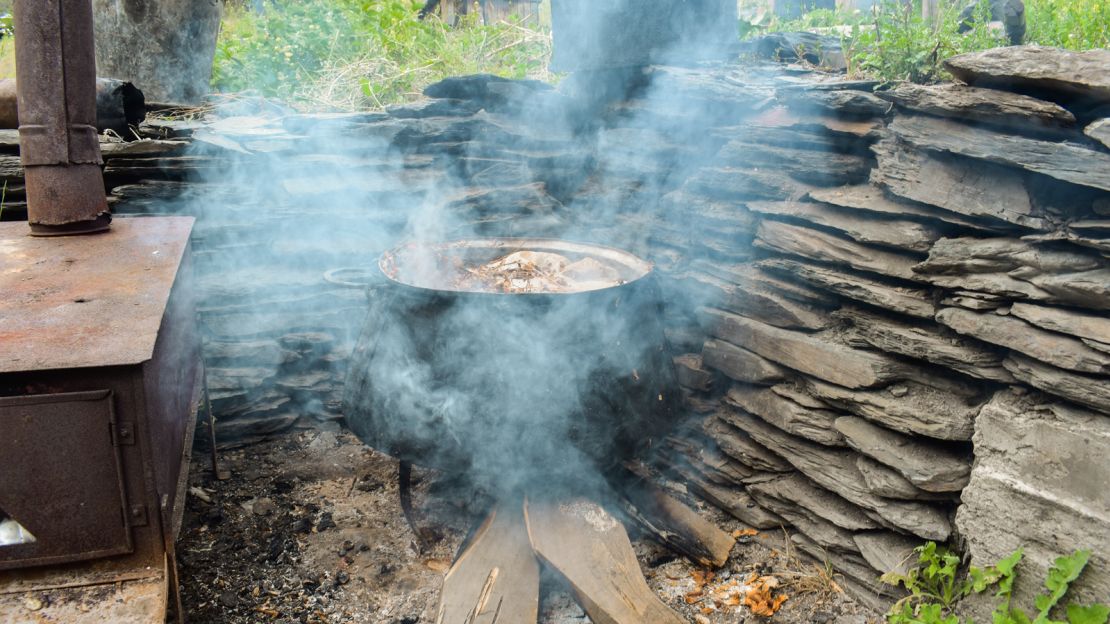
Few regions in Europe embody the spirit of **adventure and resilience** quite like Tusheti. Nestled deep in the Caucasus mountains, this remote northeastern Georgian enclave is a testament to the enduring power of _local traditions_ and the unspoiled beauty of untamed landscapes. Accessibility itself is an adventure—only reachable via a treacherous, winding gravel road that ascends to over 10,000 feet during the brief summer months, revealing vistas that seem straight out of a storybook. For youthful explorers and culture seekers alike, Tusheti offers a _unique lifestyle_ experience—where rugged wilderness meets age-old customs, creating a place that beckons the **curious** to *embark on a journey of discovery*.

Stepping into Tusheti is like entering a _living museum_, where the remnants of medieval fortresses and traditional shepherding life tell stories of resilience amid **harsh winters**. Among the region’s highlights is Omalo, the gateway city crowned by the ancient Keselo Fortress, serving as the hub for _exploring the surrounding villages_. From the intricate wool textiles of Dartlo to the steep hilltop ruins of Kvavlo, each hamlet preserves its unique _heritage_, artfully woven into the fabric of daily life. The local cuisine, built around _pastoral dairy and hearty meats_, offers a taste of _authentic Georgia_, with dishes like **khinkali** and **khachapuri** serving as staples for travelers craving _simple yet flavorful_ fare. In a world increasingly driven by fast-food culture, Tusheti’s _slow-cooked traditions_ stand out as an inspiring reminder to prioritize **quality, community, and authenticity**.

Beyond its landscape and food, Tusheti’s _rich spiritual landscape_ fuses pagan practices with Orthodox Christianity—an unbroken thread that connects past and present. Visitors encounter _stone shrines, sacred spaces_, and _animal skulls_ that symbolize protec­tion and reverence for _deities and ancestors_. The region’s _festivals_, such as Mariamoba and Mzebudoba, celebrate _deceased loved ones_ and natural cycles, fostering a _sense of _linking past and future_. Such rituals underscore a core insight: _well-being_ is deeply rooted in _cultural identity_ and _connection to nature_. Engaging with these traditions offers more than just _curiosity_—it sparks _personal reflection_ on _purpose_ and the _value_ of _preserving _our roots_, inspiring a broader appreciation for _living in harmony with our _ancestral_ heritage_.

Embracing a Life of Adventure and Tradition

Living in today’s world often prompts a _rushing pursuit of _new experiences_, but Tusheti reminds us that _meaningful _lifestyle_ development is _about _balance_. From the _mountain pastures_, _shepherds_ lead _tens of thousands of sheep_ to graze, embodying _sustainability_ and _patience_. Meanwhile, _local artisans_ craft _woolen socks_ and _elaborate carpets_, demonstrating that _art_ and _craftsmanship_ can be _sources of _personal _and _community _renewal_. For the adventurous youth eager to _reshape their _lifestyle_, Tusheti offers a _blueprint_: embrace _authenticity_, cherish _tradition_, and activate _your _sense of _exploration_. Whether it’s _trekking ancient _paths_, _learning _new recipes_, or _participating in _rituals_, each moment _becomes a _brick_ in _building _a _more _resilient _and _meaningful life_.

Final Reflection

In a world obsessed with _speed_ and _instant gratification_, Tusheti stands as a _beacon of _slow living_ and _deep _connection_. Its _untamed serenity_ invites _all who seek_ to _embrace_ _their _own _adventure, _not just in _the _mountains, but _within themselves_. As Georgian writer Eka Tkadze once mused, _”To truly live, one must _seek _the _heart of _the _mountains, _where _tradition and _nature _converge.”_ For the _youth_ daring to _step _beyond _the familiar, Tusheti beckons as a _reminder_: that _a _fulfilling life_ begins when we _honor _our _heritage_, _pursue _adventure_, and _stay _true to _the _values_ that make us _whole_. #Embrace _the _journey, _and _let _it _lead _you _home_.

Lithuania shuts border with Belarus after balloon chaos halts Vilnius airport — Europe reacts

Europe’s Turbulence: Lithuania’s Bold Response to Hybrid Threats

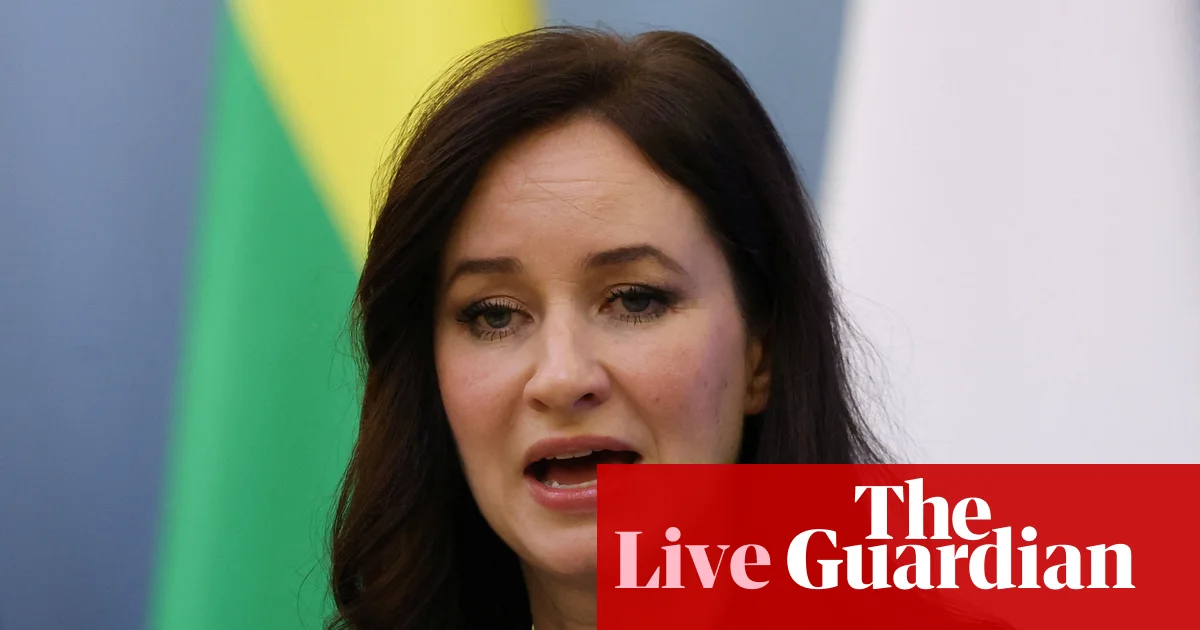
Amid rising geopolitical tensions in Eastern Europe, Lithuania has taken a formidable stance against what it perceives as concerted hybrid warfare efforts from Belarus and Russia. This strategic shift comes in the wake of a week marked by unprecedented disruptions at Vilnius Airport, where nearly 30,000 passengers faced cancellations and delays—triggered by what authorities believe to be helium balloons used by smugglers and intelligence operations aiming to destabilize the region. Lithuanian Prime Minister Inga Ruginienė announced a decisive plan to close the border with Belarus, save for diplomatic and EU transit, and to shoot down any further balloons intruding on Lithuanian airspace—a move that underscores a broader escalation in Europe’s response to hybrid threats.

This development signals a significant turning point for NATO and EU security paradigms. Lithuania’s government, echoing concerns raised by national security centers, views the balloon incidents not merely as smuggling but as part of a “hybrid psychological operation”, aimed at testing Lithuania’s resilience and military readiness. Vilmantas Vitkauskas, head of the National Crisis Management Center, reported radar detections of up to 66 objects over a single night—clear indicators that these tactics are states’ attempts at psychological warfare. International analysts have warned that such unconventional methods, while seemingly minor, are indicative of a broader strategy by Russia and Belarus to weaken NATO’s eastern flank, creating instability that could embolden further aggressive actions in the region.

In this context, NATO has only invoked Article 4 of its treaty nine times in history—most recently following Russian violations of airspace in Poland and Estonia—and Lithuania’s move to escalate its security measures could very well be the next chapter in this ongoing saga. Lithuanian officials are actively considering diplomatic and legal actions alongside territorial defenses, warning that the hybrid operations seek to sow chaos and test NATO’s collective resolve. As foreign ministers and military leaders convene in Brussels and other capitals, the weight of history presses heavily on Europe’s shoulders. Analysts from the International Crisis Group and various military strategists highlight that decisions taken in the coming days will inevitably influence the broader security architecture, potentially recalibrating NATO’s response to covert and overt aggression from Russia and its allies.

As Lithuania braces for further provocations, the unfolding scenario leaves the continent at a crossroads—where diplomacy, military readiness, and the unity of democratic nations will be tested more severely than ever. The shadows cast by these balloons may seem insubstantial, yet they pierce the fabric of European stability—reminding all that the cost of complacency can be distinctively steep. In the face of evolving hybrid tactics, the region’s next steps will echo through the annals of history, setting a precedent for how the West confronts a new era of subtle but relentless aggression.

Trump’s Sanctions Hit Fast — Will Europe Stop Buying Russian Oil and Gas? | Energy Giants

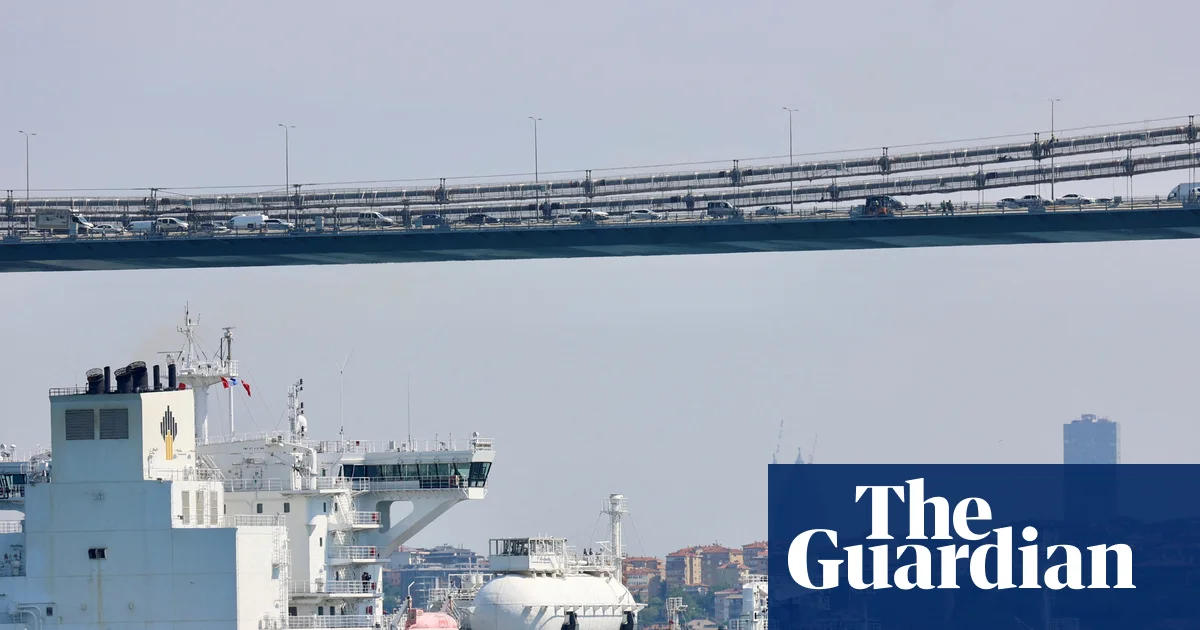
In a bold move that could redefine the geopolitical landscape, Donald Trump recently imposed sweeping sanctions targeting Russia’s two largest oil companies, Rosneft and Lukoil. This strategic effort seeks to choke off Moscow’s primary revenue stream fueling its ongoing conflict in Ukraine. Analysts highlight that Trump’s decisive action marks a stark contrast to the often cautious or diplomatic approach of the European Union over the past six months. According to Tom Keatinge, the influential director at the Centre for Finance and Security (CFS), Trump’s willingness to wield the “sanctions hammer” has demonstrated a level of resolve that could have profound consequences for Moscow and global energy markets. By targeting the financial backbone of Russia’s fossil fuel exports, Washington aims to weaken Moscow’s capacity to sustain its war effort, while simultaneously asserting American influence in the international arena.

The immediate repercussions have been notable. The global oil price surged by approximately 6%, signaling a volatile reaction in energy markets. Simultaneously, Russia’s crude oil deliveries to key Asian markets—namely India and China—faced abrupt halts. Experts from the Centre for Research on Energy and Clean Air (Crea) warn that these disruptions could be financially devastating for Moscow. With over 86% of Russia’s crude exports heading to China and India since the onset of the Ukraine conflict, the potential loss of access to these markets threatens to slash Russian monthly revenues by billions of dollars—roughly $7.4 billion—impacting Kremlin’s war chest and reducing its capacity to fund its military operations. While these measures have caused a significant dip in Russian fossil fuel export revenues—down by 50% compared to September 2022—the emergency shifting of shipments through shadow tankers underscores a resilience that complicates Western efforts to fully isolate Russia economically.

This economic coercion opens a new chapter in the ongoing struggle over energy resources. While President Trump’s sanctions are targeted, their ripple effects are impacting not only Russia but also global power balances. The European Union, once heavily dependent on Russian gas and oil, now faces a paradox: a formal pledge to phase out all Russian fossil fuel imports by 2027, yet continued reliance on existing supplies. Major EU nations like Hungary and Slovakia persist in importing Russian gas, with France, Belgium, and the Netherlands maintaining residual ties. This persistent dependence has drawn sharp criticism from analysts and historians alike, who argue that Europe’s reluctance to fully sever ties with Moscow constitutes a “disgraceful stain” on its geopolitical integrity. The EU’s ongoing reliance on Russian LNG—comprising approximately half of Russia’s LNG exports—ensures that, despite political rhetoric, Moscow continues profiting from Europe’s energy needs, thus prolonging the conflict’s human toll and undermining efforts for a sustainable peace.

Most revealing is the long-term strategic gamble Trump’s approach epitomizes: leveraging economic measures to foster peace and realign global energy flows. While critics warn that much depends on strict enforcement and response from other energy-dependent nations, some analysts, like Keatinge, remain cautiously optimistic. “Never bet against Trump,” he states, hinting at the unpredictable yet potentially transformative power of decisive leadership. As the world watches, the unfolding confrontation over fossil fuels echoes an enduring truth: the decisions made today forge the legacy of future generations. Whether the sanctions will finally curtail Moscow’s war machine or simply accelerate a shadowy fight in the shadows of the global oil trade, one thing remains clear—history is being written in the oil fields and on the geopolitical stage, and the outcome will shape the fate of nations for decades to come.

Europe Supports Trump’s Frontline Freeze, But Russia Says No

The ongoing conflict in Ukraine continues to redefine the landscape of international geopolitics, with European leaders uniformly advocating for a pragmatic approach: freezing the current front lines as the basis for negotiations. This stance, supported by UK Prime Minister Keir Starmer and 10 other European nations, reflects a strategic desire to prevent further escalation while pressuring Russia to demonstrate a sincere commitment to peace. Their insistence that any meaningful dialogue commence from the established demarcation line signals a pragmatic reaction to Moscow’s perceived intractability and underscores the geopolitical contestation over the conflict’s ultimate resolution. According to analysts like Dr. Maria Svensson of the European Geopolitical Institute, this position reveals a complex balancing act — seeking peace without conceding strategic vulnerabilities.

Meanwhile, Russia under Vladimir Putin remains firm in its stance, rejecting calls for a freeze at the current contact line. Russian Foreign Minister Sergei Lavrov emphasized Moscow’s aim for a *”long-term, sustainable peace”*, implying that any temporary ceasefire is merely a tactical pause rather than a genuine resolution. Moscow’s position is driven by a refusal to accept the legitimacy of Ukraine’s territorial integrity, demanding the *”full withdrawal of Ukrainian troops”* from the Donbas and asserting sovereignty over the contested regions. This maximalist approach, as international organizations like the UN have noted, risks prolonging the conflict and destabilizing the entire Eurasian corridor, thus amplifying the crisis beyond Ukraine’s borders. The European statement’s reference to “Russia’s stalling tactics” highlights Moscow’s strategic goal of leveraging protracted negotiations to solidify territorial gains and weaken Kyiv’s resolve.

In parallel, diplomatic efforts continue to unfold, notably involving US President Donald Trump, who recently signaled an unexpected shift by endorsing a de facto ceasefire at the *current battle lines*. During a recent telephone call with Putin, sources reveal that Trump urged Ukraine to cede territory in the eastern Donbas regions, notably Donetsk and Luhansk, as part of a broader deal. While Trump later denied insisting on territorial concessions, he publicly supported “cutting” the conflict at the battle line and halted what he described as “killings.” Such positioning underscores a growing divergence within Western leadership—some advocating for a pragmatic halt, others viewing Ukraine’s territorial integrity as non-negotiable. The potential for a broader summit, including a direct meeting between Putin and Trump in Budapest, hinges on complex logistical and legal considerations, given international warrants for Putin’s arrest over alleged war crimes. Russia’s insistence on addressing the *“root causes”* — a euphemism for maximalist demands over Ukrainian sovereignty — continues to complicate prospects for peace, suggesting that the conflict may persist well beyond current skirmishes.

The geopolitical impact of these developments is profound. As analysts warn, the decisions made today will reverberate through generations, shaping Europe’s security architecture for decades. The contest over Ukraine’s future isn’t solely a regional dispute; it is a crucible for global influence, testing the resolve of alliances, the limits of diplomacy, and the efficacy of international law. The Baltic states, Poland, and much of Eastern Europe watch with rising anxiety, understanding that the fallout from failed diplomacy might ignite broader conflicts. The dramatic diplomatic dance—shuttling between negotiations, sanctions, and military support—embodies a vital struggle of our era: whether the world will capitulate and accept a new sphere of Russian dominance or unite to uphold sovereignty and lasting peace. As history’s pages turn, the unresolved conflict in Ukraine leaves the world perched on a knife’s edge, witnessing the unfolding drama that will shape the contours of power and peace—*a stark reminder that in geopolitics, moments of crisis often forge the new order, with the true outcome still hanging in the balance, uncertain yet inevitable.*

Social Media Auto Publish Powered By : XYZScripts.com