Matox News

Truth Over Trends, always!

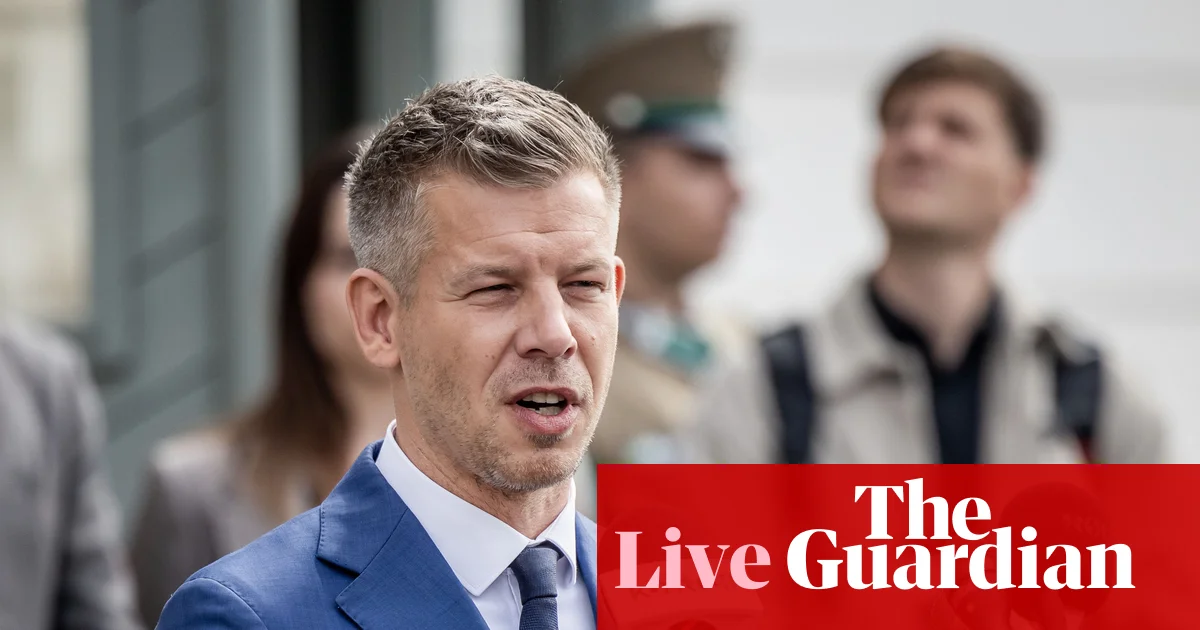
Trump Praises Magyar’s Future Potential, Slightly Cuts Distance from Orbán – Europe Live

In a remarkable turn of events, Hungary’s new leadership under Péter Magyar has signaled a decisive break from the legacy of Viktor Orbán, causing ripples across European geopolitics. Following Hungary’s recent elections, Magyar, representing the opposition Tisza party, has finalized plans to swiftly establish a new government by mid-May. This transition marks a significant departure from Orbán’s long-standing rule, with Magyar emphasizing the importance of “restoring the rule of law” and rehabilitating Hungary’s fractured relationship with the European Union (EU), which had been riddled with recurrent conflicts over legal standards and funding compliance.

One of the earliest steps announced by Magyar involves a pivotal overhaul of Hungary’s state-controlled media landscape. In a move aimed at dismantling years of government propaganda, Magyar openly declared intentions to suspend the ongoing news broadcasts of state media outlets like Kossuth Rádió and M1 TV, promising a transition toward unbiased and transparent journalism. This ambitious attempt to restore media independence echoes broader efforts often championed by Western democracies to strengthen societal trust and institutional integrity. International observers, including prominent analysts and watchdogs, view this as a deliberate effort to dismantle media propaganda under Orbán’s regime, potentially setting a precedent across the region.

Meanwhile, the European Union’s stance appears cautiously optimistic. The EU’s defense commissioner, Andrius Kubilius, indicated that a “new wind is blowing” in Hungary, expressing readiness to implement a significant €80 billion loan to Ukraine, contingent on Hungary removing its veto—which has delayed a €90 billion aid package for Kyiv. Magyar’s government hints at concessions, stating it would drop the veto as long as Hungary retains its opt-out clause and is not required to contribute to the loan, as previously agreed with Orbán’s administration. This demonstrates Hungary’s strategic leverage and its ongoing negotiation on the terms of EU funding, which remains a focal point of contention.

Domestically, Magyar’s approach signals a period of internal upheaval, with plans to replace the outgoing president, Tamás Sulyok, seen as a symbol of Orbán’s authoritarian tendencies. Magyar declared that Sulyok was “unworthy of representing the unity of the Hungarian nation” and suggested he should step down or could be forcibly removed. This internal power struggle underscores the broader aim of Magyar’s coalition to reshape Hungary’s political and media institutions fundamentally, pushing towards a more democratic and rule-of-law oriented governance model.

As history continues to unfold, the implications are profound. The emergence of a government promising transparency and media reforms, coupled with Hungary’s cautious engagement with the EU, presents a pivotal moment for Central Europe. This is a story not merely of political transition but of a nation potentially rewriting its identity amidst forces seeking to redefine the balance of sovereignty and integration in Europe. Such choices will reverberate beyond Hungary’s borders, challenging longstanding alliances, and testing the global community’s resolve to uphold democratic principles amid shifting geopolitical tides. The world watches with bated breath as Hungary’s future, teetering on the brink of reform or retreat, writes the next chapter in the history of freedom and sovereignty.

Xiaomi 17 Ultra: Next-Level Features Make Photography Exciting for Young Creators

Xiaomi 17 Ultra: Redefining Smartphone Innovation and Disruption

The global launch of the Xiaomi 17 Ultra marks a pivotal moment in mobile technology, exemplifying how disruption of traditional smartphone design and hardware standards can influence the industry’s trajectory. This device prominently features a substantial camera bump, housing an advanced sensor suite developed in partnership with Leica, signaling an industry-wide shift toward professional-grade photography integrated directly into flagship smartphones. Such innovation not only elevates user experience but also has profound business implications—challenging camera-dedicated device markets while setting new standards for integrated imaging solutions.

Beyond its pioneering camera design, the Xiaomi 17 Ultra is packed with top-tier hardware, including Qualcomm’s latest Snapdragon 8 Gen 5 processor, a 6.9-inch AMOLED display with a peak brightness of 3,500 nits, and a robust 6,000 mAh battery capable of lasting days under moderate use. These specifications underline Xiaomi’s commitment to maintaining disruption in performance metrics—in a market where power and display quality are often decisive factors—catapulting the device beyond mere imaging capabilities to a comprehensive flagship experience. Notably, the device supports fast charging with 90W wired power, enabling rapid recharges that synchronize with the consumer’s fast-paced lifestyle, a clear response to trend-shifting expectations for instant connectivity and minimal downtime.

Disruptive Innovation in Mobile Photography and Industry Implications

The Xiaomi 17 Ultra’s camera system epitomizes industry innovation, deploying a 50-megapixel ultrawide lens with macro capabilities, complemented by a cutting-edge ring for professional camera filters. Its imaging package extends further with a dedicated shutter button, customizable exposure controls, and a specialized “fastshot” mode available in both Kit Pro configurations, targeting better street and candid photography. This integrated professional-grade kit effectively disrupts conventional perceptions that such power can only be achieved through bulky, dedicated camera equipment, pushing hardware and software convergence to new levels. The disruption isn’t just aesthetic; it has direct business impacts, compelling competitors like Vivo and Oppo to innovate along similar lines, as Xiaomi’s early market entry and premium positioning could reset consumer expectations and industry standards for flagship phones.

  • Leica’s partnership elevates Xiaomi’s photography credentials, fostering a premium brand association
  • High-end features with a price starting at €1,499 showcase a premium disruptive approach targeting tech enthusiasts and professionals
  • The accompanying Photography Kit Pro expands the device’s hardware ecosystem, emphasizing the business shift toward modular, customizable photo solutions
  • Emerging market competition remains fierce; flagship phones from competitors will need to match or surpass Xiaomi’s integrated professional tools

Market analysts from Gartner and MIT’s Media Lab have underscored that such innovation doesn’t just elevate Xiaomi’s portfolio but signals a larger industry trend towards converging professional camera tech into everyday devices. This creates a ripple effect—prompting traditional camera manufacturers to innovate or risk obsolescence, while smartphone producers race to embed more sophisticated sensors and functionalities.

Looking forward, the Xiaomi 17 Ultra’s aggressive push into professional-grade mobile photography demonstrates that the industry is entering an era where disruptive innovation isn’t just about raw hardware specs but about redefining how consumers engage with mobile and imaging technology. With upcoming competitors like the Vivo X300 Ultra and the Oppo Find X9 preparing their own photography-centered flagships, Xiaomi’s early momentum might position it as a benchmark for the next-gen smartphone. Yet, the industry’s pace indicates that urgency is essential—disruption is relentless, and the future belongs to those who innovate faster and smarter.

Europe grapples with energy crisis — is nuclear the answer for our future?

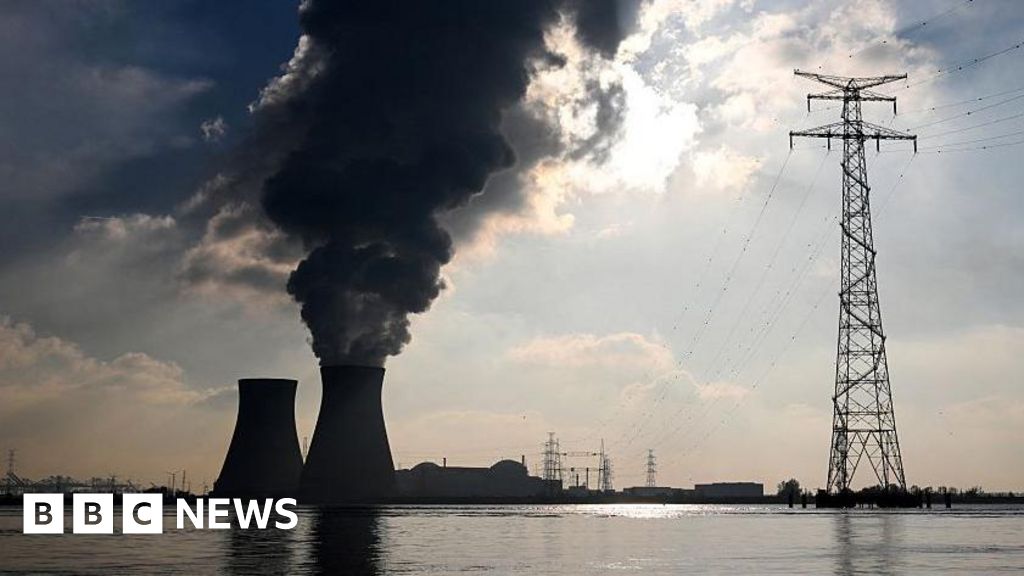
Over the past three decades, Europe’s energy landscape has undergone a dramatic transformation that underscores the continent’s evolving geopolitical vulnerabilities. In 1990, roughly **one-third** of Europe’s electricity needs were met through nuclear power — a significant share that symbolized a push for energy independence and a strategic move away from fossil fuels. However, recent reports reveal that this figure has plummeted to an average of **15%**, signaling a shift away from nuclear energy and a growing reliance on imported fossil fuels, primarily from geopolitically unstable regions. The decline in nuclear capacity has left Europe “completely dependent on expensive and volatile imports,” a vulnerability that poses both economic and security risks amid a rapidly changing global landscape.

This decline in nuclear energy is not merely a matter of energy policy but a critical **geopolitical impact** with far-reaching consequences. As Europe pivots away from local, low-cost power sources, it finds itself increasingly exposed to the whims of international markets and authoritarian regimes. Countries like **Russia** and **the Middle Eastern nations** have emerged as dominant exporters of oil and natural gas, wielding their energy resources as geopolitical instruments. The European Union’s energy dependency has been closely scrutinized by analysts and historians alike, warning that this reliance grants external actors leverage over European sovereignty. Prominent think tanks and groups such as the European Policy Centre warn that Europe’s hurried exit from nuclear energy, driven by social pressures and policy shifts, risks compromising its ability to maintain energy security amidst ongoing international tensions.

Decisions made at the policy level have broad societal impacts, including economic stability, environmental sustainability, and national security. The decline in nuclear energy, seen by some as a move towards greener alternatives, is criticized by others as a shortsighted gamble that leaves Europe vulnerable to global market fluctuations. Experts argue that such tactical errors are rooted in an increasing **politicization of energy policy**—one that sometimes ignores strategic considerations in favor of populist appeals. As the continent faces energy prices soaring and supply disruptions becoming more frequent, nations are confronted with a stark choice: bolster nuclear and domestic energy sources or deepen dependence on external powers. The outcome could determine whether Europe can maintain its economic vitality or fall into a cycle of instability and external manipulation.

Historical and international analyses concur that the shifting tides of energy policy are among the most defining issues of the 21st century. The consequences extend well beyond economics, touching the core of sovereignty, security, and societal resilience. As **NATO** officials and global strategists monitor Europe’s energy vulnerabilities, the stakes are clear: the decisions taken today will forge the future of their geopolitical stability for generations to come. In this high-stakes game of resource diplomacy, the loudest voices warn that Europe’s retreat from nuclear power might be a pivotal turning point—*one that could mark a new era of external dependence and geopolitical vulnerability in the continent’s modern history*. The pages of history are still being written, with each decision unfolding a new chapter in the ongoing struggle over energy, influence, and sovereignty across the world stage.

Europe in Chaos: Middle East Conflict Turns EU Against Itself

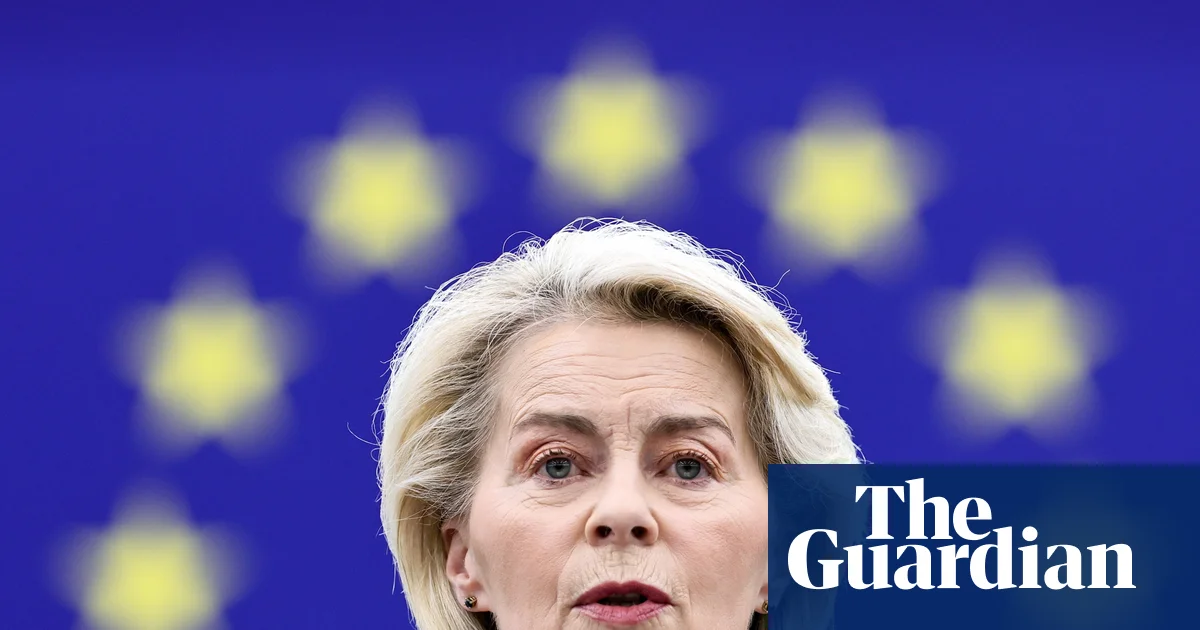
Recent statements from European Commission President Ursula von der Leyen sharply underlined a fundamental shift in Europe’s approach to global geopolitics. Her assertion that “Europe can no longer be a custodian for the old-world order” reflects a continent grappling with its diminished influence amidst an increasingly unpredictable international environment. In her speech, she emphasized the need for a “more realistic and interest-driven foreign policy,” acknowledging that the traditional rules-based system, long cherished by European nations, can no longer serve as the sole foundation for global stability. As missiles rain down upon Tehran and tensions escalate in the Middle East, her comments reveal a continent contemplating its limited options in a chaotic world where alliances are strained, and old norms are rapidly unraveling.

This crisis has thrown Europe into a state of disarray, exposing profound divisions within its leadership and strategy. While some nations, like France, have dispatched naval forces and increased diplomatic outreach in the Middle East, their efforts appear unable to exert significant influence on the unfolding conflict. Other key players, such as Germany and Spain, display divergent views—ranging from cautious restraint to accusations of overreach—exposing a fractured unity that weakens the EU’s collective voice. Analysts and former officials warn that the EU’s response has been “paralysed,” reduced to mere commentary while the conflicts escalate around its borders. The inability of Europe to forge a cohesive stance not only minimizes its geopolitical relevance but risks ceding influence to harsher, more assertive powers like Russia, which is already positioned to exploit these turbulences for strategic gain, especially in the energy sector and regional dominance.

Amid this chaos, a critical debate has emerged within Europe over whose voice truly represents the continent on the world stage. French Foreign Minister Jean-Noël Barrot criticized Ursula von der Leyen for what he called an inappropriate overreach—highlighting an internal struggle in defining European authority. Meanwhile, Kaja Kallas, Estonia’s leader, advocated for a return to international law, fearing Europe’s drift away from legal norms could lead to recurrent chaos. This division signals a larger crisis of confidence in the rules-based order that has underpinned European security and prosperity since the Cold War. Historians like Niall Ferguson warn that failing to defend these principles invites a future of repeated violations by major powers, effectively signaling the end of an era marked by international law and cooperation. Von der Leyen’s calls for “new ways of cooperating,” in her words, seem to portend a departure from these norms, with her remarks viewed by critics as an attempt to adapt to a “post-legal” world—a shift that could further embolden global actors willing to bypass established rules.

The overarching consequence of these developments is clear: Europe’s strategic influence is waning at a time of immense geopolitical upheaval. The ongoing Middle East conflict not only risks destabilizing a volatile region but also demonstrates Europe’s inability to shape the narrative. Western leaders remain largely reactive, sidestepping confrontational stances out of fear of alienating powerful allies or triggering broader conflicts. As Julien Barnes-Dacey and other analysts warn, this reticence amounts to a strategic miscalculation—Europe’s hesitation may serve Russia and other adversaries better than any military intervention ever could. The continent’s failure to project decisive power leaves a void that will be exploited by those with fewer qualms about international law or norms. In this unfolding chapter of history, most European capitals seem content to tread water, hoping to contain the damage, even as the currents of chaos threaten to sweep them away. With each passing day, as alliances shift and old principles are discarded, the question remains: how much of Europe’s future is left to the rule of law—and how much is surrendered to the realities of power and interest?.

France plans to strengthen its nuclear forces and extend deterrence to tighten security across Europe

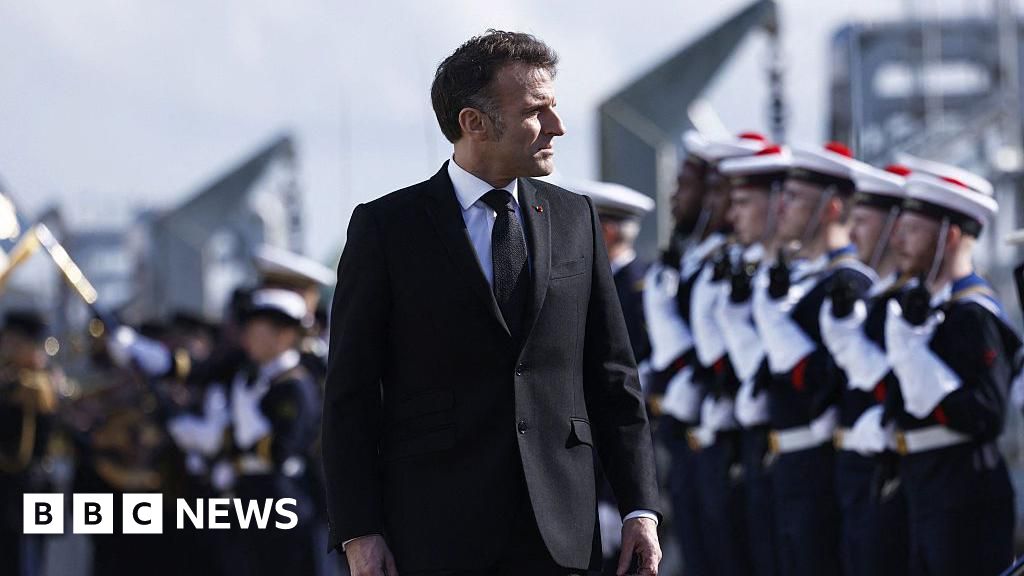
In a move that signals a shift in European and global security dynamics, France‘s President Emmanuel Macron announced that eight countries could soon benefit from Paris’s nuclear protection, a development that has sent ripples across international corridors of power. While the explicit intent is to bolster regional security—and potentially reposition France as a central player in nuclear diplomacy—the decision underscores a complex balancing act: extending protective umbrella without relinquishing sovereignty.

According to Macron, these nations will enjoy nuclear protection, yet all remains under the strict control of Paris. “France will retain sole decision-making power,” Macron asserted in a recent statement. This assurance emphasizes that, even as alliances and security commitments deepen, France seeks to maintain its strategic independence. This approach resonates with traditional Gaullist principles, framing nuclear security as a sovereign prerogative that cannot be shared or delegated. The European security landscape, historically dominated by NATO and the United States, is now witnessing a nuanced reconfiguration, with Paris positioning itself as a pivotal regional power.

International analysts suggest that this move may be aimed at countering the influence of Russia and China in Europe and beyond. By extending nuclear deterrence to select allies, France appears to be creating a layered security posture that could challenge the existing transatlantic dominance. Historian Pierre Lorrain, an expert on French military policy, notes that this move “reasserts France’s unique role as a nuclear power capable of independent influence, signaling a subtle but clear rejection of American hegemony in Europe.” The decision may also foster a sense of sovereignty among these nations, but how this impacts NATO cohesion remains uncertain.

From a geopolitical perspective, the nuclear sharing arrangement reveals broader strategic ambitions. The United States and European Union are closely watching how this development may recalibrate alliances. The shift could inspire other small or medium-sized states to push for independent deterrent options—thus complicating existing security architectures. Conversely, critics warn this could fragment collective defense, weakening established alliances, especially if nations begin to question their reliance on American nuclear umbrella. According to an analysis by the International Crisis Group, sustainable security depends on trust and shared sovereignty, which are challenged by unilateral decisions like Macron’s recent announcement.

As history unfolds, the international community watches with bated breath, aware that such decisions—though carefully couched in sovereignty and security—can have unforeseen consequences. The move by France could either fortify regional security or deepen divisions, depending on how the proposed alliances are maintained and if they evolve into competing power centers. One thing remains certain: the delicate balance of global diplomacy hinges on these choices, and the world’s future may soon be shaped by how these nations and their leaders navigate the treacherous waters of nuclear diplomacy, leaving an indelible mark on the fabric of international security. With history watching silently, the question lingers—who truly controls the ultimate defensive firepower, and at what cost to global stability?

Swedish officials suggest suspected Russian drone targeted French carrier—raises tension in Europe

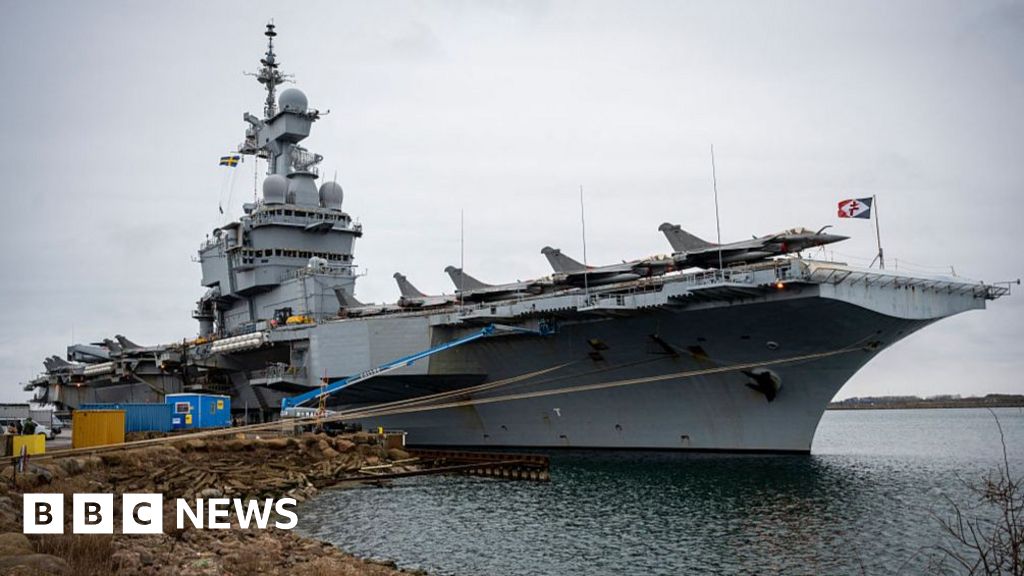
STOCKHOLM— In a striking display of regional concern, Swedish Prime Minister Ulf Kristersson addressed the nation from the deck of a military carrier, emphasizing the gravity of recent military incidents that have escalated tensions along the Nordic border. In a candid assessment, Kristersson declared the event, which he characterized as serious, to be not entirely unexpected, signaling a brewing storm that threatens to alter the security landscape of Northern Europe.

Kristersson’s remarks highlight a disturbing pattern, as many analysts interpret the incident as part of a broader Russian strategy aimed at projecting power beyond its traditional spheres of influence. “It is very difficult to see as a coincidence,” he remarked, pointing to the persistent tempo of Russian military movements and provocative actions that mirror tactics observed in other regions where Russia has sought to assert dominance. Historically, such behaviors have been a prelude to more aggressive policies, raising alarms both within NATO and among neighboring nations wary of increased Russian assertiveness.

International organizations and security experts have sounded the alarm over these developments. The NATO alliance, already on edge after recent provocations, views these incidents as a potential preamble to further destabilization. According to analysts from the International Crisis Group, “This pattern of behavior signifies a calculated effort by Russia to challenge the existing security order in the region, and while escalations may seem isolated, they are part of a larger strategy of intimidation and influence.” The implications of such actions extend beyond regional borders, threatening the fragile balance of peace and risking a broader confrontation that could ignite across Europe.

Decisions made today echo profoundly on the geopolitical stage. Sweden’s decision to bolster its military readiness signifies a clear shift in policy, aligning with NATO’s efforts to deter Russian expansionism. The analyses of historians like Dr. Eric L. Hanley suggest that these moments could serve as either a reaffirmation of Western resilience or, conversely, a catalyst for renewed conflict if diplomatic channels fail to contain the crisis. Meanwhile, international institutions such as the United Nations have expressed concern but lack the decisive authority to curb such aggressive maneuvers without a unified response from the West.

As the world watches, the unfolding series of provocations and countermeasures signals a pivotal chapter—one that could determine the stability of Europe for generations. The weight of history presses heavily on today’s leaders, whose choices will shape a continent teetering on the edge of a potential new Cold War. The tense silence before the next move is deafening, and the eyes of history remain fixed on the unfolding narrative, where every decision could either forge a new era of peace or plunge the region into chaos, echoing the tumult of the 20th century’s darkest hours.

Europe urged to brace for 3°C rise: Challenges ahead but still within reach

Europe Confronts the Harsh Realities of Climate Change: A Wake-up Call for Global Leaders

Amidst mounting evidence and urgent warnings from climate scientists, Europe is witnessing an unsettling acceleration of extreme weather events that threaten its societal fabric and economic stability. Maarten van Aalst, a leading member of the European Scientific Advisory Board on Climate Change (ESABCC), has declared that safeguarding the continent from the devastating impacts of rising global temperatures is a task that, remarkably, “is not rocket science.” His comments underscore a stark truth: the methods required are straightforward and within reach but demand political will and coordinated action. The recent reports from the ESABCC highlight an alarming trajectory—by 2100, temperatures in Europe could soar by 2.8-3.3°C, surpassing the commitments made during the 2015 Paris Agreement, which aimed to limit warming to well below 2°C. Current efforts, they observe, are largely insufficient, characterized by incremental measures that arrive too late to confront the scale of the crisis. This glaring discrepancy between intent and action signals a profound risk to the societal stability of Europe and, by extension, the global order.

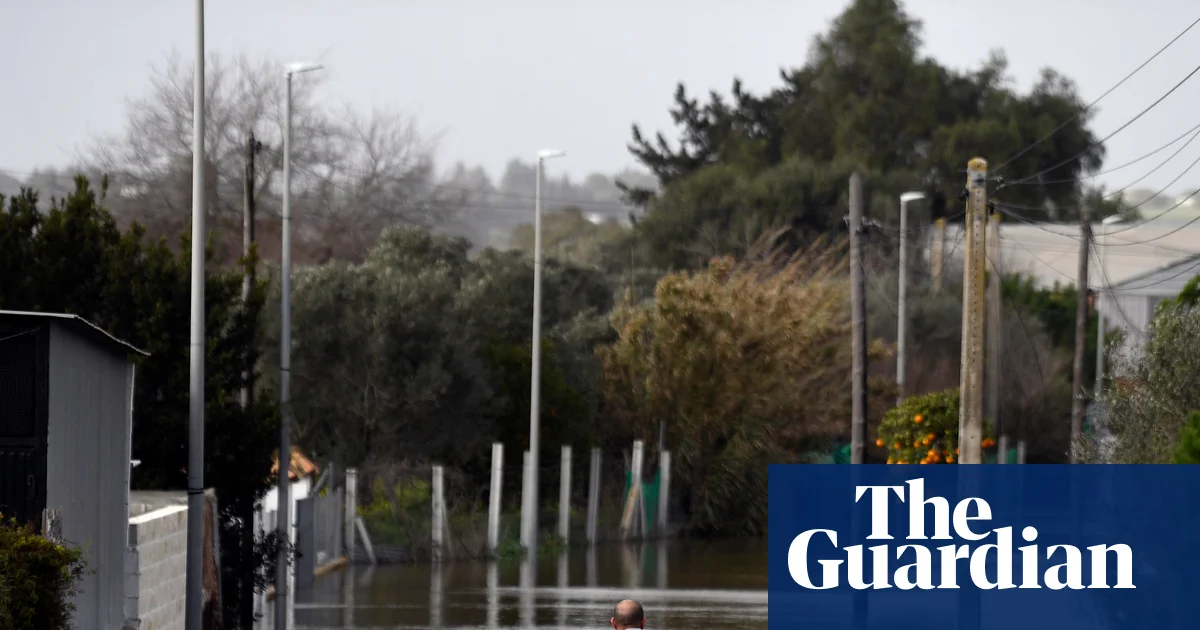
The recent history of weather extremes in Europe exemplifies nature’s wrath and the fragility of human resilience. Catastrophic floods in Germany’s Ahr valley in 2021, which killed 134 people, and the deadly storms in Spain’s Valencia region in 2024, claiming 229 lives, serve as stark warnings. Studies attribute half to two-thirds of these fatalities to heat-induced conditions intensified by fossil fuel pollution. Fires that ravaged more land than ever recorded also punctuate this tragic trend. Governments across the continent are under increasing pressure to draw up comprehensive climate adaptation plans, yet many remain unprepared for the severity of the threats. Portugal, for example, recently faced an unprecedented storm series resulting in over €775 million (£675m) in damages and at least 16 fatalities, emphasizing the immediate need for nations to upgrade infrastructure and early-warning systems. The European Union, facing its own political and economic challenges, is urged by analysts and international organizations not to dilute its green commitments in the guise of economic revival, but to prioritize resilience against climatic upheavals.

Expert voices, including historians and climate analysts, emphasize a sobering reality: the window for effective intervention narrows rapidly. Van Aalst notes that twenty years ago, extreme weather primarily threatened poorer nations, but today, Europe itself has become vulnerable, especially to anomalies it has not previously encountered. The ESABCC recommends mandatory climate risk assessments and the integration of resilience strategies into all policy sectors—yet, the critical question remains: how much are nations willing to invest in protecting their societies from impending catastrophe? Beyond just responding to crises, the focus must shift toward prevention and adaptation. The latest IPCC report underscores a disturbing trend—reaching the limits of adaptation if decisive action isn’t taken soon. As the world teeters on the brink of irreversible change, the global community faces a stark choice: act comprehensively or watch as history’s most ambitious climate accord continues to falter. The stakes could not be higher.

In this unfolding chapter of human history, Europe serves as both a warning and a mandate for action. The confluence of rising seas, lethal heatwaves, and relentless wildfires paints a grim picture—a future where modern civilization’s resilience is tested like never before. The decisions made in the coming years will resonate through generations, shaping the legacy of a society caught between its technological achievements and its environmental responsibilities. As climate history continues to be written, the world waits in tense anticipation—will humanity rise to meet this defining challenge or succumb to the chaos of neglect? The answer remains shrouded in the ever-warming shadows of the future, a narrative still unwritten, yet deeply felt: the weight of history is shifting, and the clock is ticking.

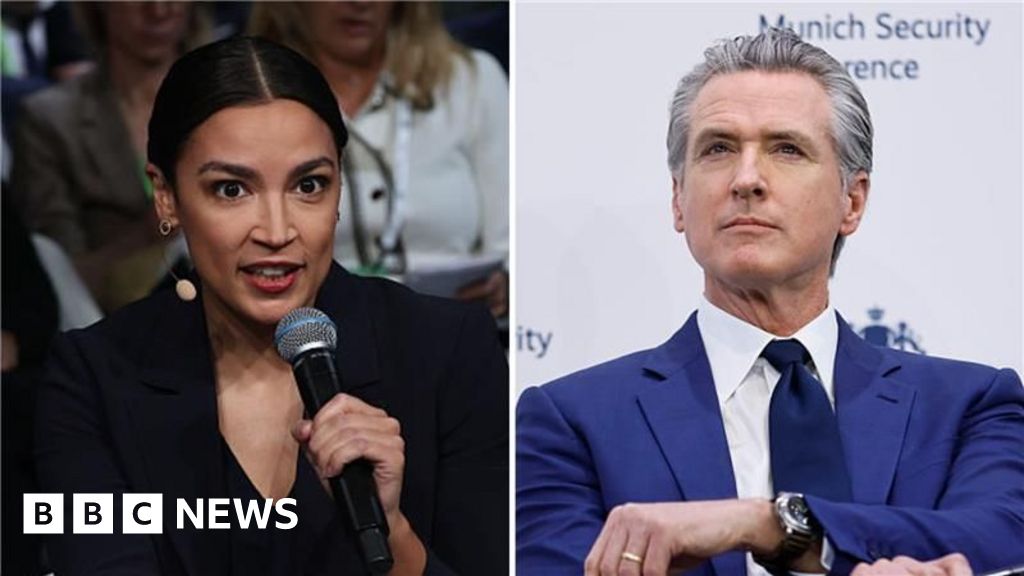
Democrats reassure Europe: America’s still got your back post-Trump

In 2024, the international community observed a seismic shift as the United States elected Donald Trump once again to the White House, signaling a definitive turn away from traditional diplomatic norms and towards an “America First” approach. This policy stance, characterized by a focus on national sovereignty, economic protectionism, and a skeptical view of multilateral institutions, has reverberated across the global stage. As historians analyze previous eras, many recognize that Trump’s leadership style, marked by confrontational rhetoric and unilateral actions, distinguished a period of heightened geopolitical volatility. Notably, the resurgence of Trump’s influence underscores how a nation’s internal political shifts can reshape entire alliances, trade dynamics, and global security frameworks.

This renewed American assertiveness has catalyzed a series of international reactions, most notably within institutions and alliances once committed to multilateralism. Global analysts warn of the potential unraveling of established treaties and partnerships, including NATO—whose cohesion is now under strains amid contrasting visions on defense and security. The speech delivered by Vance at the Munich Security Conference epitomized this new climate; his confrontational tone aimed to rally Western allies against perceived threats from both Russia and China, while signaling that confrontation, rather than cooperation, might define the West’s strategic posture in the coming years.

  • The shift in U.S. foreign policy under Trump has brought about a reevaluation of international commitments, with some nations increasingly questioning the efficacy and longevity of existing alliances.
  • European nations, especially in Eastern Europe, see renewed urgency to bolster their defenses as U.S. commitments appear more transactional than ever, hinting at a divergence from previous bipartisan consensus.
  • Global institutions, such as the United Nations and World Trade Organization, face mounting skepticism as the U.S. pushes for policies prioritizing sovereignty over multilateral cooperation, igniting fears of a new bipolar world order.

According to analysts like Dr. Emily Carter, a senior geopolitical strategist, the danger resides in how decisions made today could fracture the existing international order. As nations brace for what many perceive as a turbulent chapter, international organizations warn of the risks associated with increased nationalism and the erosion of diplomatic norms—factors that could lead to enduring instability. The policies of the new American leadership are likely to influence regional conflicts, trade negotiations, and global peace initiatives for decades to come. Meanwhile, critics caution that U.S. retrenchment might embolden authoritarian regimes, risking a realignment of global power that could destabilize the delicate balance maintained since the Cold War.

As history continues to unfurl, the question remains whether this era of heightened confrontation and nationalism will forge a new global order or unravel the fragile peace built over generations. The weight of this moment bears heavily on future generations—their societies, their sovereignties, and their very understanding of international cooperation—awaiting the reckoning that only time can reveal. The shadows of history stretch long as the world stands at a crossroads, with the past whispering warnings and the future yet unwritten.

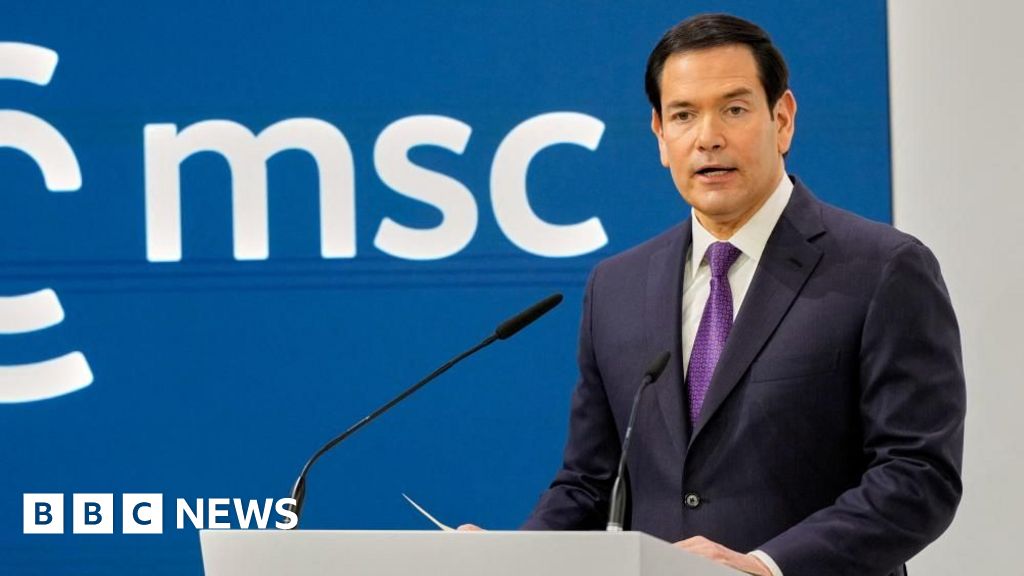
Rubio: U.S. and Europe Still Strong Partners Amid Tensions

In a significant diplomatic move, U.S. Secretary of State Anthony Blinken recently delivered assurances to European leaders, affirming that the Trump administration’s policies do not signal a departure from the longstanding transatlantic alliance. This reassurance comes amid widespread global speculation about shifts under the recent U.S. presidential administration, prompting both alarm and cautious optimism among international analysts. As Europe grapples with an increasingly complex geopolitical landscape, the reaffirmation from Washington aims to solidify mutual commitments in an era marked by rising nationalism and fluctuating alliances.

Experts and historians have long emphasized the importance of the transatlantic alliance as a cornerstone of international stability, particularly through NATO’s enduring presence since its founding in 1949. Analysts such as Dr. Maria Sanchez, a prominent geopolitical scholar, highlight how U.S. policymakers often oscillate between engagement and retrenchment but ultimately recognize the alliance’s critical role in countering Russia’s geopolitical ambitions and maintaining leverage in global security matters. Nevertheless, recent statements from U.S. officials suggest an awareness that the post-Trump political landscape could still influence American foreign policy, which underscores the importance of diplomatic clarity to reassure allies on both sides of the Atlantic.

Furthermore, the European Union and NATO members remain deeply concerned about the potential for geopolitical disruptions stemming from internal American politics. Such fears were temporarily amplified by the tumultuous U.S. elections and policy shifts, prompting European leaders to question the durability of long-standing commitments. The U.S. Secretary of State’s recent comments serve as a strategic gesture to quell uncertainties, especially ahead of crucial NATO summits and European elections. The move also underscores the growing importance of the United States reaffirming its role as a reliable partner—a role that many analysts warn is indispensable in today’s unpredictable international order.

From a broader perspective, international organizations like NATO and the European Union are observing this diplomatic reassurance as a sign that Washington remains committed to a rules-based order and international stability. Yet, many experts warn that genuine trust will only be restored through consistent action and tangible policies, not just words. As some historians argue, the future of the transatlantic relationship hinges on a global environment increasingly defined by competitive powers such as China and Russia. The decisions made in Washington and Brussels today, therefore, carry the weight of history, potentially shaping the trajectory of global alliances for decades to come.

In an era where geopolitical tensions can escalate rapidly, the reaffirmation of alliance commitments remains a pivotal hinge in the balance of power. The world watches as leaders navigate the delicate dance of diplomacy, fully aware that today’s assurances could be tomorrow’s fragile diplomatic fabric. The ongoing unfolding of this story signals that, amid shifting allegiances and rising global threats, the question remains: How resilient are the pillars of the international order, and what price will societies pay when these pillars crack or falter? As history continues to write itself, the fate of the transatlantic alliance—an enduring symbol of Western strength and cooperation—stands at a crossroads, with its future writerly in the hands of those who hold the pen.

Storm Leonardo pummels Europe and North Africa—stay alert!

Storms Clash with Global Geopolitics: A Winds of Change

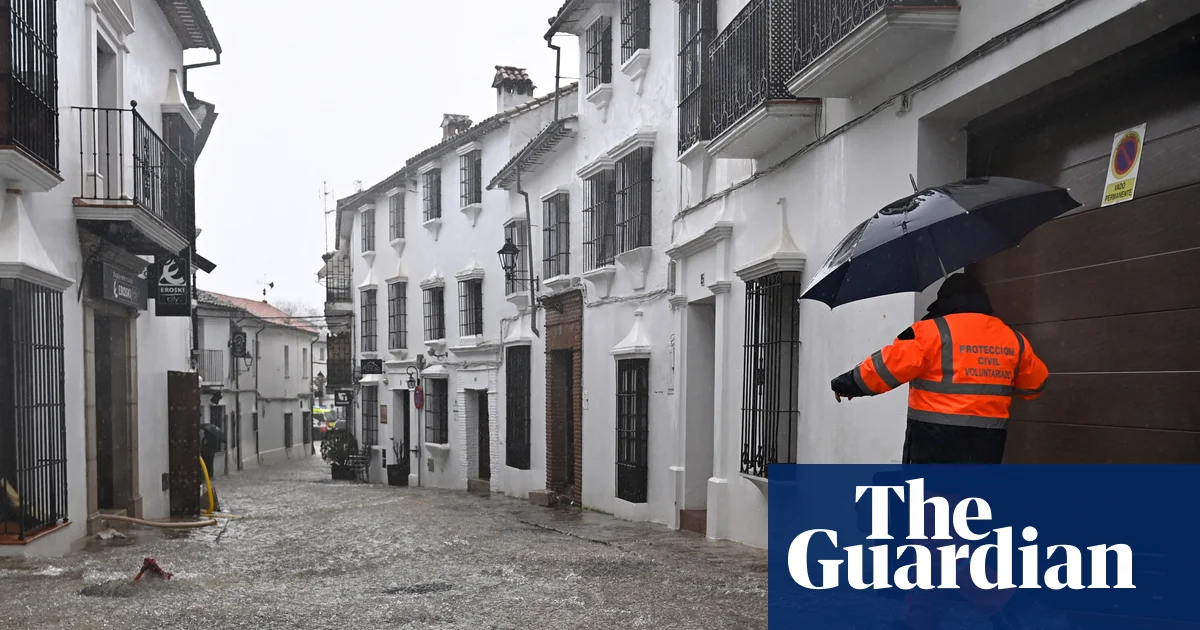
As Storm Leonardo unleashes its fury over the Iberian Peninsula, the broader geopolitical landscape faces a different kind of tempest—one fueled by climate change, regional instability, and shifting alliances. Torrential rains and destructive winds have wrought havoc across parts of Spain and Portugal, with weather agencies issuing their highest red alerts for acute flooding. Yet, beyond the immediate humanitarian toll, this natural disaster underscores a vital issue: how environmental crises are becoming intertwined with global power dynamics and intra-national stability.

Leonardo’s relentless strikes are rooted in complex climatic patterns, notably an unnaturally southward-shifted jet stream, which has stalled the storm over the region and coupled with an “atmospheric river” channeling tropical moisture from the Caribbean. According to climate analysts, these phenomena are not anomalies but part of a disturbing trend—where extreme weather events are intensifying and becoming more unpredictable. This scenario leaves nations like Spain and Portugal vulnerable, impacting their internal security, economy, and political stability. As the floodwaters rise and infrastructure crumbles, political leaders are under mounting pressure to implement more resilient policies, often revealing existing rifts and fundamental governance challenges.

Meanwhile, the crisis extends beyond Europe’s Atlantic coast, spiraling into the broader North African region. In northern Morocco, over 100,000 people have been evacuated from flooded cities such as Ksar El-Kebir after overflowing rivers caused widespread destruction. This humanitarian crisis, compounded by recent heavy rains, exposes the fragile state of governance in parts of Africa and highlights the ever-present risk of regional instability—especially as environmental stress fuels social unrest. International organizations warn that such natural disasters could serve as catalysts for geopolitical shifts, with rising migration pressures and economic strain destabilizing already vulnerable nations.

Adding to this volatile mix, the Philippine Sea saw the formation of Tropical Storm Penha, which brought destructive winds, storm surges, and heavy rainfall across northern Mindanao. With forecasts predicting further inland rainfall and wind damage, the storm exemplifies how climate events are becoming complex, interconnected crises that influence multiple regions simultaneously. The international community faces a stark reality: climate change escalates the frequency and intensity of natural catastrophes, creating a ripple effect of geopolitical consequences. The consensus among international analysts, from climate scientists to geopolitical strategists, emphasizes that these environmental upheavals will continue to be a key factor in regional power balances and global security.

As history continues to unfold in unpredictable storms and floods, the question remains—how will nations adapt to this new era of environmental upheaval? The unfolding chaos tests the resilience and sovereignty of states and threatens to redraw the map of influence. In the coming days, as Spain and Portugal grapple with the aftermath, and as North Africa and Southeast Asia brace for their own storms, one thing is clear: these environmental challenges are no longer isolated incidents—they are the harbingers of a new geopolitical epoch, with the storms of today shaping the borders and alliances of tomorrow. The winds of change are rising, and the weight of history remains, unwavering, as the world’s future hangs by a fragile thread.

Social Media Auto Publish Powered By : XYZScripts.com