Matox News

Truth Over Trends, always!

Europe’s coolest capital is leveling up—stay ahead of the vibe wave

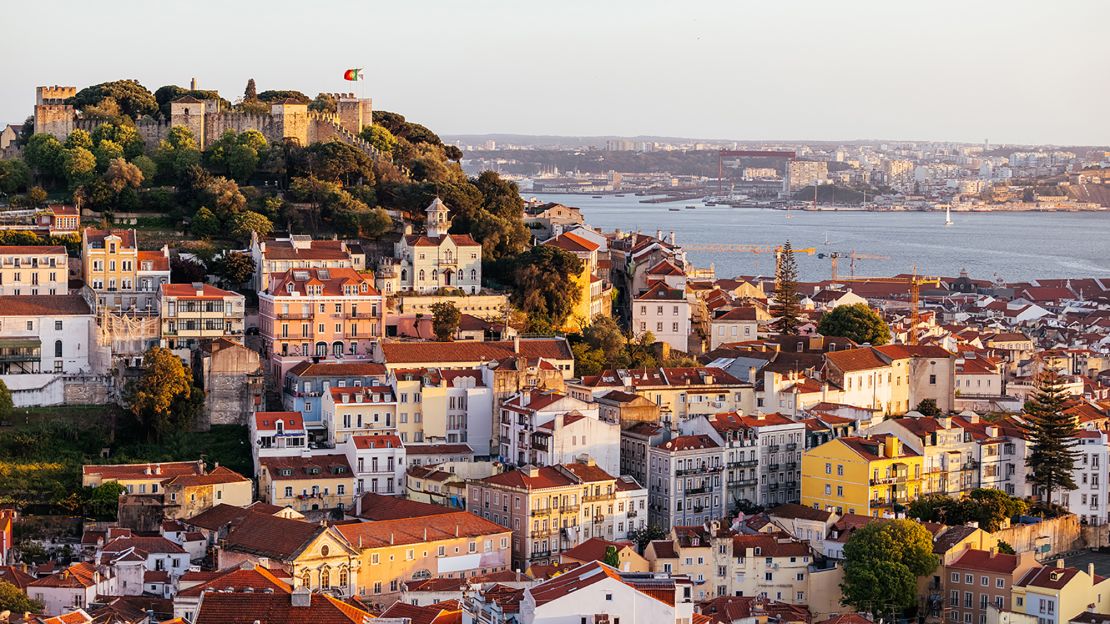
In recent years, Lisbon has experienced a remarkable renaissance, transforming from a classic European capital into a hub of youthful energy, multicultural flair, and entrepreneurial spirit. This vibrant city, perched high above the River Tagus and winding into the hills, now draws the world’s young travelers, digital nomads, and cultural explorers seeking a dynamic lifestyle destination. With its affordable rents, electrifying nightlife, and a rich tapestry of streets brimming with tradition, Lisbon exemplifies the compelling shift towards an urban renaissance that combines historical reverence with modern vitality.

The pulse of Lisbon’s revival is felt not just on the streets but deep within its culture and cuisine. The city’s local pride shines through when you walk its neighborhoods—the Belem district’s famed pastel de nata pastries, Fado singers in Alfama echoing romantic tales, and gatherings celebrating their patron saint, St. Anthony, with sardines and local wine spilling into the alleys. This city’s confidence is evident in its residents, who are now embracing their Portuguese identity unapologetically. Local authorities and cultural figures, like renowned chef José Avillez, highlight how in the midst of modern innovation, the soul of Portugal’s culinary art remains rooted in essential ingredients, simple love, and a уважениеrespect for tradition.

The city’s seafaring history is equally central to its identity. Lisbon’s connection to the Atlantic Ocean persists along its wide riverbanks and historic monuments like the Padrão dos Descobrimentos. This long-standing maritime pride is embodied by modern explorers such as solo sailor Ricardo Diniz, who continues the legacy of Portuguese adventurers with every voyage. The spirit of discovery fuels Lisbon’s ongoing narrative—a narrative not merely of exploration but of pride in cultural resilience and entrepreneurial spirit. The city’s resurgence has been fueled, in part, by outsiders—travelers, entrepreneurs, and expats—who fall in love with its confidence and authenticity, and spread the city’s newfound reputation globally.

  • Visit local markets and taste the fresh sardines during the Festival of St. Anthony for an authentic experience.
  • Explore Lisbon’s historic districts such as Alfama and Mouraria, where music, history, and tradition intertwine.
  • Indulge in Portuguese cuisine, from Michelin-starred restaurants to humble cevicherias, celebrating a culinary soul that marries tradition with creativity.

For many, Lisbon’s story isn’t solely about tourism but about a lifestyle shift—a conscious embrace of a life that balances the past with the present. Influenced by cultural icons and wellness experts advocating for a mindful and connected lifestyle, young people are finding that this city offers more than just scenic beauty; it offers a journey of self-discovery. From its historic maritime museums to its contemporary art galleries and lively cafes, Lisbon invites its visitors to reflect on what it truly means to be proud of one’s roots while courageously stepping into the future. As the city continues to evolve, it reminds us that a community’s spirit and history are not nostalgic relics but the foundation of a vibrant, inspiring life tomorrow.

Santu Lussurgiu: The Sardinian Town Guarding an Unexpected Sip of Heritage

Embracing Heritage and Wellness: The Spirit of Sardinia

Living in harmony with tradition often leads to unexpected insights about ourselves and our environment. Sardinia, a rugged island of rocky hills and caves, exemplifies this philosophy through its centuries-old craft of making filu ‘e ferru — a potent, fennel-flavored spirit also known as “burning water.” Remarkably, for over 400 years, the small town of Santu Lussurgiu has cultivated this distinctive liquor, blending history, culture, and an unyielding spirit of independence that resonates with today’s health-conscious, lifestyle-seeking youth. As an all-natural, handcrafted beverage that arose from centuries of local innovation, filu ‘e ferru exemplifies the value of embracing roots while fostering a broader sense of wellness rooted in tradition.

Historically, this fiery elixir was more than a simple drink; it was intertwined with community health, medical practices, and local rituals. Distilled from wine—rather than the usual grape marc—it contains a rich, refined potency achieved through copper stills, making filu ‘e ferru truly unique. According to distiller Carlo Psiche, whose family has been reviving this tradition since the 1960s, this spirit embodies a wellness shift that aligns with mindful consumption. While it reached the peak of its popularity in the 19th century, thanks to the efforts of villages like Santu Lussurgiu, which housed around 40 distilleries, the spirit’s clandestine production persisted under the shadow of police raids and secret signals. Today, though legal restrictions have loosened, the culture around making and sharing filu ‘e ferru remains deep-rooted, both as a testament to resilience and a symbol of community identity.

The Spirit of Resistance and Lifestyle Liberation

In the past, police raids on distilleries were frequent, and families would hide their bottles underground or behind secret signals, reinforcing the notion that heritage conservation often necessitates a rebellious spirit. Today, this underground history has transformed into a source of pride and prideful preservation of culture. For many Sardinians, brewing filu ‘e ferru at home is an act of standing firm against the homogenization of modern life; it’s an expression of personal sovereignty, wellness, and community bonding. The spirit’s distinct flavor—softened with fennel seeds, sometimes infused with absinthe—mirrors the layers of resilience built into Sardinian culture. Psiche’s ongoing practice, which includes aging in oak barrels and using the family’s vintage alembic still, exemplifies a lifestyle that values artisanal quality over mass production—an important lesson for young aficionados seeking authenticity and personal impact in their leisure pursuits.

An Invitation to Embrace Heritage and Lifestyle Shifts

As the modern world offers endless options, the stories of Sardinia’s filu ‘e ferru take us on a journey beyond mere consumption. They remind us that wellness is often rooted in connection to place, tradition, and community, elements crucial in an era marked by disconnection and over-commercialization. The renewed appreciation for handcrafted, natural spirits reflects a broader lifestyle shift towards authenticity and personal impact, encouraging youth to seek meaningful experiences and embrace cultural heritage without compromise. Whether enjoyed as a digestif, a toast during special moments, or a ritual remembering those who have passed, filu ‘e ferru invites us to view our own lives as an ongoing journey—one where tradition and innovation harmonize into something truly extraordinary, crafting not just spirits but a way of living inspired by resilience, authenticity, and a respect for history.

  • Explore the rich culture behind age-old recipes and learn how community traditions influence wellness and lifestyle choices.
  • Understand that making personal, artisanal goods—be it spirits or other crafts—can be an empowering way to reconnect with roots and foster self-sufficiency.
  • Appreciate how cultural resilience embodies a broader attitude of embracing your own journey, challenges, and heritage to define your lifestyle with purpose.

In the end, living well isn’t just about health or leisure; it’s about embracing your unique narrative—honoring the past, shaping the present, and inspiring the future. Sardinia’s spirit, with its fiery history and unbreakable community, reminds us that our true strength lies in the roots we choose to nurture and the stories we continue to tell.

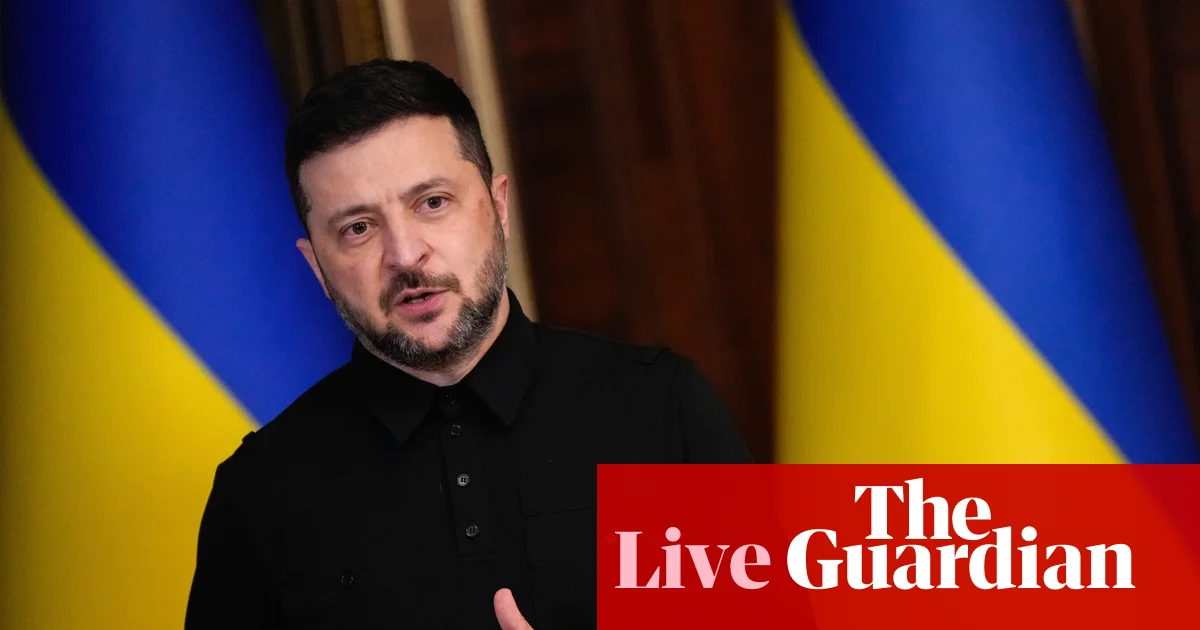
Zelenskyy names new Odesa leader after mayor’s Russian passport scandal – Europe updates | NATO

In the heart of Eastern Europe, Ukraine continues to be a focal point of geopolitical tension, with the recent appointment of Sergiy Petrovich Lysak as the new head of Odesa’s city military administration signaling an escalation of the Ukrainian government’s efforts to strengthen its regional security measures. This move follows the Ukrainian president Volodymyr Zelenskyy’s announcement on Tuesday to establish a dedicated military administration in the strategic port city, citing a critical need for increased protection amidst ongoing hostilities. Zelenskyy emphasized, “Odesa deserves greater protection and greater support,” highlighting the nation’s commitment to fortifying its vital Black Sea corridor against persistent threats.

The political upheaval in Odesa is part of a broader, tumultuous battle for sovereignty, as Kyiv revokes the citizenship of local officials suspected of dual loyalties. The dismissal of Hennadiy Trukhanov, who denies holding a Russian passport, underscores Ukraine’s rigid stance against dual citizenship, aiming to eradicate divisive figures potentially compromised by Moscow. This domestic strategy unfolds amid escalating military confrontations on multiple fronts, where Russian forces have claimed control over settlements like Oleksiivka and Novopavlivka, signaling a persistent push to consolidate territory amid mounting international support for Ukraine’s resistance.

All Eyes on NATO and Russia’s Rising Threat

As the Russian invasion enters its second year, NATO’s defense ministers convened in Brussels to address the rising threat of Russian airspace violations and the Kremlin’s ongoing aggression. NATO Secretary General Mark Rutte and other allies discussed intensifying their support for Ukraine, with the US contemplating the deployment of long-range missiles such as the Tomahawk to Kyiv—a move that, if realized, could significantly alter the dynamics of the conflict. US Defense Secretary Pete Hegseth indicated a collective commitment to bolster Ukraine’s defenses, emphasizing that more military aid, including advanced drones and weaponry, is forthcoming. Meanwhile, Russia’s military efforts have persisted, with reports of attacks on Ukrainian energy infrastructure—targets like power plants and gas facilities—aimed at debilitating Ukraine’s war effort and sowing chaos in civilian life.

Notably, Russia’s largest petrochemical complexes in Bashkortostan sustained attacks by Ukrainian drones, yet regional officials assert they continue to operate normally, illustrating the resilience of Moscow’s industrial backbone amidst setbacks. Yet, intelligence from Finland’s defense minister indicates that Russian forces are amassing anew and becoming more reliant on China—a sign that Moscow’s military resource pool might be primarily preoccupied with Ukraine, but still remains a formidable threat to NATO’s eastern flank. The gathering of NATO defense ministers highlighted concerns that Russia’s strategic posture could persist long after Ukraine’s war ends, cementing its role as a persistent destabilizer in the region.

Shifts in International Power and the Waning Kremlin Influence

Meanwhile, in the Middle East, Vladimir Putin’s attempt to project influence through the postponed Russia-Arab World summit backfired spectacularly, with only a handful of leaders attending, underscoring Moscow’s declining influence in the region. Instead, global attention shifted to Egypt, where a Gaza peace summit, attended by Donald Trump and regional leaders, signaled a geopolitical shift away from Moscow’s long-standing regional dominance. Pjotr Sauer of The Guardian notes that this diplomatic retreat reflects the reality: as the war in Ukraine presses on, Russia’s influence in the Middle East diminishes, revealing the limits of Putin’s strategy to assert global leadership.

Furthermore, the European Union is moving to confront its own internal crises, with Brussels set to propose regulations tackling short-term rentals—a social matter that, if unaddressed, could fuel populist discontent and threaten the unity of the bloc. As European nations grapple with economic stagnation, demographic declines, and social tensions, the trajectory of their resolve on international issues remains uncertain. The coming months could define whether Western alliances remain resilient or fragment under the weight of economic and geopolitical pressures.

In this unfolding chapter of history, decisions made in the corridors of power—whether in Kyiv, Brussels, or Moscow—will resonate well beyond their borders. As Ukraine’s struggle persists and NATO faces its future, the shadow of Russia’s resurgence lingers, hinting at a protracted contest that will test the resolve of Western unity, the resilience of Ukrainian sovereignty, and the shifting sands of global influence—a story that is still being written, as the world watches with bated breath, the weight of history pressing down on an uncertain horizon.

Outgoing French PM: Strong Will to Reach Budget Deal, No Snap Elections on Horizon | Europe Update

France’s Political Crises Unfold: A Threat to European Stability

In what can only be described as a deepening crisis within one of Europe’s key nations, France is embroiled in political chaos that threatens its stability and, by extension, the coherence of the European Union. Recent developments reveal a fragile government under President Emmanuel Macron‘s leadership, with the resignation of Prime Minister Sébastien Lecornu marking yet another chapter in a series of tumultuous events since Macron’s re-election in 2022. As the nation grapples with deadlock and discontent, international analysts warn that such internal instability risks emboldening far-right factions like Marine Le Pen’s National Rally, with potentially far-reaching geopolitical consequences.

At the heart of the current turmoil is France’s inability to pass a coherent budget, a dire consequence of a hung parliament and fragmented political alliances. Lecornu, appointed after Macron’s 2022 re-election, has publicly expressed the desire to craft a budget by year’s end, signaling some convergence among diverse political factions. However, the overarching issue remains—the longstanding deadlock has rendered Macron’s presidency increasingly isolated, with mounting calls from within his own camp for early resignation or snap elections. Historian Jacques Dupont notes that this political paralysis could drastically alter France’s constitutional balance of power and erode public confidence.

  • Macron’s refusal to resign amidst plummeting popularity, with polls indicating that 70% of French citizens favor his stepping down, underscores the severity of the crisis.
  • Prime Minister Lecornu’s resignation and subsequent statements have highlighted a stubborn political deadlock, with attempts at coalition-building proving futile.
  • The political landscape in France appears ripe for exploitation by far-right parties, who are gaining popularity, further threatening the foundational stability of the Fifth Republic and the European project itself.

This ongoing crisis signals a pivotal moment for France and its societal fabric. International institutions such as the European Commission and OECD are closely monitoring the situation, understanding that prolonged instability could destabilize European markets and diplomatic ties. Scholars warn that if Macron’s government fails to reassert control, it could accelerate separatist movements, particularly in territories like New Caledonia, where political tensions have already delayed autonomy negotiations. The possibility of political fractures extending from mainland France to its overseas territories illuminates the complex geopolitics at play.

The recent upheaval in France is reminiscent of historic political crises that reshaped nations and continents. Many analysts draw parallels with de Gaulle’s resignation in 1969, an act that reshaped France’s political landscape and set a precedent for presidential accountability. The potential for Macron’s resignation or the dissolution of parliament could usher in a new era—one fraught with uncertainty but also an opportunity for renewal. As Macron prepares to address the nation, the world watches with bated breath, realising that the unfolding chapters in France’s history may well define the geopolitical contours of Europe for decades to come. The weight of history now rests heavily on the shoulders of its leaders, in a country whose decisions continue to echo across the global stage. As the crisis deepens, the question remains: will France find its way back to stability, or will this turmoil ignite a broader upheaval that reshapes the continent entirely?

Virgin’s Bold New Flight: Boeing 747 Prepares to Launch Rockets into Space

In recent years, space exploration has shifted from the realm of government-initiated missions to becoming an accessible frontier for innovative private companies. The United Kingdom, historically not a major player in space endeavors, is now making notable strides with the development of its first orbital spaceport at Newquay. This evolving landscape signals a day when space launches are not solely conducted from remote, government-controlled sites but can happen closer to home, transforming our perspective on leisure, economic growth, and personal impact.

Central to this movement is Virgin Orbit, a company founded by Sir Richard Branson, which has pioneered the use of modified aircraft—most notably its aircraft Cosmic Girl—to launch small satellites into orbit. Reimagining the traditional ground-based launch system, Virgin Orbit employs a unique horizontal launch method, where the 747 aircraft carries the rocket to high altitude before release. This approach broadens the potential orbits and access points, offering a more flexible and cost-effective path into space. For young people inspired by the stars and technology, this sequence represents a monumental shift: space is now within reach, not just for scientists and astronauts but for entrepreneurs and everyday explorers alike.

Witnessing this revolution firsthand, locals near Newquay have had the chance to watch the spectacle of Cosmic Girl take off and return, marking a milestone for European space endeavors. As Virgin Orbit prepares to launch its first UK mission next month, the event stands as the first international launch from Europe in decades. The mission involves launching seven satellites, compact payloads that will orbit Earth, facilitating everything from weather monitoring to global communications. This development elevates the UK’s position in the future of global connectivity and _technology-driven innovation_, inspiring a new generation of engineers, scientists, and entrepreneurs to think beyond terrestrial limits.

Moreover, the infrastructural and technological groundwork laid at Spaceport Cornwall demonstrates that the future of space exploration is shaping right here on Earth, in vibrant communities eager to participate in the @newspace. Virgin Orbit’s recent rehearsal flights and ground operations showcase how public-private partnerships are revolutionizing access to space, making it more than just science fiction. Looking ahead, Virgin Orbit has plans to extend this horizontal launch model to countries such as Australia, Japan, Brazil, Poland, and the Republic of Korea. For the ambitious youth of today, this signals an expanding horizon—where borders become less relevant and innovative spirits define the new age of exploration and discovery.

As the journey into space accelerates, it’s vital to reflect on how these advancements impact personal health, leisure, and vision. Space technology fuels communications, weather forecasting, and even environmental monitoring—areas that directly influence our daily lives. For young explorers fueled by curiosity, the emerging space industry is not only about reaching new frontiers but also about learning how to shape a sustainable, connected future. The story of Cosmic Girl taking flight from Cornwall encapsulates this spirit—a testament to human ingenuity, resilience, and the unwavering desire to reach upward.

In the grand narrative of progress, the ongoing development of UK-based space launch capabilities invites each of us to embrace the possibilities. The narrative is no longer confined to distant stars or government agencies; it is happening here, in communities and workplaces, sparking a sense of pride and purpose. Like the seasoned pilot Matthew Stannard remarked, “It feels amazing to bring Cosmic Girl home to the UK”—a sentiment echoing across the industry. As we look to the sky, this evolving story reminds us that exploration is a personal journey—an adventure in innovation and hope, urging every young mind to dream beyond the horizon and realize that the future is waiting to be shaped by those brave enough to pursue it.

Fashion’s Grim Turn: Youth Style Moves Toward Old-School Backslide

Fashion’s Evolution Mirrors International Societal Changes Amid Medical and Cultural Shifts

In 2023, the global fashion industry has once again unveiled its complex relationship with societal standards, body diversity, and medical advancements. This season’s runway shows across New York, London, Milan, and Paris reveal a disconcerting trend: a pronounced decline in the representation of plus-size models, echoing a broader societal pattern that privileges a narrow definition of beauty. Despite early progress driven by pioneers like Jill Kortleve, Paloma Elsesser, and Precious Lee—who broke the traditional sample size mold—this past season marked a stark regression. Industry analysts and fashion observers emphasize that this shift is not merely aesthetic but deeply intertwined with how international society perceives health, worth, and beauty.

Adding fuel to the fire is the advent and expanding accessibility of weight loss medications like Wegovy and Ozempic. These pharmaceuticals, originally designed to assist those with obesity or weight-related health issues, are increasingly being sought for purely aesthetic purposes though often at the expense of health risks. The European Medicines Agency recently issued warnings about shortages of Ozempic, underscoring the growing demand and potential for misuse. Critics such as global health experts warn that the normalization of such drugs, combined with a fashion industry retreat from size diversity, threaten to reinforce damaging societal narratives. As Dr. Lash, a prominent endocrinologist, cautions, “These drugs are not benign, and their use outside medical supervision can cause serious health complications.”

The significance of these developments extends well beyond individual health. According to historians and sociologists, these trends reflect a societal shift where the pursuit of an ultra-thin ideal is increasingly driven by consumer culture and pharmaceutical influence. Industry insiders point out that long-standing practices—such as creating exclusive sample sizes optimized for efficiency—are often cited by legacy brands as justifications for lacking size inclusivity. However, as White and other advocates argue, this is a matter of industry prioritization over societal well-being. Calls for a unified industry standard that mandates size diversity on runways are gaining momentum, aiming to combat the entrenched archetype of skinny beauty that has persisted for decades.

Despite these setbacks, a handful of smaller brands and emerging designers continue to push for change. Labels like Esther Manas, Di Petsa, and some collections by Christian Siriano exhibit a compelling commitment to celebrating all body types. This resistance symbolizes a broader cultural struggle—whether the fashion industry will embrace a definition of beauty that is inclusive, rather than exclusive. As the debate rages, critics warn that these decisions impact societal attitudes—shaping how future generations perceive self-worth, health, and diversity. The industry’s reluctance to fully integrate size inclusivity risks perpetuating a cycle where societal standards are dictated by narrow aesthetics and pharmaceutical solutions.

Ultimately, the narrative of body image and medical intervention is a portrait of a society at a crossroads. As social media platforms amplify conversations about health, beauty, and authenticity, and as international regulators grapple with medication shortages and misuse, history’s verdict remains unwritten. Will the global fashion industry and society at large choose authentic diversity and health over fleeting trends and pharmaceutical shortcuts? The unfolding story suggests we are entering a defining chapter—one where the choices made today will echo through future generations, shaping the very fabric of cultural identity and societal standards. The weight of history hangs heavily in the balance, whispering that the path forward must be carved with both conscience and courage.

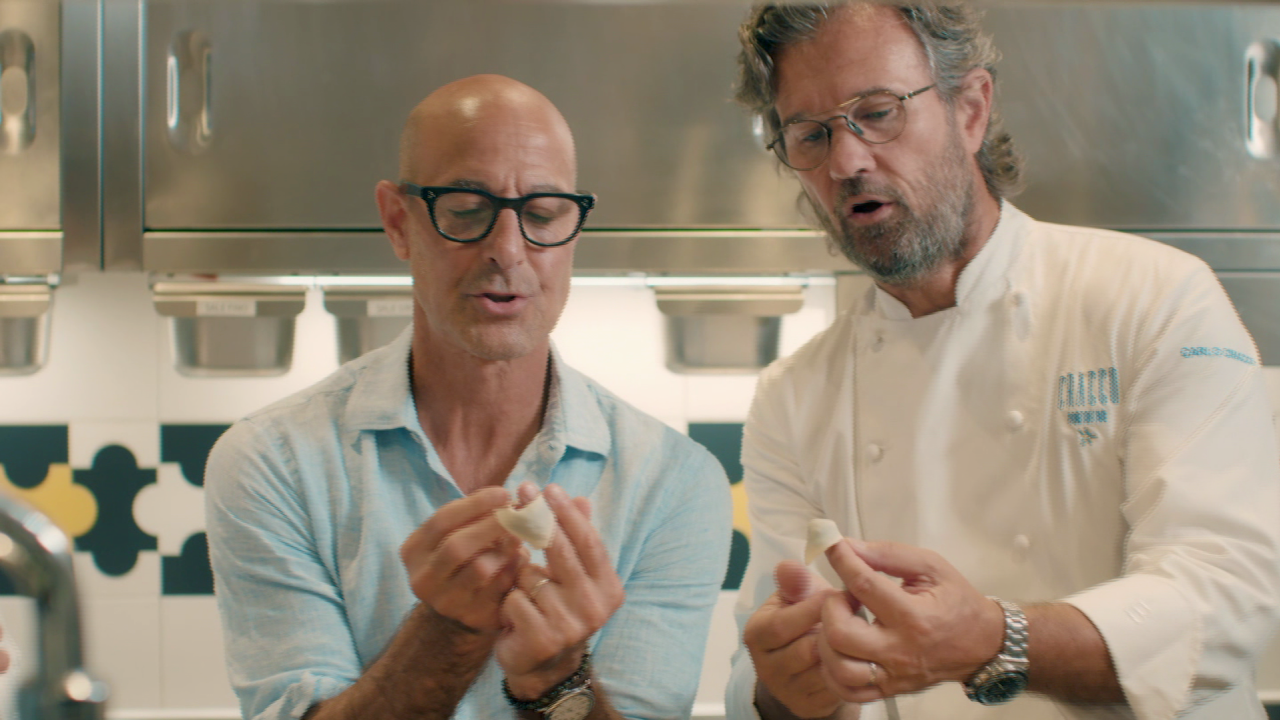
Inside Stanley Tucci’s Season 2 Food Tour: The Must-Visit Restaurants in ‘Searching for Italy’

Discover Italy’s Timeless Charm: A Journey of Wellness, Culture, and Inspiration

Italy, a land renowned for its rich tapestry of culture and gastronomy, continues to inspire a global movement towards a _holistic lifestyle shift_. Watching the acclaimed series Stanley Tucci: Searching for Italy transports viewers into a world where food is more than sustenance—it is an experience that nurtures the soul. Each episode invites audiences to explore the country’s regional specialties crafted by talented chefs, revealing how cuisine can be a catalyst for health, leisure, and cultural connection. This approach champions a lifestyle rooted in _authenticity and mindful appreciation_, encouraging young people to rekindle their relationship with local ingredients and time-honored traditions.

At the heart of Italy’s appeal is its _focus on _wellness through culinary simplicity_**, emphasizing fresh, local produce that sustains both body and mind. Liguria, with its breathtaking coastlines from Portofino to Cinque Terre, exemplifies this harmony. Here, the inventive spirit of Ligurian chefs shines through in signature dishes like pesto—a product of a land forced to adapt through rugged terrain, turning adversity into a delicious heritage. Embracing such authenticity offers a blueprint for today’s youth who seek a _balanced lifestyle_ anchored in _mindful eating and active leisure_. Think aromatic fennel, vibrant vegetables, and freshly caught seafood, all sacrificed to no processed shortcuts but preserved in the essence of _healthy living_.

Moreover, this culinary voyage champions regional pride, which rejuvenates communities and fosters _inspirational connection_. From Genoa’s iconic focaccia—salted just right to awaken the palate—to Sardinia’s rugged coasts producing some of the world’s finest lobster; each dish tells a story that transcends taste buds, inspiring a _resilient, community-focused approach to life_. For young travelers and food enthusiasts alike, embracing this _culture of slow food and authentic craftsmanship_ can be equated with a personal renewal—an active choice to forge a lifestyle aligned with wellness, leisure, and cultural pride.

  • Visit Liguria’s charming villages of Portofino and the Cinque Terre for an immersion in coastal beauty and local delicacies.
  • Explore Genoa’s secret gastronomic gems such as Antico Forno della Casana, where the signature dimples of focaccia are baked to perfection, emphasizing _mindful indulgence_.
  • Sample Sardinian delights like blue cheese at Caseificio Dicecca, celebrating _regional pride in local ingredients_ that support both health and economy.
  • Experience the slow craft of lamb prepared in ancient Greek clay in Martone, a reminder that _patience and tradition_ are vital for true wellness.

In the end, the journey through Italy’s regions reflects a broader narrative: _lifestyle is a voyage_—not merely a routine, but an intentional path inspired by nature, tradition, and community. As Stanley Tucci’s adventures unveil, embracing this rhythm encourages a _personal journey of health, leisure, and cultural pride_. By following Italy’s example—where food becomes a reflection of strength, resilience, and shared heritage—young individuals can cultivate a life that celebrates authenticity and well-being. In doing so, we realize that true wellness is found not only in what we eat but in how we cherish and nurture the world around us, leaving each of us with a legacy of inspired living.

Social Media Auto Publish Powered By : XYZScripts.com