
Global Climate Instability: New Zealand Battles Cyclone Vaianu
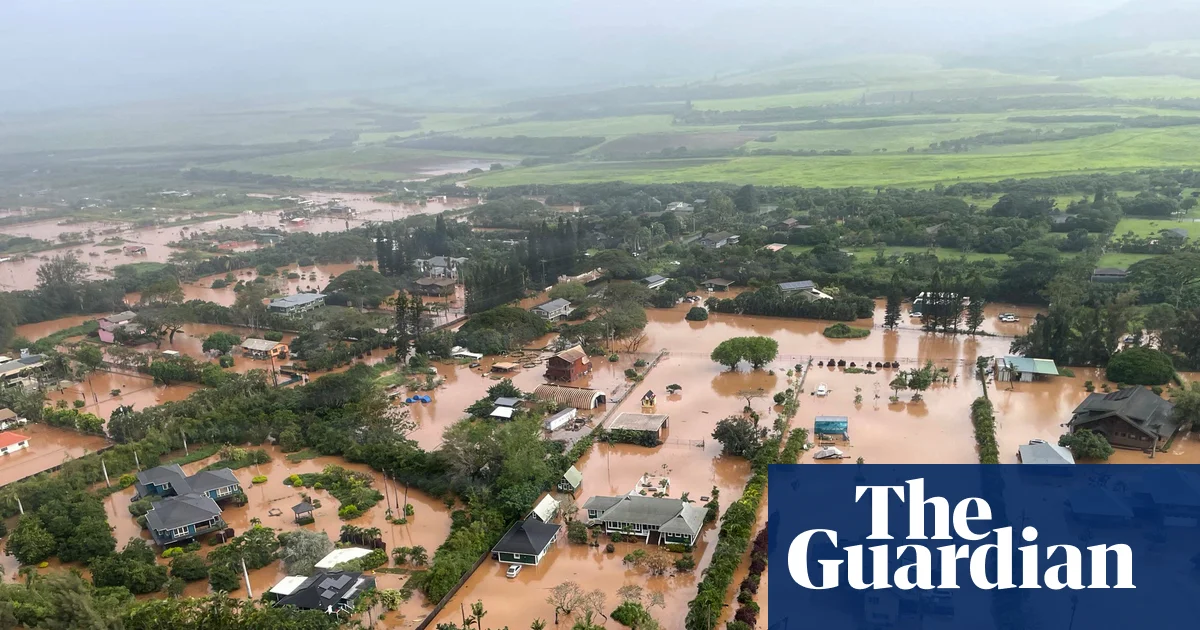
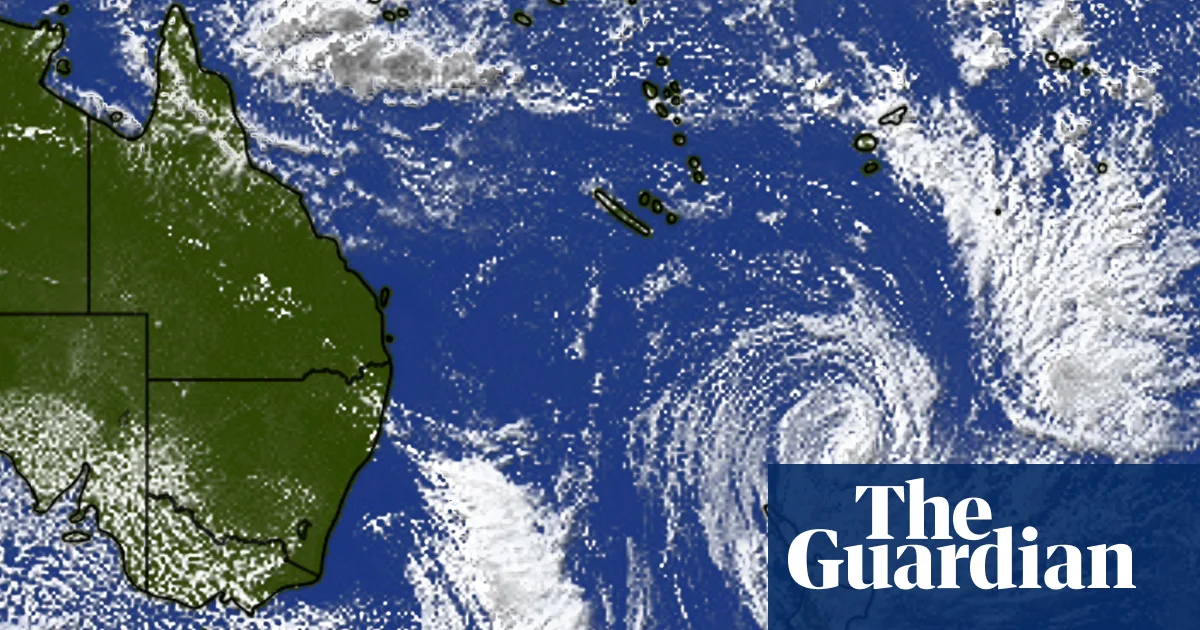
New Zealand is once again at the mercy of nature’s fury as Cyclone Vaianu approaches its North Island, compelling thousands to evacuate and putting national emergency protocols to the test. Forecasters warn that the cyclone, expected to make landfall on Sunday, could unleash wind speeds up to 130 km/h (80 mph), accompanied by heavy rain, coastal flooding, and potential landslides. Authorities in regions like Whakatāne—a community of roughly 37,150 residents—have issued emergency declarations, emphasizing the gravity of the situation and the likelihood of widespread destruction.
This storm bears a stark reminder of how unpredictable and destructive climate patterns have become. The disaster preparedness efforts echo a broader global concern woven into the fabric of international discourse. The World Meteorological Organization and various climate analysts have long warned that _increased cyclone activity_ is a *direct consequence of rising global temperatures*. Historical data confirm that storms like Cyclone Gabrielle, which devastated parts of New Zealand in 2023, killing 11 and displacing thousands, serve as grim forewarnings of what climate change fuels: more powerful, less predictable storms capable of devastating communities with brutality and speed.
Politicians such as Prime Minister Christopher Luxon have urged residents to remain vigilant, stressing the importance of community resilience. “Make sure drains are free, check in on the neighbours, and be prepared for possible power cuts,” Luxon advised via social media. This call to civility underscores a crucial point: _decisions made today in emergency preparedness and infrastructural resilience_ *determine* how societies withstand the chaos unleashed by nature’s shifting climate*. The experience reflected in New Zealand’s recent calamity underscores the rising stakes for nations vulnerable to extreme weather, and global institutions are increasingly calling for coordinated action to mitigate these risks.
The escalating frequency of such natural disasters has spurred international debate over long-term strategies. Developing nations face the harshest realities, often lacking the resources to fully prepare or respond. Meanwhile, climate diplomacy shifts towards _collaborative efforts_—but critics argue they are too slow and insufficiently bold. The **United Nations** and major countries have made pledges to curb emissions; however, skeptics question whether these commitments can curb the *accelerating pattern* of destructive storms and sea-level rise. As some analysts warn, _in the absence of decisive climate action_, storms like Vaianu will become increasingly common, testing the resilience of societies worldwide and threatening stability on an international scale.
Ultimately, the story of Cyclone Vaianu is a harbinger of a new era—one where climate extremes are no longer exceptions but commonplace. As the earth’s climate system teeters and shifts, history’s pen remains poised at an uncertain crossroads. Will global resolve and technological innovation allow humanity to tame the chaos, or will nature’s wrath continue to write its tragic stories of destruction and displacement? The storm approaching New Zealand is more than a local incident; it is a stark reminder that in the grand march of history, humanity must confront its greatest challenge yet—before the shadows of catastrophe stretch across the world’s horizon.