Matox News

Truth Over Trends, always!

Yelp’s AI Chatbot Gets a Major Upgrade for a Smarter, Better Experience

Yelp’s Major AI Upgrade: Transforming Consumer Engagement and Industry Dynamics

In a bold move emblematic of current industry trends, Yelp has unveiled a comprehensive upgrade to its chatbot assistant, elevating the platform toward a next-generation digital concierge. This initiative exemplifies how disruption is reshaping local business discovery and customer service, aligning with broader AI-driven shifts observed across multiple sectors. By integrating advanced conversational AI, Yelp aims to turn user data into a powerful competitive advantage, echoing strategies championed by industry pioneers such as Elon Musk and Peter Thiel.

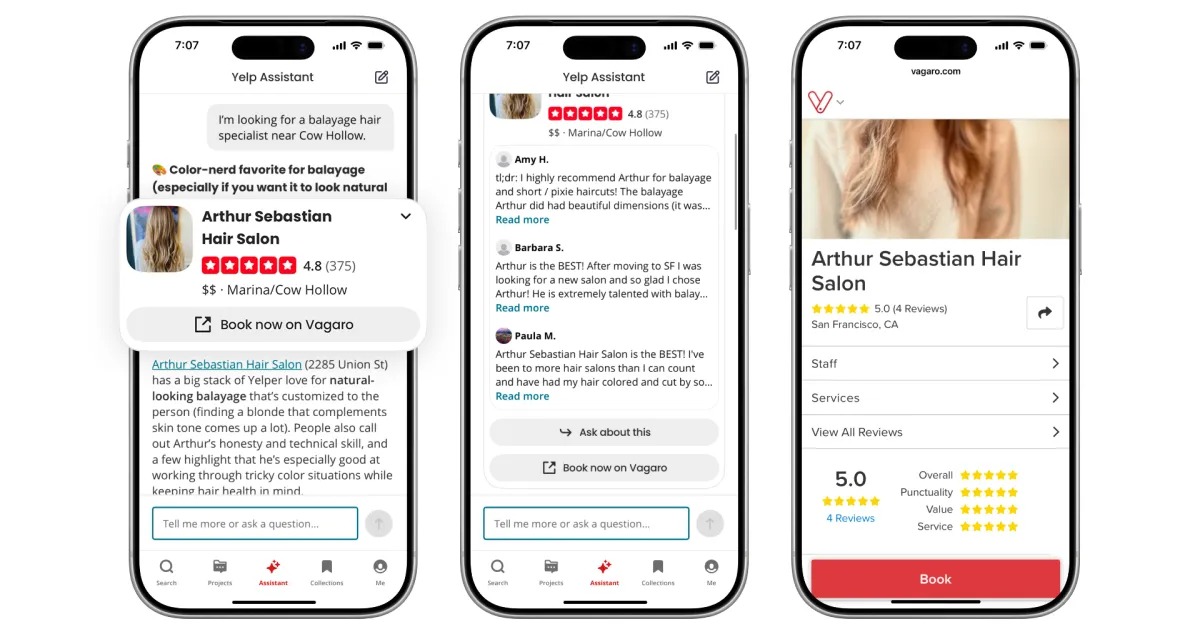
At the core of this transformation is the deployment of a revamped Yelp Assistant chatbot, now embedded centrally within the app’s interface through a dedicated “Assistant” tab. This technology extension positions the bot as more than a mere search helper—it’s now a personal digital assistant capable of answering questions, making recommendations, and facilitating bookings within a seamless, conversational environment. This evolution represents a paradigm shift in how consumers interact with local service providers, emphasizing conversational commerce and personalized service experiences. According to Yelp’s chief product officer, Craig Saldanha, this marks the company’s “most significant AI product evolution yet,” underscoring the strategic emphasis on AI-driven engagement.

  • Intelligent assistance that simplifies user workflows
  • Unified interface consolidating multiple service functions
  • Enhanced data analytics capabilities derived from user interactions
  • Strategic positioning against competitors leveraging AI for local discovery

This move is not happening in isolation; rather, it is part of a wider industry trend towards integrating AI to disrupt traditional search and booking paradigms. Companies like Google and Facebook are leveling up their AI offerings, but Yelp’s focus on a personalized, action-oriented experience marks a distinctive approach. The initiative also signals how large-scale user-generated data is being leveraged to refine algorithmic recommendations, fostering a more engaging and sticky user experience—an element emphasized by Gartner analysts as vital for future differentiation in local commerce platforms.

The implications extend beyond consumer convenience. For local businesses, this innovation could dramatically impact market dynamics, offering new avenues for exposure and customer acquisition. As Yelp’s AI becomes more sophisticated, there’s a growing potential for automated bookings and personalized marketing, potentially reducing friction in the customer journey and amplifying revenue streams. This aligns with a broader shift where AI-driven personalization can generate a market advantage—a trend closely monitored by industry veterans and investors alike, eager to identify the next wave of disruption. The strategic emphasis on continuous AI evolution suggests that competitors who lag behind risk obsolescence in a market increasingly driven by digital-first interactions.

Looking ahead, industry experts such as those at MIT and AI think tanks warn that the rapid proliferation of conversational agents introduces new challenges—privacy concerns, data integrity, and the need for robust AI governance. Yet, the opportunity for business innovation and disruption remains immense. As technological advances accelerate, the companies that invest early in AI-driven platforms—like Yelp—are positioning themselves at the forefront of a revolution in local commerce. The future belongs to those willing to harness the power of AI to create more intuitive, responsive, and integrated consumer experiences. The question remains: who will lead this charge, and how fast can they adapt? For now, Yelp’s bold step signals a clear message: in the race for digital dominance, agility and innovation are paramount.

Screenmaxxing: How Hollywood’s Bold Moves are Redefining the Big Screen Experience for a New Generation | Film Industry

In the age of relentless technological innovation, what does the future hold for the cinematic experience? Disney’s recent announcement of InfinityVision exemplifies a broader trend of “screenmaxxing”—an industry obsession with augmenting picture size, sound quality, and visual fidelity, all aimed at enticing audiences away from the comfort of their homes. As theaters carve out new niches with premium large-format (PLF) screens—be it Dolby, RPX, or the latest HDR by Barco—their strategy hinges on safeguarding cultural space from the encroachment of streaming services and the allure of personalized, at-home entertainment. This underscores a fundamental truth: for many, film remains a vital expression of community, tradition, and shared identity, which cannot be fully replicated by the pixelated glare of a television or the darkened solitude of a screen.

The phenomenon of elevating the viewing experience is not merely about spectacle; it is deeply intertwined with notions of cultural continuity. Historically, cinema has served as a mirror and a molder of collective memory, echoing the insights of thinkers like Ortega y Gasset and Tocqueville who recognized that society’s soul is captured in its institutions and shared stories. In modern cinemas, the expansion of formats—from VistaVision to Imax—embodies a desire to preserve the scale and grandeur that breathes life into myth and legend. Meanwhile, the push by theaters to invest in increasingly advanced projection systems, such as HDR by Barco or the resurrected VistaVision, reflects an understanding that visual grandeur is symbolic of societal aspiration and cultural resilience. These formats evoke not only a sense of wonder but reaffirm our cultural identities—reminding us that the cinema is a temple of shared dreams, an allegorical temple where our collective memory is sacred and our cultural future is imagined.

Yet, with this surge for technological supremacy comes concern: are theaters merely chasing the latest shiny object, risking a dilution of the true cultural mission? As critic G.K. Chesterton argued, the peril of modern innovation lies in turning cultural artifacts into commodities—an assembly line of spectacle that flattens the depth and meaning of our stories. The proliferation of formats, such as the debate over Imax versus alternative PLFs, reveals a market driven by consumer perceptions of superiority—perceptions that are often constructed more by branding than by substance. True cultural significance, after all, resides in story—not in pixels. The challenge for the industry is to transcend mere “screenmaxxing” and focus on fostering an environment where cinema can serve as a vessel for enduring values, stories, and shared national or cultural identity.

As we watch this visual arms race unfold, it becomes evident that **the cinematic experience is a living archive of human memory and a prophetic glimpse into our collective future**. Just as T.S. Eliot reflected that “the past inherits the future,” so too does our cultural participation in cinema serve as a testament to who we are and what we aspire to become. The true power of the big screen lies not in its size or brightness but in its capacity to forge connections—between generations, communities, and ideals. In the flickering glow of projected images, we are reminded that culture is both a remembrance and a prophecy, a shared story that endures across time, guiding us into the unknown with the promise that, somehow, as long as we tell our stories, we remain unbroken.

Artemis Crew Shares Bold Moon Mission and Splashdown Experience

Historic Artemis Mission Marks a New Era in Space Exploration and Geopolitics

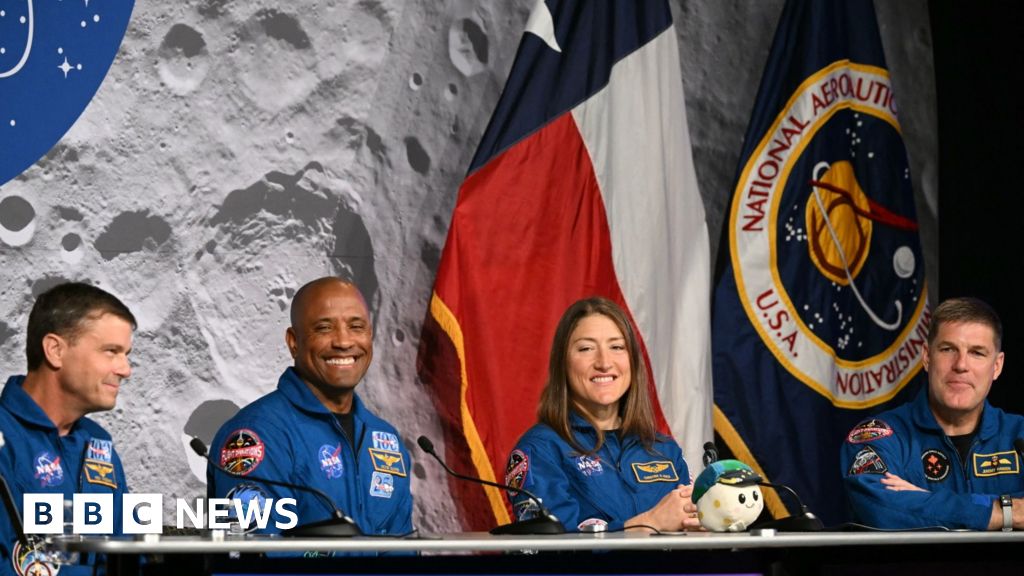
In a groundbreaking achievement that underscores the relentless drive of the United States to maintain its leadership in space exploration, the crew of the Artemis mission convened for their first press conference after completing a 10-day orbital expedition around the Moon. Launching on April 1 from NASA’s Kennedy Space Center in Florida, the crew embarked on a journey that took them beyond the far side of the lunar surface — a feat that not only highlights technical prowess but signals a cultural and geopolitical statement of intent. The mission’s objectives are ambitious: to rekindle human presence on the Moon, establish a permanent outpost, and ultimately, lay the groundwork for manned missions to Mars.

The Artemis program is more than just a quest for scientific discovery; it signifies a strategic shift in international power dynamics. As noted by numerous analysts and geopolitical strategists, the renewed U.S. push to dominate lunar space is a response to the rise of China and Russia in extraterrestrial exploration. China’s recent lunar activities and Mars ambitions, along with Russia’s renewed interest in space, threaten to fracture what was once a mostly American-dominated field. The Artemis mission, therefore, underscores a broader geopolitical contest over the future of space as the new frontier for economic and military advantage.

International organizations and foreign governments are watching closely. The European Space Agency (ESA), India’s ISRO, and others have expressed interest and have begun aligning themselves with lunar and Martian initiatives. Yet, experts warn that this renewed focus on celestial exploration could exacerbate existing international tensions and lead to a new space race. Historians cite the Cold War-era space race as a cautionary tale and emphasize that, how nations choose to collaborate or confront in space will set the tone for global stability in the decades to come. The Artemis mission, with its symbolic return to human lunar exploration, is thus imbued with profound geopolitical impact.

As the world’s eyes turn skyward once more, the unfolding chapter of lunar exploration is determining who will hold sway over the future’s final frontier. Will this herald an era of international cooperation or a new epoch of competition centered around territorial claims, resource control, and technological supremacy? The decisions made today echo beyond the vacuum of outer space— they shape the destiny of nations and societies grounded firmly on Earth. As history’s pen continues to write the story of mankind’s quest among the stars, one thing remains clear: the outcome of this new space race may very well define the geopolitical landscape of the 21st century, leaving humanity to confront the question of whether space can be a shared horizon or a battleground for dominance.”

Sonos Portable Speakers: The Ultimate Sound Experience for Trendsetting Youth — I Put Them to the Test

In recent years, the way young seekers of a purposeful lifestyle approach leisure and wellness has undergone a remarkable transformation. Technology-driven innovations now empower us to craft environments that not only elevate our entertainment but enrich our mental and physical well-being. Among these breakthroughs, portable speakers—especially those from Sonos—stand out as defining symbols of how tech and lifestyle coalesce seamlessly. Tested in diverse settings—from backyard hideouts to remote tropical escapes—these compact yet powerful devices exemplify a growing cultural shift: taking control of our corner of the world with incredible ease while maintaining the pursuit of _wellness_ and _leisure_.

At a Glance: The Sonos Lineup

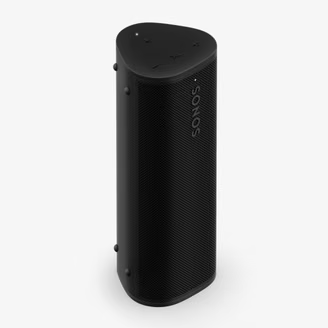
Sonos offers three stellar models that cater to different aspects of a youthful, active lifestyle. The Sonos Play is the versatile starting point, blending compact form with premium sound quality—perfect for those new to the Hermès of the living room or outdoor party. The Sonos Roam 2 takes portability to the next level, designed specifically to travel with you. It’s lightweight, waterproof (IP67 rating), and features wireless charging—a game-changer for convenience. On the other hand, the Sonos Move 2 embodies raw power, ideal for filling any space with spectacular sound—whether in your living room, park, or beach. Combining Bluetooth flexibility, Wi-Fi lossless audio, and a user-replaceable battery, it typifies the ‘lifestyle entrepreneur’ mindset of embracing control, quality, and _wellness_.

Each model aligns with the modern desire to integrate _wellness_—both mental and physical—into everyday life. The portable nature of these speakers fuels a lifestyle of _movement_, _adventure_, and _connection_, all while allowing us to fine-tune our environments for optimal leisure and peace of mind. Think of them as tools that transform mere space into an extension of your personal sanctuary, where sound becomes a catalyst for _reflection_ and _energy_.

Lifestyle Musings for the Modern Wellbeing Seeker

Today’s youth are redefining _wellness_ beyond traditional spa visits or gym routines. The latest wellness experts, such as Dr. Rangan Chatterjee or Jay Shetty, emphasize _mindful engagement_ and _purpose-driven living_, with tech playing a vital supporting role. The shift towards _wellness_ embeds itself in our daily habits—whether it’s curating the perfect playlist for meditation, outdoor yoga, or a backyard party. This cultural move toward _intentional living_ also reflects a desire to foster _community_ and _connection_, with portable speakers serving as an enabler of shared experiences that lift spirits and promote resilience.

To optimize personal impact through lifestyle choices—whether visiting natural parks, engaging in outdoor sports, or creating cozy indoor sanctuaries—consider these tips:

  • Travel with a compact, rugged wireless speaker to amplify your music, podcasts, or guided meditations, turning any environment into a _personal retreat_.
  • Use smart tech to craft _ambient_ atmospheres—think a podcast in the background during your evening wind-down or uplifting tunes for _motivation_ during workouts.
  • Complement listening devices with _wellness routines_—from mindful breathing to gratitude journaling—forming a holistic approach that balances _stress-relief_, _energy_, and _clarity_.

Embracing Lifestyle as a Journey

Choosing the right portable tech and weaving it into life’s tapestry isn’t merely about convenience but about _personal impact_—how your environment shapes your mental health, creativity, and leisure. Each product in the Sonos lineup mirrors a commitment to quality and_ _intentionality_—values at the core of a thriving, _purposeful_ youth culture. As movements like _Minimalism_ and _Biohacking_ gain traction, the aim is clear: harness technology not just for entertainment but as a tool for _self-expression_, _growth_, and _wellness_. This journey is ongoing, inviting us to step into roles where every choice becomes an act of _self-care_ and _empowerment_. Like a finely tuned playlist that moves us through different moods, lifestyle becomes a reflection of our pursuit to live meaningfully—with sound, comfort, and clarity guiding the way.

ChatGPT launches $100/month Pro plan—powering the next-gen user experience

OpenAI Introduces Enhanced $100 ChatGPT Pro Tier Amidst Industry Disruption

In a significant development that underscores the rapid evolution of the AI landscape, OpenAI has announced a revamped version of its ChatGPT Pro subscription priced at $100 per month. This move not only signifies a strategic effort to harness increased revenue but also signals innovation in user experience and enterprise-level offerings. The new tier provides 5x more usage of its Codex coding tool compared to the previous $20/month Plus plan, catering to developers and professional users demanding higher throughput for complex coding tasks. OpenAI states that this tier is optimized for “longer, high-effort Codex sessions,” thus addressing an emerging segment of power users whose productivity hinges on robust AI tools.

Disrupting Industry Norms: Competition and Market Shifts

This strategic upgrade comes amidst intensifying competition from players like Anthropic with their Claude Code tool, which has gained popularity for its impressive performance. OpenAI’s move to scale up its offerings with a more capable Pro tier indicates an aggressive push to retain market dominance in the AI coding space. The $100 Pro tier is positioned as a middle ground, bridging the gap between the baseline $20 ChatGPT Plus and the premium $200 Pro option. Such tier segmentation reflects a broader industry trend toward flexible, tiered SaaS models—designed to attract a wider customer base ranging from casual users to enterprise clients.

Business Implications and Industry Impact

The introduction of *two distinct Pro tiers* underscores OpenAI’s recognition of diverse user needs. While the standard Pro still offers all features, the more expensive version incorporates higher usage limits, positioning OpenAI as the platform of choice not just for casual, but heavy-duty users. These enhancements could disrupt traditional coding and AI development workflows, necessitating a reevaluation of how businesses integrate AI into their core operations. As noted by industry analysts from Gartner and MIT, the proliferation of accessible yet powerful AI tools is poised to drastically alter enterprise productivity and innovation cycles.

Looking Ahead: Urgency for Innovation

This strategic expansion by OpenAI emphasizes a broader industry acceleration, where disruption is accelerating via innovation. With competitors like Anthropic advancing rapidly and other tech giants investing heavily in AI, the market is on the cusp of a new era of hyper-competitiveness. Technologies such as Codex and Claude are just precursors to a future where AI-driven coding and automation will become integral to business success. Stakeholders and developers must remain vigilant; those who harness these innovations early will secure competitive advantage in an increasingly AI-centric economy.

In summary, OpenAI’s strategic move to escalate its subscription offerings exemplifies a dynamic shift towards higher performance, flexibility, and enterprise readiness. As AI continues to disrupt traditional sectors, the race to develop more powerful, accessible, and versatile tools will define the next wave of technological revolution. Industry participants and investors alike should prepare for an era where agility, innovation, and disruption are imperative to thrive in the rapidly evolving AI universe.

RSC’s Game of Thrones Play Promises an ‘Immersive’ Experience Rooted in Tradition and Power

In an era where technological advancements threaten to alienate us from authentic human experience, a profound shift is emerging in the realm of cultural engagement: the desire for living and breathing the same space as the characters. This phenomenon signifies a renaissance of tradition and identity, as audiences seek to transcend the passive consumption of art and reclaim an active, visceral connection with the cultural narratives that shape their understanding of society. Such a movement echoes the timeless philosophical assertion that culture is both our memory and our prophecy; it embodies our history while guiding our future, offering a bridge between generations through shared aesthetic and moral values.

At its core, this immersive approach to culture reflects a culture’s intrinsic capacity to serve as a repository of identity. As the French historian Tocqueville observed, societies rooted in a rich cultural fabric are more resilient, more capable of nurturing a collective sense of purpose. Today, this resilience is manifest in performance art, immersive theatre, and virtual reality experiences that foster a sense of participation rather than observation. The audience, no longer a detached observer, becomes a vital part of the narrative, inhabiting the lived spaces of tradition and myth. This aligns with the philosophical stance of Ortega y Gasset, who emphasized the importance of life as a permanent dialogue between individual existence and cultural expression—an active engagement that sustains societal vitality.

Artistically, this evolution signifies a return to the classical ideals of participatory experience. Works that once merely represented life are now designed to involve the spectator directly in its unfolding, echoing the gestures of Augusto Boal’s Theater of the Oppressed, where dialogue and action dissolve the boundaries between performer and audience. Such phenomena underscore a core truth: culture is not only what we inherit, but also what we choose to embody and forge anew. This renewed emphasis on embodied participation underscores a broader societal trend: the recognition that tradition, when actively lived, fosters a shared sense of purpose and moral clarity. It is a response to the vacuum of meaning in modern life, an affirmation that our cultural past bears the seeds of our collective identity and future.

As the cinematic critic T.S. Eliot once asserted, the true function of art is to help us see again, to remind us of our initial clarity amid the chaos of modern existence. Today, this immersive cultural renaissance offers a path toward rediscovering that clarity—an acknowledgment that our cultural continuity is vital not only to preserve identity but to inspire prophecy. When we live and breathe among the characters of our shared stories, we become active participants in a grand, ongoing dialogue—an echo of human history that continues to unfold, inspiring us to cast anew the molds of tradition and hope. Culture, therefore, is neither relic nor mere ornament; it is a vital breath of life that sustains the soul of society—a poetic testament to the enduring human journey, weaving memory and prophecy into a tapestry of the enduring human spirit.

Try the Xbox Full Screen Experience on any PC or tablet—game on the go!

Microsoft Reinvents Gaming with Full Screen Experience (FSE) Expansion Across Windows Devices

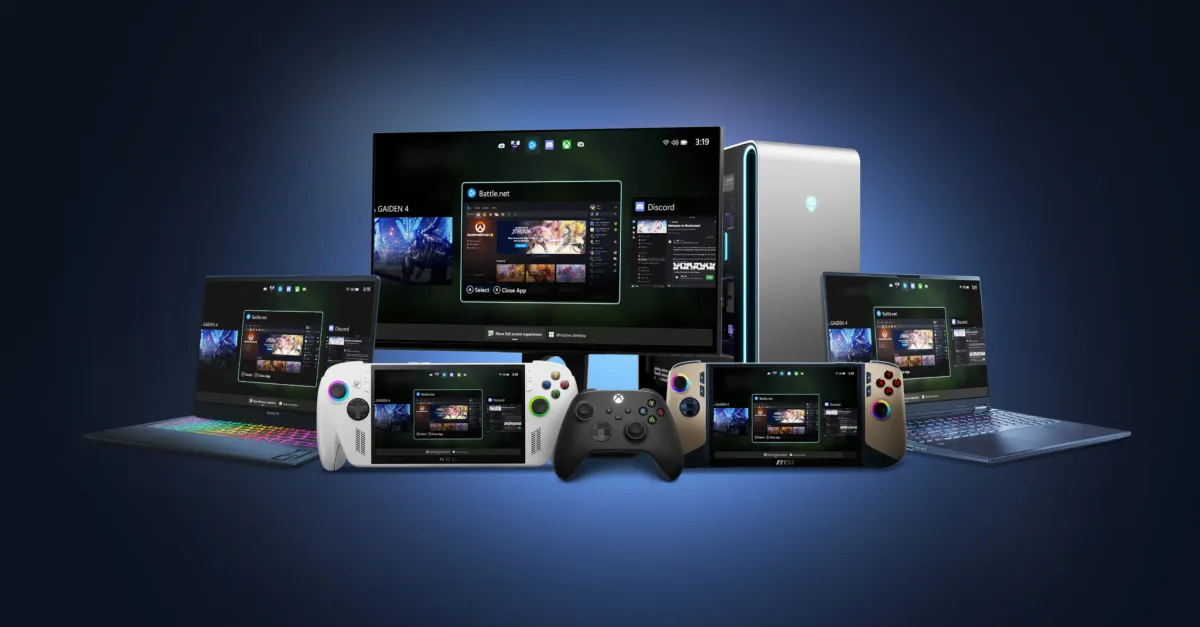
In a significant move toward disruption of traditional gaming interfaces, Microsoft has announced the expansion of its Full Screen Experience (FSE) to a broader range of Windows devices — including laptops, desktops, and tablets — via the latest Windows Insider Preview Builds. This development underscores the company’s strategic push to integrate a more immersive, console-like gaming experience into everyday computing, creating a paradigm shift in how users engage with games across multiple form factors. The rollout, currently in the experimental Dev and Beta channels, is a clear sign of Microsoft’s intent to fuse console and PC gaming, bridging hardware ecosystems and setting new industry standards.

The FSE feature, which was previously limited to select Xbox Insider environments, is now more accessible, offering users a more streamlined, high-fidelity, full-screen gaming immersion from their Windows PCs. To activate the feature, users simply hover over the Task View icon on the taskbar and select the Xbox full-screen experience option, or use the shortcut Win + F11. This straightforward interface enhancement, coupled with easy toggling in the Game Bar settings, demonstrates Microsoft’s focus on user-centric innovation — making powerful gaming features more intuitive and widely available. “Microsoft aims to challenge the boundaries between Windows and Xbox, delivering a seamless, console-like experience that could fundamentally alter desktop gaming,” notes industry analyst Sarah Chen of TechInsights.

However, the rollout isn’t universal yet. As Microsoft explains, access to FSE is “gradually rolling out” and requires the latest Windows Insider Builds alongside the Xbox app from the Microsoft Store. This phased approach reflects a strategic move—optimizing the technology while managing the massive scale of Windows’ global user base. SuchControlled rollout strategies are typical of Microsoft’s approach to innovation, allowing them to gather feedback and fine-tune the feature before a broad public release. The potential implications are profound, positioning Microsoft to challenge other gaming platforms and reshape user expectations—particularly as the industry shifts toward more integrated, high-performance gaming environments that leverage PC hardware and cloud services.

The broader implications of Microsoft’s FSE expansion reach well beyond just user experience. By enhancing the gaming capabilities of Windows devices, Microsoft is reinforcing its position as the dominant ecosystem for gaming, possibly disrupting competitors like Sony and Nintendo, which are more console-focused. Industry insiders believe this move could catalyze new business models around integrated hardware-software packages and cloud-based gaming services—areas where giants like Elon Musk’s Neuralink and Google’s Stadia are vying for dominance. Significant, too, is how Microsoft’s decision reflects a larger industry trend—a shift towards more versatile, immersive computing platforms that blur the lines between gaming and productivity, fueling a future where innovation accelerates at an unprecedented rate.

Looking ahead, the expansion of FSE on Windows signals an urgent need for gamers, developers, and tech enthusiasts alike to stay alert. As Microsoft’s strategy to embed high-fidelity gaming into daily computing unfolds, industry stakeholders must adapt and innovate swiftly, or risk being left behind in an evolving landscape driven by disruptive technology. The move toward more immersive, seamless gaming experiences is just beginning; the industry must now prepare for a future where the next big leap isn’t just hardware or software, but the integration of both into a holistic, user-focused ecosystem that redefines how and where we game. The race for the next generation of immersive tech is on, and Microsoft’s bold steps might just steer the industry toward a transformative era of digital interaction.

All Her Fault review – Sarah Snook’s gripping thriller delivers a thrilling and thought-provoking experience for today’s youth | Television

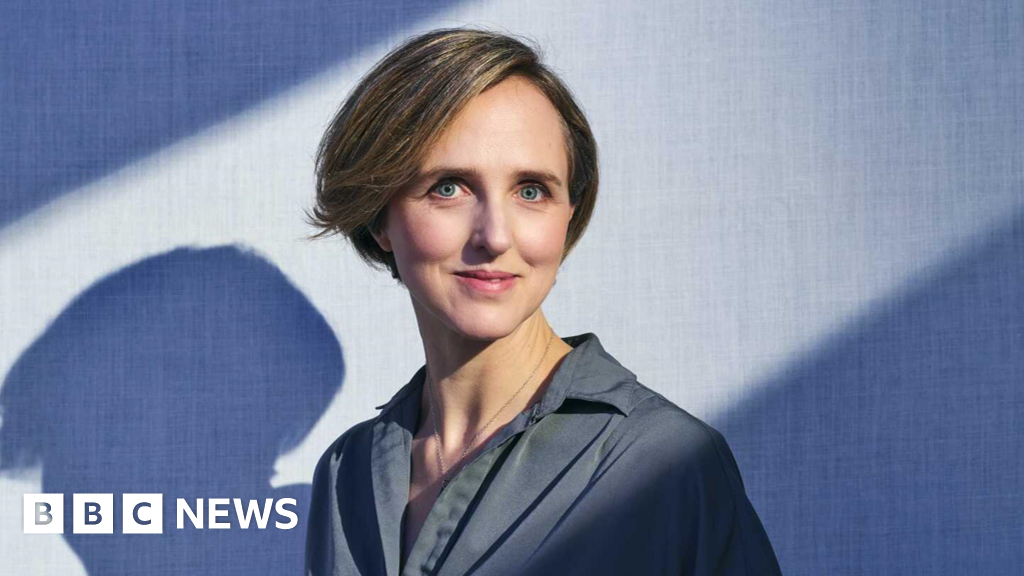
In an era where culture seems to tremble on the edge of fragmentation, the resilience of societal identity often manifests through the narratives we elevate and the stories we choose to tell. As Ortega y Gasset once posited, “The spirit of a nation lives in its stories,” and amidst the chaos of modern life, television dramas have become the new agora — spaces where the collective psyche is reflected, scrutinized, and subtly shaped. The recent series All Her Fault, an adaptation rooted in Andrea Mara’s bestselling thriller, exemplifies this phenomenon. It braids together the troubling realities of middle-class affluence, the darker undercurrents of modern motherhood, and the existential crises that accompany societal privilege. But more than entertainment, such works serve as mirrors and prophecy, revealing what we value, fear, and unconsciously endorse as a society.

This series not only examines the disappearance of a child within a seemingly secure suburban enclave but also unravels the complex web of human motives and societal expectations, echoing Tocqueville’s insight that “America’s greatness lies in its individualism, yet its survival depends on collective community.” Here, the affluent women, Marissa and Jenny, embody modern American ideals of success and nurturing, yet beneath their polished exteriors lie layers of guilt, repression, and moral ambiguity. These characters evoke Chesterton’s recognition that “an adventure is only an inconvenience rightly considered,” acknowledging that behind comfort and prosperity lie often unspoken, unresolved tensions. In this cultural microcosm, we see a reflection of a society wrestling with the penultimate question: what is the true cost of security? And at what point does protection devolve into paranoia? It is in this tension that the series finds its moral heartbeat, questioning whether the superficial safeguards of wealth truly shield us from the chaos lurking beneath?

Moreover, All Her Fault underscores the indelible connection between culture and identity. It probes the penalty women pay for societal roles, exposing the quiet suffering and sacrifices anchored in modern motherhood — a theme as old as the mythos of Demeter and Persephone. As T.S. Eliot wrote, “The tradition does not consist of a common inheritance but rather an ongoing dialogue between the past and present,” thus emphasizing that our cultural identity is an evolving conversation. This series chronicles that dialogue, revealing the fissures and fractures in the beautiful facade of suburban bliss, ultimately inviting viewers to ponder: are we merely characters scripted in a cultural play or authors of a new chapter? This tension makes the narrative not just compelling storytelling but cultural commentary that challenges us to reflect on how privilege isolates, isolates, and redefines our collective values.

In the end, the cultural fabric woven through television and art survives not merely to entertain but to serve as the collective memory and prophecy of mankind. Like Homer’s epics or the Great Works of classical antiquity, modern storytelling holds within its lines the echoes of human striving, fragility, and hope. As Chesterton observed, “Art, when it is most truly artistic, is the most radically conservative of all human activities,” anchoring us to our roots even as it propels us into the future. Therefore, culture becomes both a mirror illuminating our current state and a lantern lighting the path ahead — reminding us that in the harmony and dissonance of our stories, humanity’s eternal song continues. And in that song, we find not only our memory but also the prophecy of what we might yet become.

Ritz-Carlton’s Elite Superyacht Experience Embarks — Luxury Living Reaches New Heights

In recent years, the landscape of luxury travel has expanded beyond traditional realms, with a notable shift toward _exclusivity and personalized experiences_. The latest milestone in this evolution is the debut of Ritz-Carlton’s Evrima, a flagship superyacht that exemplifies a new era for ultra-high-net-worth individuals seeking unparalleled leisure. Launched after several delays due to supply chain disruptions and the global pandemic, Evrima now pioneers a fusion of luxury cruising and yachting that caters to the modern connoisseur’s desire for both adventure and refined comfort.

Standing at 190 meters, Evrima is more than just a vessel; it is a floating sanctuary equipped with 149 suites, each with a private terrace, high-ceiling windows, and myriad amenities designed to provide a _seamless blend of relaxation and entertainment_. From its infinity pool and wine vault to the Ritz-Carlton Spa and exclusive nightclub, the yacht’s offerings are meticulously curated to maximize personal impact—whether that involves unwinding under the Mediterranean sun or exploring distant coastlines. With most journeys lasting between seven and ten nights across the Mediterranean, Caribbean, and even Central and South America, Evrima exemplifies how modern luxury encompasses _well-being, leisure, and discovery_ as interconnected pursuits.

Such ventures are redefining the traditional notion of travel, emphasizing _quality over quantity_, tailored experiences, and _wellness in motion_. Cultural references like Mark Twain’s adage, “Twenty years from now, you will be more disappointed by the things you didn’t do than by the ones you did,” resonate deeply here. The luxury yacht industry is responding by crafting itineraries that are inscribed with _insider access and highly personalized service_. As Douglas Prothero, CEO of Ritz-Carlton Yacht Collection, emphasizes, their goal is creating “unmatched getaways,” where every element is designed to transform mere travel into a journey of _self-discovery_. This is precisely the shift favored by wellness experts like Dr. Deepak Chopra, who advocates for _experiential travel_ as a means of _nurturing the soul_ while exploring the world.

  • Focus on _wellness_: indulge in spa treatments and water sports that boost _mental and physical health_
  • Emphasize _personal space_: opt for spacious suites or private charters that foster _clarity and peace_
  • Explore _unique destinations_: experience _hidden gems_ accessible exclusively via yacht

Looking ahead, Evrima is just the beginning within the luxury yachting industry, with additional vessels like Ilma and Luminara under construction at the renowned Chantiers de l’Atlantique shipyard. Notable industry players such as Four Seasons are also entering the scene, with plans for a 207-meter superyacht set to launch in 2025. This focus on _bespoke journeys_ underscores a broader cultural shift towards _conscious, curated living_, where _pursuits of health, leisure, and inspiration_ become intertwined. As young, ambitious individuals seek to _embrace a lifestyle_ rooted in _discovery and well-being_, the notion of travel is evolving into a _personal rite of passage_—one that bridges _luxury with purpose_.

In the end, the journey of lifestyle and discovery is as much about inner transformation as it is about exploring external horizons. Whether through a private yacht gliding across azure waters or by cultivating a mindful approach to daily life, the true voyage lies in embracing _possibility, personal impact_, and _the pursuit of a meaningful life_. The world’s vast and varied landscapes call for a spirit of _adventure combined with self-awareness_, a reminder that luxury is not merely material but also a pathway to _inner fulfillment_. As explorers of both lands and selves, the voyage toward a more enriched, inspired existence becomes an ongoing odyssey—one that invites each of us to chart our own course with confidence and curiosity.

Social Media Auto Publish Powered By : XYZScripts.com