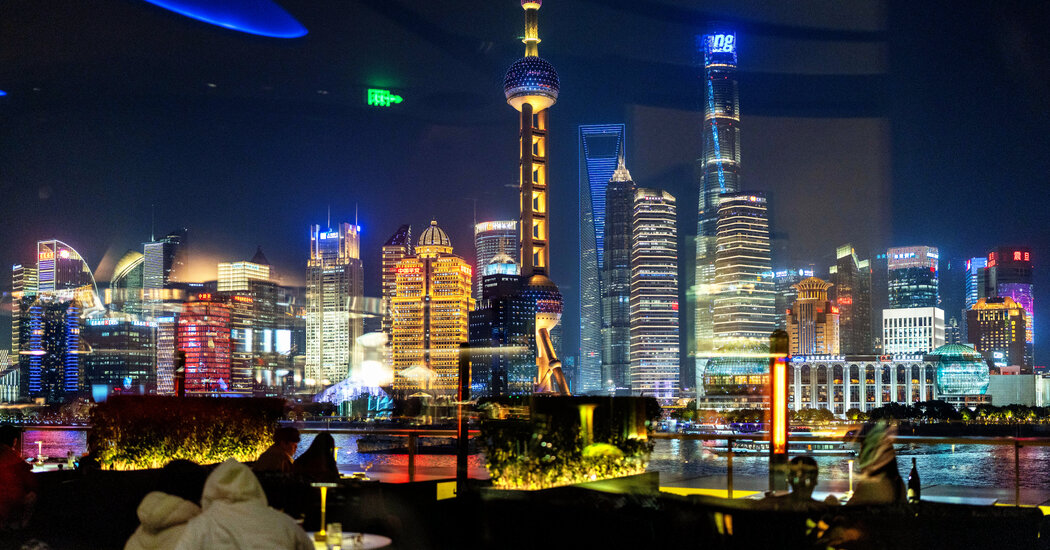

In the bustling veins of Shanghai, where history and modernity intertwine like the delicate layers of a perfectly crafted xiao long bao, we witness a vivid tableau of cultural resilience. The city’s culinary mosaic, from the intricate artistry of dumpling artisans on West Jianguo Road to the vintage allure of Zhaojiabang Road’s Shanghainese cuisine, embodies a broader cultural narrative—one that champions tradition as the backbone of identity. As Ortega y Gasset once opined, “The spirit of a people is its memory,” and nowhere is this more apparent than here, where every dish and every storefront whispers stories of a collective past, yet pulses with the life of an ever-evolving society.
Yet, Shanghai’s approach to culture is no mere preservation; it is a proclamation of innovation rooted in tradition. The city’s fashion scene, exemplified by Label Del and Labelhood House, invites a reimagining of cultural motifs, translating the elegance of Tang Dynasty aesthetics into contemporary textile art. As Tocqueville observed in his analysis of democratic societies, the vitality of a people is measured by their capacity for creative synthesis—combining the old with the new, the artistic with the functional. Shanghai’s fashion and design districts are testament to this, serving as landmarks of a cultural renaissance that recognizes the importance of identity tied to a living tradition.
Moreover, the city’s embrace of holistic wellness through Traditional Chinese Medicine—such as the Tuina massage at Kang You Si Ji—embodies a nuanced understanding: that culture is as much about spiritual and physical harmony as it is about historical continuity. Chesterton’s thoughts on the “spiritual health” of a society resonate here, emphasizing that culture sustains a people’s sense of purpose and unity. This ancient practice, with roots over two millennia, underscores a universal human pursuit—to align body and soul, to find harmony in the rhythms of history and nature. It remains a vital counterpoint to the relentless pace of modern life, anchoring the city’s soul in age-old wisdom.
As evening falls, the cultural dialogue deepens. The Mi Shang Prada Rong Zhai offers an opulent interfacing of art and history, conjuring the cinematic sheen of Wong Kar-wai’s “In the Mood for Love”. Within its mirrored, gilded spaces, tea becomes a ritual—an act of deliberate remembrance, a glimpse into the poetry of everyday life. Here, society recognizes that culture is both memory and prophecy: a collective consciousness beckoning us toward unseen horizons, rooted in the elegance of the past but infused with the daring of innovation.
In seamlessly blending the traditional with the avant-garde—be it through the nostalgic ambiance of jazz-clad nightclubs or the avant-garde art exhibitions—Shanghai exemplifies an enduring truth: that culture is the living fabric of a society, weaving the stories of yesterday with the aspirations of tomorrow. As Eliot wrote, “our future depends on how well we remember,” and in Shanghai, this memory is a luminous beacon guiding society through the labyrinth of change. In the end, culture remains humanity’s most poetic legacy—a symphony of memory and prophecy echoing through the corridors of time, beckoning each of us to partake in its boundless, eternal dance.