Matox News

Truth Over Trends, always!

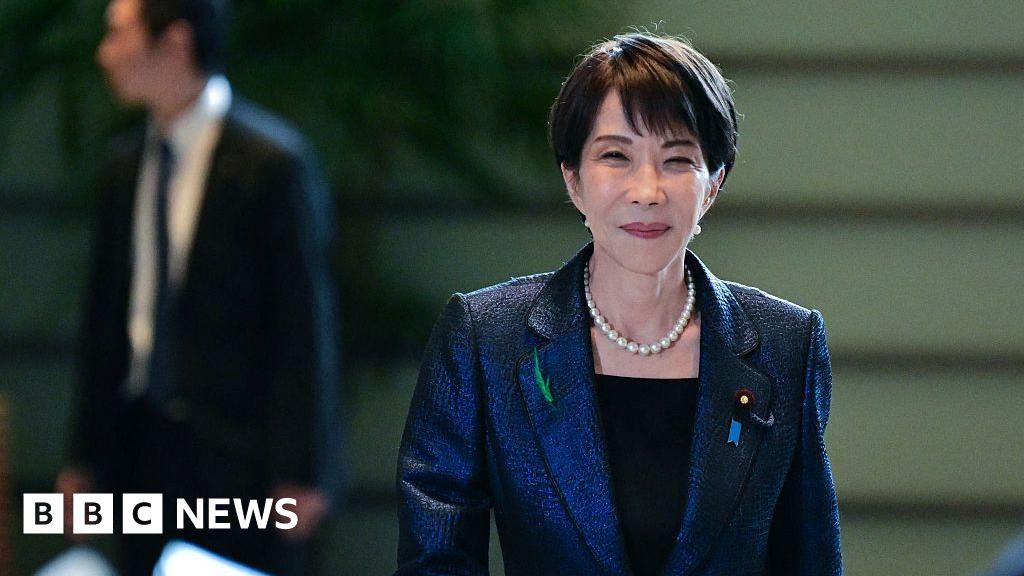
Japan eases arms export limits, shifting away from post-WW2 pacifist stance

In a significant shift poised to reshape global military dynamics, Japan has cleared the way for the export of weapons to more than a dozen countries. This development marks a decisive departure from Japan’s post-World War II pacifist stance, which historically emphasized non-aggression and limited military engagement. The recent policy change, formalized through domestic legislative adjustments, enables Japan to proactively sell defense equipment and technology, thereby positioning itself as an emerging player in international arms markets.

Experts and analysts from across the geopolitical spectrum recognize this move as a clear indicator of Tokyo’s rising ambitions and strategic recalibration. According to senior officials at the International Institute for Strategic Studies (IISS), this shift could significantly enhance Japan’s influence in regional security architectures, particularly within the Indo-Pacific corridor—a zone increasingly contested by greater powers. By expanding its arms exports, Japan aims to bolster alliances with partner nations, secure lucrative markets, and assert its own defense industry on the world stage. However, critics argue that such actions carry risks, including escalation of regional conflicts and complicating diplomatic relations with nations wary of Japan’s rearmament.

This decision also holds profound geopolitical impact on neighboring superpowers and global institutions. Beijing and Moscow have voiced cautious concern, viewing Japan’s rearmament as a potential threat to regional stability. Meanwhile, Washington has welcomed Japan’s expanded defense role as a means to balance China’s growing influence and to strengthen the collective security framework of the Quad alliance, which includes the United States, India, and Australia. The U.S. State Department has publicly underscored Japan’s right to self-defense, framing this move as a vital component of the Indo-Pacific’s strategic fabric.

Historical and policy analysts underline that Japan’s pivot towards active arms exports reflects a broader global pattern where nations are recalibrating their military strategies amid ongoing conflicts and geopolitical upheavals. Historian Dr. Lucas Ardley notes, “This shift is emblematic of a larger trend: nations once wary of militarization are now rediscovering the importance of strategic autonomy and technology sovereignty.”

Key implications include:
  • Enhancement of Japan’s defense industry and technological innovation trajectory
  • Potential proliferation of weapons technology into fragile regions
  • Reconfiguration of regional power balances and alliances
  • Increased pressure on international diplomatic efforts to control arms escalation

As Japan embarks on this new chapter, the world must reckon with the profound implications of a pacifist nation rearming itself in an era marked by regional flashpoints and geopolitical uncertainty. The historic decision fuels a narrative of national sovereignty asserting itself against a backdrop of global instability, underscoring that history is always moving forward, often unpredictably. For many, the question remains: can Japan navigate this new trajectory without igniting a broader arms race, or will it simply mark the beginning of a new era of militarized diplomacy? Only time will tell, yet the weight of history continues to press heavily upon the unfolding future.
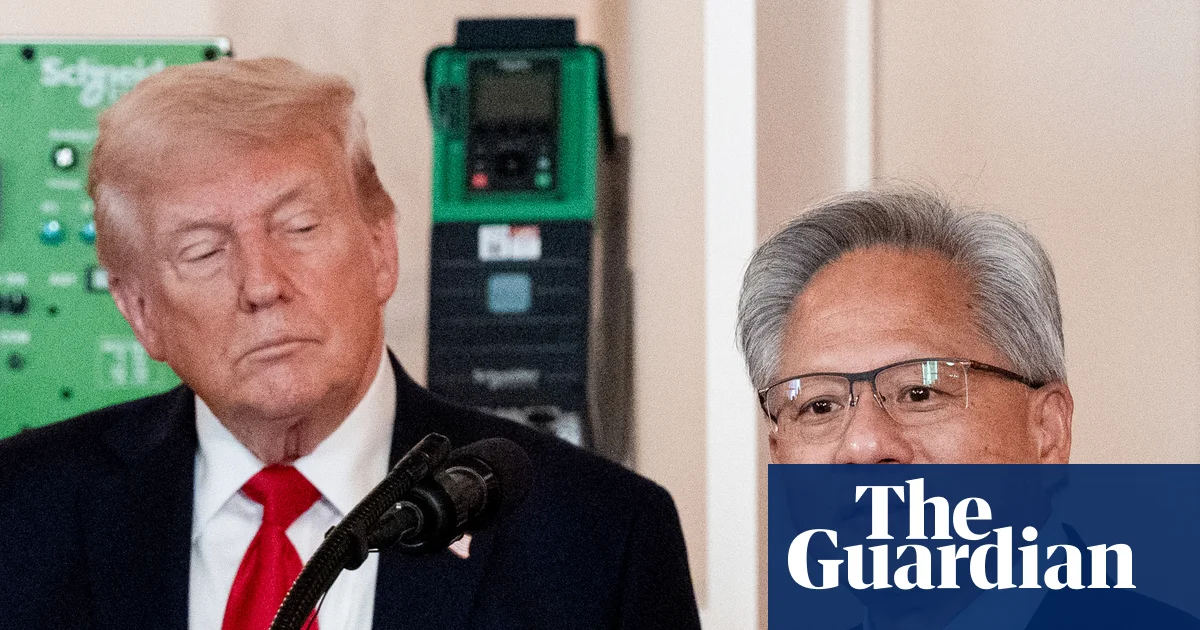

Trump Paves Path for Nvidia to Export Advanced AI Chips to China

US-China Tech Duel Reshapes Geopolitical Landscape

In a dramatic turn of events, former President Donald Trump has authorized Nvidia to resume sales of its advanced AI computer chips to China, breaking decades of strict export controls designed to safeguard US national security interests. This decision marks a significant divergence from previous administrations’ policies, which prioritized technological supremacy and the containment of Chinese technological ambitions. The move was announced via social media, with Trump asserting that the US would “allow NVIDIA to ship its H200 products to approved customers in China, and other Countries,” and emphasizing that the US would retain a 25% share of proceeds—more than the prior 15% agreement. Such a financial arrangement signals a strategic pivot, highlighting the evolving calculus over global technological dominance and economic leverage.

However, this shift isn’t without controversy. Congressional Democrats like Elizabeth Warren and Andy Kim voiced substantial criticism, warning that such sales could empower China’s surveillance, censorship, and military capabilities. Their concerns underscore a broader debate: does the pursuit of economic gains outweigh the risks to security and sovereignty? The reassessment of US-China relations under the shadow of new geopolitical realities is emblematic of a larger struggle—one that involves not only technology but the very fabric of international power. Although Trump’s administration claims these steps bolster US manufacturing and job creation, critics argue that they could inadvertently accelerate China’s technological independence—a development that could have long-lasting destabilizing effects on global balance of power.

Meanwhile, China has responded cautiously, with the foreign ministry noting that “China and the United States can achieve mutual benefit” through “cooperation.” Yet, behind these diplomatic words lies a complex chessboard of strategic calculations. Chinese regulators are reportedly debating whether to curtail or facilitate the import of Nvidia’s chips, an indication that the internal dynamics within Beijing itself remain unsettled. As analysts like Ma Jihua observe, years of restrictive policies have inadvertently created opportunities for China’s burgeoning domestic chip industry. The current liberalization of US exports could thus serve as a catalyst—either as a boon or a challenge. Historically, such decisions ripple across the entire geopolitical fabric—stoking fears of a new class of technological arms race.

The geopolitical impact of this development is profound. By reconfiguring the rules of engagement in AI technology—a sector many analysts call the “new frontier of military and economic power”—the United States has opened a new chapter in the competition for global dominance. The move fuels the ongoing narrative of a great power rivalry, where economic policy intertwines with national security, and technological innovation becomes the battleground for influence. As the world watches, this unfolding saga will determine whether nations can balance progress and security, or whether the chaos of uncontrolled competition will fuel conflicts that threaten the stability of the international order. The choices now being made echo through history, shaping a future where the line between cooperation and confrontation will become increasingly blurred, leaving the course of history suspended in a tense, uncertain horizon.

Social Media Auto Publish Powered By : XYZScripts.com


