
Matox News

Truth Over Trends, always!

Experts warn: Climate crisis fueling brutal US weather extremes

The current climate upheavals across the United States serve as a stark warning to the world about the escalating crisis brought on by global environmental mismanagement. This March, Americans have witnessed an unprecedented array of weather extremes, from flooding in Hawaii to rare snowfalls in Alabama, and an intense heatwave scorching the West Coast. These phenomena are indicative of larger, systemic changes in Earth’s climate system, a reality acknowledged by climate experts who suggest that the severity of recent events points to a “climate change footprint.” As the jet stream’s behavior becomes more erratic due to rising global temperatures, the United States finds itself caught in a vortex of unpredictability, with consequences that ripple far beyond national borders.

The geopolitical impact of these climate phenomena extends into heightened tensions over resource control and international stability. Countries with vast dependencies on agriculture, water supplies, and energy are increasingly vulnerable as climate disruptions threaten food security and economic stability. Analysts from the United Nations Climate Change Panel warn that the pattern of record-breaking heatwaves and extreme weather in the US mirrors trends seen in other parts of the world, signaling a shift toward a more chaotic climate regime. These shifts are fueling geopolitical frictions as nations scramble for scarce resources, and populations face growing hardship. The stark reality is that climate change is no longer a distant threat but an immediate challenge, forcing governments and societies to confront the cascading geopolitical ramifications of environmental neglect and policy failure.

Historical scholars and international organizations have long forewarned that dire environmental crises can accelerate geopolitical conflict; today, their warnings are coming true. Recent years have seen a surge in climate-related disasters, which analysts assert are exacerbated by political inertia and funding cuts, notably in the US, where funding to agencies like FEMA has been reduced. This decline in preparedness, despite mounting evidence of worsening conditions, leaves nations—including the US—more vulnerable to natural disasters’, destabilizing impacts. As climate scientists argue, these extreme events are not isolated but part of a broader trajectory—one marked by increased frequency and ferocity of heatwaves and storms. What is truly alarming is the prospect that the current wave of record-breaking heat might surpass even April’s historical temperature benchmarks, signaling an ominous shift in global climate patterns.

The unfolding story of climate chaos is intertwined with political decisions that could either mitigate or accelerate these trends. The US, as a geopolitical leader, has the capacity—and responsibility—to galvanize international cooperation on climate action. Instead, funding cuts and policy ambivalence threaten to undermine global efforts. The narrative is clear: as natural disasters intensify, they serve as a reminder of the urgent need for bold, coordinated action. Looking ahead, the world stands at a precipice; the choices made today will dictate whether humanity can stabilize this runaway climate crisis or succumb to the chaos it breeds. The pages of history are turning swiftly, and the weight of the future presses heavily on us all, as we watch the environment’s grand, tumultuous story continue to unfold amid the echoes of a warming planet.
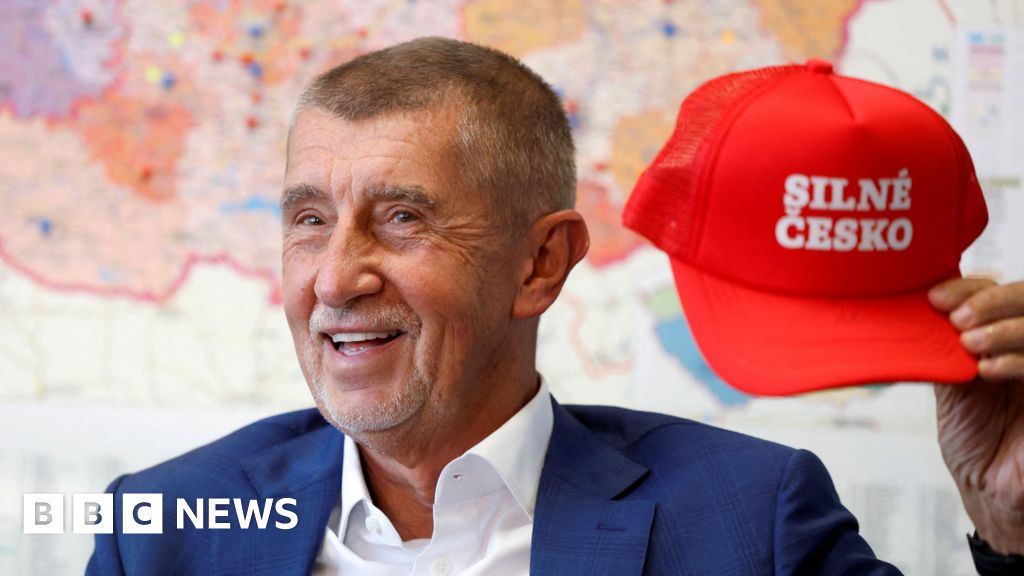

Czech Populist Babis Seeks Power, Could Rely on Extremes to Win

The upcoming Czech Republic elections have become a focal point for geopolitical tensions roiling across Europe, amid fears of a shift towards far-right nationalism and pro-Russian sentiments. As voters prepare to go to the polls, analysts warn that the election results could significantly reshape the country’s foreign policy stance and regional security commitments, especially in the context of a Europe still grappling with the aftermath of Russia’s invasion of Ukraine. The rise of populist Andrej Babis, a billionaire with openly nationalist rhetoric, signals a potential departure from the established pro-Western consensus that has underpinned EU and NATO solidarity for decades. Many security experts pronounce this election as a *turning point*—a moment that could determine whether the Czech Republic deepens its cooperation with Western allies or drifts closer to Moscow-friendly factions, with far-reaching consequences for European stability.

During his campaign, Babis has explicitly rejected any possibility of “dragging the Czech Republic to the East,” positioning himself as a defender of traditional Western alliances. In rallies outside Prague, he asserted, “We’ll never drag the Czech Republic to the East. I can absolutely rule that out,” referencing the Czech government’s previous actions, such as expelling Russian diplomats after revelations of Russian intelligence operations in 2014. His rhetoric echoes a broader populist wave across Central Europe, where parties inspired by alternative nationalism and skepticism of the EU’s reformist agenda seek to reshape the continent’s geopolitical trajectory. These parties, including potential coalition partners like the ultra-nationalist SPD and anti-green groups, signal a possible reorientation away from collective security and toward individual nationalist agendas that threaten to destabilize the European project. As historian Dr. Helena Novak explains, these developments risk echoing the divisive politics that have unsettled Hungary and Slovakia, where recent governments have questioned alliances with NATO and shown sympathies to Moscow.

Meanwhile, the European Union and NATO are closely monitoring these political shifts, recognizing the undeniable geopolitical impact of a Czech government that veers towards *melded* alliances with Russia. Security experts warn that a tilt away from commitment to Ukraine might embolden Kremlin disinformation campaigns and cyberattacks aimed at destabilizing Western democracies. Roman Maca, a security analyst, emphasizes that “Russia is waging a massive campaign of disinformation against the Czech Republic,” with suspected cyber-operations and even cases of arson linked to pro-Russian factions. The presence of Russia-friendly parties within any future government could serve as a critical lever for Moscow to undermine NATO’s eastern flank and diminish Western unity. Such shifts threaten not only European security but also the credibility of international institutions that have long relied on the Czech Republic as a steadfast member.

Finally, the election presents a moral dilemma for the country’s younger generation, with students and civic activists voicing fears over how the **decision** to lean towards Moscow or remain aligned with the West will determine their future. As 19-year-old Ondrej Kapralek articulates, “Russia is waging a massive campaign of disinformation,” raising alarms about the potential erosion of democracy and sovereignty. Meanwhile, veteran politicians and international observers fear that under the sway of populist leaders, the Czech Republic could follow the path of Slovakia or Hungary, both EU and NATO members increasingly under illiberal influences. The political landscape remains precariously balanced—yet the real question is whether this election will forge a new chapter of resilience or open the floodgates to history’s darker forces, threatening to rewrite the security architecture of an entire continent. As this story unfolds, one thing remains clear: the weight of history is not on pause; it is gathering force, and every vote will echo in the corridors of future power.”

Social Media Auto Publish Powered By : XYZScripts.com


