Matox News

Truth Over Trends, always!

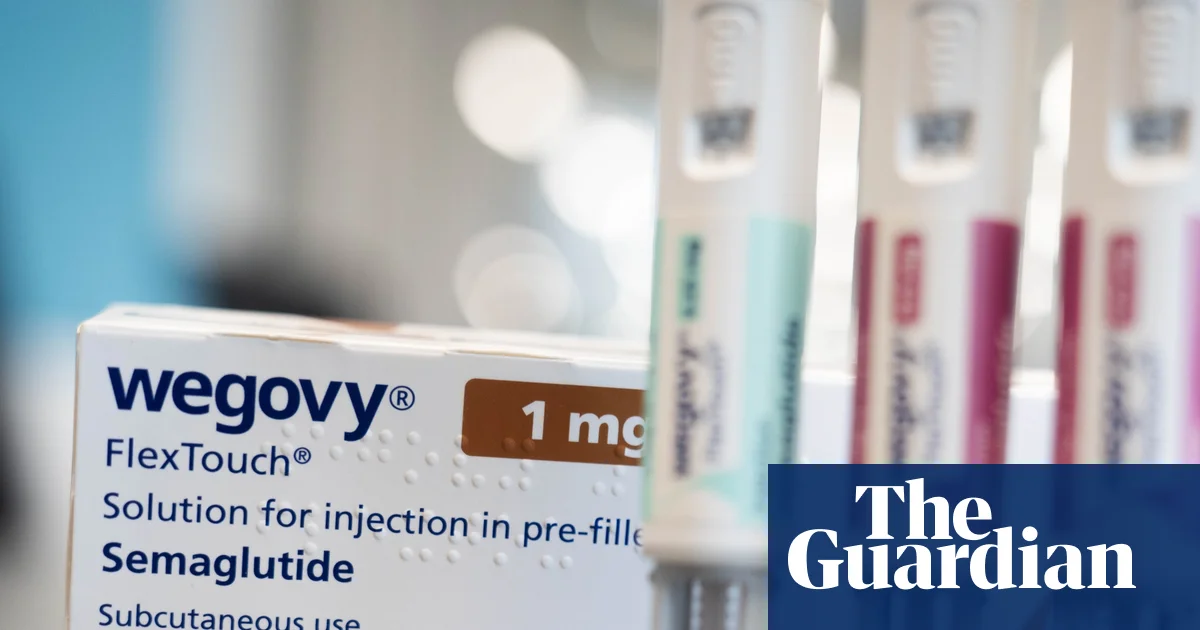
Study Finds Wegovy Users Face Five Times Higher Risk of Sudden Vision Loss than Ozempic Users

In recent years, health and wellness trends fueled by pharmaceutical innovations have gained significant traction among urban youth and working families. Drugs like Wegovy, Ozempic, and Rybelsus, marketed primarily for weight loss and diabetes management, have become widespread. However, emerging research has shed light on serious adverse effects that pose a threat not just to individual health but to the fabric of communities and families. A large-scale study recently published in the British Journal of Ophthalmology reports that patients taking Wegovy exhibit nearly five times the risk of sudden sight loss—specifically, non-arteritic anterior ischemic optic neuropathy (Naion)—compared to those on Ozempic. Such stark findings underscore a larger societal challenge: how quick access to pharmaceutical remedies can overshadow the importance of comprehensive health education and preventative care, particularly affecting vulnerable communities.

These “eye strokes,” which cause sudden and often permanent vision loss, highlight an often-overlooked ripple effect within families—loss of independence, increased care dependency, and emotional trauma. Historian and social critic, Dr. John Taylor, argues that societal focus on quick fixes fosters an atmosphere where short-term solutions eclipse long-term wellness. The disproportionate risk observed among men (who face a threefold greater chance of Naion than women) adds another layer of social tension: gender disparities within healthcare and the uneven distribution of risk. Moreover, these risks are compounded by a lack of widespread understanding; many families, especially those in socioeconomically disadvantaged communities, are left vulnerable to adverse effects that can destabilize their lives. As the data points out, around 1 in 10,000 people taking semaglutide experience Naion, a statistic that may seem small but represents a profound quality-of-life change for those affected. The findings have prompted regulatory agencies such as the UK’s Medicines and Healthcare products Regulatory Agency (MHRA) and European authorities to issue warnings—yet, critics argue these measures are reactive rather than preventive.

To address these burgeoning concerns, experts stress the importance of enhanced public awareness and responsible prescribing practices. The sociological perspective reveals that families and communities are often the first line of defense in recognizing early symptoms and advocating for safer alternatives. The challenge lies in mobilizing a societal shift towards prioritizing informed decision-making over the allure of immediate weight loss or disease management. Sociologists like Dr. Lisa Carter point out that education campaigns need to be deeply rooted in cultural competence and accessible messaging—a crucial step if we are to reshape a society where health risks are openly acknowledged and properly mitigated. Companies like Novo Nordisk emphasize their commitment to patient safety, yet critics claim that industry-led safety protocols should not replace a broader societal debate on the ethics of rapid drug deployment. As families grapple with the reality of drug-related risks, a future that truly prioritizes human well-being hinges on integrating social, medical, and ethical considerations. In this ongoing story of societal resilience, hope persists—a hope rooted in community awareness, moral responsibility, and the collective pursuit of a society where health innovations uplift rather than destabilize the core of social cohesion.

Swiss youth face referendum on cutting public broadcaster license fee—rights or restrictions?

In a significant development that signals a strategic pivot within Switzerland, the right-wing Swiss People’s Party has thrown its weight behind a contentious move to reassess national fee structures, citing the *unsustainable burden of high living costs* as the primary motivation. This decision underscores a rising tide of nationalism and economic conservative outlooks gaining ground in a country historically known for its pragmatic neutrality and economic stability. The backing of this policy by a major political faction signals potential shifts in the nation’s approach to social welfare and fiscal responsibility, which can ripple across the broader European landscape.

The party’s stance emphasizes that the current financial demands placed on citizens are *unjustified*, given the economic hardships many are facing amid global inflationary pressures. This evolving stance is not isolated; it reflects a wider movement within parts of Europe that are questioning longstanding social contracts and the sustainability of their welfare states. Analysts point out that such policy shifts, though seemingly domestic, carry profound geopolitical impact. They could embolden other nations to reconsider their own social spending, fostering a broader recalibration of European economic policies amid ongoing flux.

International organizations and global experts have taken note, raising concerns about the potential for increased social stratification and political instability if core benefits and fees are altered without careful safeguards. According to historians like Andrew Moravcsik, such moves are often pivotal in shaping a nation’s future political identity, especially when driven by parties with nationalistic ambitions. The decision to revisit fees in Switzerland resembles broader trends observed across conservative movements in Europe and beyond, which leverage economic frustration as a rallying cry to redefine borders—both physical and ideological.

As the debate unfolds within Swiss political corridors, the weight of history reminds observers that such decisions often serve as *turning points*, shaping future societal structure and international relationships. The question remains whether this push for overhauling fees will serve as a catalyst for returning sovereignty and economic independence or as a prelude to greater internal fragmentation. In an increasingly interconnected world, where every policy ripple can transform the fabric of nations, how Switzerland navigates this pivotal moment will undoubtedly influence the course of events for decades to come—leaving the course of history still uncertain, yet palpably imminent.

UK plans to suspend refugee family reunions face High Court challenge

The recent decision by the Home Office to suspend the right of refugees to reunite with their families in the United Kingdom has ignited a wave of controversy and legal challenges, signaling a concerning shift in the UK’s approach to humanitarian responsibilities. Safe Passage International, a prominent charity dedicated to assisting unaccompanied children and refugees, has secured permission to challenge this decision in the high court, asserting that the suspension breaches the UK government’s obligations to safeguard the welfare of vulnerable populations.

Historical analysts and international organizations have long recognized the UK’s role as a sanctuary for those fleeing war and persecution. However, recent policies are casting doubt on whether the nation’s commitments align with its moral reputation. The legal challenge alleges that the suspension not only neglects the welfare of children but also contravenes the Equality Act by ignoring the impacts on women, children, and disabled refugees. This legal confrontation underscores a broader debate: how should nations balance sovereignty, security, and humanitarian duty? Consequently, the UK’s decision could set a disturbing precedent, eroding its moral authority on the international stage.

Amid mounting domestic pressure and political upheaval, Home Secretary Shabana Mahmood is orchestrating further restrictions on asylum seekers, seeking to tighten the borders at a time when many see the UK’s refugee policies as increasingly inhospitable. This comes in the wake of criticisms from figures such as Yvette Cooper, who had previously suspended the family reunion pathway in September. The move, intended to last until “spring 2026”, includes plans for new income thresholds and English-language requirements—measures that critics argue are designed to make refugee resettlement virtually impossible, especially given current bans on asylum seekers working in the UK.

  • The suspension of refugee family reunification led to an increase in families being forcibly separated, adding trauma to already vulnerable populations suffering from war and human rights abuses.
  • Through official data, it is revealed that more than half of the 20,876 refugee visas issued between October 2024 and September 2025 were to children or women—victims most at risk under the new restrictions.
  • Activists warn that these policies could further incentivize dangerous smuggling routes, exacerbating the risks faced by migrants desperate to reach loved ones in the UK.

From a geopolitical standpoint, the UK’s policies reflect a broader international trend of tightening borders amidst rising populism and security concerns. Historians like Eric Hobsbawm have warned that such shifts threaten to turn nations inward, risking a retreat from global responsibility and solidarity. Meanwhile, the European Union, which once championed refugee rights through relatively lenient quotas and shared responsibilities, now faces its own internal struggles over migration policies. The UK’s approach may influence a domino effect, encouraging other nations to follow suit, leading to a fragmented international landscape where humanitarian values are sidelined for political expediency.

As the legal proceedings unfold and the UK government defends its policies, the world watches with mounting concern. The decisions taken today will shape the legacy of a nation that once symbolized hope for the oppressed. Will the UK uphold its moral duty to protect vulnerable refugees, or will it embody a new chapter of insularity and detachment from human rights? As history continues to write itself, one truth remains clear: the fate of these vulnerable souls hangs in the delicate balance of political will and international conscience. Ultimately, the unfolding drama serves as a stark reminder that in the global narrative, the true measure of a society is how it treats its most vulnerable in times of crisis—an enduring testament yet to be written, with the weight of the future resting heavily upon the actions taken today.

Ukraine negotiator shares firsthand: what it’s like to face Russia at the table

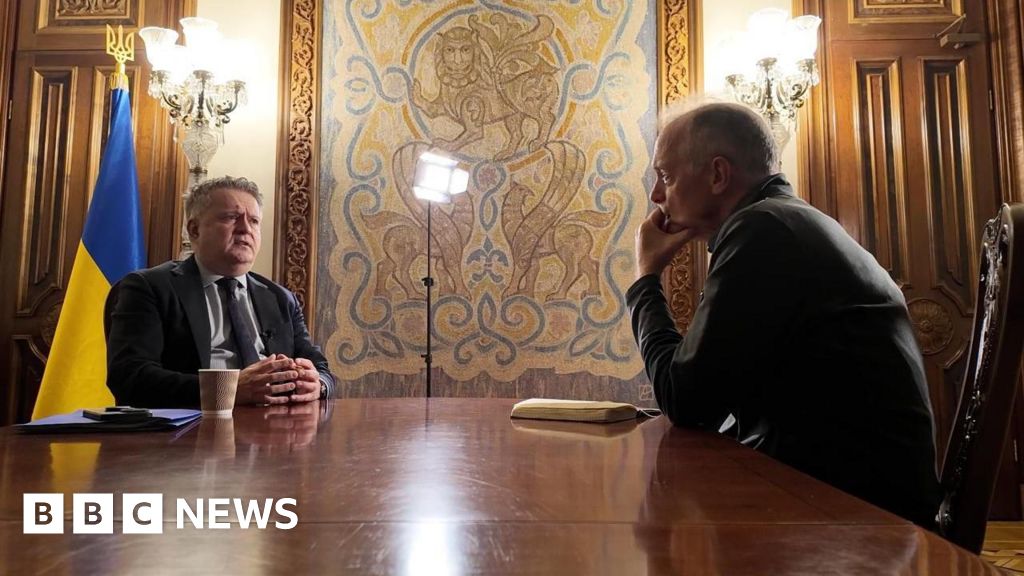
As the **conflict** in Ukraine approaches its fifth year, international focus intensifies on diplomatic efforts and the shifting landscape of global alliances. Serhii Kyslytsia, Ukraine’s ambassador to the United Nations, continues to be a prominent voice in negotiations, seeking ways to bring an end to the violence that has ravaged the Eastern European nation since 2018. Despite ongoing efforts, the situation remains fluid and fragile, with recent developments risking further destabilization of a region already scarred by years of warfare.

The international community remains sharply divided over the conflict’s root causes and the most effective path toward resolution. Critics argue that Russia’s persistent support for separatist movements and its strategic military interventions are undercutting diplomatic solutions. Meanwhile, Western nations, led by the United States and European Union, continue to impose economic sanctions aimed at pressuring Moscow into ceasing its military activities in Ukraine. However, many analysts warn that such measures only serve to deepen economic hardships and political instability within Russia, raising questions about the long-term stability of the region.

Key to understanding this crisis are the geopolitical implications of recent decisions by global and regional institutions. The North Atlantic Treaty Organization (NATO) remains steadfast in its support for Ukraine, providing military aid and bolstering defenses in Eastern Europe. Yet, this stance has intensified tensions with Russia, leading to fears of a broader, more destructive escalation—an outcome that many scholars like Dr. Maria Vetrov argue could redefine the security architecture of Europe for decades to come. Moreover, the expansion of NATO amid these tensions has been criticized by Moscow as a provocative encroachment upon what it claims to be its sphere of influence, fueling accusations of Western encirclement and interference.

Historically, experts emphasize that the conflict’s resolution hinges on complex negotiations, which are hamstrung by deep-seated mistrust and competing national interests. Serhii Kyslytsia’s diplomatic efforts exemplify the ongoing struggle to find a diplomatic avenue, but are often overshadowed by the broader geopolitical calculus. The implications extend beyond Ukraine’s borders; the conflict underscores a larger contest of influence that could shape international relations well into the 21st century. As the world witnesses the unfolding drama, the stakes are unmistakably high: the very fabric of European security and the principles of sovereignty and territorial integrity are at risk of becoming casualties in this prolonged struggle.

In the shadow of this conflict, the future hangs in the balance, with historians and global strategists warning that history’s next chapter could irrevocably alter the geopolitical landscape. The question looms: Will diplomatic efforts succeed in preventing further bloodshed, or are we witnessing the slow unraveling of a fragile peace that once seemed within reach? As the world observes with bated breath, the weight of history presses heavily on international shoulders, and the ending remains unwritten, yet undeniably imminent.

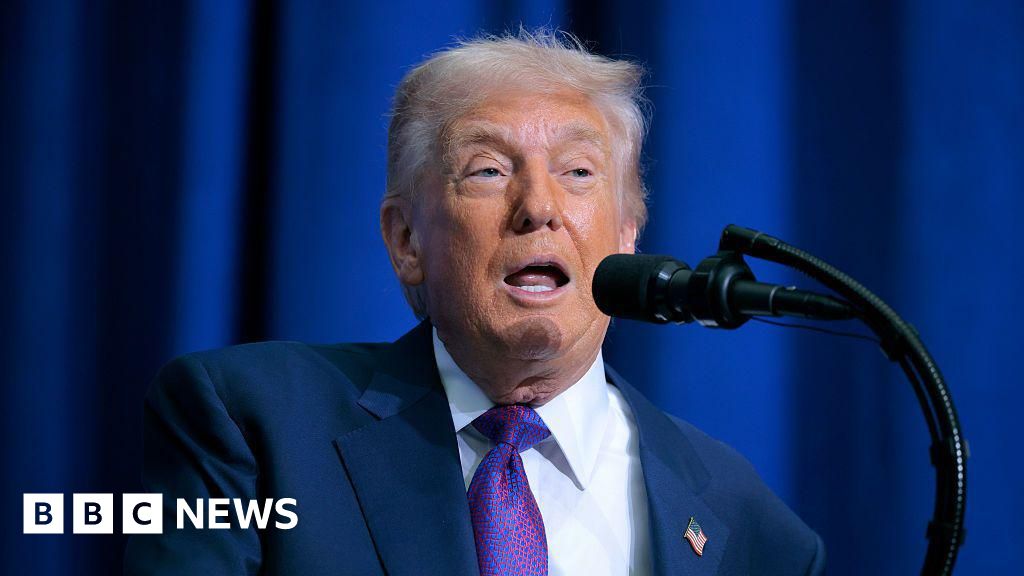
Trump issues warning to Netflix: Remove leading Democrat or face consequences

Controversy Sparks New Chapter in Global Media and Power Politics

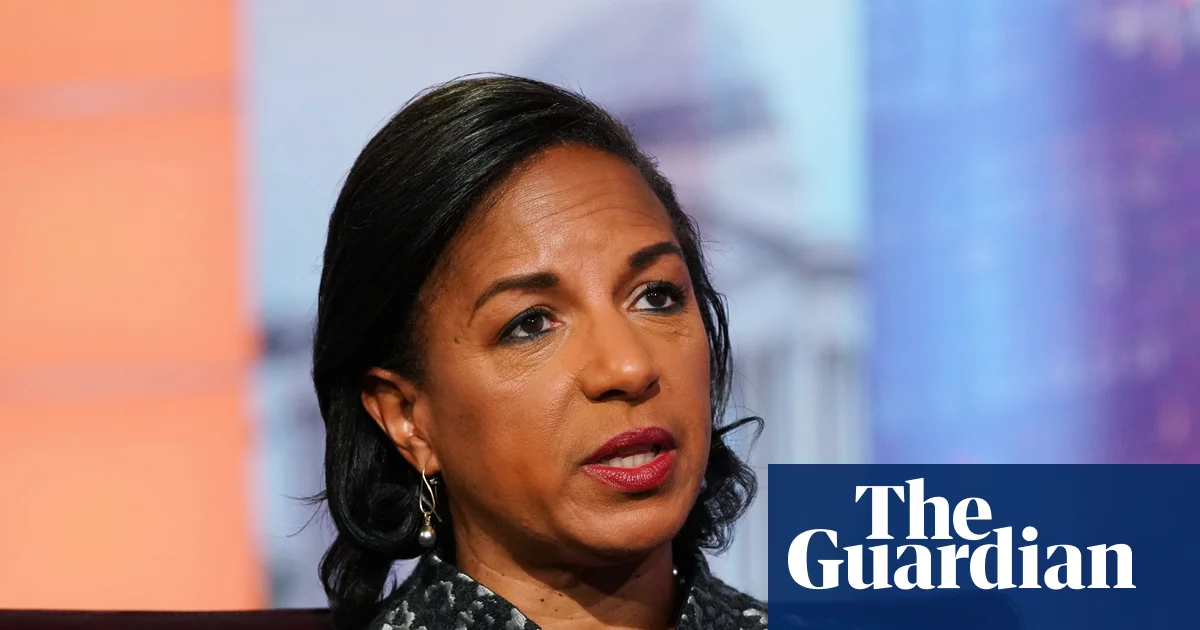
In an extraordinary display of interconnected power struggles, United States President Donald Trump has issued a direct threat to Netflix demanding the removal of Susan Rice from its board amidst a fierce corporate battle for control over Warner Bros Discovery (WBD). These comments, posted on his Truth Social platform, mark a bold intervention into not only entertainment industry politics but also reflect broader geopolitical tensions amidst the ongoing global realignment of influence. Former White House officials, besides Rice, have become pawns in an ideological clash that threatens to draw international attention, especially as major corporations become conduits for political agendas.

The backdrop to this controversy is the fierce bid war between Netflix and Paramount Skydance to acquire WBD’s lucrative assets, including the rights to iconic franchises like Harry Potter, Batman, and Superman, alongside streaming powerhouses such as HBO and its acclaimed series like Game of Thrones. Analysts warn that whether this deal goes through could have a profound impact on global media landscapes, creating a media titan wielding unprecedented influence over international narratives and cultural exports. This move reflects the consolidation of soft power through corporate dominance and exemplifies how economic leverage translates into geopolitical muscle. Washington’s stance suggests that any acquisition must receive federal regulatory approval, but Trump’s inflammatory comments serve to politicize the process and undermine international confidence in free-market principles, revealing a dangerous intersection of commerce and political vendettas.

The scandal deepens as Rice, an influential figure who served under Barack Obama and currently maintains a position on Netflix’s governance committee, became a target of Trump’s vitriol. His assertion that her “power is gone” and questioning her remuneration reveal a broader ideological battle—one where media influence is seen as a battleground for ideological dominance. Prominent international researchers and think tanks warn that the politicization of corporate governance and media assets fuels instability, potentially fostering regional conflicts as nations react to perceived external interference. Meanwhile, US political factions are divided, and global forces watch with caution as the tendency for such high-profile disputes to spill across borders grows ever more evident.

This unfolding saga is more than a battle over assets; it signals a pivot point in the rendering of geopolitical influence. The clash involving United States domestic politics, international media, and corporate sovereignty underscores a future in which economic powerhouses seek to shape global narratives and societal values. As global institutions remain watchful, historians like Fukuyama and Huntington warn that the lines between cultural influence and geopolitical strategy continue to blur, risking an era torn between the forces of capitalism and nationalist fervor. The next chapter in this fight for control may well determine if the world is steering toward a new era of unprecedented corporate domination, or if resistance by societies and nation-states will carve out a space for independence amid the chaos.

As the curtains close, the story remains unevenly written, with history once again echoing into the uncertain future. The question lingers—how will this battle for control over the streams of information and cultural icons ultimately reshape our global order? Only time will reveal whether these power plays forge a new era of dominant media empires or ignite a reckoning that reshapes sovereignty itself. For now, the world watches and waits, aware that history is not just being written—it is being violently reshaped, one deal, one tweet, one moment at a time.

Trump warns Iran: 10 days to seal deal or face serious consequences

The United States has recently initiated a significant military deployment to the Middle East, signaling a shift in both regional security dynamics and global strategic calculations. This move comes amidst high-stakes negotiations with the Islamic Republic of Iran over its contentious nuclear program. As diplomatic channels strain under the weight of decades-long mistrust, this military reinforcement underscores a broader narrative: the contest for influence and control in an already volatile region is intensifying, with worldwide implications.

The decision by Washington to escalate military presence is viewed by many analysts as a response to recent advancements in Iran’s nuclear capabilities, despite ongoing negotiations seeking a diplomatic resolution. According to experts such as Dr. James Steele, a senior analyst at the International Security Institute, “This surge of forces signals America’s readiness to project power and deter Iran from progressing further towards nuclear armament, which could destabilize entire regions.” The move also aims to reassure regional allies like Israel and Saudi Arabia, which have long expressed concerns about Iran’s regional expansionism and nuclear ambitions. The renewed military presence in key strategic locations around the Persian Gulf has consequently sent ripples through international markets, affecting oil prices and geopolitical alignments.

Historically, such troop movements often serve as a precursor to broader conflict or a reaffirmation of strategic commitments. In this instance, the decision comes at a critical juncture—as diplomacy remains fragile and trust diminishes. The United States is not acting in isolation: its allies in NATO and the Gulf Cooperation Council are watching closely, hinting at a potential escalation in regional security dilemmas. Meanwhile, Iran condemns these actions as provocative, warning that any aggression could be met with decisive responses, heightening fears of a wider confrontational spiral. The actions of Washington and Iran, therefore, underscore the delicate balance—where diplomatic efforts hang by a thread, and the possibility of conflict looms larger than ever.

International institutions and analysts recognize this moment as a turning point—one that could redefine the geopolitical landscape for decades to come. The United Nations and other global bodies have called for restraint, emphasizing that only through diplomatic engagement can peace be restored. Yet, history warns that such calls often go unheeded when national interests clash with the desire for regional dominance. The US and Iran now find themselves at a crossroads, where their choices will have profound implications for the future of international stability, regional sovereignty, and the global order. As the world watches with bated breath, the weight of history presses heavily on this moment—one that could either mark the beginning of a new era of diplomacy or plunge the Middle East into renewed chaos, forever shaping the course of the 21st century.

Starmer: Tech Giants Face 48-Hour Deadline to Act Against Revenge Porn or Risk Bans

The United Kingdom is taking a bold stand to combat the rising tide of nonconsensual digital content and AI-facilitated abuse. Prime Minister Keir Starmer recently declared a “national emergency” against the proliferation of deepfake nudes and revenge porn, emphasizing the urgent need for decisive government intervention. This new policy aims to enforce a stringent 48-hour window for the removal of illicit images once flagged, with the goal of significantly curbing the spread of this harmful content across social media platforms, pornography sites, and beyond. Such measures highlight a conscious shift towards holding technology firms accountable, especially under the scrutiny of the Ofcom regulator, which is expected to be empowered by the summer to enforce these rules.

This crackdown is not merely about privacy or decency; the layout of international, societal, and geopolitical dynamics is at play. Britain’s push for stricter online safety laws echoes a broader global trend where governments increasingly seek to regulate AI tools and digital content that threaten societal norms and threaten individual safety. The recent controversy surrounding Elon Musk’s Grok AI tool—which generated nonconsensual sexual images—serves as a stark reminder of how innovative technology can be weaponized in ways that magnify harm. Critics argue that the lack of effective regulation allows deepfake technology to flourish unchecked, fostering a digital environment where victims of abuse and extortion find little refuge. By enforcing rapid removal timelines and legislating against AI-generated offensive material, the UK aims to set a precedent that can resonate outside its borders, challenging other nations to follow suit in protecting societal moral standards.

Analysts and international organizations observe that the UK’s legal reforms are a significant step in how regulatory decisions impact global tech companies. The threat of fines—up to 10% of worldwide revenue—and potential service bans are a clear indication that Big Tech will face serious consequences if they fail to act swiftly.

  • The implementation of digital watermarks for illicit “revenge porn” images aims to enable automatic detection and removal, reducing the burden on victims who often have to repeatedly report the same content.
  • Attempts to regulate AI-generated explicit images balance between safeguarding victims and upholding free speech, a delicate dance that underscores the ongoing struggle for responsible innovation.
  • The broad scope of the law, which extends to “rogue websites,” signals a firm stance on disrupting black markets for illicit content, even beyond the UK’s borders.

This move underscores a broader challenge: how to effectively hold powerful institutions accountable and address deep-rooted cultural issues. Prime Minister Starmer’s focus on cultural reforms—particularly his efforts to challenge misogyny within government and politics—illustrates a recognition that technological regulation alone cannot solve societal misogyny or gender-based violence. As he critiques the “institutional misogyny” woven into UK society, his emphasis on elevating women in government reflects an understanding that real change demands both policy and cultural overhaul. Meanwhile, political scandals such as the controversy over Peter Mandelson’s connections to Jeffrey Epstein serve as a stark reminder of the persistent failures endemic to the ruling elite. This is a pivotal moment—one where the decisions made will echo through a fractured political landscape and test the resilience of democratic institutions.

As digital freedoms meet the relentless march of regulation, history continues to forge its course in the uneasy balance of liberty and control. The UK’s efforts, rooted in the acknowledgment of the profound geopolitical and societal consequences, demonstrate that the fight against misuse of technology is far more than a matter of mere policy. It defines the very fabric of moral authority in this new era, where every decision carved into the stones of law could either fortify the foundations of justice or erode them beneath waves of unchecked power. The unfolding saga promises a future fraught with challenge and upheaval—yet it is precisely within this crucible of conflict that the forces shaping tomorrow’s society are being forged in the fires of necessity and resolve.

Police urged to investigate: Will Prince Andrew face questions over Epstein ties?

The unfolding revelations surrounding Prince Andrew and his alleged connections to Jeffrey Epstein have ignited a firestorm across international political landscapes, revealing the darker underbelly of elites and the far-reaching geopolitical impact of scandal and secrecy. As investigations intensify, questions about How deep character and institutional complicity run threaten to redefine perceptions of royal authority, diplomacy, and Britain’s global standing. Academic analysts and organizations like Interpol and Amnesty International warn that such exposures could undermine *public trust* in both monarchy and democratic institutions—a formidable challenge for nations that value transparency but are reluctant to confront their shadows.

The UK is at a pivotal crossroads. Growing pressure from lawmakers, international partners, and victim advocacy groups compels a reconsideration of longstanding narratives surrounding the royal family’s immunity. Evidence uncovered by investigative journalists suggests links between Mountbatten-Windsor and clandestine flight operations through UK airports, allegedly involving vulnerable women transferred via private planes owned by Epstein. Former Victims’ Commissioner Vera Baird emphasized that *the police must pursue these leads vigorously*, warning that *political inaction or institutional cover-ups* could fatally erode **faith in democratic systems**. The repercussions extend beyond Britain, affecting alliances with Commonwealth nations and influencing perceptions of Western governance on the world stage.

This scandal also strikes a blow to the monarchy. During a week marked by intense scrutiny, King Charles and his courtiers publicly declared a *“profound concern”* while asserting their willingness to cooperate with law enforcement. Yet, critics—including human rights advocates and anti-monarchy activists—highlight that *the royal family’s historical distance from accountability* complicates efforts for justice. As multiple emails and photographs come to light, depicting Prince Andrew in compromising situations, experts warn that *the very institutions that once shielded royal misconduct are now under siege*. The question of whether elite privilege can withstand the weight of these allegations remains an open, and unsettling, one.

Meanwhile, international organizations warn that this scandal illustrates the **new geopolitical terrain**, where *private wealth, power, and influence are intertwined with criminal activities*. The情况 shows how *transnational networks* operate under the veneer of diplomatic missions and global business, with China and Hong Kong among critical nodes in Epstein’s complex web—an area now being scrutinized for possible foreign influence and corruption. Historian Dr. Thomas Gray notes that *these scandals highlight the erosion of soft power* when elites abuse their positions, marking a dangerous turning point where diplomatic relations could falter. As investigations broaden, the world watches, awaiting the verdict that might reconfigure international diplomacy and the very narrative of justice itself.

As the pages of history continue to turn, the weight of these revelations lingers—an ominous reminder that *the truth often emerges from the shadows in moments of crisis*. The ongoing inquiry into Prince Andrew’s dealings, and those linked to Epstein, becomes more than a tale of individual misconduct; it is an unfolding saga that questions the integrity of power structures, the resilience of accountability, and the destiny of societies at their crossroads. Will this be a turning point—a moment to confront the shadows and forge a new path toward justice? Or will it fade into the silence of history’s forgotten corridors, as the forces of privilege and denial attempt to preserve their legacy? Only time will tell, but the future remains unwritten, and the echoes of these events will undoubtedly resound for generations to come.

E-bike injuries double at Sydney hospital—youth face rising risk of serious crashes

Australia Confronts E-bike Injury Surge: A Growing Threat to Society and Public Health

Amidst a global push towards sustainable urban transportation, Australia finds itself grappling with a troubling rise in e-bike related injuries, highlighting the complex challenges of innovation in modern cities. Recent data from St Vincent’s Hospital in Sydney reveals a staggering doubling of serious e-bike injuries in 2025 compared to the previous year, with a 350% increase since 2023. This statistic underscores a critical international issue—the unintended consequences that accompany technological adaptation. With over 200 cases requiring trauma response and nearly half necessitating surgical intervention, the aftermath paints a stark picture of how fast-paced, and sometimes reckless, adoption of new transport modes can destabilize societal safety nets.

This surge in injuries raises broader geopolitical and policy questions. The Australian government’s 2021 relaxation of import standards—aimed at encouraging cleaner transportation—accidentally facilitated the influx of illegal modifications and overpowered e-bikes, which now dominate accidents statistics. The recent re-tightening of standards in late 2025—restricting motors to 25 km/h and 250 watts—reflects a reactive step, yet the damage has been done. Analysts suggest that the unintended consequence of such policies might be a rise in emergency hospitalizations, especially when considering the illegal modifications making bikes faster and more dangerous. This phenomenon highlights how policy shifts can create societal ripple effects, necessitating more balanced, preventative approaches that prioritize safety over pushy innovation.

The international community and public health experts warn that Australia’s experience may soon mirror an emerging global crisis. Countries like Queensland report similar injury increases, with preliminary police data indicating four fatalities in 2025. Global organizations such as the World Health Organization have already flagged the rapid uptick in e-bike injuries as a potential health emergency. The surge predominantly affects young adults in their 30s, with reports suggesting an increasing incidence among younger populations. Experts caution that the dangers are amplified at night and under the influence of alcohol or drugs, making the injuries more severe and difficult to prevent. Such patterns threaten to strain healthcare systems worldwide and challenge the priorities of urban planners, law enforcement, and public health officials who must now address the fallout from ill-regulated e-bike proliferation.

As nations try to balance the benefits of eco-friendly mobility with public safety, the weight of history looms large. The urgent need for international cooperation, stricter safety standards, and public awareness campaigns is no longer optional—it is a matter of societal survival. The escalating toll serves as a sobering warning of how rapid technological changes, when left unchecked, can spiral into crises that threaten to unravel the social fabric. As cities and countries face the consequences of their choices, the story of e-bikes in Australia—yet again—becomes a narrative about the very limits of progress and the unyielding weight of history still unfolding on the streets of the future.

Queensland’s new gun laws face backlash as critics call them the weakest in Australia

In a move that exemplifies the ongoing global struggle between individual freedoms and government control, Australia’s states and territories are enacting divergent policies on firearms and free speech. The recent decision by Queensland to uphold the weakest gun laws in the entire country marks a notable shift in the nation’s legislative landscape. Despite widespread calls for reform following heinous shootings, Queensland’s Premier, David Crisafulli, has dismissed demands for tighter restrictions, signaling a focus on protecting domestic gun owner rights over public safety.

This stance aligns with a broader pattern of resistance to federal initiatives, such as the proposed nationwide gun buyback scheme championed by Prime Minister Anthony Albanese. While other states, including New South Wales, have aggressively tightened firearm regulations—capping firearms per licence holder and banning rapid-fire weapons—Queensland chooses to reject these measures outright. By refusing the buyback and avoiding restrictions on the number or type of firearms, Queensland asserts its sovereignty, prompting critics and advocacy groups to accuse the government of prioritizing the interests of the firearm industry over collective safety. Such discord highlights the fracturing of national policy, as states act as independent centers of legislative power, shaping the social fabric in unique ways.

Meanwhile, internationally, analysts warn that these Australian policies reflect a concerning shift in how governments approach public safety through legislation. Organizations like the International Institute for Democracy and Electoral Assistance have expressed concern that laws which broaden police powers—such as those proposed to regulate terrorist activities and hate speech—could dangerously infringe on fundamental free speech rights. In Queensland, legislation aimed at banning the protest chant “from the river to the sea” epitomizes this tension, provoking fierce debate on how far governments can go in limiting expressions they deem offensive or threatening. Critics argue that enabling authorities to criminalize specific slogans under the guise of fighting hate speech risks paving the way for authoritarian overreach—an ominous warning echoed by civil liberties groups across the globe.

Historians caution that such legislative shifts are not inconsequential; they may serve as precursors to broader societal transformations. Many fear that the formulation of criminal laws targeting speech and firearm ownership signals an ideological battle to redefine civil liberties. As analysts like Professor Mark Latham observe, the specter of state overreach looms large when government officials prioritize control over individual rights. The unfolding story in Australia, therefore, is a microcosm of a worldwide contest: how to preserve personal freedoms in the face of emerging threats and shifting political priorities. With each government decision crafting new boundaries of acceptable conduct, history continues to be written, often in the resistance of those who dare to speak out.”

Social Media Auto Publish Powered By : XYZScripts.com