Matox News

Truth Over Trends, always!

Will Hong Kong’s media titan Jimmy Lai face a prison death? – The Latest | Jimmy Lai

Jimmy Lai Sentenced in Hong Kong: A Turning Point in Global Politics

In a move that signals a pivotal shift in the geopolitical landscape of Asia, Hong Kong‘s judiciary has handed down a 20-year prison sentence to renowned media mogul and pro-democracy advocate Jimmy Lai. The verdict, rooted in charges of sedition and conspiracy to collude with foreign forces, represents a stark escalation of Beijing’s tightening grip on the semi-autonomous city, where the balance between civil liberties and unified control is increasingly fragile. Lai’s conviction follows a series of escalating measures aimed at stifling dissent, with critics warning that this marks a new era of authoritarian assertiveness disguised as legal action.

The Chinese Communist Party (CCP) leadership explicitly views Lai’s case as a warning against foreign interference and a lesson in loyalty. Historically celebrated as a champion of free press and democratic values, Lai now faces a prolonged imprisonment amidst his declining health at age 78. This case is not merely about one individual but is emblematic of broader efforts to recalibrate Hong Kong’s special status since the 2019 protests. Analysts argue that this demonstrates how the CCP leverages legal systems to consolidate power, signaling to international observers that any challenge to its sovereignty will be met with unwavering harshness.

  • In December, Lai was convicted after pleading not guilty to the charges—an act seen by many as a statement of protest against what critics characterize as Beijing’s erosion of Hong Kong’s promised freedoms. The sentence has triggered international condemnation, with governments like the United States and United Kingdom issuing statements warning of the diminishing autonomy of Hong Kong and the threat to global standards of human rights.
  • The verdict is also a reflection of how the National Security Law, imposed by Beijing in 2020, has reshaped Hong Kong’s legal landscape, bypassing the common law system that once protected free speech. This legal framework has effectively criminalized dissent, making Lai’s case a high-profile example of what critics call the crackdown on civil society.
  • International organizations, including Amnesty International and the United Nations, warn that such measures threaten the global reputation of China and undermine the principles of democracy and rule of law cherished worldwide.

This case’s reverberations extend beyond Hong Kong, impacting regional stability and US–China relations at a time when geopolitical tensions are already at a boiling point. The United States, by reaffirming its commitment to human rights and free expression, is positioning itself as a counterbalance to Beijing’s authoritarian ambitions, which many see as part of a larger struggle for influence across the Indo-Pacific.

As historians and analysts debate whether Lai’s imprisonment marks a new chapter of international authoritarianism or a temporary setback in Hong Kong’s fight for democracy, the global community must grapple with the truth that history is now being written in the shadows of Chinese tanks and courtrooms. The weight of the past lingers, but the future remains uncertain—yet undeniably, the actions taken today will echo into the coming generations as either the preservation of liberty or its irreparable loss. With each legal salvo, the unfolding story reminds us of how fragile freedom can be when neglected or suppressed, and how history’s pen is never at rest.

Social media giants face lawsuits over mental health harm—are their platforms driving addiction among today’s youth?

Global Impact of the Social Media Addiction Trials and Their Geopolitical Significance

In what many analysts describe as a pivotal moment in the ongoing battle over the influence of tech giants on society, legal proceedings against Meta, YouTube, Snap Inc, and TikTok are taking center stage. Dubbed the “social media addiction trials”, these lawsuits are rooted in allegations that these platforms have caused significant harm to minors’ mental health, including depression, eating disorders, and catastrophic cases of self-harm and suicide. While the scientific community remains divided on whether social media can truly be classified as “addictive,” the legal actions highlight a broader concern: how these platforms leverage neurobiological techniques akin to those used by gambling and tobacco industries to captivate vulnerable users.

This legal confrontation extends beyond individual cases, touching on deep issues of international influence and corporate responsibility. The plaintiffs argue that these platforms borrow heavily from the behavioral techniques exploited by slot machines and cigarettes to extend engagement—techniques that manipulation experts warn could be steering billions into digital dependency. Major global institutions and watchdogs, such as the World Health Organization and American Psychological Association, are scrutinizing the role social media plays in the emerging youth mental health crisis. The lawsuits, therefore, serve as a flashpoint revealing how social media giants might be undermining societal health for profit, drawing parallels with past industry influences that shaped public health policy.

Economic and Geopolitical Ramifications of Platform Regulations

The firms have forcefully rejected the allegations, defending their role in providing “safer, healthier experiences” for young users, but the controversy cuts deeper than corporate PR. The European Commission’s recent move to examine TikTok’s “addictive design” reflects a continent-wide shift toward regulating digital platforms under the premise of protecting societal well-being. This European stance bears not just moral weight, but significant geopolitical implications: as the European Union begins to regulate and potentially restrict certain features, the fight over digital sovereignty heats up, with Western and Eastern blocs vying for control over the future digital landscape.

Historically, major international institutions have shown a tendency to regulate industries once the harmful impacts become undeniable—initially facing resistance from corporate interests eager to preserve profits. Similar patterns emerged during the tobacco wars and the regulation of chemical substances, with industry-funded studies attempting to obscure health risks. Today, the tech giants’ vehement denials echo those historical tactics, as they aim to sideline regulations while continuing to defend their vast markets and influence over youth populations across the globe. This contest over mental health, digital control, and cultural influence signifies a shift with profound geopolitical resonance: amid rising tensions between Western democratic values and authoritarian state models, who controls the digital space becomes a strategic battleground.

Shaping Societies: The Future of Technology, Responsibility, and Liberty

As the debate intensifies among scientists and policymakers, the broader question remains: how will nations respond to the challenge of regulating social media without infringing on individual liberties?

Many experts warn that unchecked corporate influence can lead to societal fragility, especially among the youth, whose brains are still in formative stages. The revelations about platforms’ neurobiological techniques and the potential for dependency draw stark parallels to previous industries that prioritized profits over public health. Turel, a neuroscientist, compares social media’s addictive features to the “intermittent reinforcement” mechanisms exploited in gambling, emphasizing the need to understand addiction as a multifaceted issue that influences both reward systems and self-control in the brain. The stakes now extend beyond health— the battle for digital sovereignty and cultural integrity is intertwined with questions of national security.

In the unfolding narrative of this new digital age, history may yet record these legal battles as the moment when society drew the line against corporate manipulation—on the brink of a new era of accountability or unrestrained tech dominance. The choices made today, regarding regulation and societal resilience, will either safeguard future generations or consign them to a landscape where addiction, misinformation, and social fragmentation define the human condition. As history watches silently, the story of digital society is still being written, its ending yet unwritten but inevitably decisive in shaping the course of human civilization.

Young Americans Face an ‘Intimacy Gap’ Widening the Dating Divide

Innovation Confronts the Growing Crisis of Human Connection

In an era defined by breakneck technological evolution, the landscape of human relationships is facing unprecedented disruption. According to recent data from the U.S. Census, nearly half of all adults are single, with a significant quarter of men suffering from loneliness—a crisis highlighted by experts such as Justin Garcia, executive director of the Kinsey Institute. As digital platforms proliferate and alter social behaviors, many are questioning whether innovative technologies can address or deepen the so-called “intimacy crisis.” The trend indicates that, despite an explosion of online connectivity, the quality and depth of real human connections are degrading.

Disruptive Technologies Reshape the Quest for Closeness

At the core of this evolution are digital dating apps and social media platforms—tools heralded for democratizing access to partners but also accused of fostering cognitive overload and superficial interactions. Experts like Gartner analysts warn that these platforms, while disruptive, may inadvertently contribute to a phenomenon termed by Garcia as the “intimacy deficit.” The predominant use of algorithms and instant messaging has conditioned a generation to expect quick gratification, often at the expense of genuine bonding. AI chatbots and virtual companions are emerging as contemporary replacements for human intimacy, but industry leaders question whether they can fulfill or even threaten the traditional bonds that sustain human society.

From a business vision, organizations like Match Group continue to refine their AI-driven matchmaking technologies, aiming to capture the rapidly evolving needs of a generation less interested in traditional relationships. Yet, the challenge remains: to truly innovate in a way that balances technological disruption with the timeless need for authentic intimacy. The stakes are high, for if the trend persists, the very fabric of human connection could be irreparably altered, with profound implications for mental health, societal stability, and economic productivity.

Business Implications and the Urgency for Forward-Thinking Innovation

The business realm must navigate this landscape carefully. As MIT and other research institutions warn, the current trajectory risks creating a loneliness epidemic that could dampen workforce productivity and innovation. Companies that understand the changing social norms and invest in technologies promoting genuine connection have a unique opportunity to lead. This involves integrating biometric data and neuroscientific insights into product design, creating experiences that foster authentic bonds rather than superficial interactions. The next decade will be pivotal: those who fail to innovate with empathy and scientific rigor risk falling behind as societal needs shift from merely connecting to truly communicating.

Looking ahead, industry leaders must recognize that disruption is not solely about technological advancement but also about reshaping the very understanding of human nature. As Garcia emphasizes, the human desire for deep intimacy remains a fundamental force—one that technological progress must support, not suppress. Urgent innovation in this space could turn the tide, fostering healthier, more resilient connections that catalyze societal progress well into the future. Failure to act swiftly may usher in a new era of social fragmentation with severe consequences; the opportunity for disruption is as immense as it is urgent.

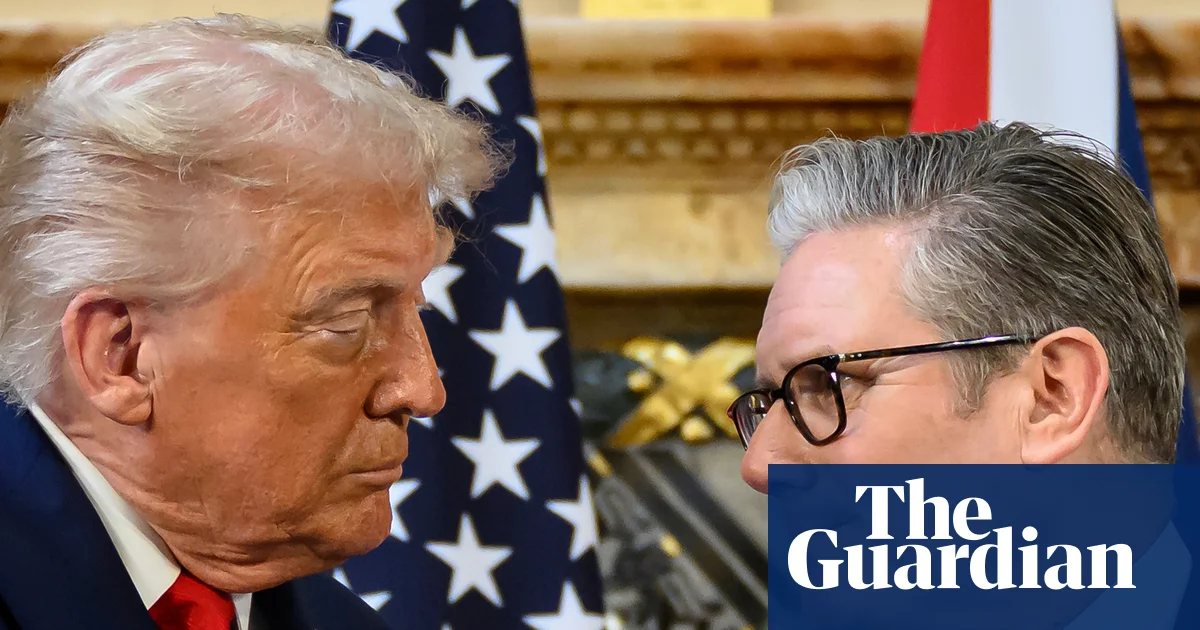
Starmer names new US ambassador as UK-US ties face Trump test

Keir Starmer’s Diplomatic Dilemma: Navigating US-UK Relations Amid Global Tensions

As Britain prepares to appoint a new ambassador to Washington, the decision bears significant implications for international alliances and geopolitical stability. Prime Minister Keir Starmer faces a delicate balancing act, selecting from a shortlist that includes figures with deeply entrenched ties to the Trump administration and diplomatic experience in Russia and the United Nations. This appointment arrives at a critical juncture in global politics, with rising tensions over Ukraine and shifts in America’s foreign policy demanding a skillful diplomatic response from London.

The shortlist features Varun Chandra, a former corporate intelligence executive who has negotiated key trade deals with the US, and Christian Turner and Nigel Casey, career diplomats with extensive experience in high-stakes international settings. While the Foreign Office favors appointing a seasoned career diplomat to mitigate political risk, Starmer’s inclination toward Chandra suggests a strategic move to bolster bilateral ties through economic diplomacy. However, the wider geopolitical impact remains complex: the US’s recent aggressive stance on Ukraine, including President Trump’s persistent demands for a peace deal by Christmas, underscores an administration eager to withdraw from European conflicts and redefine its global role.

US-Europe Relations Under Strain: The Shadow of Donald Trump’s Narrative

Relations between Europe and the US are strained, with Trump’s recent inflammatory rhetoric exacerbating divisions. During interviews this week, Trump lambasted European nations, warning that many may “not be viable countries any longer” unless they overhaul their border policies. This rhetoric, reinforced by senior British MPs criticizing the US national security strategy, which claims Europe faces “civilisational erasure,” signals a rupture in the transatlantic alliance. Such language risks empowering nationalist and patriotic parties across Europe, seeking to redefine national identities in the face of perceived external threats.

This predicament highlights a broader question: how can Britain and its allies navigate a shifting geopolitical landscape where American unilateralism erodes longstanding alliances? Analysts like Dr. Fiona Hopkins, a hawk on European security, argue that Trump’s increasingly disruptive approach, emphasizing “patriotic” European parties and border crackdowns, threatens the very fabric of continent-wide stability. Meanwhile, the US ambassador role, vacant since Peter Mandelson’s fall for undisclosed ties to Jeffrey Epstein, underscores the turbulence in maintaining diplomatic credibility amidst domestic scandals. The choice of ambassador, therefore, is as much about trustworthiness as it is about strategic alignment.

Uncertain Future: The Weight of History in a Tumultuous World

At this crossroads, Starmer’s decision will determine whether Britain can serve as a beacon of steady diplomacy or be swept into the chaos of conflicting global interests. The delicate act of managing US internal politics, European security concerns, and the ongoing crisis in Ukraine echoes the era-defining choices of history’s greatest diplomats. As the world watches with skepticism and trepidation, the choices made today will reverberate for generations—potentially redrawing the map of alliances, power, and influence in an unpredictable future. The pages of history are flipping, and with every turn, humanity balances on the edge of a new and uncertain chapter.”

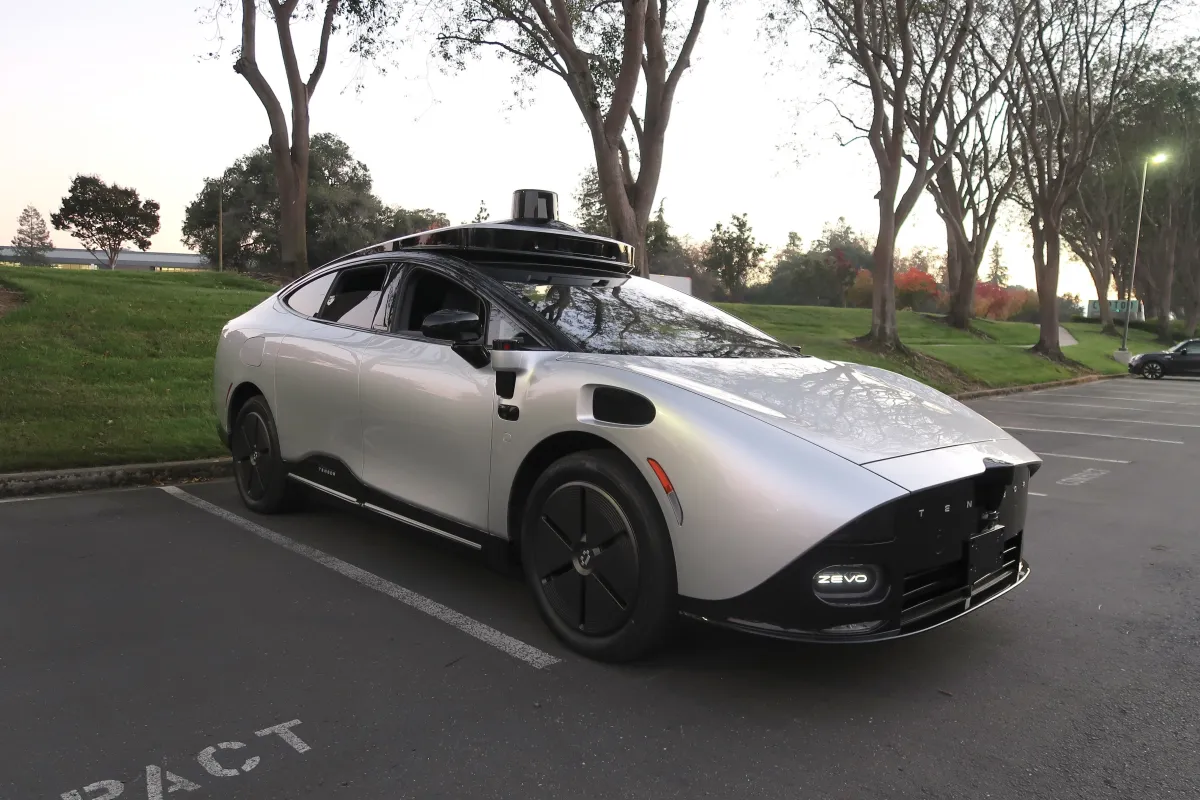
Zevo Ventures plans to boost its car-share fleet with robotaxis, kicking off with fresh face Tensor

Emerging Autonomous Vehicle Startups Disrupt Traditional Automotive Industry

In a landscape increasingly defined by **innovation** and **disruption**, startups like Tensor are challenging the conventional automotive giants with groundbreaking visions of autonomous mobility. Emerging from the China-based firm AutoX, Tensor boldly claims it will be the first to market fully autonomous vehicles to mainstream consumers as early as 2026. Such momentum signals a clear **shift** toward a decentralized, AI-driven transportation ecosystem with significant business implications, including the dawn of **personal AVs** and **peer-to-peer mobility services**.

Tensor’s vision aligns with a broader trend identified by analysts at Gartner and MIT, where the barrier to entry for **robotaxi** networks is lowering, bolstered by startups willing to embrace **risk** and innovation. The company’s forthcoming partnership with Zevo—which intends to deploy up to 100 Tensor AVs—serves as a testbed for **decentralized mobility solutions**. This move hints at a future where individual ownership extends beyond traditional vehicles, ushering in a new era of **personal AI-enabled** transportation, with owners possibly deploying their cars for income-generating services, like ride-sharing—a concept advocated by visionaries such as Elon Musk.

However, the road ahead is lined with formidable **challenges**. Trust in **scaling** autonomous technology remains a critical hurdle, as recent history has shown that many startups faltered when trying to standardize reliable manufacturing processes. Tensor’s limited track record and the **technological gaps** faced by legacy automakers reveal the **competitive landscape’s volatility**. Yet, the startup ecosystem’s agility—coupled with the increasingly supportive regulatory environment—places high-stakes bets on rapid **deployment** and **market capture**. Zevo’s willingness to invest in **software integration** and the potential for **peer-to-peer sharing** platforms exemplifies the industry’s move toward a **networked** model that could redefine how mobility and business intertwine.

As industry leaders and tech innovators forecast, the next decade will be pivotal. Observers like Peter Thiel warn that *”those who control the underlying AI infrastructure will dominate the new economy,”* emphasizing the importance of early bets on companies like Tensor. The convergence of **entrenched tech giants**, **startups**, and **venture capital** signals a **bidding war** for AI supremacy in mobility. This new wave of **disruption** will likely favor those who prioritize **software innovation**, **cost reduction**, and **scalable manufacturing**. With the **driverless revolution** expected to reshape urban transport, logistics, and even personal ownership, every stakeholder must act swiftly to avoid obsolescence.

The future of autonomous vehicles is not merely about safer, more efficient transport—it’s about **changing the very fabric of urban living and commerce**. Innovation-oriented startups are **pushing the boundaries** of what’s possible, prioritizing **flexibility**, **adaptability**, and **user empowerment**. As these **disruptive players** continue to challenge traditional automakers, the industry must adapt or risk being bypassed. With **technological leaps** accelerating, and **business models** evolving at an unprecedented rate, the coming years will be critical. Stakeholders who act with **urgency** and **vision** will determine who emerges as the true **pioneers** of this autonomous future—and those who hesitate may find themselves left in the dust of a **metamorphosing** mobility landscape.

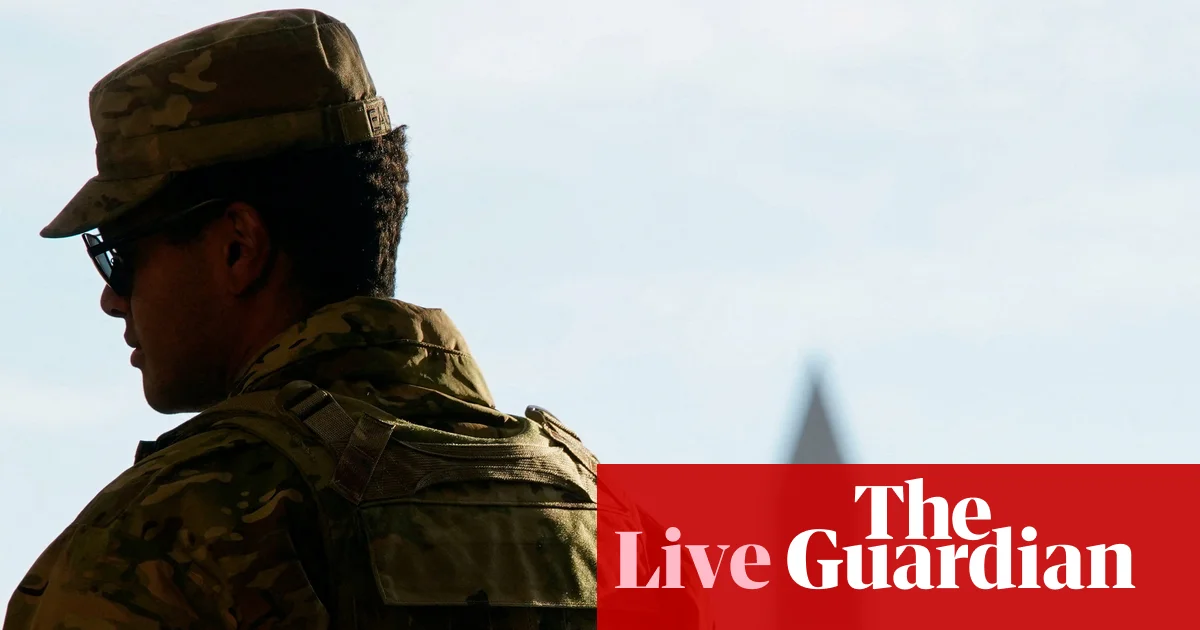
National Guard shooting suspect to face murder charges amid Trump's aggressive immigration crackdown
National Guard shooting suspect to face murder charges amid Trump’s aggressive immigration crackdown

The recent surge of violence and political upheaval surrounding Washington, D.C. has ignited a firestorm with far-reaching geopolitical impacts that ripple across the international landscape. The escalation of violence—marked notably by the deadly shooting of National Guard members during a targeted attack close to the White House—has cast a shadow over what was once regarded as a symbolic safe zone. The attack, suspected to have been conducted by an Afghan national, underscores the complex challenge faced by U.S. authorities, who are now grappling with the security implications of foreign nationals involved in domestic violence. The incident further fuels Donald Trump‘s narrative that America’s borders and national security are compromised, prompting calls for stringent immigration policies.

The international community watches keenly as Trump vows to “permanently pause migration from all third-world countries,” signaling a potential shift away from America’s longstanding commitment to being a haven for immigrants. His promise, announced in a late-night social media post, aims to “end all federal benefits and subsidies to non-citizens” and remove those deemed “not a net asset” to the country. Yet, these aggressive rhetoric and policy proposals defy the legal and societal realities within the United States, where previous bans faced judicial hurdles and legislative resistance. Global analysts and human rights organizations caution that such measures could destabilize international efforts to support refugees and undermine America’s moral standing.

The incident has become a clear turning point, marking heightened tensions between the Biden administration’s policies and the growing nationalist wave, with many fearing increased institutional crackdowns and deepening societal divisions. As the Trump-era policies of mass deportations and immigration restrictions take a renewed shape, international voices—especially within Europe and Canada—warning that America risks retreating into isolationism and xenophobia. Renowned historians such as Professor Laura Sanchez argue that these developments threaten to turn the clock back on decades of inclusive policies, risking economic consequences due to the significant contributions of foreign-born workers, who fuel roughly 31 million American jobs.

This crisis also amplifies the debate about how internal decisions affect societal cohesion and international perceptions. The attack’s suspected perpetrator, linked to Biden’s post-2021 Afghan evacuation program, exemplifies the unintended consequences of rapid resettlements. As Trump calls for reexamining the status of Afghanistan nationals and intensifying immigration enforcement, international observers wonder whether the US is steering itself toward a more insular, security-focused approach—one that risks alienating traditional allies and destabilizing regional geopolitics. Historians warn that such internal rifts, if unaddressed, could lead to long-term societal fragmentation, with echoes that may reshape international relations for generations.

As the dust settles, the weight of history presses down—highlighting a moment where America’s founding ideals clash with burgeoning fears and nationalistic impulses. The choices made by its leaders in this perilous era could either forge a path toward renewed unity or fracture the social fabric beyond repair. The story of this chapter is still being written, but one thing remains certain: the unfolding narrative will influence the world’s outlook on democracy, security, and human rights for decades to come.

Anduril’s autonomous weapons face setbacks in tests and combat, WSJ reports

Anduril Industries’ Autonomous Weapons Systems Face Setbacks Amid Market Disruption

Anduril Industries, a pioneer in defense automation and autonomous weaponry, is navigating a turbulent period marked by significant testing failures and real-world deployment issues. Founded in 2017 by renowned entrepreneur Palmer Luckey, the company quickly ascended into the defense tech stratosphere, backed by notable investments such as the $2.5 billion Series funding led by Founders Fund. Its ambitious vision for disruptive military technology has captured the attention of government agencies and private investors alike, fueling a paradigm shift in modern warfare. However, recent reports from the WSJ expose critical setbacks that threaten to slow this rapid trajectory.

Technological Disruption Meets Reality Checks

Test data reveal that Anduril’s autonomous systems are currently struggling to meet the rigorous standards demanded by modern combat environments. During a Navy exercise off California in May, over a dozen drone boats malfunctioned, raising immediate safety concerns and risking personnel safety. Additionally, the company’s unmanned jet fighter, Fury, experienced a mechanical failure during a summer ground test which resulted in engine damage. These incidents highlight the daunting challenges faced when pushing the boundaries of autonomous weaponry, especially regarding safety, reliability, and operational readiness.

Furthermore, a significant failure involved the Anvil counterdrone system during an August test in Oregon that triggered a 22-acre fire. Such incidents underscore the unpredictable nature of cutting-edge military tech—paradoxically, the very innovations designed to disrupt traditional warfare are exposed to unpredictable risks that threaten to undermine their deployment. Despite these setbacks, many analysts note that the industry typically goes through growing pains as groundbreaking technologies mature. Yet, the pressure from government contracts, private funding, and geopolitical tensions accelerates the need for breakthroughs without tolerating prolonged development cycles.

Real-World Deployment and Industry Implications

Beyond testing failures, Anduril’s operational experience in Ukraine reveals additional hurdles in battlefield validation. Ukrainian security forces reported that Altius loitering drones repeatedly crashed or failed to hit targets, leading to the cessation of drone deployment in the region. While Anduril maintains that these issues are “typical in weapons development” and emphasizes ongoing engineering progress, the setbacks highlight the critical challenge of translating innovation into battlefield resilience. Such setbacks could prompt military clients to exercise caution, potentially impacting future contract awards and the broader commercial viability of autonomous systems.

The disruptive potential of autonomous defense technology remains immense, with firms like Anduril spearheading a second-wave of militarized innovation. Sector leaders and analysts, such as Gartner and MIT experts, emphasize that the pace of technological disruption will intensify—if these systems can overcome reliability issues.

  • Autonomous systems are poised to redefine modern combat with faster, more lethal, and cost-efficient solutions.
  • Successful deployment could solidify new industry standards and create a rapid influx of advanced government contracts.
  • However, unresolved safety and reliability issues pose significant risks that could delay broad adoption and trigger regulatory scrutiny.

The Road Ahead: Innovation, Risks, and Urgency

As the defense industry accelerates toward a future of autonomous warfare, the urgency for technological refinement becomes unmistakable. Disruption is inevitable in this high-stakes arena, but the pathway to reliable and safe solutions remains narrow and fraught with obstacles. Companies like Anduril are at the forefront, exemplifying the explosive growth and associated risks inherent in military innovation. Industry watchers must stay vigilant, recognizing that the breakthrough moment hinges on resolving current failures and demonstrating battlefield resilience. The coming years will determine whether this new era of warfare innovation can transition from promising prototypes to operational supremacy, or whether ongoing setbacks will slow the disruptive revolution that is transforming the modern battlefield.

House prepares to vote on shutdown-ending deal as Democrats face division — US politics update | 2025 government showdown

As the United States grapples with its historic government shutdown, global signposts indicate that the geopolitical landscape is entering a new and unpredictable chapter. The recent developments within the US Congress—notably the relentless 50+ days of government paralysis followed by a tentative short-term funding deal—highlight the profound partisan divisions and influence of political factions. Such internal strife, as analysts suggest, does not occur in a vacuum but reverberates around the world, affecting strategic alliances, economic stability, and regional security.

The Joe Biden administration’s handling of the shutdown, coupled with the fiery debates over healthcare subsidies, underscore a broader trend of internal dissonance that echoes across democracies committed to reforms. Meanwhile, the European Union and NATO members watch intently, recognizing that chaos within America’s core institutions compromises collective security. As political commentator and international strategic think tanks warn, the present chaos could weaken the world’s most powerful democracy’s capacity to project power, defend its allies, and uphold a rules-based order.

Meanwhile, abroad, Israel faces its own diplomatic turmoil as President Isaac Herzog receives a letter from Donald Trump urging him to pardon the controversial Benjamin Netanyahu. The plea, based on a perception that legal proceedings against Netanyahu are politically motivated, exemplifies how domestic political battles in one nation can influence geopolitically sensitive decisions. The ongoing trials of Netanyahu, accused in corruption cases, demonstrate how internal legal processes can impact international alliances, especially with a staunch U.S. ally historically central to the Middle East’s stability. Historians argue that such interventions, whether perceived as support or interference, often shape diplomatic landscapes for decades.

Further afield, unprecedented reports allege that Venezuelans deported by the Trump administration to El Salvador endured systematic torture, including sexual assault, and inhumane detention conditions. This revelation shines a stark light on the unresolved dark chapters of U.S. immigration policy, linking human rights abuses to the broader narrative of American influence in Central America. Such actions, condemned by human rights organizations like HRW, threaten to tarnish the global image of the U.S., as critics warn that the patterns of brutality and disregard for international law undermine the moral authority used to justify its foreign policy agenda.

Analyzing these interconnected crises, international relations experts argue that the ripple effects of internal American disputes—from congressional gridlock to diplomatic negotiations—shape the destiny of nations and influence the societal stability of democracies worldwide. As international institutions and watchdogs sound warnings about the erosion of legal norms and human rights, history presses on, reminding us that these moments are not isolated but part of an ongoing, tumultuous saga that tests the very fabric of civilisation. On the horizon, as political leaders, military strategists, and citizens grapple with these unfolding events, one truth remains clear: the choices made today will echo across generations, and the weight of history continues to press down as the future’s blueprint is inscribed with both hope and peril.

Female MPs face death and rape threats after condemning neo-Nazi rally outside NSW Parliament

In a disturbing display of the persistent reach of extremist ideologies, Australia continues to grapple with the consequences of its complex approach to political protests and hate speech. Recent reports from New South Wales reveal a troubling escalation: two prominent female MPs—federal MP Allegra Spender and state MP Kellie Sloane—have received **threats** following their condemnations of a neo-Nazi rally outside the NSW parliament. These threats, including death and dehumanizing calls, underscore a **growing threat** not only to individuals but to the very fabric of societal tolerance in the region. The rally itself, attended by around 60 men clad in black and advocating against the “Jewish lobby” using classical antisemitic tropes, exemplifies the destructive power of unchecked radicalization, which analysts warn could destabilize domestic cohesion and fuel international tensions.

The Australian government and police authorities have faced intense scrutiny over their handling of the event. Despite the rally’s approval by local police, critics argue the decision reflects a **double standard**—a claim the authorities deny. Speaking on ABC radio, NSW Premier Chris Minns dismissed accusations of bias, emphasizing that police responses were routine but failing to clarify the procedural missteps that permitted the rally’s occurrence. Reports of an “internal communication error” suggest systemic issues in monitoring and controlling hate-fueled activities. Academic experts and human rights organizations have long cautioned that such lapses have **serious geopolitical implications**. They argue that allowing neo-Nazi symbols and speech in Australia fuels a broader pattern of nationalist resurgence, which can carry over into international conflicts involving Australia’s allies and adversaries in the Indo-Pacific region.

The **global impact** of this domestic unrest should not be underestimated. As the world watches, nations like Germany, France, and the United States are witnessing resurgent far-right movements that echo rhetoric seen in the neo-Nazi rally. Historians warn these symbol-laden events serve as **warning signs**—deepening divides that threaten to distort the global order. The Australian government is now contemplating bans on Nazi symbols and speech, aiming to “clarify and codify” hate laws. Such legislative moves are crucial; but they also raise critical **questions about free expression and state overreach**, issues that deeply resonate across democracies. The international community, including the UN and human rights watchdogs, emphasizes that **decisions surrounding hate speech laws** must balance security with civil liberties, or risk igniting new conflicts under the guise of protecting societal cohesion.

As .history continues to unfold in real time, the significance of these events transcends the shores of Australia. In a world where **extremism** feeds on division and silence, the choices made today will define the battlegrounds of tomorrow’s struggle for justice, tolerance, and unity. The recent neo-Nazi rally acts as a stark reminder that the **fight against hatred** is not only domestic policy but a **cornerstone** of international stability. As political leaders chart their course—balancing **security concerns** with the rights of citizens and the urgency of moral clarity—they must confront an evolving reality: that history will judge how decisively they resisted the forces seeking to divide humanity along racial and ideological lines.

Teachers Face Threats After MAGA Claims Over Halloween Costumes Mocking Charlie Kirk

Disruptive Social Media Campaign Ushers in New Challenges for Educational Privacy and Political Discourse

In a stark illustration of the rapid evolution of information warfare, a recent incident involving a high school in Arizona underscores the profound business implications and societal disruption driven by social media’s power to amplify misinformation. The controversy originated when Turning Point USA (TPUSA) spokesperson Charlie Kirk was falsely associated with an innocent Halloween costume worn by teachers, sparking viral outrage. The incident exemplifies how disruptive platforms like X (formerly Twitter) have become conduits for rapid-spread misinformation that can threaten personal safety and reputation on an unprecedented scale.

The incident reveals a pivotal challenge confronting educators and businesses: the ability of malicious actors to weaponize social media for mass psychological operations that threaten privacy, safety, and trust. In this case, an image of teachers in bloodied T-shirts was wrongly interpreted, leading to doxxing, targeted online harassment, and even death threats—an unsettling reminder that the digital landscape’s regulatory and ethical frameworks are lagging far behind technological capabilities. The impact extends beyond individual rights, striking at the core of institutional stability and public confidence in grassroots institutions like education systems.

The incident also signals a burgeoning market for advanced content verification technologies, with industry leaders like Gartner emphasizing that the future of digital trust hinges on automated fact-checking and AI-enabled content moderation. These solutions are critical for preventing similar disruptions at scale, as disinformation campaigns grow more sophisticated. For instance, AI-based image analysis and network tracing mechanics could be employed to preempt false narratives, but such innovations require significant investment and legal safeguards, given the privacy concerns involved.

  • Emerging tools are capable of identifying manipulated images and videos quickly
  • Automated alerts can notify stakeholders of potential misinformation spikes
  • Legal and ethical frameworks remain underdeveloped, risking misuse or overreach

Furthermore, the incident underscores the necessity for businesses, educational institutions, and policymakers to reevaluate their engagement with social media. The disruption also presents an opportunity: those who develop and implement cutting-edge verification and safety technologies could become essential partners in safeguarding digital spaces. Pioneering entities like MIT’s Media Lab are exploring such solutions, recognizing that true innovation in this realm is crucial for maintaining integrity in digital communication. As these technologies mature, they could serve as the foundation for a new era where truth prevails over misinformation, transforming the social media landscape into a more resilient, trustworthy environment.

Looking ahead, this incident serves as a clarion call for all stakeholders to urgently invest in disruption-resistant technology and foster a culture of digital responsibility. Rapid technological advancements—ranging from blockchain-based verification systems to AI-driven content analysis—are poised to redefine how truth is maintained in an age overwhelmed by data. The coming decade is critical: failing to adapt could mean allowing malicious actors to shape perceptions, destabilize institutions, and influence societal outcomes. As Elon Musk and Peter Thiel have often emphasized, the future belongs to those pioneering disruptive, innovative solutions that can turn the tide against digital chaos and misinformation. Strategic foresight and swift technological deployment will determine who leads this new digital frontier—those who act now will shape the foundations of a more secure, transparent digital world.

Social Media Auto Publish Powered By : XYZScripts.com