Matox News

Truth Over Trends, always!

X Faces a Surge in Disinfo After U.S. and Israeli Strikes on Iran

Disinformation and Digital Warfare: The New Frontier of Geopolitical Disruption

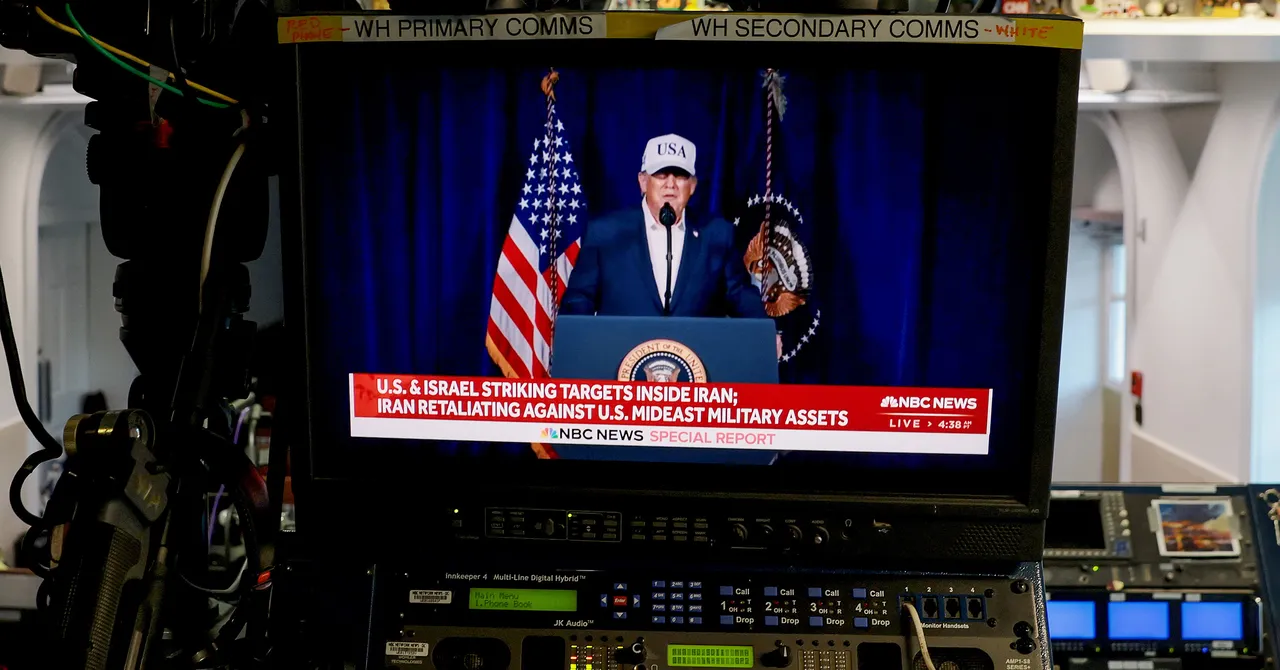
The recent escalation between the United States, Israel, and Iran underscores a new era where technological innovation amplifies geopolitical conflicts, transforming both information dissemination and strategic dominance. As disruptive digital platforms become battlegrounds for truth and influence, the implications for business, security, and public perception are profound. Companies like X (formerly Twitter), under the stewardship of Elon Musk, are increasingly vectors for both real-time information and disinformation, blurring the lines between fact and falsehood, with tangible global consequences.

During this volatile period, the platform has been flooded with claims—many false—regarding the scope and scale of military actions. A trend identified by industry analysts indicates that *almost all viral disinformation* during recent conflicts originates from verified accounts behind high-profile subscriptions. These ‘blue check’ accounts, often incentivized by monetization models based on engagement, have inadvertently or deliberately amplified false narratives. This scenario typifies a broader shift in digital influence markets, where *accuracy is sacrificed for virality*, severely undermining public trust and strategic stability.

From a business perspective, the **disruption** extends beyond misinformation. AI-generated imagery, as flagged recently by independent intelligence analysts, is being used to craft convincingly false but highly impactful content—such as fabricated images of destroyed radar systems or missile strikes—posing new threats to cybersecurity protocols and market stability. As Gartner highlights, *the capacity for AI to create deepfakes and false narratives accelerates the speed at which misinformation can influence investor sentiment and geopolitical power balances*. Companies that can develop advanced verification technologies or AI-driven authenticity checks will ‘own’ the future of trustworthy digital engagement, creating substantial business opportunities amid these challenges.

The emerging landscape demands a forward-looking approach rooted in disruption-driven innovation. Institutions like MIT are advancing research on AI and blockchain-based verification systems to combat the proliferation of false content. Meanwhile, influential figures like Peter Thiel warn that failing to address these issues could lead to a breakdown in informational sovereignty, with nations, corporations, and citizens becoming pervasively vulnerable to manipulation. The strategic takeaway is that **control over digital narratives** has become as vital as military or economic strength in shaping global outcomes**. The urgency is clear: develop resilient, transparent, and innovative tech solutions now—or risk losing credibility and strategic advantage in an epoch where information warfare defines victory.

In summation, the convergence of technological disruption and geopolitical conflict signals a paradigm shift with significant business and security implications. As **AI, misinformation, and social media platforms** intertwine to influence global events, the call to action for innovators, policymakers, and entrepreneurs is to harness cutting-edge solutions that safeguard truth and foster strategic stability. The window for proactive innovation is closing fast. The future belongs to those who can master the digital battlefield not just with weapons, but with relentless ingenuity in information integrity and technological resilience. In this high-stakes arena, time is of the essence—disruption is inevitable, but control over the narrative remains within reach for the technologically prepared.
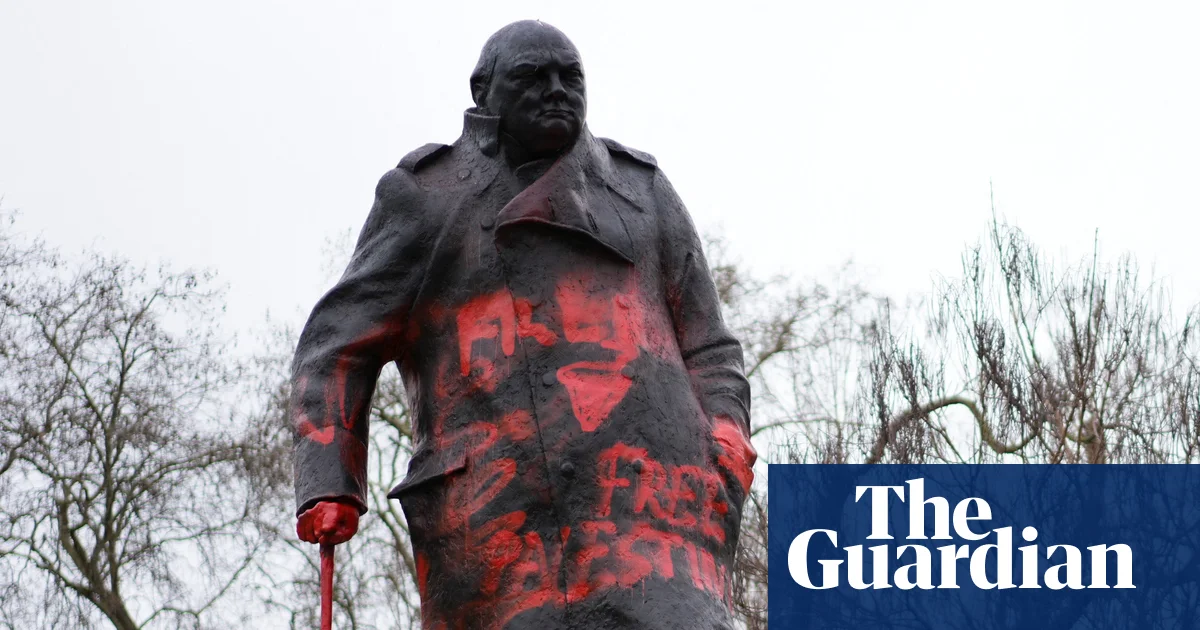
Man faces charges after defacing Churchill statue with graffiti

In a dramatic display of dissent that echoes across London’s historic political landscape, an unidentified individual was apprehended for spray-painting the statue of Sir Winston Churchill outside the Houses of Parliament. The act, laden with provocative slogans such as “stop the genocide,” “free Palestine,” and “globalise the intifada,” signifies more than mere vandalism; it symbolizes the deepening fault lines within global ideological conflicts. The perpetrator, Caspar San Giorgio, was swiftly charged with criminal damage by Metropolitan police, highlighting how these acts become flashpoints in broader cultural and geopolitical struggles.

The incident, occurring just after 4 a.m., is layered within a context marked by recent terrorist threats and violence. Following attacks at Heaton Park synagogue in Manchester and Bondi Beach in Australia, authorities have sought to tighten security and curb inflammatory rhetoric, especially slogans like “globalise the intifada,” which have previously led to arrests. These acts of vandalism are perceived by many as symptomatic of a rising tide of militant activism that reflects fractured global alliances and ideological battles. The UK government’s condemnation emphasizes its commitment to upholding “our values,” but critics argue that such incidents highlight the divisive dangers of unchecked political expressions that threaten the social fabric.

The statue itself, a 3.6-meter bronze monument by Ivor Roberts-Jones, stands as a symbol of not only British history but also of the ongoing debate about national identity and historical memory. It has been subjected to multiple acts of vandalism, including graffiti calling Churchill a “racist” during the Black Lives Matter protests of June 2020, illustrating how historical figures become focal points in modern ideological clashes. Reactions from London authorities and Prime Minister’s office reflect a sentiment of indignation, emphasizing Churchill’s role as a “great Briton” and rejecting the disruptive messages painted on his statue. However, the recurring incidents reveal an undercurrent of tension whereby global conflicts—such as the longstanding Israeli-Palestinian dispute—manifest violently on historic symbols.

International analysts warn that these acts of vandalism and inflammatory rhetoric are more than isolated protests—they are symptomatic of a shifting geopolitical landscape. As China and Russia challenge Western influence, and Middle East conflicts ignite new ideological battles, the symbolism of statues like Churchill’s is increasingly weaponized. Historians caution that how nations choose to interpret and confront their history, especially through contentious monuments, will shape the future of global cultural diplomacy. The escalating violence and provocative slogans serve as stark warnings—how societies remember their heroes and villains today may determine the course of international stability tomorrow.

As the dust settles and authorities scrub away the graffiti, the question remains: how will the world confront these cultural battlegrounds in the years to come? The ongoing struggle over history’s symbols, nations’ identities, and ideological allegiances signals that the true conflict is far from over. The world’s gaze is fixed on these unfolding chapters—each act of defiance adding a new line to the ever-growing narrative of history, with the weight of future generations hanging in delicate balance.

Australian PM Faces Backlash After Dismissing Child Abuse Survivor as ‘Difficult’

In an era where gender discourse increasingly influences international policy and societal frameworks, remarks from influential figures often resonate beyond national borders. Grace Tame, a former Australian of the Year and an outspoken advocate for women’s rights, recently described a certain phrase as a “misogynist’s code for a woman who won’t comply.” Her blunt critique underscores a broader trend of confronting language and cultural norms that perpetuate gender inequality, a phenomenon with significant geopolitical impact.

Such statements are not made in isolation. They reflect a global climate where gender politics intertwine with national identity and international power dynamics. Analysts from organizations like Human Rights Watch and The United Nations observe that traditional rhetoric often acts as a tool for exercising control over women’s autonomous choices, especially in regions where conservative societal norms dominate. Historically, language has functioned as a barrier—used to marginalize dissent and uphold patriarchal structures. Tame’s critique *amplifies* the ongoing battle over cultural narratives that shape laws, policies, and societal expectations worldwide.

Look at the broader consequences: when governments or leaders resort to misogynist rhetoric or fail to challenge it, they risk entrenching inequality and destabilizing social cohesion. The European Union and United States, for example, continue to debate how to address gender-based violence and discrimination, often facing resistance rooted in deeply ingrained cultural language barriers. Meanwhile, in some nations, such language has been weaponized politically, serving as a rally cry for authoritarian regimes seeking to suppress dissent and control the narrative around women’s rights. The significance of Tame’s words lies in their challenge to the language of dominance—the kind of rhetoric that, if left unchecked, outright threatens the progress made in gender equality over the past decades.

Experts like Dr. Melissa Lane, a political philosopher at Princeton University, warn that “narrow definitions of compliance rooted in misogyny undermine fundamental rights and threaten international stability.” As the world watches these tensions escalate, international organizations are calling for a renewed commitment to defending the language of equality and human dignity. The *recent surge in grassroots activism* and debates over language in legislation highlight that the battle is as much cultural as it is political. Whether in the halls of the United Nations or in local communities, the fight against the subtle yet pervasive influence of misogynist codes remains a pivotal front in the global struggle for dignity and freedom.

As history’s pages continue to turn, a stark reality emerges: the decisions made today, particularly in language and policy, will define generations to come. The weight of this moment is captured in the words of Tame—an emblem of resistance against subtle oppression and misrepresentation coded into everyday discourse. With each challenge to such entrenched norms, the global community faces a relentless question: how much of our shared future will be shaped by the language we choose to uphold or dismantle?. The unfolding narrative is not merely about words—*it is about the very fabric of societies striving to forge an equitable, free future in the shadow of history’s enduring echoes.*

Police Continue Search at Royal Lodge as Prince Andrew Faces Investigation—Latest Developments

In a development that has sent shockwaves across the United Kingdom and resonated on the international stage, the arrest of Prince Andrew of Windsor marks a historic deviation from centuries of royal immunity. Charged with misconduct in public office linked to sensitive emails concerning Jeffrey Epstein, the incident signifies a potential shift in how elites are held accountable, challenging long-standing perceptions of the monarchy’s inviolability. As law enforcement completes searches at the Royal Lodge and the Sandringham estate, the ramifications extend beyond British borders, threatening to redefine the global influence of the royalty and its connection with transnational illicit networks.

This unprecedented event underscores a palpable internal crisis within the UK monarchy amid mounting calls for transparency from political leaders, especially within the Liberal Democrats and international watchdogs monitoring human rights abuses. Notably, U.S. lawmakers, such as Representative Thomas Massie and Robert Garcia, have seized the opportunity to press for the disclosure of previously restricted Epstein-related documents, emphasizing that justice must extend across borders. These calls reflect a broader turning point—a recognition that accountability is no longer confined within national boundaries but is now a global imperative that transcends the walls of Buckingham Palace and the corridors of Washington D.C.

Analysts from institutions like the International Criminal Court warn that such high-profile arrests symbolize a precedent in diminishing the impunity historically enjoyed by historical elites. Beyond the legal implications, these events threaten to *alter* geopolitical dynamics, especially with King Charles scheduled to visit the US in April. As global leaders respond—ranging from Donald Trump calling the arrest a “shame” to UK officials asserting that “the law must take its course”—the scene is set for an era where international cooperation on justice intensifies, casting a long shadow over the latest chapter of monarchy and power.

Historians and geopolitical analysts agree that this incident signifies a *potential* reconfiguration of the longstanding imbalance of power between old-world aristocracies and modern democratic accountability. This moment may be remembered as the dawn of a new era where the myth of untouchable royalty gives way to a reality shaped by transparency, justice, and international consensus. Yet, the story is still unfolding, and as the British Crown navigates this crisis, the world watches with bated breath—knowing that within the corridors of power, the currents of history are shifting, and there are no certainties in how this chapter will ultimately be written.

NHS faces increased costs after court ruling over childbirth negligence lawsuits

The Shift in Justice: How Legal Changes Reflect Society’s Moral Reckoning

In recent months, a landmark judicial decision by the UK Supreme Court has sent ripples through the fabric of families, communities, and public health systems. The court’s ruling, which allows children who suffer catastrophic injuries at birth to claim damages for future earnings, marks a profound cultural shift—away from the traditional legal stance that limited such claims—highlighting society’s evolving criteria for justice and moral accountability. The implications of this decision reflect not only a legal milestone but also expose the underlying societal tensions around #healthcare responsibility and social justice.

Lives Changed, Justice Redefined

This ruling comes at a time when the NHS faces escalating financial strains, with liabilities soaring to over £60 billion largely due to medical negligence during childbirth. Families like that of a girl known as CCC, who endured irreversible brain damage due to medical errors, embody the human cost behind the mounting figures. Her family secured a substantial settlement in 2015 but were denied compensation for lost years, a gap now addressed by the recent legal decision. Sociologists like Anthony Giddens might say that this judicial shift signifies a societal move towards recognizing the moral obligation to uphold the rights of vulnerable children—an acknowledgment that justice for the injured extends beyond immediate damages to encompass their entire life trajectory.

Social Challenges and Communities at Crossroads

  • Education and Family: The ruling underscores the importance of education for families about legal rights and healthcare responsibilities, highlighting the need for societal support systems to adapt in tandem with legal reforms. It presents a challenge: how can communities ensure that families, especially those in vulnerable demographics, are equipped with the resources and knowledge to navigate these complex issues?
  • Health System and Policy: The NHS’s increasing liabilities raise questions about preventative care and systemic reform. Social commentators argue that better investment in prenatal care, staff training, and accountability mechanisms could reduce incidents of negligence. The debate now centers on whether policy can keep pace with societal expectations of justice, or if systemic failures will continue to scar generations.
  • Broader Societal Impact: The societal moral fabric is tested as the line between public responsibility and individual rights becomes clearer. This legal evolution could set precedents affecting future cases, ultimately challenging the notion of collective social justice versus institutional liabilities.

As social thinkers like Hannah Arendt have noted, a society’s moral character is defined by how it cares for its most vulnerable. This decision prompts a reflection on whether justice truly operates as a societal equalizer or if it exacerbates disparities in access and awareness.

Reflections on Society’s Journey

The recent landmark ruling embodies a society on the cusp—struggling to reconcile the moral imperatives of compassion with the realities of systemic failure. Beneath the legal language lies a poignant reminder that every societal law is rooted in moral choices. The hope remains that through ongoing dialogue and reform, communities can forge a future where justice no longer leaves behind those most in need, advocating for families damaged by preventable tragedy and reaffirming societal values of accountability, compassion, and resilience. Society’s greatest challenge is transforming this legal milestone into a catalyst for meaningful social change, fostering a community where learning from past errors leads us toward a more just and humane future—a future where society, like a caring parent, must hold itself accountable for every child’s right to a fair start.

Climber Faces Trial After Abandoning Girlfriend to Die on Austria’s Tallest Peak

In a development that has captured global attention, a controversial incident near the international summit this week has once again spotlighted the fragility of diplomatic relations and the importance of leadership accountability. According to reports, Kerstin G, a prominent environmental activist, was left in a perilous situation during a severe blizzard while her companion, alleged to be her boyfriend, was accused of neglecting her safety. This event raises pressing questions about the conduct of individuals involved in international negotiations, especially in environments demanding utmost responsibility and cohesion.

While initial reports portray the incident as a personal matter, analysts have swiftly interpreted it through the lens of geopolitical symbolism. Critics argue that such neglect, occurring near a summit that aims to tackle climate change, underscores a broader failure of leadership in addressing the increasing demands of global cooperation. According to Dr. Maria Sanchez, a senior analyst at the International Policy Institute, the incident reflects *how individual lapses can tarnish the credibility of diplomatic efforts*. The event is seen as a metaphor for the broader issues facing international institutions, highlighting a disconnect between lofty commitments and the reality of implementing them.

Furthermore, international organizations have expressed concern over the incident’s potential to undermine trust among participating nations. The United Nations and other global entities continue to emphasize the importance of responsible leadership and mutual support in these delicate negotiations. As the world watches, many analysts warn that such personal scandals, if left unaddressed, could be exploited by international adversaries seeking to weaken the standing of Western nations and their alliances. This has been compounded by rising geopolitical tensions, especially among powers like China, Russia, and the European Union, which continually seek opportunities to test the resilience of Western-led coalitions.

Historian James Carter, renowned for his analysis of international crises, remarked, “History teaches us that personal conduct and institutional integrity are intertwined. In times of global crisis, neglect or scandal at the individual level can ripple outward, affecting policy decisions and international trust.” The fallout from the incident near the summit suggests that the global landscape remains precariously balanced, where even seemingly minor personal acts can have profound consequences for how nations collaborate and compete.

As the incident unfolds, it serves as a stark reminder that the path to a unified global response to challenges like climate change is fraught with internal vulnerabilities. Decisions taken in moments of weakness, whether in diplomatic halls or remote mountain villages, carry tangible weight on the international stage. The world stands at a crossroads, with history watching as the actions of individuals echo through the halls of power—reminding us all that the future depends not only on policies but on the integrity of those who shape them. In this unfolding story, the lesson is clear: the weight of history is often carried by the simple acts of those entrusted with its stewardship.

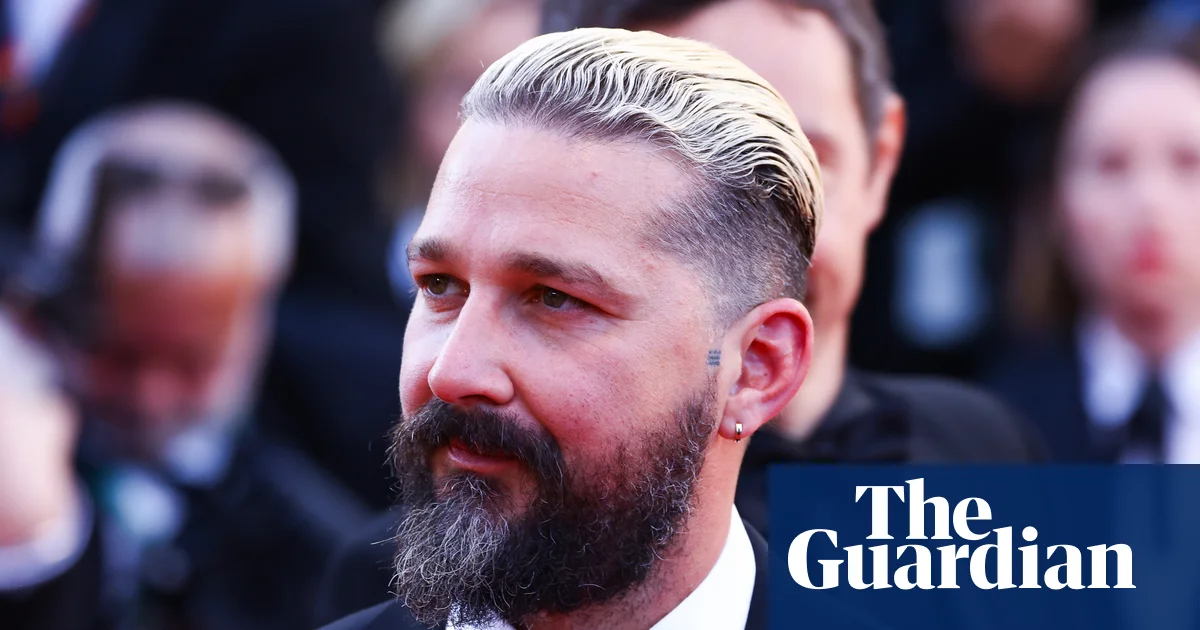
Shia LaBeouf Faces Battery Charges Amid Mardi Gras Festivities in New Orleans

In recent days, the tumult surrounding actor Shia LaBeouf has once again thrust the volatile intersections of culture, personality, and societal expectation into the spotlight. His arrest in New Orleans amid the festive chaos of Mardi Gras exemplifies a broader cultural narrative—one where the veneer of celebrity often masks deeper struggles and societal tensions. LaBeouf’s behavior, allegedly fueled by excess and an undeniable public persona, echoes *the perennial conflict between individual freedom and societal norms*, a theme discussed thoroughly by philosopher Ortega y Gasset, who emphasized that culture binds the individual to collective tradition while also challenging him to confront his inner impulses.

Throughout history, culture has served as both a mirror and a mold—forging identities rooted in our collective memory and shaping future destinies. When LaBeouf’s actions spill into the public eye, they lay bare the fragility of the modern image, a phenomenon akin to the *cultural shifts observed in the decline of noble virtues and the erosion of societal discipline* over centuries. Critics like Chesterton have pointed out that true culture is not merely entertainment or spectacle but the moral fabric that sustains cohesive communities. His reported unruly conduct, including attempts to serve drinks behind a bar and conflicts with others, reveals a persona caught in *the existential struggle between personal liberty and societal cohesion*, mirroring the larger crisis of tradition in contemporary life.

Furthermore, LaBeouf’s history—marked by battles with sobriety, allegations of abuse, and public confrontations—serves as a stark reminder of *the importance of moral anchors in the tumult of modern celebrity*. His past, intertwined with themes of redemption and fallibility, echoes the questions raised by thinkers like Tocqueville on the moral state of democratic societies. Are we fostering a culture that emphasizes self-control and respect for tradition? Or are we surrendering to the chaos of unchecked individualism? LaBeouf’s path, punctuated with both moments of genuine remorse and controversy, underscores the delicate balance between the *cultural ideals of craftsmanship and virtue* and the raw human tendency towards self-destruction.

As we observe these narratives unfold, it becomes evident that our culture is both memory and prophecy—an ongoing dialogue between what has been passed down and what is yet to come. The true significance of figures like LaBeouf resides not solely in their missteps but in how their stories reflect the enduring tension between fluid modernity and rooted tradition, between *the individual’s shadow and the collective’s light*. The collective consciousness, much like T.S. Eliot’s poetry—layered, introspective, prophetic—reminds us that the culture we forge today will serve as the foundation for tomorrow’s civilization. In this sense, our cultural fabric, fragile yet resilient, weaves the story of humanity itself; it is both the memory of who we have been and the prophecy of who we might become—an eternal dance of shadows and illumination shaping the human journey.

Italian town faces fierce street clash, echoing the fight for tradition

In a display of vibrant tradition and historical resilience, Ivrea, a northern Italian town near Turin, continues its annual Battle of the Oranges, an event that preserves a centuries-old legend of uprising and liberation. This spirited celebration, rooted in medieval history, is more than just a riot of color and fruit; it symbolizes the enduring spirit of society against tyranny. As participants hurl oranges at each other, they reenact the legendary defiance of Violetta, a miller’s daughter who confronted an oppressive tyrant and helped unshackle the town from despotism. Such cultural expressions are vital in reinforcing national identity in a time when global events increasingly threaten local traditions.

The Battle of the Oranges features nine teams representing the townspeople who once revolted to overthrow feudal oppression, with the oranges themselves symbolizing the fruits of their victory. The spectacle involves intricate choreography—teams on foot face off against horse-drawn carriages loaded with oranges—demonstrating the historical conflict between the oppressed and their overlords. According to organizers, the oranges are not meant for consumption; rather, they are collected and repurposed as fertilizer afterward, highlighting an environmentally conscious dimension to the event. Historians and cultural analysts emphasize that such festivals serve to reinforce community cohesion and cultural pride, especially amid mounting international uncertainties.

In the broader context, Italy’s tradition of carnival celebrations reflects a society keen to preserve its cultural uniqueness despite the homogenizing forces of globalization. Countries across Europe, from Spain to France, maintain their own versions of festive resistance—each emphasizing historical narratives that bolster national pride. International organizations acknowledge that these events contribute positively to local economies and regional identities, but they also serve as subtle acts of cultural defiance against the tides of global conformism. The resilience of such traditions underscores the importance of protecting local histories from being overshadowed by international commercial interests.

As global powers navigate a landscape of shifting alliances, economic upheavals, and ideological clashes, the significance of maintaining national stories like Ivrea’s is more crucial than ever. Decades from now, historians may see these festivals as the quiet acts of rebellion that kept a culture alive amidst a rapidly changing world. In a time where international institutions and diplomatic treaties often threaten sovereignty and cultural autonomy, the defiant spirit embodied in the Battle of the Oranges reminds us that history, much like the fruit hurled in jest, can be a potent symbol of struggle and resistance. The question remains: in an era of globalization, who will be the custodians of national identity, and at what cost? The story of Ivrea’s carnival suggests that the answer lies not just in diplomacy but in the collective memory of communities that refuse to be silenced, weaving their stories into the very fabric of history itself.

Ex-Canberra teen faces execution in Iran amid Aussie diplomatic push

Global Power Dynamics Shift as Iran’s Human Rights Crisis Deepens

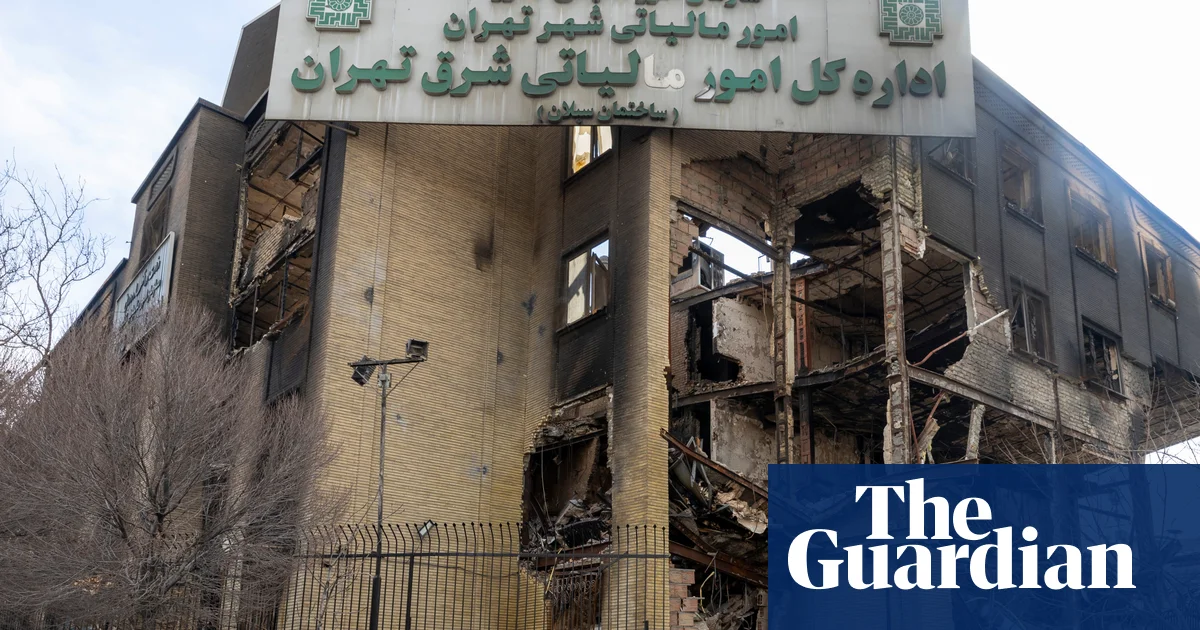
The recent developments surrounding Iran‘s violent suppression of its own people signal a pivotal moment in regional and international geopolitics. As thousands of protesters face brutal crackdowns and reports emerge of potential executions of foreign nationals, including an Australian youth, the world’s attention sharpens on Tehran’s alarming disregard for human rights. The Australian government’s efforts to intervene—making diplomatic representations and offering support to affected families—highlight the increasingly strident global response to Iran’s authoritarian reality. Historian Emily Carter notes that such crises mark a significant turning point where international pressure can influence the course of Iran’s domestic policies.

Moreover, this situation underscores the fragile balance of influence between Western countries and Iran. Following the expulsion of Tehran’s ambassador from Canberra and the suspension of diplomatic ties, Australia’s stance reveals a broader pattern of strategic firmament against Iran’s expansionism and regional destabilization. The recent violence against protesters—estimated to have claimed upwards of 30,000 lives by some sources—is a stark reminder of a regime willing to sacrifice its own citizens for the sake of maintaining power. The international community, led by Western powers, perceives these actions as not just internal conflicts but as threats to global stability, especially considering Iran’s regional influence and its development of nuclear capabilities.

Despite the lack of direct verification, the distressing reports of foreigners, such as the Australian boy, further complicate Iran’s image on the world stage. Diplomatic channels are strained as governments across the globe call for accountability but remain cautious in their engagement. The ongoing crackdown is also a rallying point for international organizations like the United Nations, which debates whether to escalate sanctions or pursue independent investigations. Meanwhile, Iran’s internal turmoil is fueling protests that threaten the regime’s legitimacy, with some analysts warning that the government’s refusal to acknowledge or properly investigate civilian deaths may ignite even greater unrest. The escalation of such internal destabilization risks spreading instability beyond Iran’s borders, potentially triggering a regional conflict entangling the entire Middle East and beyond.

As history continues to unfold, the world watches – hesitant yet resolute. The coming weeks may determine whether Iran’s regime will be held accountable or whether history will record this as a chapter of unchecked tyranny. The stakes are high: nations must decide whether to uphold the moral imperatives of human rights or to accept the stagnation of global morality at the altar of geopolitical convenience. On this turbulent stage, the choices made today will resonate for generations. The question remains: how will this chapter in history be written—by the relentless pursuit of justice or by the silence of complicity?

Meta Faces New Mexico Child Safety Trial — What Youth and Tech Fans Need to Know

Meta Faces Landmark Legal Battles: Disruption at the Crossroads of Technology and Society

In what could be a watershed moment for the tech industry, Meta is currently embroiled in a series of high-profile lawsuits that threaten to reshape the landscape of social media accountability. The state of New Mexico has brought a lawsuit against the social media giant, alleging that Meta failed to protect minors from exploitation and designed platforms that fostered harmful environments. This case signals a broader shift in regulatory attitudes towards disruption, innovation, and corporate responsibility within the digital ecosystem. As Meta defies attempts to settle, the proceedings could unveil internal practices that have prioritized engagement metrics over user safety, drawing public and governmental scrutiny centered on the profound societal impact of social media’s business models.

Adding further to Meta’s legal challenges is the simultaneous trial in California, the nation’s first legal probe into social media addiction. This “JCCP” involves multiple civil suits, including allegations from figures like Sacha Haworth of the Tech Oversight Project, who warns of “an industry that has enabled predators and addictors alike.” Plaintiffs accuse companies such as Snap, TikTok, and Google of negligent design that deliberately manipulates algorithms to maximize user engagement at the expense of minors’ well-being. Notably, TikTok and Snap have already settled, leaving Meta’s resistance to settlement as a focal point that could lead to unprecedented witness testimonies, revealing the inner mechanics of platforms built on “attention economy” strategies. This trial underscores a pivotal industry shift: regulators and courts are actively challenging a trajectory of innovation that borders on exploitation.

From a business perspective, these legal battles lay bare a critical truth for the tech sector: the cost of doing disruptive business is rising. Meta’s alleged complicity in enabling harmful content and exploitation illustrates how a relentless pursuit of growth and user engagement can clash with regulatory and moral boundaries. As Gartner analysts observe, such lawsuits serve as a “canary in the coal mine” — signaling that **the era of unchecked platform innovation without accountability is nearing its end**. The implications are clear: big tech firms must now balance innovation with compliance, or risk debilitating repercussions that could stifle future disruption. Ruthless market shifts demand that companies develop technology ecosystems more resilient to legal, ethical, and societal pushback—a call to arms for entrepreneurs and tech leaders eager to shape the future responsibly.

Looking ahead, the emerging legal landscape anticipates a fundamental reassessment of how social platforms innovate and monetize. As regulations tighten and consumer awareness grows, **the next wave of tech innovation will likely favor transparency, safety, and ethical design**. Industry titans have a limited window to pivot towards solutions that leverage breakthrough technologies such as AI-driven moderation, privacy-preserving algorithms, and robust user protections—integrating these into their core strategies to future-proof their business models. The ongoing trials symbolize a critical inflection point; failure to adapt could result in a “regulation tsunami” that disrupts traditional giants’ dominance. For entrepreneurs and investors targeting the next frontier of technology, the message is unmistakable: act swiftly, innovate with integrity, and prioritize societal benefit—because the future of tech is being rewritten today, and only the most visionary will thrive amid the disruption ahead.

Social Media Auto Publish Powered By : XYZScripts.com