Matox News

Truth Over Trends, always!

Death Toll Climbing as Aid Faces Blockades in Jamaica's Hardest-Hit Areas
Death Toll Climbing as Aid Faces Blockades in Jamaica’s Hardest-Hit Areas

Hurricane Melissa’s Devastation: A Stark Reminder of Nature’s Fury and Geopolitical Shifts

Hurricane Melissa, one of the most formidable storms to ever strike the Caribbean, has left a trail of destruction across multiple nations, reaffirming the continent’s vulnerability to increasingly powerful weather phenomena. Making landfall in Jamaica as a category five storm, with winds reaching 185 mph (295 km/h), the hurricane has demonstrated the intensifying severity of natural disasters linked to climate change, according to climatologists. Countries such as Haiti, Cuba, and even territories like Bermuda have experienced its wrath, exposing systemic weaknesses and the urgent need for international cooperation and robust disaster preparedness.

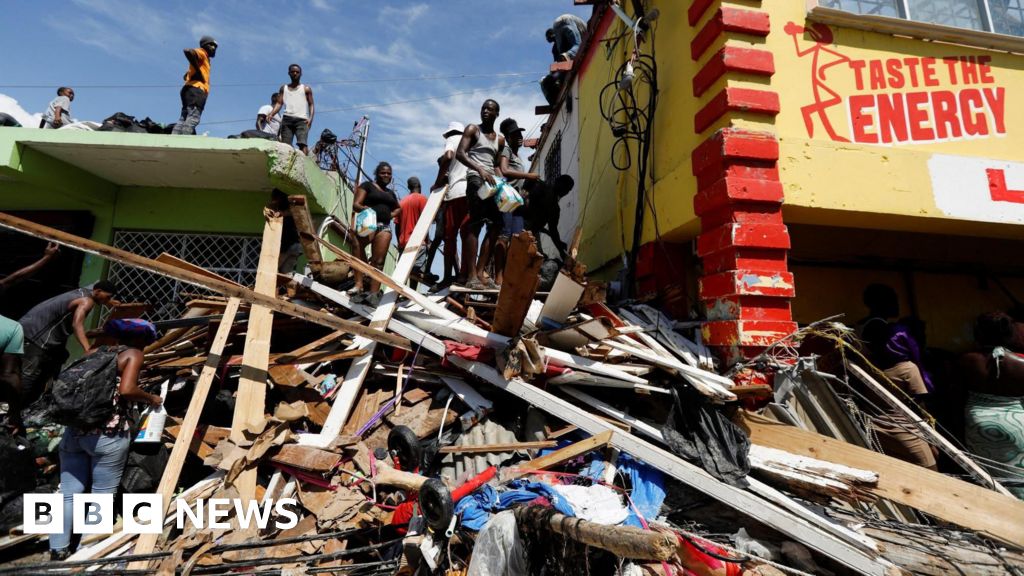
In **Jamaica**, the destruction has been severe, with entire communities cut off, homes flattened, and infrastructure left in ruins. Search and rescue efforts reveal scenes of devastation, especially in western regions where satellite imagery shows complete obliteration of some villages. Local residents articulately describe scenes of chaos, with roads blocked by fallen trees and widespread power outages—highlighting the challenge of providing aid in a country already strained by economic and social issues. Analysts warn that such natural calamities threaten to exacerbate existing inequalities, potentially destabilizing nations and fueling regional insecurity. It is a sobering reminder that the Caribbean’s geostrategic position has placed it on the frontline of climate change’s geopolitical impact, forcing neighboring nations and global institutions to confront a grim reality: the need for resilience in the face of unpredictable and increasingly destructive storms.

Meanwhile, in **Haiti**, the devastation intensified. According to UN reports, over 30 lives have been claimed, primarily due to flooding when a river overflowed in Petit-Goave. Around 15,000 civilians are sheltering across more than 120 relief centers, yet comprehensive assessments remain elusive due to inaccessible regions. Haiti’s fragile infrastructure—hindered by political instability and poverty—struggles to cope with such crises. International organizations like the UN warn that ongoing instability complicates disaster response efforts, threatening to turn localized tragedies into broader humanitarian crises. The storm’s impact underscores how conflicts and weaknesses in governance undermine a nation’s ability to survive such natural adversities, amplifying the impacts while exposing geopolitical vulnerabilities.

Turning to **Cuba** and its resilience, the island’s government reports that more than 3 million citizens faced life-threatening conditions. Nearly 240 communities have been cut off by landslides and flooding, with no fatalities yet, thanks to extensive evacuation campaigns. UN officials commend Cuba’s preparedness but emphasize that the island’s capacity to withstand such chaos is limited, especially with persistent economic constraints. The storm’s aftermath has increased calls within the global community—specifically from Western nations—to evaluate how aid and diplomatic support can bolster regional resilience. As international institutions analyze the repercussions, some argue that the response to Melissa reveals the urgent need for a restructuring of geopolitical alliances, prioritizing swift aid delivery and long-term climate adaptation strategies.

Beyond immediate relief, the storm intensifies ongoing debates over the geopolitical consequences of climate-induced disasters. Decisions by major powers to bolster humanitarian aid, or lack thereof, will significantly influence regional stability. The UK’s pledge of an additional £5 million, along with the United States deploying disaster response teams, exemplify how global actors maneuver in a landscape increasingly shaped by climate crises. As history demonstrates, failure to adapt and invest in resilient infrastructure amidst a changing climate could sow the seeds for future chaos, displacing millions and destabilizing entire regions. With the World Food Programme coordinating logistics across several nations, it becomes clear that the battle is as much about geopolitics as it is about saving lives.

As the world watches the Caribbean’s suffering unfold, the legacy of Hurricane Melissa underscores a profound truth—that our planetary fate is now intertwined with geopolitical choices, human resilience, and international cooperation. The storm’s wrath serves as a harrowing chapter in an ongoing story of climate change, conflict, and survival—reminding us that history is still being written, with every decision echoing through the corridors of power and the lives of countless innocents. Will this be a turning point leading to global unity, or merely another chapter in humanity’s struggle against the forces of nature? The answer remains uncertain, but the weight of history presses heavily upon our collective conscience.

Hurricane Melissa intensifies to Category 4, warning Cuba; Jamaica faces severe damage

In an era marked by accelerating climate crises, the recent onslaught of Hurricane Melissa has laid bare the intertwined vulnerabilities of geopolitics and natural disasters. Striking the Caribbean with unprecedented strength, Melissa reached record wind speeds as a Category 5 hurricane, the fiercest to make landfall in Jamaica since record-keeping began in 1851. This natural tragedy has triggered a confluence of international aid, local resilience, and geopolitical chess—a stark reminder that when nature unleashes its fury, nations are tested on their capacity to respond and adapt.

At the heart of this catastrophe lies a clear convergence of human-driven climate change and geopolitical response. As the National Hurricane Center reported Melissa’s rapid intensification—upgrading from a Category 3 to a Category 4 storm—climate analysts have pointed to the human cause behind this escalation: the rapidly warming of oceans due to greenhouse gas emissions. This pattern, documented by numerous climate scientists, indicates that the increasing frequency and ferocity of such storms are not merely natural variations but symptoms of a broader planetary crisis. It is *emphatically* evident that the world’s power structures, especially major industrial states, bear responsibility for curbing emissions or facing an existential threat of escalating natural disasters.

Geopolitical dynamics come sharply into focus as the United States, Cuba, Jamaica, and regional allies mobilize resources to cope with Melissa’s destruction. On Air Force One, President Joe Biden declared the U.S. “prepared to aid Jamaica and other affected nations,” signaling a readiness that, while vital, also exemplifies how climate-induced disasters are reshaping alliances and emphasizing the West’s influence over the Caribbean. Meanwhile, Cuba’s President Miguel Díaz-Canel Bermúdez warned of a “very difficult night,” urging citizens to stay in shelters as Hurricane Melissa threatened to deliver an “extremely dangerous” landfall. The 735,000 Jamaicans evacuated their homes, and aid organizations like the Red Cross prepare to deploy, forecasting an impact potentially surpassing previous natural calamities. These responses underscore a geopolitical landscape where climate disasters are no longer isolated incidents but pivotal factors in regional stability and security—how nations react now will define their geopolitical influence and societal resilience for decades.

International organizations and regional governments confront the brutal truth: their capacity to respond is directly linked to geopolitical stability. Experts warn that the hurricane’s rapid intensification is a *turning point*—a reflection of the climate crisis that demands urgent, coordinated global action. The Caribbean’s vulnerability exposes broader geopolitical vulnerabilities—small nations with limited resources face existential threats, while larger powers are tasked with balancing aid, strategic interests, and climate commitments. As some analysts suggest, *the storm’s wrath could serve as a catalyst*, forcing the international community to reckon more seriously with the human costs of climate neglect. In such moments, history is witnessing the emergence of a new geopolitical calculus—climate resilience and multilateral cooperation—at the forefront of global strategy.

Looking ahead, the relentless march of Hurricane Melissa remains a grim harbinger of what’s to come if decisive action is not taken. As the storm prepares for potential landfalls in Cuba and the Bahamas, with winds reaching up to 145 mph, the world must recognize that these natural events are an *urgent call*—to reimagine environmental policies, to fortify resilience, and to confront the geopolitical shifts that such crises accelerate. This storm, destructive yet illuminating, leaves behind a tumultuous legacy—a reminder that, in the grand theatre of history, nature’s fury is a force no nation can afford to ignore. The unfolding chapter of Melissa’s destruction now writes itself into the annals of history, a stark testament to our epoch’s challenges, and a warning that the weight of the future hangs delicately still in the balance.

Queensland blackout hits thousands as Victoria faces fierce winds after record wet day

The Rising Tide of Extreme Weather: A Sign of Geopolitical and Societal Shifts

Recent severe weather events across Australia highlight a disturbing trend that extends beyond mere meteorological phenomena. In Queensland and Victoria, devastating thunderstorms have caused widespread power outages, structural damages, and dangerous hailstorms, signaling an urgent need for nations worldwide to reconsider their climate policies amidst the backdrop of unpredictable and worsening natural disasters. With wind gusts surpassing 109 km/h and hailstones reaching up to 7cm, the Australian experience underscores a pressing warning—the climate crisis is no longer a distant threat but an immediate challenge that threatens the social fabric and economic stability of nations.

These events carry potent geopolitical ramifications. As governments grapple with disaster response and climate adaptation, international organizations such as the United Nations are under scrutiny for their handling of climate change. Critics argue that the inertia at the global level hampers effective action, thereby exacerbating crises that follow natural calamities. Analysts warn that such failures may induce mass displacement, economic strain, and even geopolitical tensions, especially if climate-induced devastation destabilizes vulnerable regions. How nations respond now will determine their resilience in the face of climate turbulence — a fierce test of leadership and unity.

Disaster as a Catalyst for Social and Political Transformation

The Australian storm episodes also expose the vital role of national agencies in crisis management. In Victoria, over 1,300 households were plunged into darkness, and power infrastructure sustained “significant damage,” according to Energex, a prominent power distributor. The widespread outages reveal the fragility of aging infrastructure that struggles under extreme weather—a stark reminder that Western countries must prioritize resilient energy systems. Meanwhile, reports indicate that Victoria’s State Emergency Service (SES) received nearly 600 rescue requests, mainly involving building damages and downed trees, illustrating the human toll of these atmospheric disturbances. Hovering over these emergencies is the broader question of societal preparedness and the resilience of local communities confronting relentless storms.

Historians and analysts have pointed out that such acts of nature often serve as turning points—either to bolster resilience or to reveal systemic vulnerabilities. Some experts argue that these storms are a manifestation of the changing climate patterns, which are tied to policies and economic priorities. Countries that neglect these warnings risk facing a future where natural disasters intensify, creating ripple effects across politics, economies, and security. As global institutions debate solutions, the immediate reality persists: nature’s fury does not discriminate, and its impact on societies is profound, often accentuating existing social inequalities.

The International Stage: A Test of Leadership and Resolve

The situation in Australia is a microcosm of a larger, tumultuous geopolitical landscape. From the rising tensions in Eastern Europe to the strategic maneuvers in the Indo-Pacific, nations are finding their stabilizing forces tested. Climate-related disasters serve as a stark reminder that national security now intertwines with environmental sustainability. Countries such as China, the United States, and the European Union are under increasing pressure to lead global efforts—yet often struggle with competing interests and internal divisions.

International organizations must act decisively before climate disasters morph into security crises. This involves a coordinated approach—balancing climate mitigation with adaptation strategies—while holding accountable those nations that delay meaningful action. The potential for climate-driven conflicts over resources, migration, and strategic dominance grows with each passing event. As experts warn of the cascading consequences, the weight of history presses down: the coming decades will reveal whether humanity unites in shared purpose or succumbs to discord.

In the interconnected ballet of globals and nations, the recent Australian storms are more than natural calamities—they are a clarion call. A reminder that the choices made today—whether to invest in resilient infrastructure or to ignore climate warnings—will echo through the corridors of history. As the world watches, the question remains: will the lessons of these storms forge a new era of preparedness and cooperation, or will humanity again be blindsided by the tumult of a changing natural order? The pages of history are still being written, and the storm clouds gathering over Australia symbolize a broader, more urgent storm—one that will test the resolve of nations and societies in the battles yet to come.

Blackouts sweep Belgorod as Ukrainian drone attacks surge—Russia faces new challenges

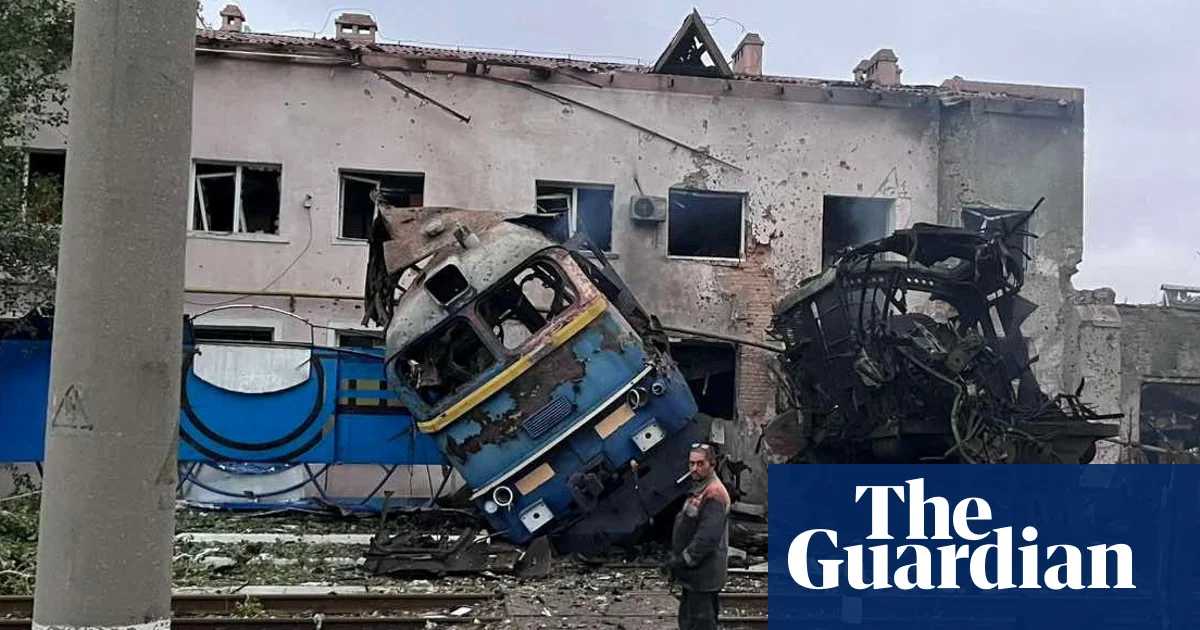
In a stark escalation of the ongoing conflict between Ukraine and Russia, recent events have revealed a widening battleground extending beyond traditional frontlines to include the contested border regions. Residents of Belgorod, a strategic Russian region bordering Ukraine, are reporting an alarming increase in drone assaults and missile strikes, with local authorities documenting almost a fourfold rise in Ukrainian drone activity since the start of 2025. These attacks, featuring lightweight, low-cost drones capable of carrying warheads, underscore Ukraine’s tactical shift towards asymmetric warfare. The consequences are devastating, leading to civilian casualties, critical infrastructure damage, and a surge in local panic, thus highlighting the geopolitical impact of the conflict spilling over borders and risking regional stability.

According to data from local officials, over 4,000 Ukrainian drones were detected in the Belgorod region in September alone—compared to roughly 1,100 in January—underscoring a clear ramp-up in offensive measures. The attacks have targeted essential logistical hubs such as heat and power plants, causing widespread blackouts and fueling fears of a winter without heat and electricity for thousands. Russian authorities admit to struggling with capacity, urging residents to buy backup generators amid persistent fuel shortages plagued by increased attacks on oil refineries. Beyond infrastructure, the nature of these strikes has transformed. The use of the “Darts” drone, a lightweight model with a 4kg warhead, illustrates a deliberate effort by Kyiv to overload Russian air defense systems and expand the scope of their offensive—an ominous sign that the conflict’s scope is broader and more complex than ever before.

Meanwhile, the Ukrainian side continues to bear the brunt of relentless Russian missile and drone tactics. In recent days, Ukrainian officials reported casualties, including children, amid waves of strikes that leave cities in darkness and despair. Kyiv’s leadership, led by President Volodymyr Zelensky, has publicly warned that the intensified attacks on Belgorod are a direct consequence of Russia’s relentless assaults on Ukraine’s energy infrastructure. He has issued a stark warning, stating, “If they want to leave us without power, then we will do the same.” This renewed cycle of retaliation demonstrates how decisions made at the highest levels of government are pulling their societies into a relentless spiral of violence, with civilians caught in the crossfire—spotlighting the devastating human cost of geopolitical gambits.

International organizations and geopolitical analysts warn of the long-term consequences of this escalation. Some experts, such as Dr. Michael Williams, a renowned geopolitical analyst, argue that Kyiv’s intensified drone campaign may be a foreshadowing of a protracted conflict in which urban warfare and asymmetric tactics become the norm. Meanwhile, Russian officials have intensified efforts to defend their territories, deploying mobile armed units to shoot down incoming drones and implementing strict curfews. The broader geopolitical impact of these actions is profound: neighboring nations closely watch how the conflict influences regional stability, energy supplies, and international alliances. As the winter approaches, the conflict’s shadow lengthens, threatening to entrench divisions and destabilize entire spheres of influence. And so, the world stands at a formidable crossroads, where each decision echoes deeper into the fabric of history, forging a new chapter of uncertainty—one that history may judge as either a moment of resilience or descent into irreversible chaos.

El-Fasher faces crisis amid war crimes and looming food shortages

International Spotlight on Sudan’s Devastating Civil Conflict

The recent escalation of conflict in Sudan has plunged the nation into its most severe crisis since the civil war erupted in April 2023. Satellite imagery and independent investigations reveal a disturbing pattern of war crimes committed by the Rapid Support Forces (RSF), a paramilitary faction with roots in the notorious Janjaweed militia. According to a research team from Yale University, the RSF has deliberately targeted civilians in the city of el-Fasher, an act against international humanitarian law that merits designation as war crimes. The city’s strategic position—surrounded by a 57-kilometer earthen wall completed by the RSF—has effectively cut off aid and escape routes, trapping an estimated 300,000 residents in what is fast becoming a death trap.

The international community’s response has been largely muted, with many analysts lamenting the absence of decisive action. Satellite images from Maxar Technologies depict the horrifying scale of civilian casualties, with over 60 new burial mounds established in the Daraja Oula neighborhood just within two weeks, signaling mass killing and unrelenting violence. The foundations of the conflict extend beyond mere civil unrest, revealing an evolving pattern of atrocities that threaten to constitute crimes against humanity. Historians and human rights experts warn that these acts of indiscriminate bombardment—targeting mosques, markets, hospitals, and shelters—are not only morally deplorable but also mark a dangerous slide towards lawlessness and chaos.

How Geopolitical Impact Shapes the Future of Africa and Global Stability

The geopolitical impact of this conflict reaches far beyond Sudan’s borders. The current chaos threatens regional stability, especially as it intersects with longstanding ethnic tensions and the lingering shadows of colonialism. Countries such as Egypt and Chad have vested interests in Sudan’s future, while the unrest fuels destabilization that could spill over into neighboring nations. The U.N. and African Union face mounting pressure to intervene, yet international efforts have been hampered by a lack of unified action and persistent diplomatic paralysis.

Globally, the crisis underscores the dangerous consequences of failing to address internal conflicts early. The tide of violence can easily morph into a regional proxy battleground, especially if external powers pursue conflicting interests. Analysts from organizations like the International Crisis Group warn that unless urgent diplomatic measures are enacted—such as ceasefire negotiations and humanitarian corridors—the violence could escalate toward a chaotic deconstruction of Sudanese society. The ongoing destruction of infrastructure and mass casualties threaten to undo decades of fragile regional stability, casting a long shadow over future peace and security in the Horn of Africa.

Humanitarian Catastrophe and the Lessons of History

As the conflict intensifies, humanitarian organizations report that aid efforts are virtually nonexistent. The survivors, confined to shrinking zones of last refuge—mosques, hospitals, and markets—are suffering from severe shortages of food, water, and medical supplies. Satellite imagery depicts horrific destruction, with “burn scars” on key buildings and evidence that civilians inside targeted structures have been burned alive. The research from Yale highlights that more than 174 people have been killed in recent attacks, with many more wounded in what experts label as acts that rise to the level of war crimes.

This unfolding tragedy echoes the darkest chapters of 20th-century conflicts where international inaction allowed atrocities to flourish unchecked. The failure of global powers to intervene decisively now risks permanently damaging Sudan’s social fabric and heritage. The warning signs are clear: without immediate intervention, this conflict could mark the beginning of a new era of regional destabilization and human suffering, leaving a scar on history that will be remembered as a preventable catastrophe.

As the world watches, the weight of history presses heavily upon the conscience of nations. The question remains—will this be a turning point toward justice and reconciliation, or another stark reminder of humanity’s failure to prevent genocide in the modern age? The answer lies in the decisions made today, decisions that will either condemn a nation to oblivion or forge its path toward a fragile peace, amidst the shadows of a conflict that still rages, unseen and unrelenting. Time is running out, and the pages of history are waiting to record whether this crisis will be a testament to collective failure or the catalyst for renewed resolve.

New Zealand Faces Criticism for Ignoring Climate Change with Methane Cuts

New Zealand’s Climate Policy Shift: A Glaring Reflection of Geopolitical Divergence

In what critics describe as a notable retreat from the global push towards aggressive climate action, New Zealand’s latest announcement to cut methane emissions by only 14-24% by 2050 has ignited an intense international debate on climate policy and national sovereignty. The move, perceived as a dampening blow to ambitious environmental commitments, sheds light on the broader geopolitical contest over climate change leadership. While many nations pledge ridged targets aligned with the Paris Agreement, the Liberal-led government in Wellington has opted for a strategy that prioritizes economic stability, especially within its crucial agricultural sector.

Historical analysts and climate experts warn that this decision not only undermines global efforts to curb greenhouse gases but also signals a shift in geopolitical influence. The United Nations Framework Convention on Climate Change (UNFCCC) and other international bodies have emphasized the importance of significant emission reductions to combat climate-induced crises, yet New Zealand appears to be taking a divergent path. Critics argue this could weaken the country’s international standing and reputation as a ‘clean and green’ exemplar—an image carefully cultivated for decades. Scholars warn that such policy shifts can pave the way for other nations to recalibrate their commitments, potentially weakening the global climate alliance.

Economic Interests versus Environmental Commitments

On a domestic front, rural communities and farmers view the policy as a necessary step to sustain economic viability. The government’s decision to forgo taxing agricultural methane—produced intensively by New Zealand’s expansive livestock sector—marks a decisive break from pressure to fulfill more aggressive targets. Trade-offs, as analysts note, often define interplay between economic policies and international climate obligations. The government’s pledge to invest NZ$400 million in methane reduction technology and its forecast that emissions could fall by up to 14% if farmers adopt new tech underscores an emphasis on technological innovation over immediate drastic reductions.

Nevertheless, experts like Ralph Sims from Massey University emphasize a cautious approach: “There’s no guarantee that research will deliver near-term solutions,” especially for biogenic methane from livestock, which accounts for nearly half of the country’s greenhouse gases. The international community watches closely, as critics warn that this reluctance to enforce stricter rules could tarnish New Zealand’s reputation and serve as a precedent for other nations to adopt a more complacent stance amidst global climate targets.

Global Repercussions and the Unfolding Saga of Climate Diplomacy

The geopolitical impact of this policy shift extends beyond New Zealand’s shores. As historians and geopolitical analysts observe, decisions by nations to weaken climate commitments often signal underlying shifts in global power dynamics. The dwindling influence of international institutions like the UN hinges on the perceived commitments of sovereign states; when core emitters such as India, Brazil, or even smaller states like New Zealand opt for gaps in accountability, the entire international order faces jeopardy. Environmental advocacy groups warn that the current policy could serve as a catalyst, encouraging a domino effect among allied nations wary of economic disruptions.

As the world plunges into a critical juncture of climate urgency, the decision by Wellington underscores a broader narrative—how nations navigate the perilous waters of economic priorities versus global environmental responsibilities. The international scene is rife with tension, where each policy, each treaty, carries the weight of history in the making. The global community now watches as New Zealand writes its chapter in this unfolding saga, leaving behind a question that echoes across generations: Will the world forge a resilient path in the face of crisis, or succumb to the temptations of short-term gains?

Trump Town Faces Shutdown Boot as Budget Crisis Builds

The US Government Shutdown: A Local Impact with Global Geopolitical Ripples

As the United States government enters its third month of shutdown, the geopolitical consequences are rippling far beyond the halls of Washington, impacting local communities and societies with tangible immediacy. In Martinsburg, West Virginia, a town emblematic of the broader American fabric, federal employees, veterans, small business owners, and residents find themselves at the mercy of political deadlock. While the immediate effects include furloughed workers and shuttered services, analysts warn that this crisis highlights the deeper fissures and vulnerabilities within the very structure of American governance.

The shutdown began after a contentious political impasse over federal funding, with Democrats and Republicans entrenched in their stance since October 1st. The result has been the suspension of vital programs that sustain not only the lives of millions but also the stability of local economies. For instance, in Martinsburg—an area with a significant federal workforce—over 3,300 federal employees are directly affected, with additional thousands commuting to the capital daily. The impact on veteran care, as seen through the story of Army veteran Jonathan Giba, exemplifies the human toll: delayed medical treatment, halted career transition programs, and a growing sense of worry among those already scarred by service. Somber voices,” as noted by analysts, suggest this crisis is not merely about politics but about the systemic neglect of everyday Americans’ needs.

Within the broader geopolitical context, this shutdown underscores divisions within the United States—dubbed “Trump country”—where a fierce sense of independence and skepticism toward establishment politics runs deep. The political stalemate reflects more than a budget dispute; it embodies an ideological struggle that risks eroding trust in democratic institutions at a time when international confidence in American stability could waver. Historians fragility warn that repeated shutdowns risk long-term damage to the @America’s global standing, as allies and adversaries watch with keen interest. International organizations, like the United Nations, have expressed concerns over the stability of US policies and their capacity to meet global commitments, emphasizing that the world cannot ignore the internal crises of the most powerful nation on Earth.

Meanwhile, the impact is felt deeply within the American heartland—where small businesses like Tina Hissam’s suffer from the ripple effects of disrupted federal contracts and service closures. With USDA service centers shuttered and furloughed IRS workers further delaying claims and refunds, local economies flounder in uncertainty. According to economists and local leaders, such as Kelly Allen of the West Virginia Center on Budget and Policy, the suffering touches every stratum—from laid-off federal personnel to the most vulnerable members whose survival depends on stable government support. These mounting pressures threaten to further destabilize a politically divided society, fueling an urgent call for resolution amid a landscape of growing economic fragility.

As the crisis drags into the months, the narrative remains one of profound uncertainty—where history offers grim lessons: prolonged shutdowns lead to deeper policy failures, increased societal fractures, and a diminishing capacity for government to serve its people. With each passing day, the weight of history presses down; the American experience is once again at a crossroads, teetering between political brinkmanship and the imperative for leadership, unity, and purpose. The question persists—will this be a moment of reckoning, or a chapter of further decline, as the unstoppable momentum of history continues its relentless course?

Dolly Parton’s Sister Urges Fans to Pray as Country Legend Faces Health Challenges

The recent health challenges of iconic singer Dolly Parton have ignited a wave of concern across the cultural and political landscapes worldwide. While her condition remains undisclosed, the narrative unfolding around her situation highlights the vulnerabilities that even the most celebrated figures face and underscores the profound interplay between personal health crises and global societal reflections. Parton’s *postponement* of her highly anticipated Las Vegas residency, scheduled for December, signifies more than a mere career setback; it symbolizes the fragile balance between individual vitality and the relentless march of time—a theme echoing in the corridors of world power and international diplomacy.

Analysts note that the singer’s appeal, rooted in her resilience and connection with fans, mirrors a broader societal phenomenon: the collective search for strength amidst uncertainty. As Parton emphasizes her *faith in divine intervention* and her *determination to preserve her legacy*, some international commentators are drawing parallels with geopolitical figures who confront similar *health setbacks*—notably *heads of state* and *global corporate leaders*. According to the World Health Organization, the health stability of leaders impacts diplomatic stability, with leadership crises often exposing underlying vulnerabilities of national governance. The absence or diminished presence of influential figures can cause shifts in international alliances, economic confidence, and societal morale, much like the ripple effects felt within the entertainment industry when a star like Parton faces *health setbacks*. For nations, enduring their own health emergencies amid global crises, the narrative of resilience and renewal takes on critical importance.

Experts argue that moments such as these serve as a *metaphor for the geopolitical landscape*, where decisions stemming from *internal crises* either accelerate a nation’s progress or expose its weaknesses. Historians warn that when leadership figures fail to project strength, be it through health vulnerabilities or political upheaval, the resulting uncertainty can embolden adversaries and weaken alliances. International organizations, meanwhile, contend that such instances reaffirm the need for robust health infrastructures and contingency planning—essential for maintaining not just individual well-being but global stability. In this era of unpredictable crises—whether medical, environmental, or socio-political—the question remains: how do nations respond when their leaders or icons falter?

As the world continues to grapple with the *ravages of unforeseen crises*, the story of Dolly Parton reminds us that even cultural icons serve as powerful symbols of endurance. Her decision to defer her *Las Vegas* comeback, citing *medical procedures*, epitomizes a universal truth: the endurance of societal values depends on resilience and mitigation. As international actors watch her health saga, they recognize that the *timing* of crises can redefine narratives, reshape alliances, and influence cultural and political legacies. The ongoing chapter of her life, intertwined with a broad tapestry of human vulnerability, serves as a stark reminder that history’s true turning points often emerge from the shadows of these personal battles. And as history watches, the question persists—how will nations—and indeed the world—weather its next great upheaval? The weight of destiny remains, as ever, suspended on the fragile thread of hope and resilience in an unpredictable world.

Storm Amy hits UK: London’s royal parks shut, Scotland faces blackouts and travel chaos

Storm Amy’s Global Impact: A Shattering Force of Nature and Its Geopolitical Consequences

As Storm Amy sweeps across northern Scotland, Ireland, and Scandinavia, its destructive power has transcended mere weather phenomena, revealing the vulnerabilities and resilience of modern societies. With wind speeds reaching record-breaking levels—such as the slip of Baltasound into the lowest pressure ever recorded in the UK—this tempest underscores a new chapter in climate variability. According to the Met Office, the storm broke overnight pressure records, signaling a menacing escalation in storm strength that meteorologists and climate scholars are closely monitoring. The storm’s ferocity has led to widespread flooding, power outages, and transportation chaos, emphasizing how nature’s fury is reshaping the geopolitical landscape and how nations respond to environmental crises.

Across Ireland, the storm’s wrath has caused the loss of power for hundreds of thousands, with officials warning that recovery could take days—particularly in counties like Donegal and Galway. Irish police reported the tragic death of a man in County Donegal as a direct result of this weather event, intensifying the human toll amidst the chaos. The Irish Meteorological Service’s yellow and amber warnings highlight the dangerous scale of Wind gusts exceeding 90 mph, which have already toppled trees, torn down power lines, and triggered floods in coastal regions. Similar scenes of devastation have been reported in Scotland, where more than 170 incidents have been logged by Network Rail, including fallen trees obstructing railways, leading to transport bans and economic disruptions. Once seen as unpredictable yet localized, such environmental catastrophes are now evidence of an increasingly volatile climate—a development that is inexorably linked to geopolitical strategies in the 21st century.

Beyond the British Isles, Storm Amy’s reach extends into Scandinavia, striking Sweden, Denmark, and Norway. Heavy gusts have caused power outages in tens of thousands, alongside flooding and damage to infrastructure. The European response reveals a continent on edge, with authorities in Norway issuing flood warnings and warnings for large waves threatening coastal areas. International traffic and maritime routes are severely impacted, showcasing how extreme weather patterns are stirring an urgent reevaluation of geographic vulnerabilities. Historians and climate analysts warn that these storms are consistent with the patterns forecasted by climate change models, heralding a new era where geopolitics will increasingly contend with the instability introduced by increasingly frequent and intense environmental disasters.

Geopolitical Impact: A Testing Ground for Resilience and Cooperation

The widespread devastation from Storm Amy exposes the fragile fabric of modern society’s infrastructures—transport, power, and communication networks—yet also tests the mettle of international cooperation. Governments scrambled to respond, with disruptions affecting everything from regional train services in Scotland to ferry routes in Ireland. The frequent suspension of critical transportation—such as the postponement of rugby matches in Galway and the halting of Scotland’s rail networks—illustrates how environmental shifts threaten economic stability and social cohesion. Analysts at the United Nations warn that failure to adapt to these climate pressures will deepen geopolitical tensions, especially in regions where resources are already stretched thin.

In particular, the storm’s ferocity serves as a sobering wake-up call to Western nations, prompting discussions on infrastructure resilience, emergency preparedness, and climate diplomacy. Governments are now forced to confront the reality: climate change is no longer a distant threat but an immediate challenge with profound geopolitical ramifications. Countries are increasingly entering alliances focused on climate adaptation, energy security, and shared responses to natural Calamities. According to climate scientists, delays in investing in adaptive infrastructure threaten to exacerbate social divides, fueling migration pressures and resource conflicts in vulnerable regions. Even international institutions like the European Environment Agency have voiced concern, emphasizing that the storm’s impacts are a stark illustration of a changing climate demanding immediate international action.

The Unfolding Canvas of History: An Era Marked by Nature’s Wrath

As the storms continue to batter Europe and the British Isles, history reminds us that such events are not isolated but interconnected with the larger currents of environmental and geopolitical change. The images of fallen trees, flooded roads, and power outages are the visuals of a new reality forged by climate shifts—reality in which nations must reshape their policies, their economies, and their very understanding of security. Indeed, as analysts warn, the escalating frequency and intensity of storms like Amy threaten the stability of societies and international order itself. The chaos wrought by this storm is a stark reminder that in an age of rapid environmental change, the lines between nature and geopolitics are irrevocably blurred, and history itself is being rewritten by the power of the elements.

Tesla faces second lawsuit over deadly California Cybertruck crash

In a striking development that underscores the mounting challenges facing Tesla and the global push towards electric vehicle dominance, the company is now embroiled in a series of legal battles over safety issues linked to its Cybertruck. The latest suits, filed by the grieving parents of two young victims, illuminate not only profound safety flaws but also raise questions about corporate transparency and regulatory oversight. These incidents highlight how decisions made within corporate corridors can ripple across international geopolitics, influencing trade, regulatory standards, and national security, as major players continue to compete for global auto market supremacy.

On the legal front, California-based Tesla faces accusations that its design flaws—specifically in their electric doors and overall vehicle safety—turned what could have been survivable crashes into deadly catastrophes. The families of Jack Nelson and Krysta Tsukahara accuse Tesla of neglecting known issues, including a concealed manual release system that proved ineffective during fires. The complainants argue that the automaker’s safety features, meant to enhance user experience and sleekness, instead jeopardized lives, with the victims trapped inside the flames due to locked doors and hidden mechanisms. The lawsuit states, “This case arises from catastrophic design defects in the Tesla Cybertruck that turned a survivable crash into a fatal fire.”

The geopolitical impact of these allegations extends beyond mere consumer safety concerns. As Tesla operates globally, with manufacturing and sales networks spanning continents, such safety controversies threaten to undermine its ambitions for international expansion. Governments worldwide, especially in the European Union and Asia, increasingly scrutinize vehicle standards, and these crises could prompt tighter regulations, affecting Tesla’s market access. The wake of these lawsuits comes as the National Highway Traffic Safety Administration (NHTSA) is investigating Tesla’s electric door handles, emphasizing how safety flaws rooted in design choices reverberate through policy and diplomatic channels. Moreover, international critics warn that Tesla’s rapid global expansion may be driven more by technological optimism than rigorous safety testing—prompting calls for a reassessment of how innovation is balanced with consumer protection across nations.

Leading analysts and historians have observed that in the>*era of emerging superpowers like China and the United States, technology firms are increasingly becoming geopolitical battlegrounds*. As Elon Musk seeks to position Tesla as a symbol of the future economy, these safety issues threaten to diminish its diplomatic clout, especially as competitors leverage such vulnerabilities for strategic gains. The unfolding saga foreshadows a time where the decisions of a single corporate behemoth could influence international relations and even economic alignments. As one senior analyst notes, “Tesla’s safety failures are not just about consumer protection—they reflect a broader struggle for technological dominance, where each accident can become a diplomatic incident, and each new regulation can reshape alliances.”

As history continues to unfold, the tragic fates of Jack Nelson, Krysta Tsukahara, and others serve as stark reminders of how technological progress can sometimes outpace safety and accountability. With governments, regulators, and international watchdogs watching closely, the weight of history now hangs in the balance. The path Tesla charts—whether towards safety, innovation, or further controversy—will indelibly influence the legacy of the new century’s enterprise, shaping a world where the collision of ambition and caution is played out on a global stage.

Social Media Auto Publish Powered By : XYZScripts.com