Matox News

Truth Over Trends, always!

Fashion’s New Era: Devil Wears Prada 2 Sparks Youth-Led Revolution in the Style Scene

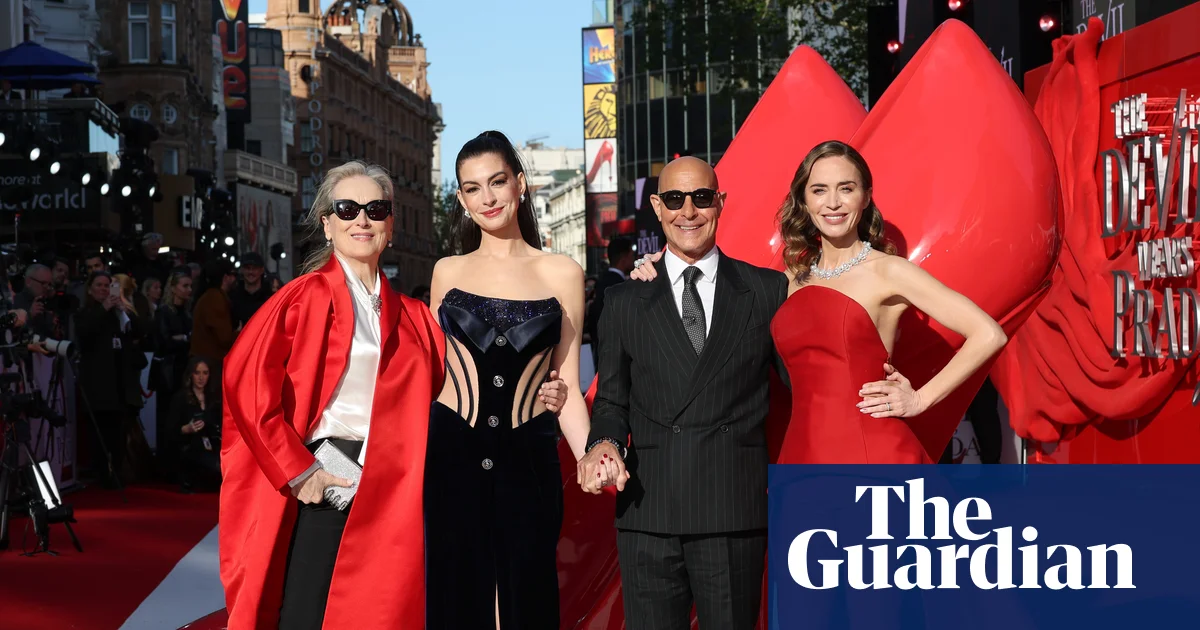
In recent years, the fashion industry has undergone a seismic evolution, revealing a deep transformation in consumer behavior and societal values. The release of The Devil Wears Prada 2, set against the grand backdrop of the National Gallery, exemplifies this shift. What once was a celebration of ostentatious luxury and industry dominance has now morphed into a compelling reflection of cultural resilience and changing attitudes toward power, age, and authenticity. The film’s premiere, attended by industry icons like Meryl Streep and Anne Hathaway, isn’t merely a sequel; it’s a cultural milestone—a mirror held up to a broken but still vibrant fashion world.

The social relevance of this trend extends far beyond the red carpet. The narrative surrounding the film delves into how digital disruption has redefined the power structures of fashion. Traditional gatekeeping—once held tightly by editors and designers—has dissolved in the face of a consumer-driven market where shoppers refuse to conform to the old dictates of trend-setting. Today’s fashionable youth are more inclined to curate their individual identities, leveraging social media influencers and micro-celebrities who challenge institutional authority and celebrate genuine, relatable style. According to analysts like sociologist Dr. Emily Roberts, this is a return to authenticity, where personal expression outweighs curated perfection. This cultural shift is why the film’s plot, reportedly “close to the bone,” strikes such a chord—highlighting that traditional power brokers are no longer the sole arbiters of taste.

Perhaps most remarkable is how this transformation is reflected in the ownership and valuation of esteemed designer brands. Over the past 20 years, the prices of iconic items—from Chanel jackets to Hermès scarves—have soared dramatically, exemplifying what some fashion analysts call fash-flation. Items worn by characters in the original film, like the classic Chanel jacket and Jimmy Choo shoes, now command prices that are significantly inflated—up by 80% or more. This inflation isn’t just about luxury; it illustrates an industry recalibrating its desirability in a digital age where conspicuous consumption intersects with an overarching pursuit of personalized identity. The cultural impact is profound: fashion is no longer merely about status, but a tool for individual storytelling. Influencers and industry insiders, such as Donatella Versace, are actively shaping this zeitgeist, making style accessible and relevant to younger generations.

Furthermore, the renewed focus on figures like Wintour and Streep, both in their mid-70s, signals a break from archaic Hollywood and fashion industry sexism. Their presence on the cover of Vogue—styled by legendary Grace Coddington—not only celebrates enduring personal brands but also champions a progressive attitude towards aging. This shift prompts us to ask: as societal perceptions of age and gender continue to evolve, will the next frontier be a complete reevaluation of how influence and authority are measured in the fashion world? The next chapter seems poised to challenge the structures of power once thought sacred, urging us to question whether the trend of individual authenticity and digital empowerment might someday redefine the very nature of cultural authority itself.
Fashion’s Grim Turn: Youth Style Moves Toward Old-School Backslide

Fashion’s Evolution Mirrors International Societal Changes Amid Medical and Cultural Shifts

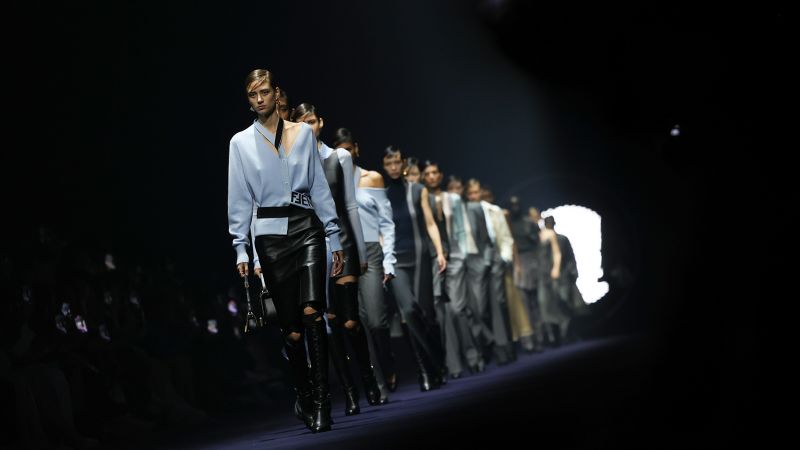
In 2023, the global fashion industry has once again unveiled its complex relationship with societal standards, body diversity, and medical advancements. This season’s runway shows across New York, London, Milan, and Paris reveal a disconcerting trend: a pronounced decline in the representation of plus-size models, echoing a broader societal pattern that privileges a narrow definition of beauty. Despite early progress driven by pioneers like Jill Kortleve, Paloma Elsesser, and Precious Lee—who broke the traditional sample size mold—this past season marked a stark regression. Industry analysts and fashion observers emphasize that this shift is not merely aesthetic but deeply intertwined with how international society perceives health, worth, and beauty.

Adding fuel to the fire is the advent and expanding accessibility of weight loss medications like Wegovy and Ozempic. These pharmaceuticals, originally designed to assist those with obesity or weight-related health issues, are increasingly being sought for purely aesthetic purposes though often at the expense of health risks. The European Medicines Agency recently issued warnings about shortages of Ozempic, underscoring the growing demand and potential for misuse. Critics such as global health experts warn that the normalization of such drugs, combined with a fashion industry retreat from size diversity, threaten to reinforce damaging societal narratives. As Dr. Lash, a prominent endocrinologist, cautions, “These drugs are not benign, and their use outside medical supervision can cause serious health complications.”

The significance of these developments extends well beyond individual health. According to historians and sociologists, these trends reflect a societal shift where the pursuit of an ultra-thin ideal is increasingly driven by consumer culture and pharmaceutical influence. Industry insiders point out that long-standing practices—such as creating exclusive sample sizes optimized for efficiency—are often cited by legacy brands as justifications for lacking size inclusivity. However, as White and other advocates argue, this is a matter of industry prioritization over societal well-being. Calls for a unified industry standard that mandates size diversity on runways are gaining momentum, aiming to combat the entrenched archetype of skinny beauty that has persisted for decades.

Despite these setbacks, a handful of smaller brands and emerging designers continue to push for change. Labels like Esther Manas, Di Petsa, and some collections by Christian Siriano exhibit a compelling commitment to celebrating all body types. This resistance symbolizes a broader cultural struggle—whether the fashion industry will embrace a definition of beauty that is inclusive, rather than exclusive. As the debate rages, critics warn that these decisions impact societal attitudes—shaping how future generations perceive self-worth, health, and diversity. The industry’s reluctance to fully integrate size inclusivity risks perpetuating a cycle where societal standards are dictated by narrow aesthetics and pharmaceutical solutions.

Ultimately, the narrative of body image and medical intervention is a portrait of a society at a crossroads. As social media platforms amplify conversations about health, beauty, and authenticity, and as international regulators grapple with medication shortages and misuse, history’s verdict remains unwritten. Will the global fashion industry and society at large choose authentic diversity and health over fleeting trends and pharmaceutical shortcuts? The unfolding story suggests we are entering a defining chapter—one where the choices made today will echo through future generations, shaping the very fabric of cultural identity and societal standards. The weight of history hangs heavily in the balance, whispering that the path forward must be carved with both conscience and courage.

Social Media Auto Publish Powered By : XYZScripts.com



