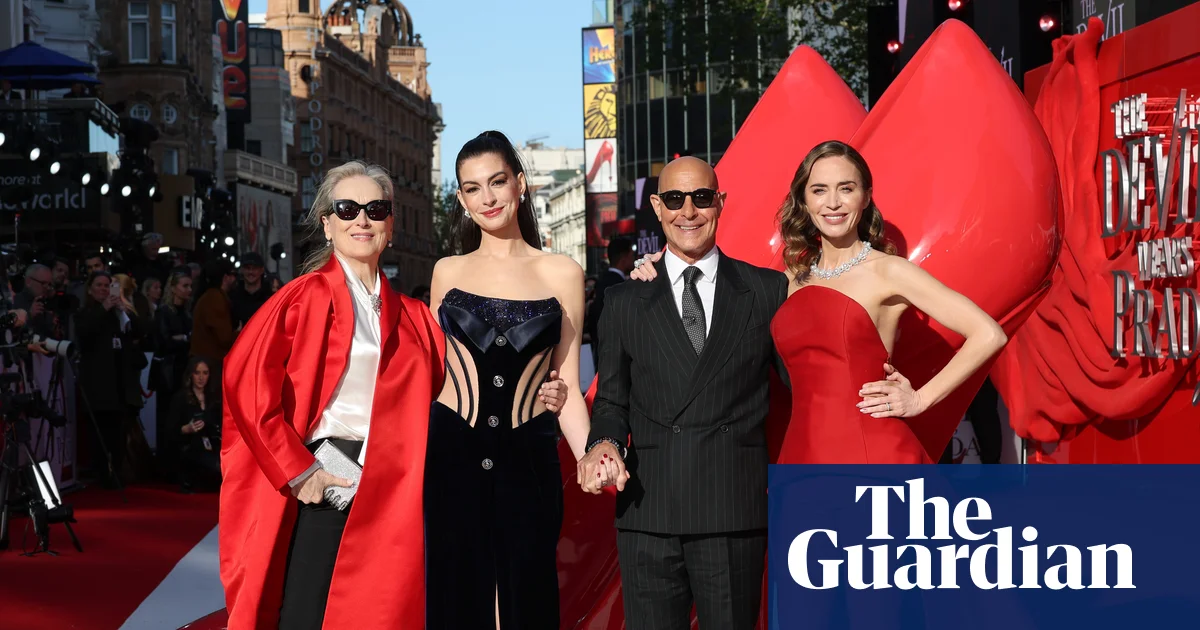
In recent years, the fashion industry has undergone a seismic evolution, revealing a deep transformation in consumer behavior and societal values. The release of The Devil Wears Prada 2, set against the grand backdrop of the National Gallery, exemplifies this shift. What once was a celebration of ostentatious luxury and industry dominance has now morphed into a compelling reflection of cultural resilience and changing attitudes toward power, age, and authenticity. The film’s premiere, attended by industry icons like Meryl Streep and Anne Hathaway, isn’t merely a sequel; it’s a cultural milestone—a mirror held up to a broken but still vibrant fashion world.
The social relevance of this trend extends far beyond the red carpet. The narrative surrounding the film delves into how digital disruption has redefined the power structures of fashion. Traditional gatekeeping—once held tightly by editors and designers—has dissolved in the face of a consumer-driven market where shoppers refuse to conform to the old dictates of trend-setting. Today’s fashionable youth are more inclined to curate their individual identities, leveraging social media influencers and micro-celebrities who challenge institutional authority and celebrate genuine, relatable style. According to analysts like sociologist Dr. Emily Roberts, this is a return to authenticity, where personal expression outweighs curated perfection. This cultural shift is why the film’s plot, reportedly “close to the bone,” strikes such a chord—highlighting that traditional power brokers are no longer the sole arbiters of taste.
Perhaps most remarkable is how this transformation is reflected in the ownership and valuation of esteemed designer brands. Over the past 20 years, the prices of iconic items—from Chanel jackets to Hermès scarves—have soared dramatically, exemplifying what some fashion analysts call fash-flation. Items worn by characters in the original film, like the classic Chanel jacket and Jimmy Choo shoes, now command prices that are significantly inflated—up by 80% or more. This inflation isn’t just about luxury; it illustrates an industry recalibrating its desirability in a digital age where conspicuous consumption intersects with an overarching pursuit of personalized identity. The cultural impact is profound: fashion is no longer merely about status, but a tool for individual storytelling. Influencers and industry insiders, such as Donatella Versace, are actively shaping this zeitgeist, making style accessible and relevant to younger generations.
Furthermore, the renewed focus on figures like Wintour and Streep, both in their mid-70s, signals a break from archaic Hollywood and fashion industry sexism. Their presence on the cover of Vogue—styled by legendary Grace Coddington—not only celebrates enduring personal brands but also champions a progressive attitude towards aging. This shift prompts us to ask: as societal perceptions of age and gender continue to evolve, will the next frontier be a complete reevaluation of how influence and authority are measured in the fashion world? The next chapter seems poised to challenge the structures of power once thought sacred, urging us to question whether the trend of individual authenticity and digital empowerment might someday redefine the very nature of cultural authority itself.