
Matox News

Truth Over Trends, always!

A Father’s Message to His Fallen Daughter: Forgiving the Man Who Took Her Life

Global Shifts in Justice Approaches: The Case of Restorative Justice after Ann Grosmaire’s Tragedy

The tragic death of Ann Grosmaire, a 19-year-old victim shot by her boyfriend, has ignited a renewed debate on justice systems worldwide. Her mother’s decision to advocate for restorative justice instead of traditional punitive measures underscores a seismic shift in how societies reckon with heinous acts. This decision echoes a broader international conversation about the lasting societal and geopolitical impacts of justice reform, highlighting a complex moral landscape that transcends borders.

In this poignant case, Ann’s mother emphasized her belief that healing could be achieved through dialogue and reconciliation, rather than solely through punishment. Such a stance aligns with recent trends seen across various nations that are reevaluating conventional justice paradigms. Countries like Norway and New Zealand have pioneered restorative practices as alternative or complementary approaches, aiming to foster accountability, healing, and societal reintegration. The global push toward such models is fueled by international organizations and criminologists who argue that restorative justice can reduce recidivism and promote social cohesion, especially for young offenders and victims’ families.

The decision of Ann’s mother is not simply a local or personal choice; it reflects a larger **geopolitical impact** that influences how states craft policies responding to social crises. As United Nations experts and regional bodies scrutinize their own justice frameworks, countries are balancing human rights, societal safety, and international image. Critics warn, however, that such approaches must be carefully calibrated to avoid undermining accountability and justice for victims. Historically, analysts like Dr. Helena Schwartz warn that a strategic shift toward restorative practices could, if misapplied, weaken deterrence and embolden those who view violence as an acceptable means of resolving conflicts.

In the wake of this tragedy, international observers note a *critical turning point*—a potential redefinition of justice that might ripple through legal systems, diplomatic relations, and societal norms. The ripple effects stretch well beyond the borders of the community affected, threatening to alter perceptions of justice in a world increasingly grappling with complex moral dilemmas. How nations choose to respond to acts of violence—whether through retribution, reconciliation, or a hybrid approach—shapes the future course of international law and order.

As history continues to unfold in this moment of moral reckoning, the world stands at a crossroads. The weight of this decision rests heavy on the corridors of power, where policymakers, international organizations, and societies alike must decide whether their quest for peace and understanding can withstand the turbulence of human violence. The story of Ann Grosmaire, emblematic of a larger struggle, reminds us that the unfolding chapters of history are written not only in the actions of governments but in the silent hopes and unresolved grief of families—an enduring testament to the profound importance and enduring complexity of justice.
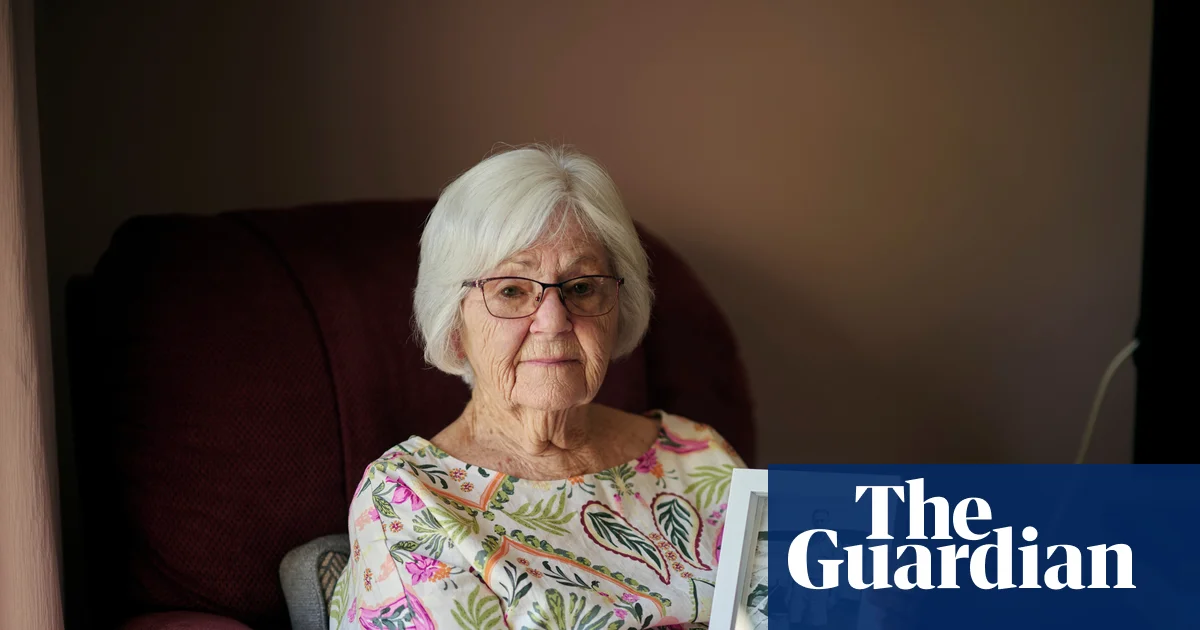

Her Father's Gaza War Grave Destroyed by Israel: Aussie Military Woman Seeks Justice and Truth
Her Father’s Gaza War Grave Destroyed by Israel: Aussie Military Woman Seeks Justice and Truth

The ongoing conflict in Gaza has once again underscored the devastating consequences of regional instability on historical and national memory. Recent satellite imagery reveals significant damage and possible destruction of the Gaza War Cemetery, where Australian soldiers from World War II are buried. The mutilation of these graves, reportedly caused by the Israel Defense Forces (IDF) during military operations, has stirred a global outcry, especially among families of the fallen and nations who hold those sacrifices sacred. Wilma Spence, among many, mourns the apparent obliteration of her father’s grave—an act she perceives as a profound disrespect to those who served and died for freedom.

This incident exemplifies how international conflicts are not contained solely within theatres of war but have profound effects on societal memory and diplomatic relations. The IDF’s justification—that graves were destroyed to address “underground terrorist infrastructure”—fails to quell skepticism among international observers and veteran communities. The Commonwealth War Graves Commission has expressed concern over the damage, with experts warning that the full extent of destruction may take years to repair. Such actions, analysts argue, threaten to rewrite history and undermine the moral authority of nations committed to safeguarding their war dead—especially when these graves symbolize sacrifice amid the chaos of global confrontation.

The geopolitical impact of these incidents extends beyond grief. Regional powers like Israel are engaging in complex military operations that often blur the lines between combatant and civilian zones, raising questions about international accountability. The diplomatic fallout influences alliances, aid policies, and international perceptions of legitimacy. The withdrawal or destruction of war graves challenges the notion of respect for tradition and international law, igniting debates on how contemporary military actions should reconcile with historical memory. Experts from institutions like The International Crisis Group warn that such acts may fuel resentment and be exploited by proxy groups, jeopardizing prospects for lasting peace in the region.

Meanwhile, families of the fallen, such as Wilma’s, highlight the broader social consequences. The loss of grave sites not only erases physical symbols of heroism but also scars collective memory and national identity. Wilma’s persistent efforts—writing to government officials and demanding accountability—illustrate the ongoing struggle of societies to reconcile military necessity with moral obligation. As President Isaac Herzog of Israel prepares to visit Australia amidst rising tensions, the question remains: will world leaders uphold their responsibilities to preserve history, or will the tides of warfare continue to wash away the foundations of collective remembrance?

The future of international diplomacy hinges on how these controversies are addressed. Will international organizations step in to enforce respect for war graves, or will regional and global powers prioritize strategic interests over historical dignity? The unfolding narrative leaves an indelible mark, emphasizing that in a world fraught with conflict, history—whether in the form of graves or memories—is both a heritage and a battleground. As witnesses like Wilma watch their ancestors’ resting places vanish, the weight of history presses heavily on the present, casting a shadow over the promise of peace and remembrance. The story of the Gaza war cemetery is not merely about physical destruction; it is a stark reminder that the consequences of war resonate across generations, shaping the destiny of nations and the moral fabric of humanity itself.”

Social Media Auto Publish Powered By : XYZScripts.com


