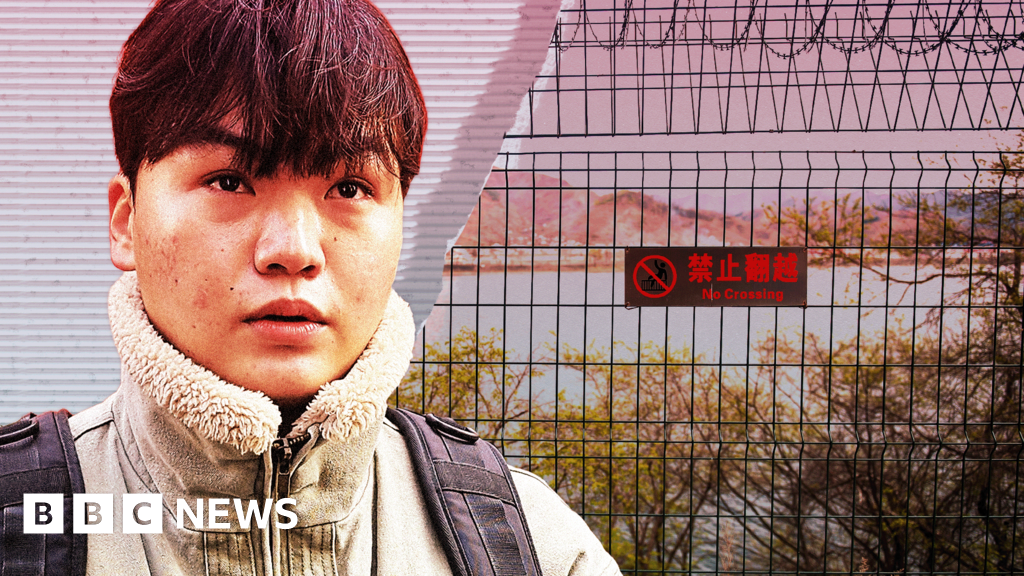

The recent circumstances surrounding Geumseong, a South Korean national who successfully arrived in South Korea but whose mother remains detained in China, underscore the complex and often volatile landscape of international migration and diplomatic relations. While Geumseong’s safe passage offers a glimmer of hope in a tense geopolitical environment, the ongoing detention of his mother highlights the persistent vulnerabilities faced by individuals caught in cross-border conflicts. Analysts warn that this scenario exemplifies how domestic policies and international diplomacy intersect, with human lives often at the mercy of broader geopolitical chess games.
The case reignites ongoing debates about the treatment of migrants and the role of diplomatic safeguards within the framework of international law. According to reports, Geumseong’s mother is confined within a Chinese prison and may face forcible repatriation. Such actions, if carried out, violate the principles enshrined in international treaties like the United Nations Convention Against Torture. Many geopolitical observers draw parallels to other situations where China’s judicial system has been criticized for lacking transparency, especially in cases involving foreign nationals or political dissidents. The South Korean government is reportedly advocating for her release, yet diplomatic channels are strained amid ongoing tensions over sovereignty, security, and broader regional rivalries.
This crisis exemplifies the wider geopolitical impact of border disputes, national security concerns, and international influence. According to prominent international relations scholars, such incidents are not isolated but are deeply intertwined with the shifting power dynamics within Asia. The decision by Chinese authorities to possibly repatriate Geumseong’s mother could serve as a bellwether for persistent authoritarian practices that undermine individual rights in favor of state interests. The situation also underscores how such conflicts influence societal perceptions and the resilience of democratic values. Governments and critics alike are watching closely, knowing that these events hold broader implications for regional stability and the integrity of international law.
In this high-stakes geopolitical theater, organizations like the United Nations and Human Rights Watch continue to scrutinize China’s actions, calling for diplomatic solutions rooted in respect for human rights. Yet, history has repeatedly shown that such crises often boil down to strategic calculations rather than humanitarian considerations. Analysts worry that the decision to forcibly repatriate individuals like Geumseong’s mother could set a dangerous precedent—one where sovereignty overrides the fundamental rights of individuals caught amidst geopolitical tensions.
As the story unfolds, the world watches a poignant tableau of personal tragedy amid the grander narratives of nation-states vying for dominance. In the shadows of diplomatic rhetoric, the plight of a mother imprisoned and a child seeking justice echoes across borders, reminding us that behind geopolitical shifts are lives forever altered. The outcome of this crisis may well shape future policy decisions and international norms. It leaves history on the precipice—an unresolved chapter in the ongoing story of power, human resilience, and the fragile pursuit of justice in an often uncompromising world.