Matox News

Truth Over Trends, always!

Gen Z's Fight: Upstart Youths Challenge Autocrat, but Old Guard Eyes Bangladesh Win
Gen Z’s Fight: Upstart Youths Challenge Autocrat, but Old Guard Eyes Bangladesh Win

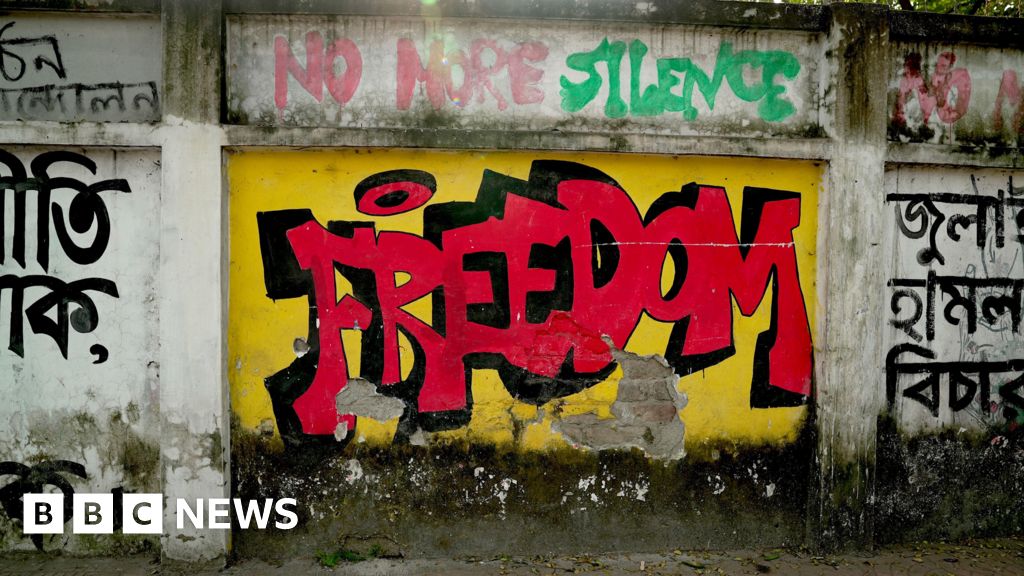
Bangladesh Election: Youth Uprising Meets Political Status Quo

The recent electoral contest in Bangladesh has emerged as a defining moment in the country’s political landscape, illustrating the tension between youthful aspirations and entrenched party politics. On one side, a wave of student-led protests and grassroots activism promised a new dawn of reform and democratic renewal. These young voices, energized by hopes for greater transparency, economic opportunity, and democratic accountability, symbolized a generational desire for change. Yet, despite the palpable yearning for a fresh start from the youth and civil society, the electoral outcome suggests a different reality: the old political guard still commands the corridors of power.

In the months leading up to the election, student protests and civic movements highlighted widespread discontent with corruption, governance failures, and the perceived authoritarianism of the current leadership. International observers, including analysts from the International Crisis Group and regional think tanks, noted that the surge in youth activism was reflective of broader societal anxieties about economic stagnation, unemployment, and perceived repression. However, the traditional parties—most notably the ruling Awami League and opposition alliances—maintained a firm grip on political machinery and electoral processes, ensuring their victory despite vigorous protests from the younger generation.

The election results, widely seen as a reaffirmation of the status quo, have raised profound questions about the geopolitical impact of Bangladesh’s internal decisions. As India and China continue to vie for influence in South Asia, Dhaka’s political orientation will have significant implications for regional stability and strategic alignments. The dominance of established parties raises fears among analysts that the country remains vulnerable to external pressures, especially considering its strategic position bordering India and its ongoing economic ties with China. Some experts warn that this electoral outcome may deepen a pattern of autocratic resilience, potentially hampering genuine democratic reforms and further entrenching military and political institutionalism.

International institutions have voiced cautious concern. The United Nations and regional bodies called for transparent processes, yet their influence remains limited amid Bangladesh’s strong internal political narratives. Historians tracking the country’s political evolution note that the pattern of youthful unrest contrasted sharply with the reassertion of traditional elites, a dynamic not unfamiliar in South Asian democracies. Strategic analysts reflect that, while the youth’s voice is vital for the future, entrenched interests and historical power structures continue to define electoral outcomes, often at odds with revolutionary aspirations. This persistent clash underscores that the true contest is not only about votes but also about the soul of a society yearning to move forward.

As the dust settles, Bangladesh’s future hangs in a delicate balance. The young protesters, who once envisioned a new dawn, now face a reality where ambition must contend with history. Governments and societies worldwide watch closely—aware that today’s electoral verdict might only be a chapter in an ongoing struggle between tradition and reform. With the weight of history pressing down, the question remains: will this be a moment of genuine transformation, or merely another cycle of the old guard securing their place in a nation still searching for its true voice? Ultimately, the unfolding stories of these during democratic battles reveal that, in the turbulent currents of history, the true revolution may lie just beyond the horizon, waiting for its moment to redefine the future of Bangladesh.”
Australia Faces Key Fight Over State Health Funding, Teen’s Body Found After Blue Mountains Camping

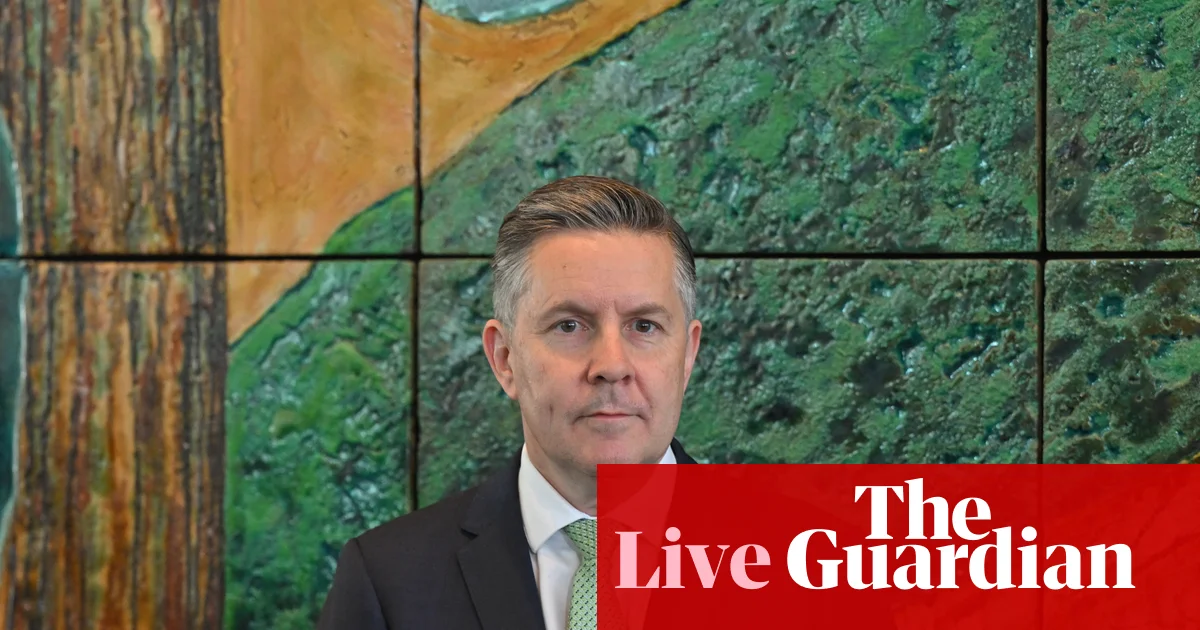
As the global landscape reels with shifting alliances and rising tensions, Australia finds itself at a pivotal crossroads, where internal politics threaten to ripple across the world stage. In the midst of negotiations over critical national issues such as health funding, aged care, and gun control, decision-makers in Canberra are making choices that could redefine Australia’s geopolitical stance for decades to come. Recent reports highlight a flurry of activity in the National Cabinet, as leaders grapple with a complex web of domestic challenges that hold profound implications beyond their borders.

The ongoing negotiations over the health funding deal underscore a larger theme of national sovereignty and resilience. Prime Minister Anthony Albanese and his cabinet are under pressure to secure an agreement that balances fiscal responsibility with the urgent needs of Australia’s health system. The proposed delay in launching new programs, such as the autism intervention under the NDIS, signifies an attempt to buy time in a climate of fiscal strain and political brinkmanship. Such decisions, analysts argue, reflect a broader strategic calculus that may influence Australia’s role in regional security and economic stability, especially as rival powers like China and Russia continue to expand their influence in the Indo-Pacific.

Meanwhile, the alarm over aged care shortages and misuse of funding reveals underlying tensions within Australian society that echo wider global concerns about social stability and human rights. Reports of prolonged wait times—up to 245 days for in-home care—highlight the failure to meet basic societal obligations, sparking sharp criticism from opposition parties and international observers alike. The scandal surrounding the unauthorized use of restrictive practices against NDIS participants exposes a severe failure in safeguarding vulnerable populations, a crisis that echoes similar issues in various Western nations. These domestic failures threaten to undermine Australia’s diplomatic standing, as allies and adversaries alike scrutinize how internal policies shape its commitments to international standards.

Furthermore, the debate surrounding the federal government’s approaching gun buyback scheme exposes the delicate balance of sovereignty and security. Albanese’s push for a comprehensive program costing hundreds of millions faces resistance from regions like Queensland and the Northern Territory, complicating efforts to present a unified front on national security. This internal discord risks emboldening international actors who interpret Australia’s divisiveness as a sign of political fragility—an unintended signal in an era of rising geopolitical instability. As historians warn, such internal divisions could weaken Australia’s capacity to act decisively in regional conflicts and global crises, thereby fostering a perception of vacillation at a time when strong leadership is desperately needed.

Every decision in Canberra resonates beyond its shores, shaping the very fabric of international diplomacy and conflict. Nations watch closely as Australia contends with internal crises that threaten to spill over and influence regional power dynamics. From escalating health crises to security gambits, the choices made by Australia’s leadership may well determine whether the continent remains a pillar of stability or succumbs to internal discord that invites opportunism from rivals. The weight of history presses heavily upon this nation, whose trajectory now hinges on the resolve to prioritize national interests in a world teetering on the edge of chaos. The unfolding saga remains a stark reminder: in the theater of geopolitics, the stakes have never been higher, and the future is written in the decisions of today.

Warner Bros Showdown: Trump’s Fight for the Future — Deal or No Deal?

U.S. Media Moguls and the Geopolitical Landscape

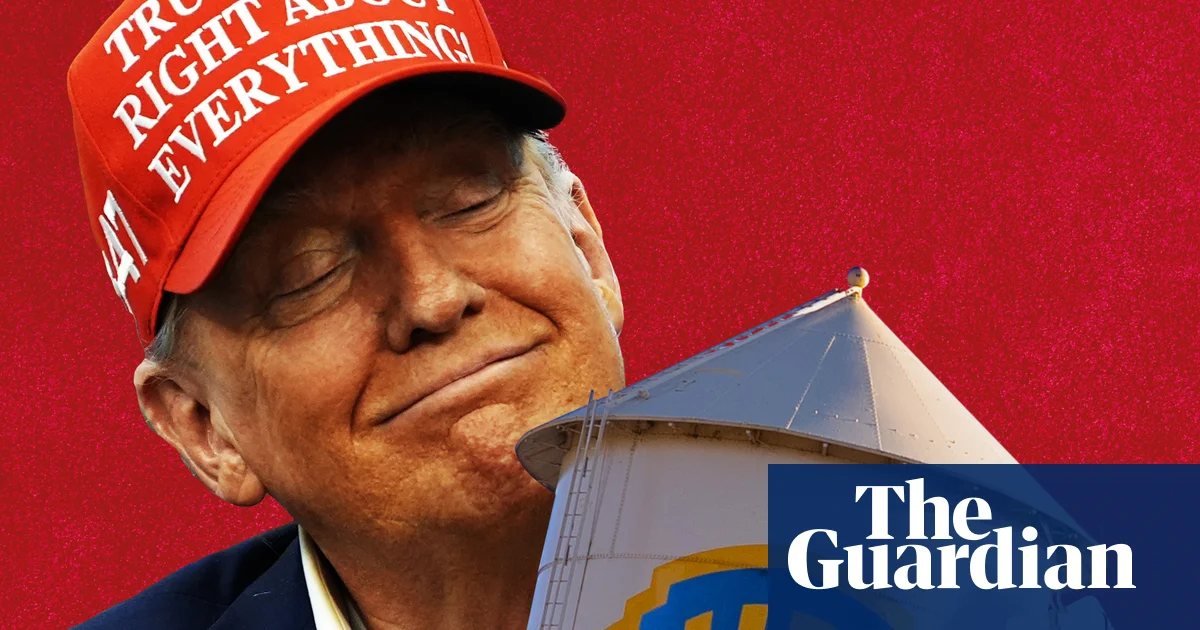
The recent upheaval in the international media industry reveals a profound shift that could redefine the global power balance. At the heart of this shift is President Donald Trump’s controversial influence over an impending mega-merger involving Netflix, Warner Bros Discovery (WBD), and other media giants. The $82.7 billion acquisition deal by Netflix for WBD’s extensive portfolio, which includes iconic assets like Batman, Casablanca, and CNN, is now complicated by political interference that extends beyond mere market competition to the very fabric of free enterprise and democratic process. As the world watches, the potential for a shaping of global media narratives by a single nation’s government looms large, threatening to tilt the scales of international diplomacy and news dissemination.

Political Puppeteering and a Dangerous Precedent

Trump’s involvement, or at least his declared interest, highlights a disturbing trend — one where the White House’s hand is being seen as an arbiter in big corporate deals. Historically, horizontal mergers—especially ones of this magnitude—are subject to vigorous antitrust scrutiny from independent agencies that seek to prevent monopolistic consolidation. However, the current administration’s apparent willingness to entertain direct presidential influence risks undermining decades of established legal standards. Renowned legal scholar Tim Wu from Columbia University pointed out that such interference in merger reviews is “not how the system was designed,” expressing concern that the White House’s new approach could erode the independence of antitrust regulators. Analysts warn that if the deal proceeds amid political meddling, it may set a precedent where government officials deploy influence as a weapon to favor certain corporate interests, fundamentally threatening market competition and consumer choice on a global scale.

Who Holds the Power: Society or State?

Paramount Skydance’s aggressive $108 billion bid, backed by Trump supporters, underscores a critical geopolitical chess game. The bid’s significance extends beyond simple corporate rivalry; it symbolizes a tug-of-war over media sovereignty and control of narrative powers that shape societal perceptions worldwide. Critics, including Senator Elizabeth Warren and other democrats, emphasize that such consolidation raises profound concerns about the erosion of diversity in media voices and the potential suppression of dissenting views. With Hollywood historically a potent tool for ideological influence, the possible monopolization of entertainment and news outlets in the hands of a few — especially with political operatives blurring the lines — threatens to limit the very fabric of open discourse.

Disturbingly, this potential merger involves not only American firms but also international actors. As analysts warn, the culmination of these moves could deepen the crisis of global media neutrality, with powerful alliances aligning to endorse or oppose mergers based on geopolitical agendas. The danger is clear: when political influence seeps into the mechanism of market regulation, the result can be a shadow empire of propaganda— a space where dissent is quashed, and national interests dominate the narrative worldwide. The international community, including independent think tanks and watchdog groups, must remain vigilant against such threats to democracy and free enterprise.

The Weight of History and the Unfolding Future

As Trump’s recent statements and actions continue to raise alarms, the global stakes become ever clearer. This contentious collision of corporate interests, political ambitions, and international values of free speech underscores a pivotal moment in history—one where the consequences extend beyond the borders of the United States. The unfolding drama echoes echoes from past eras of conflict, where media control often predates or catalyzes larger geopolitical upheavals. Will the independent mechanisms designed to shield markets from monopolistic powers endure, or will they be subsumed by the ambitions of a single nation’s leadership? As the world teeters on the edge of this new frontier, the real question remains: who will shape the stories of tomorrow—the free societies or the shadowy interests pulling strings behind closed doors? The answer, like history itself, is still being written.

Greenlandic Families Push Back as Parenting Tests Banned, Fight to Reclaim Their Kids

Greenlandic Families Fight for Justice Amid Danish Child Welfare Policies

In an unfolding chapter of international custody and cultural conflict, families from Greenland are challenging decades-long practices by the Danish government that have led to the removal of their children. Tied to a complex history of colonialism, these legal and social interventions have sparked protests, emotional trauma, and ongoing legal battles, exposing a deep-rooted crisis of cultural identity and human rights. As Greenland strives for recognition of its sovereignty and cultural integrity, the case of these families underscores how international decisions can reverberate across societal fabric—shaping laws, perceptions, and lives in powerful, often tragic ways.

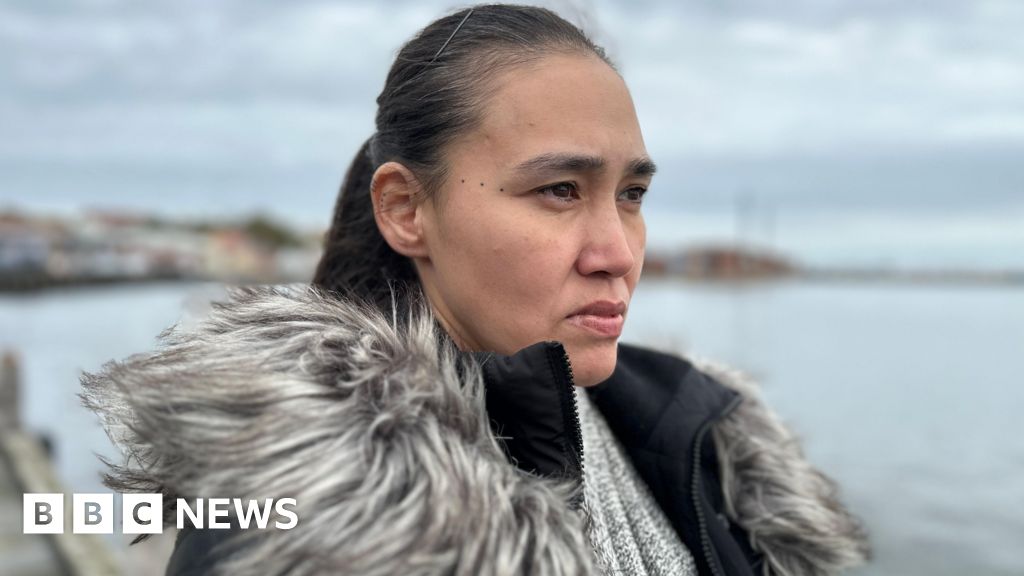
Central to this controversy are the so-called FKUs—parenting ability assessments that, since their inception, have been used by Danish social services in complex welfare cases. Critics argue that these evaluations are heavily biased, culturally insensitive, and lack scientific validity—particularly when applied to Greenlandic families. Analysts and human rights advocates warn that these tests, administered in Danish and tailored around Danish norms, distort true parenting capacity, threatening to erase traditional Greenlandic values and foster a cycle of loss and despair. For many families, like Keira and Johanne, these assessments have resulted in the heartbreaking removal of their children immediately after birth or during early childhood, often based on superficial tests that critics say cannot reliably predict parental success.

The Human Cost and Cultural Clash

The stories of Keira and Johanne are emblematic of the personal tragedy woven into this larger international issue. Keira, a Greenlandic mother, recounts her agony of having only two hours with her newborn, Zammi, before social services took her away—an experience marked by uncontrollable sobbing and whispers of regret. Despite ongoing visits, she remains separated from her daughter, battling court decisions rooted in assessments that questioned her parental abilities based on questions about Mother Teresa or the speed of sunlight. Similarly, Johanne’s premature son was taken at birth, despite a brief period of contact, and subsequently adopted—the loss lingering painfully for both parents. Such cases illustrate how administrative decisions intertwined with cultural insensitivity can fracture families permanently.

While the Danish government announced a review of hundreds of such cases in the wake of mounting criticism and protests—some in Nuuk, Greenland’s capital—>the process remains slow and uncertain. As of now, only a fraction of cases have been reevaluated, with no children returned. Critics, including social workers and psychologists, contend these assessments are often based on outdated or culturally biased criteria. The recent ban on FKUs in Greenland was a significant step, yet advocates argue that systemic reform is necessary to prevent future tragedies and uphold the rights of indigenous communities.

Implications for Global Law and Sovereignty

The dilemma extends beyond individual families; it highlights the broader geopolitical impact of colonial legacies and sovereignty. Greenland, a territory with a rich indigenous culture and increasing strategic importance due to its natural resources, finds itself at the crossroads of international governance and cultural preservation. The families’ struggles reflect a wider debate: should colonial-era social policies continue to dominate or give way to indigenous-led justice? International organizations like the United Nations and European Court of Human Rights face mounting pressure to intervene, signaling a global shift towards recognizing indigenous rights and cultural autonomy in social policies.

As historians and analysts observe, this murky intersection of law, culture, and geopolitics is a *turning point*—a test of how modern nations reconcile their histories with contemporary human rights standards. For Greenlandic families, especially, the fight is about more than custody; it is about preserving identity and dignity amid an evolving global landscape. Time may echo with the resolutions of courtrooms and legislative chambers, but the weight of history continues to cast shadows. The ongoing struggle for the return of their children serves as a stark reminder: decisions made in distant boardrooms and courtrooms today will, in time, define the legacy of justice, cultural resilience, and sovereignty for generations to come. The story is still unfolding, and only history can tell whether humanity advances towards true equality or remains prisoner to its colonial past.

Sisu: A Bold Finnish Hero Faces Justice in a Gritty Sequel — A Fight for Honor and Revenge

In the modern cinematic landscape, few genres embody the essence of cultural resilience quite like the action film, especially those that draw heavily from historical and national symbols. The Finnish indie Sisu, directed by Jalmari Helander, epitomizes this phenomenon. Released in 2022 and subsequently gaining acclaim with its sequel Sisu: Road to Revenge, the film revitalizes a genre rooted in stoic endurance, raw heroism, and a persistent, uncompromising attachment to one’s homeland. Helander’s work, infused with a boyish enthusiasm reminiscent of childhood war games, underscores a cultural narrative: that the stories we tell ourselves about perseverance and victory are central to our identity and societal continuity.

Critics, including the writer at The Guardian, have appreciated Sisu for its economy of storytelling—an unpretentious, straightforward focus that echoes the philosophy of thinkers such as Ortega y Gasset, who emphasized the importance of individual vitality in shaping society. Helander’s narrative rejects the excesses of CGI spectacle in favor of practical effects and raw stunt work, cultivating a sense of authenticity that resonates powerfully with patriotic sentiments. The film underscores a vital cultural truth: that the stories of resilience, sacrifice, and cunning are how nations preserve their memory and forge their future. When Aatami—played with gritty defiance by Jorma Tommila—removes beams from his destroyed home or outsmarts Red Army foes, these images transcend mere entertainment. They become symbols—mementos of a collective identity grounded in perseverance.

Throughout cultural history, society has leaned on myths of heroism and survival to articulate its moral fabric. Critics like Chesterton have celebrated the appeal of stories rooted in fundamental human virtues. Today, Sisu channels this tradition, reminding viewers that the true strength of a nation lies in its people’s ability to endure and adapt, even under the most oppressive circumstances. The film’s celebration of the Finnish landscape—its sun-dappled vistas and rugged terrains—reinforces the idea that culture is a landscape of memory and prophecy. As T.S. Eliot observed, “The past should be altered by the present as much as the present is directed by the past.” Here, tradition is not static but a living, breathing force that guides a society’s moral compass—one rooted in the conviction that resilience is a form of rebellion against tyranny.

In an era often characterized by fragmentation, Sisu stands as a testament to the enduring power of cultural memory. Its focus on straightforward heroism, coupled with a reverence for tangible, practical effects, serves as a counterbalance to a Hollywood trend that often undermines genuine human effort with digital illusions. Helander’s work reveals that sometimes, the simplest stories—those of one man’s fight against overwhelming odds—resonate most deeply. Culture, after all, is both our collective memory and our prophecy. It defines who we have been and who we strive to become. As we consider these stories, we are reminded that humanity’s best hopes are born from resilience, from the unwavering belief that even in darkness, a spark of hope can illuminate the path forward—an enduring echo of the national spirit, calling us to remember and to anticipate a future forged in the fires of tradition and the forge of human will.

Why’s Trump warning the BBC with a legal fight? The shocking details behind the showdown

In today’s rapidly shifting cultural landscape, even the most venerable institutions like the BBC are not immune to upheaval. Recently, the corporation has found itself embroiled in a controversy that extends beyond journalism and into the realm of public trust and personal impact. The fallout from the controversial documentary about Donald Trump, titled Trump: A Second Chance?, exemplifies how media narrative editing and perceived bias can cause ripple effects at the highest levels. The resignations of the BBC’s director general, Tim Davie, and the head of news, Deborah Turness, underscore a broader realignment—one where accountability and safeguarding journalistic integrity stand at the crossroads with political and cultural pressures.

This turmoil also highlights the power of lifestyle shifts—not just for individuals, but for organizations navigating the turbulent waters of free speech, trust, and public influence. The leaked internal memo suggested that the documentary had been edited to seemingly distort Trump’s speech, creating a narrative that some critics argue skewed public perception. The backlash, intensified by aggressive legal threats from Trump himself, presses us to consider how the personal impacts of media—shaped by agendas, biases, and artistic choices—can influence mental well-being, governance, and cultural discourse. For young audiences committed to defending the values of truth and integrity, this situation provides a stark reminder that lifestyle extends far beyond health and leisure—it also encompasses the choices we make about where we consume information and whom we trust.

Amidst this crisis, it’s vital to recognize the importance of cultivating a well-rounded, critically aware mindset. Influential wellness experts like Dr. Jordan Peterson advocate for embracing personal responsibility in shaping how we interpret media stories. Developments at the BBC serve as a call to action: actively engaging with diverse narratives and cultivating resilience against manipulative narratives is a key component of lifestyle transformation that empowers young people today. Furthermore, the repercussions extend to how institutions address public accountability; the resignation of top executives signals a recognition that maintaining trust demands renewed dedication to transparency, accuracy, and ethical standards—principles that resonate deeply with those seeking purpose through informed choices.

  • Engage with reputable news outlets to develop a nuanced understanding of the world.
  • Prioritize media literacy—question, analyze, and verify before accepting narratives as truth.
  • Foster resilience against sensationalism—champion honesty over sensationalism in your personal and community circles.
  • Support organizations committed to journalistic integrity and societal well-being.

As the story unfolds at the heart of British media, it prompts us to reflect on our own journey. Our lives are a continual process of choosing what to believe, how to respond, and which values to uphold. The turbulence faced by the BBC is a microcosm of a broader challenge: embracing a lifestyle characterized by discernment, moral clarity, and resilience. Like navigating a complex landscape, our journey begins with the conscious decision to seek truth, foster well-being, and inspire the next generation of thinkers—those who will stand resilient in the face of misinformation and upheaval. In this way, the true power lies not just in institutions, but in the collective pursuit of a life dedicated to integrity and purpose—an ongoing voyage that defines who we are and shapes the world we wish to see.

Second brother of French anti-drugs activist shot dead in Marseille—another tragic blow to the fight against crime

Marseille Violence: The Tragedy of Gang Warfare and Its Global Implications

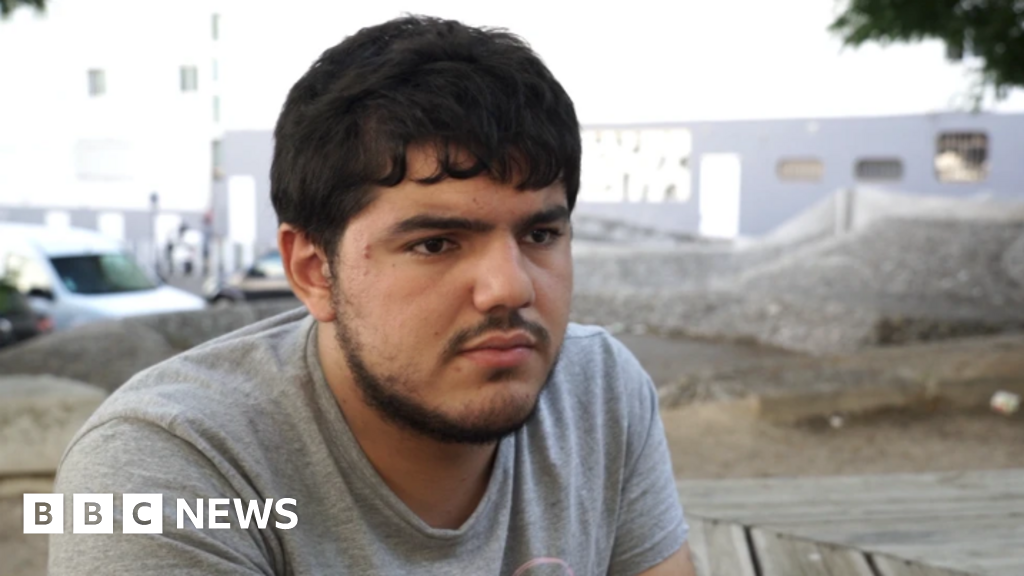
The recent brutal murders in Marseille, France, underscore a critical escalation in urban violence, with profound geopolitical repercussions that extend beyond local boundaries. The killing of two brothers from the same family—Brahim in 2020 and now Mehdi in 2023—illuminates the destructive power of organized crime and its enduring grip over the city’s most vulnerable communities. The tragic pattern, with youth as young as 15 pulled into violent vendettas, serves as a stark reminder of the erosion of social stability within Western nations, challenging political leaders and law enforcement agencies alike. The fact that a young anti-drugs activist, Amine Kessaci, whose work aimed to mitigate this chaos, receives death threats underscores an unsettling turning point—a confrontation with the fracture lines in French society and the wider Western world.

Marseille’s endemic violence is emblematic of a broader uprising of urban insurgencies affecting many Western city-states. As gangs continue to carve out turf within high-immigration neighborhoods, their warfare spills into street-level shootings, often occurring in broad daylight, as seen with Mehdi’s murder by motorcycle gunfire. Local authorities acknowledge that these crimes are not isolated; they are part of a harrowing cycle of revenge and territorial disputes, often fueled by drug trafficking networks that have entrenched themselves in the city’s fabric. The European and international community, including analysts and historians, highlight that such violence threatens the very fabric of civil society, prompting urgent calls for comprehensive reforms. Yet, the persistence of these conflicts raises uncomfortable questions about how nations can reform immigration, law enforcement, and social policy to prevent a slide into lawless chaos.

The Shadow of Organized Crime and Political Reckoning

  • The murder of Brahim, linked to drug gang vendettas, encapsulates the threat posed by criminal organizations that often operate with impunity and difficulty for authorities to dismantle.
  • Mehdi’s murder, seemingly unrelated to gangs, is feared to be a warning aimed squarely at Amine, whose outspoken activism and political ambitions made him a target—symbolizing how criminal violence intersects with political activism.
  • Amine’s establishment of Conscience, an NGO dedicated to aiding families affected by drugs violence, underscores a new wave of civic activism aimed at combating these structures from within.

Such developments signal a warning of a wider societal breakdown, with international watchdogs cautioning that, without decisive action, these localized conflicts could spiral into a broader crisis of governance and security. The French government’s response, characterized by police protection for activists like Amine, reflects a recognition of the seriousness of these threats. Still, critics argue that current policies lack the strategic depth needed to truly unravel the roots of criminal networks. The European Union and other international bodies continue to monitor the situation, with some alarmed by the increasing youth involvement in gangs—an issue that threatens to undermine future generations’ prospects and social cohesion.

Consequences for Europe and Beyond

The violence in Marseille epitomizes a continuing challenge for EU nations attempting to balance multicultural integration with national security. As analysts point out, the situation could serve as a harbinger for similar strains across other European borders, especially in cities with large immigrant populations. The ongoing crisis also raises questions about international cooperation—whether global institutions will rise to the occasion or become overwhelmed by the complexity of such urban war zones. The historical perspective warns that neglecting these issues risks turning once-thriving urban centers into lawless enclaves, where de facto warlord rule replaces civil authority, echoing patterns seen in failed states worldwide.

As history unfolds, the death of Mehdi and Brahim Kessaci will be remembered not only as isolated tragedies but as symbols of a war within cities that threaten to rewrite the social contract. The weight of this moment challenges leaders and societies to confront uncomfortable truths about governance, integration, and the true cost of neglecting the roots of urban decay. The future remains uncertain—balancing on the precipice of change, where each decision could either mend a fractured society or plunge it further into the shadows of chaos. History, it seems, is still writing its darkest chapters, and the fate of Marseille may well serve as a cautionary tale for cities worldwide struggling beneath the weight of their own internal conflicts.

France doubles down on fight against resilient jihadist threat a decade after Bataclan

Evolution of the Jihadist Threat: A Decade After Paris Attacks

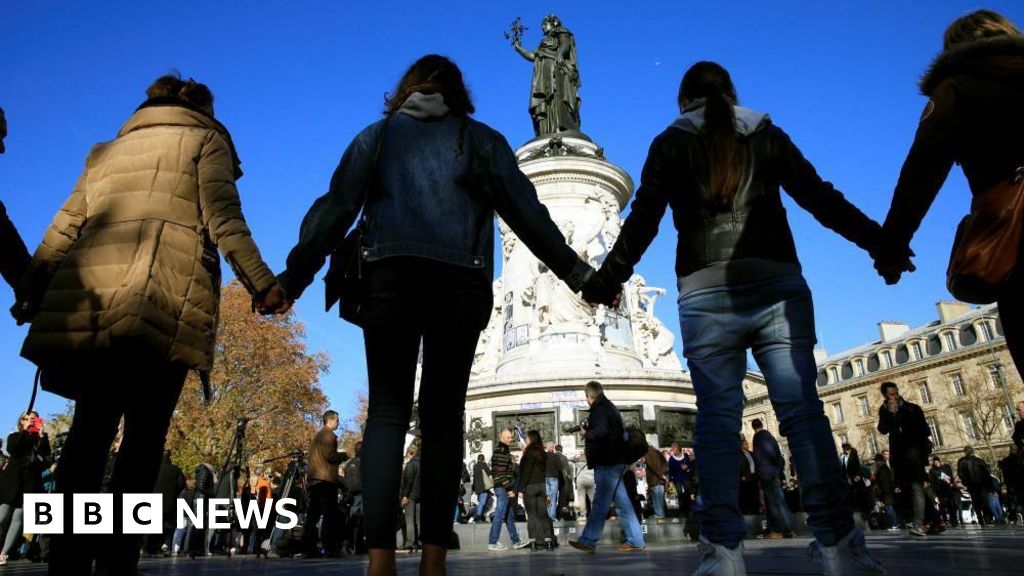
As France commemorates the 10th anniversary of the devastating Bataclan massacres, the nation faces an unsettling reminder that the jihadist threat endures. The attacks, carried out by young militants linked to Islamic State (IS), shattered the façade of security in Europe and transformed its geopolitical landscape. The attack, which resulted in the tragic loss of 130 lives, marked a turning point in global counterterrorism efforts, prompting intense scrutiny of radicalization pathways, international support networks, and intelligence capabilities. While IS has lost its territorial caliphate, analysts warn that the residual ideological and operational networks continue to metastasize across borders, threatening the very fabric of Western societies.

This year, an arrest underscores the persistent danger. A 27-year-old French convert to Islam, identified as Maëva B, has been detained on suspicion of plotting her own act of violence. Her connection to Salah Abdeslam—the sole survivor of the November 2015 attacks—has come under intense investigation. Prison authorities discovered Abdeslam had been communicating with her via a USB containing jihadist propaganda, which traced back to her face-to-face meetings with the convicted terrorist. This connection reveals the disturbing reality of how radicalization can operate clandestinely within the prison system, illustrating that the threat has not diminished but adapted, often lurking in unexpected spaces. Authorities now focus on the so-called “ambient jihadism”, a diffuse threat fueled by online echo chambers, grievances exploited by global conflict, and a fractured national political climate that increasingly resonates with extremist narratives.

Historical and Geopolitical Significance

The 2015 Paris attacks were more than just acts of terror; they were a geopolitical crisis that highlighted the vulnerabilities of modern open societies. The coordination—and brutality—of the assaults by young men of North African origin, trained in IS territory within the Middle East, exposed the porous nature of European borders and the complex web of support supporting radical initiatives. Drawing from the insights of historians like Gilles Kepel, provincial governments and worldwide organizations began to realize that the post-attack security measures were only a partial solution. The global fight had to evolve, targeting online radicalization, dismantling support networks, and countering the socio-political conditions that breed extremism. Yet, despite military defeats, the ideological contagion persists, proving that the root system of radical Islamism continues to thrive clandestinely, metastasizing within vulnerable communities.

The geopolitical impact has been profound, shaping policies across the Atlantic. European nations, especially France, have fortified security measures but remain haunted by the resignation that their enemies are no longer always visible or easily contained. As Kepel suggests, the danger now is less from organized cells and more from “ambient jihadism”, a phenomenon exploited by global conflicts — including ongoing crises in Gaza and Israel — which serve as catalysts for radical narratives. The political crisis gripping France—characterized by a polarized parliament and compromised leadership—further amplifies the risk, diminishing the nation’s social cohesion and increasing the likelihood of violence. International organizations warn that if national unity unravels, extremism could ignite new waves of violence, making the current epoch a perilous turning point in Western history.

The Ongoing Battle and the Weight of History

In the wake of these developments, the collective memory of Paris’ tragedy remains a stark reminder of what is at stake. The Bataclan attack, now a symbol of Islamist violence, echoes a warning that resonates globally. Despite the military’s apparent decline of IS in the Middle East, the threat landscape has shifted, becoming more unpredictable and diffuse. The recent offer of “restorative justice” by Salah Abdeslam—met with outrage by many—symbolizes the moral and political dilemmas facing Western societies. As the day concludes with the Eiffel Tower lighting up in national colors, the question remains: How will history judge these decisions? Will future generations find us resilient or complicit in a still-unfolding saga of conflict, ideology, and the fragile pursuit of civilization amidst chaos?

As the world watches, the shadow of Paris’ wounds lengthens into the present, reminding us that the struggle against radical extremism is not over but evolving. The past informs the present, and in this, history continues its unforgiving march, one that may yet determine the future of free societies across the globe.

Trump vows to sue BBC over altered speech, claims duty to fight bias

Global Power Play: Trump versus BBC Sparks International Tensions

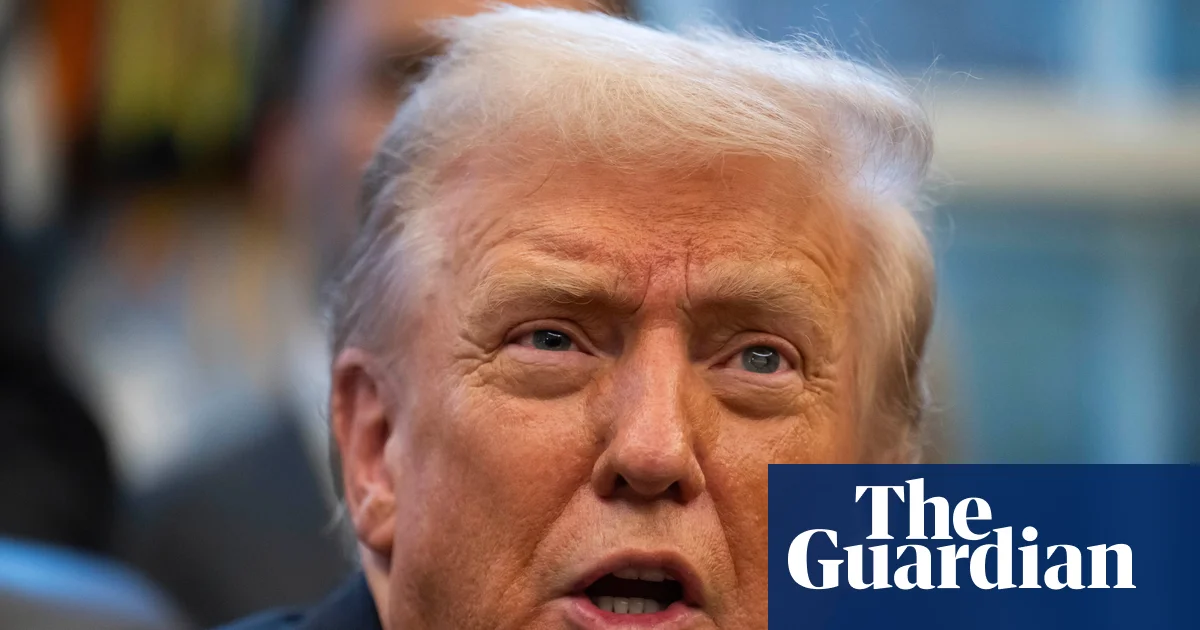
In a developing saga that underscores the enduring volatility of transatlantic relations, former U.S. President Donald Trump has declared his intention to pursue legal action against the British Broadcasting Corporation (BBC), igniting fears of a broader eroding trust between allied nations. The controversy centers around the BBC’s editing of a Panorama documentary that manipulated a speech Trump delivered on January 6, 2021. Trump claims the aired segment misrepresented his words, implying a call for violence—an assertion the corporation acknowledges, having issued an apology. However, the mere fact that this incident has escalated to a threatened billion-dollar lawsuit indicates how media narratives can swiftly morph into diplomatic flashpoints.

The repercussions extended beyond the courts, provoking a wave of shockwave effects within the British media landscape. The resignation of BBC Director General Tim Davie and Deborah Turness, the head of BBC News, has been widely interpreted as a sign of internal turmoil provoked by the controversy. Many analysts see this as a reflection of the deepening rift between free press principles and the rising tendency of political trivialization and weaponization of media. Critics within the BBC have expressed fears about the institution’s perceived bias, highlighted in recent internal memos—particularly one authored by former independent adviser Michael Prescott, which accused the corporation of liberal bias. Despite_counterarguments_html>representing historical issues, the controversy illustrates how the BBC’s credibility is increasingly scrutinized amid the shifting sands of international facts and narratives.

Geopolitical Impact: Transatlantic Tensions and the Future of Global Media

The upcoming legal showdown is expected to have profound geopolitical repercussions. While Florida’s legal landscape may not favor Trump’s claims, the case amplifies a larger narrative—one where national interests and media sovereignty increasingly collide. Experts warn that the dispute could set dangerous precedents, empowering political actors to wield the judiciary as a tool for controlling international narratives. It raises fundamental questions about who controls the truth and how societal consensus is shaped in an era of misinformation. International organizations, such as the United Nations, have repeatedly warned against weaponizing legal mechanisms for political ends, yet the trend persists. The controversy surrounding the BBC’s editing practices resonates beyond bilateral tensions, serving as a warning signal about the fragile balance between free speech, media integrity, and political influence.

Meanwhile, the British government faces increasing pressure to defend its sovereignty against not only domestic internal strife but also external accusations of bias and manipulation. The rising tide of populist nationalism across Europe and North America underscores a broader desire to assert control over national narratives and resist the perceived encroachment of globalist interests. As historians and political analysts note, these conflicts are more than mere disputes—they are a reflection of deep-rooted societal debates about sovereignty, truth, and the future direction of Western democracies. The recent BBC crisis exemplifies how media institutions are caught in the crossfire of international power struggles, with their decisions having tangible consequences on national identity and social cohesion.

The Unfolding Narrative: The Weight of History

As the legal proceedings loom, and the BBC grapples with internal and external pressures, the overarching question remains: what does this mean for the future? Will this conflict exemplify a new era where media outlets become battlegrounds for ideological dominance, or will it serve as a wake-up call to defend the integrity of information itself? History warns us that such clashes are rarely contained; they ripple outward, affecting alliances, societal trust, and the very fabric of democracy. With each court date and internal memo, the weight of history presses down—reminding us that the decisions made today, especially in the realm of media and law, will echo through future generations. Ultimately, the unfolding story of Trump vs. the BBC is a stark symbol of a world where the lines between truth, power, and influence are more blurred than ever, leaving the global community at a crossroads—the outcome uncertain, and time itself undeniably running out.

Syria joins coalition to fight ISIS after Trump talks

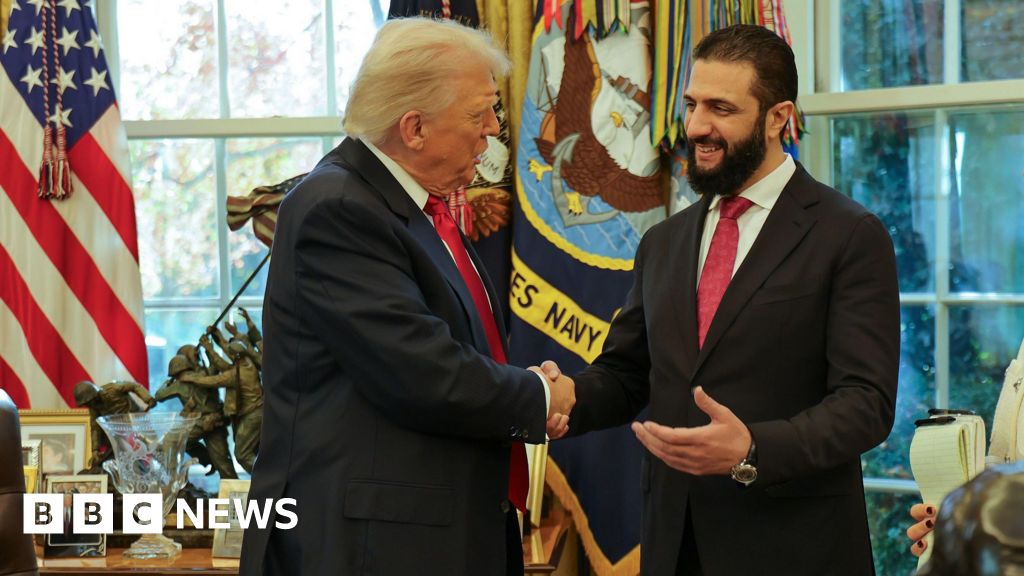
The United States has dramatically shifted its foreign policy stance toward Syria, signaling a potential turning point in the volatile Middle East. For years, Syrian relations with Western powers have been marked by sanctions, diplomatic isolation, and conflict. Yet, recent developments indicate a strategic pivot, as Syria prepares to join an international coalition against the Islamic State, marking it as the 90th member committed to eradicating remaining terrorist elements and addressing regional instability. This move not only signifies a notable diplomatic breakthrough but also underscores the complex dynamics of how international decisions can redefine national destinies. The breakthrough occurred amid a historic visit to the White House by Syrian President Ahmed al-Sharaa, an event unprecedented in diplomatic history, as the US government officially recognizes a figure once branded a terrorist as a government partner.

This unprecedented rapprochement is underpinned by a series of bold decisions, including the lifting of economic restrictions and a suspension of the Caesar Act, which had severely sanctioned the Syrian government since 2019. Announced by the US Treasury Department, these measures aim to foster economic development and rebuild Syria’s institutions—an effort supported by international organizations and analysts who emphasize the importance of stabilization in the region. Experts warn, however, that this apparent thaw could complicate long-standing regional conflicts and fuel geopolitical tensions, particularly with countries skeptical of Damascus’s intentions. In addition, the US intends to renew diplomatic ties, allowing Syria to reopen its embassy in Washington—a remarkable diplomatic gesture that suggests a reevaluation of America’s Middle East strategy.

On the international stage, Russia and China — longstanding allies of Syria—are watching closely, as the US moves towards a more pragmatic engagement. This shift signals a departure from earlier policies driven by regime change aspirations, and a realignment driven by pragmatic geopolitical concerns. As noted by scholars such as Dr. Steven Heydemann of the Middle East Institute, the United States is deliberately recalibrating its role—balancing counterterrorism efforts with a desire to influence the post-war reconstruction process. Meanwhile, how this policy shift impacts global power balances and local societies remains uncertain, but it undoubtedly redefines Syria’s place in the international order. The decision to involve Damascus in a coalition against global terrorist threats reflects a broader lesson on how wars reshape alliances, and how the past can be reinterpreted for geopolitical gain.

As history continues to unfold, the question remains: will Syria’s new diplomatic path truly pave the way for stability and peace, or will it deepen regional divisions? The world watches as the leaders of today, guided by the burdens of history and the weight of their decisions, attempt to forge a new chapter—one written in the uncertain ink of diplomacy, conflict, and fleeting hope. In this complex narrative, the true impact of these decisions will only be revealed with time, leaving future generations to ponder whether these moves will bring lasting peace or ignite new conflicts in an already fractured region.

Social Media Auto Publish Powered By : XYZScripts.com