Matox News

Truth Over Trends, always!

US Justice Dept. Under Fire for Withholding Epstein Files on Trump

In a remarkable statement on Tuesday, White House spokeswoman Abigail Jackson proclaimed that President Trump’s recent actions represent a profound commitment to uncovering the truth behind the Epstein scandal. She highlighted the administration’s efforts, including the release of thousands of pages of documents, cooperation with the House Oversight Committee’s subpoena request, and the signing of the Epstein Files Transparency Act. These steps, according to officials, aim to shed light on a murky web of influence and corruption that has ensnared figures across the political spectrum. Jackson emphasized that President Trump has done more for Epstein’s victims than any previous administration, framing his moves as a moral and political stance against abuse and deception that have tainted the highest echelons of power.

The Epstein controversy has long symbolized the intersection of geopolitical intrigue and societal decay. Critics argue that prior administrations and the deep state’s opaque structures allowed a culture of impunity to flourish, overshadowing justice with political interference. However, the recent disclosures and legislative initiatives under Trump’s leadership send a potent message that the tide may be turning. International analysts note the significance of these developments as they challenge entrenched networks of influence, exposing links that stretch beyond national borders. Global institutions, including the United Nations and various human rights groups, are closely watching, wary of the implications for international diplomacy and law enforcement coherence.

Historian and geopolitical analyst Dr. Michael Trent highlighted that these acts are not just about individual accountability but about a broader shift in how nations confront corruption and the abuse of power. He points out that the signing of the Epstein Files Transparency Act signals a crucial step in open governance, a move that could alter the balance of influence among elite networks. The U.S. government’s stance on prosecuting high-profile figures, regardless of party affiliation, reflects a global awakening—one that threatens to undermine alliances built on secrecy and shared complicity. According to international security organizations, such transparency could either pave the way for a new era of accountability or provoke fierce backlash from entrenched interests that prefer shadows over scrutiny.

The unfolding narrative underscores a critical moment in history: the struggle between transparency and concealment that defines modern geopolitics. As President Trump pushes forward with investigations that implicate figures from the Democratic Party and beyond, citizens worldwide are forced to confront uncomfortable truths about influence and justice. The dark underbelly of global power remains a formidable force, yet these efforts suggest a willingness to challenge the old order. The trajectory remains uncertain, but the weight of history presses heavily with each revelation, hinting that this chapter might well be remembered as a turning point—where the pursuit of truth clashes with entrenched secrecy, and the future of justice hangs in the balance.
Bondi under fire for claiming all Epstein files are out—what’s really hidden?

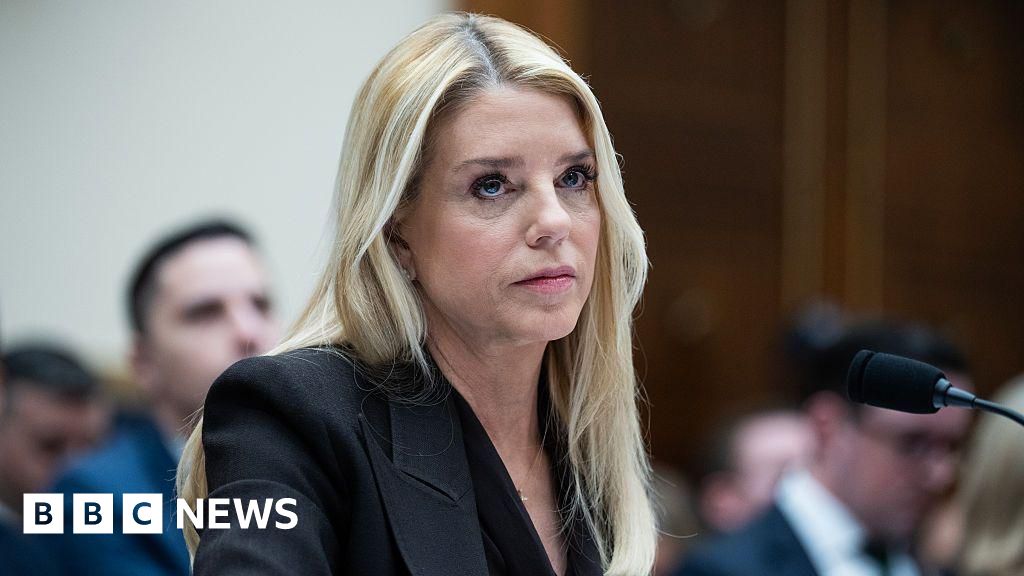
The recent disclosure by the United States Department of Justice marks a pivotal moment in the ongoing saga surrounding high-profile criminal investigations. In a formal letter, Attorney General Bondi and her deputy Blanche revealed that the department has fully complied with legal mandates to release all records, documents, communications, and investigative materials related to the Epstein and Maxwell prosecutions. This move underscores a significant commitment to transparency, yet it also exposes the complex web of connections and possible cover-ups that have confounded international audiences and policymakers alike. The question remains: what geopolitical consequences will stem from this unprecedented release of classified information?

This decision is not solely a matter of domestic justice; it resonates deeply within the global geopolitical landscape. The Epstein scandal, intertwined with allegations involving powerful figures across nations, has long teased the borders of diplomatic immunity and covert influence. Analysts suggest that the disclosure of these materials could serve as a catalyst for uncovering international networks of influence, corruption, and abuse. Some experts argue that the release might reveal how certain nations, perhaps even allied with the U.S., have historically engaged in illicit dealings, complicating relations and raising questions about sovereignty and justice.

Historians and international organizations have warned that such revelations can alter the course of diplomatic history. The World Justice Project and other watchdog institutions are already scrutinizing the implications, emphasizing how these disclosures could challenge the narrative of how justice is administered across borders. Furthermore, how nations respond to these revelations will determine future trust in global governance structures and may influence the trajectory of international cooperation. This unfolding controversy presents a stark reminder: the decisions of a single department can ripple across continents, shaping the balance of power and societal perceptions of justice.

  • Key Event: The US Department of Justice releases comprehensive documents related to Epstein and Maxwell, potentially exposing international complicity.
  • Implication: The move threatens to reshape diplomatic relations and challenge the integrity of international institutions.
  • Long-term consequence: Societies worldwide may reconsider notions of accountability, transparency, and power dynamics within their own borders.

As history’s pen continues to write this complex narrative, the weight of this revelation hangs heavy in the air. It highlights the fragile fabric of trust that binds nations and societies—trust that can be torn asunder by secrets long buried. The global community stands at a crossroads: will this act of transparency usher in a new era of accountability or unleash chaos within international diplomacy? The answer remains unwritten, yet the echoes of this crucial moment will undoubtedly shape the course of history for generations to come. In an era where information is power, the decisions made today reveal that the shadows of the past are never truly vanquished, only waiting to emerge at the most consequential of moments.

Elon Musk’s X Under Fire for Selling Premium Accounts to Iranian Elites Amid Sanctions

Social Media’s Hidden Power: State-Backed Accounts and Global Disruption

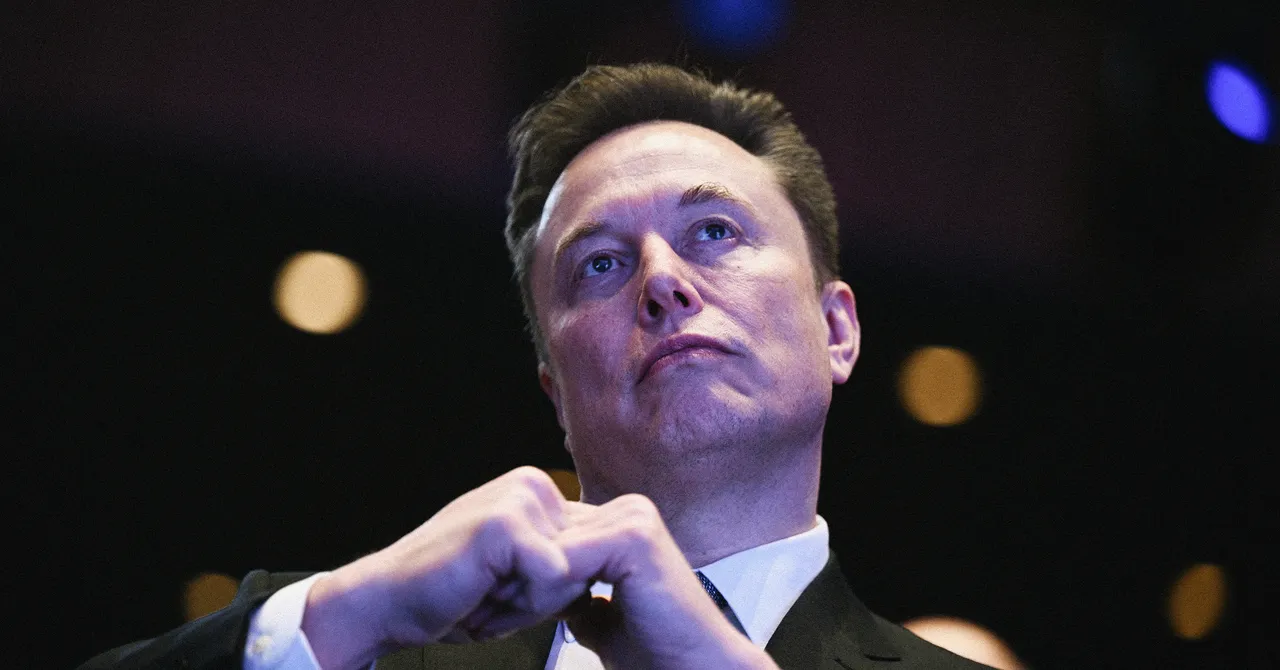
Recent investigative reports highlight a troubling trend within the rapidly evolving landscape of social media, particularly under the platform known as X. Technology watchdog Threatened Transparency Project (TTP) uncovered a network of more than two dozen accounts allegedly operated by Iranian government officials, state agencies, and affiliated news outlets, all of which displayed a verified blue check mark associated with X’s Premium subscription service. These accounts were strategically disseminating state-sponsored propaganda, often despite a lack of access to credible information and amidst widespread domestic unrest. Such manipulation of platform features exemplifies a critical phase in how disruption within social media ecosystems can be exploited for geopolitical advantages.

This revelation underscores a broader concern about the robustness of X’s verification process and the efficacy of premium features designed to enhance user engagement. Priced at $8 monthly for basic verification and up to $40 for Premium+—which touts ad removal and reach boosting—these features are now being exploited to artificially amplify propaganda efforts. Industry experts from Gartner warn that these monetization models risk converting vital platforms into weaponized tools for state actors, all while eroding trust among genuine users. Elon Musk’s commitment to what he terms “free speech innovation” is now questioned, as critics argue these policies inadvertently provide a lucrative avenue for disinformation campaigns and covert influence operations, especially during tense geopolitical conflicts.

This pattern of state-backed disinformation coincides with intensifying international tensions, notably the Trump administration’s threats against Iran over its nuclear program. As the US increases sanctions and diplomatic pressure, platforms like X are emerging as inadvertent facilitators of influence campaigns—amplifying messages from the Iranian regime that could undermine diplomatic efforts. Prominent analysts like Peter Thiel have long emphasized the transformative power of technology for disruption; however, they also warn that without rigorous oversight, such tools can facilitate destabilization and undermine strategic initiatives. Katie Paul, director of TTP, asserts that Elon Musk’s platform policies are “undermining international sanctions” by allowing sanctioned figures to remain active and influential via paid subscriptions.

The geopolitical implications are compounded by ongoing unrest within Iran, where protests fueled by economic hardship have been met with brutal government crackdowns. As the regime has been accused of mass arrests and violence—figures estimated to surpass 30,000 deaths—the ability for external actors to influence internal dissent through social media becomes a game-changer. Supporters of regime change, including former President Trump and Musk, have publicly expressed solidarity, demonstrating the interconnectedness of tech innovation and global politics. Moving forward, the capacity for social media to serve as a battleground for influence and information warfare will only intensify, raising urgent questions about regulation, platform accountability, and the future of free speech in an increasingly digitized world.

In conclusion, this unfolding scenario reflects the dangerous confluence of disruptive technology, concerted geopolitical strategies, and business models that reward rapid monetization over security. As platforms like X become critical tools in the global arena, the tech industry must confront the reality that innovation alone is insufficient without stringent oversight and ethical standards. The coming years will determine whether these digital weapons can be corralled or whether unchecked disruption will continue fueling instability. The stakes are high for both the future of free speech and the integrity of international diplomacy—making it imperative for industry leaders, policymakers, and technologists to act swiftly and decisively, lest the digital battleground spiral further out of control.

Kent Council Under Fire for Alleged £40m Net Zero "Savings" — Reform UK Calls Out Fabrication
Kent Council Under Fire for Alleged £40m Net Zero “Savings” — Reform UK Calls Out Fabrication

Uprising of Reform UK in Local Governance Sparks International Scrutiny

The recent political scandal surrounding Reform UK’s control of Kent County Council has ignited a broader debate on the efficacy and transparency of insurgent right-wing movements in local governments across the United Kingdom. Decision-makers and political analysts worldwide are closely observing whether the party, known for its anti-establishment stance led by figures like Nigel Farage, can transition from disruptive rhetoric to effective governance. The scandal, centered on alleged falsehoods about massive savings tied to net zero initiatives, not only threatens the party’s credibility but also raises questions about the impact of such political upheavals on regional stability and fiscal policy.

At the core of the controversy is Kent County Council’s claim of saving nearly £40 million—an assertion now under question after investigative efforts revealed that the claimed savings were based on hypothetical projects lacking concrete documentation. This development is viewed as a *regrettable* reflection of how some insurgent parties might manipulate fiscal figures for political gain, especially amidst a climate of pervasive *wokeness* and environmental mandates increasingly scrutinized at the local level. The situation echoes past warnings from international organizations, such as the OECD, which have cautioned against politicized climate policies that lack transparency and tangible outcomes, viewing them as potential catalysts for public mistrust and societal division.

International Dimensions of Local Party Power and the Consequences of Political Deception

Analysts point out that this incident in Kent is emblematic of a broader phenomenon where local insurgent parties seek to capitalize on popular sentiments against traditional political elites. The accusations of misinformation, especially involving claims of significant financial savings from projects that only existed in planning drafts, have stoked fears about the rise of populist movements exploiting fiscal narratives. Some international observers, including political scientists and historians, warn that such tactics, if widespread, can undermine trust in independent institutions and destabilize regional governance structures, with ripple effects felt across national and even international levels.

  • Specifically, the dispute centered on claims that the council would cancel environmental projects and electric vehicle initiatives, purportedly saving millions—yet, subsequent disclosures revealed scant evidence for such projects’ existence or approval.
  • Key figures, including Polly Billington, a Labour MP, denounced the claims, labeling them as “a blatant lie,” highlighting a pattern of *deliberate deception* aimed at political positioning rather than public service.
  • Meanwhile, the party’s leadership defended their narrative, asserting that potential projects listed in budget documents were *”future cost‑avoidance measures,”* a technicality that prompts debate over fiscal integrity versus political rhetoric.

This episode underscores a critical truth about the *geopolitical impact* of local political maneuvers. As insurgent parties like Reform UK seek to reshape local governance, they inadvertently influence broader national discourse on fiscal responsibility, environmental policies, and government accountability. The governing institutions at the European Union and beyond have long emphasized transparency as essential for maintaining public trust, and the current scandal exemplifies how deviations from this principle can fuel unrest and populist backlashes. Furthermore, the event serves as a warning to societies worldwide that the unchecked rise of populist rhetoric, especially when encapsulating exaggerated or fabricated claims, can erode the foundations of democratic accountability.

The Unfolding Narrative as History Continues to Write Itself

As Kent reels from the revelations, the wider implications for British politics loom large. The incident adds to a growing list of conflicts where *truth and transparency* collide with political ambition, raising questions about the future of governance in a landscape increasingly dominated by media savvy and populist appeals. The departure of Paul Chamberlain, who resigned after admitting to a “lapse of judgment,” reflects internal struggles within these movements, hinting at deeper issues of discipline and ideological cohesion. Internationally, observers note that such internal discord can serve as a microcosm of larger societal tensions, where the desperate pursuit of power often clashes with ethical governance.

The world watches as the story continues to unfold—each revelation, denial, and political maneuver shaping not just local policies but echoing across borders. The very tenets of truth, fiscal responsibility, and accountability are now at a critical crossroads. As history’s pen writes, the question remains: will these early missteps be the cautionary tales that forge resilient democratic institutions, or will they be the dark chapters that expose the fragility of society’s trust and the perilous edge of populist politics? With the weight of the future hanging in the balance, the unfolding saga in Kent reminds us that, in the theater of geopolitics, every local battle shapes the narrative of a world still striving, still fighting, for its soul.

Supreme Court Signals Power Boost for Trump to Fire Feds

The United States, a nation long proud of its constitutional checks and balances, finds itself at a pivotal moment as the Supreme Court faces a significant case that could reshape the landscape of federal agency independence. The case, Trump v Slaughter, hinges on whether President Donald Trump legally had the authority to dismiss Rebecca Slaughter, an FTC commissioner appointed to enforce laws protecting consumers and fair competition. This legal confrontation exposes raw tensions over the extent of presidential control and the durability of longstanding bureaucratic protections, a debate rooted in the legal history that spans almost a century.

At the heart of the dispute is a foundational question concerning the nature of presidential power versus independent agency autonomy. During the oral arguments, the conservative justices appeared to align with Trump’s position that the President should have broad authority to oversee and, if believed necessary, remove commissioners—an idea strongly opposed by liberals and legal scholars emphasizing the importance of independent agencies. Historically, agencies such as the FTC, established in 1914, were designed to operate free from presidential interference to ensure impartial enforcement. Congress explicitly limited presidential removals for commissioners to “inefficiency, neglect of duty, or malfeasance,” illustrating a clear legislative intent to shield these entities from political pressure.

However, the Trump administration’s legal team challenged this framework, labeling the historical “Humphrey’s Rule” as an “indefensible outlier” that hampers the executive’s capacity to enforce the law effectively. Such arguments resonate with many who believe that a strong presidency must be able to swiftly remove officials obstructing policy objectives, especially in a turbulent political climate. Researchers and political analysts warn that overturning this precedent could fundamentally weaken the American system of calibrated agency independence, possibly leading to increased politicization of bureaucracies. The prospect of the court dismantling a 90-year-old precedent raises alarms about the future of American governance, with critics arguing that it may open a Pandora’s box of executive overreach.

The decision from the court will have profound geopolitical impact. As the world watches, the ruling could influence how other democracies structure their administrative independence, especially as concerns about authoritarian tendencies grow. The International Monetary Fund (IMF) and World Bank acknowledge that stable and independent institutions are vital for global economic stability; a shift in U.S. doctrine could send ripples across global financial markets and international diplomacy. Historians like Dr. William Novak warn that the sovereignty of government agencies forms a cornerstone of modern liberal democracies; undermining this independence risks a dangerous erosion of the rule of law and democratic accountability.

As the court’s decision looms, history continues to unfold. Whether the conservative majority will uphold the principle that agencies like the FTC can operate shielded from political interference or endorse a stronger presidential hand remains to be seen. Yet, the very fabric of how America’s government functions — its balance of power, accountability, and independence — hangs in the balance. One thing is certain: the longer this conflict persists, the clearer it becomes that the forces shaping the future of American governance are deep-rooted and fiercely contested. In this moment, history’s pen is poised, and the weight of the next decision could redefine the contours of American power and liberty for generations to come, a testament to the ongoing struggle over who truly holds the reins of the world’s most influential democracy.

BBC reports tragedy at Goa nightclub blaze—youths caught in deadly fire

The devastating fire at the nightclub Birch in Goa, India, which claimed the lives of 25 individuals, including staff and tourists, has sent shockwaves across both local communities and the international community. As authorities launch investigations into the cause of the blaze, this tragedy emphasizes the persistent dangers faced by social venues worldwide, especially in countries where regulatory oversights may be insufficient.

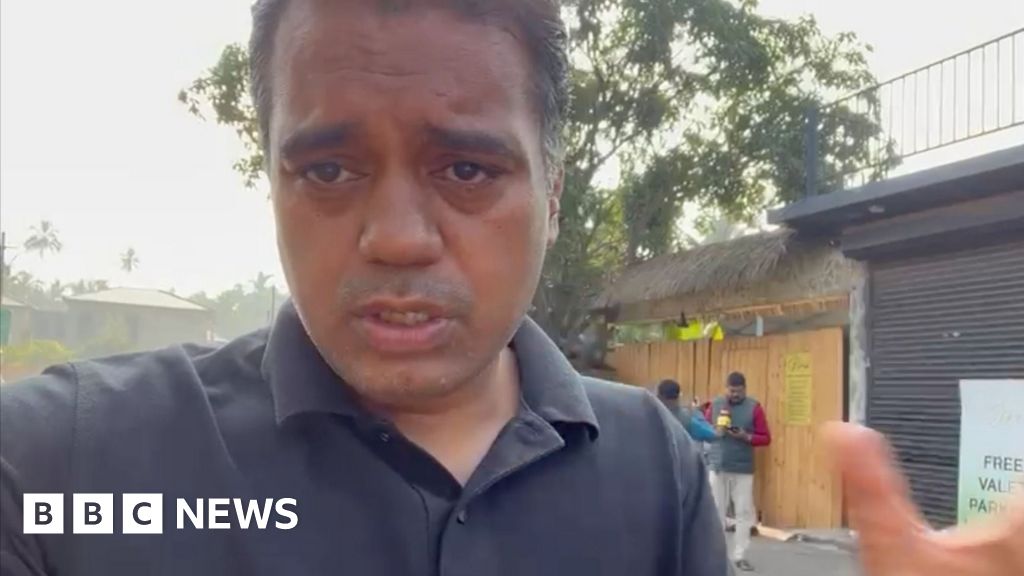
The incident unfolded when witnesses described the nightclub being engulfed in what one eyewitness called a “complete fireball,” suggesting a rapid and catastrophic spread of flames. The BBC’s India Editor Vikas Pandey’s visit to the scene illuminated the extent of the destruction, prompting urgent discussions about safety standards in popular tourist destinations. Fire safety lapses, poor infrastructure, and inadequate emergency response protocols have become recurring themes in such disasters, prompting international analysts to caution against complacency. Global institutions such as the World Health Organization and UNEP have long warned that lax safety regulations in developing nations not only threaten lives but also tarnish their reputations on the tourism and investment fronts.

While investigations continue, the geopolitical impact of such incidents cascades beyond India’s borders. Countries heavily dependent on tourism, like Thailand and Mexico, watch these events with concern, recognizing the fragile balance of economic reliance on safety and hospitality standards. Decisions regarding regulation enforcement and safety investment directly influence how tourists perceive risks, ultimately affecting international travel flows. Moreover, this tragedy compounds existing narratives about safety in emerging markets—narratives that are often exploited by political actors aiming to undermine confidence or push for reforms. How nations respond to such crises can determine their future standing on the world stage.

Analysts and historians stress that history repeatedly demonstrates how failures in public safety often serve as catalysts for systemic policy shifts. In India, this incident could become a pivotal moment, accelerating reforms in safety standards for entertainment venues nationwide. Such reforms, however, carry their own political and economic implications, potentially imposing burdens on local businesses and shaping regulatory landscapes for years to come. The international community, through organizations like the International Labour Organization, emphasizes the importance of proactive measures—yet many developing nations grapple with implementing such policies amidst the pressures of tourism-driven growth. How governments prioritize safety and regulatory adherence reflects a broader question about their commitment to citizen and visitor security.

As the smoke clears over Goa and investigators sift through the charred remains of the nightclub, the true weight of this tragedy is yet to unfold. The loss of life serves as a stark reminder that beneath the allure of entertainment and relaxation, societal vulnerabilities remain. History’s pages are being written in real-time, and while nations strive to rebuild and reform, the shadow of this fire looms large—its echoes urging the international community to wake from complacency and remember that the margin for error in safety is razor-thin. This incident is a stark chapter in the ongoing saga of human resilience and societal responsibility, with the weight of history still unfolding.

Hong Kong kicks off three days of mourning after deadly apartment fire

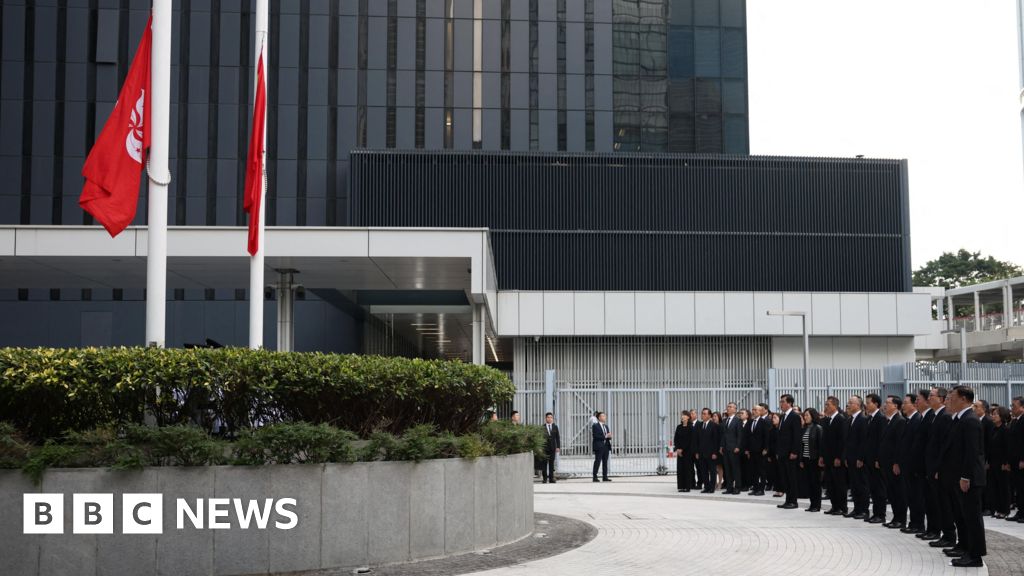
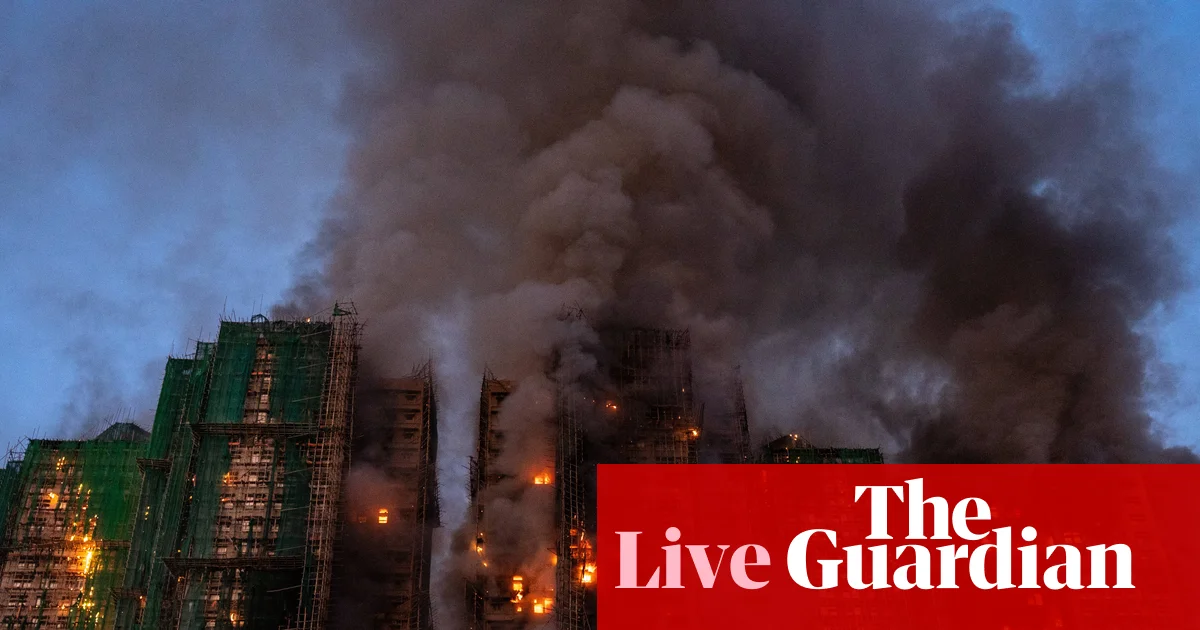
The recent devastating blaze at Hong Kong’s Wang Fuk Court has sent shockwaves across the city and beyond, prompting urgent questions about safety, governance, and accountability in one of the world’s most densely populated urban spaces. The fire, which claimed at least 128 lives—making it the deadliest in nearly 80 years—has exposed underlying vulnerabilities in infrastructure management and regulatory oversight that many analysts deem indicative of a broader systemic failure. As residents mourn, officials have initiated a three-day period of official mourning, reiterating the gravity of this tragedy on the national and international stage.

This catastrophe underscores a significant geopolitical impact that extends past Hong Kong’s borders. The city, celebrated for its economic vitality and vibrant society, now faces a crisis that could influence regional stability and perceptions of governance, especially amid ongoing debates about security, corruption, and urban resilience. Authorities have already arrested key figures—including directors of engineering firms and scaffolding subcontractors—on suspicion of corruption connected to the renovation works. Such developments have raised alarms about the integrity of safety inspections and the handling of urban renewal projects, which, according to international standards, should prioritize residents’ safety above all.

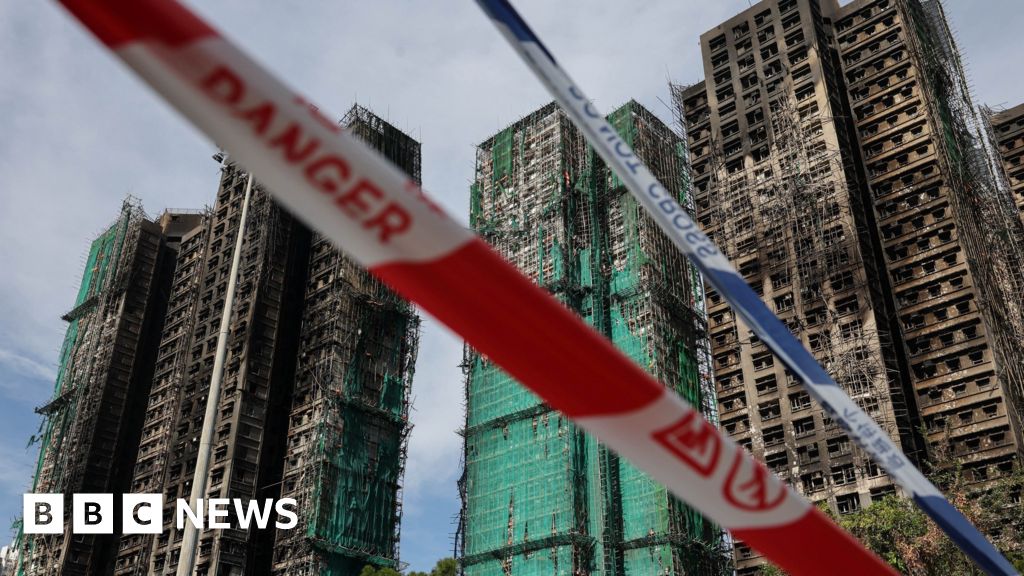
Crucially, the aftermath reveals a deeper narrative about how decisions made during modernization and refurbishment efforts can pave the way for tragedy. Public outrage has grown over reports of negligent maintenance, broken fire alarms, and the improper installation of flammable polystyrene insulative materials. The use of bamboo scaffolding, common in Hong Kong, becomes a focal point of scrutiny as investigators probe whether inadequate safety measures and lax oversight contributed to the fire’s rapid spread. Historians and analysts warn that such incidents highlight the peril of prioritizing rapid urban development over sustainable safety protocols, especially in high-risk environments like tower blocks filled with vulnerable residents.

In response to this calamity, international organizations like the United Nations and World Safety Organization are closely monitoring the situation, urging Hong Kong’s authorities to conduct transparent, comprehensive investigations. The potential for international repercussions increases if questions persist about the role of political and economic elites in perpetuating unchecked corruption. The scene at Wang Fuk Court, now a symbol of urban tragedy, also signals a reminder that the path to recovery lies not only in rebuilding infrastructure but in restoring public trust. As Hong Kong grapples with mourning and justice, the broader world watches how this story unfolds amidst a fragile geopolitical landscape, where each decision could shape the future of one of the most strategic regions on the planet. The weight of history presses heavily, and the ongoing response could ultimately redefine the limits of urban resilience and state accountability in a city often seen as a beacon of progress—yet now, a stark reminder of its fragility.

Hong Kong Tower Fire Claims 128 Lives, Youth Voice Demands Action

The recent fire outbreak at Wang Fuk Court in Hong Kong marks one of the most devastating tragedies in the territory’s modern history, with **128 lives lost** and dozens still missing. This catastrophe underscores profound failures in building safety standards and , igniting questions about how local governance and international investors manage safety protocols amidst ongoing urban renovations. As rescue operations conclude and emergency agencies tally the damage, the impact on Hong Kong’s societal fabric and global image becomes unmistakably clear, reflecting broader issues of urban neglect and corruption entrenched in the city’s development.*

This disaster, which saw flames rip through seven of the eight apartment blocks, speaks to systemic vulnerabilities. Firefighters worked tirelessly, with over 2,300 personnel involved in containment efforts, but the rapid spread was exacerbated by combustible exterior materials such as Styrofoam, which officials now link to the uncontrolled blaze. Experts from the International Fire Safety Organization warn that such negligence is indicative of a larger pattern—where cost-cutting and lax regulation compromise safety, especially in densely populated zones with aging infrastructure. Moreover, testimonies of missing safety alarms and allegations of turned-off fire systems by construction workers reveal a disturbing neglect that goes beyond mere oversight, pointing to potential criminal negligence***. These revelations resonate internationally as a warning of what unchecked corruption and profit-driven development can lead to, endangering vulnerable populations.

International analysts and historians have already contextualized this tragedy within Hong Kong’s longstanding struggle with urban density and governance. The 1948 fire that claimed 176 lives remains a dark chapter, and the current incident has reignited debates about urban planning failures—especially amidst recent protests over housing affordability and public safety. The fact that nearly 40% of residents are seniors who have lived in Wang Fuk Court since its 1983 construction emphasizes rising concerns that neglect of the elderly and marginalized communities is a symptom of broader societal disparities—disparities widened by the interplay of local government policies and international economic pressures. Such failures have drawn sharp criticism from international watchdogs and local civil society groups, who argue that the tragic loss could have been prevented had safety oversight been prioritized over profit gains.

The geopolitical repercussions extend beyond Hong Kong’s borders. As a major global financial hub, the city’s stability is vital to international investors and regional powers, notably China, whose leadership faces increasing scrutiny over transparency and governance. The incident fuels broader worries about urban resilience in the face of rapid development and challenges international perceptions of Hong Kong’s autonomy and rule of law. Some experts suggest that this crisis could catalyze reforms, but others caution it might deepen authoritarian tendencies, where accountability remains elusive. The story of Wang Fuk Court is thus not merely a local tragedy, but a symbol of the struggle between neglect and resilience, a chapter still being written in a consequential saga that shapes the very future of Hong Kong and, by extension, China’s global image.

As smoke clears and the city grapples with the enormity of the loss, history urges caution. Every life lost etches a scar into Hong Kong’s collective memory—an indelible reminder that the spirit of a society is measured by how it confronts its darkest hours. Yet, as with all moments of profound crisis, the question remains: will this catastrophe serve as a catalyst for meaningful reform, or will it fade into the backdrop of ongoing urban struggles? The weight of this tragic chapter lingers, leaving the world with a haunting realization—that sometimes, the flames of destruction threaten to consume not just buildings, but the very foundation of societal trust and safety, until a return to vigilance becomes the only path forward.

Starmer under fire from Labour youth over U-turn on workers' rights bill
Starmer under fire from Labour youth over U-turn on workers’ rights bill

Global Implications of the Labour Rights U-turn Amid Political Turmoil

In a remarkable turn of events that has sent shockwaves across the international political landscape, Britain’s Labour Party appears to be embroiled in a seismic policy shift that risks fundamental upheaval within its own ranks. Campaign promises made openly in the party’s manifesto, such as introducing ‘day one’ protections from unfair dismissal, have been swiftly abandoned in the face of mounting political and economic pressure. This retreat, characterized by a notable U-turn on employment legislation, has rekindled deep divisions within Labour, with its former allies and critics questioning the party’s commitment to its core principles.

Historian and political analyst Dr. Michael Armstrong notes that such policy reversals by major parties are not uncommon in parliamentary democracies, but the scale and public manifestation of Labour’s pivot mark a distinctive moment of crisis. Official statements from figures like Angela Rayner, once a prominent advocate for workers’ rights, highlight the internal tensions; her strong opposition to the *climbdown* underscores the broader implications for Labour’s social base and its relationship with labor unions. Union leader Sharon Graham has openly condemned what she describes as a “shell of its former self” legislation, warning that the Bill’s dilution—particularly the exclusion of reforms like fire and rehire bans and zero-hours contract restrictions—severely undermines trust in Labour’s promises.

The geopolitical impact of Britain’s internal discord reaches beyond its borders, serving as a cautionary tale to global democracies grappling with electoral mandates and governing realities. International organizations and foreign diplomats observe with concern the apparent unraveling of Labour’s electoral commitments, pondering whether this signals a broader trend of political expediency overriding genuine reform. Some analysts suggest that this collapse of ideological clarity could embolden populist and nationalist forces elsewhere, capitalizing on perceived governmental unreliability. As geopolitical strategists warn of a potential decline in political stability within the UK, European allies and transatlantic partners scrutinize the developments for signals of increased volatility, which could influence investment climates, alliance strategies, and the future of the UK’s role on the world stage.

In the hallowed halls of Westminster and the dusty corridors of history, this moment will be remembered as a symbol of the complex dance between policy promises and political pragmatism. As the battle lines within Britain are redrawn—highlighted by colorful debates over leadership ambitions, party loyalty, and the very fabric of democratic representation—the weight of the decision lingers. With Britain teetering on the cusp of a pivotal crossroads, the choices made today threaten to echo through generations, leaving an indelible mark on the annals of modern democracy. The unfolding saga of Labour’s legislative retreat serves as a stark reminder that, in politics, the line between ideals and reality is often blurred—a domain where the fate of nations and societies is ultimately forged amidst chaos and compromise, in the shadow of history still waiting to be written.

Hong Kong Fire Disaster: Rescues Underway as Dozens Dead, Hundreds Missing—Stay Updated

Hong Kong Blaze: A Tragedy with Geopolitical Consequences

The devastating fire at Wang Fuk Court in Hong Kong has left at least 44 confirmed dead, with nearly 280 individuals still unaccounted for as of late November 2025. This catastrophe, unfolding amidst ongoing tensions between local authorities and international stakeholders, underscores the fragile fabric of society in one of Asia’s most geopolitically sensitive regions. Investigations point to the use of outdated bamboo scaffolding and questionable maintenance practices, with police alleging gross negligence by construction firms responsible for the safety of the complex. The incident has reignited debates over infrastructural safety standards and the broader social impact of rapid urban development under the watchful eye of Beijing’s influence.

Beyond the tragic loss of life, the fire has laid bare the underlying tensions that pervade Hong Kong‘s political landscape. The response from local leaders, including Chief Executive John Lee, has focused on containment and rescue, but critics from Western nations and pro-democracy advocates see this as tightly controlled. Yet, the regional investigation—with three construction company officials arrested on suspicion of manslaughter—highlights how authorities are framing this disaster within the framework of safety regulation failures. Analysts argue that this incident may serve as a stark symbol of the systemic issues plaguing Hong Kong, further complicating China’s efforts to present a stable image internationally while suppressing local dissent.

Global Reactions and Strategic Implications

International organizations and foreign governments are closely monitoring the fallout, with some emphasizing humanitarian aid and others questioning the adequacy of Beijing’s oversight. Notably, Taiwan’s President Lai Ching-te issued a statement expressing condolences and emphasizing solidarity, a move seen as a subtle yet strategic alignment with Hong Kong’s pro-democracy camp. Meanwhile, Chinese corporations like ANTA, Tencent, and Xiaomi have pledged millions in relief donations, illustrating how China’s corporate sector mobilizes for national image-building rather than genuine concern. The incident also raises questions about the safety practices of traditional construction methods, which have been phased out in many parts of China but remain prevalent in Hong Kong—an indicator of resistance to modernization that could exacerbate future crises.

Some international observers, including historians and geopolitical analysts, warn that this disaster could become a turning point in regional security and governance. The pattern of systemic negligence, coupled with the aggressive suppression of dissent and the strategic use of crisis situations to reinforce political narratives, suggests that Hong Kong’s crisis is not merely domestic but part of a larger geopolitical chess game. As the World Health Organization and other institutions observe how local authorities manage the aftermath, questions persist about China’s intentions to control the narrative and the real magnitude of the unreported casualties, including firefighters and elderly residents left defenseless in the flames.

The Weight of History Unfolding

History remembers moments like these as pivotal junctures—blurs between tragedy, policy failure, and geopolitical maneuvering. While rescue operations continue and families mourn, the implications stretch far beyond the smoke and rubble. The fire reveals fissures within society and exposes the consequences of decades of urban neglect under authoritarian oversight. As governments scramble for images of control or compassion, the world waits with bated breath for the next chapter in this unfolding story, for in the shadows cast by flames and the echoes of grief, the weight of history presses ever heavier upon the sands of the future.

Social Media Auto Publish Powered By : XYZScripts.com