Matox News

Truth Over Trends, always!

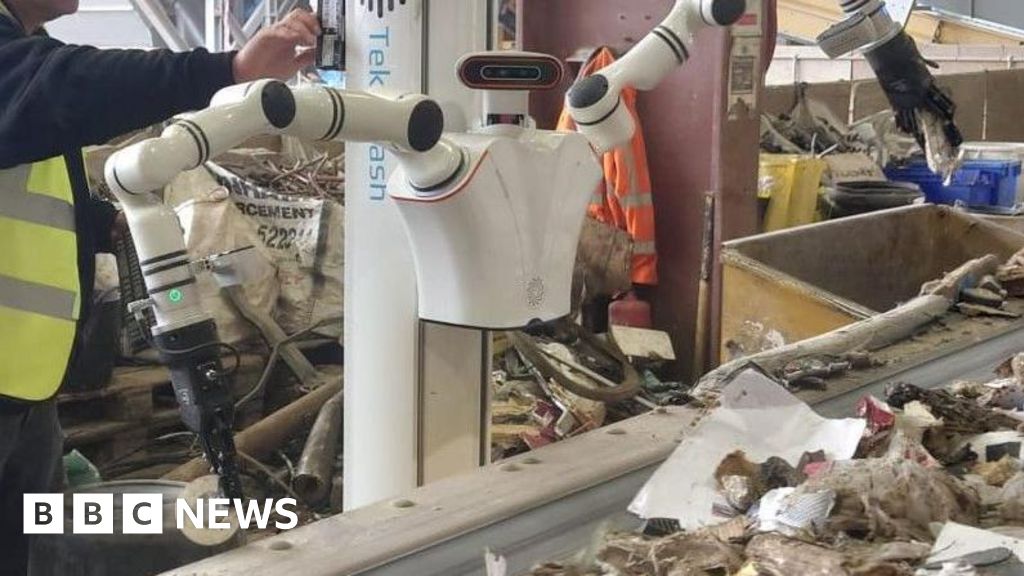
Robots step in as waste firms battle staffing shortages

The deployment of humanoid robots in waste management marks a significant milestone in the ongoing automation revolution, signaling a transformative shift in the global economy’s industrial landscape. As companies across developed nations increasingly integrate advanced robotics into their operational frameworks, the economic implications extend beyond mere efficiency. This development underscores the intensifying drive toward automation-driven productivity, which is poised to reshape employment, investment strategies, and environmental policies worldwide.

In the context of market impact, the adoption of humanoid robots for waste sorting is anticipated to alter supply chains and labor markets profoundly. Industry veterans, such as those affiliated with the International Robotics Federation, project that the sector could see a compound annual growth rate (CAGR) of over 20% in the next five years. This surge reflects the increasing confidence among investors who recognize automation’s capacity to reduce operational costs and improve environmental compliance. Notably, technology giants like ABB and KUKA are investing heavily into the development of humanoid robotics, betting on an expanding market where labor costs are volatile and regulatory pressures to implement greener practices intensify.

From a policy perspective, governments worldwide are responding by recalibrating their regulatory frameworks to accommodate advancing automation. The trend is causing ripples in labor policies, particularly as countries grapple with potential job displacements in manual waste sorting sectors. Economic think tanks such as The Heritage Foundation argue that this technological pivot is vital for maintaining competitive edge, especially as developing economies face mounting pressure to adopt similar innovations. Policymakers are also incentivizing sectors to upgrade infrastructure, which could lead to significant shifts in fiscal priorities and investment patterns. Such policy adaptations underscore the delicate balance between fostering innovation and safeguarding workforce stability.

Looking toward the future, the integration of humanoid robots into critical waste management functions exemplifies the broader trend of technology as the pulse of modern economies. As nations understand that economic power hinges on continuous innovation, automation becomes not merely a tool but a defining feature of geopolitical stature. *The coming era will be defined by these breakthroughs—where machines—once seen as tools—become partners in creating sustainable, resilient economies. The stage is set for a future where the relentless march of automation not only transforms industries but also redefines the very fabric of global economic power.*
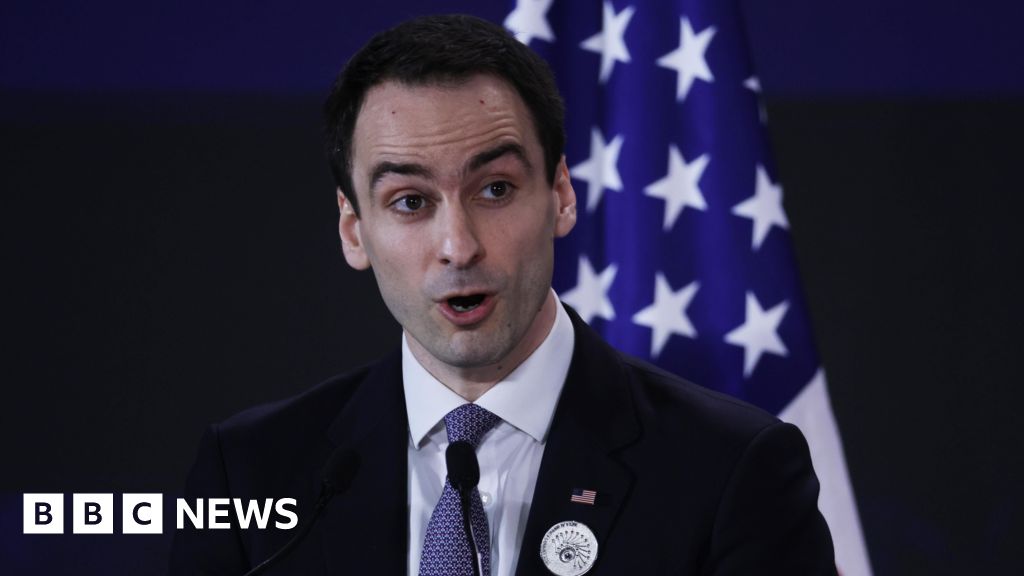
White House: Chinese Firms Behind Large-Scale AI Theft

Emerging Tensions in Global AI Development: A Shadow Over Sino-American Tech Race

The recent revelation from U.S. government officials, notably a memo from Michael Kratsios, underscores growing concerns over intellectual property theft and technological espionage in the rapidly evolving field of artificial intelligence. The memo decries how Chinese firms are allegedly engaging in the wrongful distillation and illicit extraction of U.S. AI models, an accusation that signals far more than a mere corporate rivalry. Instead, it embodies a deepening geopolitical struggle for dominance in a digital future that many analysts warn will define the 21st century. This development raises hard questions about how international boundaries are blurred in the realm of cutting-edge innovation and how such actions may serve as catalysts for broader geopolitical shifts.

This controversy arrives amidst a backdrop of escalating tensions between Washington and Beijing, with experts emphasizing that AI supremacy is now viewed as a core strategic asset comparable to nuclear capabilities during the Cold War. Historical analysts point out that the misuse of AI technology can greatly enhance military, economic, and cyber capabilities, leading to a new arms race where nations seek to secure technological superiority at any cost. The U.S. government and its allies are increasingly vocal about cracking down on what they term unlawful practices that threaten intellectual property rights and national security. Meanwhile, China asserts that its technological advancements are the result of legitimate, state-supported innovation, framing accusations as part of a broader campaign of economic containment.

The repercussions extend beyond mere corporate espionage; they threaten to reshape alliances, economic stability, and global order itself. International organizations such as the World Trade Organization and G20 are now compelled to grapple with the profound implications of technology theft accusations. According to top analysts, this situation underscores a widening tech cold war, in which strategic control over AI could determine which nations set the terms for future global governance. The potential for escalation—including cyberattacks, economic sanctions, and technological decoupling—sets a precedent that could fracture the fabric of the existing international system.

As history continues to unfold in this pivotal chapter, the conflict over AI casts a long shadow over the future of international diplomacy. Nations are at a crossroads: one path leads toward strategic competition, digital sovereignty, and potential conflict, while the other holds the promise of multilateral cooperation rooted in transparency and shared innovation. For now, the stakes could not be higher: the decisions made by leaders today will shape the geopolitical landscape for generations to come, and the echoes of this technological rivalry will resonate through the corridors of power and the lives of societies already on the brink of change. The world watches with bated breath as history’s next pages are written, unsure whether we are witnessing the dawn of a new era or the closing chapter of international trust.

Rival car-sharing firms eye London expansion after Zipcar’s UK withdrawal

London, historically known as a hub for innovation and progressive urban planning, now finds itself at a pivotal crossroads in the realm of sustainable mobility. Following the imminent closure of Zipcar’s UK operations—a move that signifies significant shifts in the shared economy landscape—the city’s transportation scene is witnessing a potential rebirth. Several emerging car-sharing companies are keenly eyeing the vacant market, signaling an intensified race to adapt and redefine urban mobility in one of Europe’s most bustling metropolises. This development underscores how international technological and corporate decisions ripple into local societies and economic structures.

Major players like Free2Move, owned by global automotive giant Stellantis, and Enterprise Car Club are actively assessing expansion opportunities, despite the complexities entailed. Free2Move has highlighted London’s advanced infrastructure for autonomous mobility as a key factor that could make the city especially attractive—an indication of how emerging technologies are becoming pivotal in urban transport strategies. However, analysts point out that regulatory fragmentation among London’s 33 local authorities poses a serious obstacle. As one expert from a prominent international transportation think tank explained, “The patchwork of licensing and parking regulations has historically hampered scalable car-sharing models, especially floating vehicles without fixed stations.” Such barriers not only hinder market growth but also reflect broader governance challenges that influence economic opportunities and societal access to greener, more flexible transport solutions.

The departure of Zipcar, which many viewed as a bellwether for the health of the market, has ignited a scramble among peer-to-peer platforms like Hiyacar and Turo. These companies, leveraging existing vehicle owners rather than heavy capital outlays, present a more adaptable model for urban environments. Don Iro of Hiyacar noted that their surge in interest was almost inevitable regardless of Zipcar’s exit, but the recent vacuum provides a clear impetus for swift expansion. “There’s going to be a substantial gap, and it’s going to take years for the market to stabilize,” he said, emphasizing the long-term strategic importance of establishing a foothold now. This scenario illustrates a broader shift: as traditional car-sharing giants retreat, decentralized and peer-to-peer platforms are increasingly seen as the future, especially amid rising environmental concerns and urban congestion.

The implications extend beyond business models, however. London’s transition towards a more flexible, shared transport network has significant social and geopolitical ramifications. By relying less on personal vehicle ownership, the city aims to reduce pollution and traffic congestion, aligning with international efforts to combat climate change. Yet, critics argue that without cohesive governance and clear regulatory pathways, these innovations could exacerbate inequalities—primarily benefiting affluent areas and tech-savvy consumers. Meanwhile, European and global institutions, such as the European Commission and the International Transport Forum, continue to monitor these technological shifts, aware that how cities like London manage their mobility ecosystems could serve as a blueprint—or cautionary tale—for the world. As governments and corporations negotiate the future of transportation, the very fabric of urban society hangs in the balance, teetering between innovation and chaos.

As the story continues to unfold, it becomes clear that London’s decisions today will resonate through the corridors of power and across the streets of cities everywhere. The departure of Zipcar, while a setback for some, opens a chapter defined by fierce competition, technological innovation, and the relentless force of economic and geopolitical change. The world watches as a city famous for its resilience and ingenuity seeks to carve a new path forward—one that may yet shape the future of urban life in the age of autonomous mobility and shared economies. This is not merely a story of market dynamics; it is a narrative of how societies choose to evolve amidst the relentless tide of progress—where every decision is a stroke on the canvas of history yet to be written.

MP Slams Microsoft for Ripping Off NHS — Calls for UK Firms to Take Over

In an era where digital infrastructure is becoming the backbone of society, the growing reliance on U.S.-based technology giants like Microsoft raises profound social concerns within the communities and institutions of the United Kingdom. Recent parliamentary discussions have spotlighted how these multinational corporations, through multi-billion-pound contracts, have entrenched themselves within the very fabric of public services—most notably in the NHS. Allegations from members of Parliament suggest a disturbing pattern of monopoly power, where these corporations are accused of exploiting public funds for profit, thereby compromising the principles of sociotechnical sovereignty that should underpin a nation’s digital future. Such dependence not only drains taxpayer resources but also erodes public trust in the institutions meant to serve the people, affecting families, educators, and community safety alike.

Key figures such as Samantha Niblett, a Labour MP and former technology professional, have vividly criticized these arrangements, suggesting that corporations like Microsoft have “ripped off” the NHS through contracts that lock the public sector into overpriced, outdated systems. For example, the Department of Food and Rural Affairs’ renewal of Windows 10, now obsolete, demonstrates how entrenched reliance on foreign technology can lead to increased costs—resources that could otherwise be invested in community health, education, or social welfare. This phenomenon reflects a broader social tension: the loss of local control and the risk of dependency on entities outside national borders, which can destabilize communal resilience and threaten the moral fabric of society. Historian and social theorist Richard Wolin notes that such digital dependencies threaten to transform citizens into passive consumers rather than active participants in society, worsening social fragmentation and inequality.

Furthermore, the government’s pattern of awarding contracts to large U.S. technology providers—such as OpenAI, Google, and Anthropic—raises urgent questions about demographic shifts and the future of domestic innovation. Critics argue that these deals inhibit the growth of local tech industries, restricting opportunities for small, indigenous companies to develop and thrive. This situation not only hampers economic diversification but also impacts families and communities who rely on local employment and technological sovereignty. As MP Emily Middleton pointed out, the vast expenditure—around £1 billion annually—does not reflect value for money; instead, it illustrates a troubling pattern of complacency where the UK becomes a mere market for US digital giants, rather than a nation cultivating its own technological talents. Such reliance can deepen societal divisions, alienate communities from the digital tools designed to serve them, and undermine the shared trust necessary for social cohesion.

In response, parliamentarians like Murray emphasize the need to build sovereign tech capacity by fostering local innovation and streamlining procurement processes to make them more inclusive. This approach calls for societal and educational reforms aimed at empowering youth and future generations to participate actively in a digital economy rooted in national interests rather than foreign monopolies. As social commentator Dr. Susan B. Carle has argued, fostering a “culture of independence” in technological development is essential to nurturing the moral and civic virtues of a self-reliant society. Fundamentally, societal progress depends on our collective ability to reflect on these challenges—how social issues intertwine with technological dependence—and to envision a future where families and communities are not just consumers of technology but architects of their own digital destinies. Society must navigate the tension between technological advancement and moral sovereignty, lest we allow our shared future to be dictated by corporate interests rather than by the principles that uphold a free and resilient society.

US sanctions Russian oil firms after Putin talks stall

Washington Strikes at Russian Oil Giants in Push for Peace in Ukraine

In a bold move emblematic of its recent aggressive stance, the United States has announced new sanctions targeting Russia’s two largest oil companies, Rosneft and Lukoil. The aim is to leverage economic pressure to compel Moscow into abandoning its military campaign in Ukraine. Treasury Secretary Scott Bessent asserted that these measures are vital because these firms, which export approximately 3.1 million barrels of oil daily, serve as key funding sources for the Kremlin’s war effort. Analysts emphasize that these sanctions could considerably diminish Russia’s ability to sustain its offensive along Ukraine’s front lines, potentially reshaping the battlefield dynamic.

President Donald Trump articulated a firm hope that the sanctions will produce a diplomatic breakthrough, emphasizing that they are “tremendous” and could be swiftly revoked if Russia ceases hostilities. He expressed frustration with Vladimir Putin‘s reluctance to engage in honest peace negotiations, highlighting that despite numerous conversations, “they don’t go anywhere.” Meanwhile, European NATO allies and UK officials are rallying behind these efforts, with the UK announcing a similar sanctions package that aims to dismantle Russia’s energy capabilities and curb its economic influence.

However, Russia has responded with fierce rhetoric, condemning the sanctions as threats that could destabilize global fuel markets and harm developing economies. Putin’s government, through Russia’s embassy in London, has warned that targeting energy firms like Rosneft and Lukoil risks disrupting global supplies and escalating tensions further. According to estimates from the UK government, these oil giants are responsible for nearly half of Russia’s oil output—an integral part of the Kremlin’s economy, heavily dependent on energy exports to countries such as China, India, and Turkey. Historically, these nations have served as vital Russian economic partners, and any disruption to this trade could have profound geopolitical repercussions, challenging the Western narrative of economic strangulation as a tool of diplomacy.

Adding complexity to the scenario is the broader international effort to broker peace. The NATO allies and Ukraine have proposed a 12-point plan, seeking to freeze current front lines, recover deported children, and facilitate prisoner exchanges—all with an eye toward a future European integration for Ukraine. Turning points like these represent critical junctures where treaty diplomacy and military aid could determine the course of history. Yet, persistent tensions remain, especially as Russia refuses to back down, demanding the withdrawal of Ukrainian forces from the Donbas region. The Putin-led government views recent Western sanctions as part of a broader effort to weaken Moscow’s global standing and economic sovereignty—further fueling an already volatile geopolitical climate.

As history continues to unfold in this high-stakes struggle, the words of historians warn of the perils of miscalculated escalation. The decisions made today, driven by economic warfare, diplomacy, and military support, will resonate through generations. The clash over Ukraine is no longer merely a regional conflict but a definitive contest for influence between East and West. The world watches with bated breath, knowing that the coming months will solidify whether this crisis ushers in a new era of stability or plunges humanity into a path of unforeseen turmoil. In the shadow of shifting alliances and mounting pressures, the weight of history is poised to be written—each act shaping the legacy of an uncertain tomorrow.

Social Media Auto Publish Powered By : XYZScripts.com