Matox News

Truth Over Trends, always!

Airlines cut 13,000 flights in May as soaring jet fuel prices hit the industry

In a clear signal of shifting economic winds, airlines worldwide have pared back their flight capacities significantly, removing nearly two million seats from their schedules over the past month, according to data from Cirium. This contraction in capacity reflects broader trends of caution and adjustment amid persistent geopolitical tensions, inflationary pressures, and changing consumer behaviors. As the backbone of global commerce and tourism, the aviation industry’s pullback is more than just a setback for travelers—it’s a revealing indicator of underlying economic currents that threaten to reshape international markets.

Most notably, the United States and Europe have spearheaded this capacity reduction, with both regions experiencing sharp declines in flight availability. The U.S.—long regarded as the backbone of global airline growth—saw nearly

  • 1 million

seats removed, driven by rising fuel costs, labor shortages, and an ongoing reevaluation of post-pandemic travel demand. Meanwhile, Europe faces similar pressures, further exacerbated by the economic fallout of recent geopolitical conflicts in Eastern Europe. These reductions signal a cautious approach by airlines amid volatile fuel prices and a cautious consumer base wary of economic uncertainty.

The market impact of this capacity contraction extends beyond the aviation sector. The reductions pose risks to related industries such as tourism, manufacturing, and international trade. Investors are closely monitoring these developments, with some analysts warning that sustained capacity cuts could foreshadow a slowing of global economic growth. Economists at the World Bank and IMF suggest that continued reductions may dampen international commerce, foreshadowing a potential cooling-off period in the global economy. Conversely, some industry insiders argue this realignment might signal a more sustainable path forward, emphasizing efficiency over expansion in an era of geopolitical uncertainty.

The policy consequences of these trends are noteworthy. Governments in Europe and North America are now under increased pressure to address inflationary pressures that have driven operational costs skyward. Meanwhile, airline regulators are contemplating measures to stabilize the industry without risking further capacity losses that could hinder economic vitality. The reduction in airline services also raises critical questions about future air traffic management and sustainable transportation policies, as nations grapple with balancing economic recovery against environmental commitments.

Looking ahead, the continued contraction in global airline capacity highlights a turbulent yet transformative period in economic history. The pulse of nations beats strongly in response to these shifts, revealing a landscape where resilience and adaptability will define future power structures. As economic and geopolitical forces converge, the global economy is poised on the cusp of a new era—one where strategic recalibration will determine the trajectory of trade, influence, and economic dominance for years to come. In this epoch of flux, the aviation industry’s transformation epitomizes the relentless reshaping of the global stage, illustrating that even in contraction, the seeds of future strength are being sown.
Airlines Allowed to Cancel Flights Ahead of Time Due to Fuel Shortages under New Rules

As the global travel season approaches its peak, government ministers have announced strategic measures aimed at stabilizing fuel supplies in the Middle East, a critical hub for international aviation fuel. This move comes amid rising concerns over potential disruptions that could lead to last-minute flight cancellations, which not only cripple the travel industry but also threaten broader economic stability. By proactively addressing supply security, policymakers seek to fortify the market resilience of airlines and fuel distributors, while also safeguarding consumer confidence in the summer travel corridor.

In recent months, the oil and fuel markets have experienced heightened volatility, driven by geopolitical tensions and fluctuating demand. Such disruptions could be catastrophic for airlines, especially as economic forecasts indicate a summer rebound in international travel. Industry analysts from firms like Bloomberg Intelligence warn that a failure to secure reliable fuel supplies in key regions could result in significant financial losses and reputational damage for carriers that depend heavily on the stability of Middle East fuel transit routes. Moreover, the market impact extends beyond airlines; oil producers, refiners, and fuel logistics companies form a tightly interconnected web susceptible to shocks, emphasizing the importance of strategic stockpiling and supply diversification.

The policy consequences of this proactive stance include potential shifts in regional energy policy and increased diplomatic efforts to safeguard supply lines. Governments are considering incentivizing private sector investment in fuel infrastructure and stockpile expansion, which could, in turn, influence regulatory frameworks and international energy collaborations. This approach underscores a broader recognition: in an interconnected global economy, stability in fuel supply chains is not merely a logistical concern but a cornerstone of national economic security. As economist Dr. Laura Chen from the International Energy Agency notes, resilient energy frameworks are essential to withstand volatile geopolitical climates and sustain economic growth.

Looking ahead, the upcoming months will be critical. While efforts to prevent supply disruptions are commendable, risks remain from unexpected geopolitical escalations or unforeseen market shocks. The financial markets will continue monitoring developments closely, with investor sentiment hinging on the perceived stability of energy supplies. As the global economy pivots into what could be a pivotal decade of transformation, the capacity to ensure uninterrupted energy flows will define the strength of national economies and their leadership roles on the international stage. Ultimately, the pulse of this strategic initiative reflects the enduring resilience and adaptive power of the global economic stage—an engine propelling nations toward a future where stability and ambition walk hand in hand, shaping the next epoch of prosperity.

Air Canada halts select flights to New York, signaling possible travel hurdles for Canadians

In a clear reflection of the geopolitical volatility engulfing the Middle East and its ripple effects worldwide, airlines across the globe are facing unprecedented challenges. Air Canada recently announced a temporary suspension of flights from Toronto and Montreal to New York’s JFK airport, citing the spiraling costs of aviation fuel. This move, while seemingly operational, signals a deeper crisis directly tied to the ongoing conflicts involving the US, Israel, and Iran. The escalation of hostilities since February, particularly the latest military confrontations, has driven oil prices skyward, disrupting established supply chains and forcing airlines to reassess their routes and profitability.

Experts and international organizations warn that the impact extends beyond mere airline scheduling. The International Energy Agency (IEA) recently issued a stark warning that Europe’s jet fuel reserves could last only six weeks unless regional stability improves. Fatih Birol, the IEA’s executive director, emphasized that ongoing Middle East unrest has created a reservoir of uncertainty, threatening to spark widespread flight cancellations should oil supplies remain disrupted. This scenario not only jeopardizes international travel but also portends a broader economic ripple across sectors reliant on global logistics and mobility. The escalating crisis is striking at the very heart of international commerce, with governments and markets on high alert for further escalation.

Meanwhile, American carriers like Spirit Airlines are seeking emergency financial aid to cope with surging fuel costs, reflecting the severity of the crisis within the aviation industry. Industry analysts point out that the doubling of jet fuel prices, since the flare-up of hostilities, has rendered many routes unprofitable, prompting service reductions and route suspensions. Air Canada’s schedule adjustments are just the tip of the iceberg—other carriers such as Qantas and Virgin Australia are also raising ticket prices while curtailing flight frequencies, reflecting a global flight industry in crisis mode. These decisions are not made lightly; they are emblematic of a broader economic reality where energy prices directly influence societal mobility and national economic stability. Economists and geopolitical analysts warn that prolonged instability in the Middle East could escalate these issues, dragging the global economy into a period of unprecedented turmoil as the very air travel network, a pillar of globalization, convulses under pressure.

As the world watches this unfolding crisis, the question remains: how long will nations linger on the brink of economic chaos before an international response is galvanized? The decisions made in the coming weeks will either stabilize or deepen an already fractured global order. History may well record this moment as a turning point—where geopolitical conflicts ignited a domino effect threatening the core of international commerce, testing the resilience of societies and economies worldwide. The future of international travel, energy security, and geopolitical stability hangs precariously in the balance, leaving humankind at the mercy of the shifting tides of power and conflict—an enduring reminder that in today’s interconnected world, the stakes could not be higher.

Australia news: Luxury car tax tweak may boost EU deal; Dubai flights land in Sydney and Melbourne

The geopolitical landscape in the Indo-Pacific is witnessing a decisive shift as Australia prepares to amend its domestic policies to clinch a lucrative free trade agreement (FTA) with the European Union. This move isn’t just about economics; it signals a strategic realignment aimed at fortifying Australia’s international standing amid ongoing global tensions. Negotiations have been progressing swiftly, with Ursula von der Leyen, the President of the European Commission, potentially set to visit Australia in the coming days—an event that could mark a significant milestone in this diplomatic push.

Key to this diplomatic gambit is a controversial adjustment to Australia’s luxury car tax (LCT), a move that has caught international attention. According to reports, the Australian government is considering increasing the current $80,000 threshold to at least $100,000, a concession tailored to European automakers like BMW and Mercedes-Benz. This adjustment would reduce import tariffs on high-end vehicles, making Australian markets more accessible to European luxury brands while simultaneously positioning the nation as a more attractive partner in commerce. Analysts, including diplomatic strategists and trade experts, observe that this maneuver is a calculated effort to demonstrate Australia’s willingness to flex its economic muscles in service of broader geopolitical ambitions.

In tandem with negotiations with the EU, Australia’s military posture remains a subject of international intrigue. Reports suggest that Australian personnel may have been aboard a U.S. submarine during an operation off Sri Lanka, which resulted in the torpedoing and sinking of an Iranian warship—an incident that has sent ripples through international security circles. Defense Minister Madeleine King refused to disclose operational details, citing longstanding arrangements with allied foreign governments, notably the U.S. Navy. This situation underscores Australia’s deepening military integration within the AUKUS pact, a strategic alliance that signals a clear pivot towards aligning more closely with Western military interests amidst an increasingly unsettled international order.

Meanwhile, Australia is grappling with severe weather phenomena, as a tropical low threatens the northern coasts with flooding and damaging winds. Such natural disasters have become a stark reminder of the rising stakes in the region’s security and economic stability. Emergency preparations in Queensland highlight the country’s vulnerability to climate events that could further destabilize already precarious social and infrastructural conditions. Historians and Future Impact analysts warn that these environmental challenges, coupled with shifting geopolitical alliances, could accelerate regional realignments—an unfolding narrative of nations adjusting their course under the weight of history’s relentless tide.

Global analysts note that Australia’s dual focus—bolstering economic ties with the EU while navigating complex military alliances—embodies a broader pattern among Western-aligned nations seeking to preserve sovereignty and influence in a rapidly changing world. The decisions made today will ripple across continents, affecting societies, industries, and security architectures for generations to come. As diplomatic doors open and warships move unseen in distant waters, the weight of history presses heavily upon a nation poised on the brink of a new geopolitical chapter—one written as much in boardrooms as it is in the depth of the oceans and the fury of storms.

Politics Update: Marles Denies Australia in Iran Strikes; Wong Highlights 115,000 Aussies in Crisis Zone as Flights Drop

The geopolitical landscape of the Middle East has once again shifted into a state of heightened tension, prompting international concern and urgent diplomatic responses. The recent escalation of conflict, coupled with the threat of Iran’s nuclear ambitions, has provoked decisive actions and warnings from many nations. Australia, traditionally cautious in foreign policy stance, finds itself in a precarious position as regional stability teeters on the brink of chaos. Recent updates from the Australian government reveal a sharp shift in posture, emphasizing the safety of its citizens abroad and the stability of its own energy supplies amidst regional turmoil.

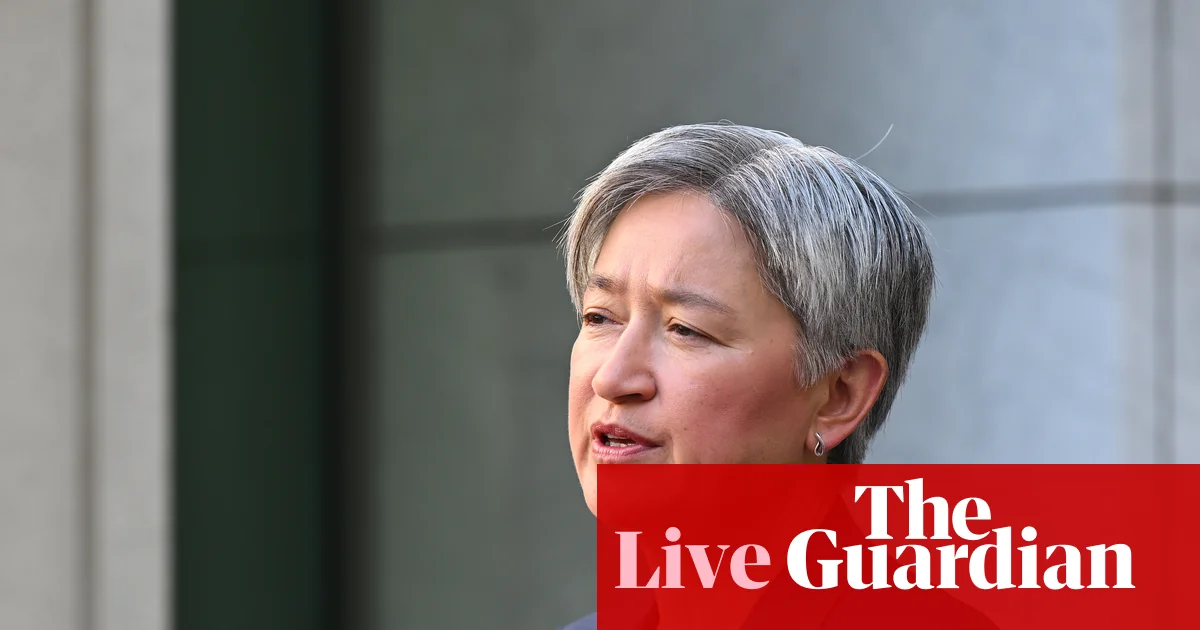
In a notable development, Penny Wong, the foreign affairs minister, announced that Australians should brace for significant travel disruptions, as conflict unfolds in Iran and across the broader Middle East. Her statement underscores the severity of the situation, with many Australian nationals currently stranded due to airspace closures and ongoing hostilities. With approximately 115,000 Australians reportedly in the region—including thousands traveling routinely through major hubs—Wong’s warnings reflect the dire implications of the recent hostilities. Australian ambassadorial efforts remain focused on facilitating commercial flights that, as of now, have been largely disrupted or canceled, emphasizing the country’s stance on prioritizing its citizens’ safety.

Meanwhile, Canberra maintains a cautious approach externally, officially supporting efforts to prevent Iran from acquiring nuclear weapons but distancing itself from the recent US-Israeli strikes. Richard Marles, Australia’s defense minister, explicitly stated that Australia was not involved in the recent targeted strikes, including those at joint US facilities located on Australian soil. His comments align with Australia’s long-held policy of non-participation in foreign military interventions unless directly impacted or authorized, yet the clear support for preventing nuclear proliferation signals a nuanced stance. International analysts and think tanks emphasize the geopolitical impact of these moves, which could lead to further regional instability, affecting global markets, especially energy supplies.

Notably, the conflict’s ripple effects threaten to disrupt global energy security, with Barnaby Joyce, a prominent Australian politician, warning of potential petrol shortages. His remarks highlight Australia’s energy vulnerability, given that the nation maintains less than the recommended 90 days of fuel reserves advised by the International Energy Agency. As global tensions drive up oil prices, Australia’s reliance on imported fuel leaves its economy exposed to shocks from the Middle Eastern conflict. This development underscores the broader geopolitical impact of regional unrest, where decisions by powerful nations like the US and Israel resonate worldwide, shaping economic realities and societal well-being.

Within Australia, domestic politics also feel the tremors of foreign turmoil. The government faces pressure to address mounting security concerns, alongside ongoing issues like the state of hospital infrastructure in New South Wales. A recent surprising revelation exposed hundreds of hospitals grappling with serious maintenance problems, including insect infestations and structural damage, which health officials are quick to label as potentially just the “tip of the iceberg” in an overburdened system. Such crises reveal that beyond international conflicts, societal stability depends on internal resilience—yet, as analysts warn, these domestic issues pale in comparison to the harrowing geopolitical battles unfolding abroad. The unfolding story remains a stark reminder: as the empire-building and regional conflicts intensify, the very fabric of society may unravel if nations fail to balance their foreign commitments with the urgent needs of their citizens.

As history continues to write itself, the weight of these decisions hangs heavily in the balance. The fate of Australians overseas, the stability of the Middle East, and the global order itself are intertwined in a narrative that refuses to be easily unraveled. The choices made today—be it in Canberra, Washington, or Jerusalem—will echo through the annals of history, shaping a world in which the calm before the storm is over, and the storm itself has only just begun. In this delicate dance of diplomacy and power, the echoes of past conflicts remind us that the true test of leadership lies not in the words spoken but in the actions taken—actions that will be remembered long after the current flashpoints have faded into history’s shadows.

Ireland’s Irish Airport Used for ICE Palestinian Deportation Flights Sparks Concern

Deportation Flights and Ireland’s Role: The Geopolitical Ripple Effect

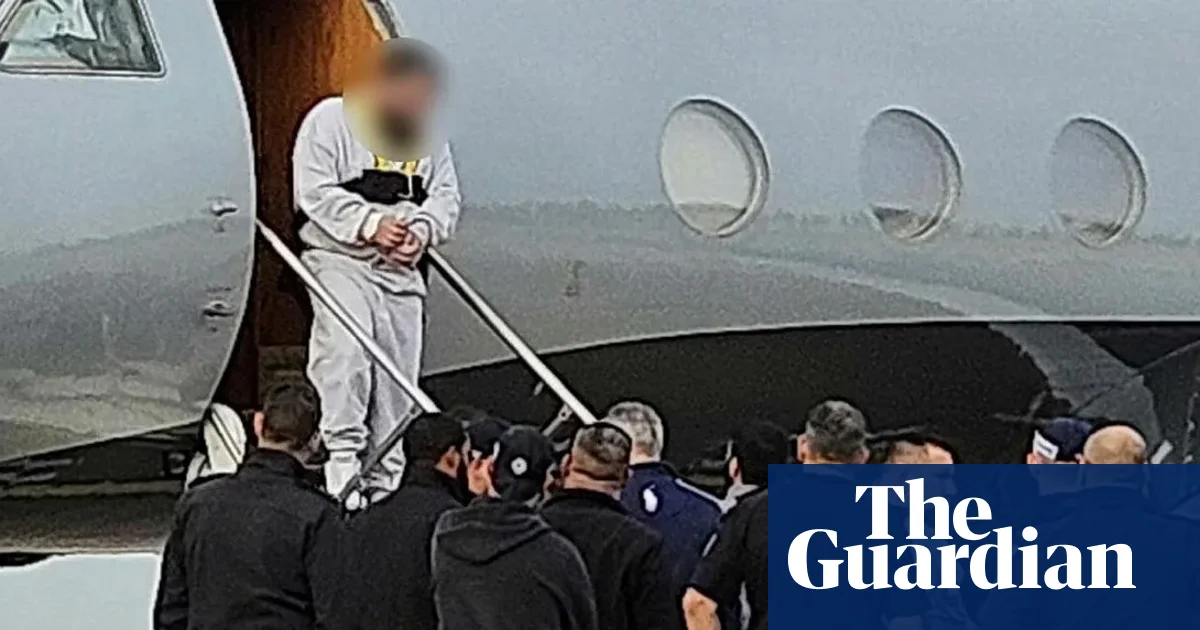
In a development that underscores the ongoing global contest over sovereignty and human rights, Ireland finds itself under the spotlight due to its indirect facilitation of controversial deportation flights operated by US authorities. Contrary to initial official statements, recent investigations reveal that planes associated with the Donald Trump administration, specifically private jets owned by wealthy donors, refueled at Shannon Airport en route to deport Palestinians from the United States to Israel. This revelation has ignited a fierce debate within Irish political circles and a stark reflection of how international decisions impact national sovereignty and societal morality.

The flights, operated by a Florida-based aviation company, used a private jet owned by Gil Dezer, a prominent supporter of Trump with close ties to the Republican establishment. The aircraft facilitated multiple deportations, with individuals shackled during flight, allegedly transferred to the West Bank after arriving in Tel Aviv. The Irish government initially claimed ignorance, asserting that the flights did not require prior approval due to their non-traffic purpose. However, opposition voices argue that as a nation that maintains a neutral stance, Ireland must scrutinize the international implications of its airports. Politicians such as Roderic O’Gorman and Patricia Stephenson have called for accountability, warning that, “Ireland cannot in any way be complicit in these ICE flights.”

Geopolitical Impact: A Broader Perspective

While Irish officials emphasize procedural neutrality, this incident exposes a broader, more troubling picture of how transnational agencies are leveraging international infrastructure for controversial policies. Experts and international organizations such as Human Rights First have criticized the deportation of individuals to conflict zones, emphasizing the human rights violations implicated. Dezer’s jet, dubbed his “favourite toy,” has been involved in flights that track to unstable and conflict-ridden regions, raising questions about how border control policies are applied across borders and what role private entities play in implementing government mandates. The geopolitical impact intensifies as other nations observe how established frontiers of sovereignty are being undermined by secretive operations, potentially paving the way for a precedent that global power dynamics are increasingly influenced by private wealth and international loopholes.

Internationally, this controversy feeds into an ongoing narrative about the erosion of moral boundaries in pursuit of national security interests, spurring warnings from historians and analysts who consider these actions a catalyst for future conflicts. As Europe grapples with its own migration policies, critics warn of a trickle-down effect where private actors are used to bypass ethical standards. Meanwhile, U.S. policymakers face mounting pressure from both sides of the ideological spectrum, with civil liberties activists decrying what they see as a dangerous extension of executive power into private operations that evade full transparency and accountability.

Conclusion: An Unfolding Chapter in a Global Struggle

Ultimately, what transpired at Shannon Airport and along the route to Israel underscores a pivotal moment that could redefine international norms. As Ireland navigates the delicate line between neutrality and participation, the weight of history continues to build. Will this small nation stand firm against the tide of clandestine operations, or will it become an unnoticed conduit for the machinations of global powerhouses? The answer remains elusive, yet the realization is clear: the future of international justice and sovereignty hangs precariously in the balance, awaiting the next chapter written by those who dare to shape the course of history itself.

BBC reveals Epstein’s UK flights included alleged British abuse victims—justice must be served.

In a development that underscores the persistent shadows cast by Jeffrey Epstein‘s murky international activities, a BBC investigation has revealed over 87 flights linked to the disgraced sex offender arriving in and departing from UK airports spanning nearly three decades. These revelations expose the shocking extent of Epstein’s entanglement with Britain, exposing how a man convicted of soliciting sex from minors was able to traverse borders with apparent impunity—raising serious questions about the integrity of international oversight and the efficacy of UK immigration policies.

Despite Epstein’s death in 2019, the emerging flight logs and documents suggest a disturbing pattern of ongoing activity well after his 2008 conviction. The fact that at least 15 flights occurred after the conviction, when Epstein was registered as a sex offender in the US, signifies glaring lapses in border security and potentially, a network of enablers within Britain. American lawyers representing his victims have criticized UK authorities for failing to launch a comprehensive investigation, emphasizing that the UK was a “centerpiece” of his operations. Analysts warn that this oversight not only hampers justice for victims but also signals a broader failure to recognize the danger posed by international traffickers—an issue the US and Britain must confront collectively, lest similar tragedies occur in the shadows again.

Furthermore, the involvement of British women in Epstein’s flights, including testimonies from survivors like Kate, exposes the depth of complicity that could have been overlooked or deliberately ignored. According to legal experts like Prof Bridgette Carr, trafficking cases often involve complex networks of professionals—from accountants to legal advisors—working in concert to facilitate these heinous crimes. The inability or unwillingness of UK police to pursue further inquiries, despite internal reviews, underscores a critical failure in safeguarding vulnerable populations. As historians and critics argue, these missed opportunities for justice could be remembered as one of Britain’s darker chapters—an era when the machinery of justice failed its victims, allowing predators to operate across borders with little accountability.

The geopolitical impact of Epstein’s UK connections extends beyond crime. It raises profound concerns about how international decisions influence societal fabric. Epstein’s trips to royal residences, and his frequent movements through London’s Heathrow and other airports, reveal the vulnerabilities in border policies—especially when short-term visa rules allowed US citizens with criminal convictions to slip under the radar. The U.S. authorities’ refusal to declassify Epstein-related files, despite the Jeffrey Epstein Transparency Act deadline, fuels suspicion that powerful interests may have concealed—either purposefully or inadvertently—links between Epstein and influential global figures. These revelations threaten to tarnish foreign relations, undermining Britain’s claim to moral authority on human rights and prosecution of sex crimes.

As the international community watches, the questions remain: who else was complicit? How many victims’ voices have been silenced by bureaucratic apathy or international diplomatic complicity? The unfolding story is not just about a single pervert’s depravity but a warning—an ominous reminder that the fabric of justice and sovereignty is fragile, especially when overshadowed by influence peddling and diplomatic interference. The tapestries of history are still being woven, and the next chapter remains unwritten. Will protocol and vigilance finally catch up with the dark corners of prescriptive diplomacy, or will the shadows of Epstein’s empire continue to cast a pall over global society, leaving generations to wonder what might have been saved, had they acted sooner?

Flights back on at Edinburgh Airport after air traffic control glitch—what you need to know

Global Infrastructure Struggles: Edinburgh Airport’s Technical Crises and Broader Implications

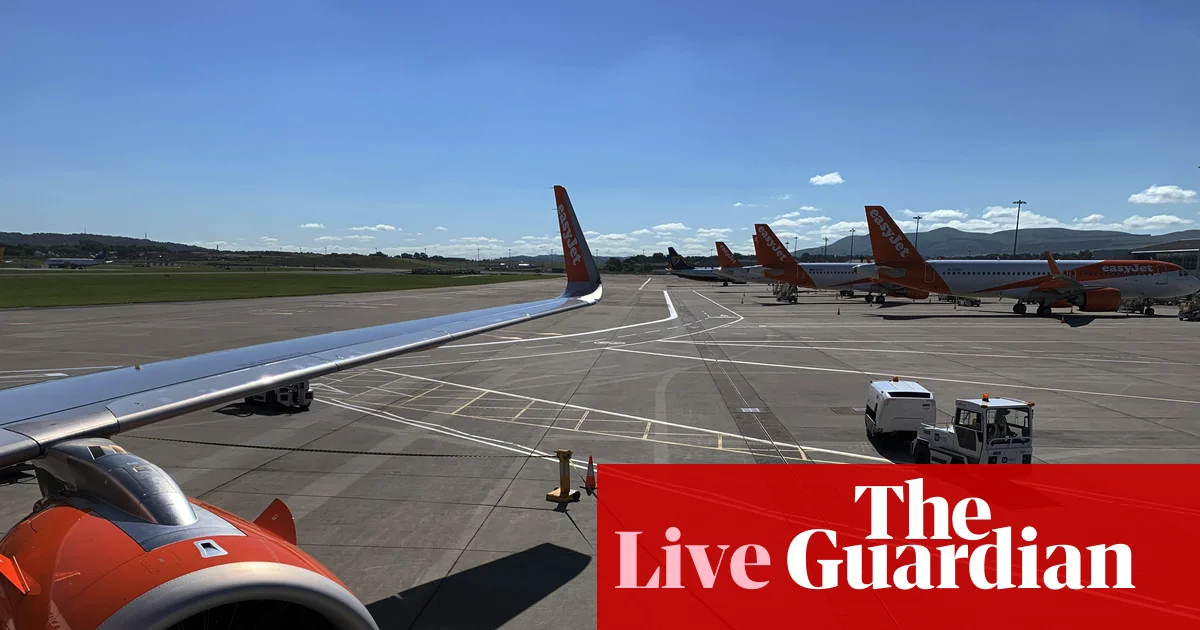
In a startling turn of events, Edinburgh Airport, Scotland’s busiest aviation hub, temporarily suspended all flights due to an unforeseen technical issue with its air traffic control provider. The crisis unfolded Friday morning, with airport authorities swiftly grounding flights to prevent potential air safety hazards. According to official statements posted on social media, teams are working diligently to resolve the problem, yet the disruption underscored the fragility of critical infrastructure that nations and societies rely upon daily. With Edinburgh serving over 15.8 million passengers in 2024, the ramifications of such a disruption ripple beyond mere inconvenience, threatening national connectivity and economic stability.

Historical analysts and infrastructure experts have long emphasized the interconnectedness of modern transportation systems, warning that even minor technical failures can cascade into major crises. The incident at Edinburgh acts as a stark reminder that the backbone of international mobility—the air traffic control systems—remains vulnerable to technological glitches, cyber threats, and systemic failures. This disruption not only stranded countless travelers but also exposed the vulnerabilities inherent in centralized aviation management. As international organizations such as the International Civil Aviation Organization (ICAO) evaluate their contingency plans, the event sparks renewed debate over securing infrastructure critical to global commerce and national security.

The geopolitical impact of such incidents extends far beyond the shores of Scotland. In an age where governments are increasingly scrutinized for maintaining resilient networks, the Edinburgh case prompts a broader reflection: how decisions regarding infrastructure investments and technological reliance influence national sovereignty and societal resilience. For many nations in Europe and across the Atlantic, the stability of air travel is intertwined with their economic health and diplomatic leverage. Economic leaders and security analysts warn that continued dependence on interconnected, technologically complex systems might be a double-edged sword—vulnerable to cyberattacks, technical faults, and even deliberate sabotage. The incident, albeit localized, exemplifies the pressing need for international cooperation, robust safeguards, and contingency frameworks to mitigate future crises before they spiral into wider destabilization.

Contrasting this incident with recent global events, the perspectives of historians and geopolitical strategists suggest a pattern: technology’s double-edged role in 21st-century geopolitics. As nations contemplate their infrastructure priorities, the Edinburgh episode serves as a warning—highlighting that the stability and security of societies hinge on the resilience of their foundational systems. The unfolding narrative of global connectivity is fraught with risks, and the decisions made today will determine the course of international stability. As the world observes, the weight of history presses down, reminding us that even in times of technological sophistication, the fragile fabric of human progress can unravel in an instant, leaving societies to navigate the aftermath and rebuild amidst uncertainty.

Travel chaos deepens in India as hundreds of flights are grounded—disrupting millions' plans
Travel chaos deepens in India as hundreds of flights are grounded—disrupting millions’ plans

The recent turmoil within India’s aviation sector underscores the profound internal challenges facing one of the world’s fastest-growing economies. The shutdown of IndiGo, the nation’s largest airline, has triggered widespread travel disruptions at a critical time—India’s peak travel season—highlighting systemic vulnerabilities rooted in recent regulatory reforms. As thousands of passengers remain stranded amid a backdrop of domestic chaos, India finds itself at a crossroads where domestic policy decisions could ripple across geopolitical lines.

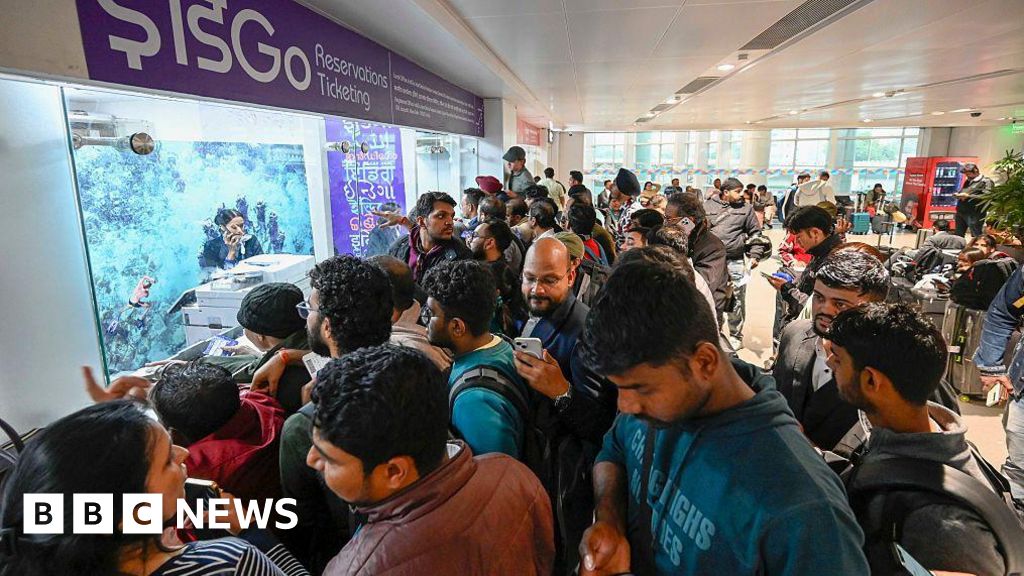
Over the past week, IndiGo canceled hundreds of flights, leaving major airports in Delhi and Mumbai overwhelmed with unprepared travelers. The airline’s leadership indicated that complete operational recovery might not occur until 10 February, citing increased rest rules and night-duty restrictions as key factors. The new regulations, intended to improve pilot safety, have instead exposed critical planning gaps, which the Indian aviation regulator bluntly attributed to “misjudgment and planning gaps.” The regulator, alongside the government, has demanded detailed restructuring plans from IndiGo, emphasizing the urgency of aligning safety with operational efficiency—an effort to appease both safety advocates and economic stakeholders.

This crisis comes amid acute domestic unrest over the impact of recent policy shifts, which have faced sharp criticism from pilot associations, safety experts, and even international observers. The Airline Pilots Association of India warns that any easing of duty regulations risks “gravely” compromising safety, emphasizing that the balance between flexible regulation and public security remains precarious. At the same time, the government’s visible displeasure reveals an attempt to assert control amidst *public outrage* and operational breakdowns. These developments, analysts argue, threaten to undermine India’s global reputation as a reliable air travel hub, with potential consequences for foreign investment, tourism, and diplomatic relations.

On the geopolitical front, India’s internal strife in its aviation sector signals a broader narrative. As India asserts itself on the world stage through ambitious economic initiatives, such as the Make in India campaign and regional infrastructure projects, domestic instability may serve as a cautionary tale. Historically, rapid economic growth combined with regulatory missteps can serve as vulnerabilities exploited by rivals or destabilized by external shocks—be it regional conflicts or global economic downturns. The international community, including institutions like the International Civil Aviation Organization, closely monitors such crises, understanding that internal challenges in a rising power can influence geopolitical stability.

As passengers voice their frustration—the Singaporean High Commissioner even lamenting lost personal milestones—the incident leaves a stark reminder: the decisions made today in policymaking and crisis management will reverberate across the region and beyond for decades to come. The unfolding story in India is more than an aviation crisis; it is a reflection of a nation striving to balance rapid growth with the complexities of governance, safety, and international reputation. The weight of history presses down as the world watches, knowing full well that in these turbulent times, a single misstep can threaten to rewrite the trajectory of a nation’s rise—leaving future generations to grapple with the consequences of decisions shrouded in the fog of uncertainty.

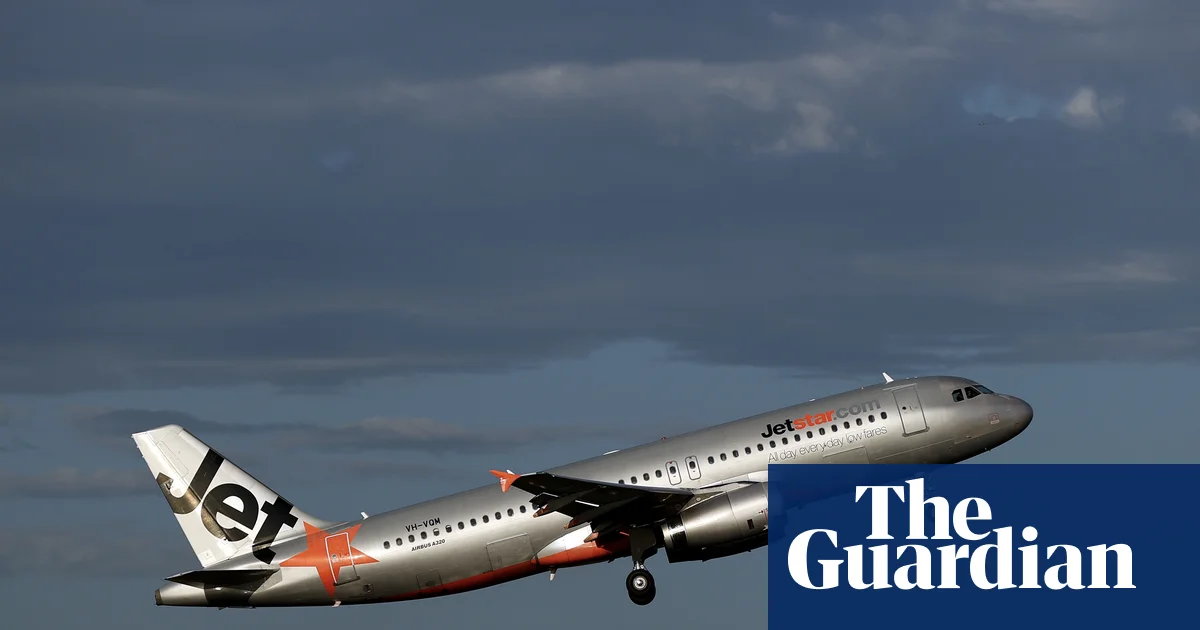
Jetstar cancels 90 Aussie flights amid Airbus A320 recall—disrupting travelers nationwide

International Flight Disruptions Reveal Fragility in Aerospace Safety and geopolitical Stability

In an unprecedented cascade of events, the global airline industry finds itself grappling with a crisis rooted not only in technical malfunctions but in the intricate web of international aviation safety. The recent grounding of **Jetstar**’s Airbus fleet, following critical software updates mandated by **Airbus** after a series of mid-air incidents, underscores how interconnected modern geopolitics, technological reliability, and national security have become. This incident exemplifies a pivotal moment where the safety of millions of passengers is intertwined with broader geopolitical currents, as nations emerge to scrutinize regulations, and global institutions face the pressure to act decisively.

The triggering event was an alert issued by **Airbus**, ordering an immediate software overhaul on a substantial number of its A320 aircraft, which are widely used by airlines such as **Qantas**, **Virgin Australia**, and **Air New Zealand**. The incident followed a JetBlue flight from Cancún, Mexico, to Newark, where an unexpected altitude loss resulted in injuries among passengers—raising alarms about potential vulnerabilities in critical flight control systems. The European Union Aviation Safety Agency (EASA), which certifies these aircraft, identified the problem as an “uncommanded pitch down event,” holding the potential for catastrophic structural failure should unchecked. Analysts warn that such technical glitches, if widely unaddressed, could erode confidence in international aviation safety standards, with ripple effects extending into diplomatic relations and economic stability.

The geopolitical impact extends beyond the immediate safety concerns. Countries that rely heavily on Airbus aircraft face a delicate balancing act—prioritizing passenger safety while managing the economic disruptions caused by flight cancellations across international and domestic routes. For instance, **Qantas** and **Virgin Australia**, both using Airbus aircraft, assured that their fleets would largely remain unaffected, emphasizing how national airlines are navigating the balance of safety, economic vitality, and geopolitical posture. Meanwhile, **Air New Zealand**—a cornerstone of New Zealand’s international connectivity—announced cancellations but reassured safety measures, highlighting how emerging aviation challenges threaten to influence regional stability and trade routes.

International organizations and security experts have voiced concern that this crisis exposes vulnerabilities in an era of increasingly sophisticated aviation technology—an arena now vulnerable to a potential mix of natural and malicious influences. Some agencies warn that the incident is a symptom of a broader shift where technological dependencies in aerospace are becoming new battlegrounds for international power struggles. Historically, analysts like Dr. Emilia Goto from the Global Security Institute argue that such disruptions, if exploited, could serve as pretexts for political leverage, especially amidst current global tensions involving **China**, **Russia**, and the **United States**. The crisis prompts a sobering reflection on how decisions taken in boardrooms and regulatory agencies now directly influence the security architecture of nations.

As this unfolding story continues to develop, the weight of history reminds us that in the 21st century, technological dependence has fundamentally altered the fabric of international stability. The recent grounding of aircraft and swift regulatory response symbolize how fragile the balance is—where the decisions of a multinational corporation, a regional airline, or a regulatory body can tip the scales of geopolitics. With each flight canceled, each safety directive issued, the world moves closer to a reality where the safety of the skies hinges on the complex interplay of technology, international cooperation, and geopolitical influence—an intricate dance where the first misstep could lead humanity into uncharted and dangerous territory, forever etching this crisis into the annals of history’s turbulent chapters.

Social Media Auto Publish Powered By : XYZScripts.com