Matox News

Truth Over Trends, always!

Palestinians Celebrate Ceasefire Deal: A Step Towards Peace—Today in Focus Extra | Gaza

Ceasefire Sparks Hope in Gaza and Beyond

In a significant diplomatic breakthrough, Israel and Hamas have announced a ceasefire agreement in the ongoing Gaza conflict, bringing a temporary end to what has been a harrowing two-year war zone. Announced in the early hours of Thursday, this development signals a potential shift in the relentless cycle of violence that has gripped the enclave, yet analysts warn that the road ahead remains fraught with challenges and unresolved issues.

The reactions from those directly impacted paint a complex picture of relief mixed with lingering pain. Ansam Tantesh, an English graduate living in Gaza, encapsulates the suffering faced by civilians: “The pain, she shares with Annie Kelly from The Guardian, ‘will never leave my heart’. Despite the cessation of airstrikes, the human toll—marked by loss, destruction, and trauma—continues to overshadow hopes for peace.” Humanitarian workers like Mai Elawawda emphasize that while the ceasefire provides a crucial pause, the dire needs for food, water, and shelter remain unmet for many Gazans. The ongoing humanitarian crisis underscores how decisions made at the international level directly affect daily life and human rights in conflict zones.

Despite the optimistic headlines, experts underscore that this ceasefire is but a fragile pause, not a definitive resolution. International organizations, such as United Nations officials and regional analysts, warn that the underlying issues—territorial disputes, refugee rights, and security guarantees—still loom large. The international community remains divided over assigning blame and responsibility, with some nations advocating for a permanent solution and others calling for a pragmatic, immediate ceasefire. Historians like Noam Chomsky have long highlighted the regional geopolitical stakes, noting that the conflict is deeply embedded within broader regional rivalries involving Iran, Egypt, and Turkey. Such dynamics complicate efforts for a durable peace, as well as influence the strategic calculations of global powers.

  • The ceasefire marks a potential turning point, possibly opening diplomatic channels that have been closed for years.
  • However, persistent issues such as the blockade of Gaza, settlement expansions, and the status of Jerusalem threaten future stability.
  • International organizations stress that sustainable peace requires addressing these root causes, not just temporary truce agreements.

The geopolitical impact of this ceasefire extends well beyond Gaza’s borders. Israel faces intensified scrutiny over its military operations and settlement policies, which critics argue exacerbate instability. Meanwhile, Palestinians in Gaza and the occupied West Bank see this as a moment of cautious hope, yet also warn against complacency. Historically, such brief pauses in conflict have often been undermined by unresolved grievances, making future confrontations all the more probable. The decisions made now will undeniably shape the socio-political fabric of the region for generations, determining whether this fragile moment of peace transforms into a lasting resolution or simply a fleeting respite in an ongoing saga of conflict.

As the dust settles and international observers watch closely, the weight of history presses heavier than ever. The coming days will reveal whether this peace holds—a brief hope or a true turning point—yet the scars of this ordeal will remain, etched deep into the collective memory of a fractured region. The world stands at a crossroads, witnessing a moment where diplomacy and perseverance are tested, and where the future of millions hangs in the balance. The unfolding story of Gaza is not just a regional saga but a chapter in the ongoing contest for influence, security, and dignity on the global stage.

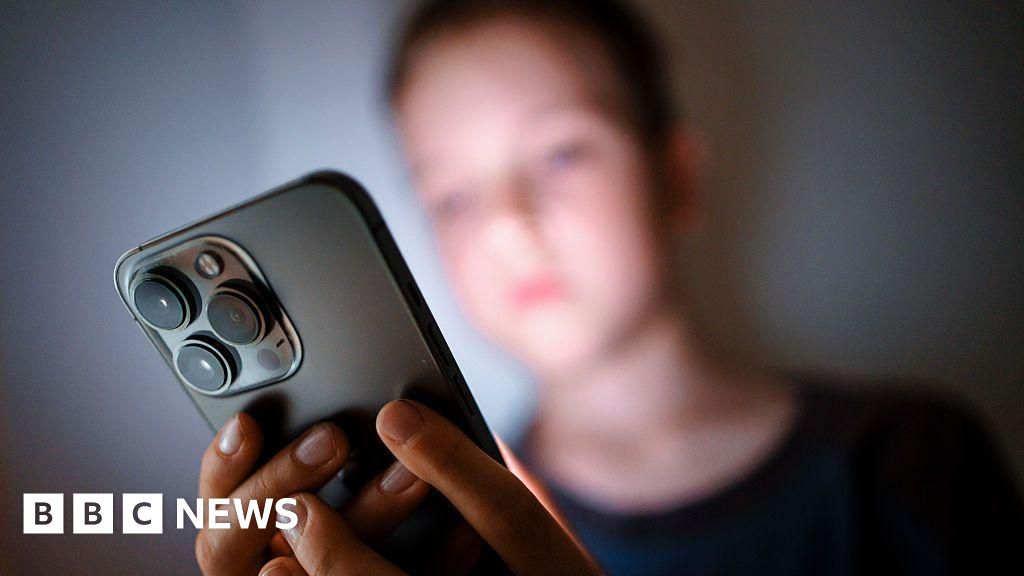
Smartphone ban brings order and focus, says Northamptonshire teacher

Society’s Evolving Approach to Children’s Technology and Its Impact on Families

In recent months, schools and local authorities across the UK are re-evaluating their stance on children’s use of smartphones, with some institutions implementing decisive measures aimed at protecting the wellbeing of young students. Northamptonshire’s Earls Barton Primary School has become an exemplar of this movement by banning smartphones entirely. According to co-head teacher Marie Lally, this initiative has resulted in students arriving at school calmer and more focused — an outcome banners of the harm caused by unmoderated device usage. Such local efforts reflect a broader societal shift as parents, educators, and policymakers grapple with the undeniable influence of social media and instant messaging platforms on impressionable minds.

Many social observers believe this trend signals a critical cultural reconsideration of childhood innocence and autonomy. As sociologist Neil Postman warned decades ago about technology’s potential to distort societal values, contemporary concerns have matured: children are increasingly exposed to unsolicited images, cyberbullying, and inappropriate content through unchecked mobile devices. As part of this moral awakening, the Smartphone Free Childhood movement advocates for delaying the introduction of smartphones until at least age 14, emphasizing that early exposure jeopardizes mental health and moral development.

The Impact on Families and Community Relations

The ripple effects of unchecked smartphone access are felt most acutely within families. Parents are often caught in a dilemma: balancing the convenience of being contactable with the moral responsibility of shielding children from harmful content. Katie Moore, a mother involved in Northampton’s initiative, describes her own experience of giving her child a smartphone and witnessing “more conflict” at home, as her daughter faced animated porn, teasing on WhatsApp, and other cyber dangers. Moore’s story highlights a pervasive societal challenge: parents are pressured to conform to peer expectations that equate smartphones with social status, even as evidence mounts regarding the risks involved.

Communities are responding by advocating stricter controls within schools and homes. Some suggest solutions such as requiring children to surrender devices upon arrival at school, use of only ‘brick phones’ with no internet, or outright bans on phones during school hours. These measures aim to restore a sense of safety and moral clarity within educational environments, emphasizing that protecting children’s innocence and mental health must take precedence over technological convenience. Meanwhile, local authorities like West Northamptonshire Council are weighing guidance policies that could lead to more comprehensive restrictions across schools, recognizing that current enforcement is limited, as noted by Reform UK education official Kathryn Shaw.

Societal Reflection and Toward a Brighter Future

As society stands at this crossroads, many social commentators argue that the core challenge extends beyond mere device management. It questions the cultural values that normalize early exposure to digital technology and the moral framework guiding parental decisions. Transformative change will require a collective effort to redefine childhood and societal priorities, emphasizing ethical guardianship, community engagement, and moral responsibility above fleeting trends. In this ongoing journey, families and communities hold the power, often through simple yet profound acts, to turn society’s horizon toward hope. Ultimately, society’s resilience will be tested not by the technology itself but by its ability to nurture young minds amidst rapid change — a testament to our enduring belief in the potential for moral and social renewal.

Before and after photos reveal glaciers' rapid disappearance—our climate crisis in focus
Before and after photos reveal glaciers’ rapid disappearance—our climate crisis in focus

Global Glaciers in Rapid Retreat: A Warning from the Frontlines of Climate Change

Across the globe, the once-mighty glaciers that have shaped mountain landscapes for centuries are vanishing at an unprecedented rate. In Switzerland, a country renowned for its alpine beauty and climate resilience, the retreat of glaciers like the Rhône and Great Aletsch has become a symbol of a warming planet. Matthias Huss, director of Glacier Monitoring in Switzerland (GLAMOS), vividly recalls his childhood memories of glaciers that once stretched deep into the valleys—memories now replaced by distant, receding ice and growing lakes. The stark reality is that, according to a recent World Meteorological Organization report, glaciers outside the Greenland and Antarctic ice sheets lost a staggering 450 billion tonnes of ice in 2024 alone, enough water to fill 180 million Olympic pools.

Scientists globally warn that the rapid loss of glaciers is a direct consequence of human activity. Prof. Ben Marzeion of the University of Bremen emphasizes: “They are sitting in a climate that is very hostile to them now because of global warming.” The pattern is relentless. Satellite imagery and ground observations from the Alps reveal that some glaciers, previously thought to lose only 2% of their ice annually—considered “extreme”—are now hemorrhaging nearly 6% in a single year. Such accelerated loss underscores how natural glacier fluctuations, once considered slow and cyclical, are being overridden by anthropogenic climate change. The melting is not just a regional problem; it has far-reaching geopolitical impact, threatening fresh water supplies for hundreds of millions in Asia, Africa, and beyond.

In the context of global politics, the melting glaciers serve as stark warnings and call for urgent international cooperation. Asia’s so-called “Third Pole,” the Himalayan mountain range, harbors enough ice to impact nearly 800 million people dependent on meltwater for agriculture, drinking water, and hydropower. Professor Regine Hock from the University of Oslo warns that the “biggest vulnerability” lies in these drier regions, where meltwater is often the sole source of water during summer months. Yet, despite the alarming evidence, some nations continue to prioritize economic growth over environmental stewardship, complicating international efforts to mitigate climate impacts. Historians and analysts concur that the contemporary rapid glacial retreat, especially over the past four decades, is unequivocally linked to the rise of global fossil fuel consumption since the Industrial Revolution.

Decisions Today Will Shape the Glacial Future

The interplay between natural variability and human-made climate change has created a scenario where glaciers are lagging behind current temperatures, with much of their future melt already inevitable. As Prof. Marzeion states, “A large part of the future melt of the glaciers is already locked in.” This means even if global efforts succeed in stabilizing temperatures tomorrow, many glaciers will continue to diminish for decades due to delayed response mechanisms. Yet, some hope persists—research published in *Science* indicates that limiting global warming to 1.5°C above pre-industrial levels could save half of Earth’s remaining mountain ice. Conversely, at the current trajectory of approximately 2.7°C warming, projections suggest that up to 75% of glaciers may ultimately succumb to melting, dramatically reshaping landscapes and societies.

This ongoing retreat portends profound consequences beyond geography; it threatens to destabilize ecosystems, alter river flows, and escalate sea-level rise, which endangers coastal cities worldwide. Provinces like the Himalayas, often dubbed the “Third Pole,” stand as testament to the human toll—where Himalayan glaciers feed rivers vital for agriculture and industry, their loss could trigger water scarcities affecting billion-dollar economies and vulnerable populations alike. This is a crisis that transcends borders, calling on international organizations and world leaders to confront the stark reality of climate inaction—a challenge where history is still being written, and the pages are being turned with every melting glacier and rising sea.

The weight of history presses heavily as glaciers continue to vanish

As the glaciers vanish—once seen as eternal in the eyes of ancient communities—the modern world faces an epochal dilemma: whether to heed the warnings etched into icy scars or to ignore the call to preserve Earth’s irreplaceable cryosphere. In the crucible of mounting evidence and irreversible change, the choices made now hold the power to either forge a sustainable future or condemn generations to witness the relentless advance of a warming world. The echoing cry of the glaciers, frozen in time but melting in reality, reminds us that while the natural cycle of ice and fire has persisted for millennia, human influence now shapes the course of Earth’s history itself—leaving us to linger on the precipice of an uncertain future, where every melting drop writes the beginning of an inevitable transformation.

Apple shifts focus from lighter Vision Pro to prioritize smarter glasses for the future

Apple Accelerates Smart Glasses Development Amid Strategic Industry Shifts

In a bold move signaling its strategic pivot toward augmented reality and AI-driven wearables, Apple is intensifying its development efforts on next-generation smart glasses, potentially disrupting current market leaders such as Meta with its Ray-Ban and Oakley smart eyewear. Reports from Bloomberg indicate that Apple has shelved plans for a lighter, less ambitious Vision Pro headset in order to focus on a more versatile smart glasses platform. This decision underscores a broader industry trend where immersive AR hardware takes precedence over traditional VR headsets, emphasizing innovation driven by AI integration and user-centric design.

According to industry insiders, Apple’s new glasses will feature multiple models, including at least one with a display capable of challenging Meta’s Ray-Ban Display. The glasses are expected to include speakers, cameras, and multiple style options, with a heavy reliance on voice interaction and AI. Early prototypes suggest a strategic focus on seamless, hands-free operation, leaving behind the bulky headsets of past generations. Notably, Apple is also developing a dedicated chip to power these devices, a move previously highlighted by Bloomberg as part of its larger push for specialized hardware that enhances performance and energy efficiency.\nThis emphasis on custom silicon aligns with insights from market analysts at Gartner, who highlight that hardware specialization is a key driver of disruptors in the wearable tech space. Competition from Meta, which has already integrated AR features into its glasses, shows that Apple aims to leapfrog with superior hardware capabilities and software integration.

Meanwhile, Apple’s abandonment of plans for a lighter Vision Pro headset in favor of heavier, more feature-rich glasses hints at industry-wide shifts in consumer preferences. Reports suggest a “modest refresh” of the Vision Pro is still on the horizon, potentially launching as early as the end of this year, but overall focus is hastening toward AR glasses that incorporate AI and augmented reality in everyday life. This pivot further signifies a market in flux, where augmented reality’s disruption potential could redefine the fundamental engagement models in tech, from entertainment to enterprise applications. Regulatory filings recently uncovered point toward a new iteration of the Vision Pro, indicating Apple’s continued commitment to both VR and AR markets. Yet, experts like Peter Thiel warn that “the path of robust, AI-driven wearables is fraught with technical and regulatory challenges,” emphasizing the urgency for tech firms to innovate aggressively and stay ahead of the curve or risk obsolescence.

Looking ahead, the thriving smart glasses market is poised for explosive growth, driven by innovations in AI, hardware specialization, and user experience. As Apple doubles down on this frontier, industry observers recognize that disruption is imminent. Companies that fail to develop compelling, integrated AR wearables risk falling behind in a landscape increasingly dominated by AI-driven ecosystems. The next half-decade promises to be a pivotal period where innovation, strategic vision, and market agility will determine the leaders of the next generation of technology—a future where immersive, AI-enhanced wearables could become as ubiquitous as smartphones today. Time is of the essence—those who lead now will shape the trajectory of tech for decades to come.

Social Media Auto Publish Powered By : XYZScripts.com