Matox News

Truth Over Trends, always!

NSW High Court Ruled Anti-Protest Law Unlawful After Bondi Attack Redirects Focus on Public Safety

In a significant judicial development that echoes the tension between constitutional rights and government power, New South Wales’ highest court has invalidated an anti-protest law enacted in the wake of the Bondi beach terror attack. This landmark decision comes amidst escalating global concerns about security, civil liberties, and the influence of international conflicts on domestic policy. The law, known as the public assembly restriction declaration (PARD), was introduced by the Minns government to restrict protests in designated areas for up to three months following the attack, which claimed 15 lives. However, the court deemed it unconstitutional, citing that it impermissibly burdened the implied constitutional right to freedom of communication on government and political matters—an outcome viewed as a victory for advocates of civil liberties and democratic rights across the globe.

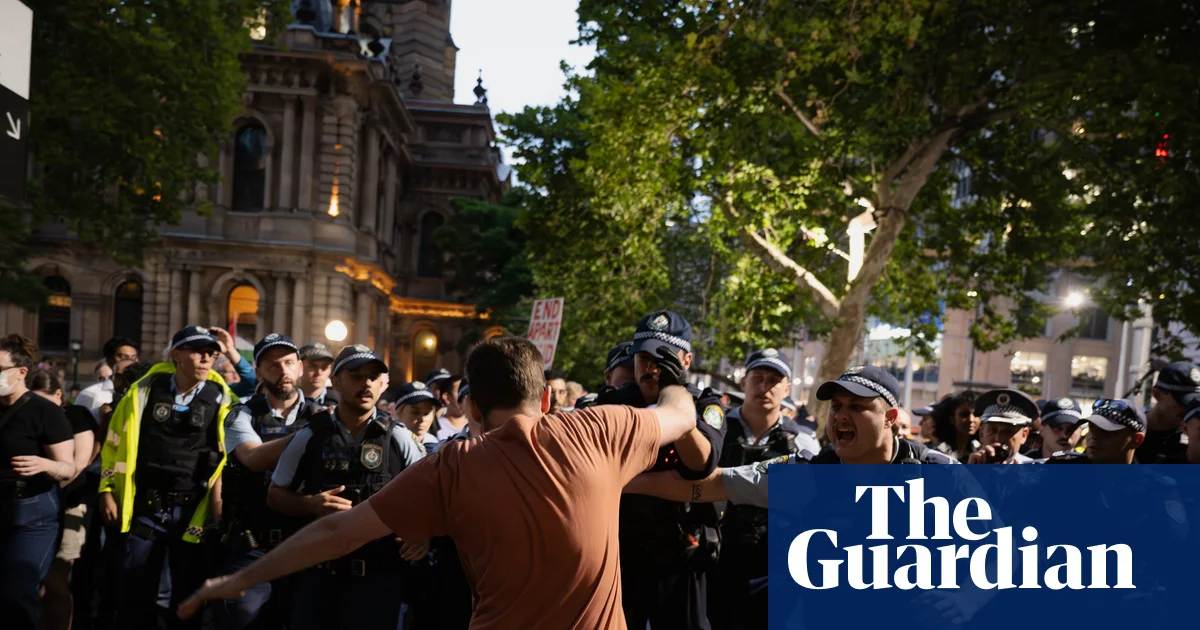
  • The law was notably applied during a controversial rally against Israeli President Isaac Herzog’s visit, which turned violent and prompted police misconduct investigations. Despite the government’s claims that the legislation was necessary to maintain order post-terrorism, the court’s ruling highlighted its overreach, emphasizing that it served as a “blunt tool” that indiscriminately suppressed constitutionally protected activity, regardless of the threat level or the purpose of the assembly.
  • Legal analysts and international watchdogs underscored that this decision could set a transformative precedent, illustrating the judiciary’s role in curbing executive overreach and defending fundamental rights against overly broad security measures. The case also cast a spotlight on how authoritarian instincts can be challenged in liberal democracies, reinforcing the principle that government power must be balanced with individual freedoms—an issue at the heart of many geopolitical debates on security versus liberty.

The court’s decision was celebrated outside the courtroom by civil rights groups and advocacy organizations, notably Jews Against the Occupation ’48 and the Palestine Action Group. Their spokesperson, Josh Lees, hailed the ruling as a critical victory for democracy and the global movement fighting for human rights. This case exemplifies how domestic legal battles intertwine with international causes, such as the ongoing struggle over Palestinian rights, and how judicial institutions worldwide are becoming battlegrounds for ideological conflicts that transcend borders. As historians warn, these conflicts onboard the global stage are often shaped by a complex web of national interests, geopolitical strategies, and ideological clashes.

Prime Minister Chris Minns expressed disappointment over the verdict, framing the legislation as a response to one of the “worst terrorism events” in Australia’s history. Despite this, the ruling signals a potent reminder that even in the face of brutal violence, the rule of law and constitutional norms remain supreme—a stance that may resonate beyond NSW, influencing policies in other nations grappling with similar threats and rights. The government’s future plans include addressing the contentious phrase “globalise the intifada,” illustrating the ongoing clash between security narratives and free speech that continues to unfold in legal arenas worldwide.

As the dust settles, the trial’s lingering question remains: how will this victory shape the future landscape of protests, civil liberties, and international activism? With the judiciary standing firm in defense of constitutional principles, the unresolved tension between state security and personal freedoms is poised to ignite new debates and confrontations. The fate of those charged during protests, the integrity of police accountability investigations, and the broader impact on political discourse and social activism remain as a stark reminder—the pages of history are still being written, and the global community watches anxiously as the ongoing clash between authority and liberty unfolds in the shadows of our times.

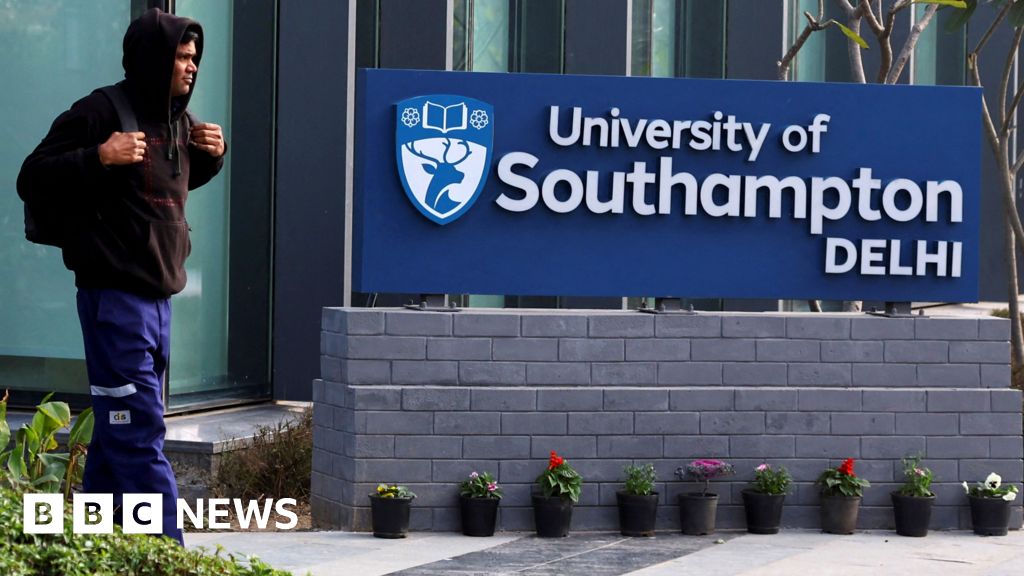
UK Universities Shift Focus to India: York and Southampton Lead the Way

Bridging the Gap: The Socioeconomic Divide in India’s Education System

The staggering figures emerging from India’s educational landscape reveal both a nation of promising potential and a deepening social divide. Annually, approximately eleven million students complete their Grade 12, marking the national threshold of secondary education. Yet, within this vast pool, only about 1.5-1.7 million students secure a place in the country’s top academic institutions. This stark disparity underscores a persistent inequality of opportunity, with a select few ascending to what many see as the gateways to socio-economic mobility, while the majority remain outside the privileged orbit of elite education.

The reality is that educational access often mirrors societal hierarchies rooted in economic status, regional disparities, and social caste. India’s most prestigious universities admit only about 200,000 students annually from this vast talent pool, leaving millions of talented youths excluded from the pathways that lead to leadership and innovation. Sociologists like André Béteille have long argued that these disparities not only limit individual potential but also entrench **social stratification**, where privilege is perpetuated through generations. In this context, education becomes less of a universal right and more of a symbol of societal division.

The ramifications for families and communities are profound. Many families from lower socioeconomic strata invest heavily in private coaching, often at great financial sacrifice, hoping to secure a foothold into India’s competitive academic world. Yet, the lack of equal opportunity creates an unfair playing field, amplifying social tensions. For educators and policymakers, this stark reality calls for urgent reforms—ranging from improving access to quality primary and secondary education in rural areas to dismantling systemic barriers that favor urban, affluent communities. These issues touch upon not only individual futures but also the moral fabric of society, calling into question whether the ideals of fairness and meritocracy remain meaningful in such an ecosystem.

Looking forward, there is hope that societal reflection and strategic policy may pave the way for a more inclusive future. Institutions and civic leaders must embrace the challenge of equality, fostering environments where talent does not go unrealized due to societal bias. By addressing root causes of disparity, from inadequate infrastructure in marginalized areas to the prevalent social stigmas, communities can nurture a generation capable of lifting itself beyond inherited divides. As sociologist Arjun Appadurai emphasizes, fostering *cultural resilience* and *social cohesion* are essential in transforming the promise of education into tangible social progress. Society stands at a crossroads where the resilience of families, the dedication of educators, and the resolve of policymakers may either reinforce the barriers of today or dismantle them in pursuit of a more *equitable* tomorrow. Only then can India truly aspire to be a land where opportunity is not dictated by circumstances of birth but fueled by the collective hope of its youth.

Gaza Peace on the Rocks as Focus Turns to Iran

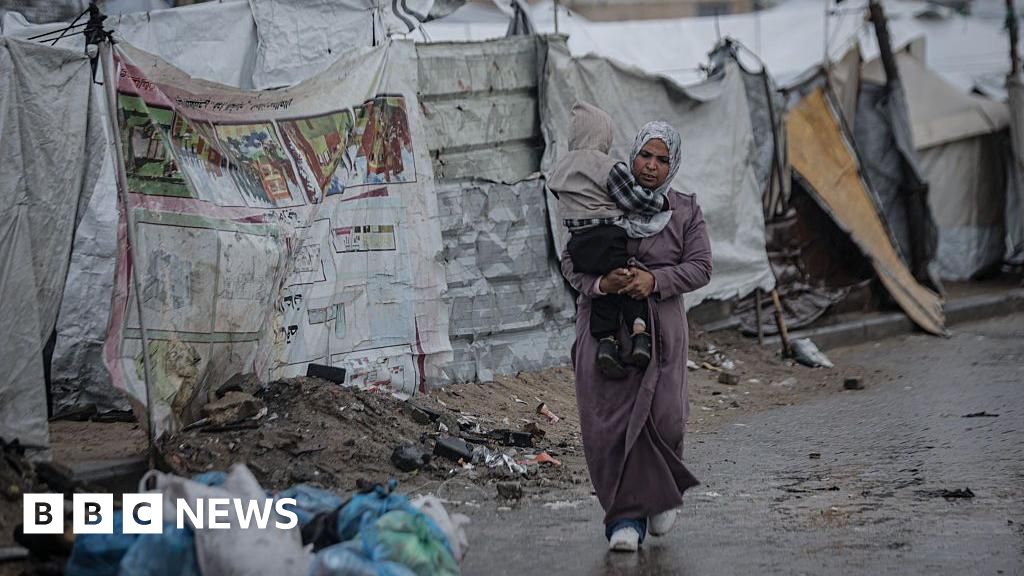
In a pivotal move that echoes through the corridors of international diplomacy, UN High Representative for Gaza, Nikolay Mladenov, presented a comprehensive disarmament initiative at the United Nations on Tuesday. As the geopolitical landscape of the Middle East continues to simmer with tension, this initiative aims to address the persistent threat posed by weapons held by Palestinian armed groups in Gaza. Mladenov’s groundwork focuses initially on disarming the most dangerous weapons, rockets, heavy munitions, explosive devices, and assault rifles, acknowledging that the proliferation of such armaments fuels cycles of violence and undermines regional stability.

The proposed framework seeks to disentangle the web of militancy that has embroiled the region for decades. According to Mladenov, these measures are “a necessary step toward peace,” offering a pathway to reduce hostilities and foster coexistence. However, the geopolitical ramifications extend beyond Gaza, threatening to alter the balance of power among regional actors and global powers alike. Analysts warn that implementation of disarmament efforts could trigger a complex chain of reactions—either fostering long-term stability or igniting new conflicts if negotiations falter. The initiative underscores the longstanding international consensus on the importance of curbing weapons proliferation to prevent escalation of violence and to promote diplomatic solutions over military escalation.

International organizations and geopolitical analysts have long debated the effectiveness of disarmament in conflict zones, with some emphasizing that arms control efforts are often met with resistance from groups perceiving their weapons as vital to their political survival. Notable voices from the international community, including the European Union and the United States, have called for balanced approaches—supporting peace initiatives while maintaining the strategic interests of their respective nations. Critics warn that without concrete enforcement mechanisms, such disarmament efforts risk becoming symbolic gestures rather than tangible solutions. Historically, disarmament attempts in conflict zones such as the Balkans or Africa have demonstrated that progress is fragile and often contingent upon broader peace negotiations.

The geopolitical impact of the UN’s initiative extends far beyond Gaza, influencing regional dynamics involving {Israel}, neighboring {Egypt}, and wider Middle Eastern powers. {Israel} has expressed cautious optimism, recognizing that disarming militant groups could ease security concerns but remains wary of the possibility that such measures could embolden factions to seek alternative means of resistance. Meanwhile, {Egypt} and other neighboring states are positioning themselves as mediators, emphasizing the need for a sustainable peace that safeguards stability and development. As international actors prepare for the upcoming negotiations, there is an undercurrent of tension—each side weighing the potential gains against the risks of perceived concessions.

In the shadow of these diplomatic maneuvers, the echoes of history serve as a stark reminder of the stakes at hand. The ongoing struggle over Gaza symbolizes a greater conflict—a microcosm of global tensions where national interests, ideological clashes, and the quest for security intertwine. As historians and analysts observe, the decisions made today may determine the course of future generations, shaping the geopolitical landscape in ways unforeseen. With the world watching, the question remains: will these efforts usher in a long-awaited peace, or will they become another chapter in an enduring saga of conflict? As history’s pages turn, one thing is clear—our collective future hinges on the choices made in these critical moments, and the weight of history continues to unfold, demanding our vigilance and resolve.

Audible Boosts Focus by Syncing eBooks and Audiobooks for Young Minds

Audible Disrupts Traditional Reading Habits with Immersive Augmented Reading Technology

In a bold move demonstrating the rapid convergence of audio and digital reading platforms, Audible has unveiled its innovative “immersion reading” feature, signaling a decisive shift in how consumers engage with books in the digital age. This latest offering allows users to seamlessly synchronize audio narration with on-page text, highlighting the synchronized content in real-time. As the digital marketplace continues to evolve, Audible’s platform exemplifies how disruption can redefine traditional reading paradigms, making immersive content more accessible and engaging for the next generation of learners and readers.

The core innovation behind “immersion reading” capitalizes on enhanced interactivity and multi-sensory engagement, which experts suggest could significantly boost comprehension and retention. Users can activate the feature within the Audible app by tapping “Read & Listen,” and as the audiobook progresses, the corresponding text is highlighted in sync with the narration. This is particularly valuable for language learners, students, and avid readers seeking a more focused experience. Audible estimates that hundreds of thousands of titles—including numerous in German, Spanish, Italian, and French—will support this feature at launch, aligning with trends toward multilingual and multicultural digital content.

The business implication of this strategic enhancement is profound. By combining the strengths of both audiobook and e-book markets, Audible is effectively creating a hybrid ecosystem that emphasizes interoperability and user engagement. While the feature requires users to own both formats, it opens avenues for increased subscription and data-driven content personalization. Moreover, competing platforms such as Spotify are rapidly exploring similar innovations, with Spotify’s recent “Page Match” feature allowing users to scan printed pages and synchronize them with audiobooks, highlighting a broader industry shift toward immersive, synchronized experiences. These advancements pave the way for a future where the boundaries between different media formats—text, audio, and video—blur, challenging entrenched publishing and entertainment models.

Analysis by technology analysts like Gartner underscores that such features are indicative of a broader disruption in digital content consumption. In the emerging landscape dominated by AI-powered, interactive, and personalized experiences, the ability to offer multifaceted engagement will be a key differentiator. Companies that invest in these innovations not only appeal to tech-savvy youth but also capitalize on the growing demand for inclusive, accessible content that supports learning and leisure simultaneously. This strategic focus on immersive media also aligns with trends observed in leading institutions like MIT and Silicon Valley giants, emphasizing that the future of digital media hinges on how well companies can integrate multimodal content and foster deeper engagement.

Looking ahead, the rollout of features like Audible’s immersion reading signals a pivotal moment for the entire industry. As consumer expectations evolve rapidly, the race to innovate and disrupt traditional narratives will intensify. In this competitive and fast-evolving environment, the ability to leverage technology for enhanced engagement will determine industry leaders. The next decade promises to redefine storytelling and education through immersive, synchronized audio-text experiences—a convergence of innovation and disruption with far-reaching implications for content creators, publishers, and tech giants alike. The message is clear: those who embrace these transformative shifts—focusing on disruption, innovation, and strategic agility—will shape the future of digital media.

Keeping phones aside at school, teens find stress drops—time to prioritize focus over distraction.

Smartphone Bans in Schools: A Reflection of Society’s Evolving Nature

The recent decision by Alderbrook School in Solihull to enforce a strict smartphone ban marks a significant development in the ongoing debate about technology’s role within educational settings. While some students have welcomed this change, citing increased focus and better interpersonal interactions, others remain resistant, fearing loss of autonomy and social connectedness. This shift underscores broader societal tensions regarding the influence of digital devices on our youth, families, and communities.

Social commentators and sociologists have long observed that the pervasive presence of smartphones has reshaped social dynamics, especially among minors. Alphonso G. Berger, a noted social psychologist, argues that technology can serve as both a bridge and a barrier—enhancing communication but also fostering dependency and distraction. In schools like Alderbrook, administrators see the immediate benefits of reducing distractions—improving attention spans, fostering better classroom engagement, and creating a safer environment free from cyberbullying. Yet, critics warn that such measures may inadvertently hinder students’ development of digital literacy—an essential skill for their future participation in society.

This conflict directly affects families and local communities. For parents, the smartphone ban may represent a double-edged sword—offering relief from the constant classroom alerts but raising concerns about their children’s ability to regulate digital use outside of school hours. Historical analyses by social historian Dr. Margaret Liu highlight that the rapid technological change within a few decades has outpaced the development of appropriate social and ethical frameworks. The challenge now is to find a balanced approach that promotes responsible digital citizenship without alienating youth from essential social realities.

Furthermore, the debate transcends individual schools and touches on wider policies impacting educational institutions nationwide. As schools grapple with declining attention spans, rising instances of cyber harassment, and issues of digital equity, solutions must be comprehensive.

  • Implementing digital literacy programs that teach responsible device use
  • Encouraging parental involvement and monitoring
  • Establishing clear guidelines that respect student needs while safeguarding educational integrity

In essence, society faces a delicate balancing act: preserving the capacity for authentic human connection amid pervasive digital influences while nurturing the skills needed for responsible participation in a technologically driven future. As Alderbrook School’s move demonstrates, sometimes the most significant societal shifts begin with small acts—an evacuation of distractions, a return to face-to-face conversation, and a collective effort to forge a society that values genuine human bond over transient digital approval. In the quiet moments beyond the classroom walls, society is reminded that the true challenge lies not in banning devices but in cultivating resilient communities—where young individuals learn not just to survive, but to thrive amidst constant change.

Foreign Office to probe Peter Mandelson’s controversial ambassador payoff – UK politics in focus

International Power Play and the Political Aftermath of Mandelson’s US Payoff

In a move that underscores how geopolitical decisions are increasingly intertwined with domestic controversies, the case of Peter Mandelson has taken center stage in British political discourse. Once a leading figure in UK politics, Mandelson’s recent fallout over a taxpayer-funded payoff—reportedly up to £55,000—after being sacked as ambassador to the United States has sent shockwaves through Westminster. The controversy hinges on his association with Jeffrey Epstein, the late accused child sex offender, raising serious questions about judgment and integrity within the ruling circles. This incident is not just a domestic scandal but a test case for how international relations and internal political stability are now dangerously linked in an era of shifting global alliances and transparency demands.

While the Foreign Office claims proper procedures were followed in Mandelson’s termination, the revelation of his sizeable payoff—whose details are still to be fully disclosed—poses a critical question of cost and morality for government transparency. Analysts warn that such payouts, especially in high-profile diplomatic posts, can undermine public trust and usher in a wave of political instability. The incident also casts a shadow over Keir Starmer’s leadership, as he struggles to navigate a political landscape riddled with ongoing scandals. The international community watches with keen interest, knowing that in the ripples of this controversy lie repercussions for alliances, trade negotiations, and diplomatic reputation.

Prominent voices—including Pat McFadden, the Work and Pensions Secretary,—have called for Mandelson to return or donate the payoff to charity, emphasizing the moral duty in these turbulent times. European and transatlantic analysts suggest that this domestic scandal comes at a concomitant moment of geopolitical realignment. With Rising Powers like China and Russia recalibrating influence, Western nations are under increasing pressure to demonstrate strength and integrity. The question remains: Will such incidents weaken Western diplomacy or serve as a catalyst for tougher scrutiny of government officials’ conduct in the age of international transparency?

Historians like Sir John Bew and geopolitical analysts argue that how Western democracies handle scandals of this nature will define their global standing for decades to come. The ongoing review by the Foreign Office, which aims to reassess Mandelson’s pay and conduct, signals an understanding that the failure to uphold standards can embolden competitors. In a world where public opinion is increasingly shaped by scandals and transparency, the weight of history presses down on leaders who must decide whether to embrace accountability or risk history’s verdict of corruption and ethical failure. As the case unfolds, the question remains: Will this be a moment of reflection and reform or a harbinger of more unrest as international affairs grow ever more complex and unforgiving?

Atlanta FBI Boss Ousted After Raising Concerns Over DOJ’s 2020 Election Focus

In a decisive move that underscores the ongoing turmoil over the legitimacy of the 2020 presidential election, recent events in Fulton County, Georgia have thrust the American political landscape into renewed chaos. The FBI’s Atlanta field office experienced a controversial personnel shake-up, with the special agent in charge, Paul W Brown, reportedly removed from his post after voicing concerns about the unsubstantiated allegations of voter fraud perpetuated by Donald Trump. This unexpected personnel change coincided with a major raid by the Department of Justice, which seized approximately 700 boxes of election-related records from the Fulton County elections office—an action many see as an escalation in partisan confrontations over the legitimacy of the 2020 election results.

Critics and analysts argue that these developments are reflective of a broader trend of political overreach and destabilization that threatens the integrity of American democracy. The removal of Brown came shortly before the FBI executed a search warrant, which, according to insiders, was aimed at uncovering evidence related to the 2020 election—a period marked by widespread claims of fraud that have been repeatedly debunked by election integrity experts. However, the presence of figures like Tulsi Gabbard, the nation’s intelligence director, at the scene has further intensified partisan tensions, prompting concerns among Democratic lawmakers about potential partisan overreach. As Robb Pitts, the Fulton County Board of Commissioners chair, publicly defended the county’s election process, asserting that “the outcome of the 2020 election will not change,” the underlying message remains clear: the controversy persists as a political tool to undermine trust in electoral systems.

Distinguished from these events is the broader geopolitical significance of America’s tumultuous domestic politics. Many international observers, including prominent historians and analysts from institutions like the European Union and United Nations, have warned that such internal strife weakens America’s global leadership. The repeated claims of election rigging, despite being thoroughly discredited, continue to erode the moral authority of American institutions. These narratives are exploited by adversaries seeking to diminish the influence of the United States on the world stage, undercutting long-standing alliances and destabilizing international order. As the United States grapples with its internal divisions, the fissures threaten to embolden autocratic regimes that see chaos at home as a strategic advantage.

Meanwhile, the debate over how elections are conducted and validated in America reflects a deeper ideological struggle that could reshape the very fabric of society. The omission of accountability and transparency could lead to a dangerous erosion of faith in democratic processes altogether—a scenario warned against by historians who emphasize the importance of electoral trust for democracy’s survival. With the 2024 presidential race now on the horizon, the question remains whether the United States can reconcile these divisions or if a turning point in its history—marked by increased polarization and international skepticism— is imminent. As the world watches, the shadows of the past threaten to haunt the present, leaving an uncertain and turbulent legacy that will define the next chapter of global geopolitics—its outcome still very much unwritten.

Green Party backs former mayoral hopeful for Gorton and Denton byelections, shifting focus to future leadership

The upcoming byelection in Gorton and Denton has become more than a simple electoral contest; it symbolizes deeper social and cultural shifts within the communities of Greater Manchester. With the Green party selecting Hannah Spencer, a councillor and former mayoral candidate, as their candidate, this race highlights the growing influence of youth-oriented, environmentally-focused politics that challenge traditional party dominance. Spencer’s background as both a community member and trade professional exemplifies a shift towards candidates who embody local roots and diverse experiences, resonating with a population increasingly disillusioned with the status quo.

This race is unfolding amidst a fractured political landscape where social issues—from economic inequality to cultural identity—are shaping voter sentiment. The Labour Party, traditionally dominant in the area, is facing stiff competition from Reform UK and the Greens, each representing contrasting visions for the future of society. Labour’s campaign’s emphasis on experience, rooted in their local and national networks, seeks to appeal to voters who value stability and tradition. In contrast, the Greens, led by Zack Polanski, are framing the contest as a “battle for the soul of the nation”, underscoring a desire among younger voters to push for progressive change and environmental justice. This political clash is not merely about policies but about the cultural identity and moral direction of the community, which is sharply divided along generational and ideological lines.

Social tensions are further exemplified by the Green party’s recent endorsements and their outreach efforts. Backed by groups like the Muslim Vote, their support in a constituency with roughly 30% Muslim constituents signals a conscious effort to address **cultural representation and inclusivity**. Such moves reflect a broader challenge minorities and marginalized groups face worldwide: balancing tradition with the push for social acceptance and political influence. As sociologists like Arjun Appadurai have noted, societies are increasingly fractured along lines of ethnicity and faith, yet also eager for a sense of belonging and agency. The Greens’ emphasis on engaging these communities indicates a recognition that future societal cohesion depends on constructive dialogue and representation, even as it stirs debate about social cohesion versus cultural integration.

The families and communities impacted by this electoral contest face very tangible issues: economic opportunities, social inclusion, and cultural identity. The decline of traditional industries and the threats to local jobs create a backdrop where young families seek new pathways to stability, while cultural tensions can either divide or unite depending on how issues are approached. As historian Eric Hobsbawm warned, societal change often occurs through what he termed “the long 19th century of social upheaval,” reminding us that the societal clarity sought in elections is often the result of ongoing, complex struggles. The choices made in Gorton and Denton will resonate beyond these walls, reflecting the society’s capacity to embrace change and tradition alike.

Ultimately, this byelection underscores a society at a crossroads—facing the call for renewal amidst division. Its outcome will signal not just political shifts but reveal how communities choose to navigate the delicate balance of progress and preservation. As society stands on this precipice, one is left pondering—a society’s greatest hope is not in the absence of conflict but in its willingness to transform conflict into conversation, fear into understanding, and division into unity. Only then can the promise of a society that truly reflects its people be realized, shining a hopeful light on the horizon of future generations.

Phillipson urges teachers to ban phones during school hours to protect our youth’s focus and values

Society at a Crossroads: The Mobile Phone Debate and Its Impact on Families and Communities

In recent months, a wave of policy changes and societal debates have highlighted the pressing challenges surrounding technology’s role in our education system. The UK Government, under the leadership of Education Secretary Bridget Phillipson, has taken a firm stance advocating for a total ban on mobile phones in schools across England. Her recent directives, including the implementation of strict phone-free zones during the entire school day, reflect a broader societal concern about how digital distractions are shaping the moral and educational fabric of future generations.

This initiative comes amidst a backdrop where social media’s pervasive influence continues to deeply alter the traditional structures of families, peer groups, and community interactions. The government’s move to monitor schools’ phone policies through inspections signals a desire to restore order and focus within classrooms, aiming to curb the encroachment of fragmented digital interactions that often distract students from core learning and social development. Social commentators, sociologists, and education experts argue that excessive screen time erodes face-to-face communication skills, essential for cultivating empathy, resilience, and community cohesion—values that are increasingly under threat in a culturally shifting landscape.

While some educational leaders acknowledge the importance of enabling an environment conducive to learning, they also caution against what they see as overreach. The National Association of Head Teachers and the Association of School and College Leaders have expressed concerns that heavy-handed government inspections may undermine the expertise of local educators and lead to a climate of surveillance rather than support. Initial guidance on phone use, introduced by the previous Conservative government, lacked clarity, prompting the current administration to take a firmer stance. Critics argue that this top-down approach risks alienating educators and stripping away the autonomy necessary to foster trust and tailored solutions within diverse school communities.

Across the UK, the social media consultation and phone policies reveal a cultural divide: while England adopts a more prescriptive anti-phone stance, devolved regions like Wales, Northern Ireland, and Scotland emphasize local discretion. These variations underscore a larger societal tension—how to balance children’s safety and digital literacy with the preservation of individual freedoms and parental rights. In Wales, the government supports schools setting their own policies, whereas Northern Ireland advocates delaying smartphone ownership until age 14 to protect childhood innocence, highlighting the moral questions about the appropriate age for digital independence.

This ongoing debate underscores a societal challenge: how do we build resilient communities that nurture human connection and moral growth amidst technological upheaval? It is in these formative years—within homes, classrooms, and neighborhoods—that the future of social cohesion is forged. While policy provides guidance, it is transparency, community engagement, and moral leadership that will ultimately determine whether these efforts lead to societal renewal or deeper fragmentation. As the world stands at this crossroads, society must ask itself: what values do we wish to pass on to the next generation, and how do we ensure they grow up in a society that values human connection over digital distraction? In this reflection lies hope—that amidst doubt and debate, the collective will to forge a society rooted in moral clarity and community resilience can still prevail.

Australia’s Hate Crime Laws: Lacking Focus and Effectiveness

Australia’s Societal Divide Deepens as Hate Crimes and Social Tensions Rise

In an era marked by global conflict and cultural upheaval, Australia finds itself grappling with the complexities of hate crimes and social division. Recent debates around the effectiveness and consistency of hate crime legislation reveal a society torn between progress and inconsistency. The rise in reports of antisemitism, Islamophobia, and other forms of prejudice, especially in the wake of the war in Gaza, have put the spotlight on how the nation responds to such hate-fueled actions. While some communities experience targeted violence, others grapple with misunderstood or underreported incidents. As social cohesion hangs in the balance, experts emphasize the critical need for a unified, national approach to mitigate this mounting crisis.

The data available paints a picture of a society still struggling with how to handle hate crimes comprehensively. Since 2020, over 435 charges related to hate crimes have been documented across various jurisdictions, but the true scope remains elusive given inconsistent record-keeping. The divide in legislation across states—where some have specific hate crime laws while others consider such motivations as aggravating factors—further complicates enforcement. Communities face the harsh reality that the lack of a cohesive legal framework hampers justice. The disparity between jurisdictions raises critical questions about how social issues permeate education, family life, and community safety, often leaving vulnerable groups without adequate protection or recognition.”

Notably, only two police forces — NSW and Western Australia — have dedicated hate crime units, illustrating a broader systemic neglect. In NSW, the implementation of tougher laws in response to rising antisemitic incidents highlights an ongoing effort to curb intolerance, yet data suggests that prosecutions remain limited and often fraught with delays. Meanwhile, reports indicate that police statistics on hate crimes are incomplete or misclassified; in September, NSW police admitted to wrongly categorizing a significant number of incidents as antisemitic, including anti-Palestinian graffiti and protests. These gaps not only hinder justice but also undermine the moral fabric of a society that aspires to inclusivity. As social commentator and sociologist Dr. Jennifer Bowen notes, “Without consistent, comprehensive data and legislation, we awaken a society that is blind to its own fractures.”

Amidst these challenges, calls for a national hate crimes database and a unified legal definition grow louder. The 2024 Senate inquiry recommended establishing a comprehensive system, supported by experts who argue that consistent legislation across states and territories is critical to restoring social harmony. Yet, a debate persists over how best to accurately track and respond to prejudice, with concerns over the intrinsic difficulty of capturing all hate-motivated incidents. As Professor Nicole Asquith of the University of Tasmania emphasizes, “In our quest for social justice, clarity and consistency become the foundation for effectively safeguarding families and strengthening our societal bonds”. Society must confront the moral imperative to protect every community, fostering resilience in the face of adversity and ensuring that the social fabric does not unravel under the weight of prejudice.

Hope lies in the collective will to address these societal wounds. Awareness, education, and stronger legislation are vital, but so too is understanding the profound human impact behind these statistics. Each hate crime represents a family torn apart, a community divided, and a society grappling with its own identity. As the nation stands at this crossroad, perhaps it is society’s shared moral duty to forge a path toward justice, understanding, and unity. The challenge is formidable, yet within society’s resilience lies the potential to turn division into decisive action, and despair into hope—for Australia’s social fabric can yet be rewoven, stronger and more inclusive than before.

Social Media Auto Publish Powered By : XYZScripts.com