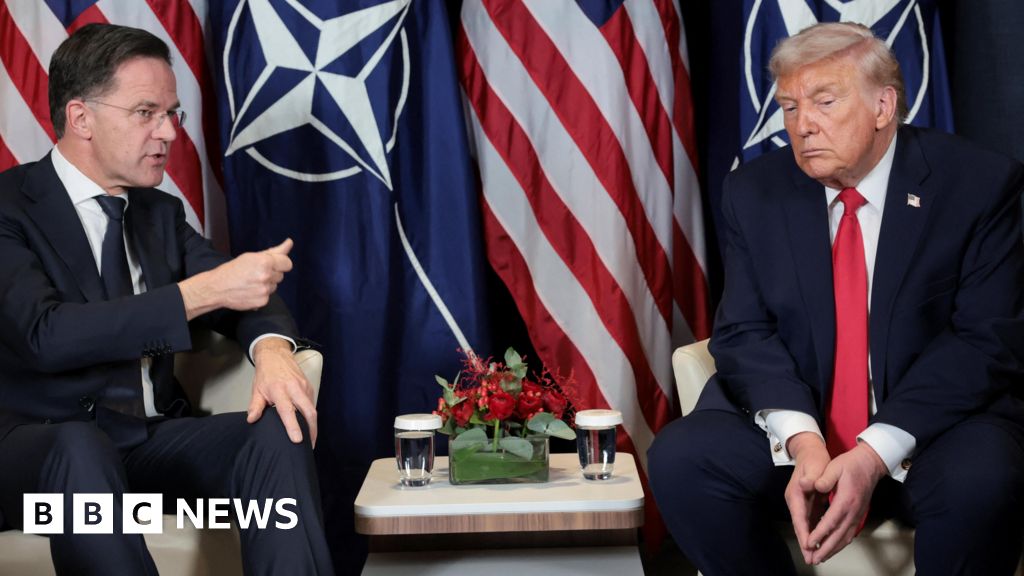

In a striking statement that has sent shockwaves through the international community, US President recently accused NATO of failing to provide adequate support during the recent Iran conflict. Drawing attention to what he described as a critical lapse, the President asserted that “NATO wasn’t there when we needed them.” This declaration signals not only a potential fracture within the transatlantic alliance but also raises serious questions about the future efficacy and unity of the military bloc amidst rising global tensions.
The remark occurs against a backdrop of increasing instability in the Middle East, where Iran’s regional influence and nuclear ambitions continue to threaten the balance of power. Historically, NATO has positioned itself as a collective defense organization primarily focused on the Euro-Atlantic region. However, the recent criticism indicates growing frustrations from the United States—a founding member—with what is perceived as insufficient European engagement in regional security issues. Analysts from think tanks such as the Council on Foreign Relations warn that this fissure could weaken NATO’s credibility at a time when Russia continues its aggressive pursuits in Eastern Europe, and China expands its strategic influence worldwide.
- The President’s statement echoes a broader concern about the geopolitical shifting sands and questions whether NATO, as historically constituted, can function effectively in a multi-polar world
- The incident marks a *potential turning point* in transatlantic relations, with diplomats and military leaders pondering the durability of their alliance
- European leaders, meanwhile, face increased pressure to clarify their commitments and demonstrate their capacity to act independently or in unison with their American allies
International organizations such as the United Nations have long struggled to coordinate coherent responses to conflicts that threaten global stability. Now, with the discontent within NATO surfacing openly, the structural impacts could lead to a realignment of alliances and power centers. Historians warn that such divisions have historically preceded larger conflicts, and some suggest this moment resembles pre-World War tensions, where regional disputes escalated into global crises. As American authorities critique European foreign policy and defense readiness, the global stage is poised on the brink of a new era—one marked by uncertainty, shifting loyalties, and a reevaluation of what collective security truly entails.
As the weight of history presses down on these fragile alliances, nations and societies now face a defining question: will they unite in the face of rising threats, or will internal fractures deepen, leading to a more fractured, unpredictable world? The choices made in the coming months will undoubtedly shape the tapestry of international relations for generations to come. In this tense landscape where power aligns and realigns, the echoes of past conflicts resonate ominously, reminding all that history is constantly in the making—its next chapter yet to be written, with each decision potentially altering the course of global destiny.