Matox News

Truth Over Trends, always!

OpenAI vets launch low-key $100M fund, making stealthy moves in the tech game

Innovation Disruption as Zero Shot VC Launches with Deep OpenAI Ties

In a move that signals a significant shift in the AI investment landscape, Zero Shot, a new venture capital fund deeply rooted in the AI powerhouse OpenAI, has announced its first close on a targeted hundred million dollar fund. The fund, formed by a team of former OpenAI insiders—each with a track record of pioneering AI innovations—aims to capitalize on disruptive AI-driven startups that align with their forward-looking vision. Already committed to writing their initial checks, Zero Shot is positioning itself at the forefront of the next wave of AI breakthroughs that could redefine industries from robotics to enterprise software.

The founding partners, including Evan Morikawa, Andrew Mayne, and Shawn Jain, bring unparalleled expertise from OpenAI’s most transformative years—the rise of ChatGPT and DALL·E. This powerhouse trio is complemented by veteran VC Kelly Kovacs and Brett Rounsaville, who have backgrounds spanning from Twitter to Disney. Their combined experience, combined with close relationships within AI research communities, provides a unique vantage point—one that the group claims is superior to many mainstream VC firms in identifying truly innovative startups. Their first investments, such as Foundry Robotics, exemplify a focus on AI-enhanced industrial automation, a sector ripe for disruption, especially as factory robotics incorporate AI at an unprecedented scale.

The Implications for Industry and Market Dynamics

The venture’s targeted approach signifies a clear shift in market priorities, with a pronounced emphasis on practical AI applications that address pressing industrial and technological gaps. By selectively investing in sectors like robotics and AI deployment, Zero Shot is effectively disrupting traditional VC models, favoring startups with tangible, real-world applications over speculative ventures. This focused strategy could accelerate innovation cycles, drive down R&D costs, and push industries toward adopting AI-powered solutions faster than ever before. Such a move underscores a broader trend of specialization and strategic investment—synthesizing knowledge from AI research and venture execution to maximize the impact of new technologies on the economy.

Analysts from Gartner and MIT’s Media Lab suggest this trend toward AI-centric VC funds accelerates industry consolidation and democratizes access to cutting-edge technology across sectors in ways previously unthinkable. Experts like Elon Musk and Peter Thiel warn of the potential for AI to be weaponized or misused if left unchecked—placing an increased onus on investors like Zero Shot to ensure ethical deployment. Their skepticism about popular but less promising AI trends—such as most ‘vibe coding’ platforms or ‘digital twin’ startups—signals a mature, discerning approach that could sharply influence market trajectories. If their predictions hold, we may see a wave of startups that prioritize principled, research-backed AI innovations, rather than chasing fleeting trends.

Future Outlook: Innovation’s Urgency

Looking ahead, the establishment of funds like Zero Shot underscores a critical moment in AI and tech evolution—a time when disruption is not just expected but imperative. The strategic focus on emerging robotics, AI deployment, and logical reasoning models reveals an emerging consensus: the next decade belongs to those who can seamlessly integrate advanced AI into real-world applications at scale. As many traditional companies and venture firms lag behind in adapting to AI’s transformative potential, the pressure to innovate accelerates exponentially. Stakeholders must stay agile, lest they fall behind the rapid pace of progress driven by visionaries wielding deep expertise and strategic capital. The challenge—and opportunity—lay in harnessing this disruptive wave before it reshapes the entire technological earth, leaving those unprepared behind in a dust cloud of obsolescence.

Huge Norway Fund Likely to Reject Elon Musk’s $1tn Tesla Pay Deal

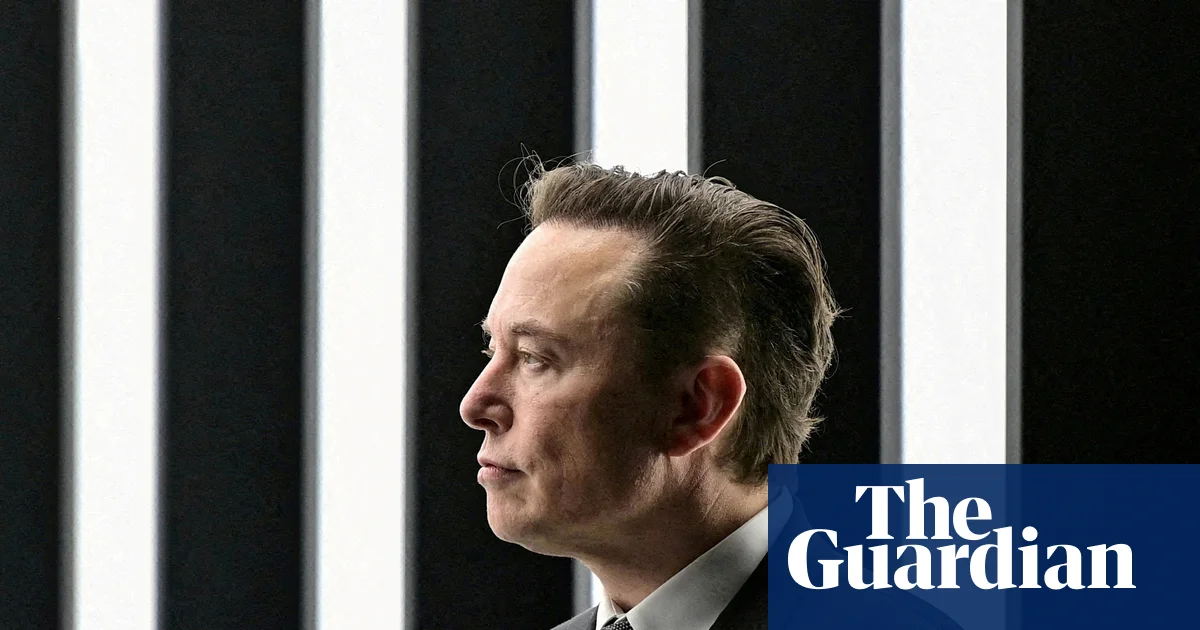
In a decisive move that underscores the power struggle between global investors and corporate executives, Norway’s iconic sovereign wealth fund, the largest in the world, has announced its intent to vote against a staggering $1 trillion pay package proposed for Elon Musk, the visionary CEO of Tesla. This stance highlights a crucial shift in the international outlook on executive compensation and the moral questions surrounding excessive wealth accumulation at the expense of societal responsibility. While acknowledging Musk’s innovative role in transforming the electric vehicle industry, the fund’s administrators expressed concerns over the size and structure of the proposed incentive scheme, citing issues like dilution of shares and lack of adequate risk mitigation.

The geopolitical impact of this development resonates beyond corporate boardrooms. As one of the most influential national funds, Norway’s move sends a clear message: control of the narrative over corporate governance is gaining momentum among international investors. This decision comes at a time when pension funds and public institutions across multiple nations are increasingly scrutinizing the relationship between executive pay and shareholder value. Notably, groups like the American Federation of Teachers and the California Public Employees’ Retirement System have openly opposed Musk’s compensation, signaling a broadening public debate about wealth disparity — a cause for concern in many societies still grappling with economic inequality.

Adding complexity to this high-stakes saga is the personal dynamic between Tangen, the Norwegian fund’s CEO, and Musk. A recent controversy erupted when a private text exchange, uncovered through a freedom of information request, revealed Musk’s pointed remarks about reciprocity and friendship. Musk reportedly told Tangen: “When I ask you for a favour which I very rarely do, and you decline, then you should not ask me for one until you’ve done something above nothing to make amends.” This exchange exemplifies the clash of personalities and the undercurrents of influence that often lie beneath such monumental financial and strategic decisions. It also underscores the growing influence of internationally coordinated efforts to shape the legislative and cultural landscape surrounding global corporations.

The world is watching as the vote on Musk’s proposed incentive structure approaches this Thursday, and the implications reach far beyond the tech sector. If approved, Musk’s estimated net worth could soar beyond $2 trillion, making him potentially the world’s first trillionaire — a figure that exemplifies the staggering concentration of wealth among Silicon Valley elites. Conversely, a rejection by this influential fund would be a significant blow to Musk’s quest for extraordinary rewards, emphasizing that even the most innovative entrepreneurs cannot operate outside the grip of public and institutional oversight. As renowned analysts and global institutions warn of an era where economic disparity threatens social cohesion and geopolitical stability, these decisions are more than mere corporate governance; they are a mirror of our times, reflecting the growing demand for accountability and fairness.

Ultimately, history may well record this period as a pivotal chapter in the battle for economic justice and the shaping of the 21st century’s geopolitical order. As nations and societies watch the unfolding drama of power, wealth, and influence, they are left contemplating the legacy they wish to leave behind — one of innovation driven by ethical responsibility, or a future overshadowed by the shadows of greed and unchecked ambition.

Social Media Auto Publish Powered By : XYZScripts.com