Matox News

Truth Over Trends, always!

Analyzing Trump's Gaza peace proposal: What it really means for youth and future security
Analyzing Trump’s Gaza peace proposal: What it really means for youth and future security

The announcement by President Trump of a comprehensive 20-point peace plan targeting the ongoing conflict in Gaza marks a significant shift in the geopolitical landscape of the Middle East. Leveraging his administration’s influence, Trump’s initiative aims to reshape the current stalemate through clearly outlined troop withdrawal lines and diplomatic concessions. This development is being closely scrutinized by international analysts, who emphasize the unorthodox approach it represents amidst longstanding tensions.

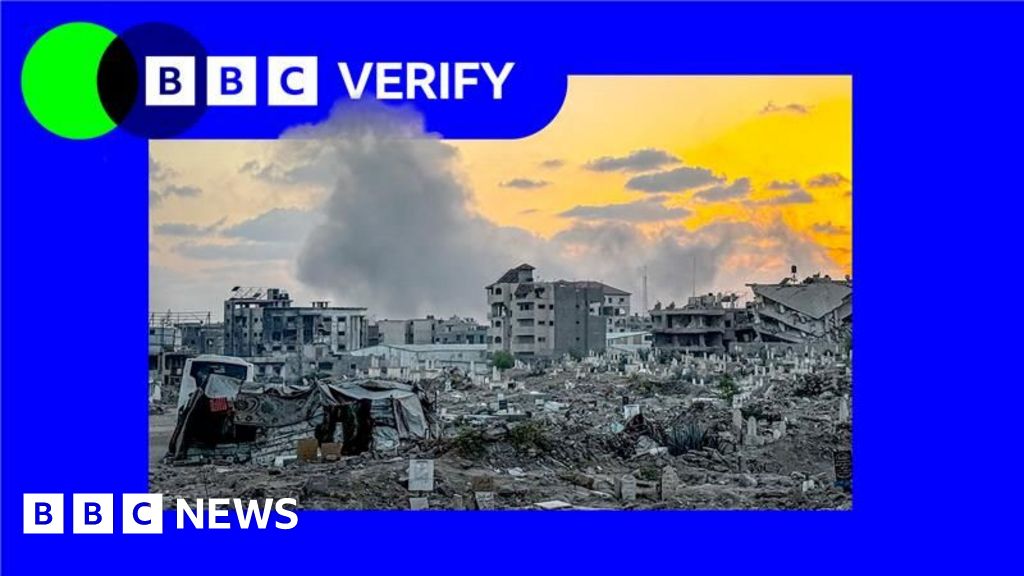
Analysis by BBC Verify and satellite imagery—as detailed by journalist Merlyn Thomas—reveals the extent of the military control exerted by Israel over Gaza, presenting a stark picture of the ground realities. The proposed plan’s success hinges on the Israeli government’s willingness to adhere to the outlined troop reduction points, which could herald a new chapter in the conflict but also poses considerable risks. Governments across the globe are divided in their support, with some emphasizing the necessity of territorial compromise, while others warn against rushing into solutions that could destabilize the region further.

Economists and security experts have voiced their concerns, noting that the deal’s potential to alter regional power dynamics is profound. The United Nations and other international bodies have registered cautious interest, emphasizing that any peace initiative must consider the long-term sovereignty and security concerns of both sides. Historically, peace plans in Gaza have often fallen short due to unresolved core issues such as borders, refugees, and Jerusalem’s status. The current proposal, therefore, risks becoming another chapter in this troubled legacy—unless it manages to address these critical issues comprehensively.

Historians warn that decisions made today could dictate the course of Middle Eastern history for generations. The unfolding scenario bears the weight of decades of conflict, with some analysts arguing that any potential success hinges on the international community’s ability to maintain pressure and provide credible guarantees. The stakes are exceedingly high; a failure to forge lasting peace could escalate the region’s instability and lead to unchecked violence. As global powers watch with bated breath, the decisions of Israel, Palestinian leaders, and the United States will undoubtedly leave a mark on history, whether as a testament to diplomacy or a somber reminder of missed opportunities.

As the world stands on this precipice, one cannot help but feel that history is once again writing itself in the sands of Gaza. The coming days will reveal whether this ambitious plan fulfills its promise, or whether it becomes yet another chapter of broken promises. With the weight of centuries pressing down upon these fragile negotiations, the rising chorus of uncertainty echoes into a future yet to be shaped — a future where the echoes of today’s decisions may reverberate for eternity.
Australia Backs Trump’s Bold 20-Point Peace Plan for Gaza—A Fresh Hope for the Future

Global Reactions to Trump’s 20-Point Peace Plan for Gaza: A New Chapter in Middle Eastern Diplomacy

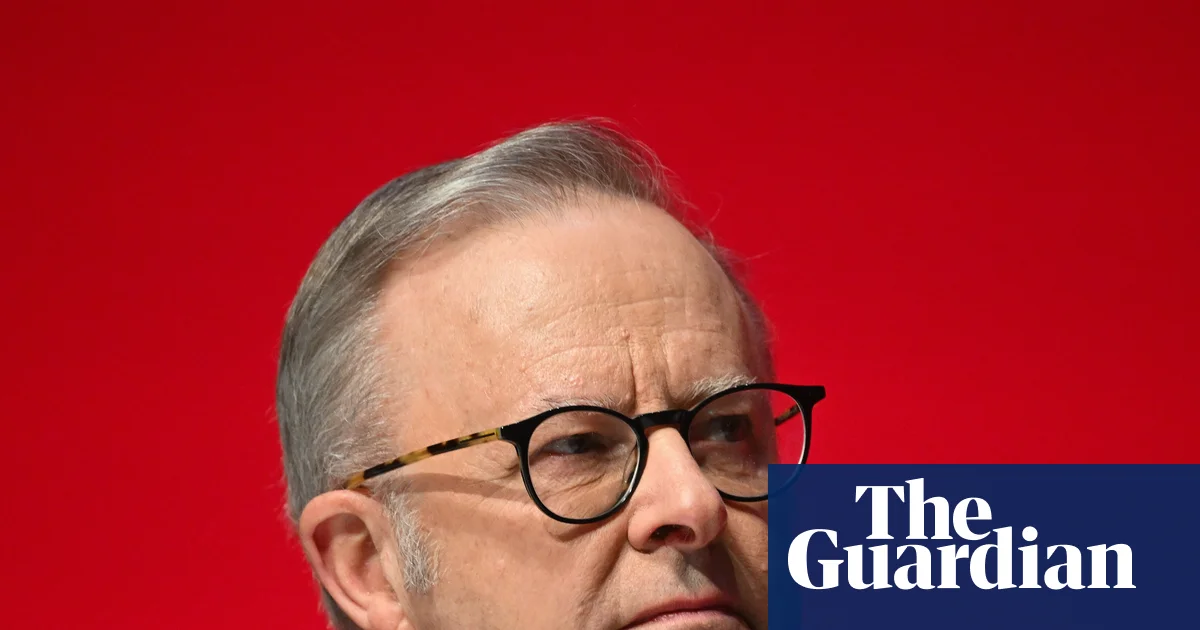
The recent announcement of President Donald Trump’s 20-point peace plan for Gaza has ignited a complex web of international responses, reflecting both cautious optimism and deep skepticism. The plan, unveiled alongside Israeli Prime Minister Benjamin Netanyahu, proposes a transitional “apolitical” governance committee for Gaza, with the United States potentially leading the effort. Australian Prime Minister Anthony Albanese has publicly welcomed the initiative, calling it a ‘door open’ to the elusive two-state solution that many analysts believe is the only sustainable pathway to peace. Albanese’s diplomatic comments, made during his trip to the US, UK, and UAE, underscore a shift among allies toward supporting specific diplomatic proposals amid ongoing regional turmoil.

Particularly notable is the broad regional backing for the plan’s emphasis on Palestinian self-determination, with Indonesia and Pakistan explicitly endorsing the proposals. These nations have traditionally shown solidarity with Palestinian aspirations, and their support signals a regional consensus that, despite its flaws, the plan might serve as a foundation for alleviating suffering and reducing violence. Nevertheless, the plan’s effectiveness hinges on Hamas’s willingness to disarm and accept the transition, a condition that commentators and former experts warn could predicate future failure. As international organizations like the UNO and analysts from think tanks observe, the plan’s success depends on whether key players—most critically Hamas—are willing to abandon violent opposition, a move seen by many as tantamount to signing their own political death warrants.

Nevertheless, the plan’s details are a matter of fierce debate. Critics from the Greens, citing Palestinian sovereignty, argue the initiative may be yet another iteration of external forces imposing a solution without genuine Palestinian agency. Mehreen Faruqi contends that the US-led effort, with figures like Tony Blair involved, does little to foster authentic independence for Palestine, warning that it could merely perpetuate a cycle of occupation under a new guise. Meanwhile, Australia’s opposition remains divided—some see it as a *beacon of hope*, whereas others worry it could undermine Palestine’s right to self-governance. The Coalition’s stance, to revoke recognition of Palestinian statehood, signals a potential retreat from diplomatic recognition, which could destabilize regional prospects further.

Throughout this evolving diplomatic theater, the geopolitical impact remains profound. The plan’s anticipated impact on regional stability, coupled with potential shifts in alliances—especially between the US, Britain, and Middle Eastern nations—could alter the balance of power for decades to come. Historians and international analysts warn that these decisions will be scrutinized in the corridors of history, as one of the most pivotal moments in the Middle East since the original accords. As leaders grapple with the aftermath of decades of conflict, the question remains whether the region can pivot toward peace or whether it risks yet another cycle of violence, entrenching divisions that threaten to spiral out of control.

In the shadows of these high-stakes negotiations, the weight of history lingers, whispering of past hopes dashed and wars fought over uncertain promises. The world now watches as the chapters of this story are written, unsure whether this latest diplomatic effort will spark a new dawn or plunge the region deeper into chaos. For the youth across continents—those who will inherit the future—the decisions made today may very well determine whether peace, elusive yet desperately yearned for, becomes a genuine possibility or remains a distant, fading dream.

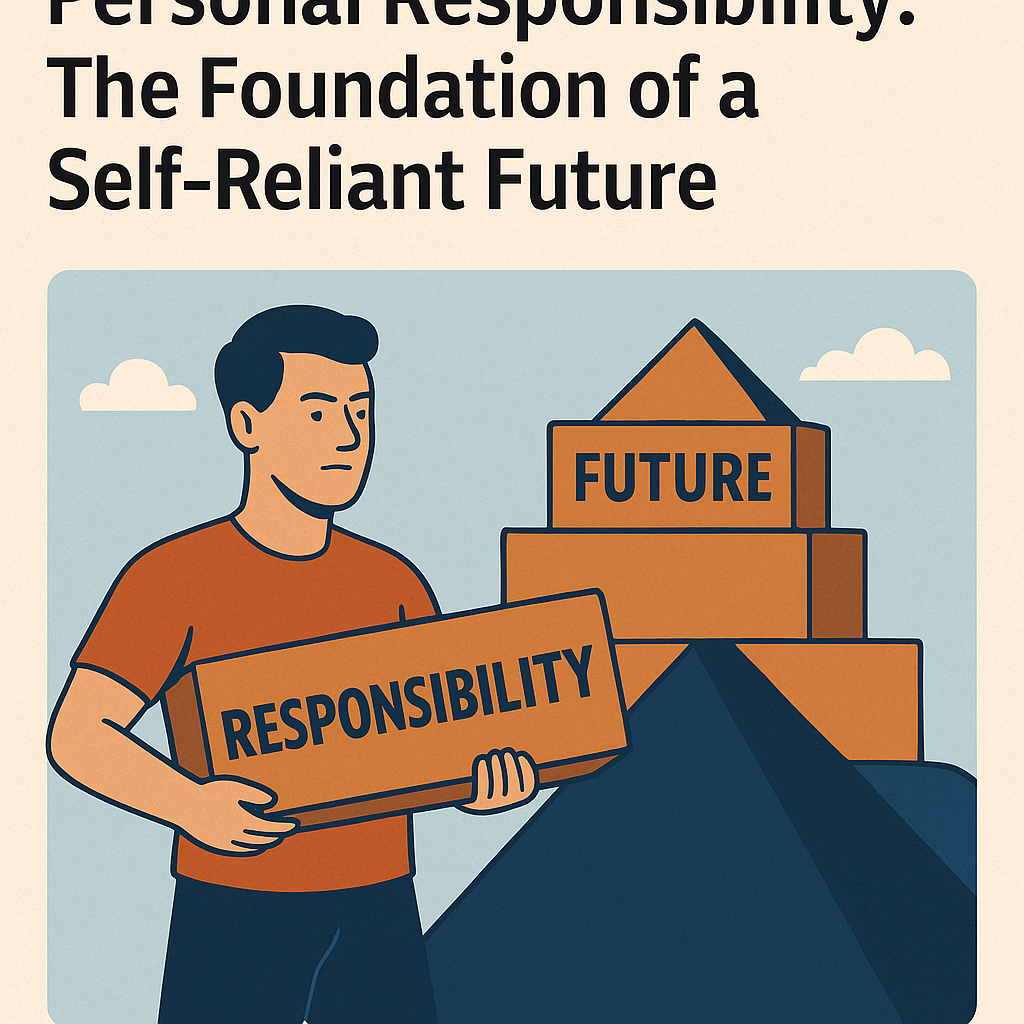
Personal Responsibility: The Foundation of a Self-Reliant Future

At the heart of a thriving, resilient society lies a fundamental principle often overlooked in modern discourse: personal responsibility. As critics of prevalent victimhood culture argue, the path to genuine independence and societal progress is paved with individuals embracing their duties rather than relying on external entities. In an age marked by economic uncertainty, social mobility challenges, and global upheavals, fostering a culture of self-reliance emerges as not merely an individual virtue but a societal imperative. From the principles of classical liberalism to contemporary economic analyses, scholars emphasize that the stability and prosperity of nations are directly tied to how well their citizens internalize and practice personal responsibility.

Many economists and historians, such as Henry Hazlitt and Friedrich Hayek, have long underscored that self-reliance is the backbone of free markets and limited government. Hazlitt famously argued that individual effort and personal accountability set the foundation for economic prosperity, suggesting that when individuals recognize their role in societal success, they are less dependent on government intervention. In contrast, over-dependence fosters a cycle of dependency and government overreach, draining resources and stifling entrepreneurship. Today’s youth, shaped by pervasive narratives of entitlement, must understand that true empowerment arises from taking charge of their actions, choices, and futures—values that built the strong societies of the past.

  • Accountability in personal finance guides responsible decision-making, fostering stability rather than chaos.
  • Work ethic propels innovation and economic growth when paired with individual initiative.
  • Community resilience is cultivated when citizens actively participate in and nurture their local environments through responsible actions.

Critically, critics of modern social policies argue that over-reliance on government programs impoverishes individual agency and stifles the innate drive for achievement. As economist Thomas Sowell notes, “The most basic question is not what is best, but who shall decide what is best.” When individuals become passive recipients of handouts rather than active architects of their lives, the fabric of society frays. Building a self-reliant future thus requires nurturing a cultural mindset that values effort, accountability, and resilience—traits that shape not just individual destinies but the destiny of nations.

Ultimately, the weight of responsibility beckons each generation to forge a legacy rooted in integrity and resolve. As history’s great epochs have demonstrated, societies that uplift their citizens in cultivating personal responsibility forge chains of strength and independence that echo through eternity. The challenge ahead is immense: to inspire youth to see themselves as architects of their destiny, not mere passengers or beneficiaries. Because in this grand mosaic of human progress, it is the unwavering commitment to one’s duties that transforms potential into legacy—an enduring testament that, in a self-reliant future, the seed of greatness lies within each individual’s own hands, awaiting only the courage to take root and grow.”

Join the Unlocking the World newsletter—empower your future today!

As the world stage shifts rapidly in 2023, international alliances and strategic interests are once again at the forefront of global affairs. The resurgence of confrontations and realignments among major powers signals a new era in geopolitics, challenging the post-Cold War order established over the past three decades. Experts like Dr. Matthew Johnson, a renowned historian, argue that these trends underscore a fundamental reassertion of national sovereignty in face of what many perceive as an overreach by international institutions. Nations across the globe are recalibrating their security policies, economic strategies, and diplomatic outreach, prompting intense debates about the future of global stability and leadership.

The United States continues to assert its influence through renewed military commitments and strategic partnerships, notably in the Indo-Pacific region. Its efforts aim to counterbalance the expanding assertiveness of China, whose policymakers are pursuing aggressive territorial claims and economic diplomacy under the umbrella of the Belt and Road Initiative. Meanwhile, Russia remains entrenched in conflicts in Ukraine and asserts its role as a speculative titan, challenging Western dominance and complicating NATO’s stability. The Russian leadership, citing geopolitical necessity, views NATO’s eastward expansion as a direct threat. These tensions have rekindled fears of a broader conflict, compelling analyst think-tanks like the International Institute for Strategic Studies to warn of a fragile peace that requires vigilant management.

In this climate, international organizations such as the United Nations are often criticized for their perceived inability to adapt swiftly to evolving threats. Some analysts argue that the UN’s structural limitations hinder effective conflict resolution, leading nations to pursue bilateral or regional agreements instead. The recent uprising of nationalist movements in various nations further complicates the global balance, with governments prioritizing sovereignty over international cooperation, especially in areas like trade, military alliances, and climate policy.

  • Major economies are revisiting trade treaties, emphasizing self-reliance over multilateral agreements.
  • Strategic autonomy is gaining precedence among rising powers questioning existing global governance frameworks.
  • Military modernization efforts are intensifying as states prepare for a possibly more turbulent era.

The geopolitical impact of these decisions is profound: societies are experiencing a shift toward heightened nationalism, with doubts about the efficacy of supranational institutions. Historian Carl Jensen points out that history suggests periods of intense nationalism often foreshadow global conflicts, urging caution in the current climate. Nations are increasingly reasserting their sovereignty, internal policies are aligning with external pressures, and the global order appears to be leeched into a new, unpredictable phase. As the world watches these developments unfold, the question remains: will diplomacy prevail, or are we walking into a confrontation that history might judge as inevitable? The weight of this moment, thus, is not merely measured in treaties or wars but in the enduring legacy of how nations choose to shape their destinies amidst the storm of change.

Future Stars Shine: Rising Talents Make Waves in National Youth Sports Championship

Aitana Bonmatí Prepares for a More Competitive Champions League Season

As excitement builds for the upcoming UEFA Women’s Champions League, Aitana Bonmatí of Barcelona is making headlines not just for her team’s prospects, but for her personal achievements as well. Earlier this week, Bonmatí received the coveted Ballon d’Or for an unprecedented third consecutive time, a feat that positions her among legends such as Michel Platini and Lionel Messi. She commented on this extraordinary moment during a celebration at the Gran Teatre del Liceu in Barcelona, stating, “In my opinion, this change in the Champions League is one of the best things they could do; it makes it more competitive.”

New Format, New Challenges

The upcoming season will see the Champions League adopt a new format, expanding from 16 to 18 teams, incorporating the Swiss model akin to the men’s tournament. Each team will compete in six unique fixtures, a shift that is expected to heighten competition across the board. For Bonmatí and her teammates, this means a challenging road ahead but one that they are prepared to navigate. Barcelona will open their campaign against Bayern Munich on October 7, a match that’s poised to set the tone for their season.

  • Aitana Bonmatí is the first woman to win the Ballon d’Or three times in a row.
  • Barcelona reached the Champions League final last season, only to fall short against Arsenal.
  • Bonmatí helped her team secure a domestic treble last season, also competing in the Euro 2025 final.

Bonmatí expressed her optimism, stating, “I think it’s going to be a very exciting season because the Champions League is changing.” Her confidence is backed by her stellar performance last season, where she had a significant role in guiding Barça through a successful campaign. This past year has also seen her transition from a talented player to an internationally recognized star, as her name resonates not only in her home country but across the globe.

Beyond the Scoreboard

What makes Bonmatí’s achievements even more remarkable is her ability to maintain a high level of performance under pressure. In recent games this season, she has already netted an impressive five goals in just four matches. Yet she remains grounded, indicating that her focus is wholly on her personal journey rather than comparisons to other football legends. “I am Aitana. I have my own path to follow,” she remarked when asked about the potential to match Messi’s record of eight Ballon d’Or wins. Her commitment to hard work and perseverance resonates deeply within the sports community.

The start of the Champions League is not just about the competition; it stands as a testament to the unifying power of sports. As fans eagerly await the matches, it is moments like these that illustrate how sporting excellence can transcend individual ambitions and aspirations. Whether it’s in a packed stadium or through the screens at home, the joy of the game brings diverse communities together, cheering on shared hopes and dreams. As Bonmatí and her teammates prepare for battle, they do so not just for trophies, but for the greater love of the game and the connections it fosters among fans worldwide.

Source link

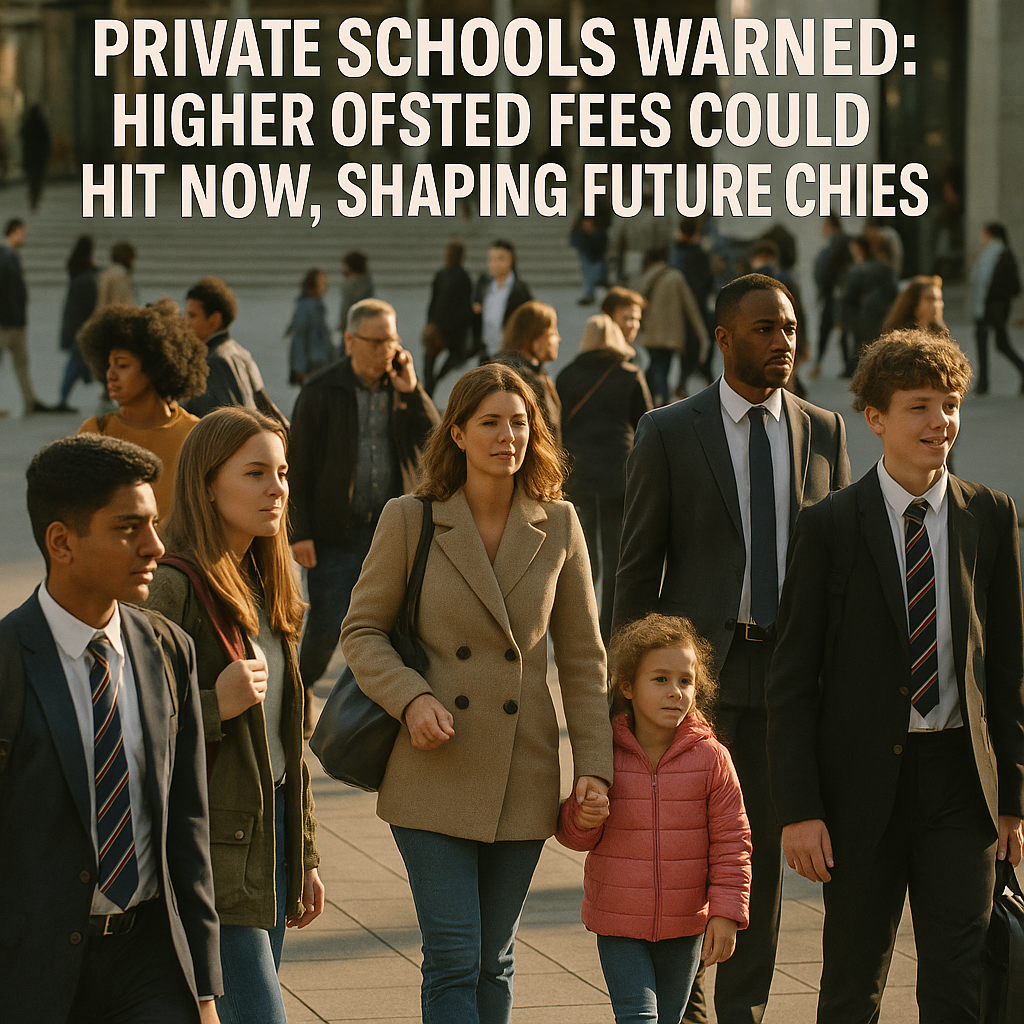
Private Schools Warned: Higher Ofsted Fees Could Hit Now, Shaping Future Choices

Societal Divide Deepens: The Impact of Private School Policies on Families and Communities

In recent months, the fractures within the fabric of British society have become more evident, as government and educational authorities grapple with the future of private education. The Department for Education (DfE) has proposed increased fees for Ofsted inspections of private schools, a move seen by many as a step toward economic fairness but criticized by others as a threat to exclusive community benefits. Currently, the regulator’s inspection costs are partially subsidized by taxpayers; however, the DfE suggests that private institutions should shoulder more of this burden, claiming that the taxpayer shouldn’t be subsidizing private businesses in this way. This policy shift raises questions about the social cohesion of communities and the role of private institutions within the broader society, especially given their historic role in perpetuating class distinctions and access to elite education.

Private schools inspected by Ofsted—those classified as “non-association”—comprise a significant portion of England’s independent educational landscape, with nearly half the 1,150 inspected institutions being specialized schools catering to pupils with disabilities and special educational needs. These smaller institutions serve as vital anchors for families seeking tailored education for their children—but looming financial pressures threaten their sustainability. The DfE’s proposal to increase fees over the next five years, climbing for schools with 150–399 pupils from £2,500 to £3,300, is part of a broader initiative to channel additional funds into **state school excellence**. Education Secretary Bridget Phillipson insists this approach is aimed at “driving up standards for children in state schools,” but critics argue it risks widening the social divide—thereby impacting family choices, community stability, and the very fabric of local life.

  • The financial burden on private schools could escalate, potentially making it more difficult for families already under economic strain to access these institutions.
  • Such shifts may incentivize educational consolidation, reducing the diversity of school options within communities.
  • The ongoing VAT on school fees and legal disputes over discrimination allegations compound the economic pressures faced by families and institutions alike.

This evolving landscape underscores how social and economic policies directly influence families and community dynamics. The higher fees could deepen existing inequalities, positioning private institutions as increasingly exclusive enclaves while challenging the principles of equal opportunity. Experiencing socioeconomic and cultural transformations, society faces the challenge of balancing meritocracy with accessibility. Sociologists like Charles Murray have long argued that education serves as a cornerstone of societal mobility; yet, policies that threaten to make private education more inaccessible risk entrenching disparities that threaten to undermine social cohesion. As families navigate these shifting currents, their choices and opportunities are being reshaped, impacting generations to come.

Reflecting on these societal shifts demands more than policy adjustments; it calls for a collective moral reconceptualization of what it means to foster an equitable society. The true test lies not merely in economic recalibrations but in nurturing a social fabric where opportunity and dignity for every family remain attainable. However, as history reminds us, societal transformations are seldom smooth, and the resilience of community bonds will be challenged amid economic austerity and cultural shifts. Yet, with deliberate effort and moral clarity, society can forge pathways that bridge divides, ensuring that future generations inherit not a fragmented landscape but a resilient, inclusive, and hopeful society.

Fiscal Discipline: The Foundation of a Thriving Future

Fiscal discipline stands as the bedrock upon which a prosperous and resilient future is built. In a world of mounting economic uncertainties, governments that prioritize sound financial management can better navigate crises, foster sustainable growth, and secure opportunities for future generations. Critics often argue that expansive spending and loose fiscal policies are necessary to stimulate economic activity; however, history and economic analysis consistently demonstrate that overly ambitious deficits lead to long-term instability, inflation, and diminished investor confidence. As Nobel laureate Milton Friedman asserted, “The well-known fact that inflation is always and everywhere a monetary phenomenon underscores the importance of fiscal prudence in maintaining economic stability.” Ensuring fiscal discipline is not merely a moral choice but a pragmatic one rooted in empirical evidence and economic theory.

Proponents of fiscal discipline highlight key benefits that extend beyond immediate budgetary concerns. These include:

  • Lower interest rates, which reduce borrowing costs for both governments and private sectors.
  • Enhanced investor confidence, fostering an environment conducive to attracting domestic and international capital.
  • Reduced risk of debt crises, shielding economies from the destabilizing effects of excessive public debt—a message echoed by analysts such as Ray Dalio, who insists that debt sustainability is crucial for economic stability.
  • Greater flexibility in policy-making, allowing governments to respond proactively to unforeseen economic shocks without jeopardizing fiscal integrity.

Applying fiscal discipline also aligns with the principles of free-market economics, which emphasize limited government interference and the importance of personal responsibility. Economists like Adam Smith recognized that “the real engine of economic progress is the individual’s pursuit of self-interest”, made possible when governments impose constraints on their expenditure. Countries that have embraced these tenets, such as Hong Kong or Switzerland, showcase how disciplined fiscal policies create fertile ground for innovation, entrepreneurship, and economic resilience. Conversely, nations that indulge in unchecked spending often find themselves mired in cycles of debt and economic stagnation, as laid bare by historical episodes like the Latin American debt crisis of the 1980s. These lessons reinforce that fiscal discipline is a necessary condition—not merely a fiscal virtue—for achieving enduring growth.

Maintaining fiscal responsibility is undeniably a challenging endeavor, especially in an era of populist pressures and short-term political gains. Yet, it demands a strategic vision rooted in the realization that the true strength of a nation lies not just in its resources, but in its ability to manage them wisely. As the future unfolds, the nations that wield fiscal discipline as their guiding principle will be the architects of stability and innovation, forging pathways where others see only obstacles. With each prudent decision, they write a story not only of economic resilience but of hope—a testament to the idea that responsible stewardship can elevate a society from the chaos of reckless spending to the clarity of a thriving, sustainable future. The weight of this responsibility is immense, yet it holds within it the profound promise that, with disciplined fiscal policies, the aspirations of a brighter tomorrow can transcend the confines of today’s uncertainties—transforming fleeting dreams into enduring legacy, as enduring and profound as the very essence of progress itself.

StrongFamilies: The Foundation of America’s Future

Throughout American history, the strength of the family unit has reliably served as the backbone of societal stability and economic resilience. Critics of modern social policies often emphasize that a robust family structure fosters personal responsibility, emotional stability, and the cultivation of virtuous citizens—elements that are essential for a thriving republic. According to renowned economist Brad DeLong, the family has historically been the primary institution for socializing children and transmitting cultural values, which ultimately sustains social cohesion. When families flourish, communities tend to flourish, and societal progress becomes not just an ideal but a tangible reality. Conversely, fragmented families often correlate with rising poverty rates, decreasing educational attainment, and increased reliance on government programs, which amplifies societal dependence and weakens the nation’s foundation.

Statistics consistently reveal the critical link between strong families and positive economic outcomes. Studies from the Census Bureau and Harvard University highlight that children raised in intact, stable households are more likely to graduate from high school, avoid incarceration, and achieve upward mobility. It is no coincidence that the decline of the traditional family correlates with spikes in social problems—ranging from mental health crises to economic despair. Economists such as James Q. Wilson have argued that family stability is a vital pillar of economic prosperity, since it reduces the burden on social welfare systems and increases the likelihood of productive, independent citizens. As critics increasingly advocate for policies that strengthen the nuclear family, it becomes clear that preserving this foundational unit remains a paramount challenge for policymakers and society alike.

Amidst shifting cultural tides and the relentless march of progressive ideology, the importance of nurturing strong families cannot be overstated. Historically, this has meant fostering policies that support marriage, promote responsible parenting, and uphold moral values rooted in traditional institutions. As historian David Barton and conservative thinkers have pointed out, the fabric of America was woven through family bonds grounded in shared values and divine principles. Yet, in today’s age of individualism and shifting moral norms, the risk emerges that the very concept of the family is under siege, eroding the societal fabric from within. For the youth, this means a struggle to find guidance in a rapidly changing landscape—a landscape where the strength of family remains the only true anchor against the chaos of uncertain futures. Advocates argue that a renewed focus on family values is not merely a cultural preference but a strategic necessity to safeguard America’s promise for generations to come.

There is a timeless grandeur in the notion that the future of a nation rises or falls on the shoulders of its families—each one a microcosm of hope, resilience, and continuity. As the sun sets over a nation still wrestling with its identity, it is the enduring strength of the family—anchored in tradition, fortified through shared purpose, and committed to nurturing the next generation—that holds the **power to forge a future resilient enough to withstand the tempests of history**. For in the quiet resolve of the family lies the seed of America’s enduring greatness, whispering the promise that when foundations are strong, the phoenix of freedom and prosperity shall indeed rise anew, illuminating the path toward a destiny crafted by the very hands that shape its future.”

Individual Freedom: The Cornerstone of Our Future


In the contemporary landscape of political discourse, the question of individual freedom stands at the crux of our society’s evolution. Many argue that personal liberties are fundamental to progress, acting as a bulwark against the encroachments of authoritarianism and collectivism. The essence of individual freedom, encapsulated in the rights to speech, assembly, and personal choice, plays a pivotal role in not only shaping individual lives but also in driving societal advancement.

The historical context of individual freedom can be traced back to the Enlightenment, where philosophers like John Locke and Adam Smith laid the groundwork for liberal democratic principles. Their advocacy for limited government intervention and the sanctity of personal rights offered a counter-narrative to oppressive regimes. In contrast, critics of unleashed individualism contend that unregulated freedoms can lead to societal fragmentation and moral decay. However, the potential pitfalls of individualism should not overshadow its undeniable capacity to catalyze innovation and creativity, essential elements for a thriving future.

Moreover, the modern economy, increasingly driven by entrepreneurship and digital innovation, depends on the freedom of individuals to explore, create, and challenge the status quo. Young entrepreneurs exemplify this trend; they leverage cutting-edge technology to disrupt traditional business models, improving efficiency and accessibility. By enabling individuals to pursue their passions, societies can foster environments that incubate new ideas and solutions, ultimately propelling economic growth. Thus, maintaining robust individual rights becomes essential for nurturing this entrepreneurial spirit.

On the social front, the rise of movements advocating for personal liberties across different spheres—such as gender identity, privacy rights, and freedom of expression—demonstrates a collective push towards a more inclusive society. Many argue that these movements are emblematic of a broader recognition that individual freedom is not merely a privilege but a universal right that enhances social cohesion. Counterarguments suggest that such liberties can sometimes clash with traditional values or lead to divisiveness within communities. However, accepting a multiplicity of identities and perspectives can enrich our cultural tapestry, fostering empathy and progressive dialogue.

Education plays a critical role as well in this discourse. A system that prioritizes individual freedom encourages critical thinking and empowers students to engage with diverse viewpoints. By fostering an environment where questioning authority and exploring new ideas are not just permissible but encouraged, educational institutions can cultivate the next generation of leaders who are equipped to navigate the complexities of modern life. Critics, however, may assert that this approach risks undermining established historical narratives and societal norms, which serve to maintain order. Yet, a well-rounded education that values both personal freedoms and historical context can equip individuals with the tools to engage thoughtfully with both their rights and responsibilities.

Internationally, countries that prioritize individual freedoms often experience more stability and prosperity than those that suppress such rights. Nations that embrace market-oriented policies and democratic governance tend to witness elevated standards of living and greater citizen satisfaction. Conversely, countries that engage in heavy-handed regulation and restrict personal liberties frequently find themselves entrenched in cycles of stagnation and social unrest. Critics of neoliberal policies point to inequality as a potential downside; however, the evidence indicates that absolute freedom spurs opportunities that ultimately uplift everyone, rather than merely enriching a select few.

For many, it is crucial to recognize that individual freedom does not exist in a vacuum. It must be balanced by a commitment to social responsibility and community well-being. This calls for a nuanced understanding of what it means to be free in today’s interconnected world. Many suggest that fostering civic engagement and a sense of duty towards one’s immediate community can enhance individual freedoms rather than diminish them. While critics may argue that a focus on community can infringe upon personal liberties, it is entirely possible to support communal values while maintaining a strong commitment to individual rights.

In conclusion, the trajectory of our future hinges on our commitment to individual freedom as a foundational principle. As we navigate the complexities of modern challenges—be they technological, social, or political—it is imperative to champion the rights of individuals while fostering a sense of collective responsibility. Through a balanced approach, we can ensure that individual freedom not only remains a cornerstone of our identity but also propels us toward a sustainable, enriched future. By standing firm in our belief in the empowerment of all individuals, we pave the way for innovation, inclusivity, and ultimately, a brighter tomorrow.

Today’s Politics: Youth Perspectives Shape the Future of Our Nation

In the current landscape of American politics, the decisive battle for the soul of the nation continues to unfold amidst mounting power struggles that determine the direction of future policy and influence. At the center of this evolving tableau is President Joe Biden, whose administration endeavors to project authority while navigating the turbulent waters of division and discontent. The confrontations between the executive branch and legislative bodies reveal much about the undercurrents shaping American governance—where policy reforms are not merely legislative acts, but battlegrounds for ideological supremacy.

The Biden administration’s push for broad reforms—ranging from economic recovery to social equity—has been marked by an ambitious agenda that echoes traditional Democratic objectives. Yet, these initiatives often encounter fierce resistance from Republican-led legislatures and conservative interest groups desperate to preserve their influence. This dynamic not only underscores the power dynamic in play, but also raises questions about who truly holds sway over the policy outcomes that will shape the lives of millions. Here, the narrative echoes the enduring philosophical debate on who determines the governance of a nation—the voters, the elites, or the institutions.

Historical parallels are instructive. Like the fierce constitutional debates during the New Deal era or the more recent battles over healthcare and executive power, today’s political climate signals a struggle over constitutional interpretation. Constitutional scholars and theorists such as **Ronald Dworkin** and **A.V. Dicey** remind us that the document—while framed in the 18th century—serves as a battleground for contemporary ideologies. The very fabric of the U.S. Constitution is being tested as executive orders clash with legislative statutes, and questions around *who* wields *ultimate authority* become increasingly contentious. When institutions clash, it becomes clear that the ruling power defines the destiny of democracy itself—placing the social contract under continuous renegotiation.

In this constant push-and-pull, the decisions of today forge the societal landscape of tomorrow. Policy shifts—be they related to immigration, economic reform, or civil liberties—are rooted in broader ideological conflicts that resist simple resolution. The stakes transcend mere legislation; they shape the identity of the nation. As political theorist **Carl Schmitt** argued, sovereignty resides in the ability to decide on the exception, and in such moments, the true supremacy of power is revealed. The question remains: who will define the narrative from this stage of history? Will it be the advocates of order or the champions of change? Ultimately, the stage is set, and history is watching—to see who will write the final chapter in this ongoing saga of power and destiny.

Social Media Auto Publish Powered By : XYZScripts.com